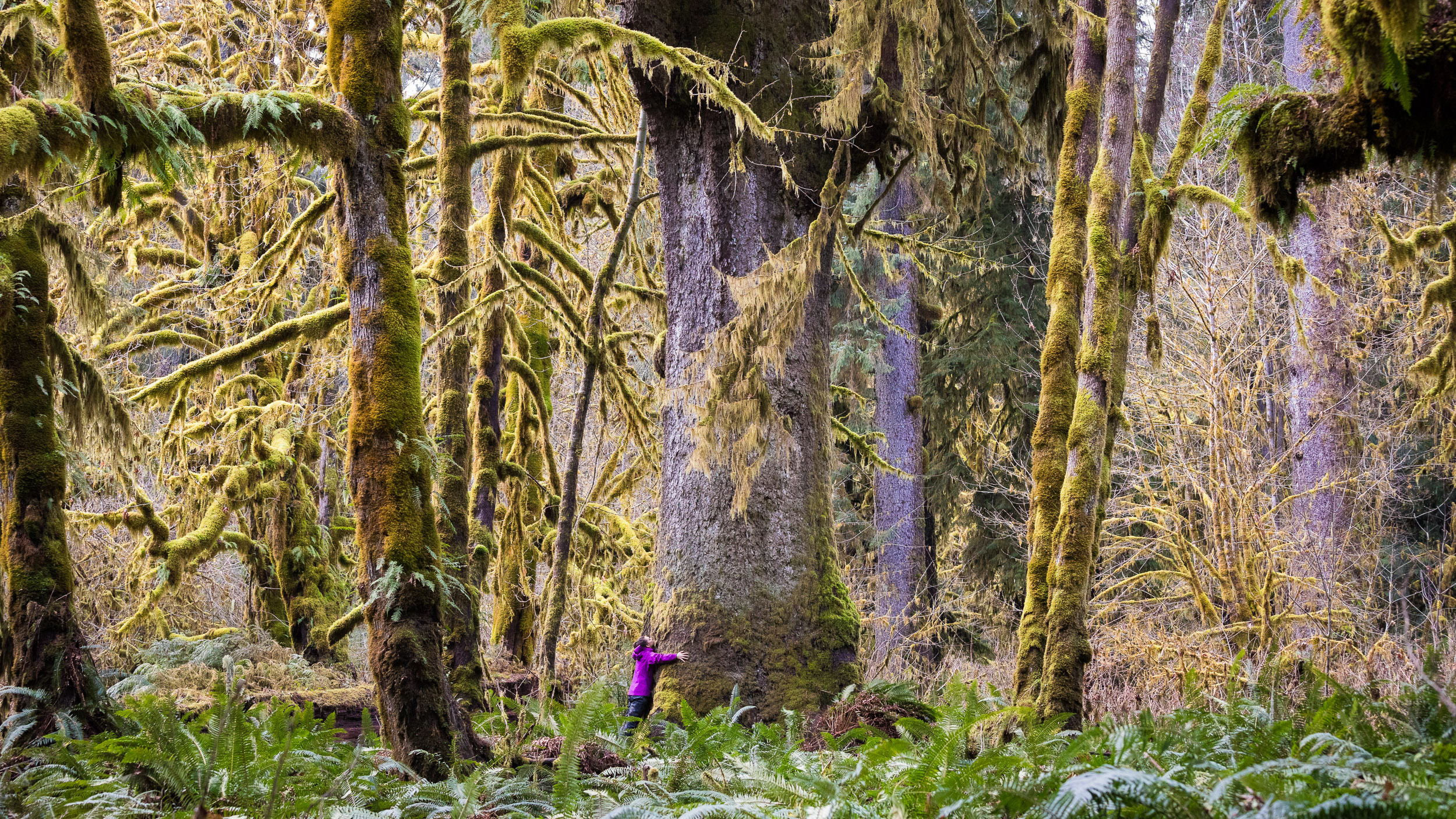
From old-growth forests to grasslands, rainforests to dry forests, alpine mountaintops to rich valley bottoms – BC has the greatest diversity of ecosystems in Canada.
This brings with it the responsibility and opportunity for the BC NDP government to ensure the protection of these globally renowned ecosystems for our health and well-being, to support a more sustainable, diversified economy, to support First Nations cultures, and to avert the extinction and climate crises.
We commend the progress thus far that has been made by the BC NDP government, including their commitment to protect 30% of BC by 2030, securing over $1 billion in provincial-federal conservation financing, deferring logging on 1.2 million hectares of the TAP’s most at-risk old-growth, and starting parts of the value-added, second-growth and engineered wood products transition. However, this momentum has now stalled. Recent decisions by the BC government signal a concerning backslide on policy progress at a time when urgent action is still needed.
Today, critical policy gaps still remain to protect old-growth forests, and if the entrenched economic dependency that many communities and First Nations have on old-growth logging is not also addressed, efforts to scale up protection will continue to fall short.
To take effective action to protect endangered old-growth forests, the province must:
- Develop a provincial Protected Areas Strategy (PAS) where they proactively work with First Nations to protect priority ecosystems, such as those most endangered and least protected, including the last big-tree old-growth forests in the province.
- Implement historic-scale incentives and restructuring to rapidly transition toward a modernized, value-added, second-growth forestry industry.
- Develop science-based targets to protect all ecosystems, known as “Ecosystem-Based Targets.”
- Provide “solutions space” funding for First Nations to defer logging in old-growth forests where they have revenues from logging operations.
- Close logging loopholes in conservation reserves like Old-Growth Management Areas (OGMAs) and Wildlife Habitat Areas (WHAs).
- Develop a Conservation-Based Economy Strategy of incentives and other support for new businesses to take advantage of an expanding protected areas system, in order to scale up a modernized, sustainable and diversified economy.
Please SEND a MESSAGE to BC’s Elected Decision-Makers Below!