 Oct 16 2026
Latest Update: Where do BC’s Major Political Parties Stand on Nature Protection?
As we approach the BC election on Saturday, October 24th, 2026, here’s where BC’s major political parties stand on nature and old-growth forest protection.
Safeguarding nature is vital for our health and well-being, for the economy, for the climate, and for the diversity of life on Earth.
We will provide more updates as the parties release more information on their platforms and positions.
Visit Elections.bc.ca to find out where to vote and what you need for ID.
🔵 The BC Conservative Party
1. Has not committed to protect 30% of the province’s lands and water by 2030, and previously pledged to toss out the commitment.
2. Has not committed to legislating currently advanced protected area projects, spanning almost 4 million hectares of BC across diverse ecosystems, including vast tracts of endangered old-growth forests, and their conjoining “Working Forest”-type proposal would legally obstruct many of these protections (see next point).
3. Propose its own Working Forest-type model (an anti-protected areas designation) that is even more extreme than the BC NDP’s original proposal. Spanning 22 million hectares, it would cover the full extent of the unprotected, productive forest lands in BC (with the largest trees, richest biodiversity and most endangered forest types), an area known as the Timber Harvesting Land Base.
The party claims that the remainder of Crown lands would be managed for biodiversity, though these remaining areas are largely alpine or subalpine, with small or no trees, and logging would still be allowed in these zones as a “secondary value”.
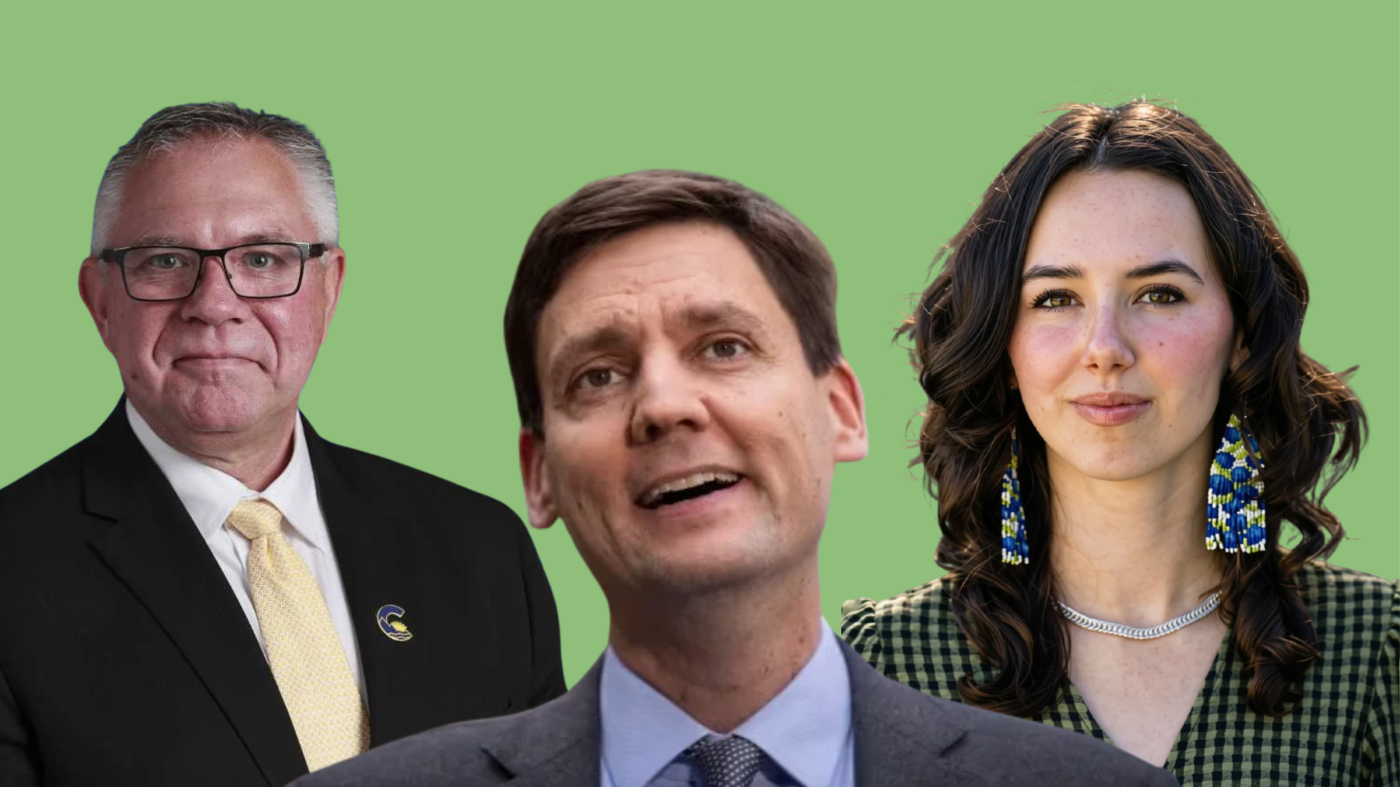
4. BC Conservative Leader Lorne Doerkson recently (October 15, 2026) stated reluctance to implement the Old-Growth Strategic Review’s recommendations, and the party has generally expressed opposition to old-growth logging deferrals, citing concerns about their impact on available timber supply.
5. Has not committed to conservation financing or “solutions-space” funding to support First Nations in implementing old-growth logging deferrals.
6. Has not committed to deliver ecosystem-based protection targets (protection targets for the diversity of ecosystems in BC), and has sent opposite signals, describing the Old-Growth Strategic Review recommendations as “challenging” and “in need of examination”. The OGSR recommendations call for a paradigm shift where ecosystem health is to be prioritized in all land use planning and forestry management, which by necessity would entail enhanced, science-based ecosystem protection targets.
7. Threaten the integrity of protected areas and conservation reserves, by stating that logging will be a “secondary value” in areas set aside for biodiversity, and has used the guise of wildfire risk reduction as a means to advocate logging in conservation areas.
8. Its forestry position remains focused on increasing the economically available timber supply, alongside previous calls to set aside the entire extent of unprotected, productive forest lands at the centre of the forest environmental concerns for the logging industry. There has been no commitment to ensure a value-added, second-growth transition or ending raw log exports, although it has previously proposed an incentive system to generally enhance wood manufacturing in BC.
🟠 The BC NDP Party
1. Has committed to advancing the goal of protecting 30% of BC’s lands and waters by 2030, but currently takes an ad hoc approach to protected areas expansion rather than a proactive, systematic, ecosystem-based strategy across the province (i.e. a BC Protected Areas Strategy is needed).
2. Has protected thousands of square kilometres, including old-growth forests in Clayoquot Sound, the Incomappleux Valley, and Klinse-za/Twin Sisters, all involving conservation financing and working with First Nations. This year, the BC NDP announced six new Indigenous-led protected area plans (here and here) spanning almost 4 million hectares, and is in discussion with dozens of First Nations about other potential protected areas.
3. Has deferred logging across more than 2 million hectares of old-growth forests, including some of the grandest, oldest, and rarest old-growth stands in BC. However, it has failed to deliver on most of the promised Old Growth Strategic Review recommendations, and there is still 1.36 million hectares of the highest conservation value remaining old growth in need of logging deferrals and eventual permanent protection.
4. Has delivered significant funding in the form of the $300-million BC Conservation Financing Mechanism and the $1.1-billion BC Nature Agreement (half provincial funds). The party has now (announced October 10, 2026) committed $50 million to convert old-growth deferrals into permanent protections, while scaling value-added, second-growth forestry. However, the BC NDP has not delivered on conservationists’ call for $120 million in short-term “solutions-space” (or deferral) funding to support First Nations in implementing outstanding logging deferrals on the most at-risk old-growth forests in BC.
5. Is yet to implement ecosystem-based targets, that is, protection targets based on science and Traditional Ecological Knowledge for each ecosystem. These targets would provide a ‘GPS for new protected areas’ to ensure that the diversity of ecosystems are adequately protected. Their implementation is the most important game-changer to ensure the protection of endangered ecosystems.
6. Before the election, the BC NDP started working towards an environmentally destructive “Working Forest” proposal to create guaranteed logging zones across much of the productive forest lands in BC to obstruct new protected areas, lift old-growth logging deferrals, and vastly expand the rate of cut. This Working Forest proposal is absent in its current forestry platform, but there is mention of stronger forest management practices to speed up permitting and ensure consistent access to fibre.
7. Despite concerns otherwise, the BC NDP has thus far maintained protection standards for existing parks and conservancies that prohibit commercial logging, mining and oil and gas development. However, it has failed to address logging loopholes within conservation reserves, and its commitment to maintain existing standards has been tenuous, signalling an interest in using the cover of “wildfire risk reduction” to allow logging in otherwise protected conservation reserves.
8. Has failed to adequately transition BC away from the declining industry of old-growth logging and toward a sustainable and modern, value-added, second-growth forestry industry. However, the party has now committed additional funds for mill retrofits for value-added products, but has not committed to ending raw log exports.
🟢 The BC Green Party
1. Has committed to protect a minimum of 30% by 2030 of BC’s lands and waters by working with First Nations and the federal government.
2. Generally supportive of protected areas, but no current information about advanced protected areas.
3. Has committed to permanently protect big-treed old growth and large second-growth forests from logging, and to fully implement all 14 recommendations of the Old Growth Strategic Review.
4. Has committed to invest in conservation financing to support First Nations and communities in protecting old-growth forests. However, it has not explicitly agreed to deliver “solutions-space” (or deferral) funding to help First Nations implement outstanding logging deferrals on the most at-risk old-growth forests in BC.
5. Has committed to generally make ecosystem health and biodiversity an overarching priority in forest management. However, it does not explicitly mention ecosystem-based protection targets anywhere, which are key to ensuring ecosystem health.
6. Reject the proposed Working Forest Model, including the 45 million cubic metre harvest objective and “no net loss” approach, and instead determine sustainable harvest levels through regional, area-based forest planning.
7. Generally supportive of protected areas, but no explicit mention of maintaining the integrity of protected areas or closing logging loopholes within conservation reserves.
8. Has not specified a full second-growth forestry industry transition, but has committed to dedicate substantially more of BC’s available fibre to value-added production, to diversify milling and secondary manufacturing so BC gets more jobs from every cubic metre harvested, and to end raw log exports.
🔴 CentreBC
1. Has not committed to protect 30% of the province’s lands by 2030 (30×30), and makes a fleeting reference to establishing conservation areas in its party platform.
2. Has not committed to protecting endangered old-growth forests and has proposed a Working Forest, which is designed to obstruct old-growth protection.
3. Has not committed to providing either conservation financing or “solutions-space” funding.
4. Has not committed to delivering ecosystem-based protection targets.
5. Has not committed to upholding BC’s protected areas integrity.
6. The party has committed some funding for general wood products manufacturing in BC, but has not committed to a value-added, second-growth forestry industry transition or to ending raw log exports.
See: https://www.centrebc.ca/platform/
🟡 OneBC
1. Has not committed to protect 30% of the province’s lands by 2030 (30×30) or to the establishment of new protected areas.
3. Has not committed to protecting endangered old-growth forests.
4. Has not committed to providing either conservation financing or “solutions-space” funding.
5. Has not committed to delivering ecosystem-based protection targets.
6. Has not committed to upholding BC’s protected areas integrity.
7. Has not committed to a value-added, second-growth forestry industry transition or to ending raw log exports.
See: https://1bc.ca/
— 30 —
Authorized by Ancient Forest Alliance, registered sponsor under the Election Act, 250-896-4007.
 Donate
 Send a Message