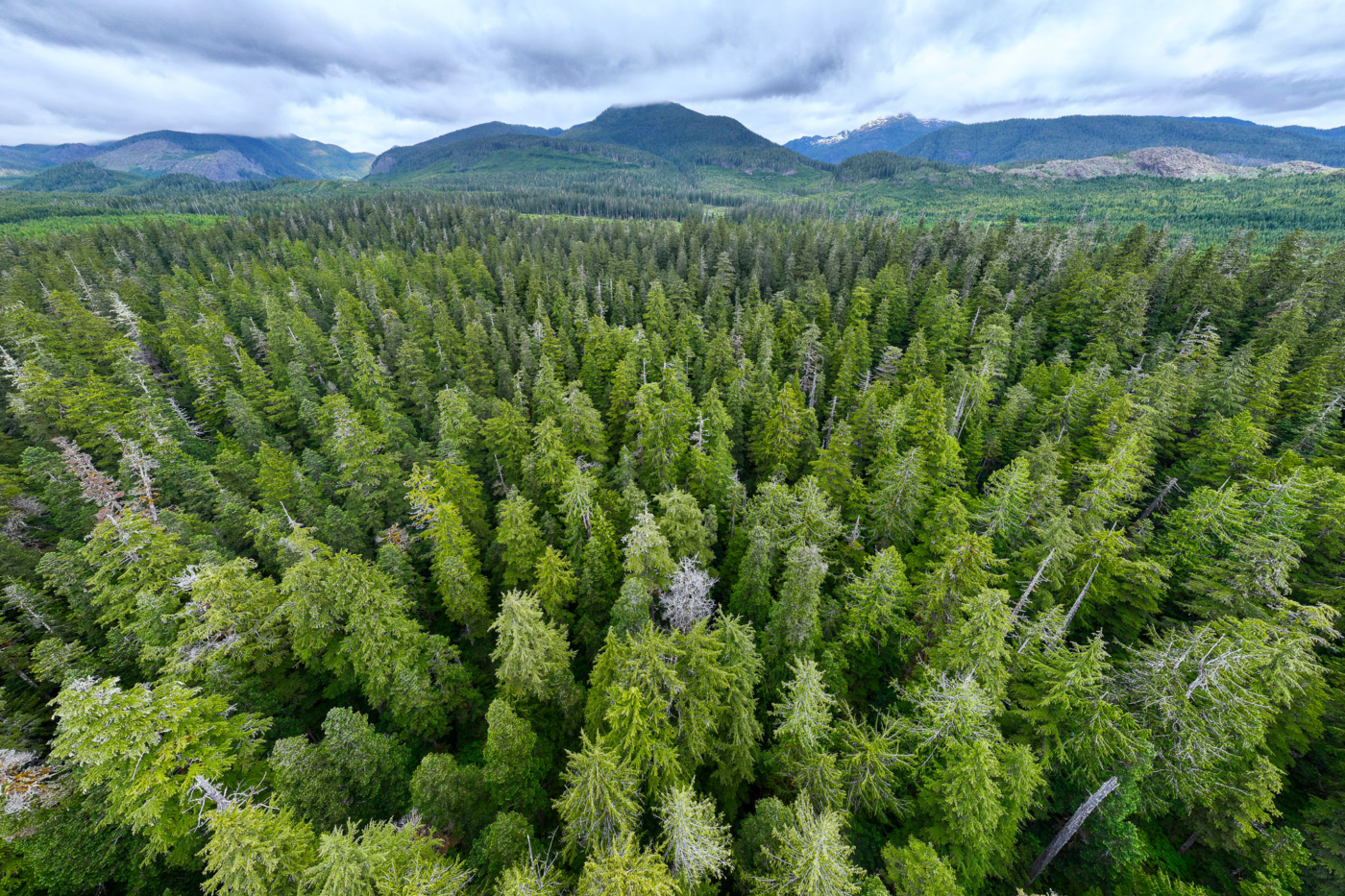
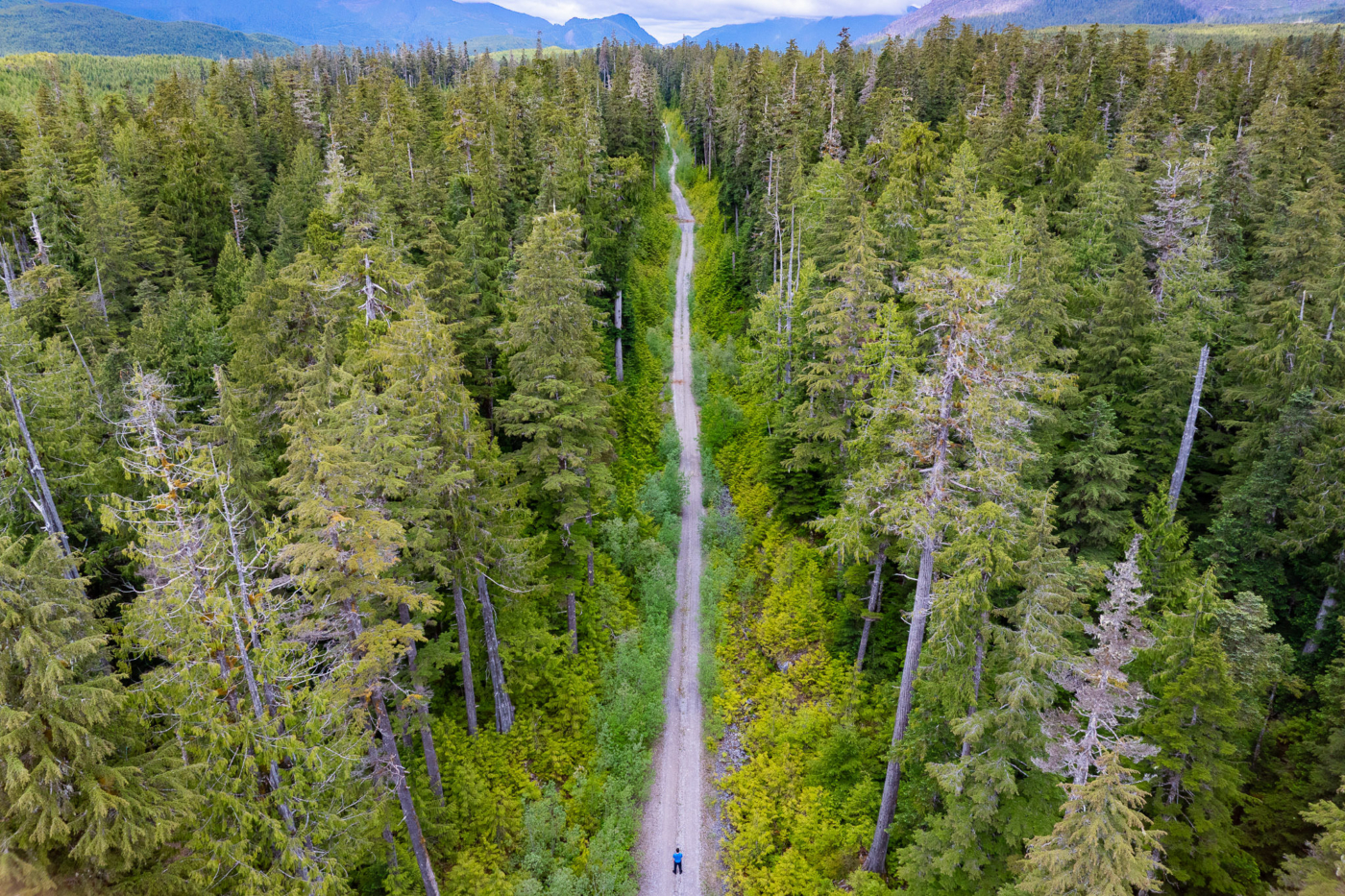
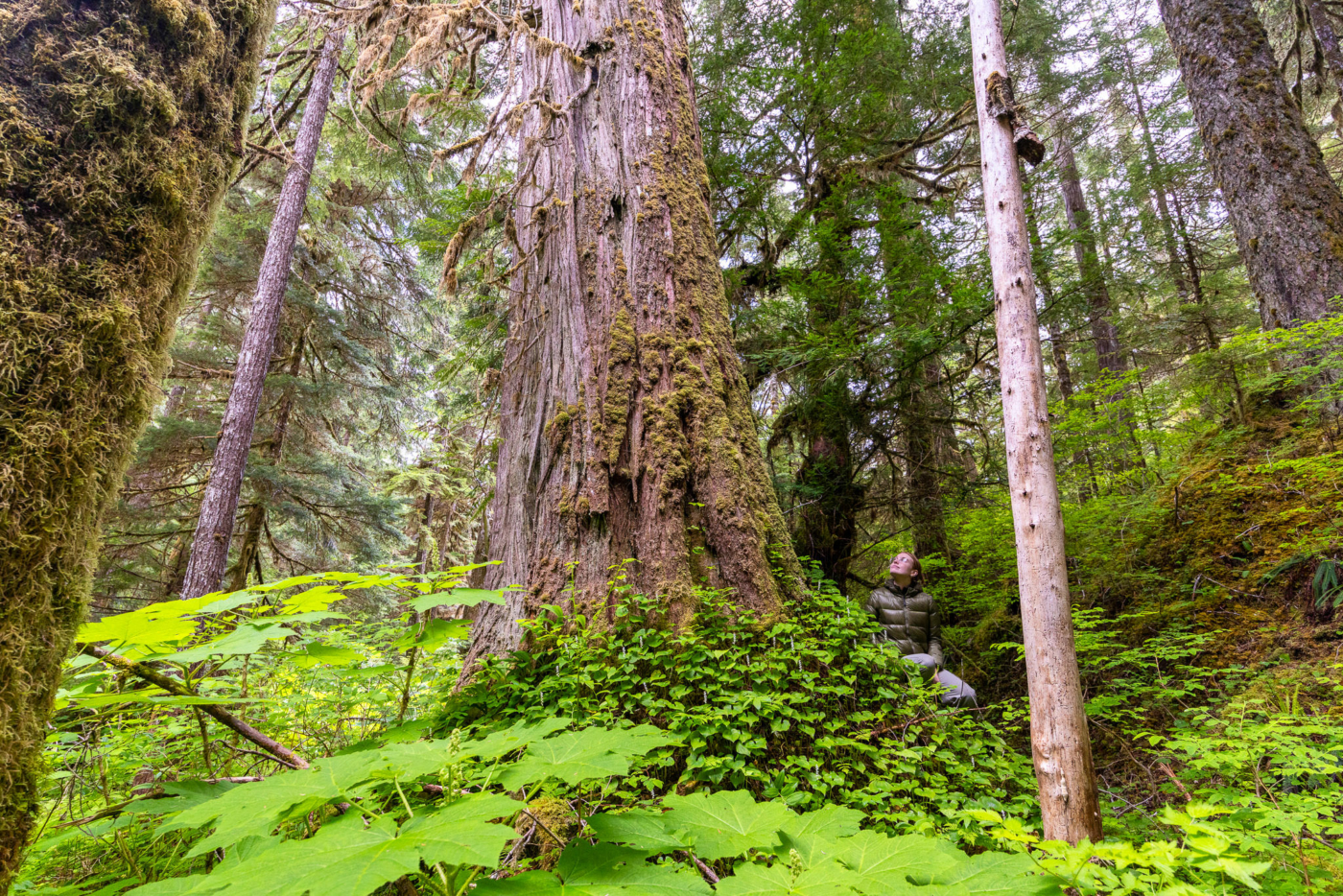
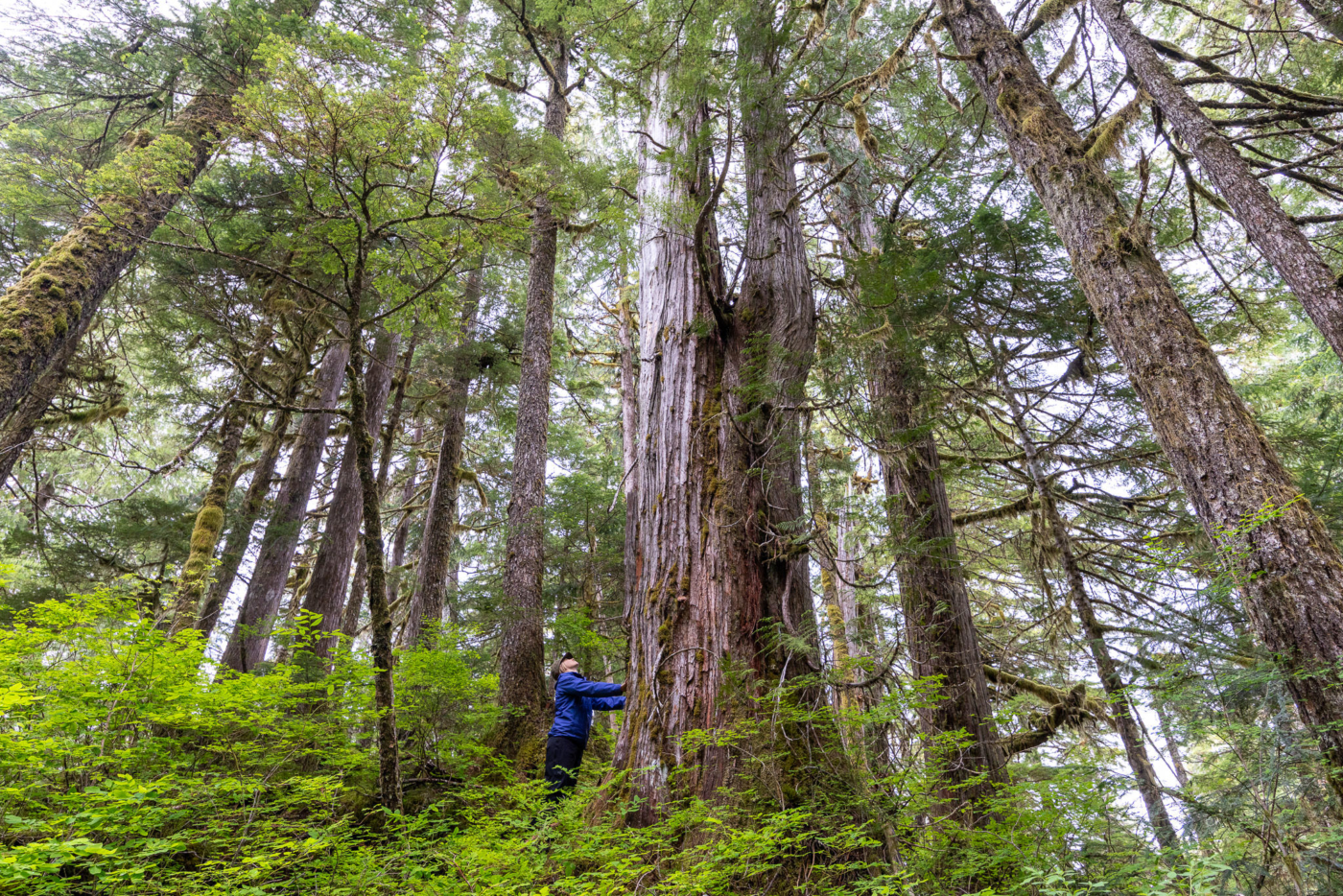
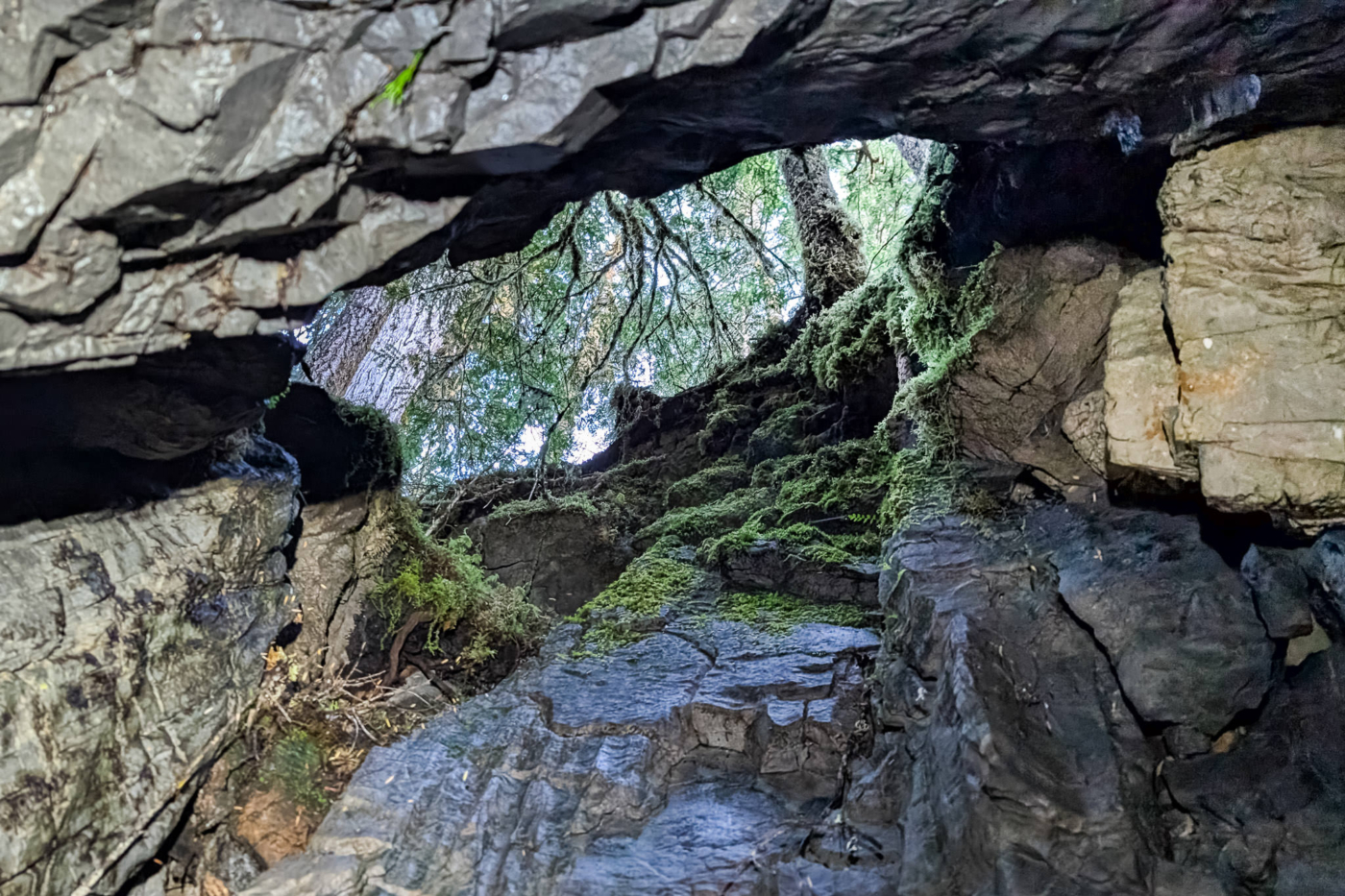
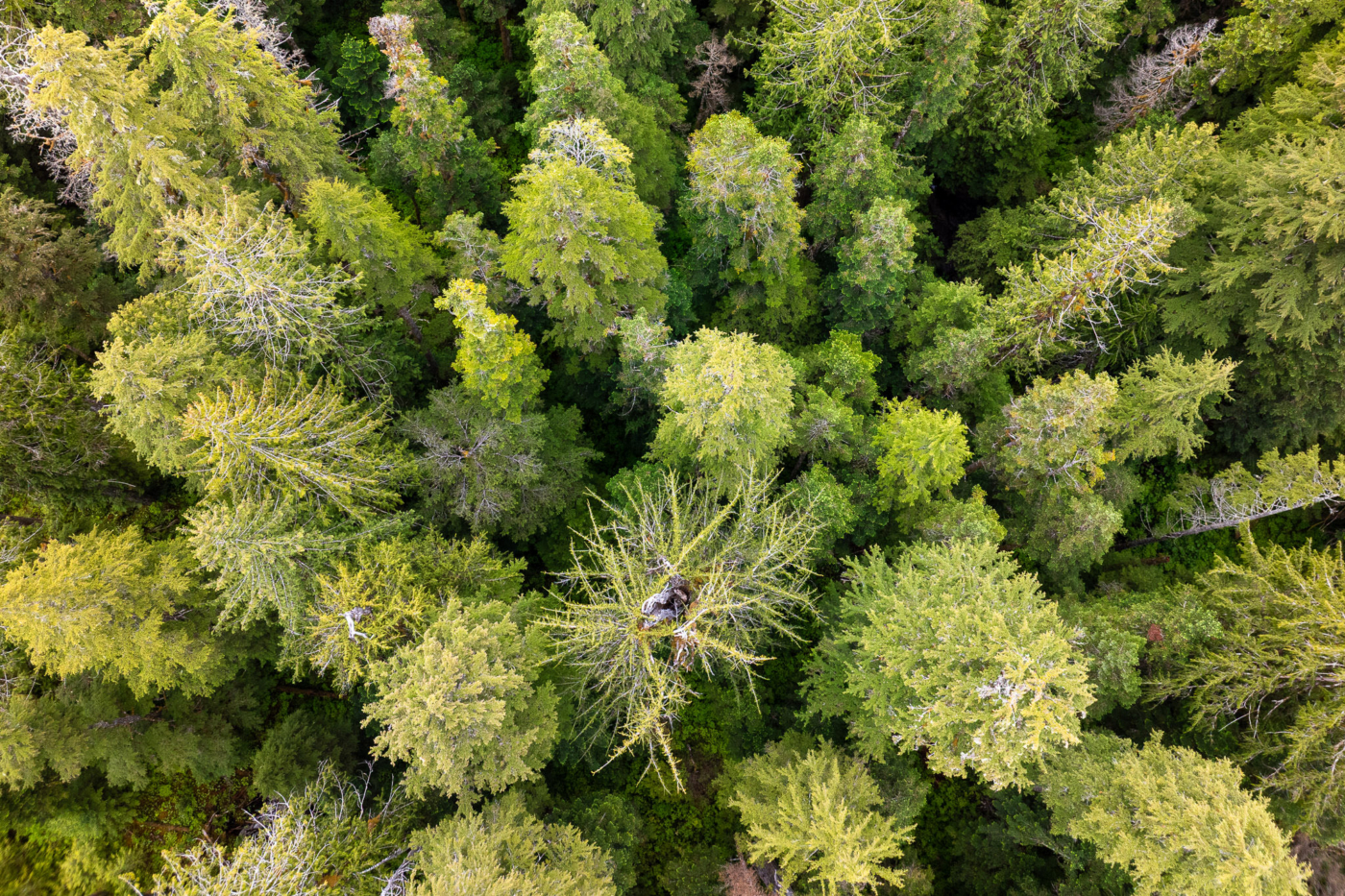
The images below showcase the “Jewel of the Tahsish”, one of the grandest remaining unprotected old-growth karst forests in BC, and an area of exceptional conservation value that deserves national conservation recognition. The roughly 235-hectare forest is found in the upper watershed of the Tahsish River on northwestern Vancouver Island, within the territories of the Kyuquot/Checleseht and Quatsino First Nations.
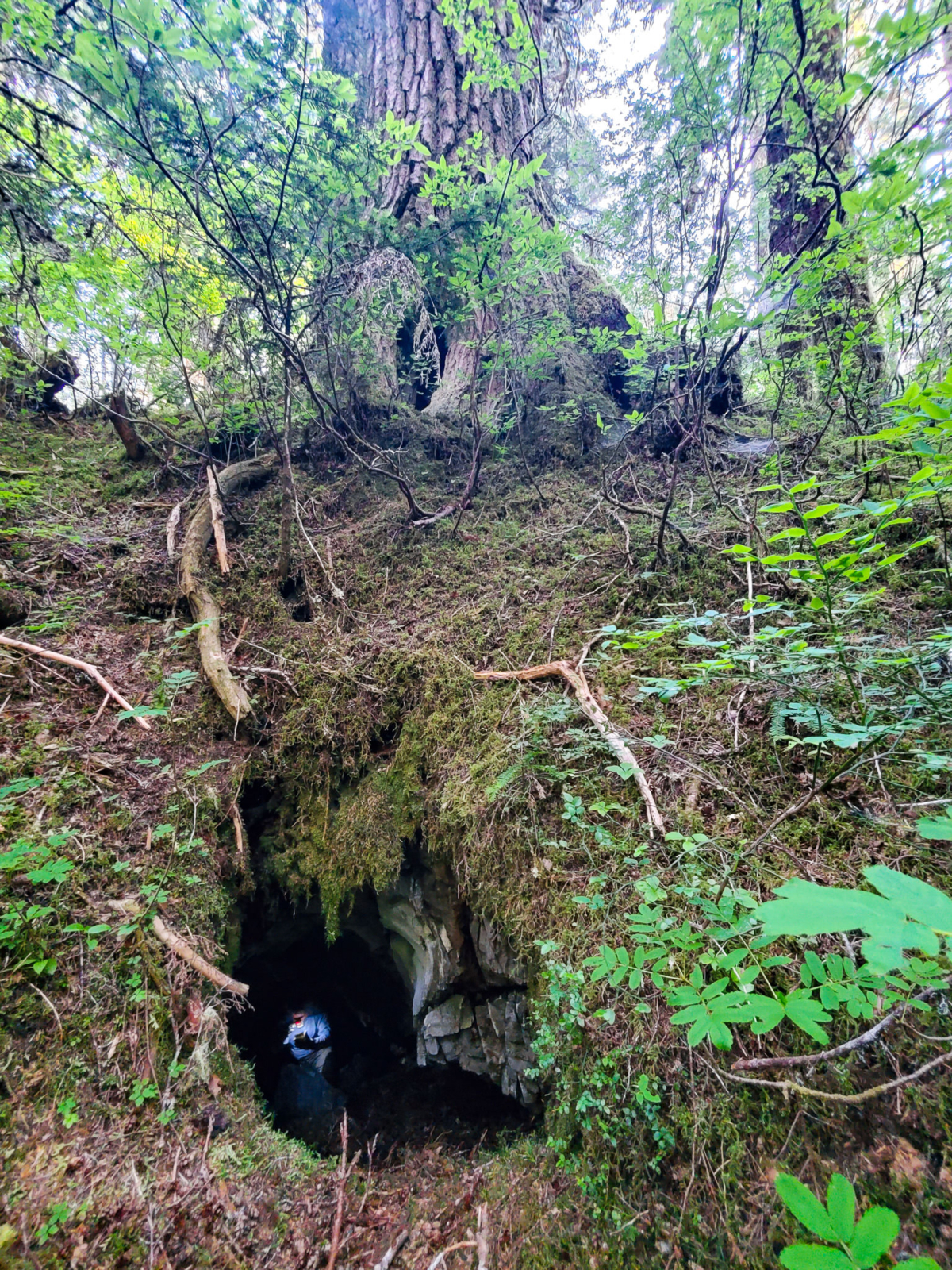
Known as karst, these limestone landscapes are among the rarest, most productive, and most sensitive old-growth ecosystems in British Columbia. Over thousands of years, water has dissolved the bedrock below, creating sinkholes, caves, underground drainage systems, and other unique features that support exceptional biodiversity.
Historically, thousands of hectares of productive old-growth forest once grew on karst in the Tahsish Valley. After decades of logging, most have now been clearcut. Today, the Jewel of the Tahsish represents the largest remaining contiguous tract of old-growth karst forest growing on flat, gentle terrain in the valley.
The forest contains impressive stands of ancient western redcedar, yellow-cedar, hemlock, Douglas-fir, Pacific yew, and lush rainforest plant communities. It also provides important wildlife habitat, including numerous bear dens in ancient trees, as well as sinkholes, caves, and underground streams.
Despite its ecological significance, the forest remains unprotected today and portions of the karst grove and surrounding old-growth ecosystem overlap with proposed logging plans from BC Timber Sales, the BC government’s own logging agency.
For more information, read our media release on the Jewel of the Tahsish and the campaign to protect old-growth karst forests in BC.