
 Feb 20 2026
Budget 2026 Shortchanges Nature Protection and Sustainable Forestry Transition At a Critical Time for British Columbia
FOR IMMEDIATE RELEASE
Budget 2026 Shortchanges Nature Protection and Sustainable Forestry Transition At a Critical Time for British Columbia
February 19, 2026
BC’s Budget 2026, released on Tuesday, fails to provide the funding needed to secure lasting protection for endangered ecosystems and at-risk old-growth forests in the province, while prioritizing industrial resource extraction.
To deliver the protection of ecosystems and the expansion of sustainable businesses and jobs British Columbians need, this budget should have strengthened investments that reduce risk and support durable, locally rooted jobs through conservation financing and a rapid transition toward a sustainable, value-added, second-growth forest sector in BC, away from our economic dependency on old-growth logging.
Key Gaps in Budget 2026:
- Support for First Nations-led logging deferrals in old-growth priority areas: The budget does not provide dedicated ‘solutions-space’ funding to meet the interim funding needs of First Nations who forgo logging revenues due to implementing old-growth logging deferrals in their territories. Existing measures, such as sector stabilization funds and temporary payment deferrals, are general or indirect rather than trackable funding that enables communities to protect old growth while building alternative, sustainable economic opportunities.
- Conservation funding tools tied to 30% by 2030 delivery: The budget and fiscal plan contains no clear, trackable commitments to the funding streams that make up BC’s contribution to the Nature Agreement – including land-use planning, watershed security and Indigenous stewardship funding that contribute to BC’s protected areas targets.
- A credible forestry transition plan: Measures in the budget, such as the new $400 million Strategic Investments Special Account and the Manufacturing and Processing Investment Tax Credit, have the potential to advance a modern, value-added, second-growth forest industry in BC. However, these are not at the scale needed – or with the necessary stipulations – to rapidly retool manufacturing capacity toward smaller-diameter and second-growth logs, the shift required to transition away from an unsustainable dependency on old-growth logging, while supporting long-term job stability and community resilience.
What Budget 2026 Should Have Included:
- Interim “solutions-space” funding for First Nations to offset lost logging revenues when approving logging deferrals in the most at-risk old-growth forests in their territories.
- Meaningful, trackable top-ups to the provincial-side conservation tools that underpin 30% by 2030 delivery, including conservation financing and the Nature Agreement delivery streams, with transparent timelines and targets.
- Scaled-up, targeted funds to rapidly transition BC away from its economic dependence on old-growth logging and instead towards a modernized, value-added, second-growth forestry industry.
Without practical transition funding, both for First Nations old-growth logging deferrals and for value-added, second-growth manufacturing modernization, BC remains stuck in a model that accelerates the loss of the remaining at-risk old-growth forests and endangered ecosystems. Budget 2026 is a missed opportunity to deliver transformative solutions.

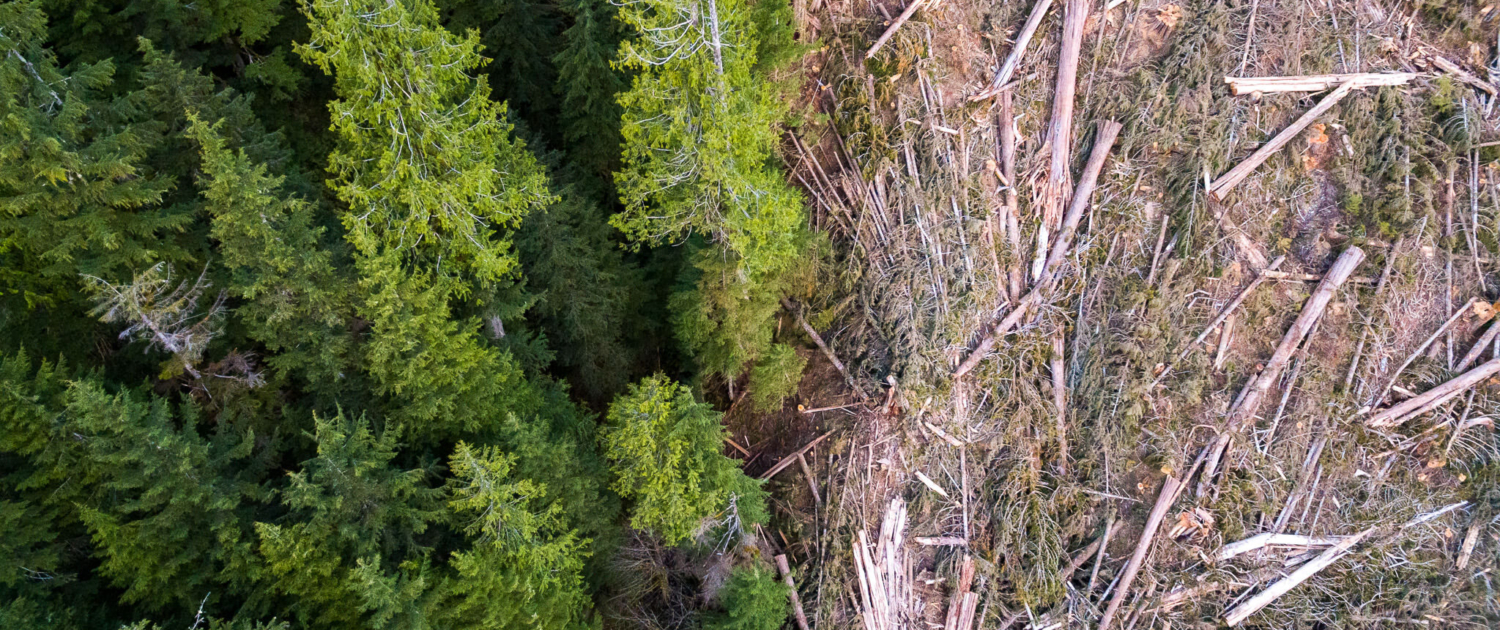
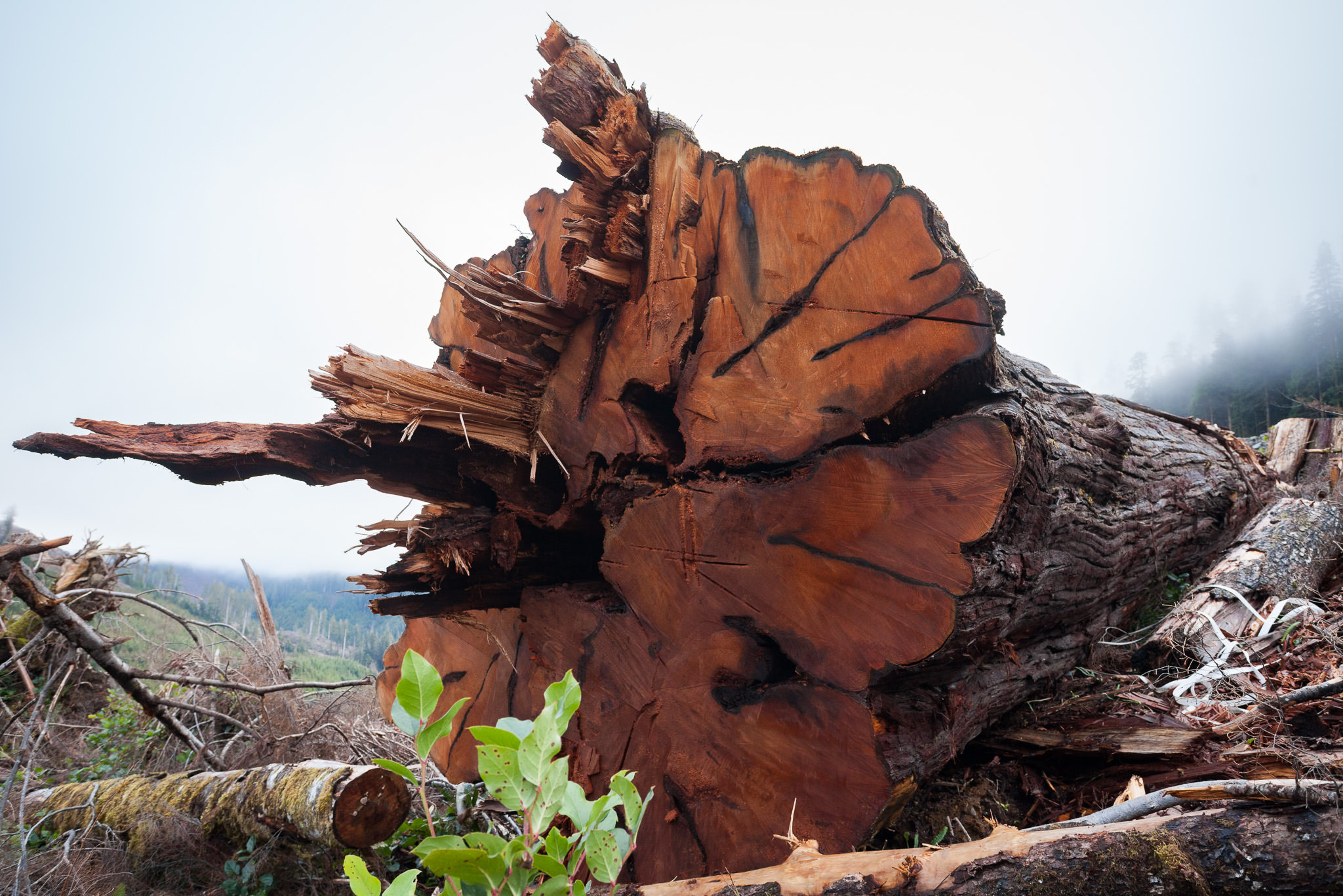
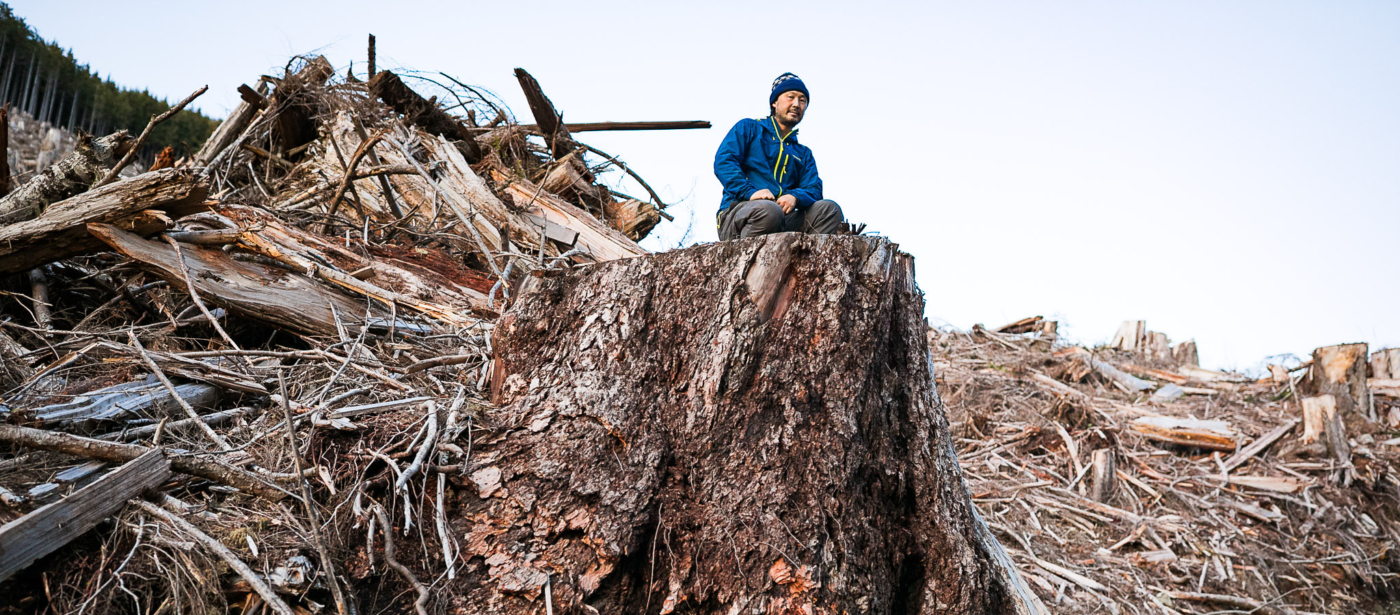
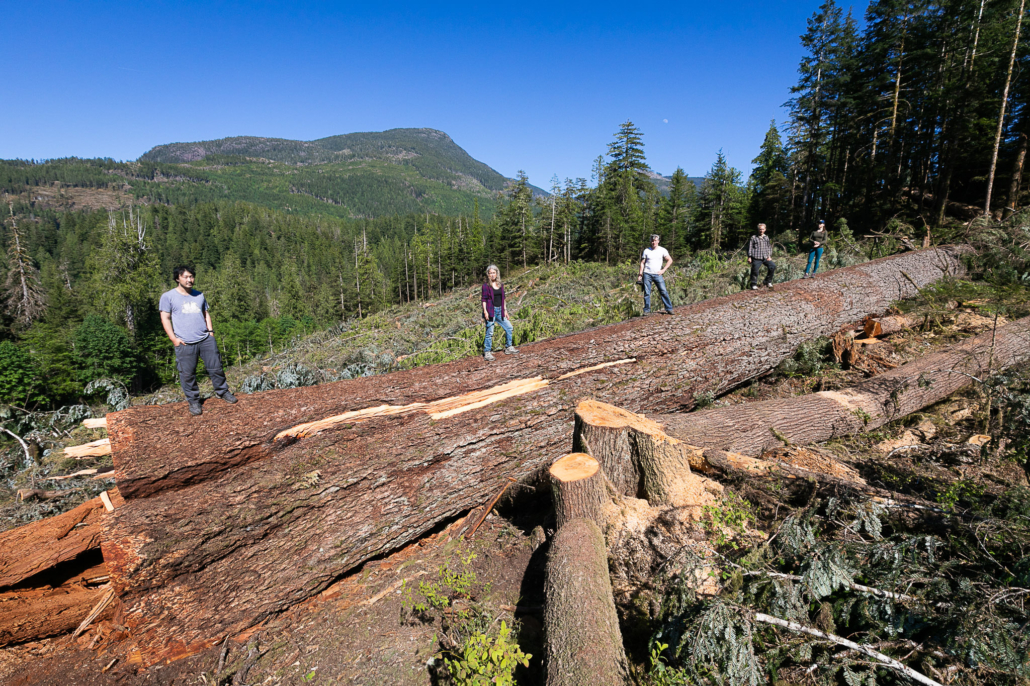
A clearcut in the Klanawa Valley.
 Donate
 Send a Message

