 Apr 27 2026
The Tyee: BC ‘Going Backwards’ on Ecosystem Protections
April 27, 2026
The Tyee
By: Sarah Cox
Advocates, the BC Greens and a former cabinet minister take aim at the NDP’s Earth Day message.
Last Wednesday, B.C. Premier David Eby released a statement celebrating B.C.’s wild places and passion for protecting the environment. His upbeat message commemorated Earth Day, a global day of environmental action that began more than 50 years ago following an oil spill in California.
B.C.’s government, Eby said, is “strengthening ecosystems protections” and renewing its commitment to protect “some of the most spectacular landscapes on Earth.”
The problem? Conservation advocates, the BC Greens and a former BC Liberal cabinet minister who led a government biodiversity review said Eby’s claim about strengthening ecosystem protections largely isn’t true.
Ken Wu, executive director of the Endangered Ecosystems Alliance, told The Tyee that after a promising start under Eby’s governance, B.C. has “stalled and started going backwards” when it comes to protecting ecosystems such as old-growth forests.
“They have been failing to move forward with a whole lot of initiatives that they said they were going to do,” Wu added.
Wu said government ministers are “sitting on their haunches” and failing to protect the most endangered ecosystems in the province, including ancient rainforests at high risk of biodiversity loss.
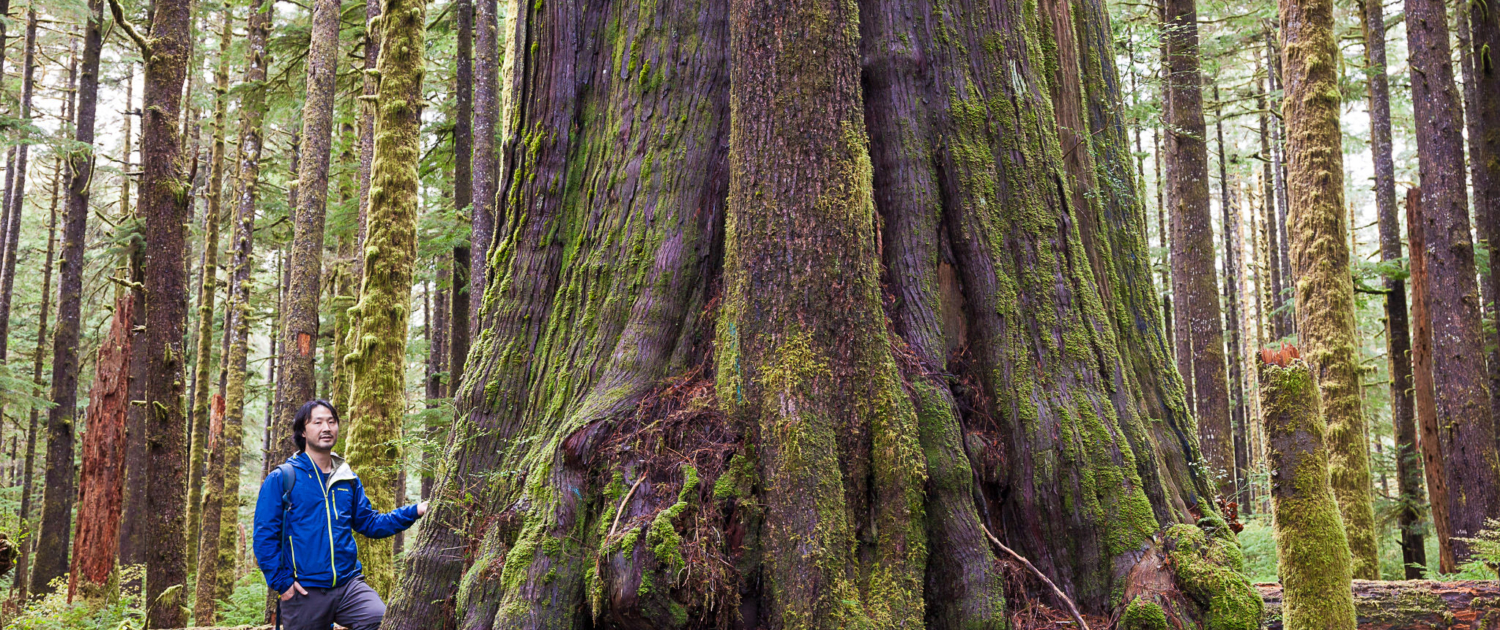
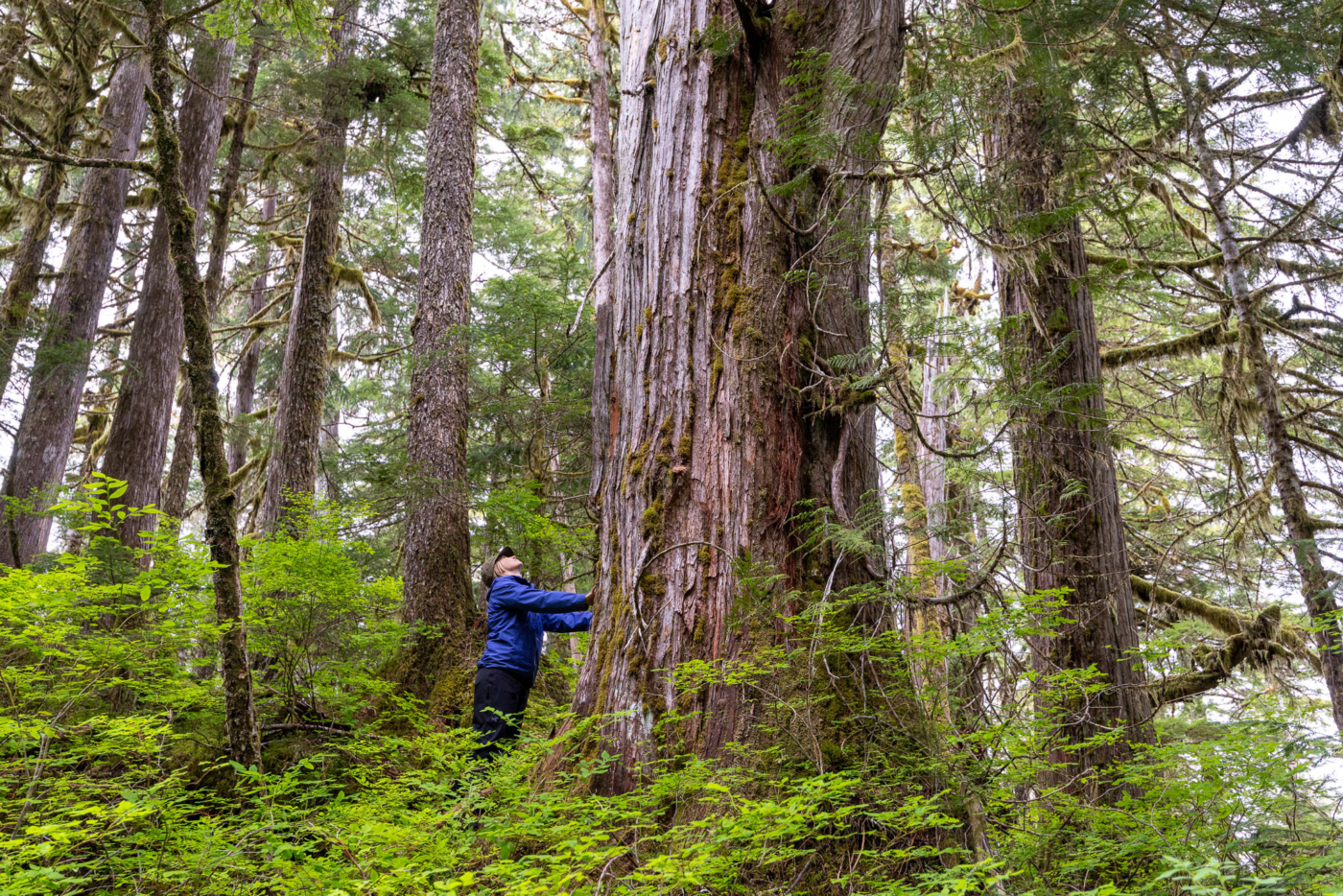
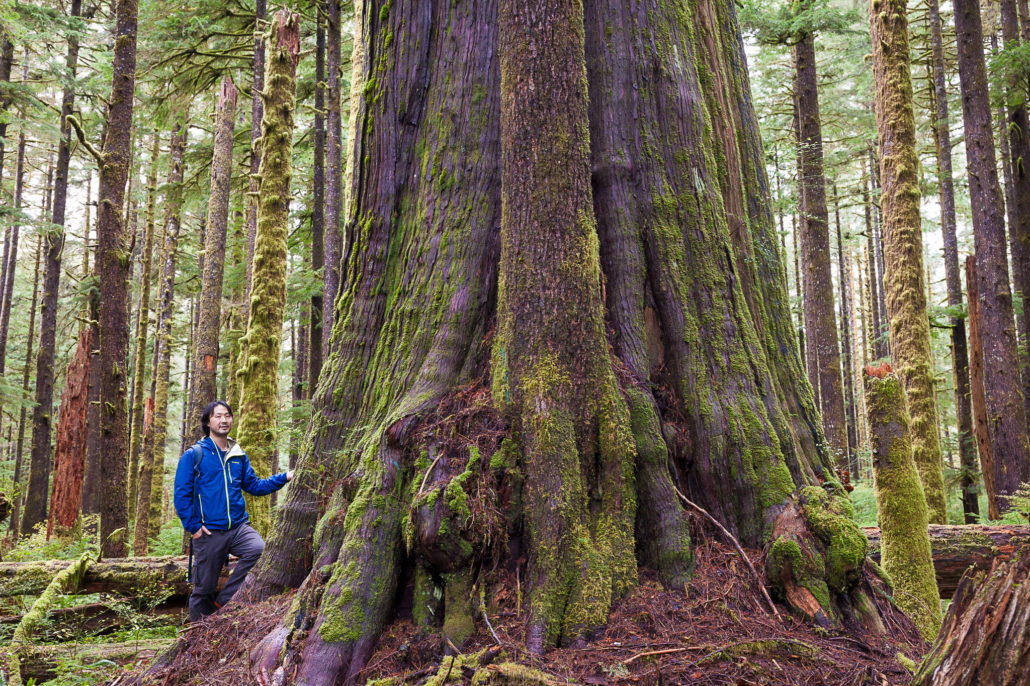
“Where [else] in the world are they logging 500- or 800-year-old trees? This is the last major jurisdiction in the western world logging the forest giants.”
Former BC Liberal MLA Mike Morris, who led a provincewide biodiversity review in 2015, told The Tyee he gives the Eby government “a failing grade” on strengthening ecosystem protections.
Morris, the former B.C. minister of public safety and solicitor general, said biodiversity loss is continuing at unprecedented levels across the province and he’s “gobsmacked” by the premier’s claim.
“Our wildlife populations are down. Salmon and steelhead populations in our rivers and streams are down. We’re having die-offs because the water is too hot in summertime [and] it’s too low.”
The official number of species at risk of extinction in B.C. — an indicator of biodiversity loss — is at an all-time high, with 1,726 species listed as endangered or threatened and 916 additional “ghost species” known to be at risk of extinction that haven’t yet been assessed for placement on B.C.’s red or blue lists.
A recent study published in the journal Facets found at-risk species in B.C. have little prospect of recovery, and genuine improvements in their status are “exceedingly rare.”
The biodiversity review carried out by Morris, “Getting the Balance Right,” examined the impacts of resource development — including forestry, mining and oil and gas — on B.C.’s wildlife and ecosystems.
“The cumulative effects of forestry far eclipsed everything else on the land base,” Morris, a hunter, fisher, trapper and former RCMP district officer, recalled. “The clearcutting that we have been doing since the mid-’60s led to a loss of biodiversity and wildlife.”
Morris said that while he’s not against forestry, the practice of clearcutting — where forests are stripped of all trees and vegetation — needs to stop before biodiversity is further compromised.
“Unless there’s a radical change, very quickly, there’s going to be permanent damage done to the province.”
In 2020, the B.C. government committed to follow all the recommendations made by an old-growth strategic review panel it appointed.
The panel, led by two foresters, found that old-growth forests are irreplaceable and said they should be managed primarily for ecosystem health, not for timber values. It recommended old-growth forests at the highest risk of biodiversity loss be immediately deferred from logging.
But as The Tyee recently reported, the government has been quietly removing ancient forests from its logging deferral list and auctioning them off for clearcutting, including in the Tsitika River watershed on northeast Vancouver Island.
‘Kicking the can down the road’
Eby’s government also promised a more holistic approach to stewarding land and water resources in a draft biodiversity and ecosystem health framework it released in 2023.
The government said conserving and managing ecosystem health and biodiversity would be an overarching priority that would be formalized through legislation.
But the framework has stalled, and the government is “kicking the can down the road,” Morris said.
The premier’s office forwarded The Tyee’s request for details about the ecosystem protections it claimed to have strengthened to the Ministry of Water, Land and Resource Stewardship. The ministry had earlier told The Tyee it is assessing how to advance work on the framework “to achieve the shared goals of healthy and resilient ecosystems that will support healthy communities and economies, including the forestry sector.”
After publication of this story, a ministry spokesperson told the Tyee via email, “It’s important for us to consider a wide range of perspectives and take the time to get this right.”
BC Green Party MLA Jeremy Valeriote told The Tyee he hasn’t seen any evidence the government is strengthening ecosystem protections, “although we’ve heard some of the right words around it.”
“With a huge deficit, and a premier taking it on the nose from the Conservatives on economic development, there’s a lot of focus on Look West,” he said, referring to the B.C. government’s strategy to deliver major resource projects and grow key sectors such as critical minerals.
“I really do think that the environment is being set aside or put behind,” Valeriote said, pointing to Eby’s claim about ecosystem protections “without a lot of tangible actions” as an example.
Eby’s government also committed to protecting 30 per cent of B.C.’s land and waters by 2030, as part of an international initiative to safeguard nature and reverse biodiversity loss. A landmark global study in 2019 found nature is declining at rates unprecedented in human history, “with grave impacts on people around the world now likely.”
Since then, the government has announced new protections in Clayoquot Sound on Vancouver Island, the inland temperate rainforest in the Incomappleux Valley in southeast B.C. and the expansion of the Klinse-za / Twin Sisters Park in the province’s northeast.
The spokesperson for the Ministry of Water, Land and Resource Stewardship said clarity about ecosystem conservation “creates certainty for sustainable resource development and long-term prosperity for British Columbians,” adding that land use planning is key to reaching the target.
Wu said B.C. needs conservation targets for different ecosystems to ensure protected areas encompass valley bottoms that are home to a great diversity of life.
If future protected areas mainly safeguard mountaintops, he said, “it’s sort of like sending in the fire brigade to hose down all the houses that are not on fire, while they leave the houses that are on fire to burn down.”
Eby’s government has also failed to advance other initiatives to help the growing number of at-risk species and ecosystems in the province, Wu noted.
He pointed to the government’s policy to allow logging roads to be built through areas that are intended, in the government’s words, “to manage and conserve biodiversity associated with old-growth forests.”
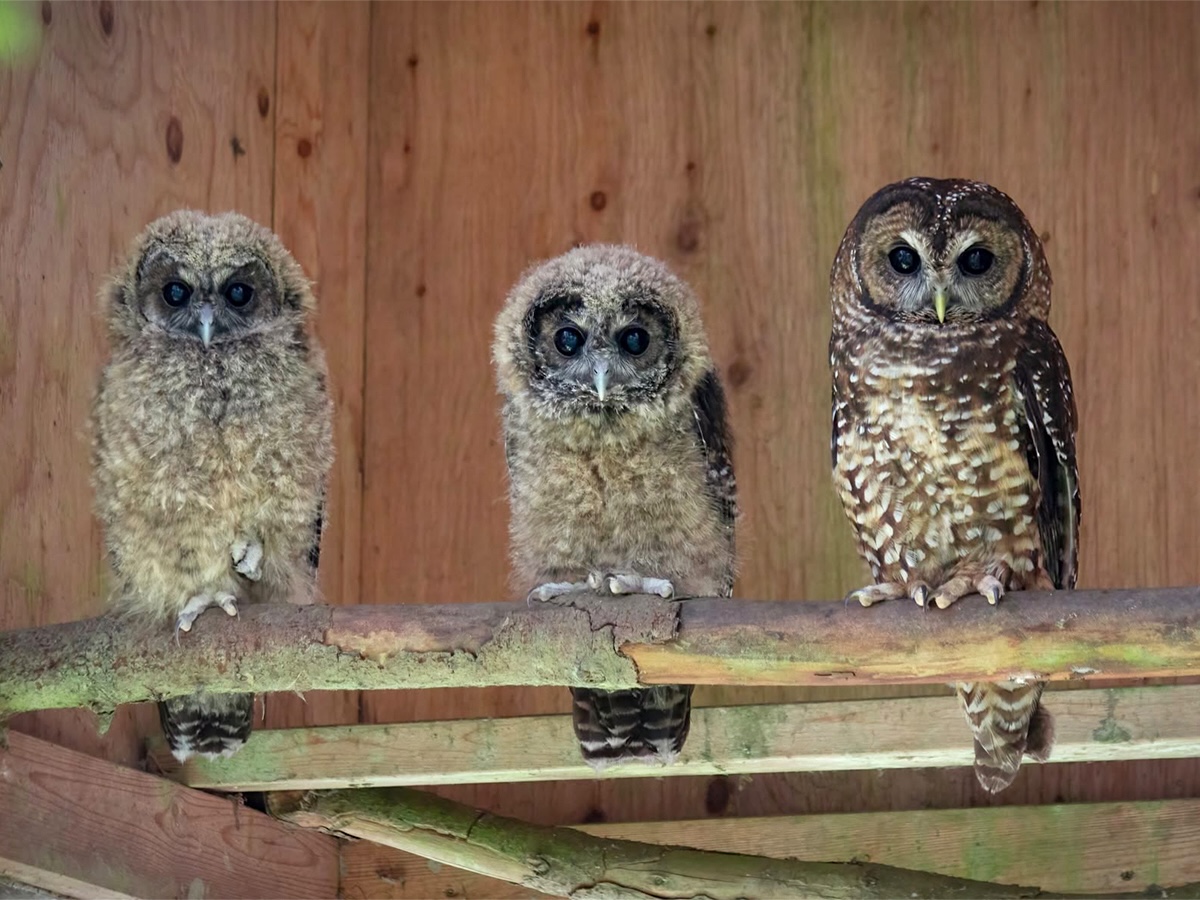
Logging is also taking place in wildlife habitat areas for species at risk of extinction, including in areas set aside for spotted owls, mountain caribou and northern goshawks, Wu pointed out.
“For old-growth-dependent species that can’t survive when you fragment their old-growth habitat, it’s got to be a no-brainer that logging needs to be excluded.”
The Endangered Ecosystems Alliance is advocating for conservation financing for First Nations so old-growth logging can be deferred without nations losing a major source of their revenue.
“The B.C. government needs to get us out of the business of old-growth logging,” Wu said.
The spokesperson for the Ministry of Water, Land and Resource Stewardship said the government is also advancing conservation and supporting biodiversity and ecosystem health through other initiatives. These include $57 million to help restore watersheds, an additional $100 million in 2023 to restore and build resiliency in watersheds and landscapes and investing $150 million in a conservation fund to protect diverse ecosystems, such as old-growth forests and wetlands. The BC Parks Foundation is contributing matching funds for the conservation fund, the spokesperson added.
 Donate
 Send a Message