Speak up for Three Major New Protected Areas in Northern BC
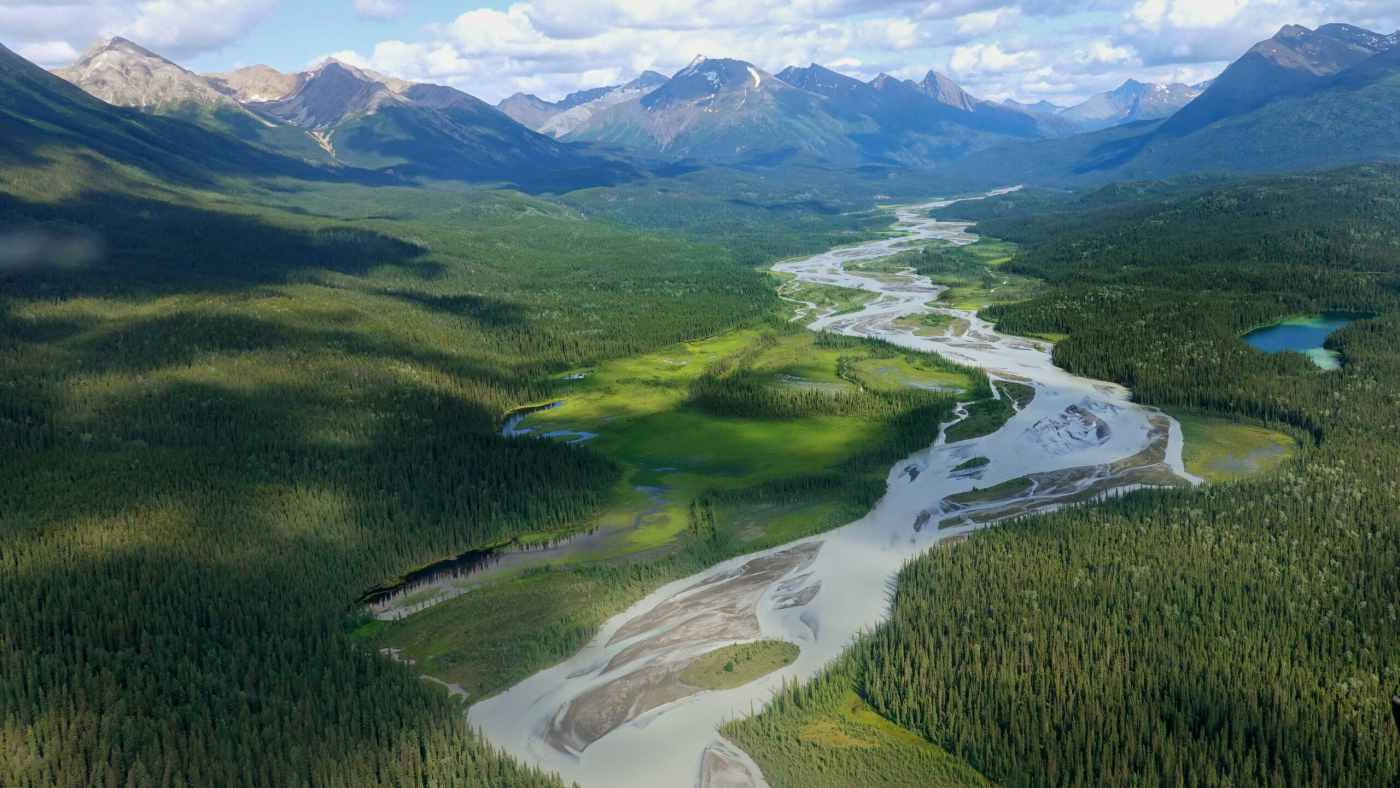
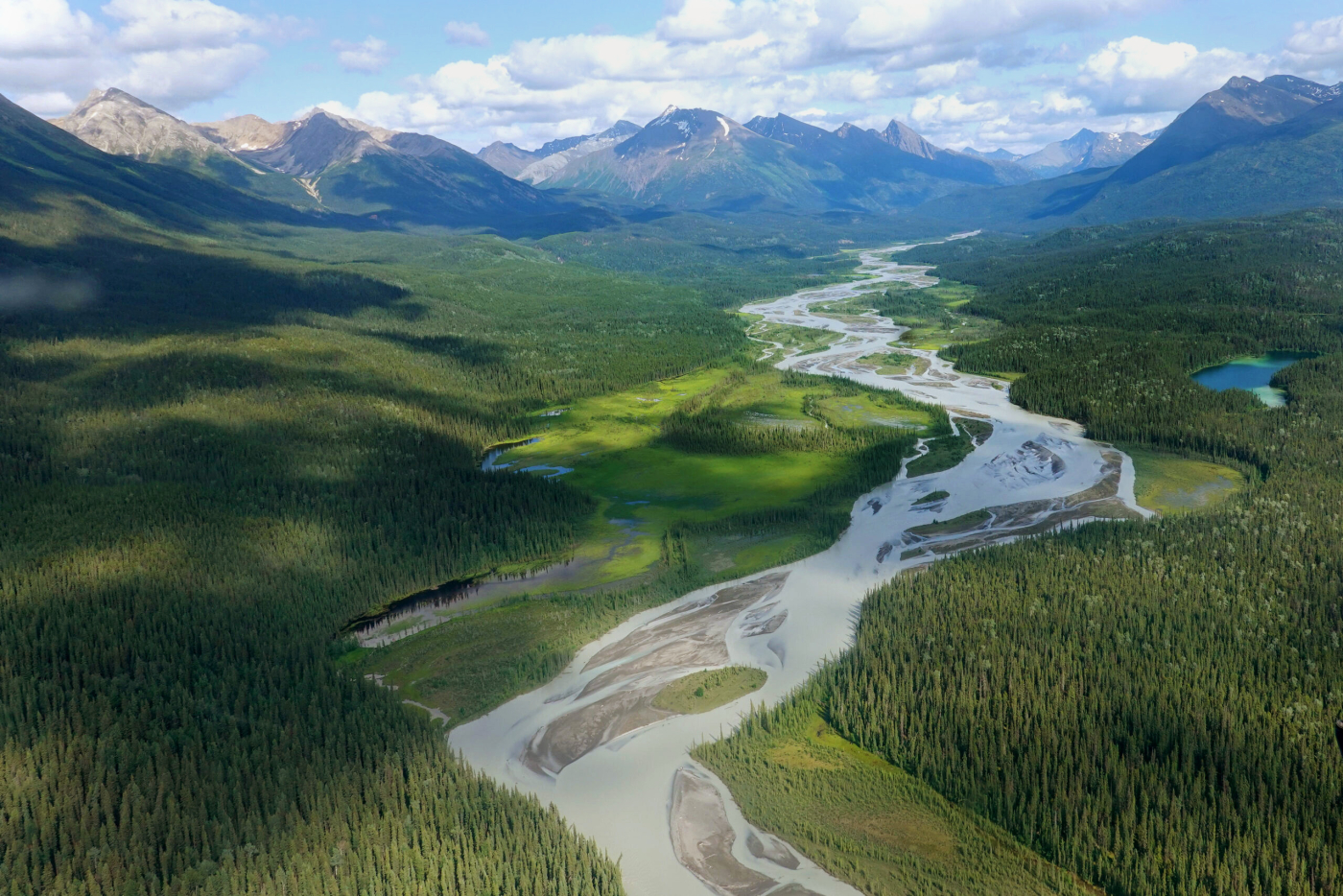
Upper Gataga River valley, part of the Kechika watershed, within the proposed Dene K’éh Kusān conservancy. Photo: Johnny Mikes, CPAWS-BC

Upper Gataga River valley, part of the Kechika watershed, within Dene K’éh Kusān. Photo: Johnny Mikes, CPAWS-BC

The Province of British Columbia is currently seeking public feedback on three major conservation proposals being advanced in partnership with First Nations. Together, these proposals could protect approximately 3.4 million hectares of ecologically and culturally significant lands and waters across northern BC:

  • Proposed protection of Dene K’éh Kusān, encompassing more than 3 million hectares in Kaska territory
  • The proposed Klappan Sacred Headwaters, protecting approximately 300,485 hectares in Tahltan territory.
  • A proposed 47,000-hectare expansion of the Hanna-Tintina Conservancy in the Meziadin River watershed.

These proposals would protect large, interconnected landscapes, critical wildlife habitat, important salmon watersheds, and areas of great cultural significance to Indigenous Peoples. Their establishment would represent a significant step forward for Indigenous-led conservation and the protection of nature in British Columbia.

The public comment period closes at 4 p.m. on August 4, 2026. Industry pushback is expected, so it’s vital to make your voice heard!

Please take a few minutes to submit feedback supporting all three conservancy proposals using our handy guide below.

How to participate

For each proposal below:

  1. Follow the link to the government’s public feedback page.
  2. Proceed through the background information to reach the survey questions.
  3. Use our suggested responses below as a starting point.
  4. Add some of your own words if you can. Personalized responses have a greater impact!
  5. Copy your response, paste it into the government survey and submit your feedback.

Even a short message of support can help demonstrate the strong public backing needed to move these historic conservation opportunities forward.
Dene K’éh Kusān

Kaska First Nations and the Province of British Columbia are proposing to protect Dene K’éh Kusān. Nearly the size of Vancouver Island at 3,065,128 hectares, it would be one of the largest protected areas in BC.

This vast expanse of mountains, boreal forests, wetlands and pristine watersheds supports grizzly bears, moose, Stone’s sheep, millions of migratory birds and seven caribou herds. Establishing the conservancy would protect clean water, critical wildlife habitat, the Kaska peoples’ culture and stewardship traditions, while prohibiting commercial logging, mineral exploration and mining, and other major industrial activities.

To add your support for Dene K’éh Kusān, please follow the easy survey instructions provided on this website here.

Klappan Sacred Headwaters

The Klappan Sacred Headwaters, known as Klabona to the Tahltan people, is an extraordinary subalpine landscape in Tahltan territory in northwestern BC. It is the birthplace of the Skeena, Nass and Stikine rivers, three of the great salmon-bearing river systems on the west coast of North America, and holds immense ecological, cultural and spiritual significance.

The Tahltan Nation and Province of British Columbia are proposing to permanently protect approximately 300,485 hectares as a conservancy under the Park Act. The designation would prohibit mineral exploration and mining, oil and gas development, commercial logging and major hydroelectric development while safeguarding clean water, wildlife habitat and the Tahltan Way of Life.

After reviewing the Klappan Plan, use our suggested responses as a starting point for answering the survey. You can edit the text directly in each box to add your own words before selecting Copy Text and pasting it into the corresponding survey field.

Question 1: Overall, how would you describe your impression of the Klappan Plan implementation recommendations for the Sacred Headwaters (Zone A) and CLPA?

Suggested answer: Very Positive

Question 2: In a few words, what is the main reason for your answer above?

Suggested answer (feel free to edit and add your own words. *500 character limit*):

I strongly support permanent protection of the Klappan Sacred Headwaters as a conservancy under the Park Act, safeguarding a landscape of immense ecological and cultural importance. The conservancy should include both Sacred Headwaters Zone A and the former Coal Licence Purchase Agreement area, with strong protections prohibiting mineral exploration and mining, oil and gas development, commercial logging, and major hydroelectric power generation.

Question 3: Do you have any other comments or feedback about the recommended conservancy?

Make it your own: If you can, add one or two sentences about why this matters to you, such as your connection to northern BC or why you value protecting salmon, wildlife, clean water, Indigenous stewardship or intact landscapes. *2000 character limit*

I commend the Tahltan Nation and the Province of British Columbia for working together toward the permanent protection and collaborative stewardship of the Klappan Sacred Headwaters. The proposed conservancy would protect more than 300,000 hectares, including ecologically sensitive portions of the Little Klappan and Spatsizi rivers within the former coal licence area. The conservancy would also help sustain the Tahltan Way of Life and protect an area that has supported Tahltan culture, communities, and spiritual practices since time immemorial.The area is the birthplace of the Skeena, Nass, and Stikine rivers, three of the great salmon-bearing river systems on the west coast of North America. Its peatlands, rivers, and tributaries help store and purify water, support climate resilience, and provide important habitat for grizzly bears, ungulates, and many other species.I encourage the Province and Tahltan Nation to move forward promptly with the conservancy and to maintain strong interim protections until it is legally established. Long-term management should continue to uphold Tahltan rights, knowledge, laws, and stewardship priorities while protecting water quality, wildlife habitat, cultural and sacred sites, and the ecological integrity of the entire landscape. Appropriate funding should also be provided for Indigenous-led stewardship, monitoring, and restoration.

Meziadin River Watershed Conservancy Expansion

The Meziadin River watershed in northwestern BC is the largest sockeye salmon nursery in the Nass River system, supporting approximately 75% of the total Nass sockeye run. It includes Meziadin Lake and vital tributaries such as Hanna, Tintina, Strohn and Surprise creeks, as well as extensive wetlands and riparian forests. These habitats are critical to wild salmon and hold significant ecological, cultural and food-security value.

The Gitanyow Hereditary Chiefs, Nisga’a Lisims Government and Province of British Columbia are considering a 47,000-hectare westward expansion of the existing Hanna-Tintina Conservancy. The expansion would protect newly important salmon spawning habitat in Strohn and Surprise creeks and along the Meziadin Lake nearshore, while prohibiting commercial logging, mineral exploration and mining, and other incompatible industrial activities.

View the project summary documents, then use our suggested responses as a starting point. You can edit the text directly in each box to add your own words before selecting Copy Text and pasting it into the corresponding survey field.

Question 1: Overall, how would you describe your impression of the Klappan Plan implementation recommendations for the Sacred Headwaters (Zone A) and CLPA?

Suggested answer: Very Positive

Question 2: In a few words, what is the main reason for your answer above?

Suggested answer (feel free to edit and add your own words. *500 character limit*):

I strongly support the 47,000-hectare westward expansion of the Hanna-Tintina Conservancy to include Strohn Creek, Surprise Creek, and other high-value salmon tributaries in unprotected parts of the Meziadin River watershed. It would safeguard critical spawning and nursery habitat, water quality, wetlands, riparian forests, and cultural values by prohibiting commercial logging, mineral exploration and mining, and other incompatible industrial activities.

Question 3: Do you have any other comments or feedback on the recommendation as part the draft Meziadin River Salmon Habitat Conservation Planning Summary Report?

Make it your own: If you can, add one or two sentences about why this matters to you, such as your connection to northern BC or why you value protecting wild salmon, clean water, Indigenous stewardship, wetlands, or watersheds. *2000 character limit*.

I commend the Gitanyow Hereditary Chiefs, Nisga’a Lisims Government, and the Province of British Columbia for working together to advance the protection of this exceptionally important salmon watershed.The Meziadin watershed is the largest sockeye salmon nursery in the Nass River system and supports approximately 75% of the total Nass sockeye run. Scientific monitoring has confirmed that sockeye salmon are increasingly using spawning habitat in Strohn Creek, Surprise Creek, and the Meziadin Lake nearshore as glacier retreat and drought affect traditional spawning areas. Expanding the conservancy will help safeguard these critical spawning and nursery habitats, along with more than 400 hectares of wetlands and more than 15,000 hectares of riparian areas.I encourage the participating governments to move forward promptly to legally establish the full proposed conservancy expansion and support its long-term, Indigenous-led stewardship.

Thanks for taking the time to speak up for these incredible places! Every submission helps show the strong public support for protecting these lands, waters, and wildlife for generations to come.