 https://ancientforestalliance.org/wp-content/uploads/2026/08/Canoe-Creek-Cedar-Tree-262.jpg
800
1200
TJ Watt
https://ancientforestalliance.org/wp-content/uploads/2026/05/Ancient-Forest-Alliance-logo.svg
TJ Watt2026-08-04 17:15:512026-08-04 17:15:51Thank you to our monthly business donors!
https://ancientforestalliance.org/wp-content/uploads/2026/08/Canoe-Creek-Cedar-Tree-262.jpg
800
1200
TJ Watt
https://ancientforestalliance.org/wp-content/uploads/2026/05/Ancient-Forest-Alliance-logo.svg
TJ Watt2026-08-04 17:15:512026-08-04 17:15:51Thank you to our monthly business donors!Related Posts
https://ancientforestalliance.org/wp-content/uploads/2026/08/Canoe-Creek-Cedar-Tree-262.jpg
800
1200
TJ Watt
https://ancientforestalliance.org/wp-content/uploads/2026/05/Ancient-Forest-Alliance-logo.svg
TJ Watt2026-08-04 17:15:512026-08-04 17:15:51Thank you to our monthly business donors!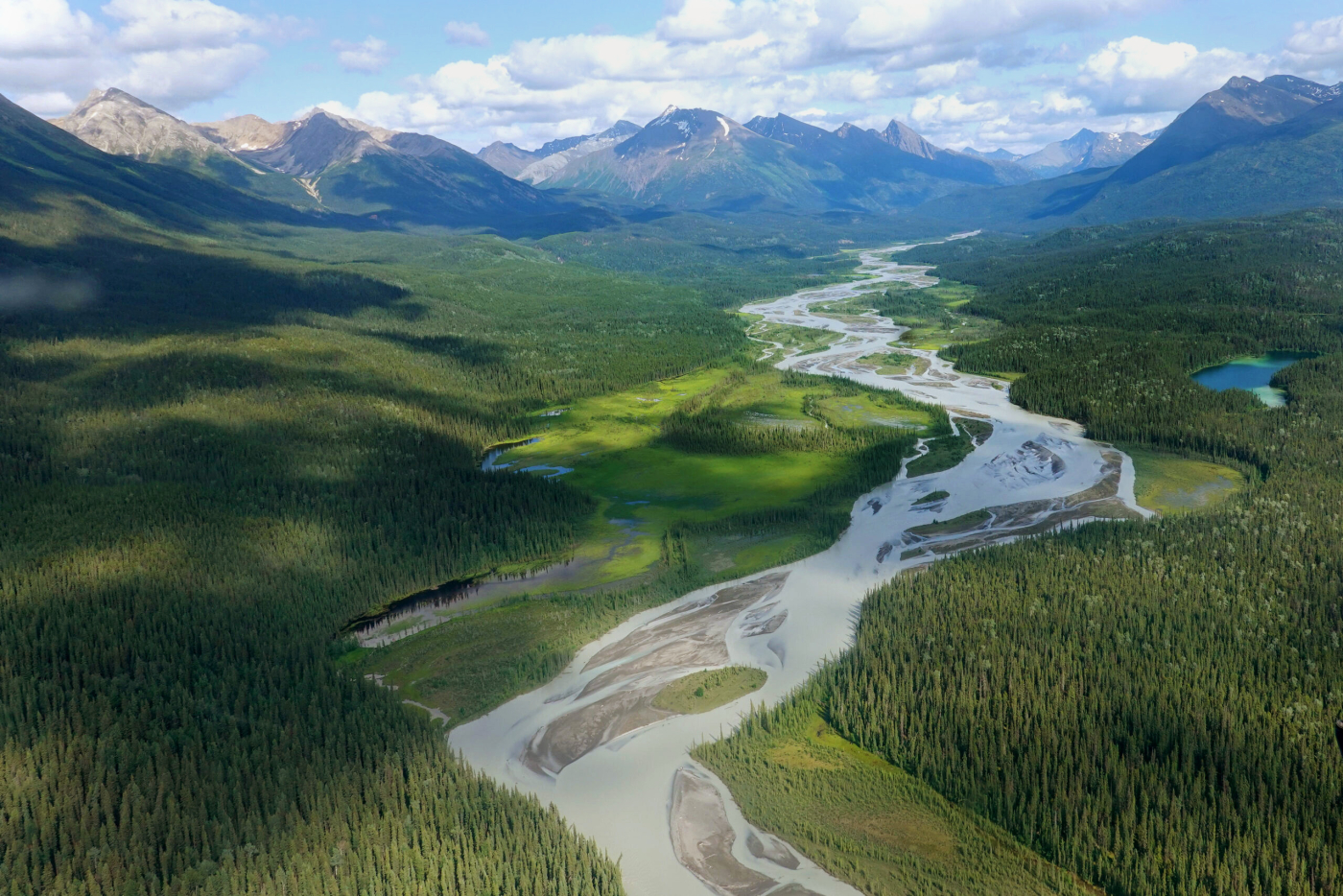 https://ancientforestalliance.org/wp-content/uploads/2026/07/Kaska-Territory.-Credit-Johnny-Mikes-CPAWS-BC-scaled-1.jpg
1707
2560
TJ Watt
https://ancientforestalliance.org/wp-content/uploads/2026/05/Ancient-Forest-Alliance-logo.svg
TJ Watt2026-07-24 15:34:372026-07-28 11:05:22Speak up for Three Major New Protected Areas in Northern BC
https://ancientforestalliance.org/wp-content/uploads/2026/07/Kaska-Territory.-Credit-Johnny-Mikes-CPAWS-BC-scaled-1.jpg
1707
2560
TJ Watt
https://ancientforestalliance.org/wp-content/uploads/2026/05/Ancient-Forest-Alliance-logo.svg
TJ Watt2026-07-24 15:34:372026-07-28 11:05:22Speak up for Three Major New Protected Areas in Northern BC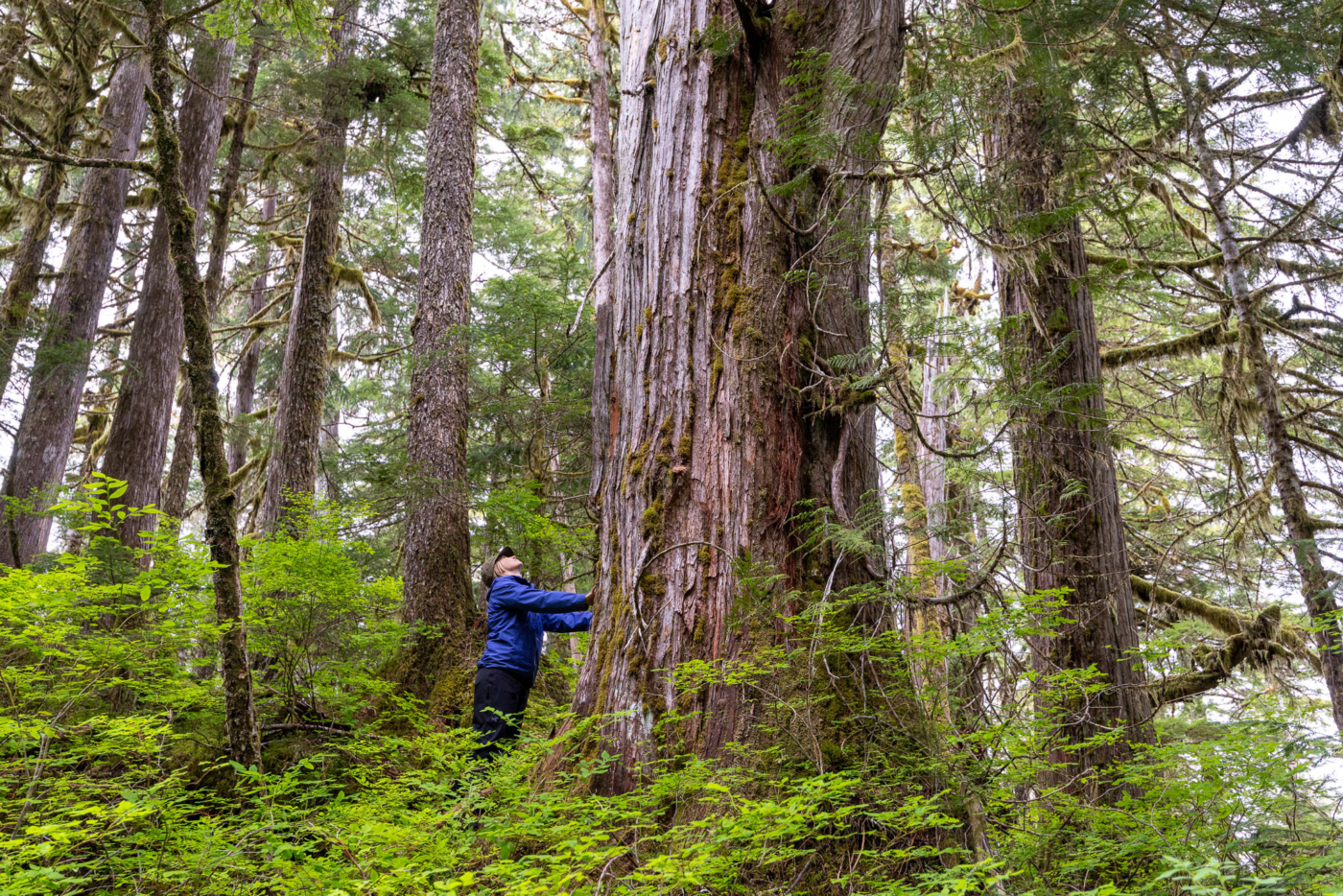 https://ancientforestalliance.org/wp-content/uploads/2026/06/tahsish-river-old-growth-karst-forest-285-1.jpg
1366
2048
TJ Watt
https://ancientforestalliance.org/wp-content/uploads/2026/05/Ancient-Forest-Alliance-logo.svg
TJ Watt2026-07-20 10:46:412026-07-20 12:16:45Victoria Buzz: Old growth advocates call for protection of at-risk Vancouver Island forest
https://ancientforestalliance.org/wp-content/uploads/2026/06/tahsish-river-old-growth-karst-forest-285-1.jpg
1366
2048
TJ Watt
https://ancientforestalliance.org/wp-content/uploads/2026/05/Ancient-Forest-Alliance-logo.svg
TJ Watt2026-07-20 10:46:412026-07-20 12:16:45Victoria Buzz: Old growth advocates call for protection of at-risk Vancouver Island forest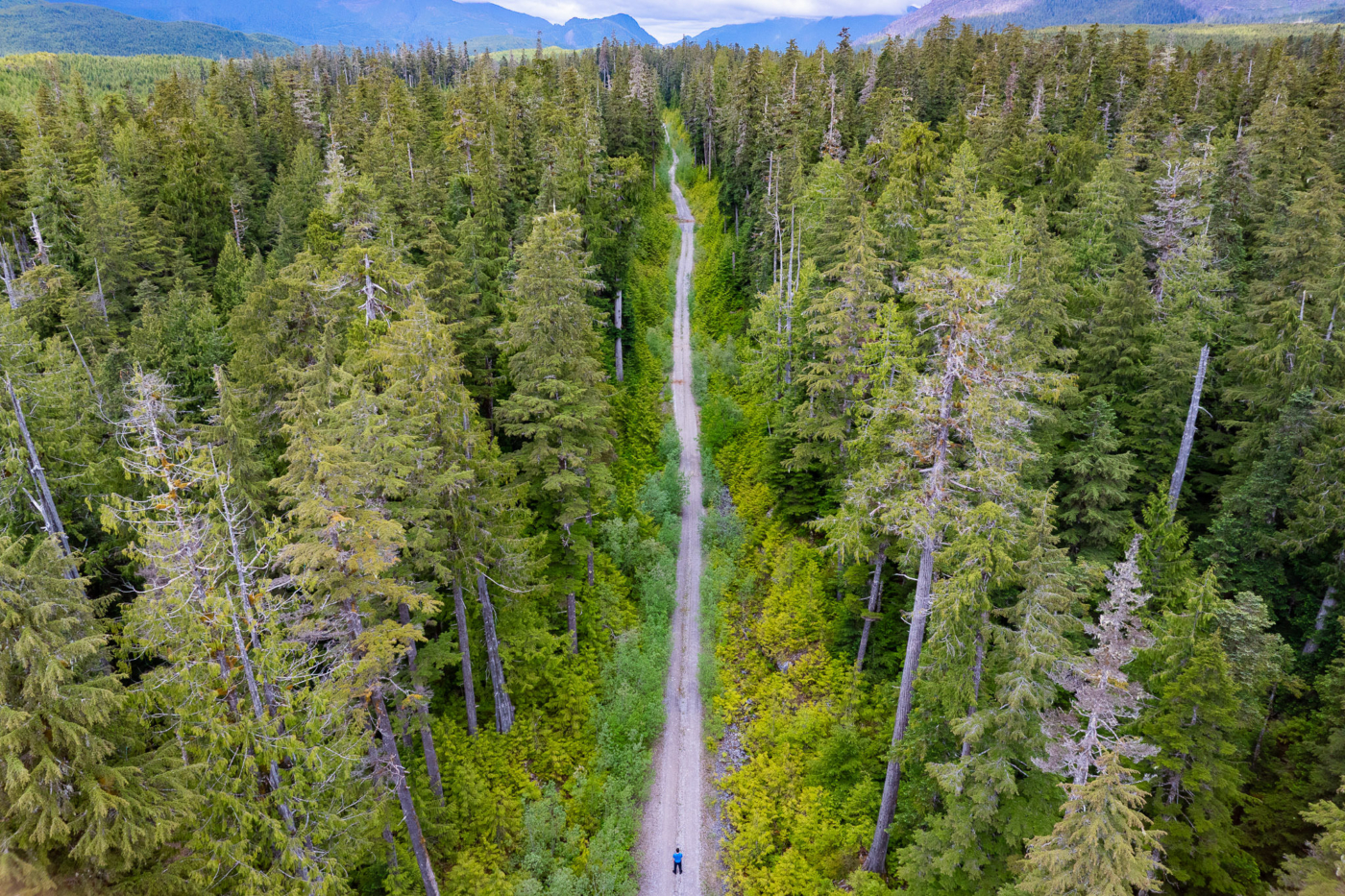 https://ancientforestalliance.org/wp-content/uploads/2026/06/tahsish-river-old-growth-karst-forest-136-1.jpg
1365
2048
TJ Watt
https://ancientforestalliance.org/wp-content/uploads/2026/05/Ancient-Forest-Alliance-logo.svg
TJ Watt2026-07-17 11:54:012026-07-17 11:56:51In Photos: Old-Growth Forest on Karst in the Tahsish Valley
https://ancientforestalliance.org/wp-content/uploads/2026/06/tahsish-river-old-growth-karst-forest-136-1.jpg
1365
2048
TJ Watt
https://ancientforestalliance.org/wp-content/uploads/2026/05/Ancient-Forest-Alliance-logo.svg
TJ Watt2026-07-17 11:54:012026-07-17 11:56:51In Photos: Old-Growth Forest on Karst in the Tahsish ValleyTake Action
 Donate
Support the Ancient Forest Alliance with a one-time or monthly donation. Send a Message
Send an instant message to key provincial decision-makers.
Avatar Grove Ecotourism
/in News CoverageHere's a new piece by Shaw TV about the importance of old-growth forests of Port Renfrew for the tourism economy, focused on the Avatar Grove and the Walbran Valley, and featuring Dan Hager, president of the local Chamber of Commerce, and the AFA's Ken Wu and TJ Watt.
See video at: https://www.youtube.com/watch?v=85ZbPbd0R2Q
Hope on Vancouver Island following historic Great Bear Rainforest agreement
/in News CoverageIt was an historic moment 20 years in the making.
Today it was announced an agreement has been reached between the province, 26 First Nations, environmental groups and the forest industry to protect 85% of BC’s Great Bear Rainforest from logging.
“It preserves land with cultural, ecological and spiritual ties vitally important to the people who have lived there for millennia,” said BC Premier Christy Clark at a press conference in Vancouver.
“I stand here today proud, happy, but still a little bit upset that it’s taken this long for us to find that balance that we were looking for for the last 20 years,” said Dallas Smith, President of the Nanwakolas Tribal Council.
The Great Bear Rainforest covers 6.4 million hectares and is the largest intact temperate rainforest in the world.
The best known species to call it home is the Spirit, or Kermode, bear.
20 years ago the battle to protect it began with protests and blockades — that was followed by an international campaign against BC forest products, which cost millions of dollars in contracts.
“International pressure was definitely key to bring the parties together to collaborate,” said Richard Brooks, Greenpeace Canada’s Forest Campaign Coordinator.
There will still be logging in the remaining 15%, but the parties involved say it will be under some of the strictest regulations in North America.
Ken Wu, executive director of the Ancient Forest Alliance, says now that BC’s northern rainforest is protected, it’s time to focus on Vancouver Island.
“We actually have the most significant or grandest ancient forests remaining,” said Wu.
“These are Jurassic Park-type landscapes, primeval ancient landscapes and we only have 6% of our productive forests under protection.”
Wu says if nothing is done to protect places like the Walbran Valley from logging, old growth-dependent species here will eventually go extinct.
But he hopes with today’s unprecedented agreement, it will never come to that.
“This basically changes the political dynamic in terms of forests in this province, in fact, in this country, so it’s a huge leap forward,” Wu said.
[Chek News article no longer available.]
Most of B.C.’s Great Bear Rainforest protected
/in News CoverageVANCOUVER – A jewel in the crown of British Columbia’s magnificent landscape — the Great Bear Rainforest — has been largely protected from logging in a landmark agreement between First Nations, forest companies, environmental groups and the government, Premier Christy Clark said Monday.
The land-sharing deal 20 years in the making will protect 85 per cent of the largest intact temperate rainforest in the world, located on B.C.’s central coast about 700 kilometres northwest of Vancouver.
The Great Bear Rainforest, stretching from the Discovery Islands northwards to Alaska, is 6.4 million hectares, and more than half the region is covered by ancient forests. The agreement ensures 85 per cent of the forests — 3.1 million hectares — are permanently off limits to logging.
“This is what Vancouver used to look like,” said Clark as images of vast forests were displayed on screens during a news conference at the University of B.C.
“It is proof of what we can do if we decide to find common purpose,” she said.
Clark’s government will introduce legislation this spring that enshrines the deal and includes benefits-sharing agreements with area First Nations.
Twenty six First Nations, environmental groups, coastal forest companies and the government reached the agreement after more than a decade of negotiations.
The agreement also ends the commercial grizzly bear hunt and protects habitat for the marbled murrelet, northern goshawk, mountain goat and tailed frog.
Coastal First Nations spokeswoman Chief Marilyn Slett said reaching the pact was not an easy task but the eco-based management pact is the “modern term to describe what we’ve always done. Our leaders understand our well-being is connected to the well-being of our lands and waters.”
Coast Forest Products Association chief executive officer Rick Jeffery said the deal involved complex talks between groups with opposing points of view, but compromise and success was achieved over time.
“It’s unprecedented in the history of our province,” said Jeffery. “It’s a unique solution for a unique area.”
Environmentalist Richard Brooks said 95 per cent of the area was open to logging 20 years ago, but protests, blockades and ensuing negotiations resulted in Monday’s agreement that ensures most of the forests will not be logged.
“Each of us took tremendous risks to step into the unknown and bridge the huge divide,” said Brooks, describing the collaboration. Three environmental groups, Greenpeace, Forest Ethics and Sierra Club of B.C., are part of the deal.
Jens Wieting of the Sierra Club said logging in the remaining part of the forest will be tightly controlled.
“There is certainty for forestry, 15 per cent of the region’s rainforest will remain open for forestry under very stringent logging rules, the most stringent that you can find in North America.”
The area was officially named the Great Bear Rainforest by then-premier Gordon Campbell in 2006. Environmentalists had given the area the name years before that in an effort to protect the central coast from logging.
The area is also home to the kermode or sprit bear and is where nine area First Nations declared bans on bear hunting in their traditional territories.
Wieting said those involved in the agreement realized the region is globally important because there are so few temperate rain forests left on the planet.
“It is larger than the Netherlands or Belgium or Switzerland and it is really a global responsibility to find solutions to protect the ecological integrity and support communities in this region.”
Read more: https://globalnews.ca/news/2489812/most-of-b-c-s-great-bear-rainforest-protected/