 https://ancientforestalliance.org/wp-content/uploads/2026/10/Screenshot-2026-10-22-at-4.54.32-PM.png
952
1684
TJ Watt
https://ancientforestalliance.org/wp-content/uploads/2026/05/Ancient-Forest-Alliance-logo.svg
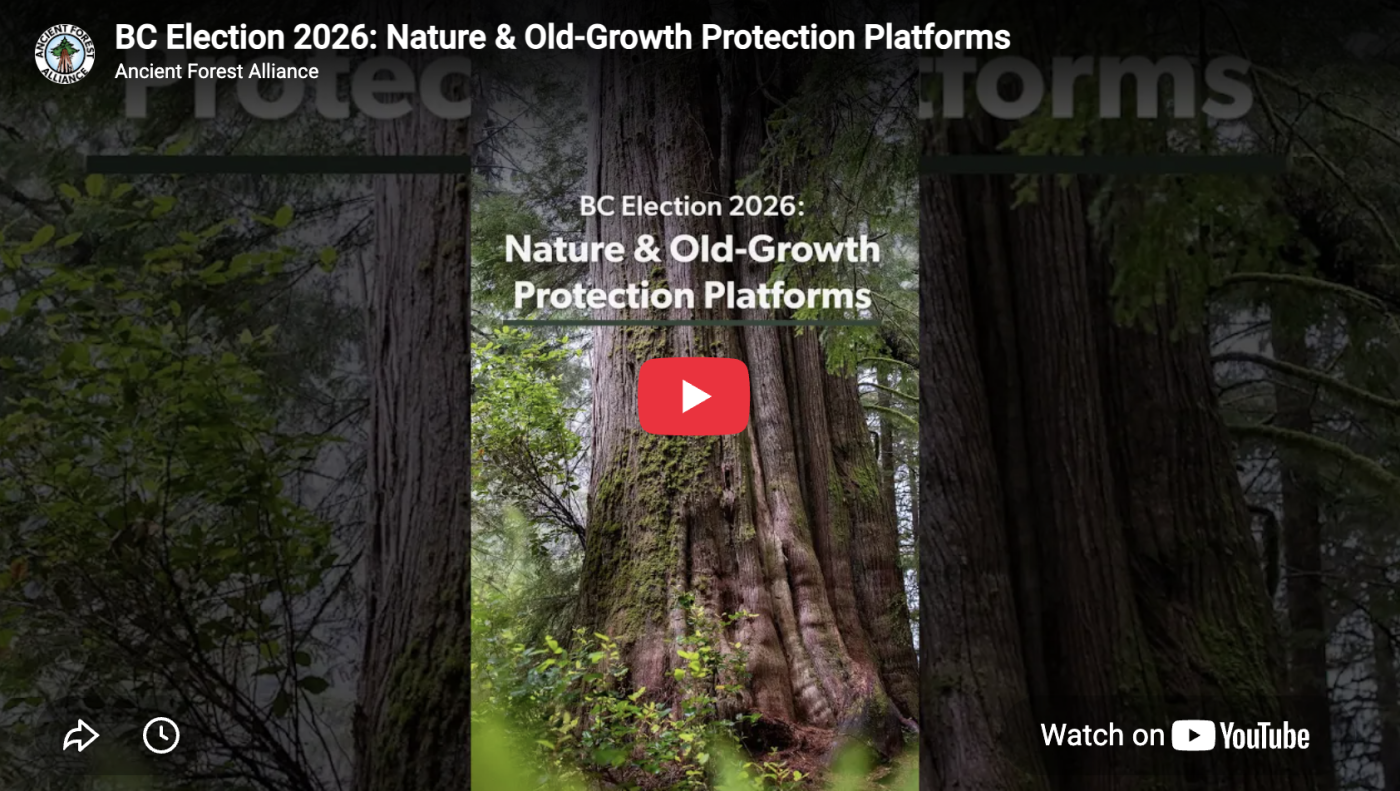
TJ Watt2026-10-22 16:54:062026-10-22 16:59:41NEW Video: BC Election 2026: Nature & Old-Growth Protection
https://ancientforestalliance.org/wp-content/uploads/2026/10/Screenshot-2026-10-22-at-4.54.32-PM.png
952
1684
TJ Watt
https://ancientforestalliance.org/wp-content/uploads/2026/05/Ancient-Forest-Alliance-logo.svg
TJ Watt2026-10-22 16:54:062026-10-22 16:59:41NEW Video: BC Election 2026: Nature & Old-Growth ProtectionRelated Posts
https://ancientforestalliance.org/wp-content/uploads/2026/10/Screenshot-2026-10-22-at-4.54.32-PM.png
952
1684
TJ Watt
https://ancientforestalliance.org/wp-content/uploads/2026/05/Ancient-Forest-Alliance-logo.svg
TJ Watt2026-10-22 16:54:062026-10-22 16:59:41NEW Video: BC Election 2026: Nature & Old-Growth Protection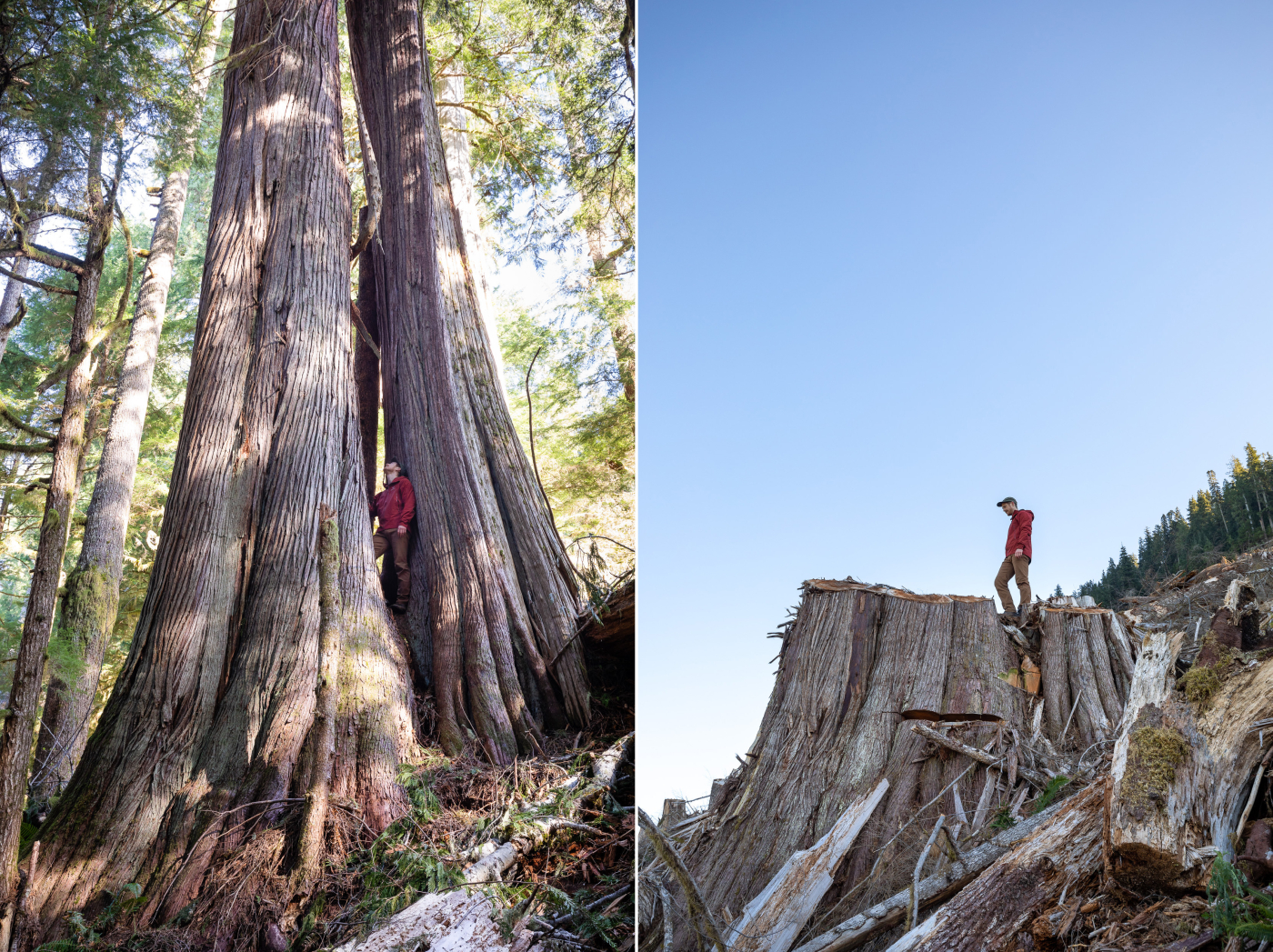 https://ancientforestalliance.org/wp-content/uploads/2026/10/Before-After-Caycuse-TJ-Watt-4-scaled.jpg
1915
2560
TJ Watt
https://ancientforestalliance.org/wp-content/uploads/2026/05/Ancient-Forest-Alliance-logo.svg
TJ Watt2026-10-16 17:36:002026-10-21 13:40:23BC Election 2026: Where do Parties Stand on Nature & Old-Growth?
https://ancientforestalliance.org/wp-content/uploads/2026/10/Before-After-Caycuse-TJ-Watt-4-scaled.jpg
1915
2560
TJ Watt
https://ancientforestalliance.org/wp-content/uploads/2026/05/Ancient-Forest-Alliance-logo.svg
TJ Watt2026-10-16 17:36:002026-10-21 13:40:23BC Election 2026: Where do Parties Stand on Nature & Old-Growth? https://ancientforestalliance.org/wp-content/uploads/2026/10/BC-Election-2026-Banner-1-1-scaled.jpg
1439
2560
TJ Watt
https://ancientforestalliance.org/wp-content/uploads/2026/05/Ancient-Forest-Alliance-logo.svg
TJ Watt2026-10-09 18:16:372026-10-16 17:44:41Where do BC’s Major Political Parties Stand on Nature Protection?
https://ancientforestalliance.org/wp-content/uploads/2026/10/BC-Election-2026-Banner-1-1-scaled.jpg
1439
2560
TJ Watt
https://ancientforestalliance.org/wp-content/uploads/2026/05/Ancient-Forest-Alliance-logo.svg
TJ Watt2026-10-09 18:16:372026-10-16 17:44:41Where do BC’s Major Political Parties Stand on Nature Protection?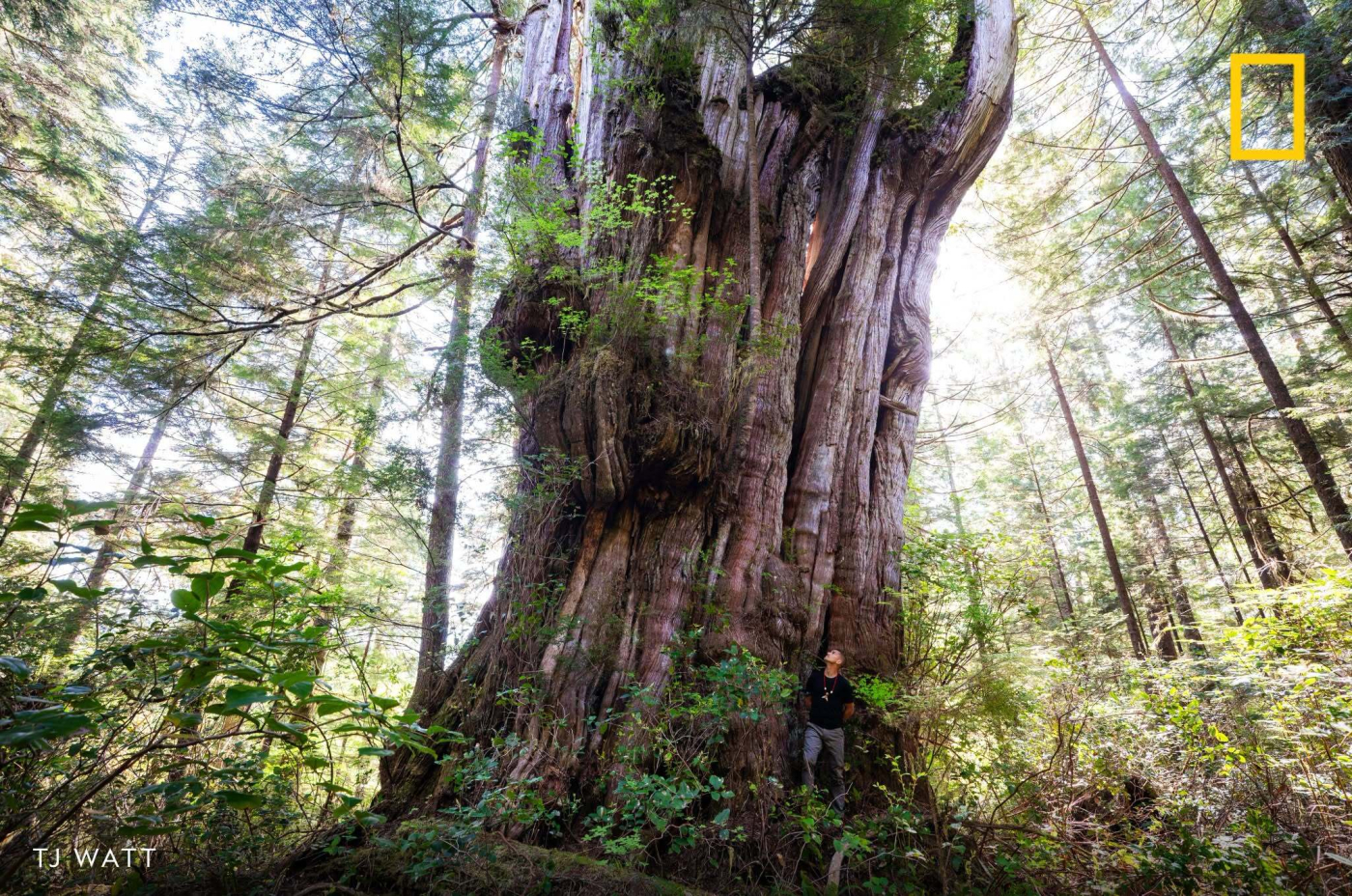 https://ancientforestalliance.org/wp-content/uploads/2026/10/Nat-Geo-Travel-Flores-Cedar.jpg
1357
2048
TJ Watt
https://ancientforestalliance.org/wp-content/uploads/2026/05/Ancient-Forest-Alliance-logo.svg
TJ Watt2026-10-02 13:38:152026-10-02 13:38:15Nat Geo Travel Features TJ Watt’s Photo of Flores Cedar
https://ancientforestalliance.org/wp-content/uploads/2026/10/Nat-Geo-Travel-Flores-Cedar.jpg
1357
2048
TJ Watt
https://ancientforestalliance.org/wp-content/uploads/2026/05/Ancient-Forest-Alliance-logo.svg
TJ Watt2026-10-02 13:38:152026-10-02 13:38:15Nat Geo Travel Features TJ Watt’s Photo of Flores CedarTake Action
 Donate
Support the Ancient Forest Alliance with a one-time or monthly donation. Send a Message
Send an instant message to key provincial decision-makers.
Media Release: “New Species Conservation Auction” closes with renowned BC artist Anne Hansen Winning Bid
/in Media ReleaseFor Immediate Release
Friday, December 16, 2011
“New Species Conservation Auction” closes with renowned BC artist Anne Hansen (aka “Oystercatcher Girl”) making winning bid of $4000, with proceeds to the Ancient Forest Alliance
A unique conservation fundraiser, the “New Species Conservation Auction”, came to an end yesterday with the winning $4000 bid coming from renowned Victoria artist Anne Hansen, whose nickname “Oystercatcher Girl” is derived from her famous paintings of oystercatchers and other birds (see https://oystercatchergirl.blogspot.com/ ). Hansen won the naming rights to a newly discovered species of lichen from BC’s inland rainforest, which she plans to name in honour of her late husband. Proceeds from the auction will go to the Ancient Forest Alliance (www.AncientForestAlliance.org), a new non-profit organization working to protect BC’s old-growth forests and forestry jobs.
In June, Trevor Goward, curator of lichens at the Beaty Biodiversity Museum at the University of British Columbia, loaned a new species of lichen he discovered, a Bryoria or “horsehair” lichen (see a photo at: https://ancientforestalliance.org/news-pic.php?ID=233 Note: media are free to reprint the photo), as a fundraiser for the Ancient Forest Alliance.
According to scientific protocol, the right to give a new species its scientific name goes to the person who scientifically describes it. However, the online auction has earned the highest bidder, Anne Hansen, the right to name the new lichen species. The scientific species name could last centuries or millenia, enshrined in the scientific nomenclature as a legacy for environmentally-concerned individuals long after they have passed away.
The new lichen’s scientific name will be Bryoria kockiana, as Hansen has decided to name the species after her late husband, Henry Kock, horticulturist and author. Kock, who passed away in 2005, was the public face of the Arboretum at the University of Guelph for 20 years and author of Growing Trees from Seed.
Hansen states:
“Henry was a tireless champion of biodiversity and inconspicuous species like toads, lichens and sedges. Organic gardening became his life’s work after an unfortunate early vocational exposure to pesticides. Many native gardens throughout Ontario owe their existence to Henry’s classes at the Arboretum and his travelling presentations to nature clubs. His own garden, which he transformed from lawn to forest, was dubbed the Hotel of the Trees…I feel like I got a bargain! Many people go into debt in December, for toys and gadgets that will soon be obsolete. Lichens have been around since ancient biological times. If we do something fast about climate change, lichens will be here far into the future. Naming a species after a beloved forest defender is my idea of a fabulous solstice celebration. I’m not the only one who’s noticed that the lichen looks like Henry’s beard!”
See Hansen’s full statement at: https://ancientforestalliance.org/news-item.php?ID=342
Trevor Goward states:
“I’m delighted if the loan of one my undescribed lichens has contributed to such an effective grassroots organization as the Ancient Forest Alliance – a group definitely to watch!…In the event, we couldn’t have asked for a more appropriate benefactor for this new initiative. I salute B.C. Nature artist Anne Hansen for her efforts to make a positive difference in the world through her beautiful art work and now, in addition, through her contribution to the Ancient Forest Alliance. It gives…me real pleasure to name this new hair lichen in honour of Anne’s late husband, the horticulturist and author Henry Kock, whose work as a conservationist really deserves to be recognized. From this day forward, Henry’s name will be remembered in Bryoria kockiana – a name I expect to last as long as our civilization does.”
See Goward’s full statement at: https://ancientforestalliance.org/news-item.php?ID=343
Conservationists are hoping that this first trial run of “taxonomic tithing” in Canada will inspire similar taxonomic tithing initiatives for conservation organizations working to protect diverse ecosystems and endangered species. “Taxonomic tithing” is a term coined by Goward whereby a biological researcher who describes a new species donates its naming rights for conservation purposes (see https://www.waysofenlichenment.net/tithe/home).
“We’re most grateful to Trevor Goward and Anne Hansen for this enormous boost of funding for our small organization,” stated Ken Wu, Ancient Forest Alliance executive director. “We’ve run this organization on a shoestring with very limited resources, so this will be an infusion of funding that will allow us to build some key pieces of the campaign in 2012 to save the last of BC’s endangered old-growth forests.”
B.C.’s old-growth forests are home to numerous species at risk that require old-growth forests to flourish, including mountain caribou, spotted owls, marbled murrelets, Vaux’s swifts, and many species of lichens. After old-growth forests are logged, they are replaced by tree plantations that lack the structural diversity and ecological characteristics that support these unique species. These plantations are to be re-logged every 30 to 80 years before they can become old-growth forests again. About 80% or more of the old-growth forests in southern British Columbia have already been logged and converted to second-growth tree plantations, farmland, and cities. See spectacular images of Vancouver Island’s old-growth forests at: https://ancientforestalliance.org/photos-media/
Lichens are small organisms often mistaken for plants, but perhaps better thought of as cooperative (symbiotic) unions of fungi and algae: fungi that have discovered agriculture https://www.waysofenlichenment.net/.
The Ancient Forest Alliance is a new British Columbian environmental organization established in 2010 working to protect BC’s remaining old-growth forests and to ensure sustainable forestry jobs. It works through research and public education to promote the establishment of new laws and policies to protect old-growth forests.
Goward also donated the naming rights of another new species of lichen to The Land Conservancy, a major land trust organization in BC working to purchase private lands across the province, including parts of the Clearwater Valley to make a wildlife corridor near Wells Gray Provincial Park. The winning bid for The Land Conservancy’s lichen came in at a whopping $17,900 last night. Visit https://www.printablesme.com for your bed bath and beyond coupons
Lichenologist Trevor Goward: Statement on the Close on the New Species Conservation Auction
/in AnnouncementsI’m delighted if the loan of one my undescribed lichens has contributed to such an effective grass roots organization as the Ancient Forest Alliance – a group definitely to watch! My understanding is that the top bid of $4,000 is a major boost for them.
As a taxonomist, I’m also delighted if my work can in some way help to preserve critical habitats for the organisms I study. As this is a first trial run of taxonomic tithing in Canada, I accept that it will take time for Canadians really to get behind this new method of conservation fund raising. I feel certain that future auctions of this kind will bring in even more funding as the public becomes aware of the honour inherent in being linked, even if only in name, to other living species that share this planet with us.
In the event, we couldn’t have asked for a more appropriate benefactor for this new initiative. I salute B.C. Nature artist Anne Hansen for her efforts to make a positive difference in the world through her beautiful art work and now, in addition, through her contribution to the Ancient Forest Alliance. It gives my colleagues Saara Velmala and Leena Myllys and me real pleasure to name this new hair lichen in honour of Anne’s late husband, the horticulturist and author Henry Kock, whose work as a conservationist really deserves to be recognized. From this day forward, Henry’s name will be remembered in Bryoria kockiana – a name I expect to last as long as our civilization does.
Trevor Goward
Anne Hansen: A Likin’ For Lichen
/in News CoverageVictoria, B.C. artist Anne Hansen, who is well-known for her paintings of the black oystercatcher (a shorebird), has just purchased the scientific- naming rights of a newly-discovered lichen, in a fundraising initiative of the Ancient Forest Alliance.
She will name the lichen after her deceased husband, Henry Kock, horticulturist and author of Growing Trees from Seed (Firefly Books Ltd, 2008). The book was completed by his botanical colleagues after his death. Kock (pronounced “Coke”) was the public face of the Arboretum at the University of Guelph for 20 years. He died of brain cancer on December 25, 2005. Hansen moved from Ontario to BC in 2007.
Anne says, “Henry was a tireless champion of biodiversity and inconspicuous species like toads, lichens and sedges. Organic gardening became his life’s work after an unfortunate early vocational exposure to pesticides. Many native gardens throughout Ontario owe their existence to Henry’s classes at the Arboretum and his travelling presentations to nature clubs. His own garden, which he transformed from lawn to forest, was dubbed the Hotel of the Trees. In his legendary slide shows, he referred to his suburban yard as a bed and breakfast for migrating songbirds.”
Henry Kock established the Elm Recovery Project at the Arboretum, which now bears his name, as does a new greenhouse on the University of Guelph campus.
“I feel like I got a bargain!” says Hansen. “Many people go into debt in December, for toys and gadgets that will soon be obsolete. Lichens have been around since ancient biological times. If we do something fast about climate change, lichens will be here far into the future. Naming a species after a beloved forest defender is my idea of a fabulous solstice celebration. I’m not the only one who’s noticed that the lichen looks like Henry’s beard!”
Anne Hansen
https://oystercatchergirl.blogspot.com