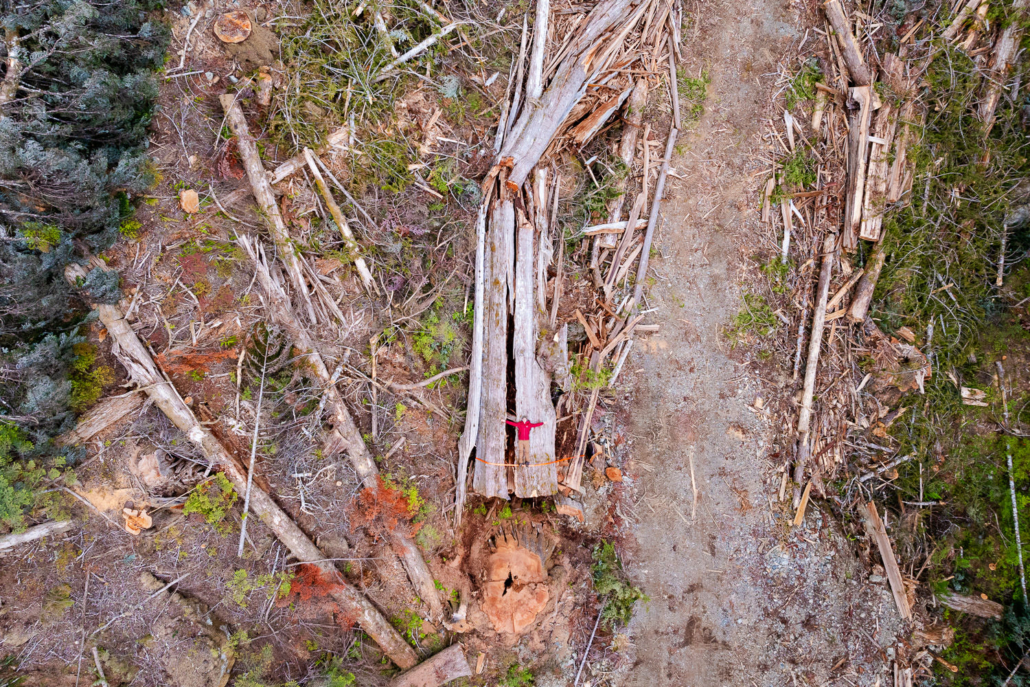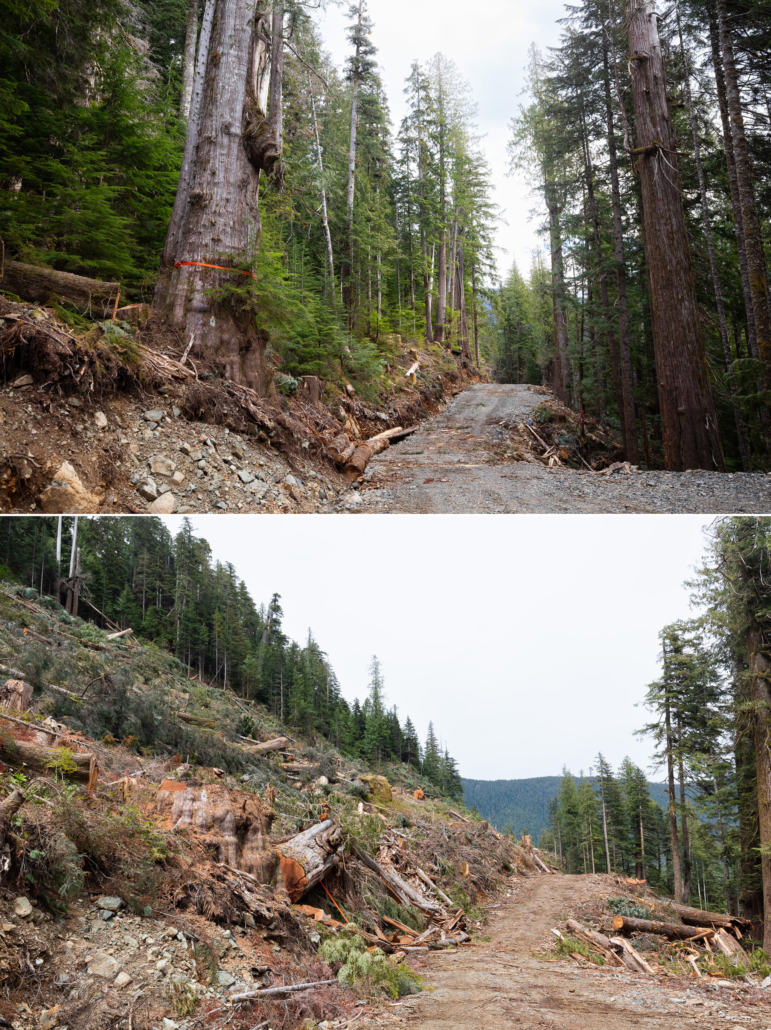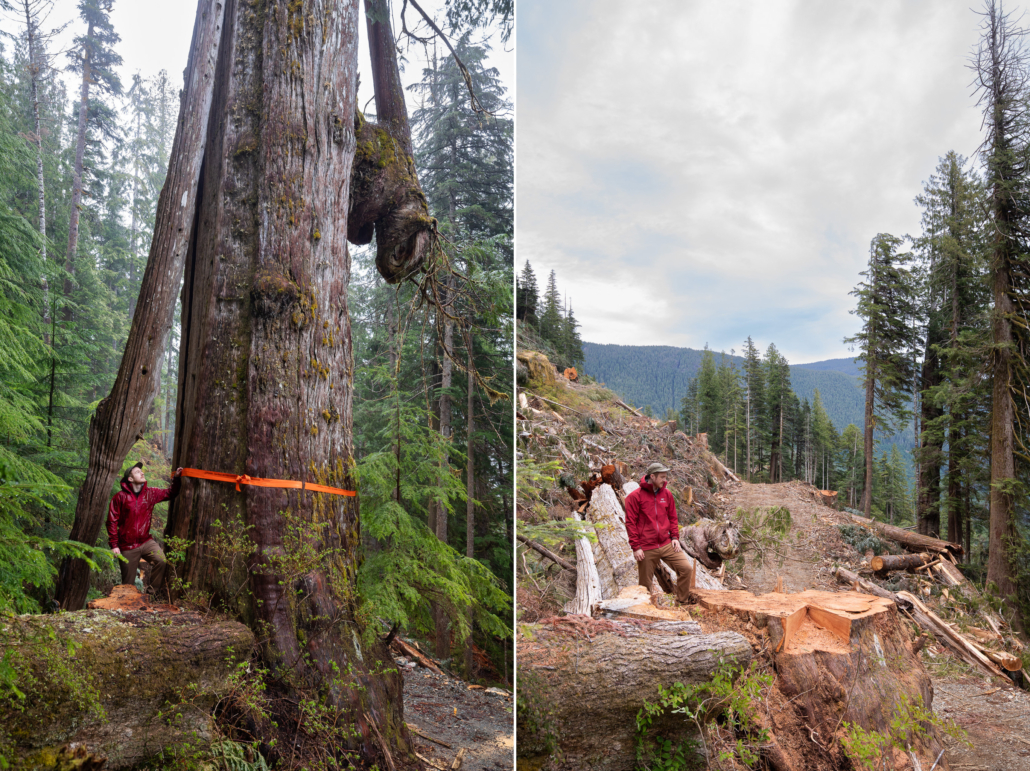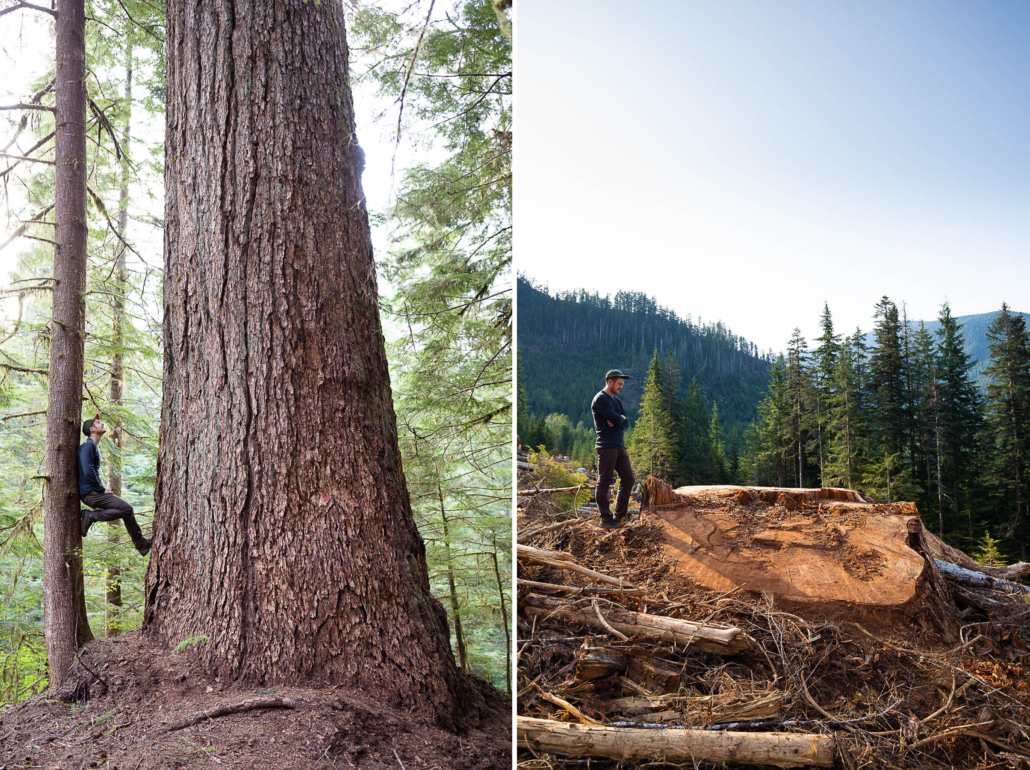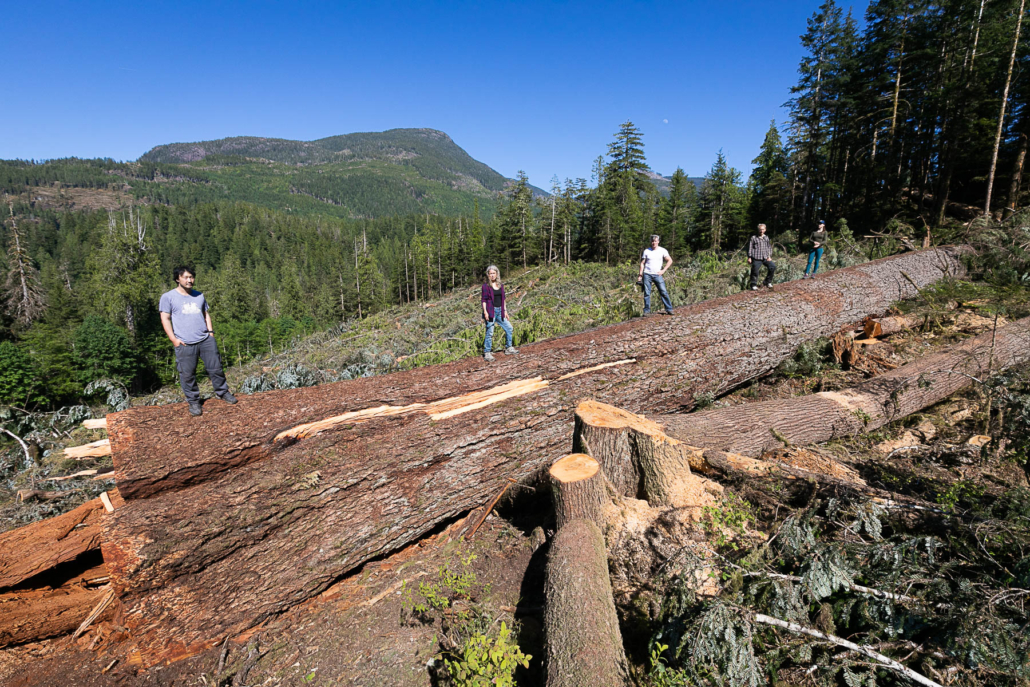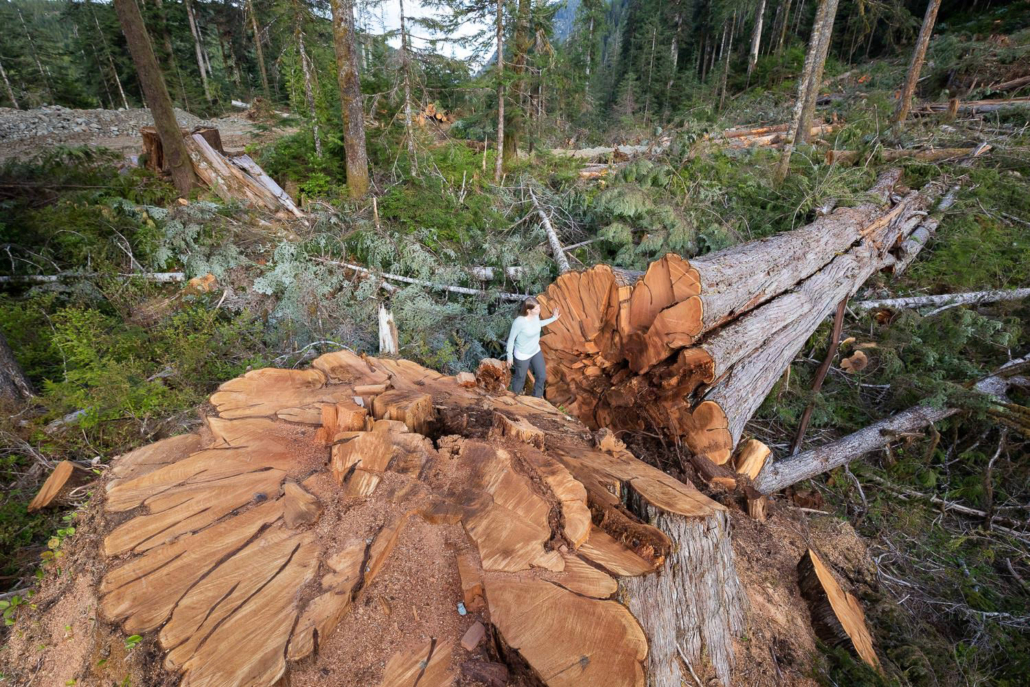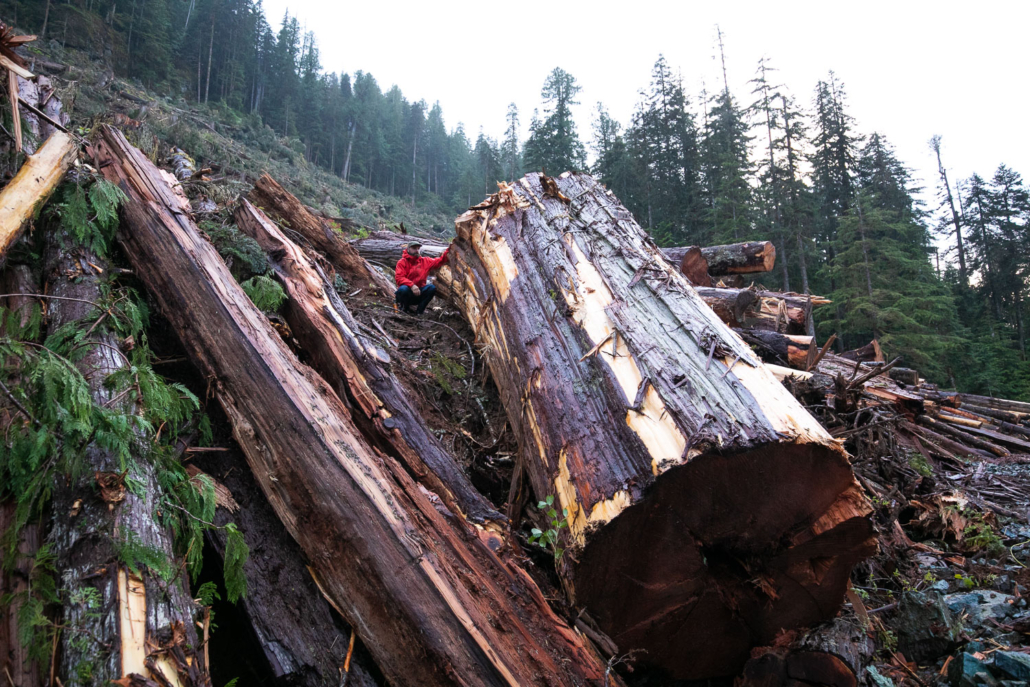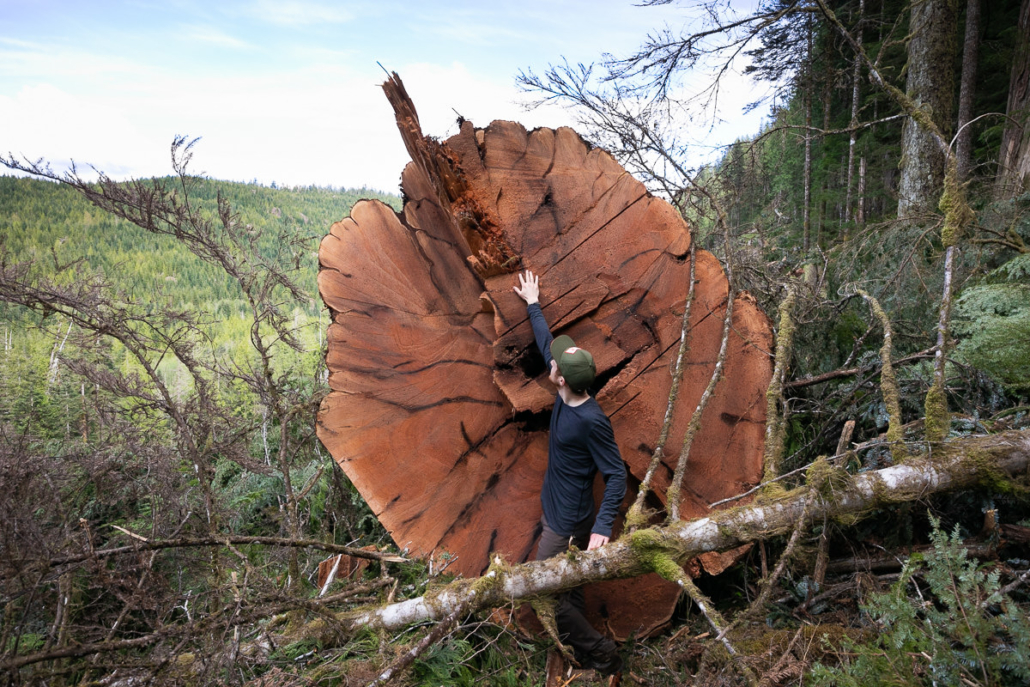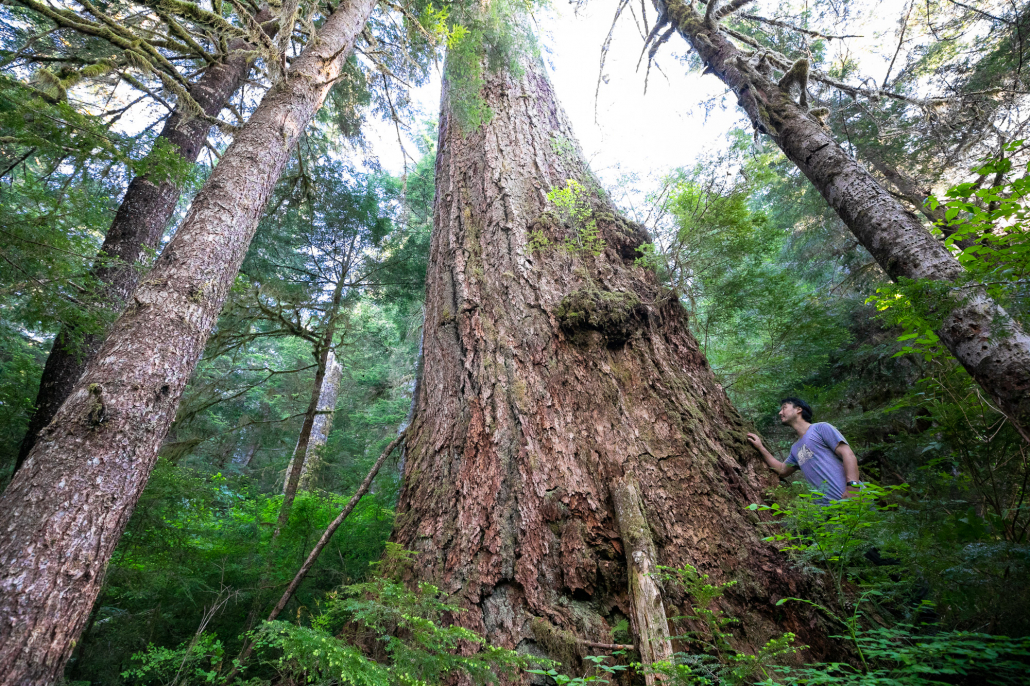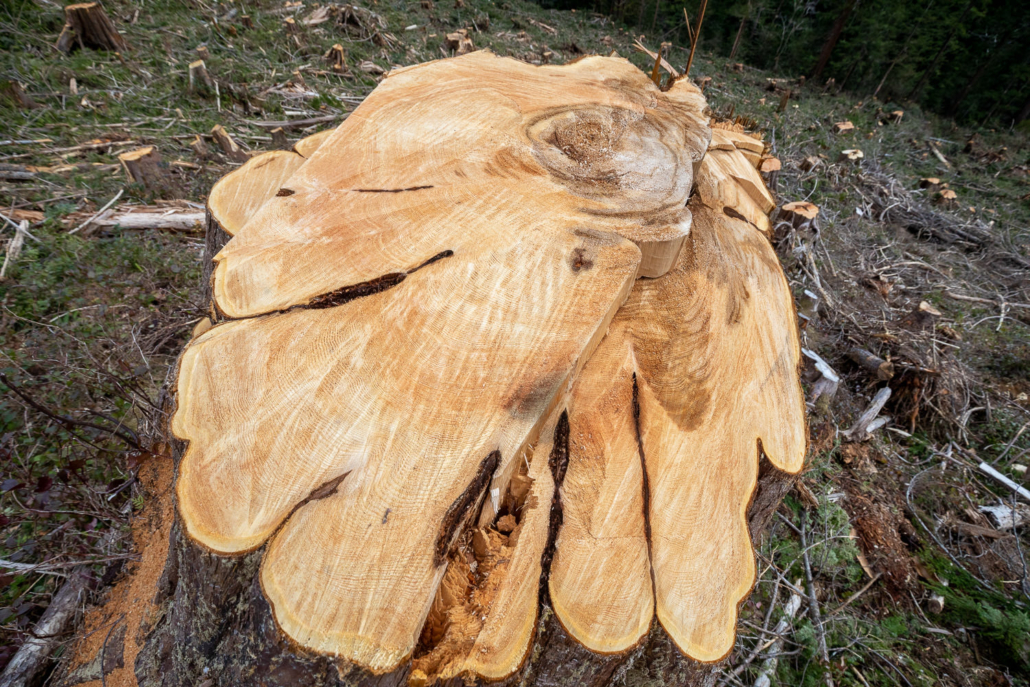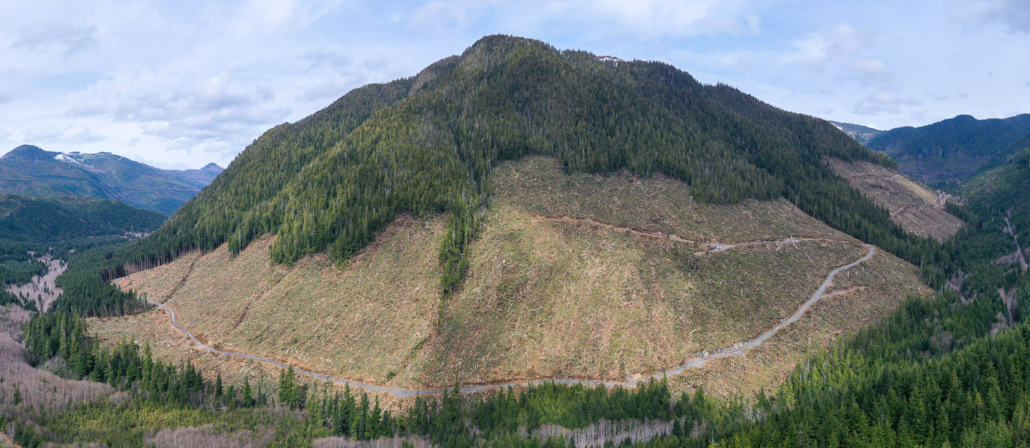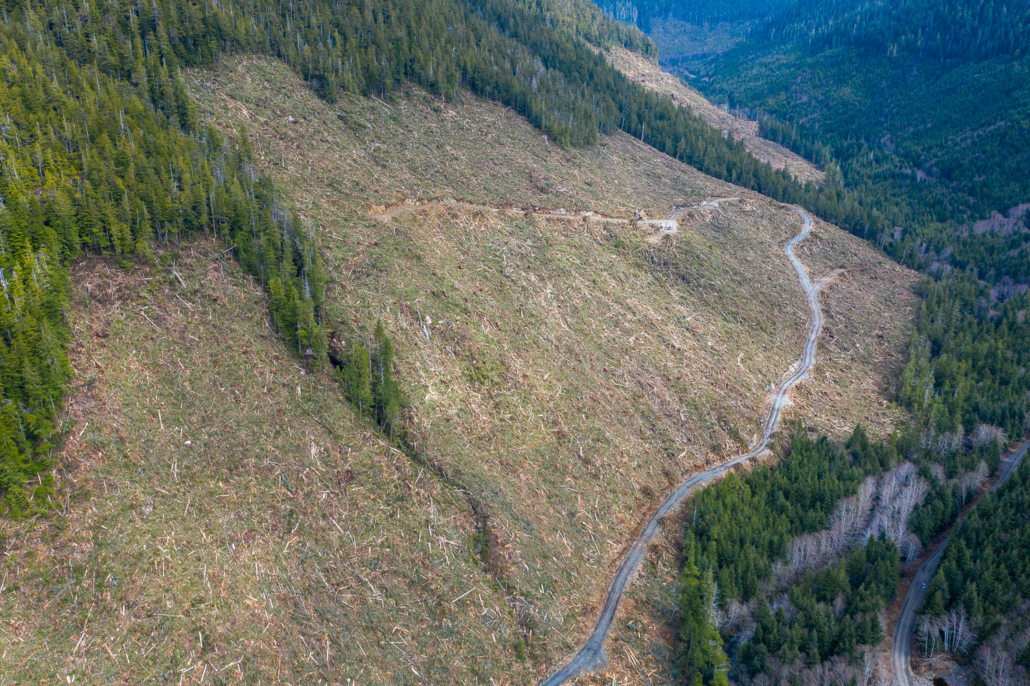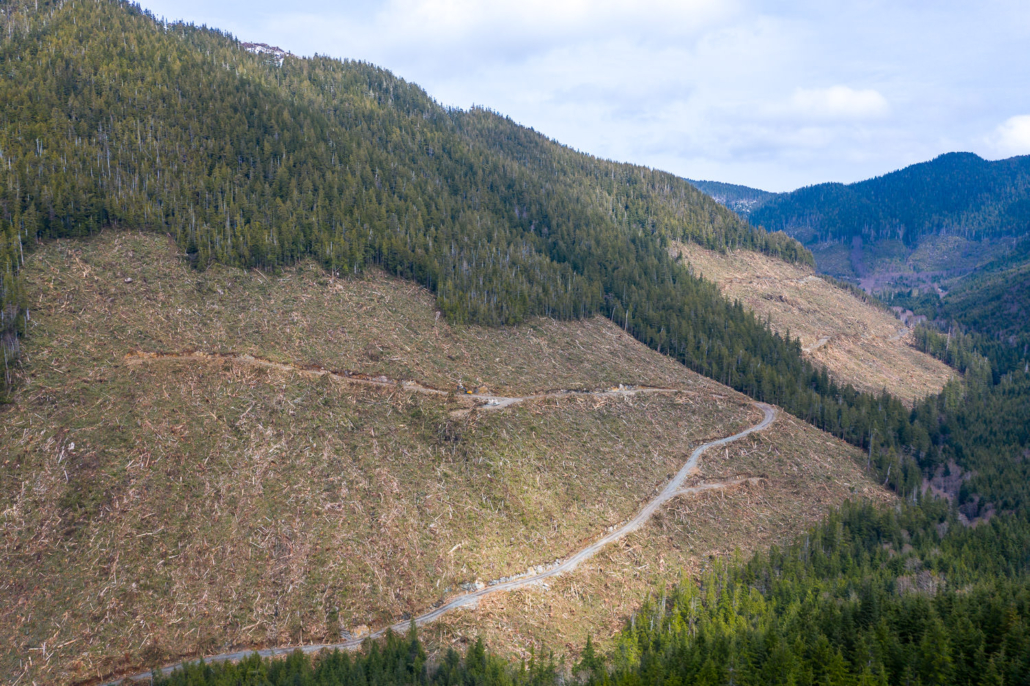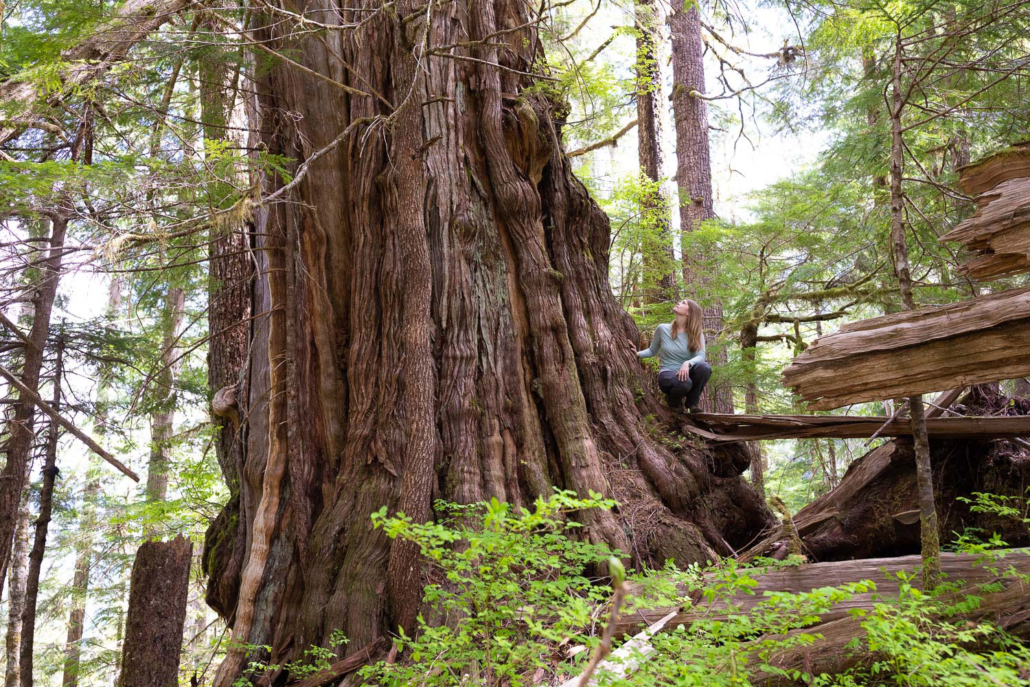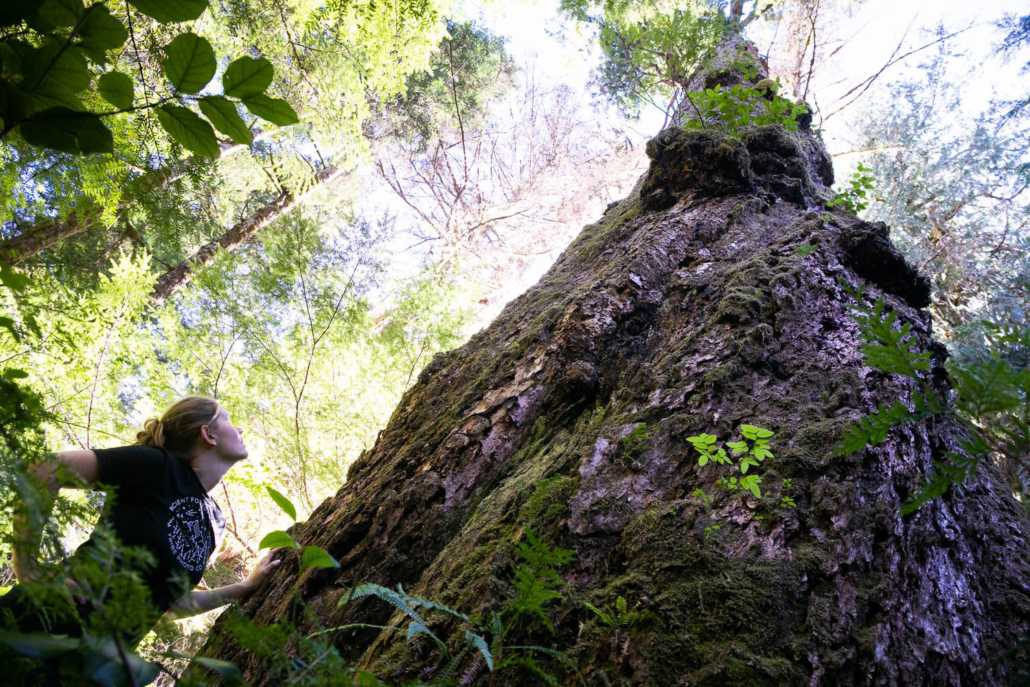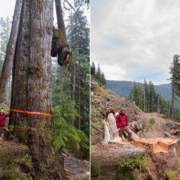
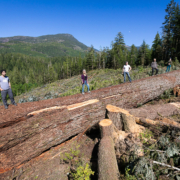
BC's ninth widest Douglas-fir cut down by BC Timber Sales (BCTS) in the Nahmint Valley in 2018.

BC Timber Sales (BCTS) Review Submission – AFA & EEA

Ancient Forest Alliance & Endangered Ecosystem Alliance’s recommendations to the BC Timber Sales Review.

Overarching Priority Recommendations:

  1. Prohibit cutblocks in all at-risk old-growth forests within BC Timber Sales operating areas: BCTS should implement a policy prohibiting the planning and sale of cutblocks within the 5 million hectares of unprotected old-growth forests identified by the BC government’s own independent science panel as most at-risk. This includes the 2.6 million hectares of the highest-priority at-risk old-growth forests recommended for immediate deferral by the Technical Advisory Panel (TAP), as well as the 2.4 million hectares of additional unprotected old-growth forests that also meet the TAP criteria for the biggest, oldest, and most endangered. If the BC government is serious about embracing the recommendations of its own science panel, this is the least they can do.
  2. Direct conservation funding dollars toward securing the deferral and protection of old-growth forests in BC Timber Sales operating areas: Given the BC government’s commitment to expanding the protection of old-growth forests in BC, the province has an opportunity and an obligation through its direct management of BC Timber Sales to take a proactive approach to achieving this goal. Therefore, we recommend allocating a proportionate share of the BC Nature Agreement and Conservation Financing Mechanism to support First Nations in their capacity, stewardship and economic development needs related to Indigenous Protected and Conserved Areas (IPCAs) on the land where BCTS operates. Most urgently, this includes providing “solutions space” funding to help First Nations offset the economic impacts of lost logging revenues when being asked to implement deferrals in the most at-risk old-growth forests in their territories.

Immediate Recommended Changes to the Current BC Timber Sales Policy Guidance on TAP Deferrals:

  1. Use field verification to identify and defer at-risk old-growth forests missed in the TAP mapping process – allow additions, not just subtractions, of technically misidentified stands: The TAP recommended that field verification be used to identify and defer at-risk old-growth forests that meet their criteria but were missed in the initial analysis due to gaps in BC government data. Currently, BCTS only uses field verification to remove areas from deferral status which don’t meet the TAP criteria, demonstrating a clear bias toward more old-growth logging (see BCTS guidance section “Where Field Verification is Required”). Instead, forest engineers with BCTS should use field verification to assess whether any forest within a proposed cutblock meets the criteria for deferral (not just the TAP polygons). When they do, they should be immediately added and deferred from logging, pending approval from First Nations.
  2. Require replacement old-growth deferrals if logging proceeds: According to BCTS deferral guidance 1. d, where First Nations indicate they do not support TAP deferrals, there is currently no requirement to identify replacement old-growth forests after logging proceeds in Ancient or Priority Big-treed polygons. Instead, replacement deferral areas should be required in these cases, as they are required by BCTS in TAP-identified Remnant Old Ecosystems (one of three categories of most at-risk old-growth identified by TAP). These deferrals must be placed in unprotected old-growth forests that could otherwise be logged in the future (i.e. within the Timber Harvesting Land Base, as opposed to areas not available for logging).
  3. Strengthen criteria for replacement deferrals: The Ministry of Forests’ Field Verification of Priority Old Forest Deferral Areas: Technical Guidance (p.11) states that “Replacement Priority Old Forest Deferral Areas cannot be placed in areas unavailable for forest harvesting.” However, the Ministry’s Guidance on BCTS Implementation of Technical Advisory Panel (TAP) Old Growth Deferral Polygon Recommendations states that replacement areas should be identified based on “like-for-like” ecological characteristics, rather than whether they fall within the Timber Harvesting Land Base (THLB). When a replacement deferral area must be located, BCTS should be required to identify an area that is ecologically “like-for-like” and also located within the THLB to ensure additional protections for at-risk old-growth forests that are otherwise open to logging.
  4. Default to honouring deferrals, not logging them: In cases where First Nations request more time to consider TAP deferrals or have yet to respond, BCTS’ current guidance 2. c. is to permit logging within polygons that meet the Ancient or Priority Big-treed criteria. BCTS should not be permitted to log in these areas until First Nations have decided on the proposed deferrals – the default must not be “ignore First Nations and just log the old-growth.”
  5. Provide transparency in deferral changes: BCTS should be required to make all changes and replacements to deferral areas publicly accessible in a timely and transparent manner. This can drag out for years – but there is a genuine environmental crisis, and the conservation movement will no longer acquiesce to endless heel-dragging.

Become a Leader in a Sustainable, Value-Added, Second-Growth Forestry Industry

  1. To support a more sustainable, value-added forest economy, an appurtenancy clause should require that logs from BCTS sales not destined for BC mills be sold through regional log sorts and manufactured within British Columbia. This would secure a guaranteed log supply for BC-based companies.

Conclusion

As a Crown agency, BC Timber Sales stands at a crossroads that affects all British Columbians. With direct government oversight, BCTS has both the opportunity and the obligation to implement bold policy changes that reflect the government’s commitments to biodiversity, climate action, and Indigenous rights. BCTS is the best vehicle for the province to lead the way on its land base toward the promised “paradigm shift” embraced by the BC NDP government in its BC Old-Growth Strategic Review panel’s recommendations. Strengthening old-growth protections within BCTS operating areas—especially the most at-risk forests identified by the province’s own science panel—would send a powerful signal that the government is serious about ending the logging of irreplaceable ecosystems and transitioning to a value-added, second-growth industry, which is the future for BC’s forest industry.

Conversely, if BCTS continues to auction off the last of the most endangered old-growth forests in the province, it will severely undermine public trust and the province’s credibility on environmental leadership.

The choice is clear: BCTS can help lead us toward a sustainable future focused on value-added products from second-growth forests. Or it can continue selling off irreplaceable ancient forests that, once gone, are lost forever.

The path BCTS chooses now will help define the legacy this government leaves for the land, communities, and generations to come.

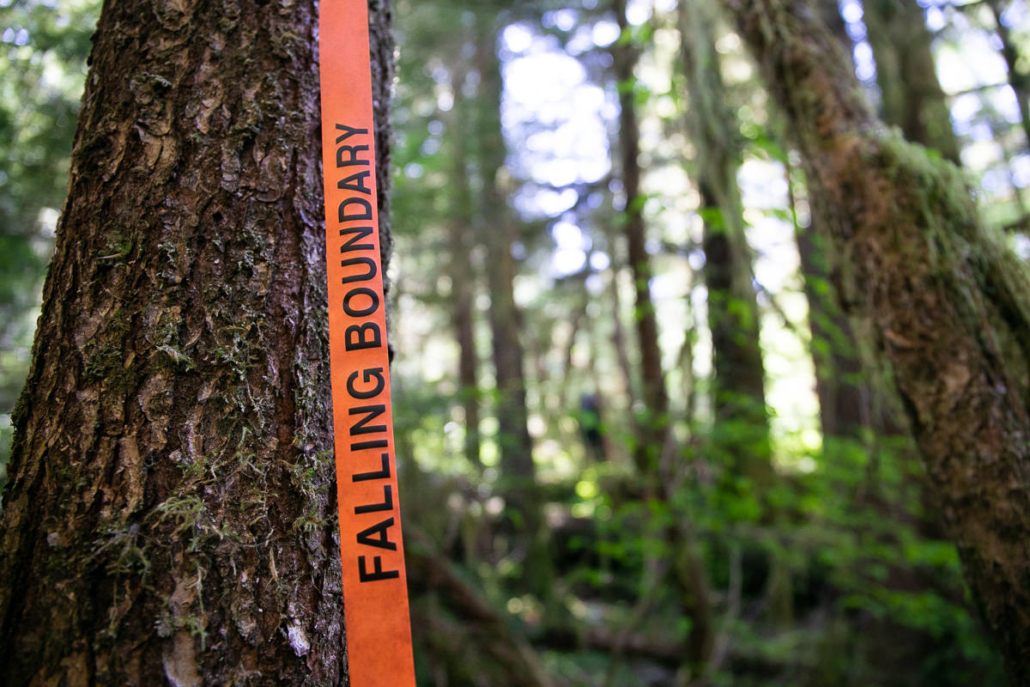
The photos below highlight old-growth logging and forests within BC Timber Sales’ tenure on Vancouver Island, BC.
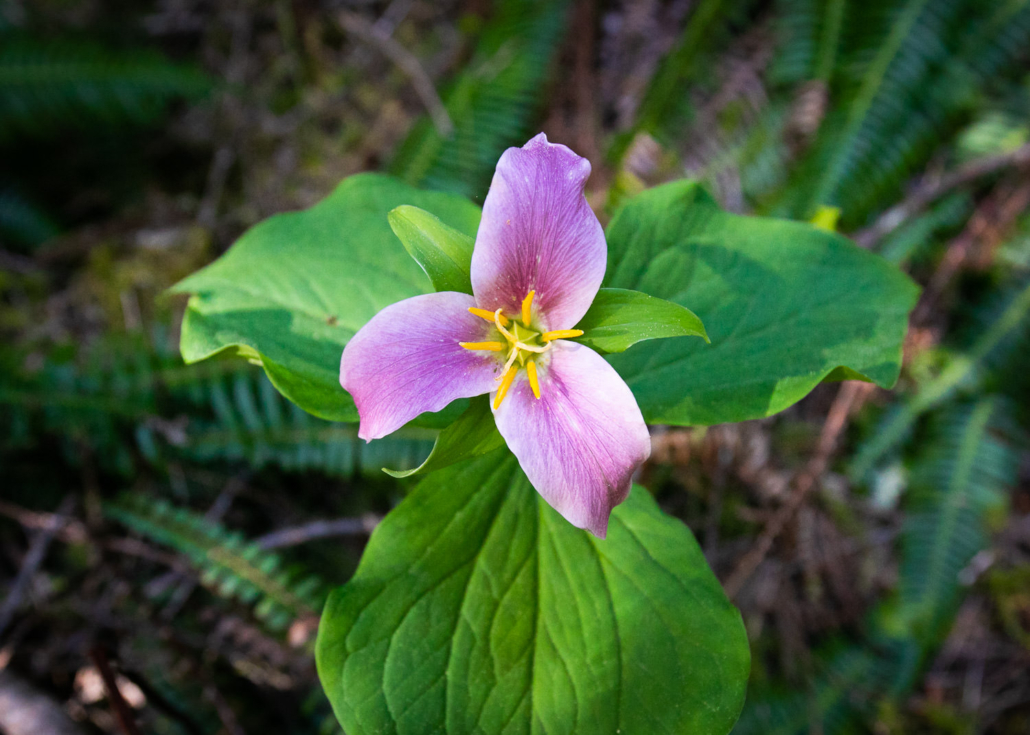
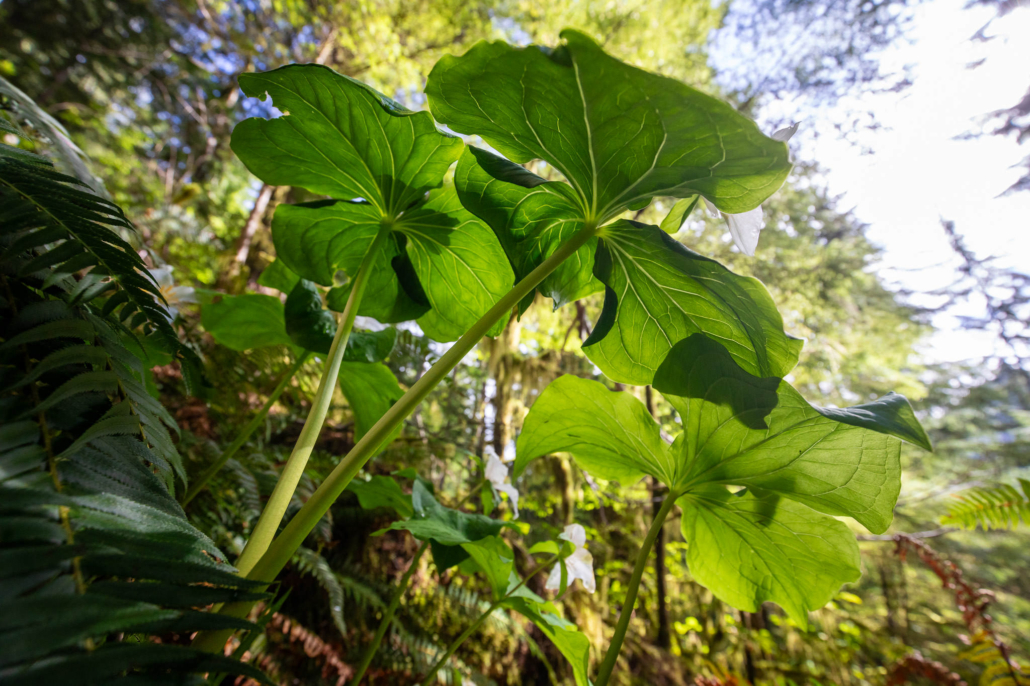
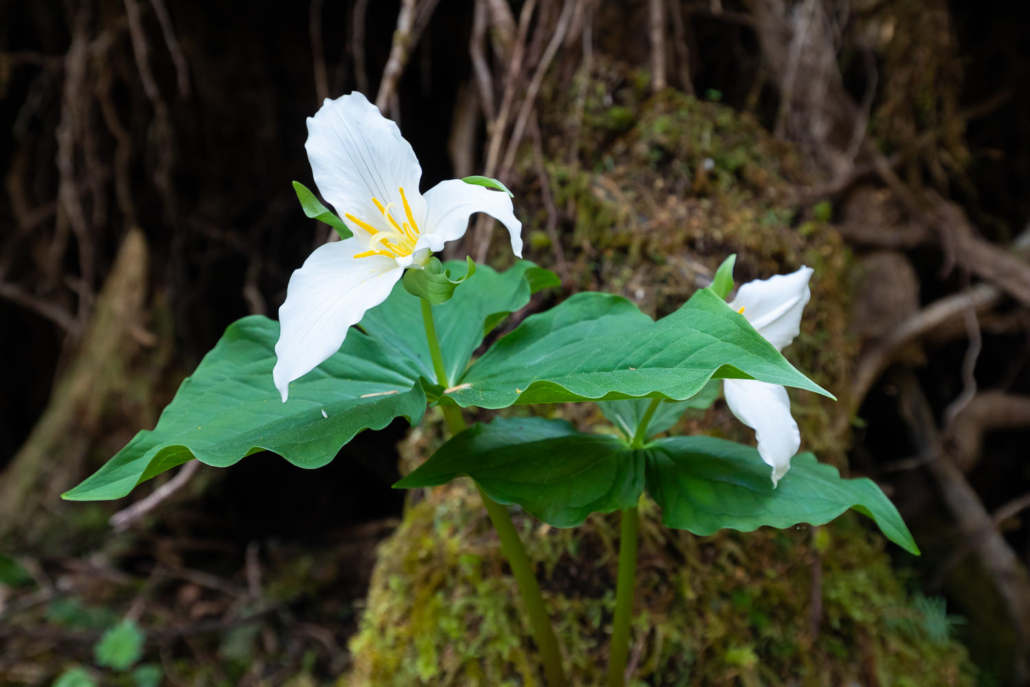
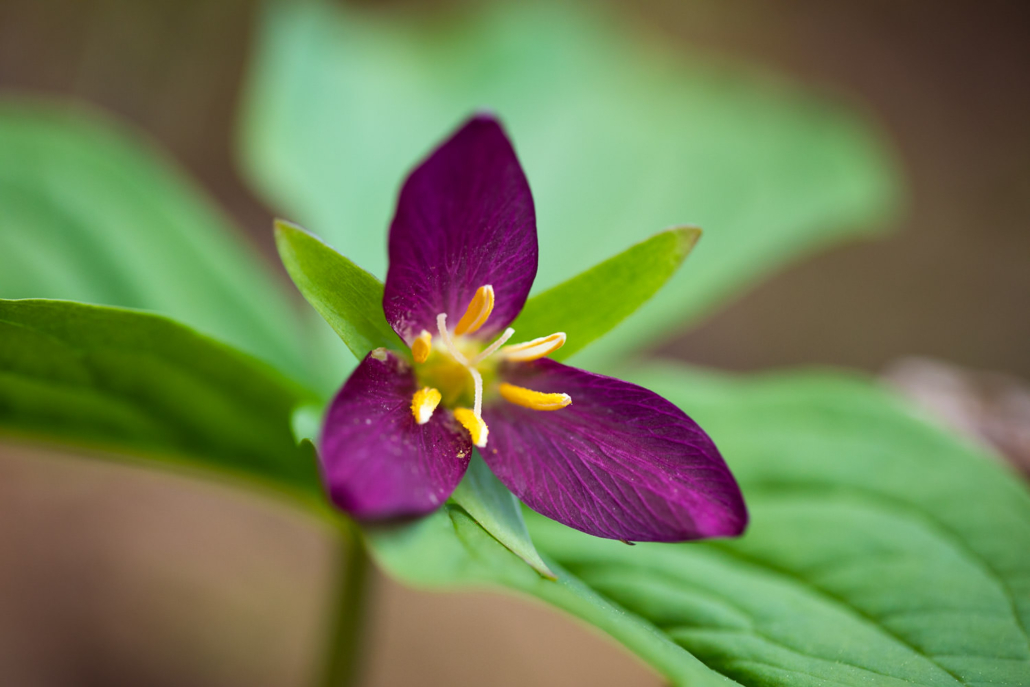
Western Trillium

Vividly white when they first bloom, then frequently changing colour to deep pinks and purples as they mature, few rainforest flowers are as charismatic as the western trillium. Also called the “wake-robin” in reference to its early spring emergence, the trillium is immediately recognizable by its single flower atop three open leaves. Trilliums may take ten years to go from seed to their first flowering, and yet the above-ground plant only lasts a few short months, vanishing quietly as spring turns to summer. After flowering, trilliums may lie dormant for up to five years. So if you find one in the forest, savour it! It may be years before it flowers again.

SOLD OUT: AFA’s 15th Anniversary Celebration and Fundraiser on May 1st!

UPDATE: Tickets now SOLD OUT. Thank you for your support!

We’re thrilled to invite you to attend Ancient Forest Alliance’s (AFA) 15th Anniversary Celebration & Fundraiser on May 1st in Victoria! Enjoy food, drinks, socializing, a silent auction, and an engaging presentation from AFA campaign director & photographer TJ Watt and co-founder Ken Wu. Plus, there’s a chance to win some awesome AFA gear!

📍 Where: Esquimalt Gorge Park & Pavilion – 1070 Tillicum Rd, Esquimalt, BC, Lək̓ʷəŋən territory
🗓️ When: Thursday, May 1st, 6:00 – 9:00 PM (Doors open at 5:45 PM)
🎟️ Tickets: $35. Limited availability, so act quickly! Comes with free drink and appetizers.

Fifteen years ago, Ancient Forest Alliance started as a small but determined organization with a vision to protect endangered old-growth forests in BC. Since then, thanks to the dedication and passion of supporters like you signing petitions, attending rallies, reaching out to decision-makers, and giving when you can, we’ve grown into a strong, enduring force for change.

From securing the protection of Avatar Grove to exposing the worst logging practices in BC, garnering thousands of news media stories or landing hundreds of millions in conservation financing dollars, together, we’ve helped shape the landscape of forest protection in BC in major ways.

Now, as we mark our 15th anniversary, we’re hosting this special event as an opportunity to come together and celebrate our achievements, reflect on the journey, and rally support for the crucial work ahead.

Enjoy a new slideshow presentation featuring photos, videos, stories, and other highlights from the past 15 years and where we’re going next, along with appetizers, drinks, and mingling with AFA staff, volunteers, donors, and supporters. Plus, you’ll have the chance to win some awesome AFA gear and bid on fabulous silent auction items from several local businesses!

Please save the date, grab your tickets, and join us as we give thanks to our incredible community and raise funds to protect the globally rare old-growth forests in BC!

Can’t make the event but still want to support our efforts? Donate here!

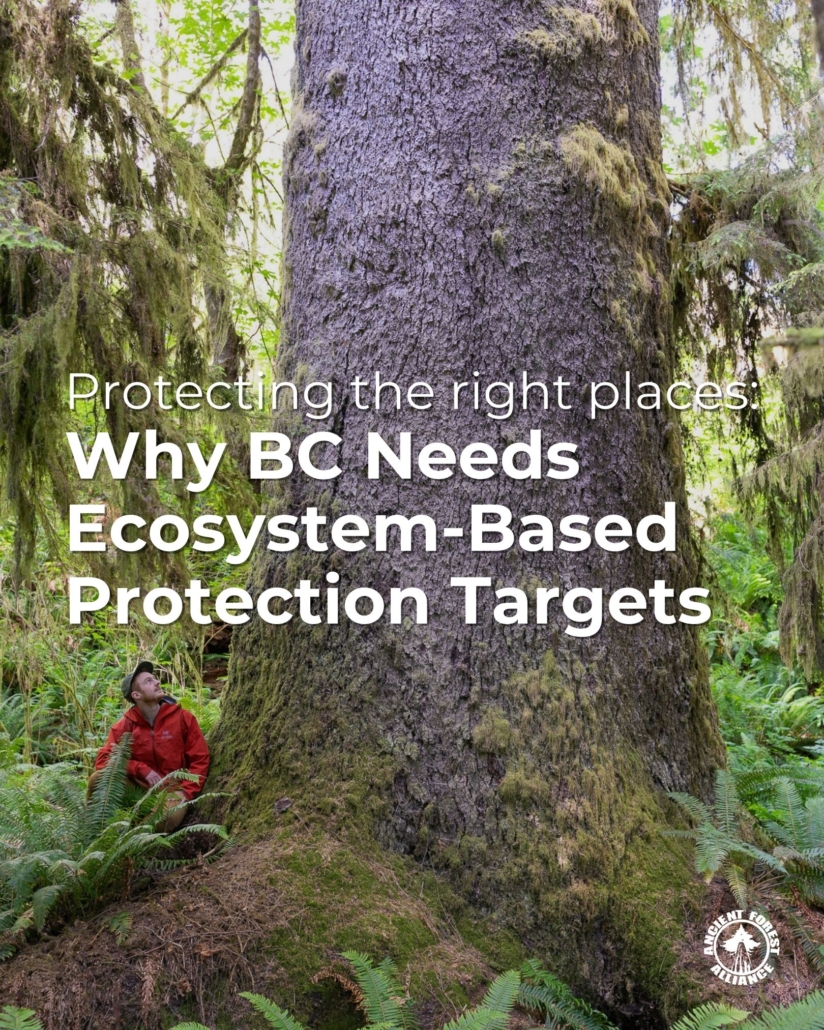
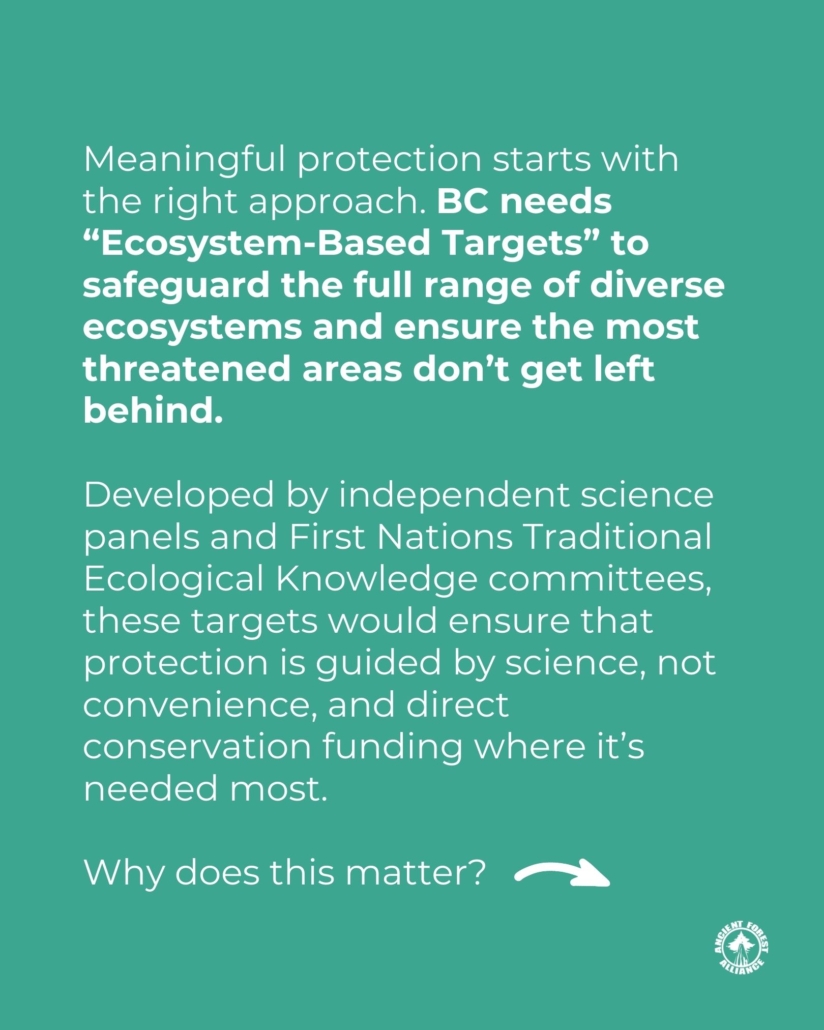
What are Ecosystem-Based Protection Targets, and why does BC need them?

View the slides to learn more & TAKE ACTION NOW by sending a message calling for these measures and more.

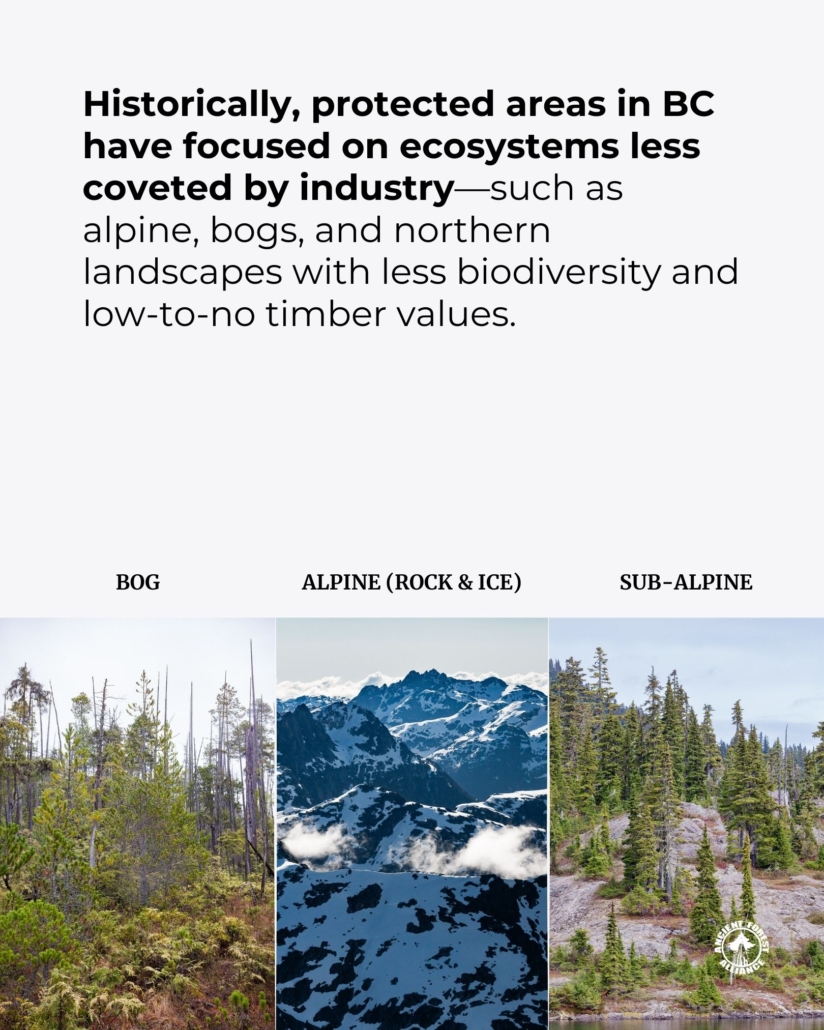
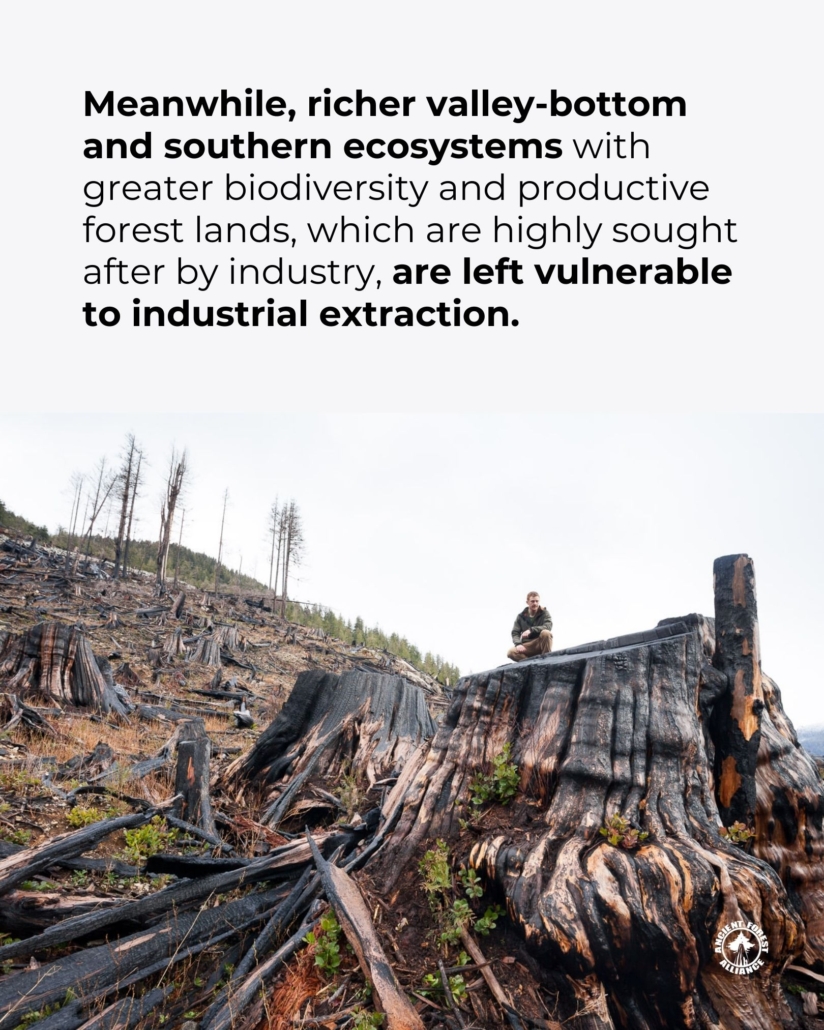
Historically, protected areas in BC have focused on ecosystems less coveted by industry. Meanwhile, ecosystems with greater biodiversity and productive forest land, which are highly sought after by industry, are left vulnerable to industrial extraction. It’s been a “save the small trees, log the big trees” approach.

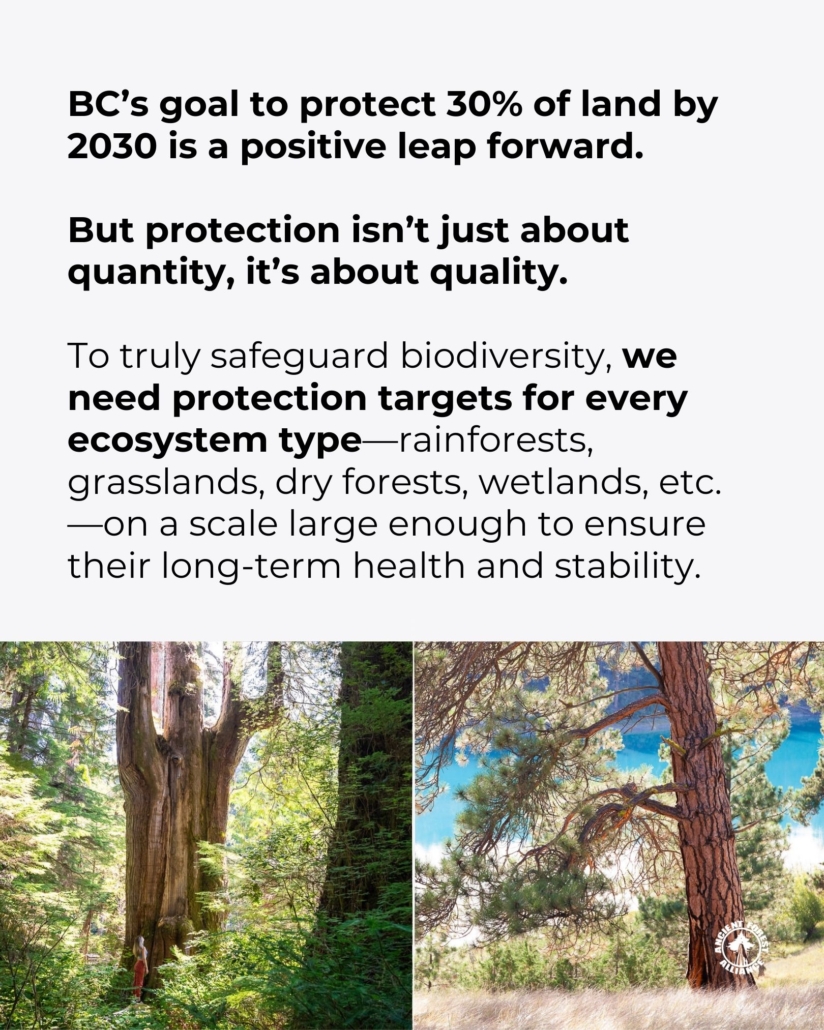
To truly safeguard biodiversity, BC needs “Ecosystem-Based Protection Targets” for every ecosystem type—rainforests, grasslands, dry forests, wetlands, etc.—on a scale large enough to ensure their long-term health and stability.

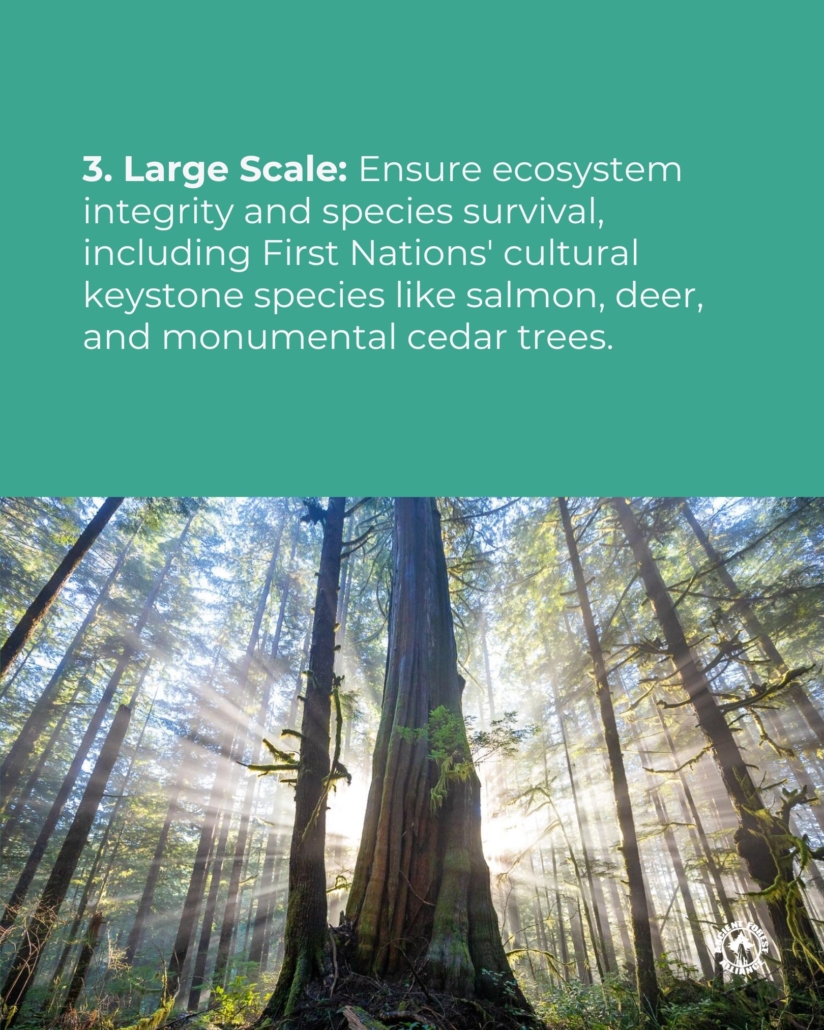
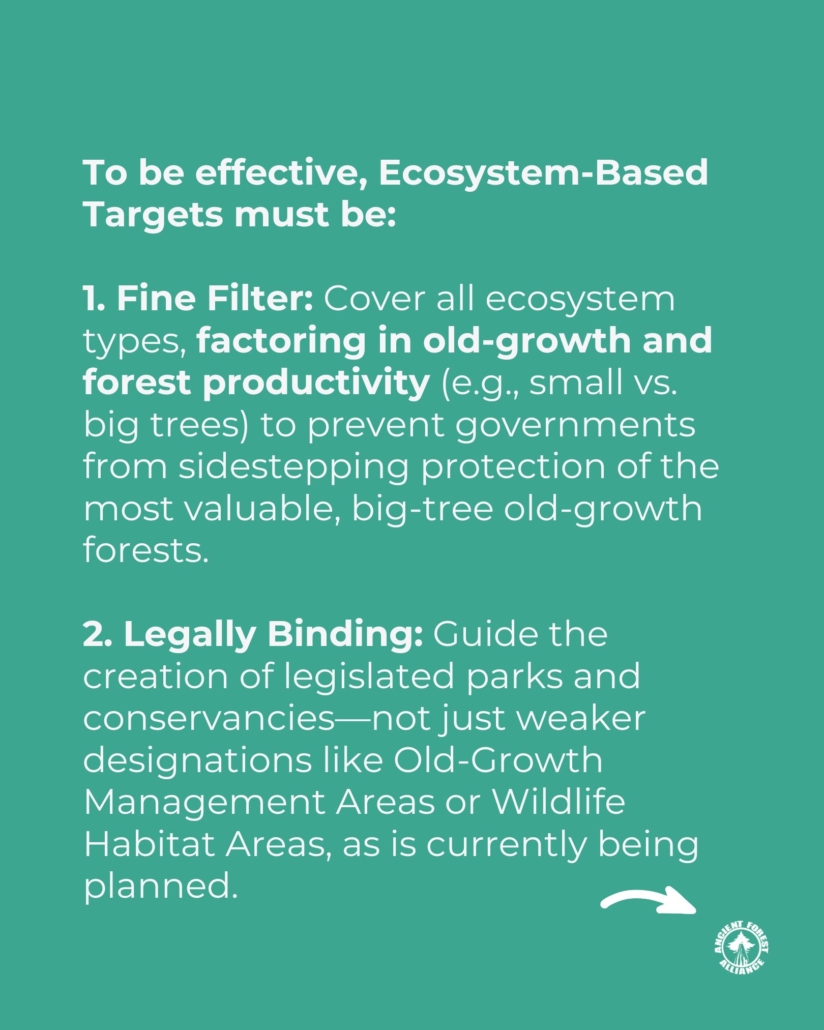
To be effective, these targets must be fine-filtered enough (i.e., distinguish between small vs. big tree forests), legally binding, and large-scale.

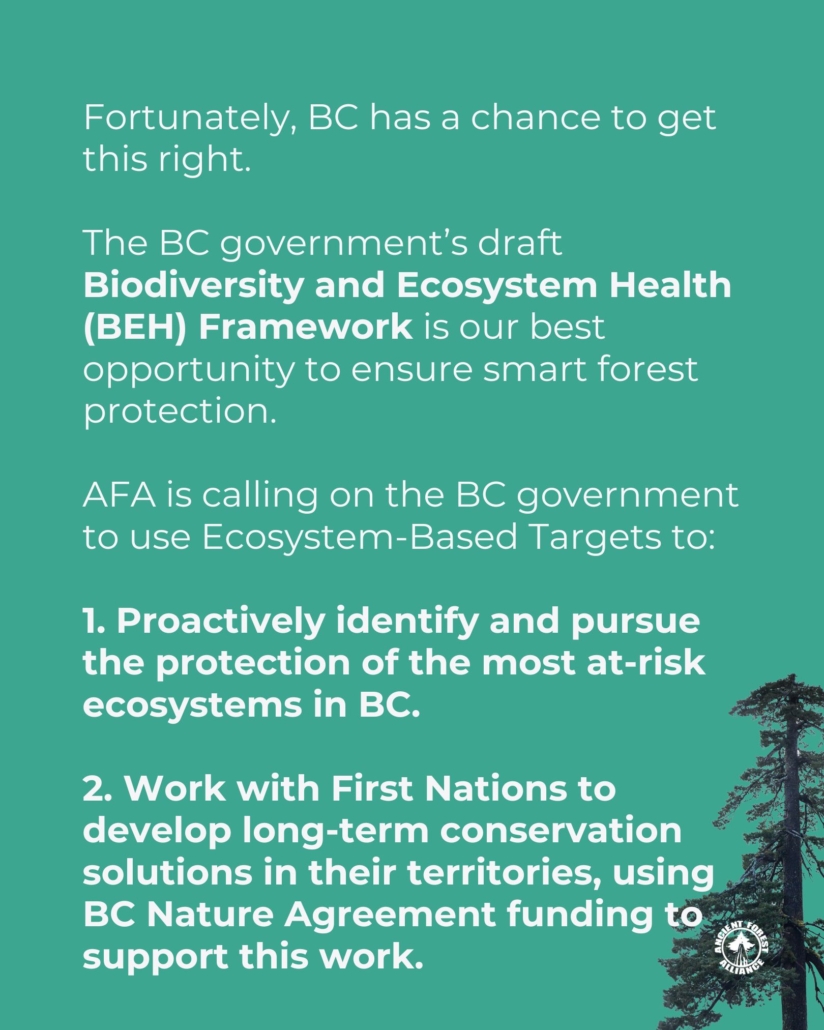
Fortunately, the BC government’s draft Biodiversity & Ecosystem Health Framework provides an opportunity to see these targets implemented, but it will take much public pressure. Help us call on the BC government to use Ecosystem-Based Targets to:

1️⃣ Proactively identify and pursue the protection of most at-risk ecosystems in BC, such as the big-tree old-growth forests.
2️⃣ Work with First Nations to develop long-term conservation solutions in their territories, using BC Nature Agreement funding to support this work.

🗣️ Speak up! Take action today.

Thank you to these foundation donors for their generosity!

Donations through foundations are a great way to contribute to Ancient Forest Alliance, as this funding allows us to continue our important work protecting the at-risk old-growth forests in BC and ensuring a transition to a sustainable, second-growth forestry industry!

Thank you to:

Your generosity and belief in the work we’re doing here at AFA are greatly appreciated, and we’re very grateful!

My Cowichan Valley Now: Conservationists call for BC forestry industry to be modernized

March 22, 2025
By Hussam Elghussein

My Cowichan Valley Now  

Conservationists want BC’s forestry industry to be modernized amid ongoing US tariff threats.

See original article here.

On Friday, the Ancient Forest Alliance and Endangered Ecosystems Alliance called on the BC Government to not only modernize the industry, but to also protect old-growth forests.

The aim is to bring a more sustainable second-growth forest industry to respond to tariff threats, with hopes it can lead to endangered ecosystems being protected and a more diverse economy.

Executive Director of the Endangered Ecosystems Alliance Ken Wu says the government can go in two routes in response to US tariffs.

“They can either fall back on the status quo of old-growth logging and raw log exports or instead take the opportunity to invest in a modernized, sustainable, value-added second-growth forest industry that is the future of forestry in BC, while protecting the last old-growth forests,” said Ken Wu.

Campaign Director of the Ancient Forest Alliance TJ Watt says while they acknowledge the progress that has been made in protecting old-growth forests, they urge the province to fill the remaining policy gaps for these issues.

Both organizations recommend the province bring policies that support these changes.

“This should include financial incentives for new industry investments in value-added and engineered wood products made from second-growth wood,” said the Endangered Ecosystems Alliance.

“These incentives can include rebates derived from the log export “fees in lieu” and PST and property tax relief, as well as government support for R&D and domestic and international market development for sustainable wood products.”

Other changes they recommend include bringing a Conservation Economy Strategy to support economic opportunities, developing a Protected Areas Strategy to protect old-growth forests, and to implement a Biodiversity and Ecosystem Health Framework.

To see all of their recommendations, click here.

Toronto Star: The best place to go forest bathing? The ancient groves of Vancouver Island offer a meditative journey back in time

March 20, 2025
By Wing Sze Tang 
Toronto Star 

This is no ordinary walk in the park. British Columbia is home to some of the most enormous trees on the planet.

See original article here.

Tucked in an inlet on southern Vancouver Island, in the unceded territory of the Pacheedaht First Nation, there’s a little community with a lofty reputation: Port Renfrew (population: shy of 300), the so-called tall trees capital of Canada.

But “tall” undersells the scale.

Some of the most enormous trees on the planet — Sitka spruces, Douglas firs, Western red cedars — flourish in the lush temperate rainforests of B.C., nurtured by the downpours and year-round growing season.

Some of them rival skyscraper heights. The most ancient are 1,000 years old or so. The trees in and around this town thrive in thickets like Avatar Grove (temporarily closed) and Eden Grove, their evocative descriptions nodding to cinematic beauty, an unspoiled paradise.

Some of the trees are famous enough to warrant their own names, like Big Lonely Doug, Canada’s second-largest Douglas fir, measuring 216 feet tall. Spared by a logger, he stands as a solitary survivor in a stump-filled clear-cut near Port Renfrew. Now a poignant symbol of what we lose when old-growth forests are destroyed, Big Lonely Doug has become an ecotourist attraction, too.

Historically, Port Renfrew was a logging town. Its reinvention as a travel destination — with a sort of undiscovered-Tofino-ish vibe — is relatively new. It remains a small stop on the Pacific Marine Circle Route, with still-spotty Wi-Fi and just a smattering of restaurants and hotels, including the plush seaside cottages at Wild Renfrew. There’s not much to do, besides breathe the salty air and take in the scenery, but that’s enough.

Visitors come to try their hand at sport fishing, roam nearby Botanical Beach, hike the challenging backcountry (there’s access to the West Coast Trail and Juan de Fuca Marine Trail) and, of course, commune with the colossal trees.

Credit for the rise of tall-tree tourism here goes to the Ancient Forest Alliance, a charitable organization that advocates for protecting B.C.’s endangered old-growth forests. According to the organization, the province’s southern coast was home to 3.3 million hectares of productive old-growth forests, in the time before settlers arrived. Today, only 860,000 hectares are left, and the majority of this remains unprotected from potential logging.

If big trees become a major tourist draw, the thinking goes, there would be more motivation (and political pressure) to save B.C.’s few remaining old-growth forests.

In 2009, while scouting around Port Renfrew, Ancient Forest Alliance co-founder and conservation photographer TJ Watt discovered a magnificent 50-hectare stand of enormous Douglas firs and red cedars. The relatively easy-to-reach wilderness area — it’s right off a road — would become Avatar Grove, home to “Canada’s gnarliest tree,” a strangely shaped red cedar distinguished by a 12-foot-wide burl.

The beloved Avatar Grove has been closed by provincial authorities since 2022, as it awaits necessary trail safety and environmental upgrades. There’s no reopening date yet. In the meantime, travellers can find a guide to other big trees in and around Port Renfrew on ancientforestalliance.org.

There’s the Red Creek Fir, the largest-known Douglas fir on Earth, in the San Juan Valley. Near it is the San Juan Spruce, one of the country’s biggest Sitka spruce trees. About a three-hour road trip from Port Renfrew, there’s also Cathedral Grove in MacMillan Provincial Park, one of the most accessible stands of old-growth Douglas firs on Vancouver Island.

What the facts and figures and record-book brags can’t quite convey is the profound awe of being here, walking among giants that have survived a millennium and will outlast us, if we care to protect them. There’s a sense of the sublime you won’t know — until you come and feel for yourself.

On International Day of Forests, Conservationists Call for Modernization of BC Forestry Amid Tariff Threats

Conservationists call for the protection of old-growth forests and incentives and regulations to ensure a modernized, value-added, second-growth forest industry.

Victoria, BC – Ahead of International Day of Forests on March 21, the Ancient Forest Alliance (AFA) and Endangered Ecosystems Alliance (EEA) are calling on the BC government to protect old-growth forests and to modernize the province’s forest industry in response to growing challenges, including the threat of escalating U.S. tariffs. The groups are advocating for a transition to a sustainable, value-added, second-growth forest industry, the protection of old-growth forests by working with First Nations and the development of incentives for a conservation-based economy. This would help build a diversified, resilient economy in BC while undertaking the vital and overdue protection of endangered ecosystems.

“The BC government can go in two basic directions in response to the current tariff threats from the U.S.:  take the easy but foolish route by falling back on the destructive status quo of old-growth logging and raw log exports, or instead take the opportunity to invest in a modernized, sustainable, value-added second-growth forest industry that is the future of forestry in BC, while protecting the last old-growth forests,” said Ken Wu, Executive Director of the Endangered Ecosystems Alliance. “The province can be unwise and myopic, or smart and forward-looking. I sense that Premier Eby personally tends towards the latter approach, but we need to hold him to it and to help facilitate this transition.”

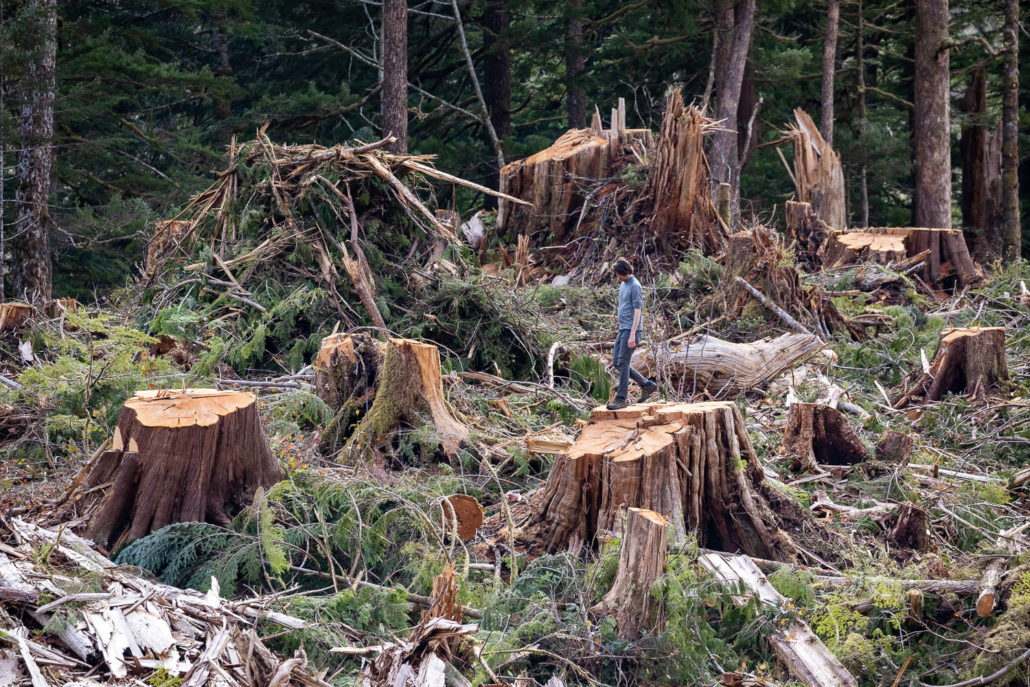
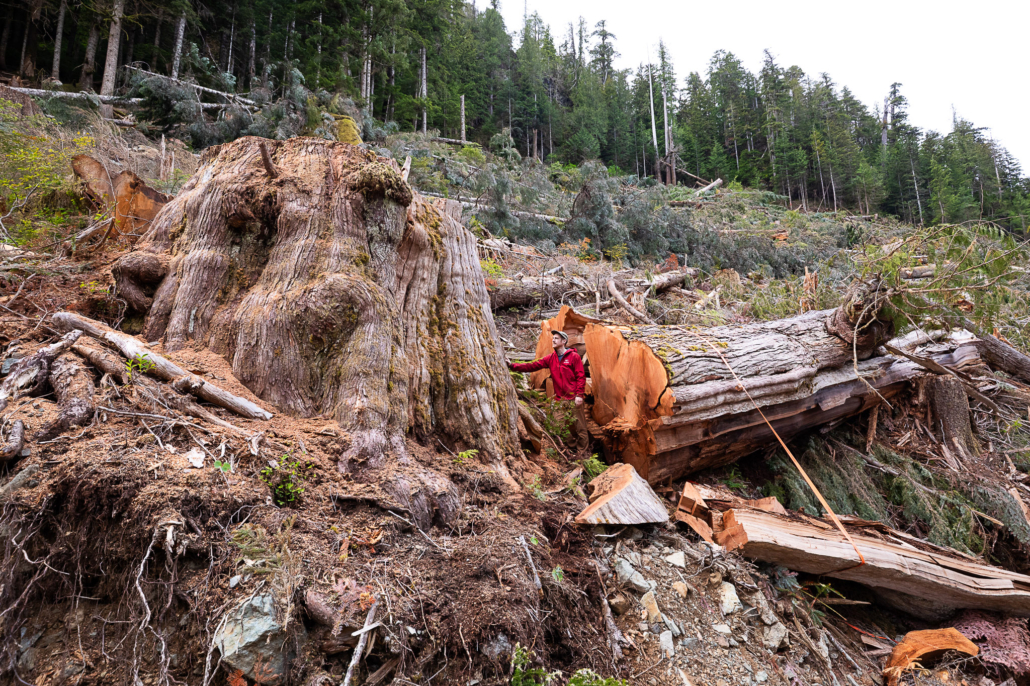
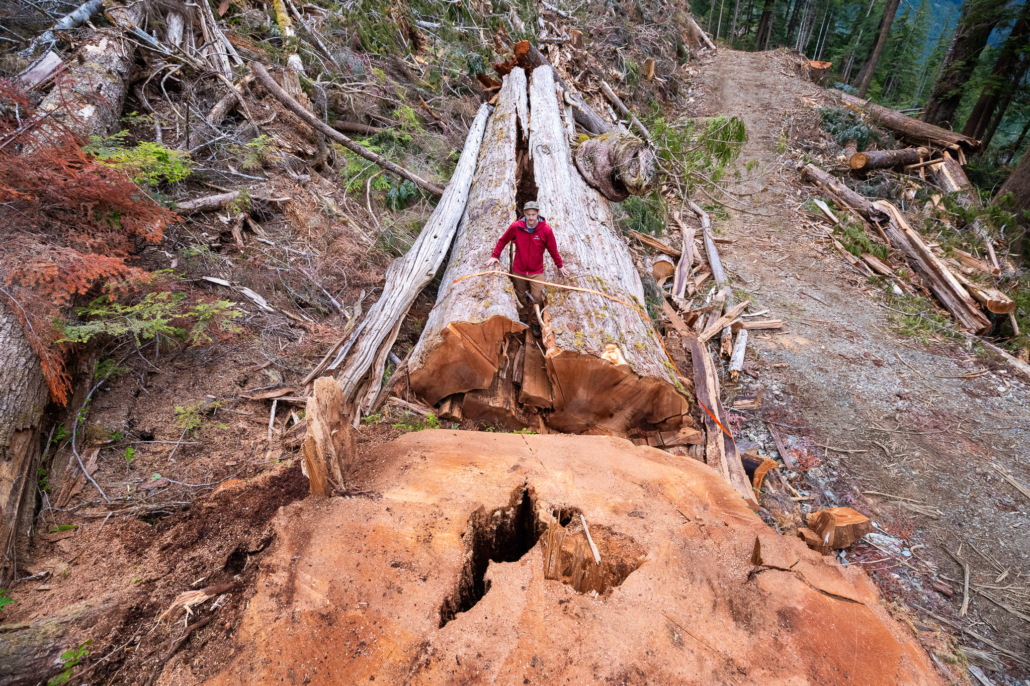
An immense redcedar measuring roughly 9 ft (3 m) wide recently felled in a BC Timber Sales cutblock in the Nahmint Valley.

Ancient Forest Alliance campaigner & photographer TJ Watt stands beside the fallen remains of an ancient western redcedar approximately 9 feet (3 meters) wide cut down by BC Timber Sales in the Nahmint Valley near Port Alberni in Hupačasath, Tseshaht, and Yuułuʔiłʔatḥ First Nation territory.

To help BC’s forestry sector remain competitive and sustainable, AFA and EEA are calling for policies that encourage a modernized, value-added, second-growth forest industry and the incremental elimination of raw log exports. This should include financial incentives for new industry investments in value-added and engineered wood products made from second-growth wood. These incentives can include rebates derived from the log export “fees in lieu” and PST and property tax relief, as well as government support for R&D and domestic and international market development for sustainable wood products. Undertaking log export restrictions and facilitating eco-forestry practices, such as longer harvest rotations and selective commercial thinning, as well as tenure reform and the establishment of regional log sorts, could further help to scale up the transition.

The call for modernization comes as the BC government commits to nearly $1.23 million to three forestry enterprises in Revelstoke through its BC Manufacturing Jobs Fund to help retrofit operations to process smaller-profile logs, increase value-added production, and reduce reliance on old-growth logging.

Alongside these measures, the groups emphasize the need for a BC Conservation Economy Strategy to support sustainable economic opportunities in regions where the large-scale expansion of the protected areas system is taking place. The province should establish government-supported business development hubs that provide financial incentives, in-kind business development support, and workforce assistance to build a diversified economy in the communities surrounding new protected areas. 

“The protection of old-growth forests and the implementation of a Conservation Economy Strategy in BC can result in diverse economic opportunities, including in tourism and recreation, real estate, enhanced commercial and recreation fishing due to habitat protection, carbon offset projects, and non-timber forest products,” said TJ Watt, Campaign Director of the Ancient Forest Alliance. “Coupling this with a transition towards a sustainable, value-added, second-growth forest sector, it can help BC future-proof its economy.”

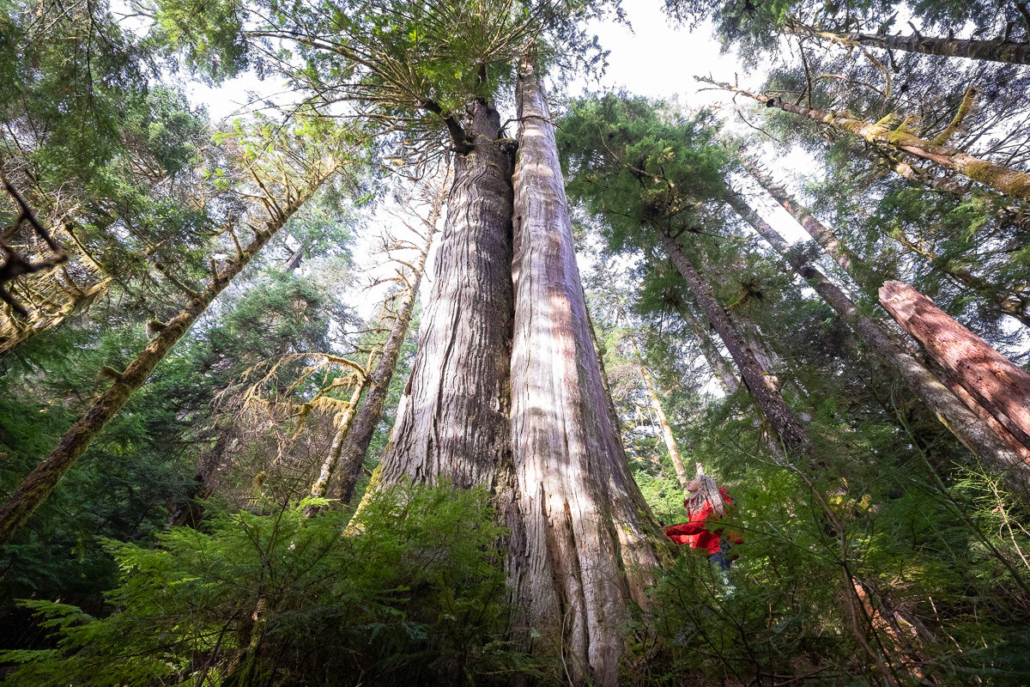
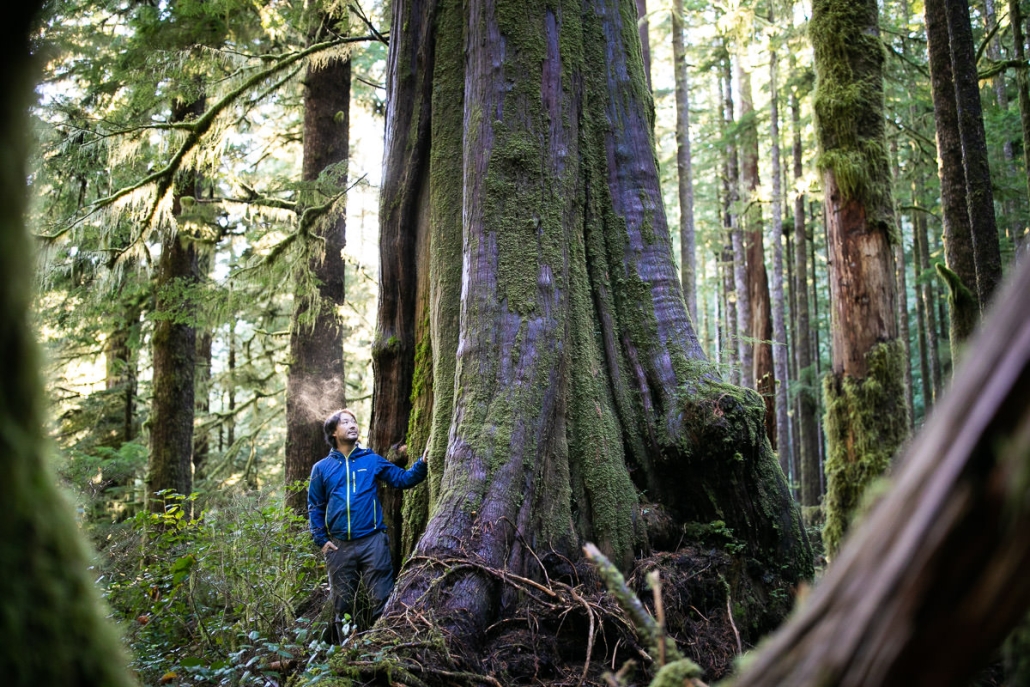
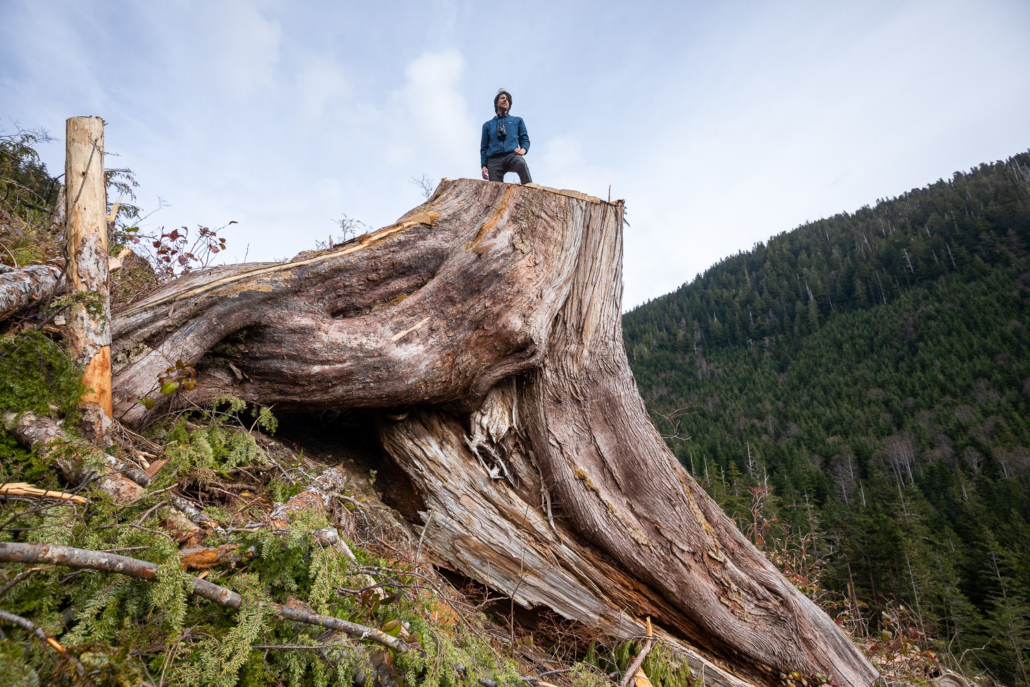
Endangered Ecosystems Alliance’s Executive Director Ken Wu stands beside a giant old-growth cedar tree in the unprotected Eden Grove near Port Renfrew in Pacheedaht territory.

Endangered Ecosystems Alliance’s Executive Director Ken Wu beside a giant old-growth cedar tree in the unprotected Eden Grove near Port Renfrew in Pacheedaht territory on Vancouver Island, BC.
To safeguard old-growth forests in BC, the government must develop an overarching provincial Protected Areas Strategy (PAS). This would entail proactively approaching and working with First Nations to protect candidate protected areas identified by the province, First Nations, and conservation groups in priority ecosystems as defined via Ecosystem-Based Targets. Ecosystem-Based Targets based on science and Traditional Ecological Knowledge should be used to identify the most endangered and least protected ecosystems, including the last big-tree old-growth forests.

Meanwhile, logging deferrals of the most at-risk old-growth forests identified by the Technical Advisory Panel (TAP) have stalled. To date, only about half of the priority at-risk old-growth stands, approximately 1.23 million hectares of 2.6 million, have been deferred from logging, alongside another 1.21 million hectares of more marginal stands. 

To help secure the remaining 1.37 million hectares of priority old-growth deferrals, AFA and EEA are renewing their call for immediate “solutions space” funding for First Nations to defer logging in old-growth forests where timber revenues are a key source of income for the First Nations. A portion of the BC Nature Agreement funds are a potential source, which could be directed toward new deferrals and extensions of existing ones.

Beyond immediate deferrals, the BC government must implement the overdue Biodiversity and Ecosystem Health Framework, a policy framework to support the paradigm shift the government committed to that would place ecological integrity at the forefront of land and resource management. The framework should mandate legally binding, Ecosystem-Based Targets that include forest productivity distinctions to ensure that the most at-risk, least represented ecosystems are protected.

For these measures to be effective, Ecosystem-Based Targets must guide the establishment of large, legislated protected areas like Provincial Conservancies, not just conservation reserves like Old-Growth Management Areas (OGMAs) and Wildlife Habitat Areas (WHAs) which also require the closure of logging loopholes in their regulations. Currently, the boundaries of OGMAs can be altered under timber industry pressure, while logging is allowed in various types of WHAs that are supposed to protect old-growth dependent species. Strengthening protections within these reserves is essential to the permanent protection of the remaining old-growth forests in BC.

“We acknowledge the genuine historic progress in undertaking policies to expand the protected areas system and to pave the way to protect old-growth forests that have been committed to by the BC government in recent years. However, this International Day of Forests, we call on the government to urgently fill the remaining policy gaps to protect endangered old-growth forests and modernize the forestry industry, not only as an environmental imperative but to bolster sustainable jobs and businesses across BC amid rising challenges,” said TJ Watt, Campaign Director of the Ancient Forest Alliance. 

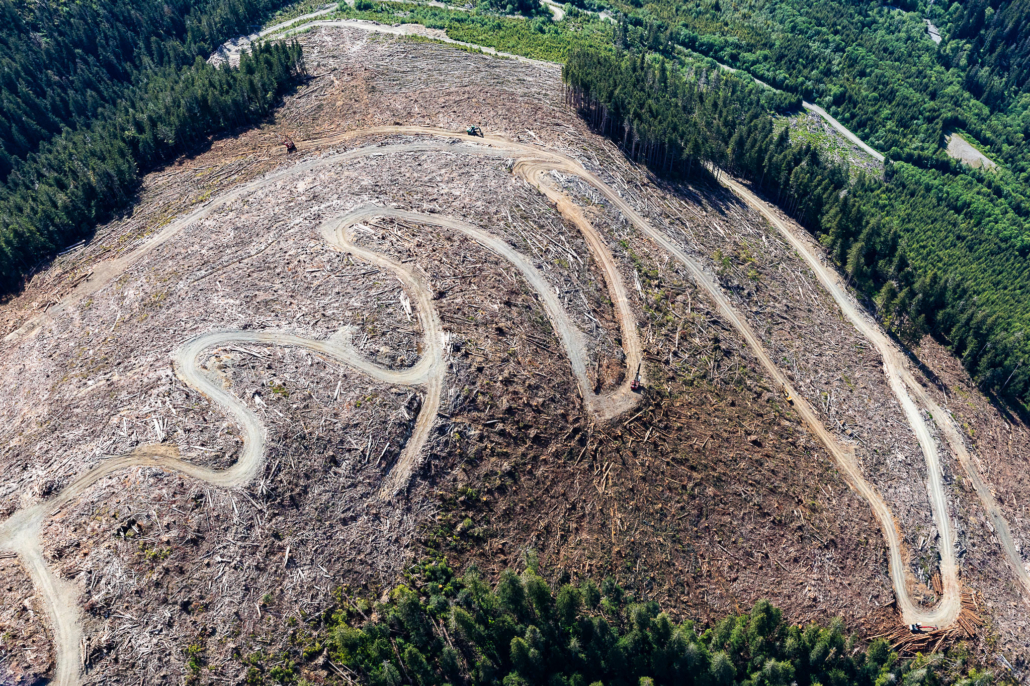
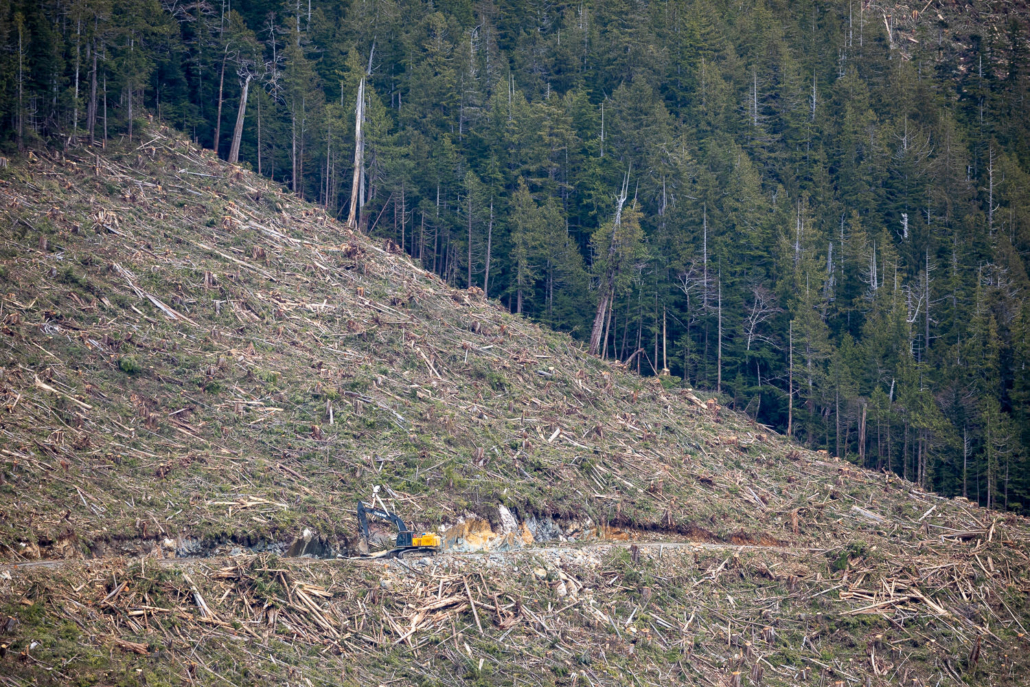
A sprawling mountainside clearcut totalling nearly 40 hectares of old-growth and mature forest in the Klanawa Valley in Huu-ay-aht and Ditidaht territory on Vancouver Island, BC.
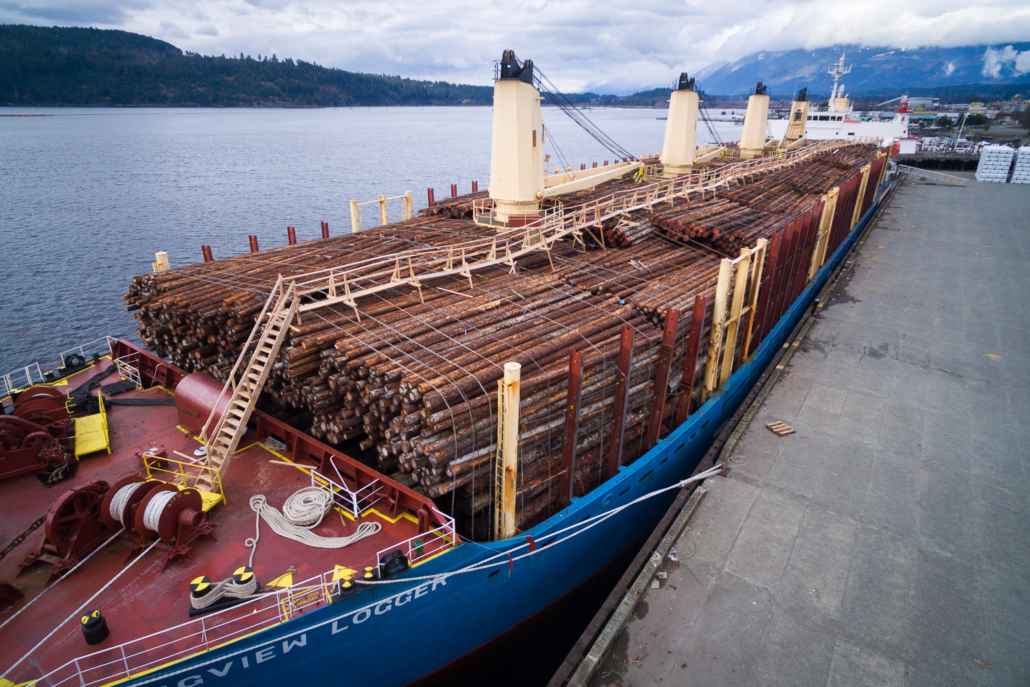
Raw log exports leaving Port Alberni, BC.
Thank you to these incredible businesses for their support!

Our business donors are a critical part of the engine driving our old-growth campaign forward. We extend our sincerest thanks to the following for standing with us in our mission!
Kootenay Wildcrafting Company, who, in addition to being our newest monthly business donor, is donating 10% of their profits to the old-growth campaign.
Nathan Hutchinson, who has donated profits to AFA from his book, Evergreen.
Chris Sterry, who donates half the proceeds from his art to AFA and other charities.
The Alpine Club of Canada Vancouver Island Section and Bluewater Adventures for their generous donations, and Wild Coast Perfumery for their ongoing support of our work.

Your dedication to the cause and creative ways of contributing are invaluable to the work we do and we appreciate your generosity greatly!

If you work at or own a business that is passionate about protecting the imperiled ancient forests of BC and would like to become a one-time or monthly donor, email info@ancientforestalliance.org to learn more.

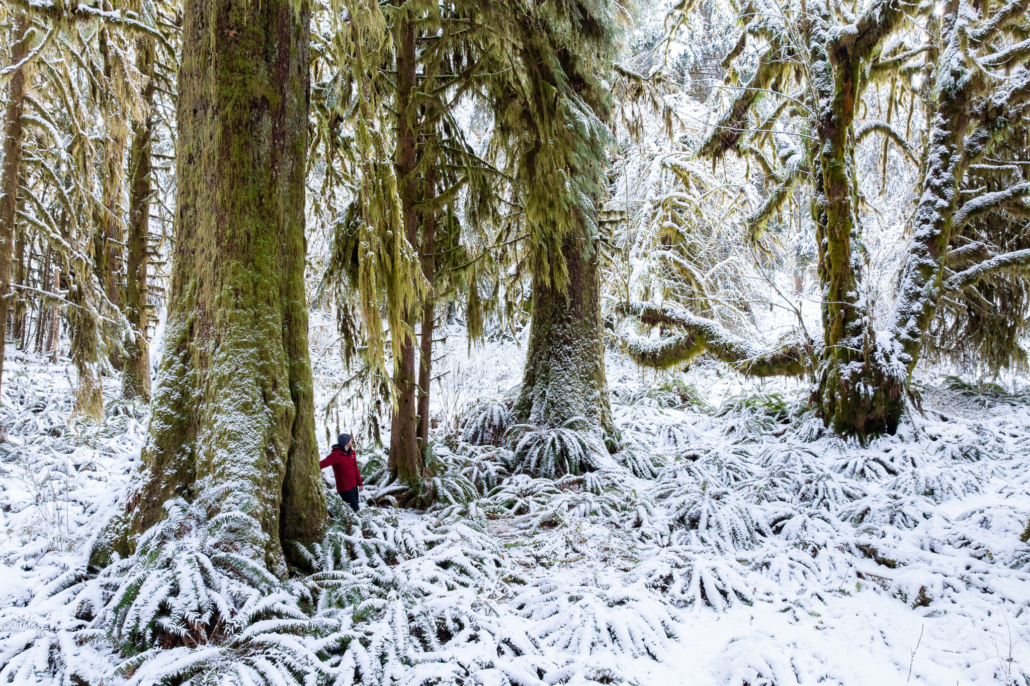
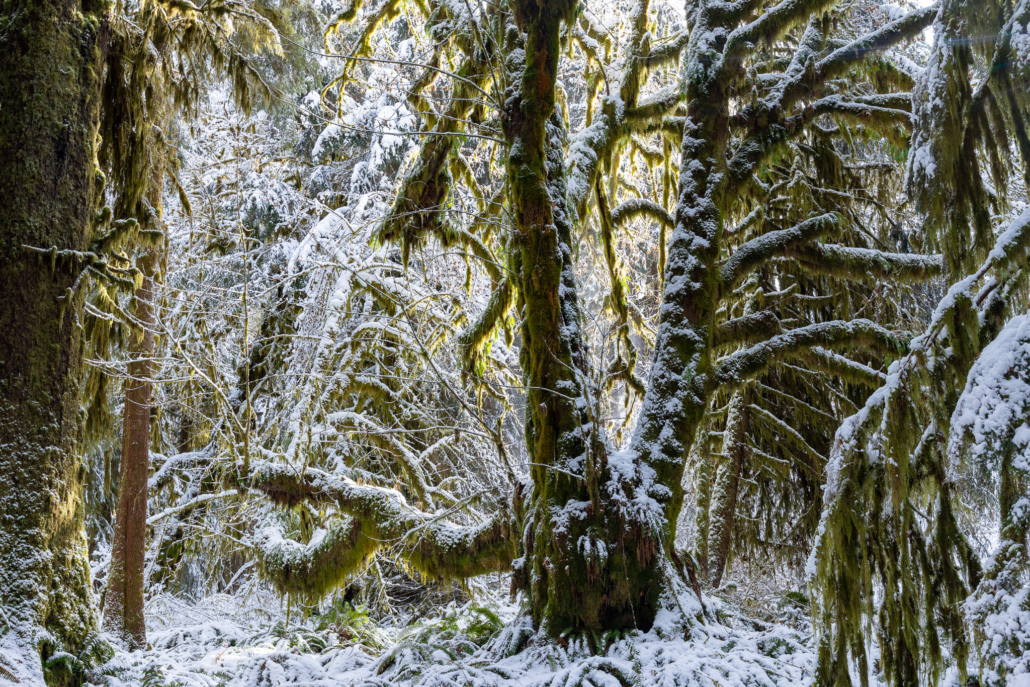
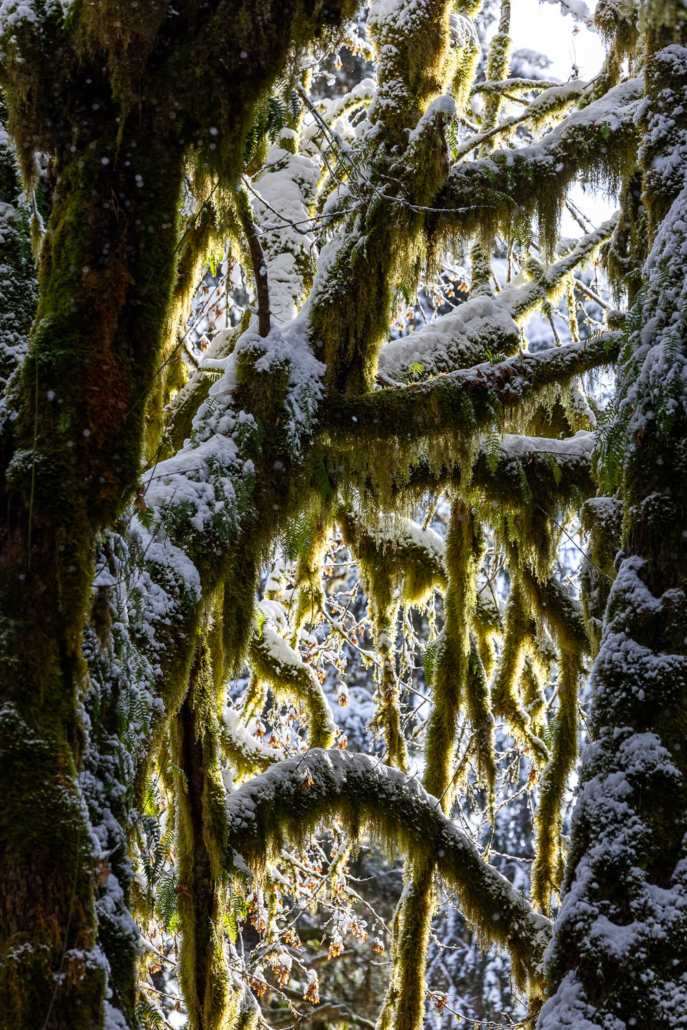
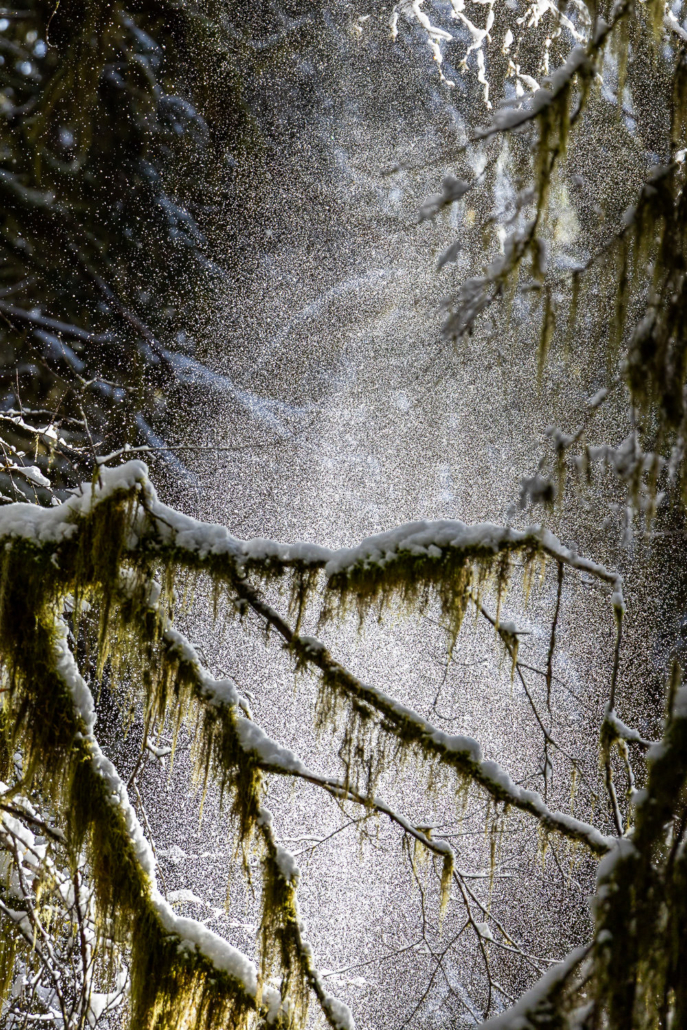
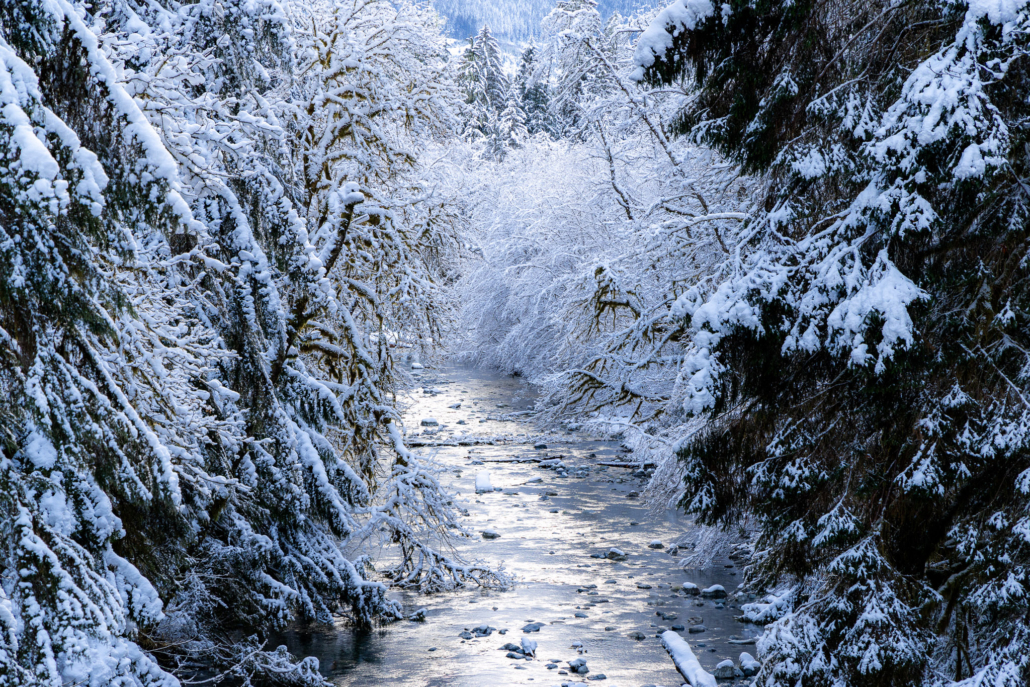
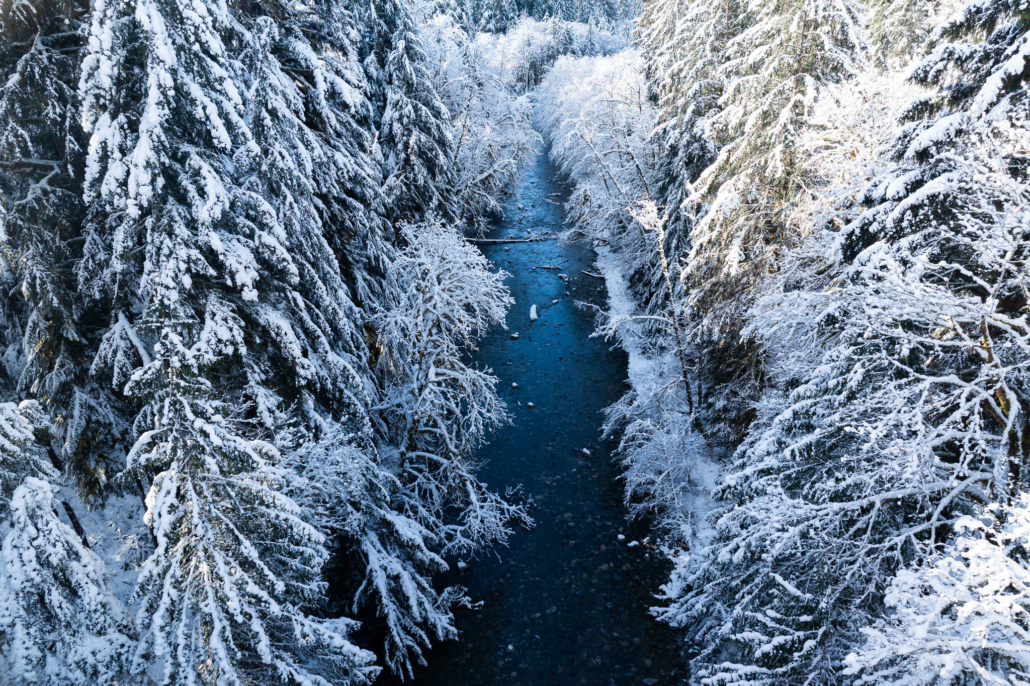
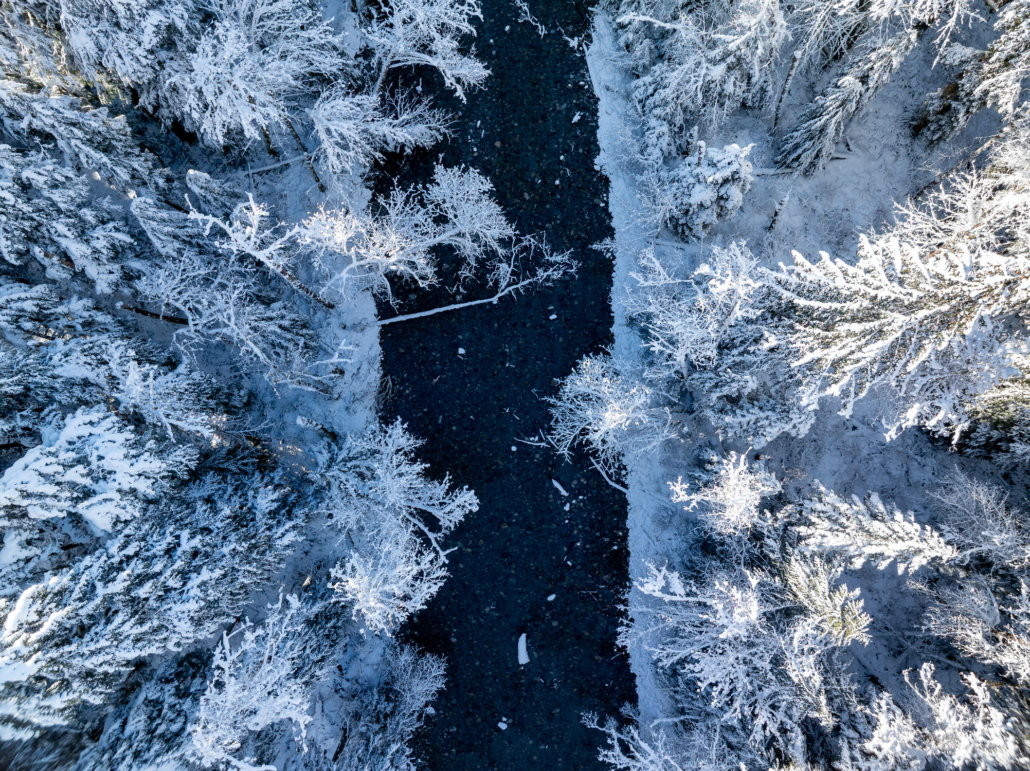
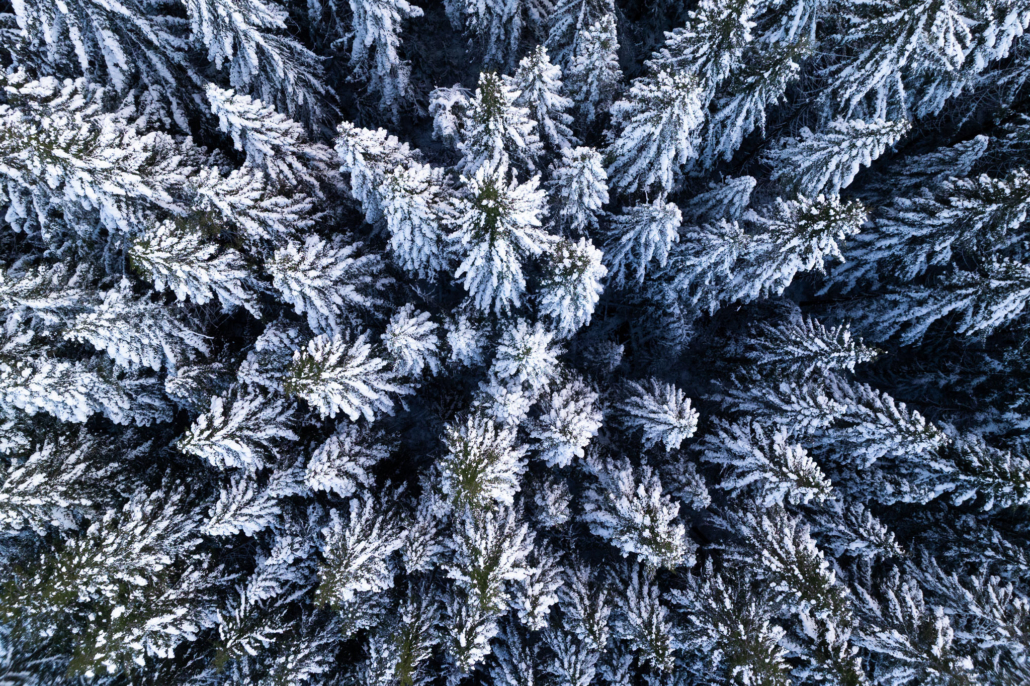
Photos: Mossome Grove & Port Renfrew in the Snow

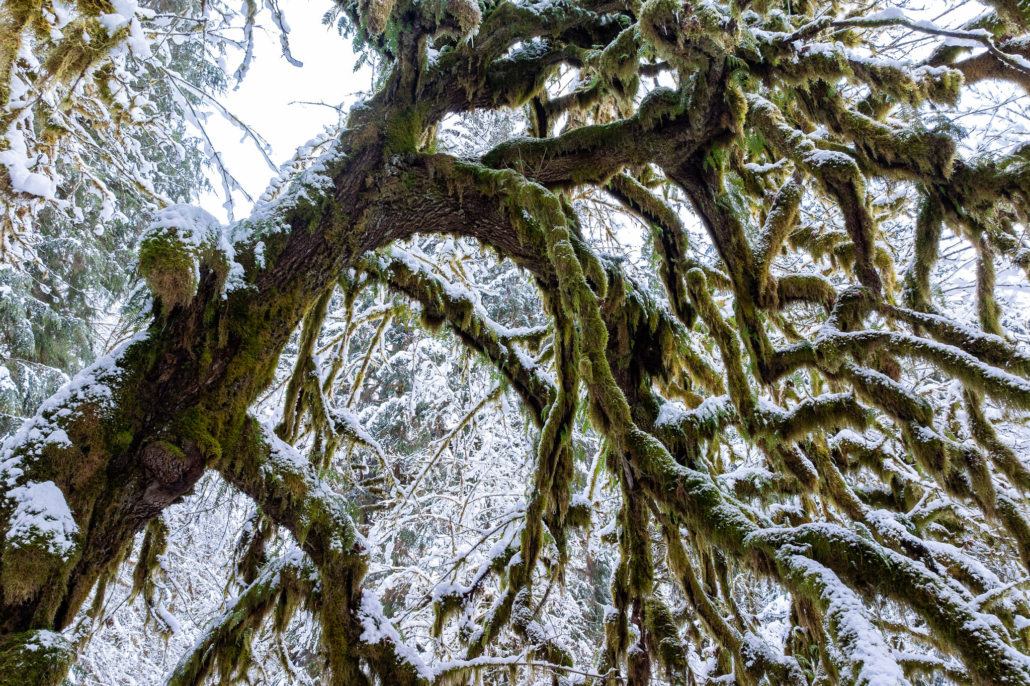
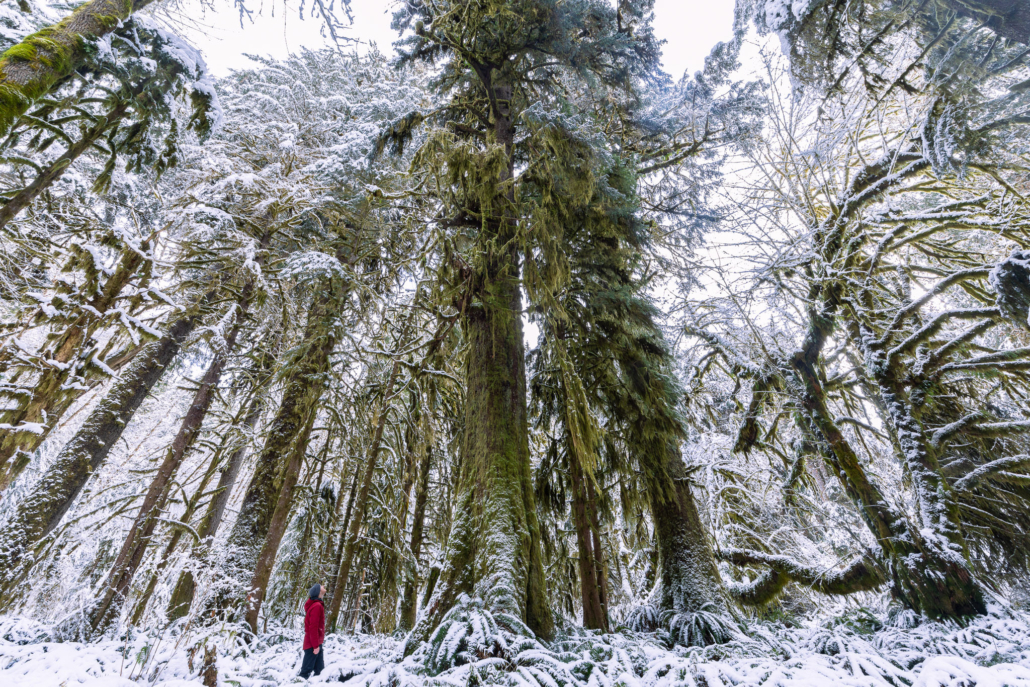
See photos from the magnificent Mossome Grove, standing hushed under a soft blanket of snow. The woods felt like a fairytale on this day, with glowing golden moss and flurries of soft snow drifting through shafts of sunlight.

This enchanting lowland ancient forest is home to towering old-growth Sitka spruce trees, ancient bigleaf maples, and wildlife such as deer, elk, wolves, cougars, and bears. Growing largely unprotected near Port Renfrew in Pacheedaht territory, it’s reminiscent of the majestic maple forests found in the Olympic National Park. Rare to begin with on Vancouver Island and virtually non-existent today, it was extra special to see this type of rainforest in a winter wonderland state


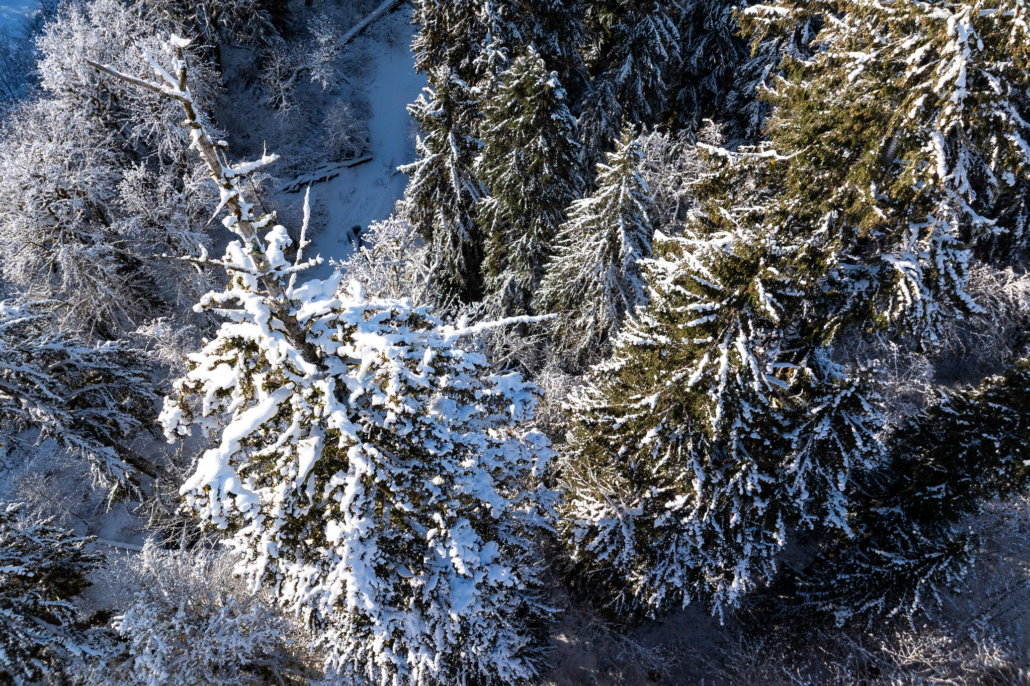
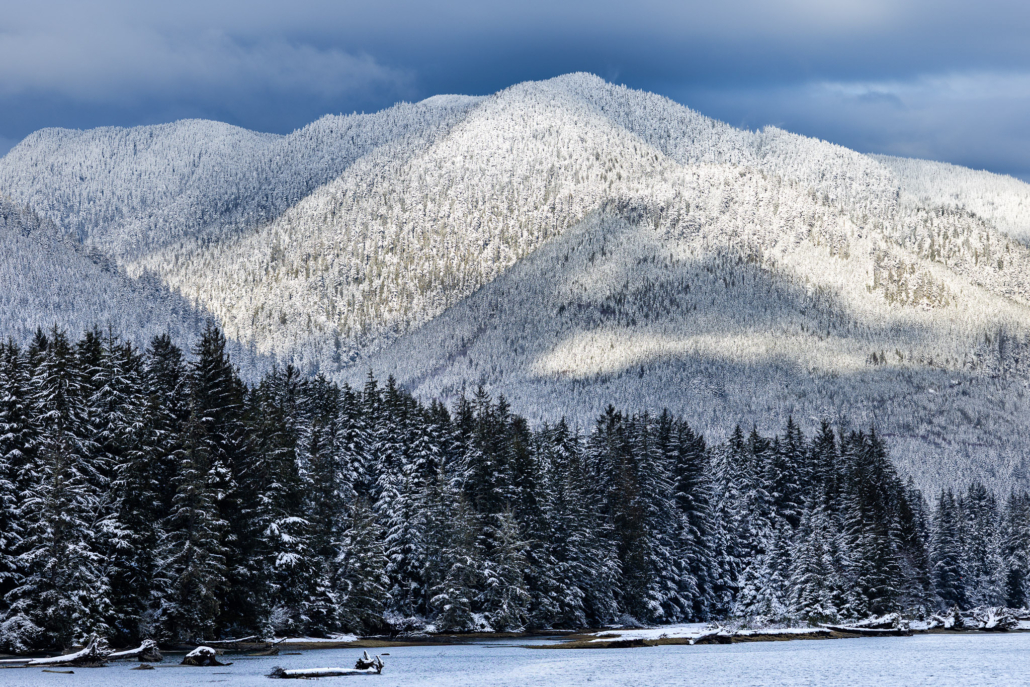
The scenes around Port Renfrew were equally as magnificent as the February cold snap turned the coastal landscape into a stunning winter wonderland.


The quest to protect old-growth forests in BC continues. Want to make a difference? Our new send-a-message campaign just launched—take a moment to send yours.