My Comox Valley Now: Commercial logging isn’t happening in BC parks; says BC Minister

June 29, 2025
By Hussam Elghussein

See original article

When it comes to commercial logging, BC parks are off-limits.

In a letter to the Ancient Forest Alliance and Endangered Ecosystems Alliance, Minister of Environment and Parks Tamara Davidson confirmed that there’s no commercial logging happening in provincial parks and it isn’t permitted under the BC Parks Act.

The letter comes following reports of potential commercial salvage logging and fuel load reduction projects happening in these parks.

Ecosystems Alliance Executive Director Ken Wu says this is good news.

“Logging for profit in parks and protected areas, in this case under the guise of reducing the risk of forest fires, is a red line that must not be crossed under any circumstance,” said Wu.

“This contrasts against non-commercial thinning, controlled burns and ecosystem-restoration efforts that sometimes are needed where decades of fire suppression have unnaturally altered fire-driven forest ecosystems.”

The Ancient Forest Alliance says this kind of logging poses serious risks to the environment like disrupting natural fire cycles, increased fuel loads, and dense fire ladder trees.

Along with these risks, logging for profit in these areas could lead to larger, more commercially valuable trees to be targeted, with them being the most resistant to fires.

With parks off-limits, the conservation groups still have concerns about conservation areas like Old-Growth Management Areas (OGMAs) and Wildlife Habitat Areas (WHAs).

Forest Alliance Campaign Director TJ Watt says logging under the guise of fire management within these areas is another clear red line for them.

“Commercial logging has no place in BC’s protected areas, now or ever,” said Watt.

Both groups are calling on the BC Government to ensure this type of commercial logging is prohibited in protected areas and reserves, to close logging loopholes for OGMAs and WHAs, and to work with First Nations on protected areas in priority ecosystems.

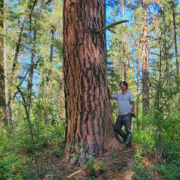
Endangered Ecosystems Alliance executive director Ken Wu stands beside an old-growth Ponderosa pine in the South Okanagan Grasslands Protected Area in Syilx territory.

BC Government Confirms No Commercial Logging in Provincial Parks Amid Rising Concerns in General for Protected Areas

Victoria, BC — The BC Ministry of Environment and Parks has officially confirmed that provincial parks are off-limits to commercial logging, responding to a formal inquiry from the Ancient Forest Alliance (AFA) and Endangered Ecosystems Alliance (EEA). This comes amid growing public alarm that efforts to reduce the risk of forest fires can be misused to permit commercial logging in protected areas. While the confirmation provides some reassurance, the groups also warn that forest conservation reserves like Old-Growth Management Areas (OGMAs) may remain susceptible to commercial logging under the guise of fire-risk reduction, and like many conservation reserves, including Wildlife Habitat Areas (WHAs) and Visual Quality Objectives (VQOs), have logging loopholes that need to be closed.

In addition, the organizations are calling on the province to become proactive in working with First Nations with a goal to ensure legally binding surrogate protections that uphold the minimum protection standards (i.e. no logging, mining, or oil and gas development) of former parks and protected areas when they are affected by treaty and land title settlements.

In the letter to AFA and EEA, the Honourable Tamara Davidson, Minister of Environment and Parks, reaffirmed that “commercial logging in B.C. provincial parks is not occurring and is not permitted under the Park Act. Non-commercial tree removal is occurring in wildfire prevention projects to contribute to increased wildfire resiliency of adjacent communities and internal park values.” AFA and EEA raised the issue following reports of potential commercial salvage logging and fuel load reduction projects within parks.

“This is good news,” said Ken Wu, Executive Director of EEA. “Logging for profit in parks and protected areas, in this case under the guise of reducing the risk of forest fires, is a red line that must not be crossed under any circumstance, and any commercial logging for any reason in parks would set a dangerous precedent for scaled-up commercial logging in general in BC protected areas. This contrasts against non-commercial thinning, controlled burns and ecosystem-restoration efforts that sometimes are needed where decades of fire suppression have unnaturally altered fire-driven forest ecosystems. Unfortunately, we have seen increasing pressure from industry to allow commercial logging in parks and protected areas under the guise of fire management.. The provincial government will be held to its word that parks are safe.”
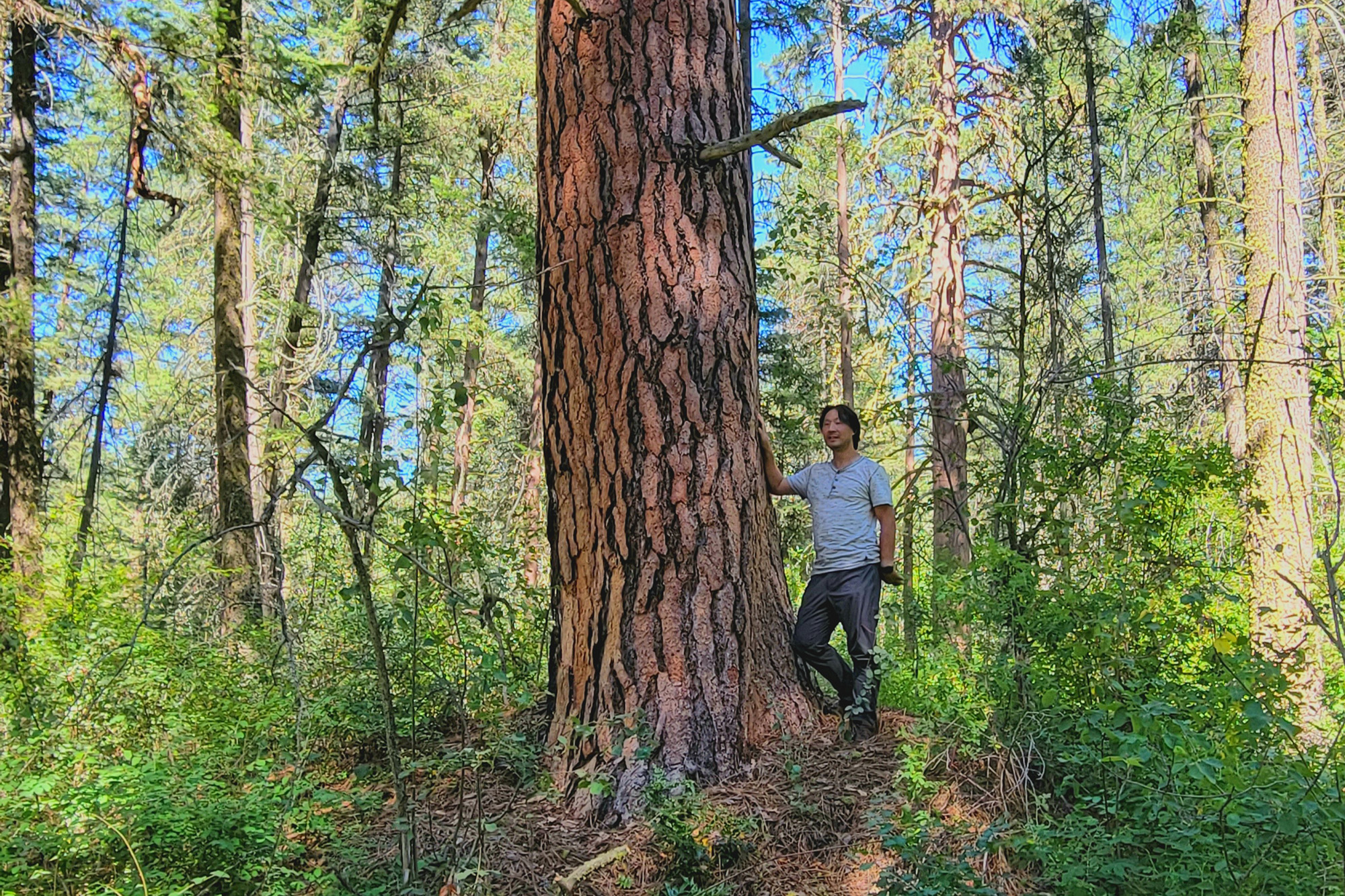
Endangered Ecosystems Alliance executive director Ken Wu stands beside an old-growth Ponderosa pine in the South Okanagan Grasslands Protected Area in Syilx territory.

While non-commercial wildfire risk reduction efforts, such as thinning and prescribed burns, can play a role in restoring fire-driven Interior ecosystems where natural cycles have been disrupted, commercial logging under the guise of fire management in parks poses serious ecological risks and sets a dangerous precedent.

In BC’s fire-driven Interior ecosystems dominated by lodgepole pine, Interior Douglas-fir, western larch, and Ponderosa pine, decades of fire suppression by the province, carried out to maximize timber values for logging companies, have disrupted natural fire cycles. In many areas, this has resulted in unnaturally dense stands with increased fuel loads. This includes the dense growth of in-grown trees (between the larger forest giants) that would normally be burned off by regular, natural ground fires, which then act as “fire ladders” that enable flames to climb from the forest floor into the canopies.

The forest giants (large Ponderosa pine, Interior Douglas-fir and western larch) are normally fire-resistant along their lower trunks due to their extremely thick, fire-resistant bark under natural circumstances and often survive successive natural fire cycles. However, due to fire suppression by the Forest Service over many natural fire cycles, the increased fuel loads and the dense fire ladder trees, combined with climate change, are today creating more intensive forest fires that, in some cases, can burn down entire stands down. In these instances, ecosystem restoration in protected areas in the form of non-commercial thinning, prescribed burns, and where appropriate, an ecological wildfire policy of allowing natural wildfires to burn where it is deemed safe for human communities, can be merited to help restore the ecology of these fire-driven ecosystems (much biodiversity is dependent on the aftermath of these fires, where life proliferates) and to minimize the ultimate fire risk for any nearby communities. BC Parks has already used these methods over the years.
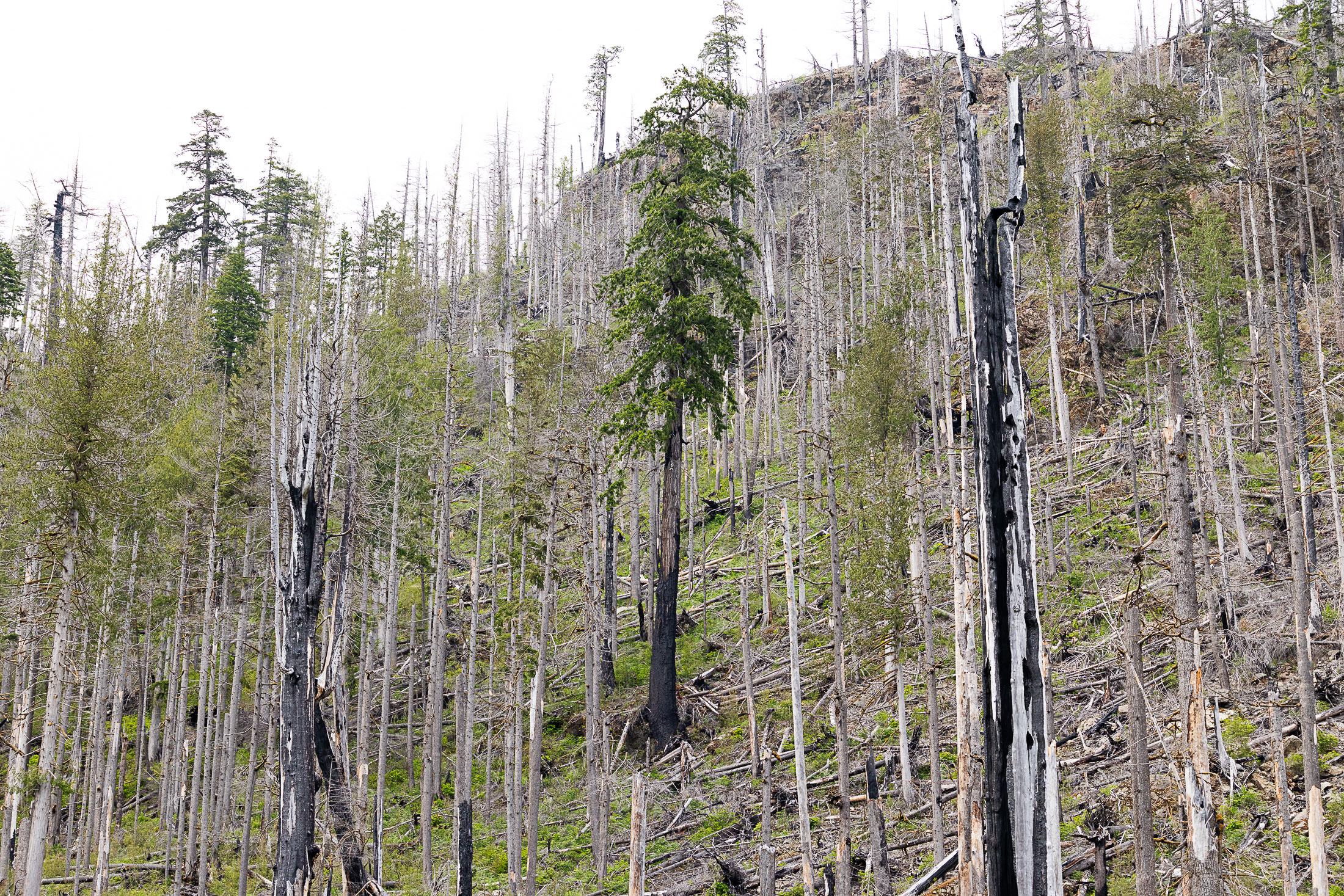
Thanks to its thick, fire-resistant bark, an old-growth Douglas-fir tree is still alive after a forest fire in the Tahsish River on Vancouver Island in Kyuquot/Checleseht & Kwakiutl territory.

However, commercial logging for profit in parks under the guise of fire management would be a completely different activity. It would open the door to include targeting the larger, more commercially valuable trees that are actually the most fire-resistant, and introduce many more impacts, including soil compaction, erosion, damage to watersheds, and habitat fragmentation.

“Decades of research have shown that industrial logging can actually increase fire risk and severity, as it replaces structurally complex natural forests with densely stocked plantations of smaller fire-prone trees,” stated Ian Thomas, Ancient Forest Alliance researcher. “At the same time, clearcuts are the most susceptible environments for fires to ignite, often from the use of logging machinery and workers. Any commercial logging in parks would increase the fire risk and set a dangerous precedent for a much greater scale of logging that is far more destructive than any non-commercial ecosystem-restoration initiatives. At stake is the primary value of protected areas, which exist to allow ecosystems to flourish under the natural processes that have shaped them for thousands of years. Fire and insect outbreaks are part of the natural set of disturbances for many ecosystems and, in fact, are essential drivers of biodiversity and ecosystem health.”

The conservation groups also point out that fire risk is also not a relevant justification for logging in Coastal or Interior rainforest ecosystems, which are not fundamentally fire-driven ecosystems like the drier forest types. Any attempts by industry or government to frame old-growth logging in these wet ecosystems as a fire-risk reduction strategy must be firmly rejected as sheer timber-centric opportunism.
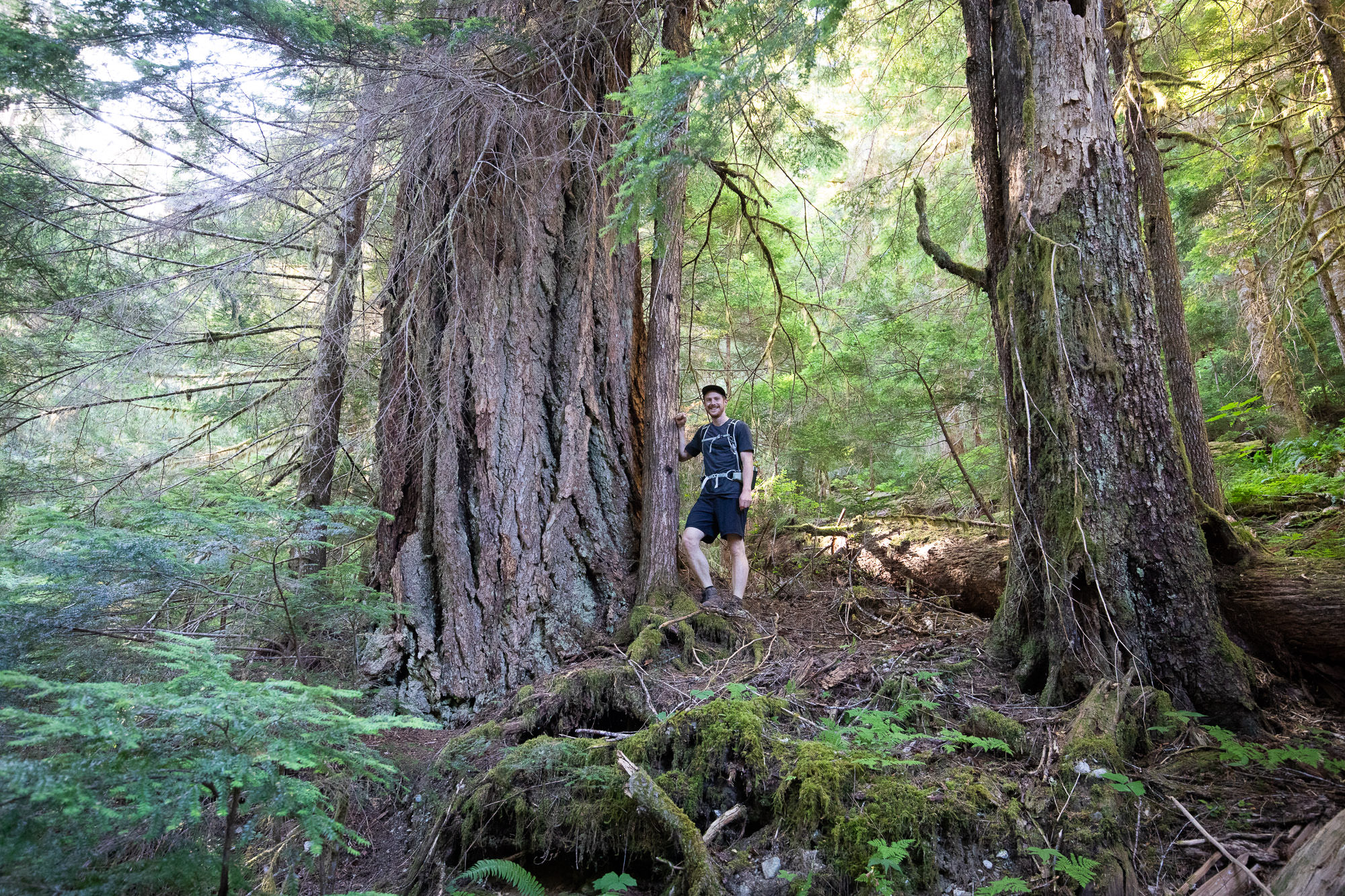
Ancient Forest Alliance photographer TJ Watt stands beside an old-growth Douglas-fir tree in Strathcona Provincial Park on Vancouver Island, BC.

While parks have been confirmed to be off-limits to commercial logging, concerns remain about regulatory conservation areas, such as Old-Growth Management Areas (OGMAs) and Wildlife Habitat Areas (WHAs).

“It’s reassuring to receive confirmation that provincial parks are off-limits to commercial logging amid growing concerns,” said TJ Watt, Campaign Director of AFA. “Now, we need the same level of clarity extended to forest conservation reserves. Logging under the pretense of fire management within OGMAs is another clear red line for us. Commercial logging has no place in BC’s protected areas, now or ever.”

Additionally, regulatory loopholes allow the boundaries of OGMAs to be shifted under pressure from the timber industry and permit commercial logging in several types of WHAs that are designated to protect old-growth dependent species, including spotted owls, northern goshawks, and mountain caribou.

“If British Columbia is serious about meeting its 30% protection target, logging loopholes must be closed to end logging in conservation reserves,” said Wu. “The province claims to have protected 19.7% of its land base, but when these loopholes are accounted for, the actual level of meaningful protection is closer to 16%. This is far short of the 30% by 2030 target set by both the provincial and federal governments.”

As the needed reconciliation with BC First Nations moves forward via land title rulings and future treaty settlements, existing park lands are and may increasingly come under First Nations jurisdiction. Conservationists are calling on the BC NDP government to be proactive in attempting to work towards legal agreements with First Nations to ensure the ongoing protection of these old-growth forests and ecologically vital areas under First Nations governance authority. The province has largely done this in the Haida land title case for the parks and conservancies in Haida Gwaii, but should also undertake a similar effort for the former Nuchatlitz Provincial Park in the unceded territory of the Nuchatlaht First Nation on Vancouver Island to see if they are interested in expanding their system of Indigenous Protected and Conserved Areas (IPCAs) in the place of the former park if they are provided the needed support.

AFA and EEA support the rights and titles of First Nations, as well as First Nation co-management and co-governance of provincial parks and conservancies, while ensuring ecosystem health at all times. In protected areas, the groups advocate for rigorous protection standards that prohibit commercial logging, mining, and oil and gas development, as is currently the case, while protecting the rights of First Nations to hunt, fish, forage, and harvest individual trees for cultural purposes (such as for dugout canoes, longhouses, totem poles, etc.), as well as to co-manage or co-govern the lands. The organizations support the temporary closures of parks for First Nations cultural purposes, while also safeguarding public recreational access for much of the time in partnership with the First Nations stewards. A shortage of recreational lands in general in many parts of the province underscores the need for more protected areas in BC, as well as to address the overarching ecological imperative.

AFA and EEA are calling on the BC government to:

  • Ensure that commercial logging under the guise of wildfire risk reduction remains prohibited in both legislated protected areas and regulatory conservation reserves.
  • Close logging loopholes within Old-Growth Management Areas (OGMAs) and Wildlife Habitat Areas (WHAs).
  • Proactively engage with First Nations to identify high-priority candidate areas for new Indigenous Protected and Conserved Areas (IPCAs), typically under Conservancy legislation.
  • Become proactive in working with First Nations towards ensuring legally-binding surrogate protections (Indigenous Protected and Conserved Areas or IPCAs) with the requisite funding needed by First Nations where existing provincial protected areas are impacted by land title and treaty settlements.

“If we are to have hope of securing the vital and overdue protection of endangered ecosystems in BC, we can’t be stuck second-guessing whether the government has backtracked and opened the door to commercial logging in parks and reserves,” said Watt. “What’s needed now is proactive leadership from the province to ensure the protection of candidate protected areas in priority ecosystems through shared decision-making with First Nations.”

Flores Island Tyson

One-Year Anniversary of Clayoquot Sound Old-Growth Protections

History was made in Clayoquot Sound one year ago with the most significant expansion of old-growth protection in decades!

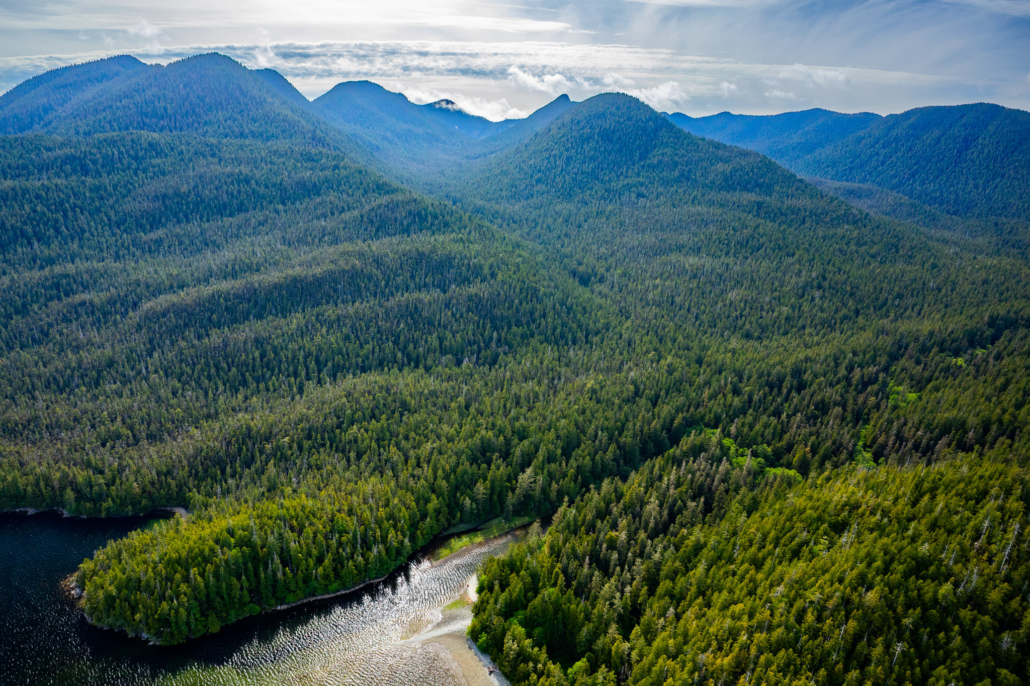
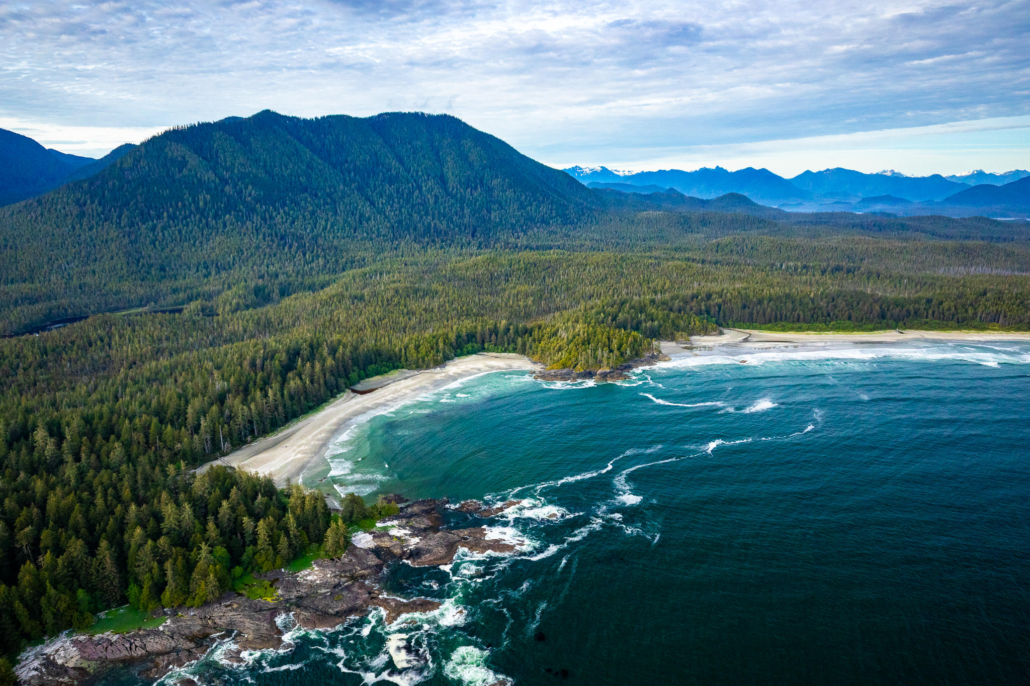
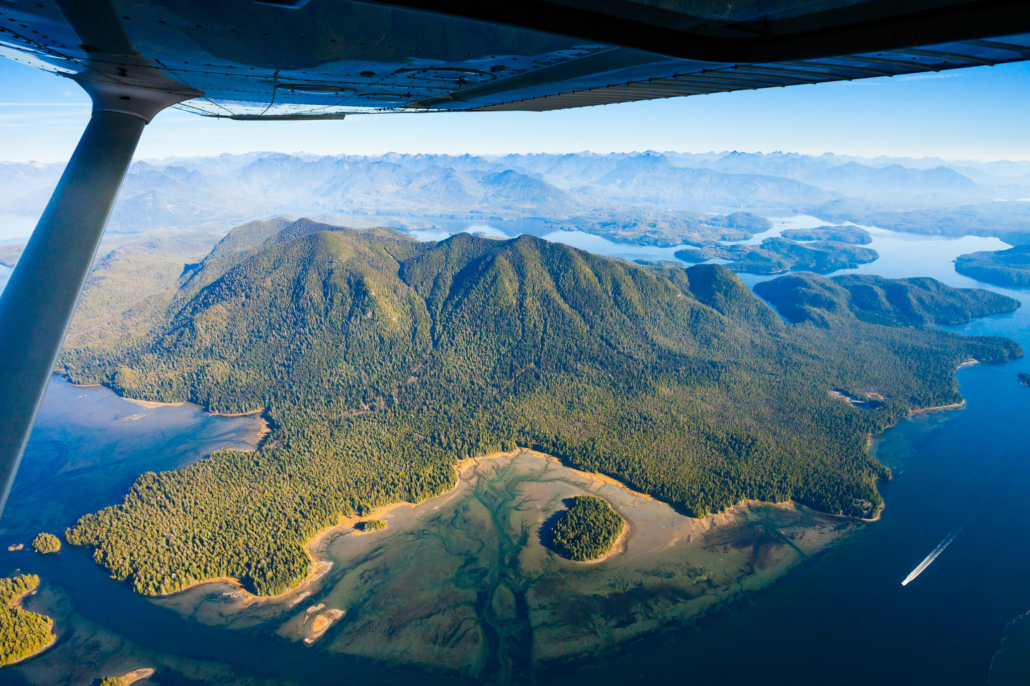
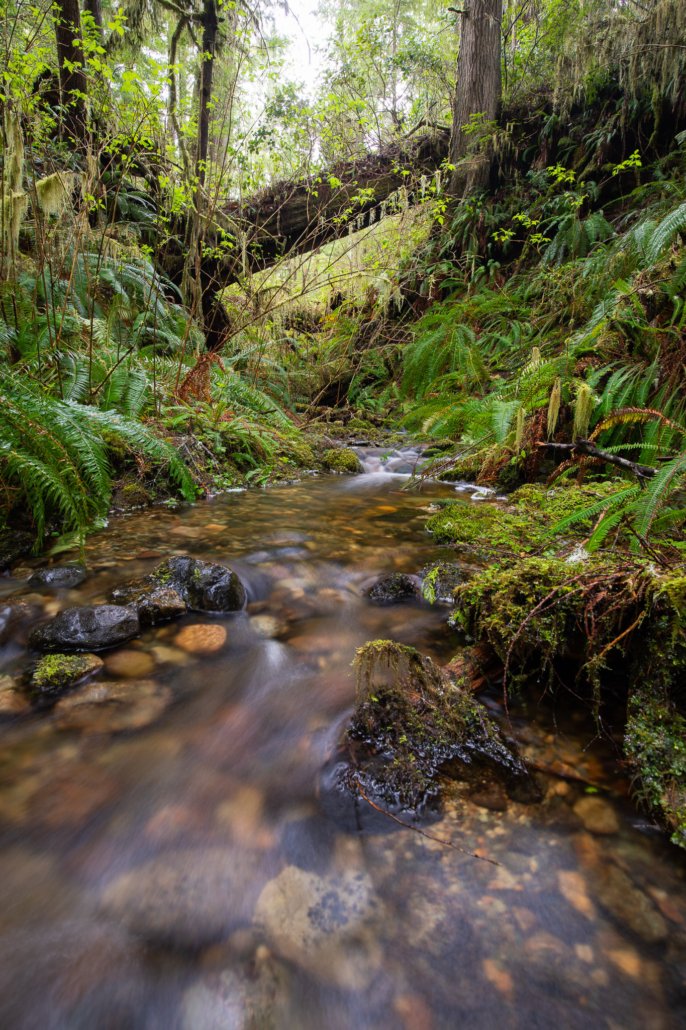
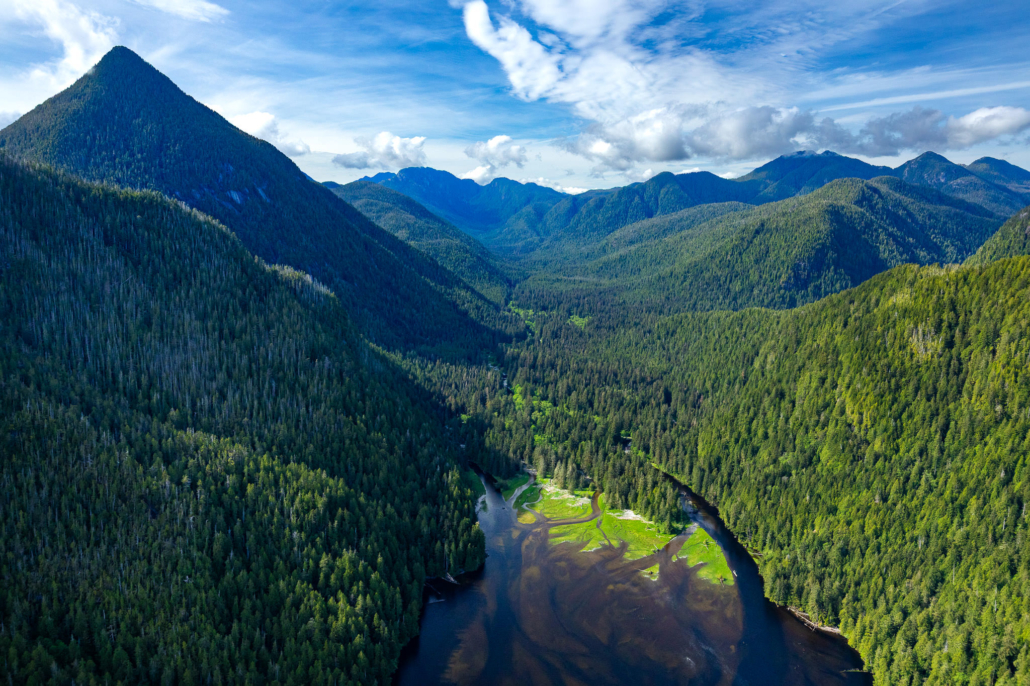
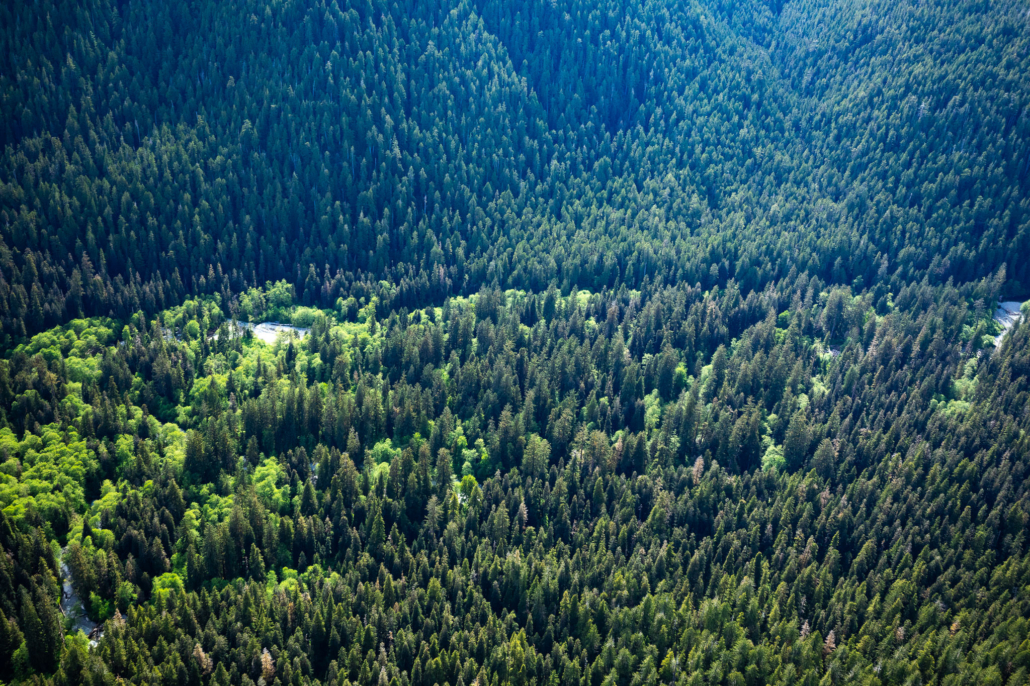
The Ahousaht and Tla-o-qui-aht First Nation, in partnership with the BC NDP government, declared the protection of 760 km2 of land in 10 new conservancies in Clayoquot Sound near Tofino. These lands comprise some of the grandest and most intact coastal old-growth temperate rainforests on Earth.

The historic milestone also included significant support from provincial, federal and conservation sources to advance sustainable economic development opportunities for the communities.

A year on, we applaud the visionary leadership of the Ahousaht and Tla-o-qui-aht Nation for their work in protecting old-growth ecosystems in their territories while building pathways to conservation-based economies.

Victories like these serve as an inspiring model for what’s possible throughout BC. Clayoquot demonstrates that when First Nations’ protected area plans are supported through conservation financing, we can safeguard old-growth forests while supporting community economic, cultural, and social well-being.

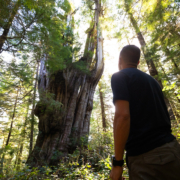
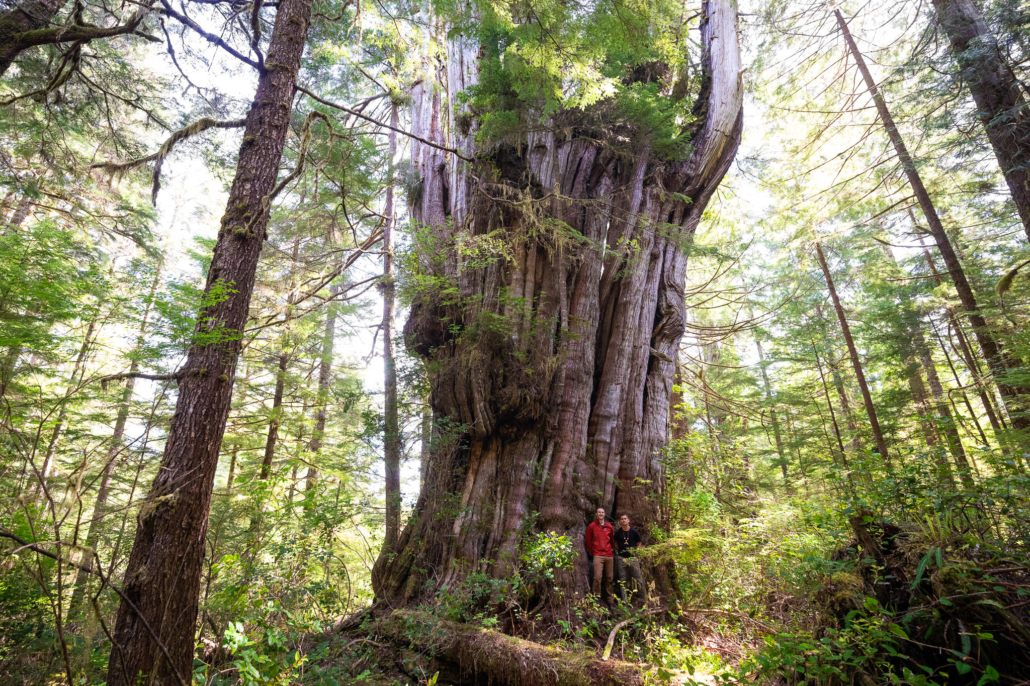
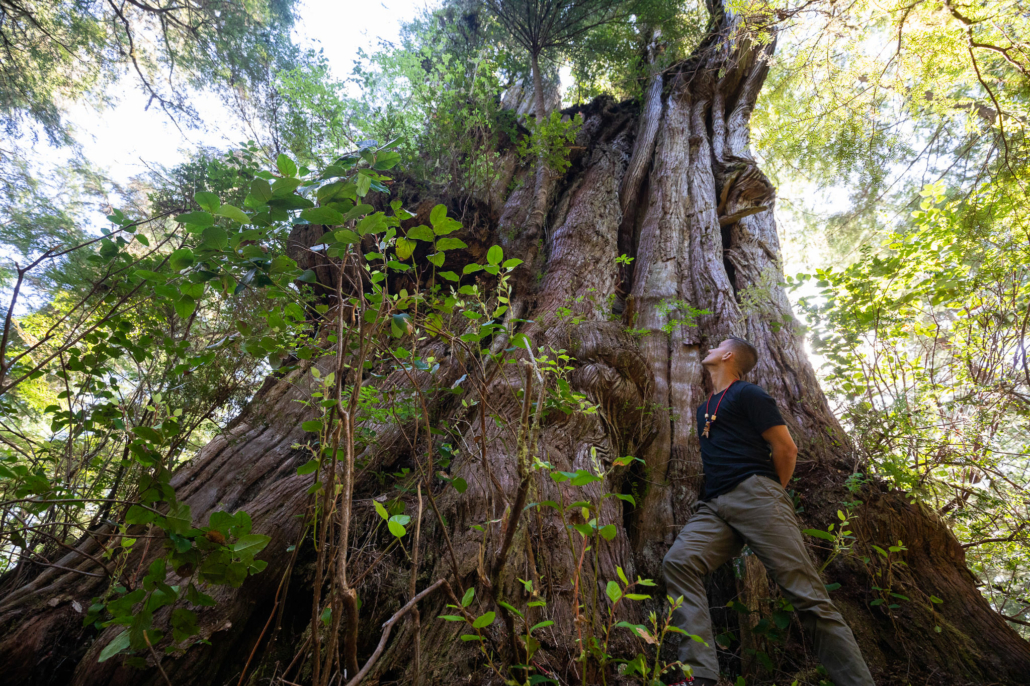
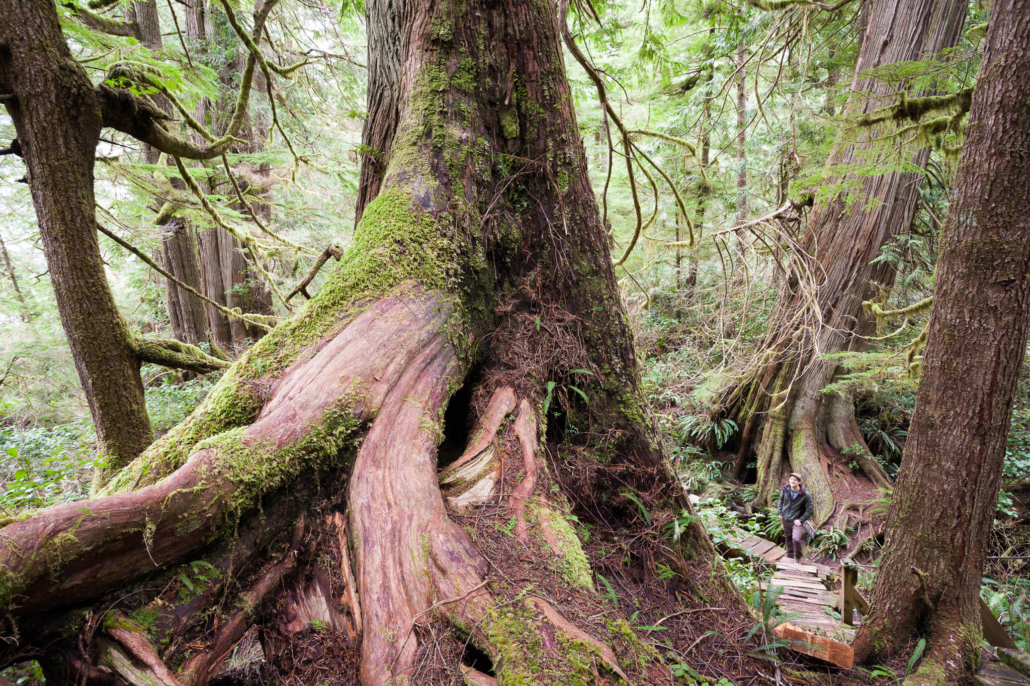
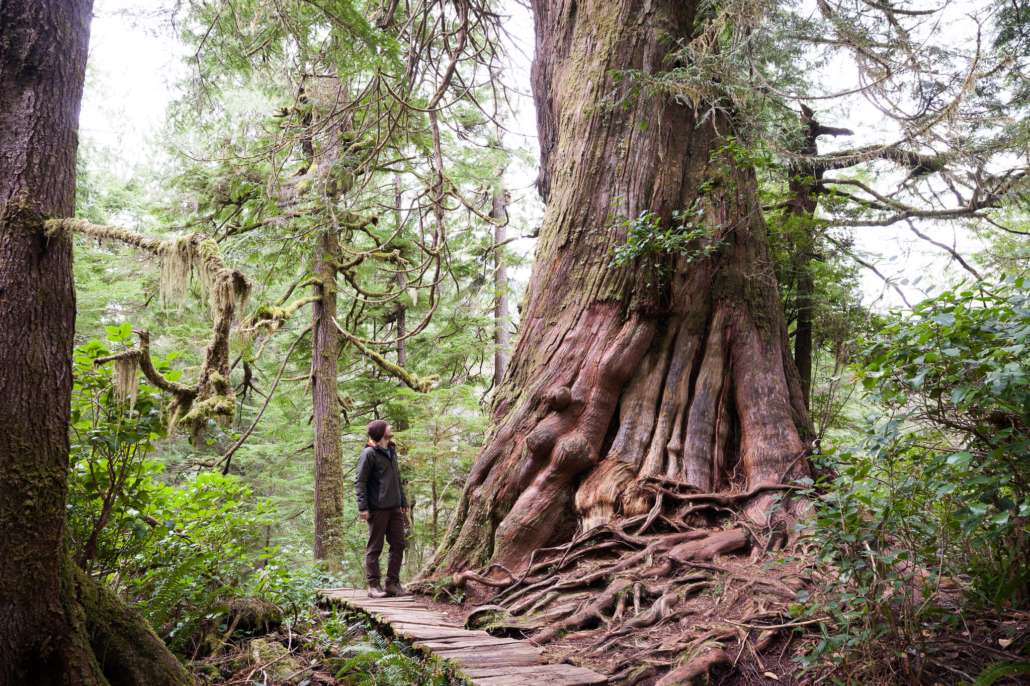
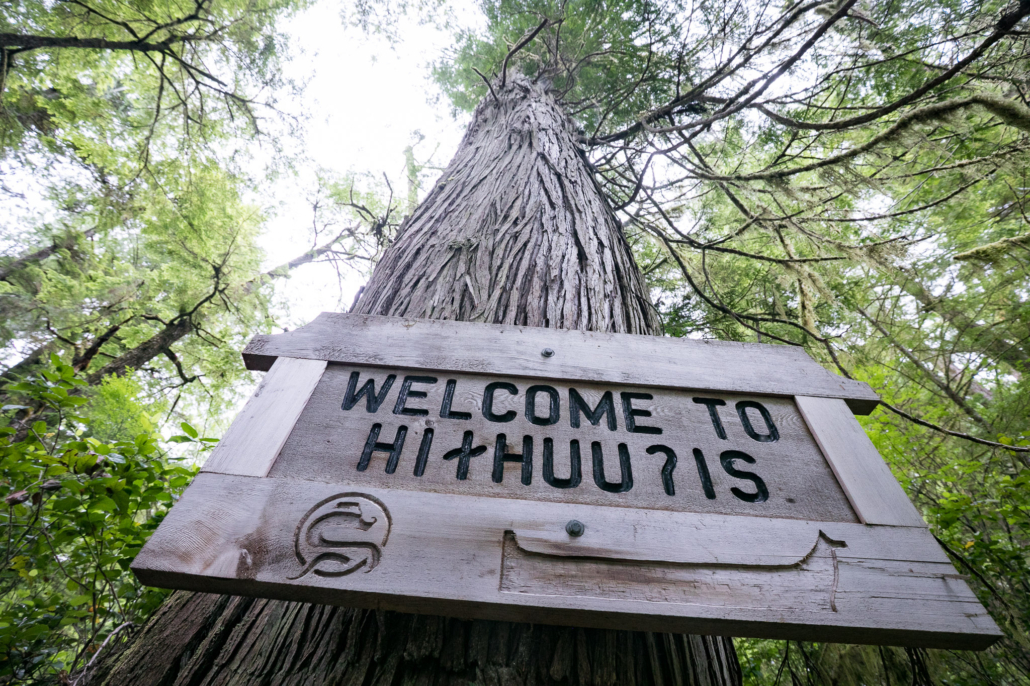
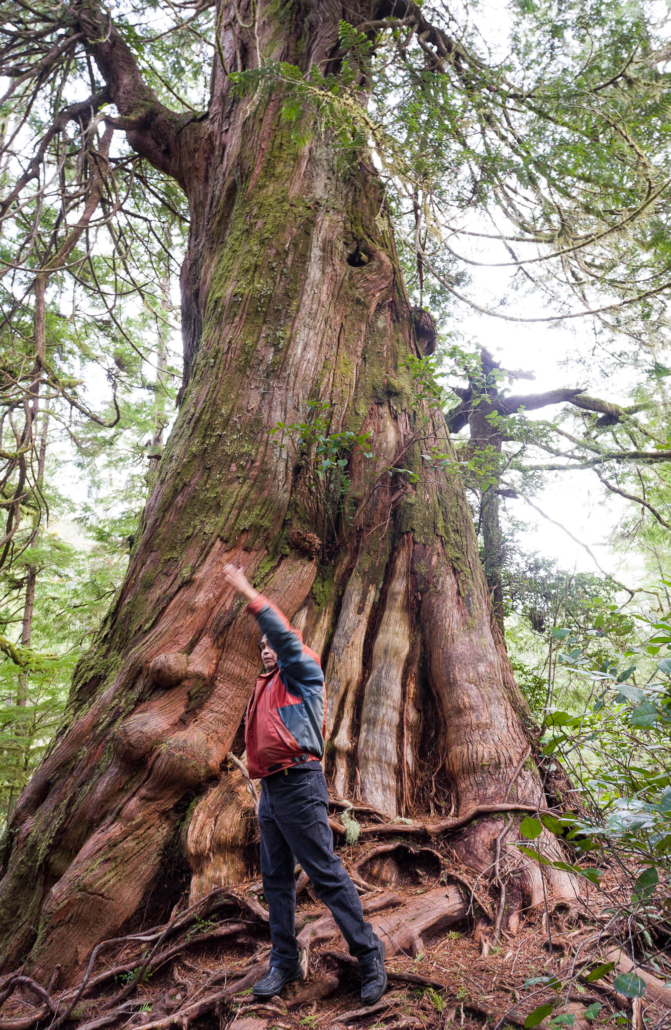
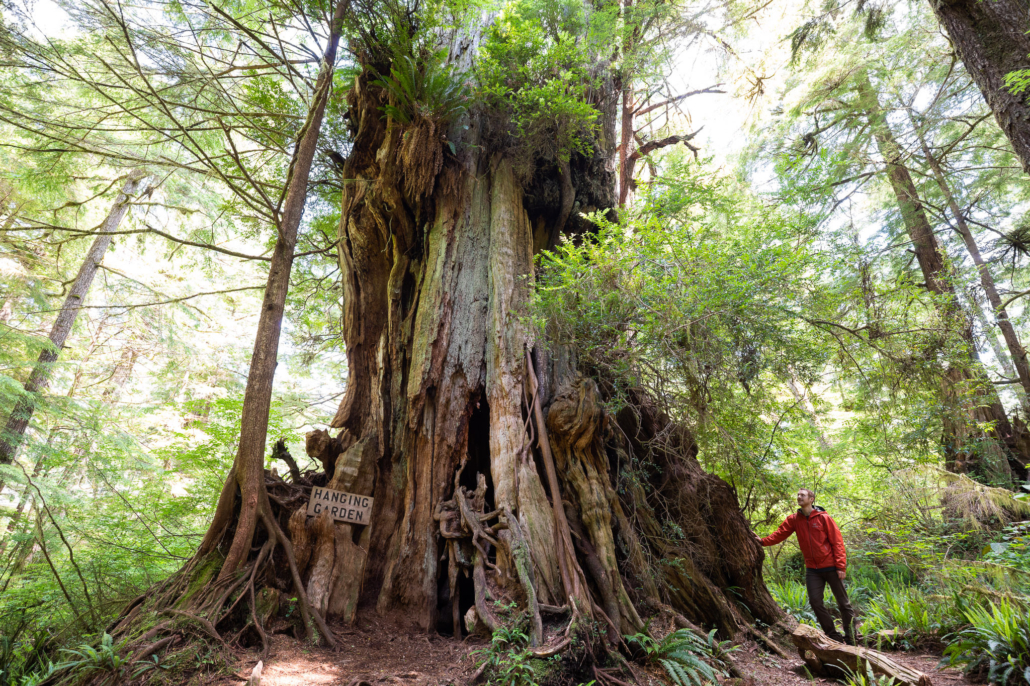
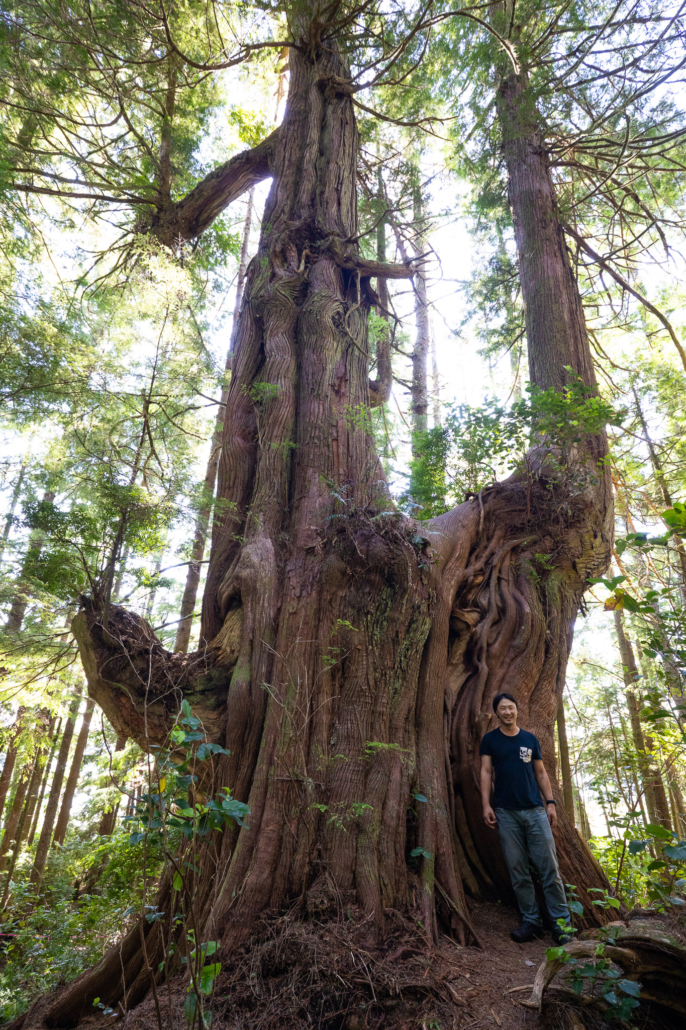
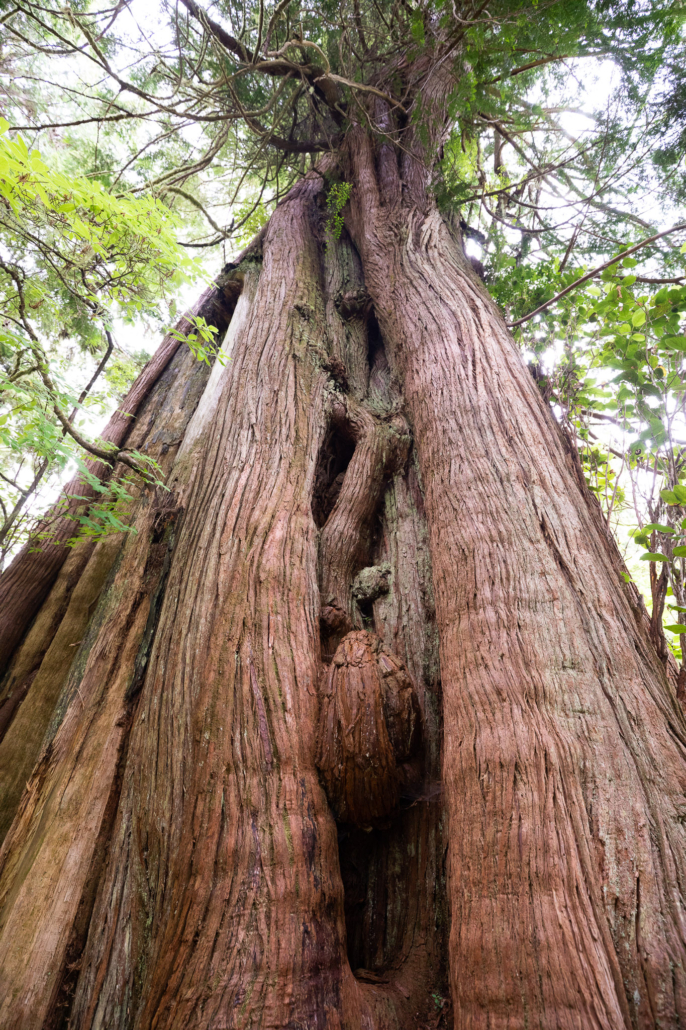
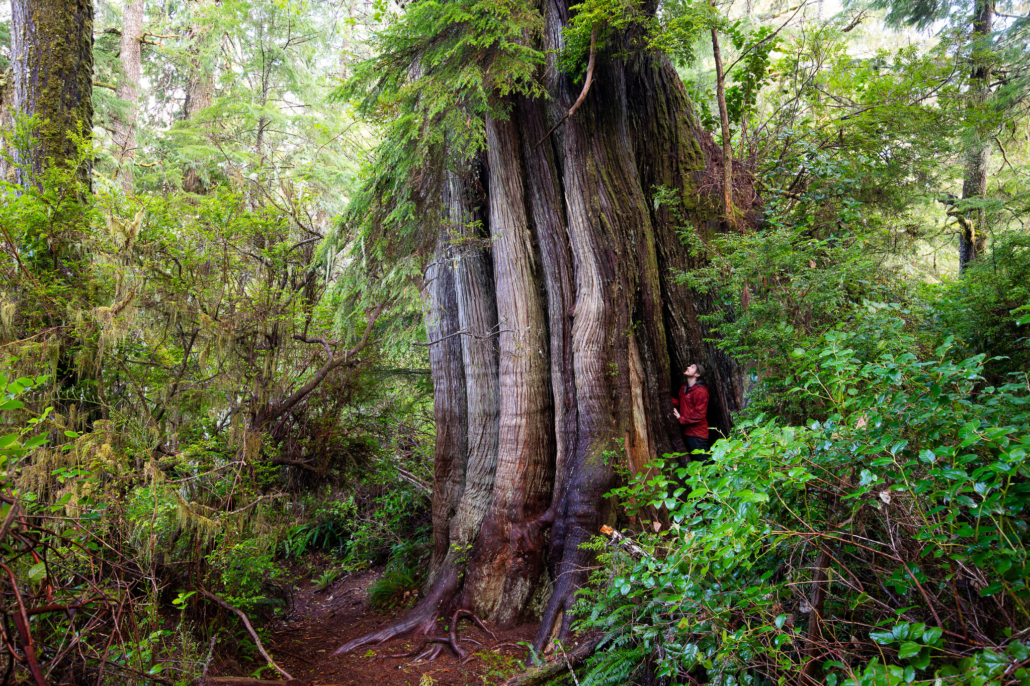
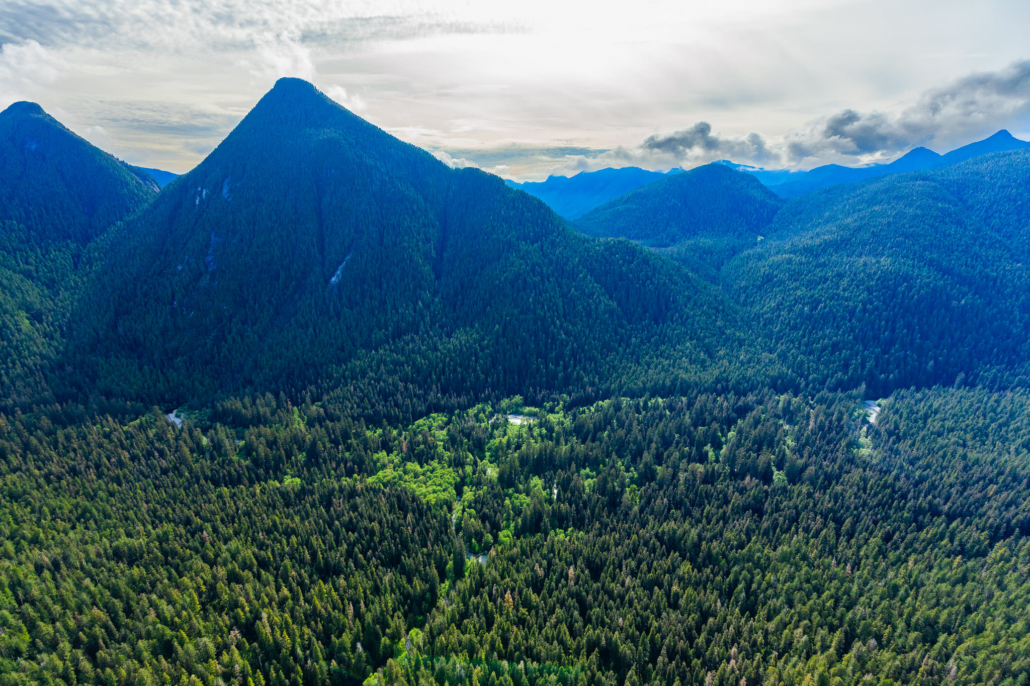
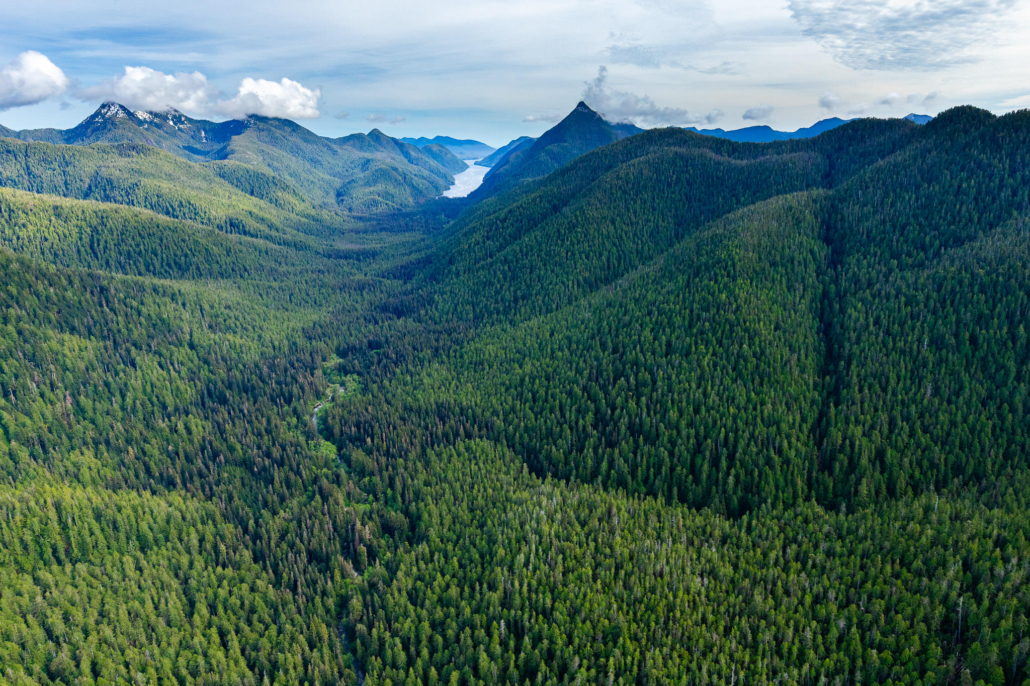
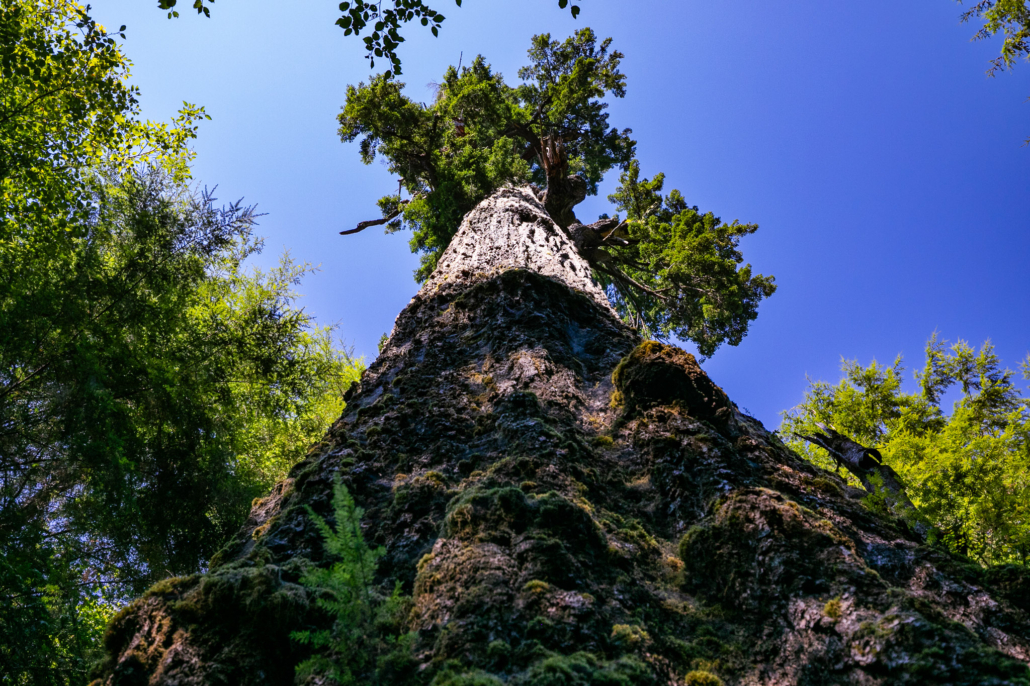
From the mind-blowing ancient redcedar dubbed the “most impressive tree in Canada” on Flores Island to the world-famous ancient groves of Meares Island or the sweeping rainforest vistas of the Sydney River Valley, see what’s now protected thanks to this historic achievement!

Looking to explore this beautiful region? Be sure to check out Ahous Adventures, the Maaqutusiis Hahoulthee Stewardship Society and Tla-o-qui-aht Tribal Parks.

Inspired by these successes? We’re actively working with several First Nations communities in BC to help establish new Indigenous Protected and Conserved Areas in some of the world’s grandest old-growth and rarest ecosystems. Your support helps protect these irreplaceable forests for all who depend on them. Make a donation.

Flores Island


Meares Island


Sydney River Valley


Canada’s Most Impressive Tree – Flores Island

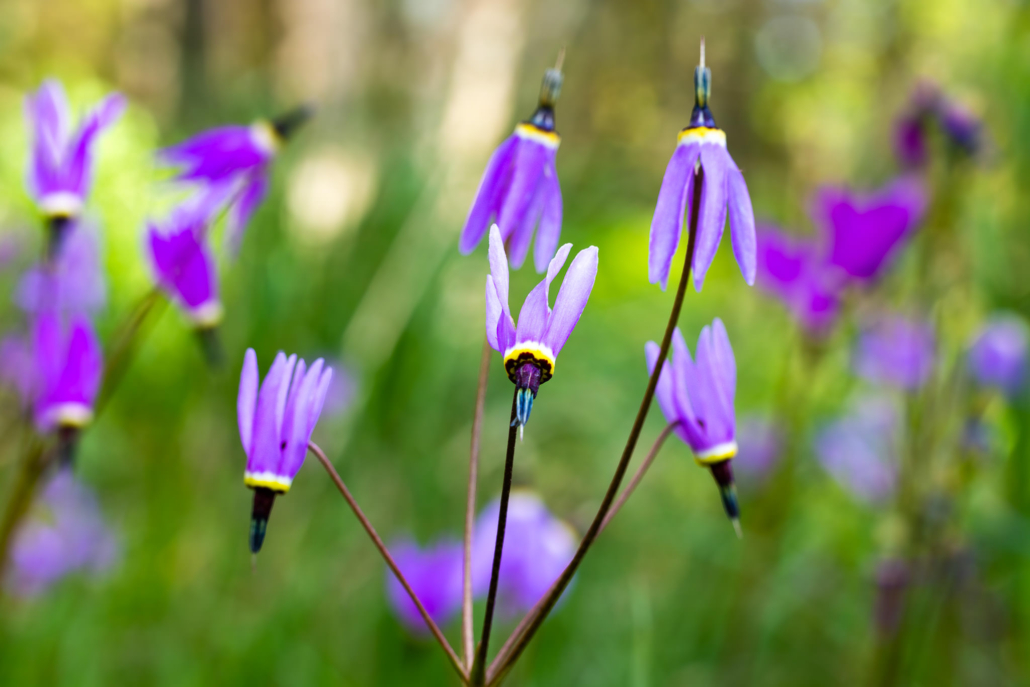
Shooting Stars

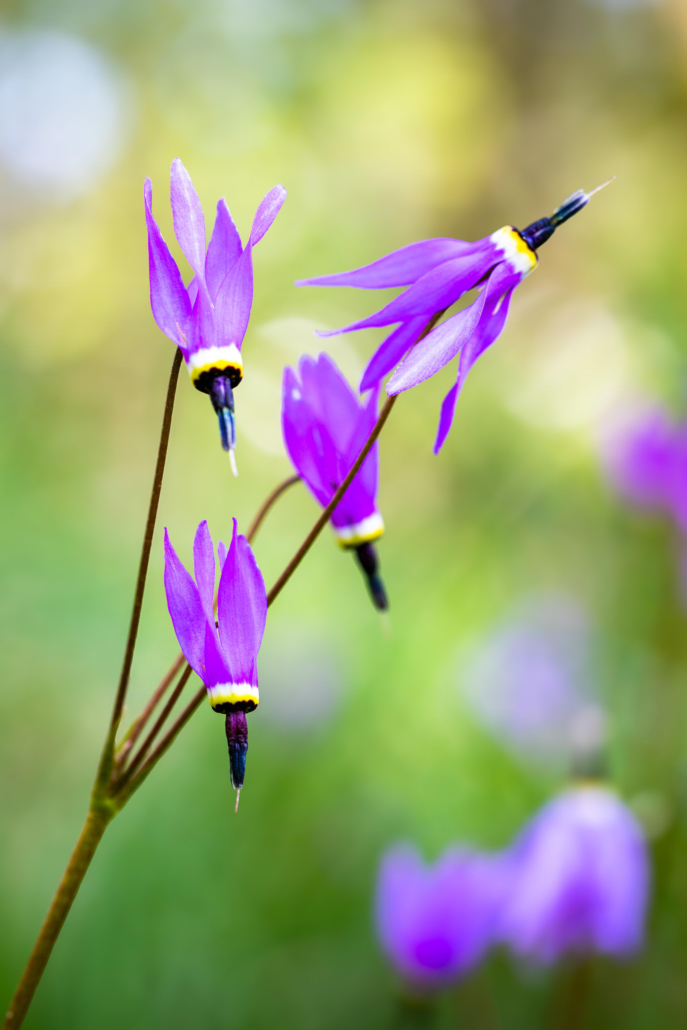
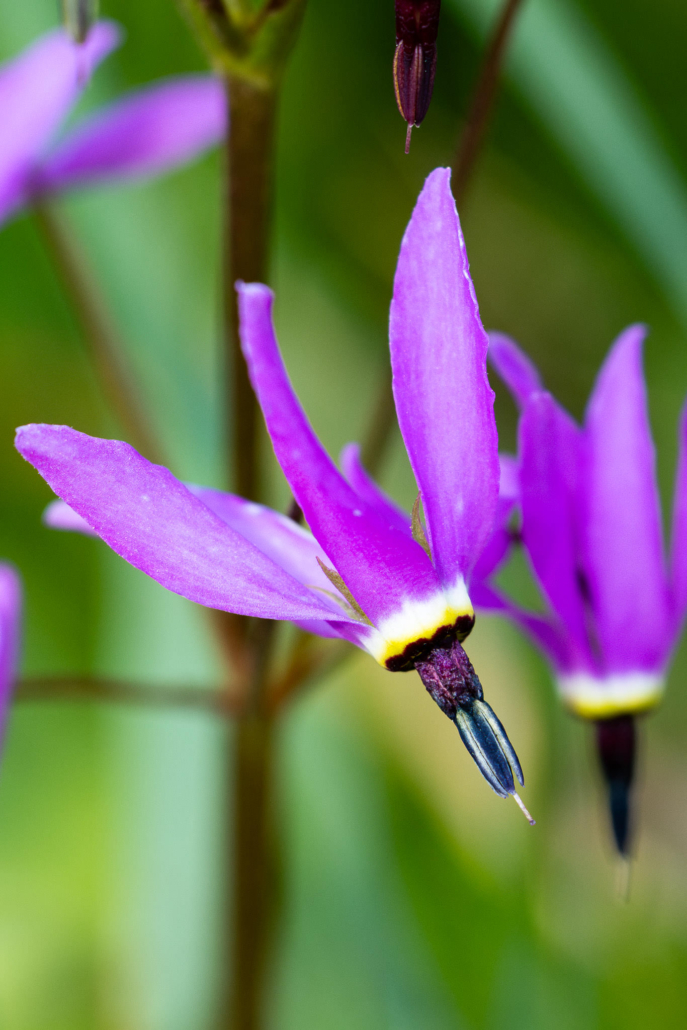
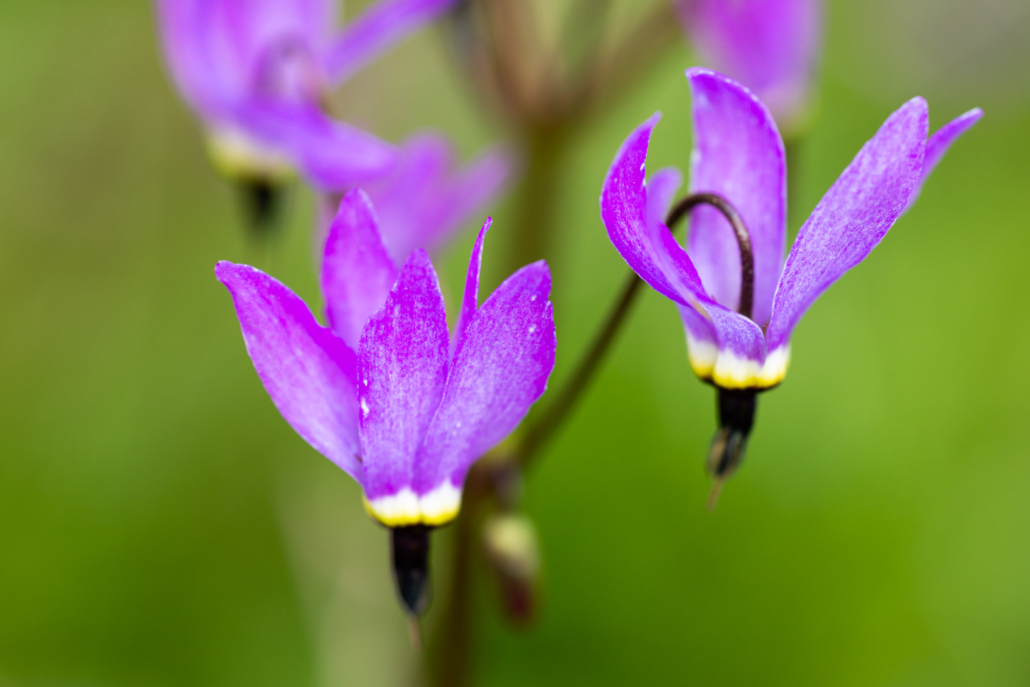
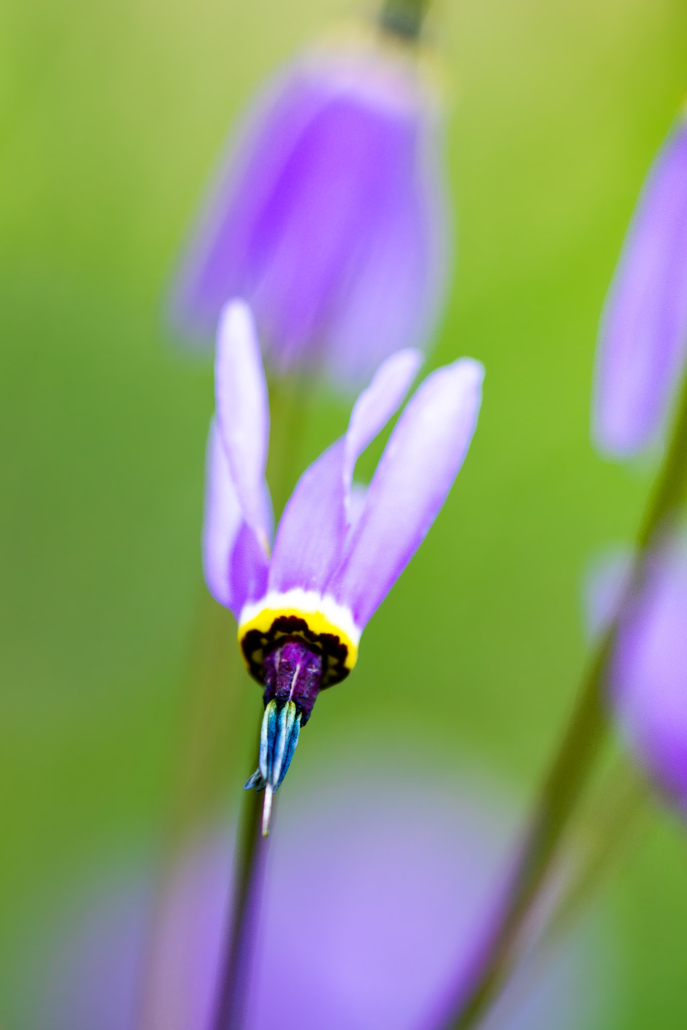
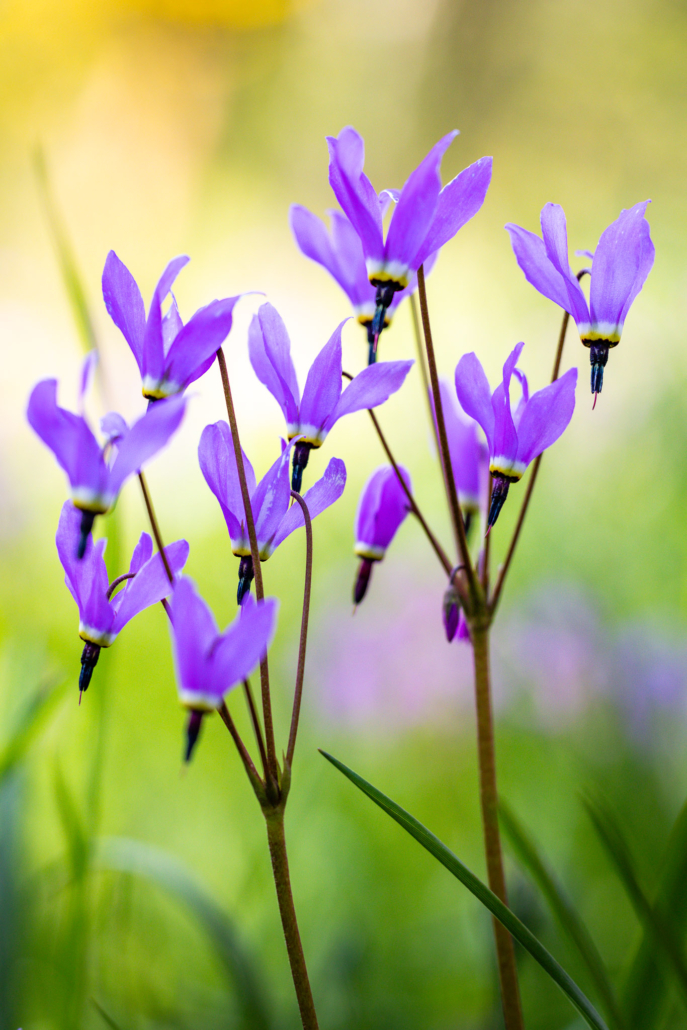
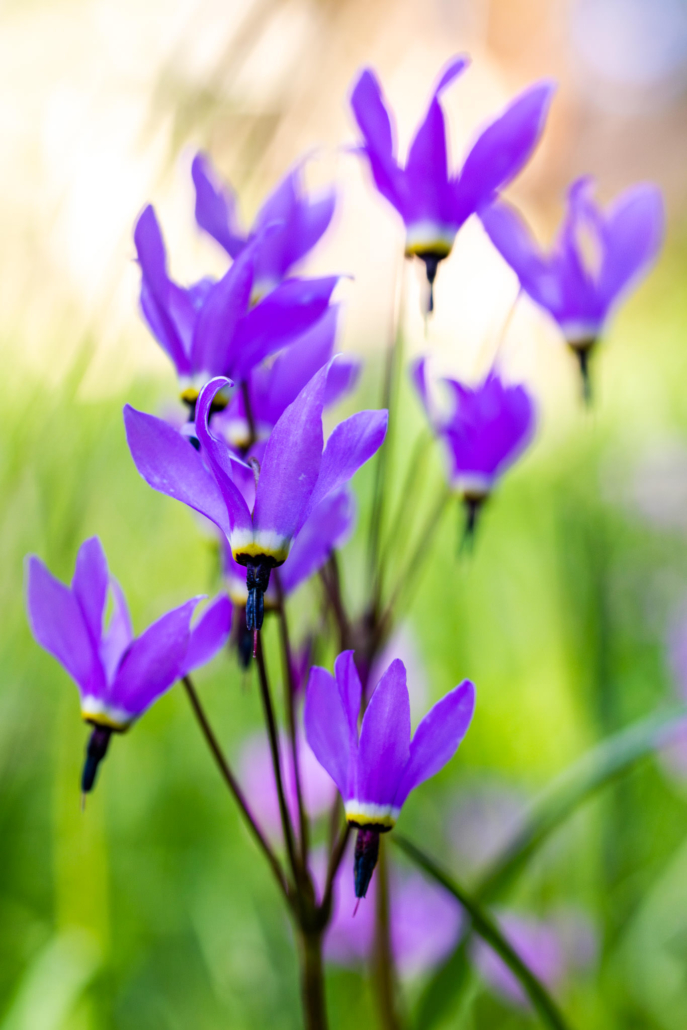
A beautiful highlight of Vancouver Island’s endangered Garry oak meadows is the shooting star flower. These vivid magenta to lavender-coloured blooms, with their swept-back wing-like petals and fused anthers forming a pointed beak, seem like flocks of tiny hummingbirds in mid-flight.

On Vancouver Island, we have two species of this flower: the few-flowered or dark-throat shooting star and Henderson’s shooting star. The few-flowered shooting star (pictured here) is distinguished by its narrower, elongated leaves.

The shooting star is unusual among flowers because it produces no nectar for pollinating insects. However, its protein-rich pollen is a critical food source for larval bees, making it valuable to queens just starting their colonies and seeking protein for their first round of developing offspring.

The flower is choosy about its customers, only releasing pollen to insects that can practice something called “buzz pollination” (also called “sonication”). In this technique, an insect vibrates its thoracic muscles at a frequency that dislodges the stuck pollen from the flower.

Not all pollinators have mastered this nifty trick. Honeybees, for instance, seem incapable of buzz pollination and so cannot effectively pollinate the shooting star. Our native bumblebees, however, are buzz masters, providing a critical ecological service and gaining privileged access to this protein-rich prize.

Shooting stars are an early highlight of our oak meadows and woodland glades. By the time the camas is in full flood, the last magenta meteors of shooting stars are already fading in the grass under the dreamy murmur of bumblebee wings.

We’re grateful for our creative business supporters!

We’re incredibly grateful for the many creative ways our supporters help advance the movement to protect endangered old-growth forests in British Columbia. From hosting benefit concerts and donating a portion of art sales, to workplace giving and foundation support, there are so many ways to make a difference!

Special thanks to:

Your creativity, dedication, and passion for protecting these endangered ecosystems is inspiring, and we’re very grateful!

If you own or work at a business that shares our vision and would like to support old-growth protection through a one-time or monthly donation, contact info@ancientforestalliance.org. We’d love to hear from you!

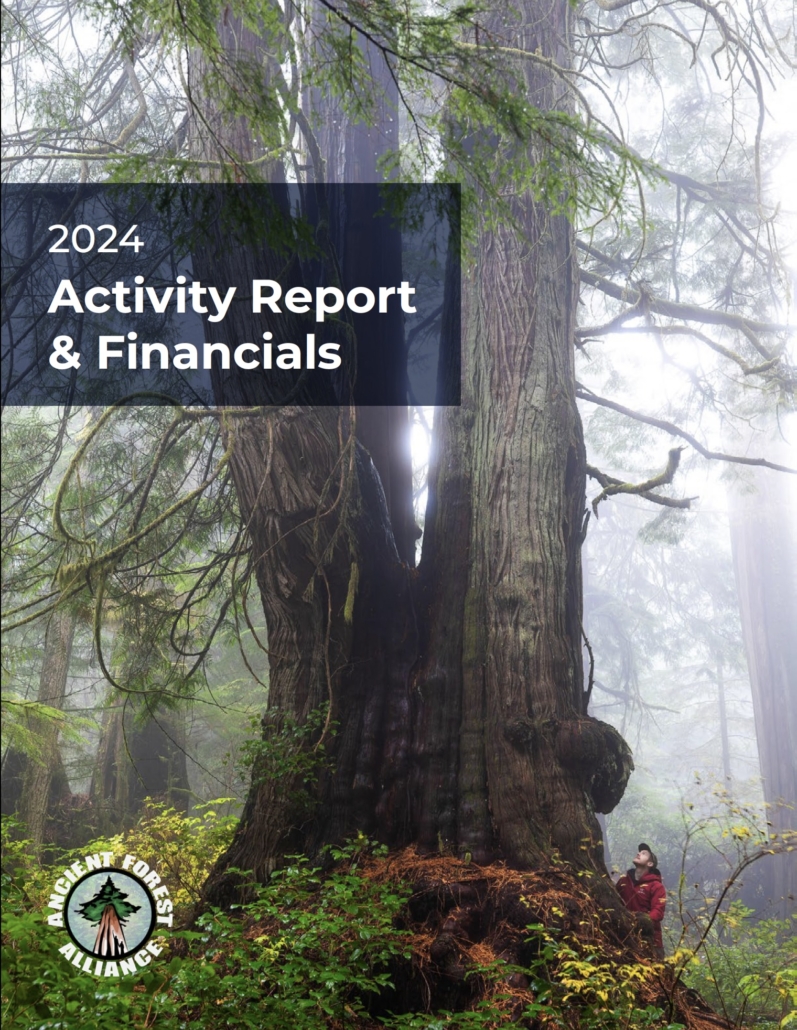
2024 Activity Report & Financials

While 2024 had a hard act to follow after the successes of 2023, it still held its own as a significant year for the old-growth campaign. Check out our Activity Report & Financials to see how you played a massive part in this success, and find out what we’re gearing up for in 2025.

Ancient Forest Alliance (AFA) 2024 Activity Report & Financials

Ancient Forest Alliance (AFA) 2024 Activity Report & Financials

Happy International Day for Biological Diversity!

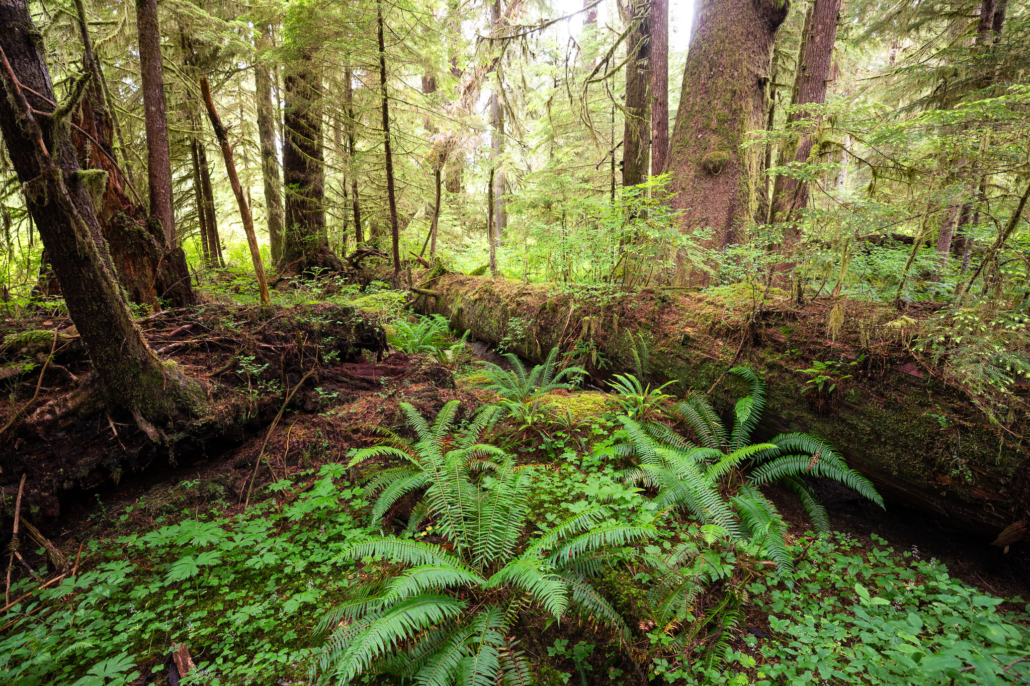
Diversity is a defining feature of old-growth forests, whose unparalleled structural complexity (a mix of ancient giants, tiny saplings, standing snags and fallen logs) develops over centuries to provide habitats for thousands of species, many of which live nowhere else.

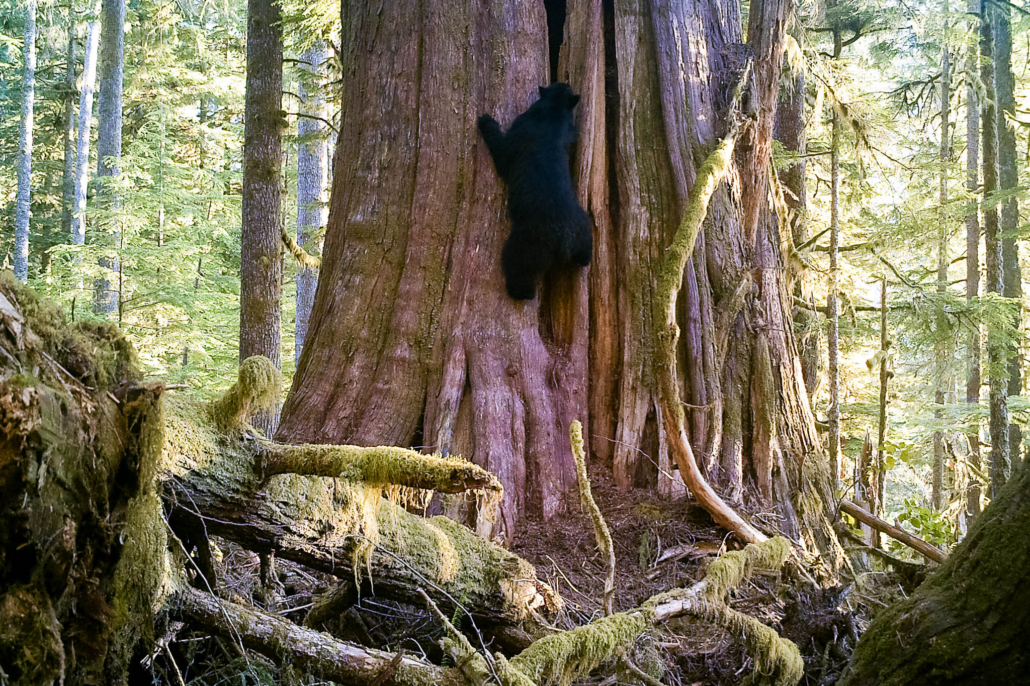
Thousands of organisms, from tiny arthropods to arboreal lichens to nesting seabirds, can be found living in a single old-growth tree! After death, the tree becomes home to a whole new array of organisms—standing snags supply nesting and denning habitats for a variety of creatures, from small songbirds to hibernating black bears, while fallen logs provide habitat for a hidden world of arthropods and amphibians. The dead tree also gives a head start to saplings that will be the next generation of forest giants.

A black bear climbs an old-growth western redcedar.

Seething through the soil and the bodies of dead and dying trees are thousands of species of fungi, recycling the nutrients of the fallen and turning death into life again. This mix of young, old, dead and living trees creates an uneven canopy, which allows light to stream into the forest floor. The filtered light fosters diverse shrubs, ferns, and wildflowers that, in turn, feed herbivores such as deer, which then provide food sources for predators such as wolves and cougars.

Logging old-growth and replacing it with second-growth plantations wipes out this vast circle of life that took centuries to develop, with dire consequences for myriad species that thrive in the varied microhabitats of ancient forests. Old-growth forests in BC are irreplaceable reservoirs of global biodiversity.

Here are a few fascinating examples of why temperate rainforests in western North America are biological riches:

  • They’re full of tiny wonders with an estimated 6000 species of arthropods (insects, mites, and spiders) living everywhere from the roots of trees to “sky-gardens” growing in the crowns of forest giants.
  • They’re the truffle capital of the world. 350 species of truffles are known from the Pacific Northwest (with perhaps another 350 species yet unidentified), making this region a global hotspot for these enigmatic, and in some cases, delicious, subterranean mushrooms. Old-growth forests may have up to 380 times the truffle biomass of second-growth forests!
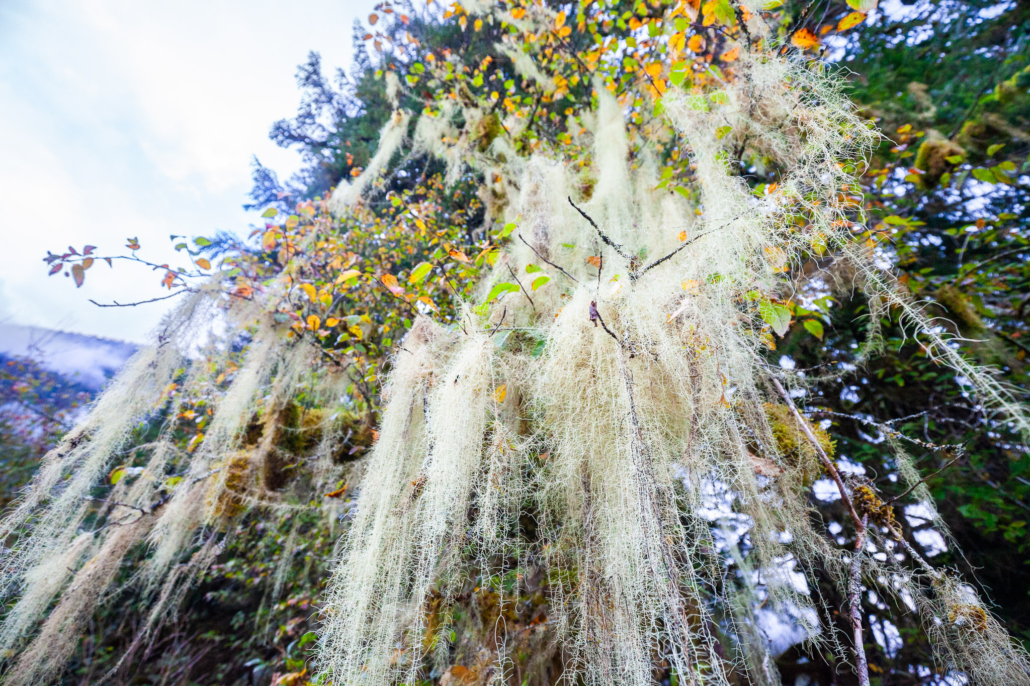
  • They’re places of enlichenment! Lichens are an incredible hallmark of the old-growth forest, as they clean the air, fix nitrogen, and provide critical food sources to threatened species such as mountain caribou. A single old-growth valley in BC was found to contain 283 lichen species, including 13 that were entirely new to science!


But it doesn’t stop there. Did you know that temperate rainforests in BC are home to remarkable species such as:

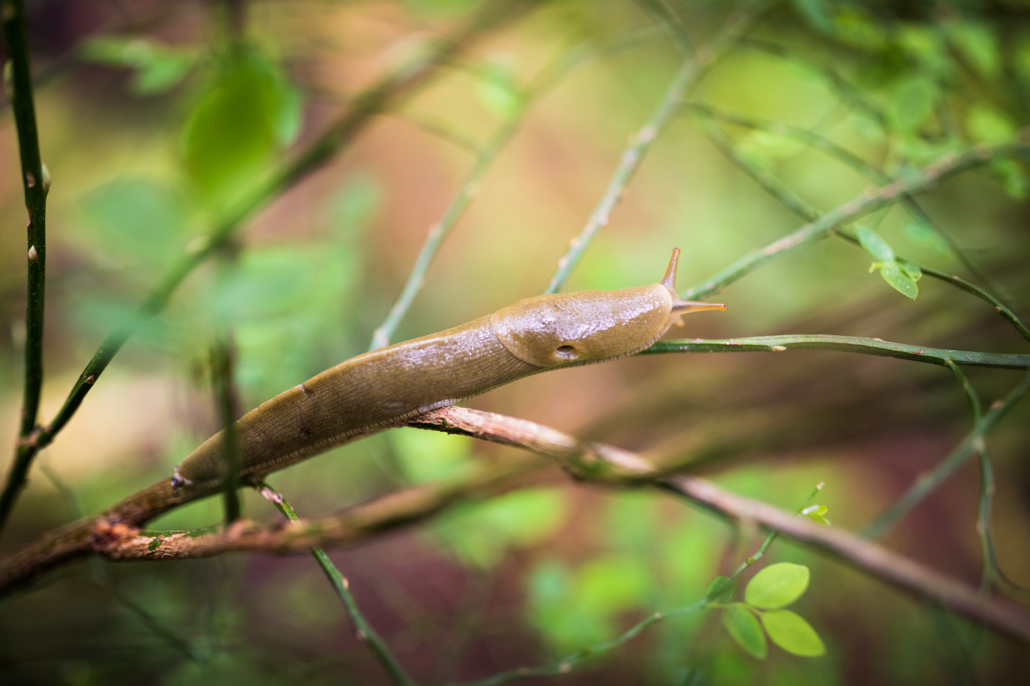
The world’s second-largest slug, our beloved charismatic mega-slimer, the banana slug!

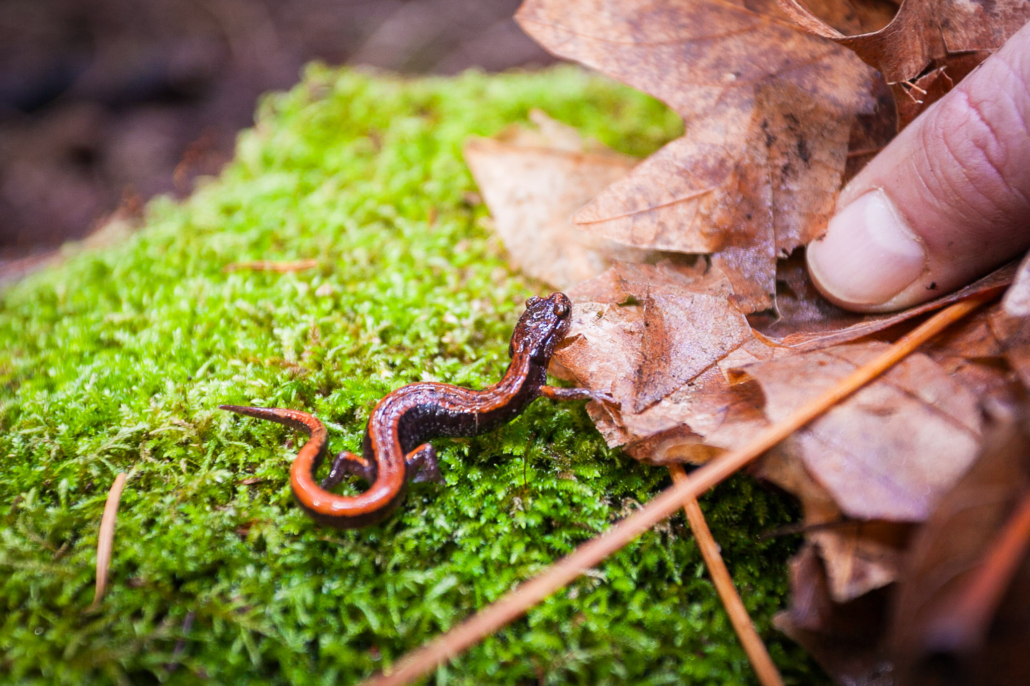
Skydiving salamanders. The adventurous wandering salamander, found high in the crowns of old-growth trees, leaps from branches like a flying squirrel.

North America’s biggest black bear, the Haida Gwaii black bear, or Taan, is found only in BC.

One of the world’s most cryptic seabirds, the threatened Marbled Murrelet, which nests high in the mossy branches of giant old-growth trees

A hot spring-loving bat. The Keen’s myotis is the signature bat of the coastal rainforest, whose only confirmed breeding colony is among the steamy hot springs of Haida Gwaii.

A predatory mushroom that hunts tiny animals with lassos. The delicious oyster mushroom hunts nematode worms on the forest floor.

The world’s largest member of the pine family. The legendary “Red Creek Fir,” a gargantuan Douglas-fir tree, grows near Port Renfrew, BC, in Pacheedaht territory.

The oldest trees in Canada, the ancient yellow cedars of the coastal mountains, with some documented at nearly 2,000 years old!

The most primitive of all rodents, the “mountain beaver” (not really a beaver), a fern-eating rodent of the rainforest, is considered a “living fossil.”

North America’s most unique frog, the stream-loving “tailed frog,” is an ancient species unrelated to any other amphibian in North America, whose tadpoles adhere to rocks in swift current with suction cups on their bellies.

And many, many more weird and wonderful living beings!


However, this exceptional biodiversity is at significant risk as BC continues to liquidate its endangered old-growth forests, especially the most biologically productive ecosystems.

The BC government has committed to protecting 30% of the lands in BC by 2030, which we highly commend, but how that 30% is selected is what matters. In the past, governments have concentrated protection on the less biodiverse ecosystems, less threatened by industry (for example, alpine rock and ice or sub-alpine and bog forests), leaving the most productive and biologically rich ecosystems in the valley bottoms and lower slopes to be logged and developed.

That’s why we need “Ecosystem-Based Targets” (protection targets for every ecosystem type) to turn that old model on its head and finally prioritize the protection of the most at-risk and biodiverse ecosystems. This includes the “high-productivity” old-growth forests, known for their towering giants and incredible diversity of living creatures!

To make this happen, BC must move forward with the draft Biodiversity and Ecosystem Health Framework and ensure it delivers real, science-based protection measures.

On this International Day for Biological Diversity, join us in calling on the BC government to ensure this framework is implemented to safeguard the incredible diversity in BC!

📢  Send a message to decision-makers using our newly updated Take-Action Tool today!

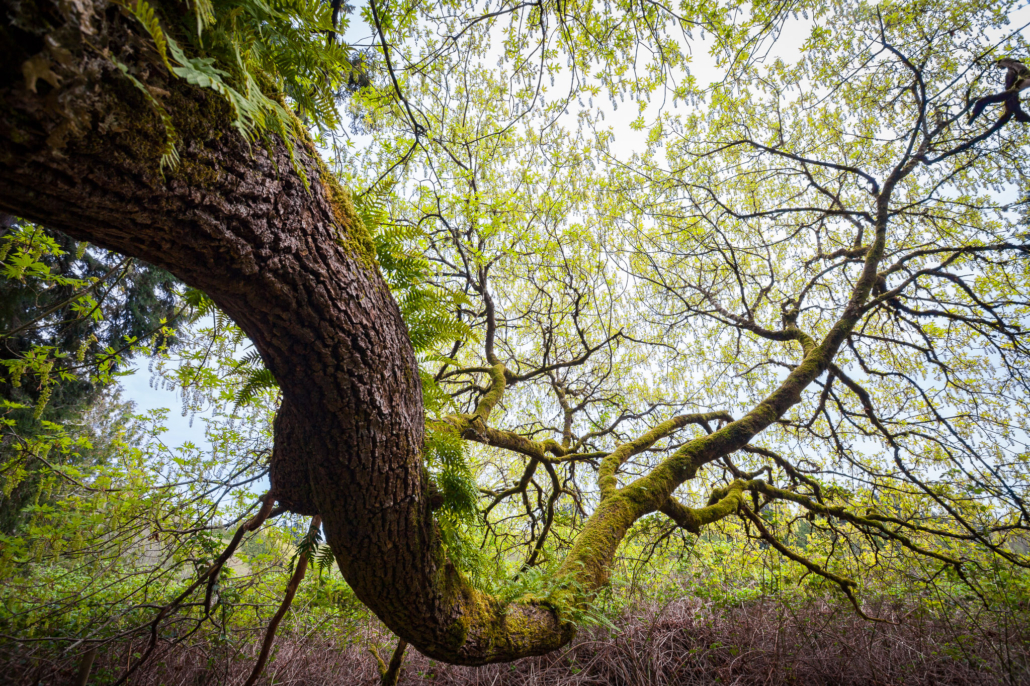
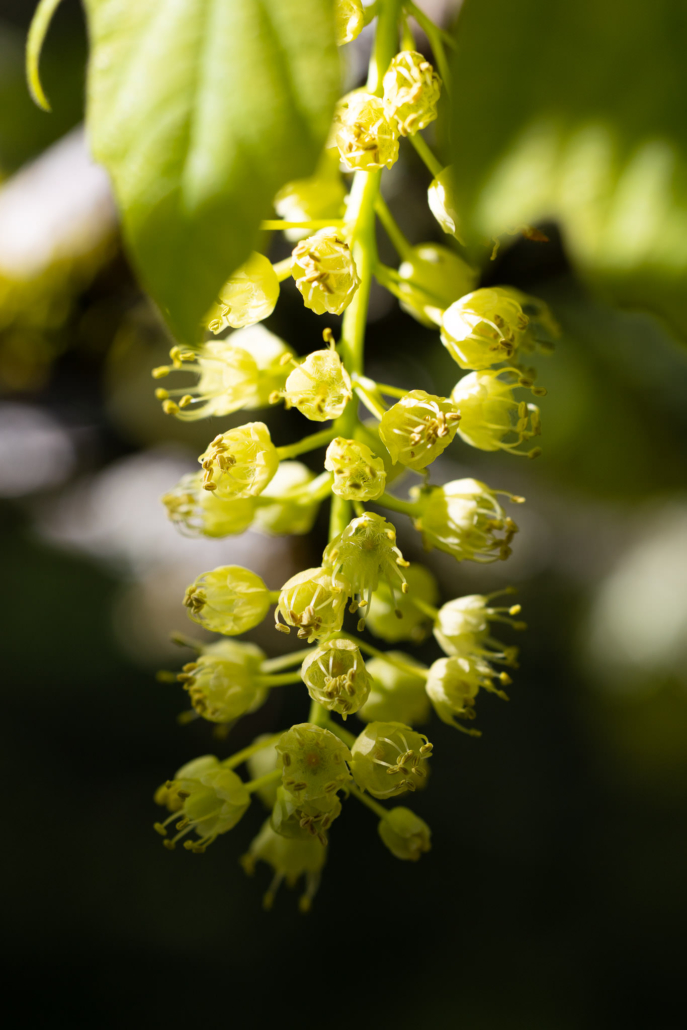
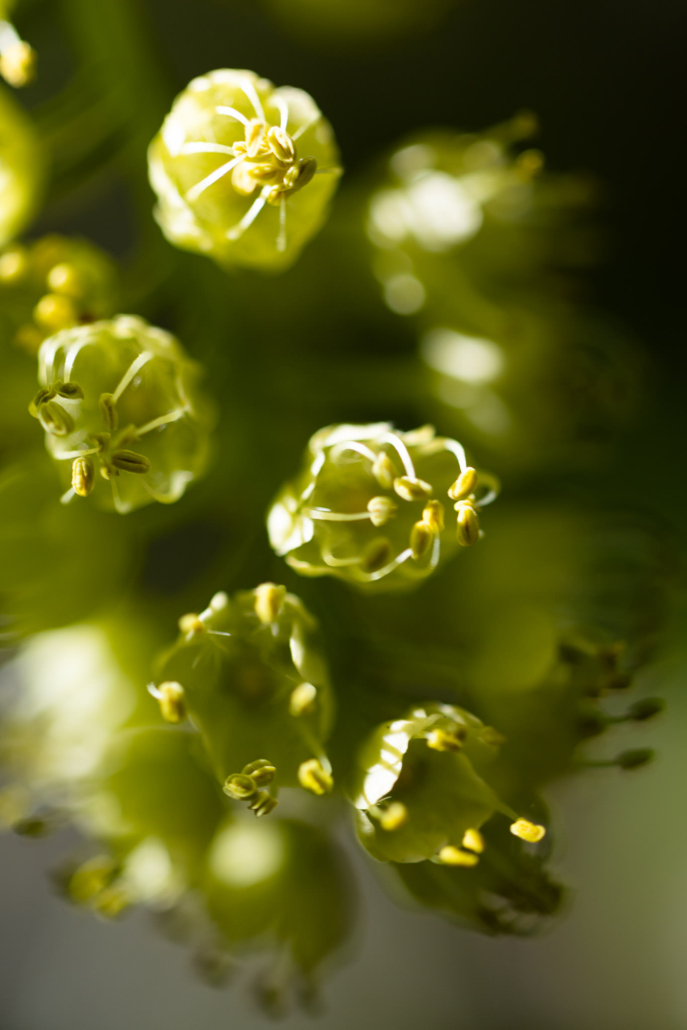
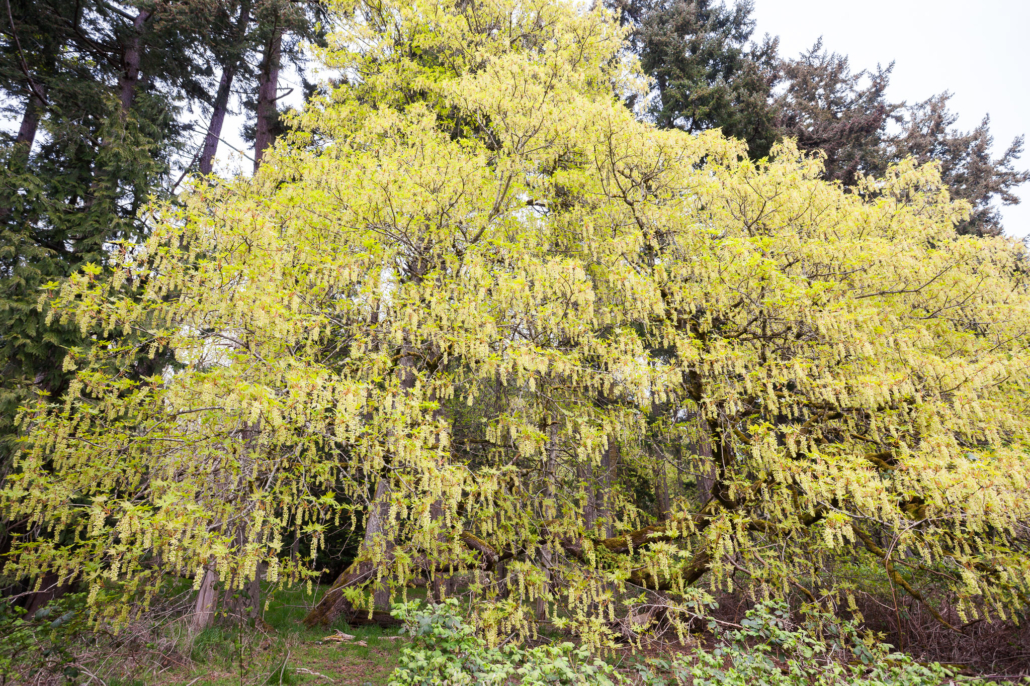
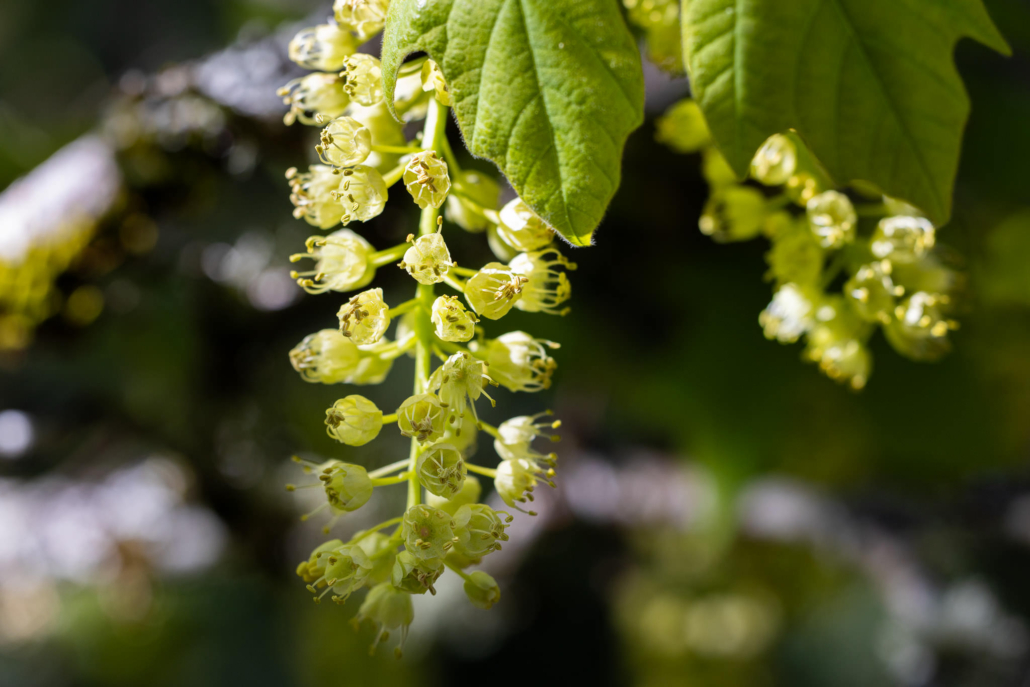
Bigleaf Maple Flowers

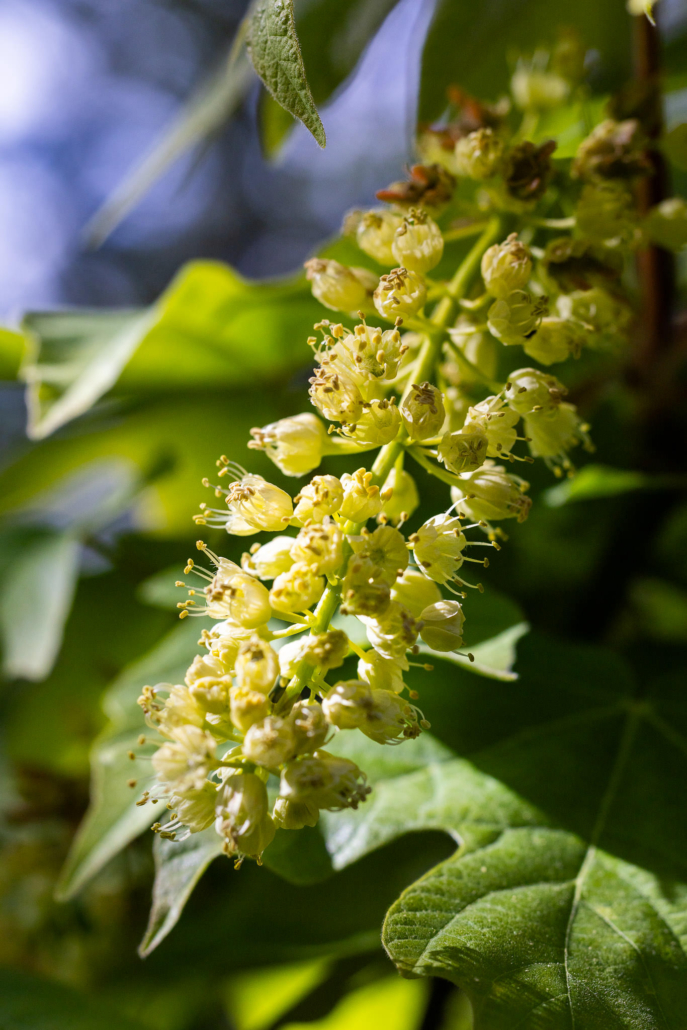
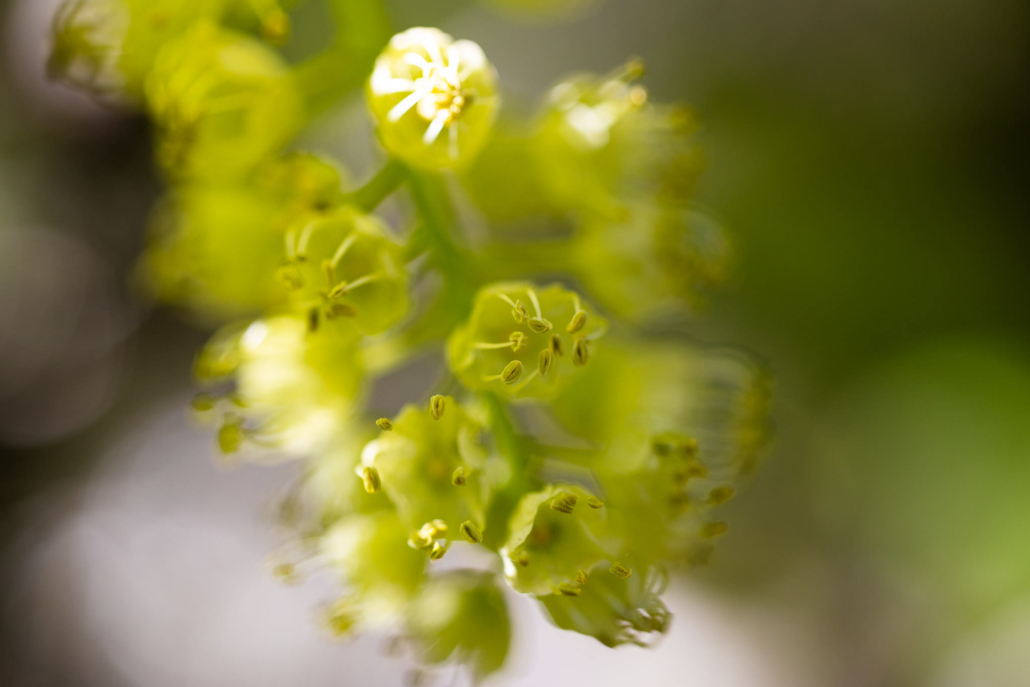
An early sign of spring in the coastal rainforest is a spectacular explosion of flowers, not on the forest floor but in the branches of bigleaf maples! These flowers hang in clusters, and their yellow-green colour may give the casual viewer the impression of emerging leaves. A close examination will reveal that the tree is indeed draped in hundreds of tiny blossoms, a floral show as fecund as a blooming cherry tree, but more subtly blending with the forest palette.

Not just a treat for the eyes, maple flowers are edible with a “subtle, but pleasant taste” enhanced by their abundant nectar. Avid foragers recommend them in salads, as soup garnishes, or baked into pancakes.

Although they don’t have the same reputation as the sugar maple of eastern Canada (yet!), bigleaf maples can also be tapped for their syrup, which is said to have a less sweet and more “earthy” flavour. Culinary values aside, it is a wonderful spring treat to walk in a grove of ancient maples draped in flowers. Seeing these huge, gnarled limbs garland themselves in blooms is a lovely reminder that you’re never too old to blossom.

Thank You for Celebrating 15 Years with Us 🌲

Dear Ancient Forest Friends,

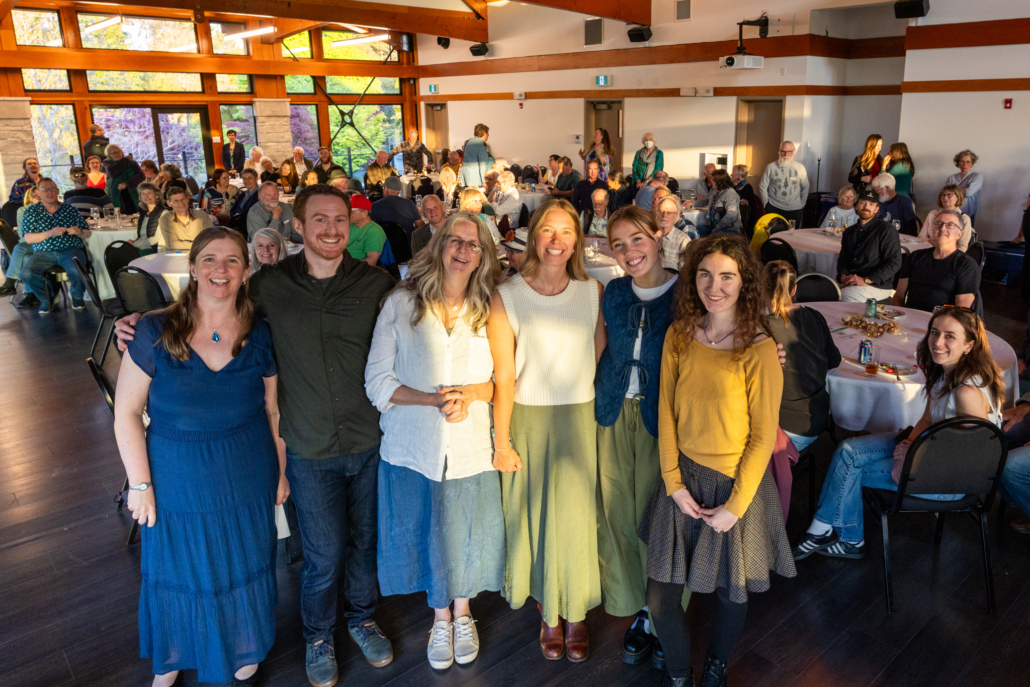
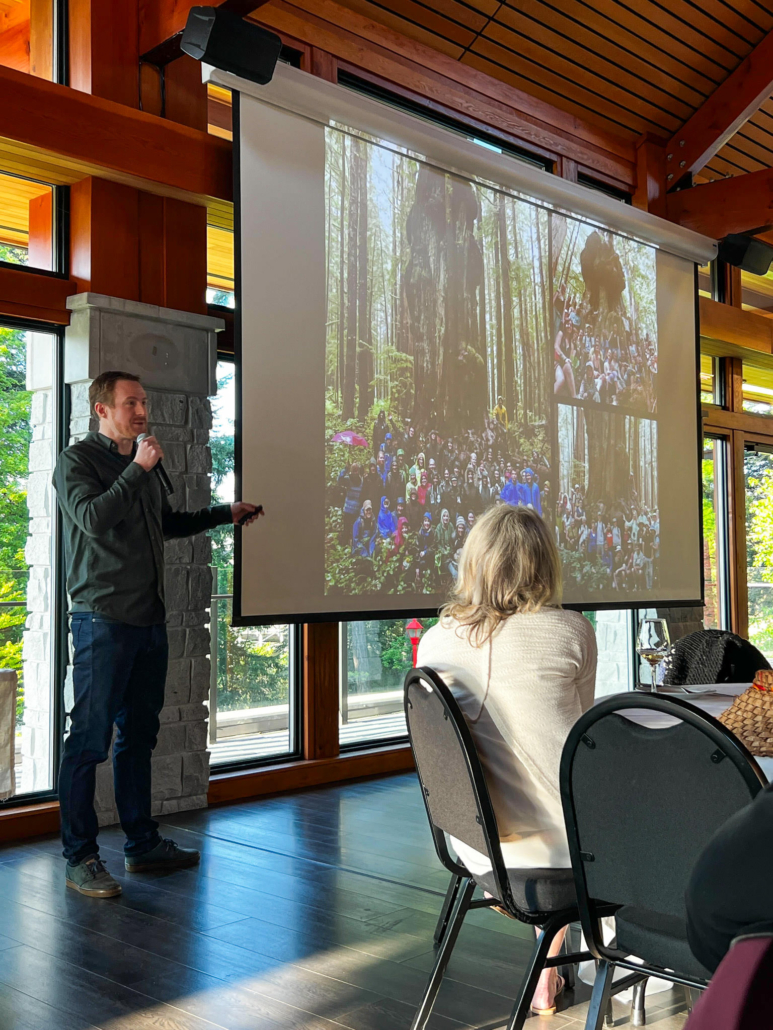
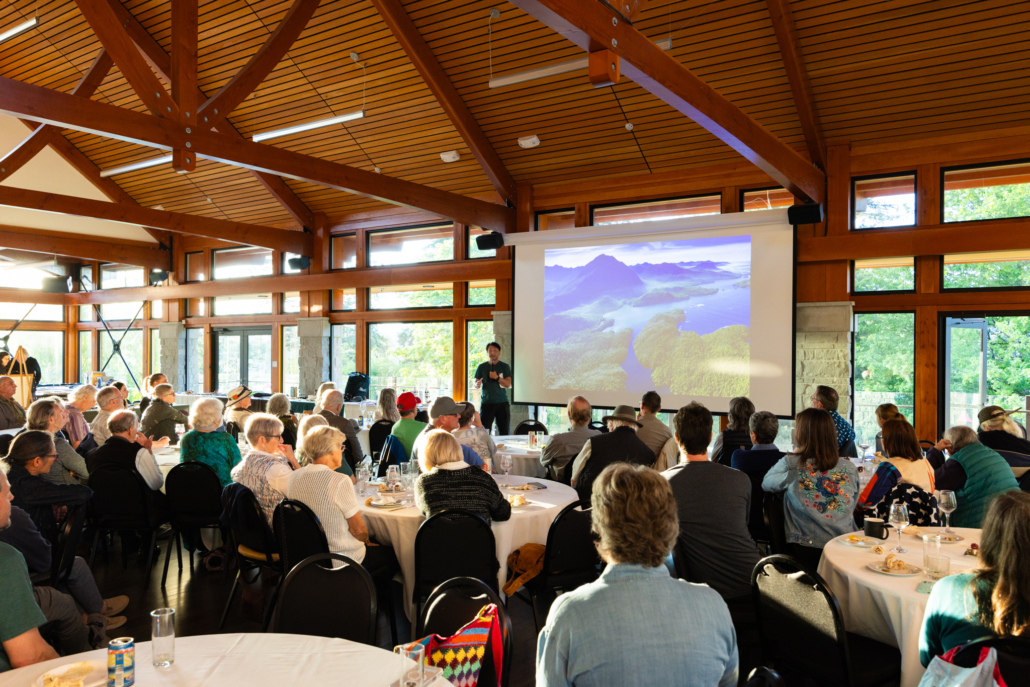
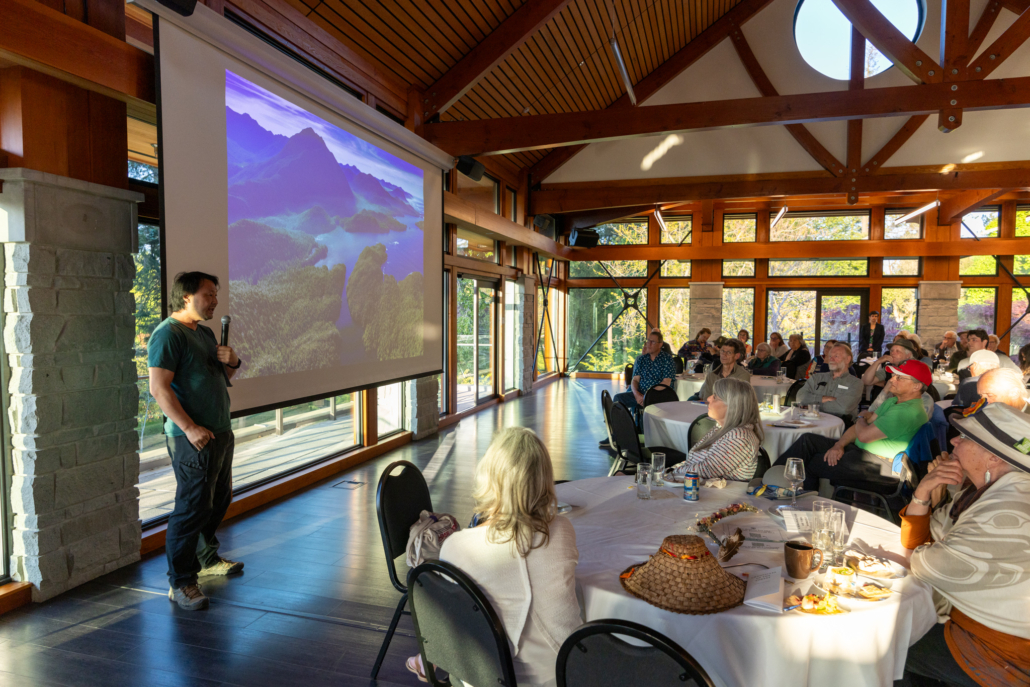
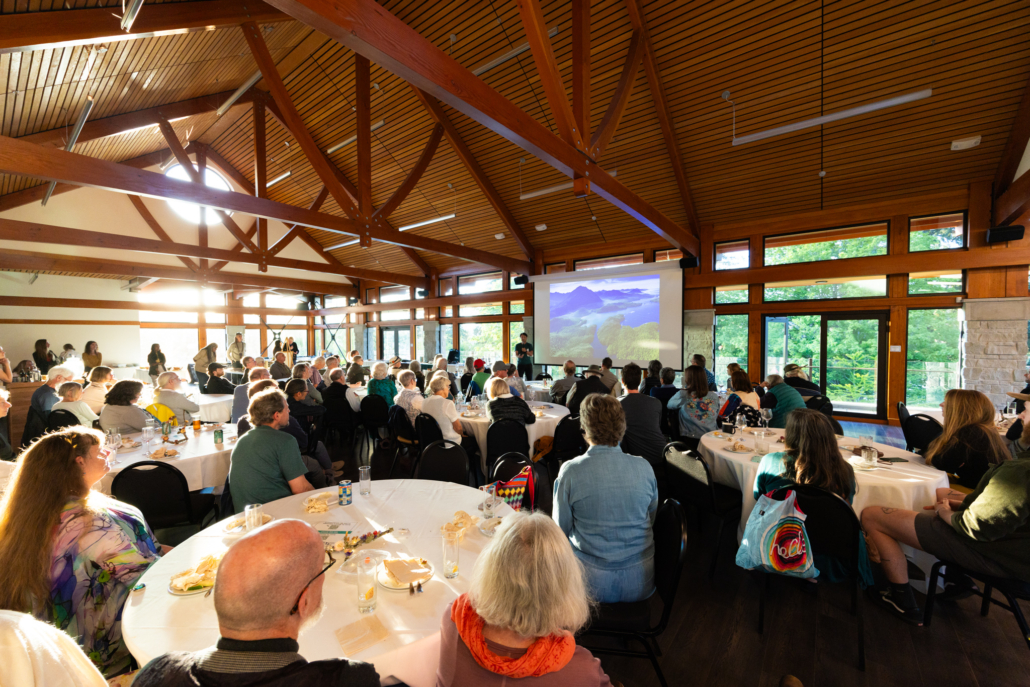
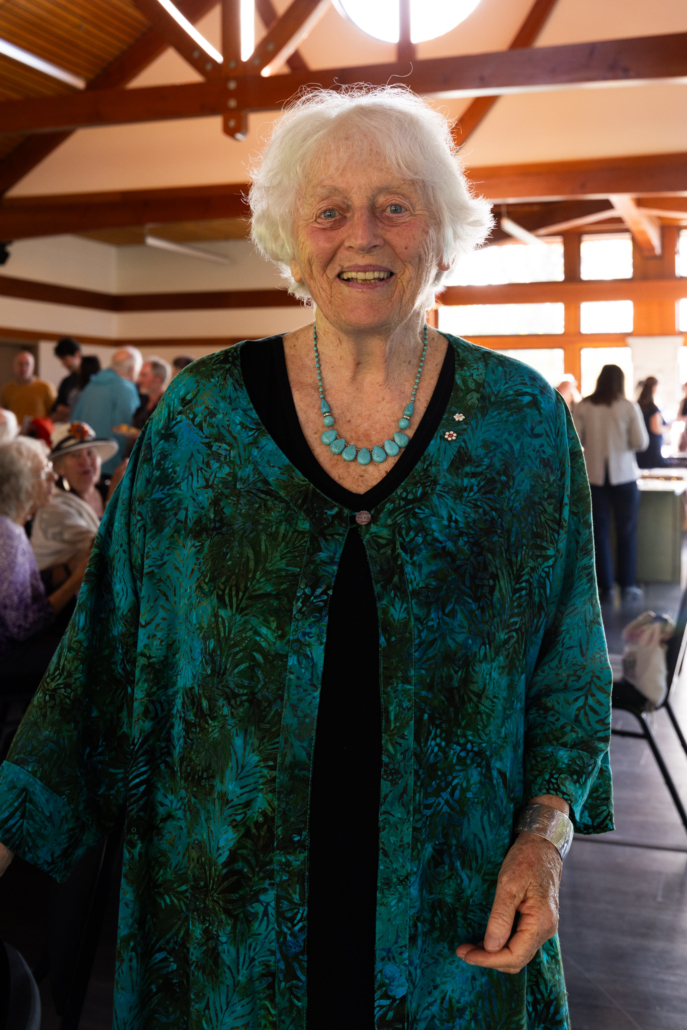
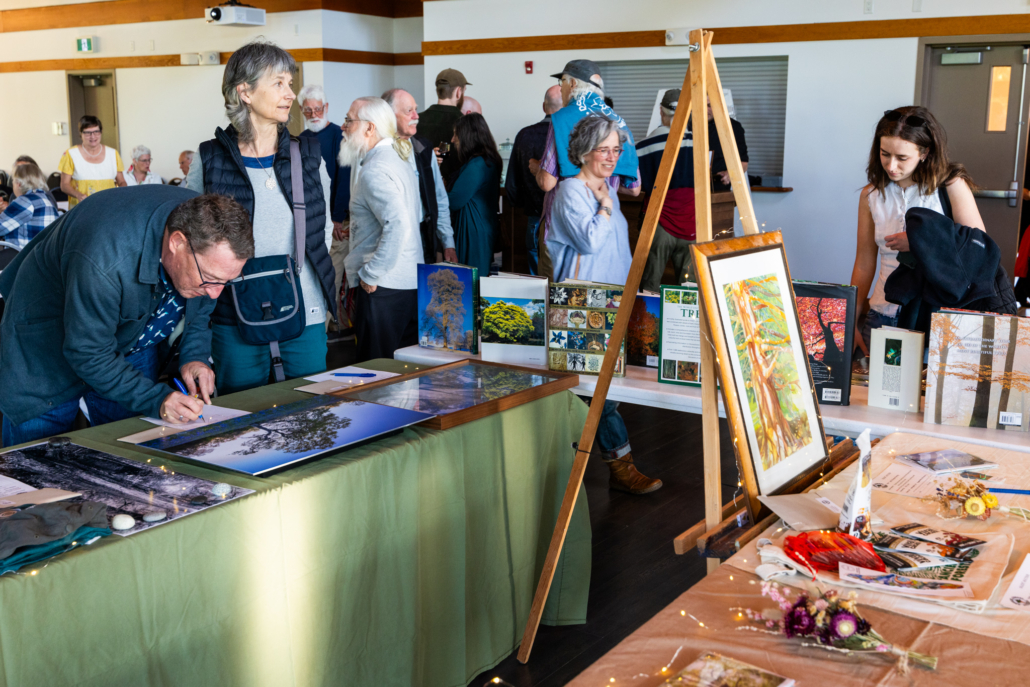
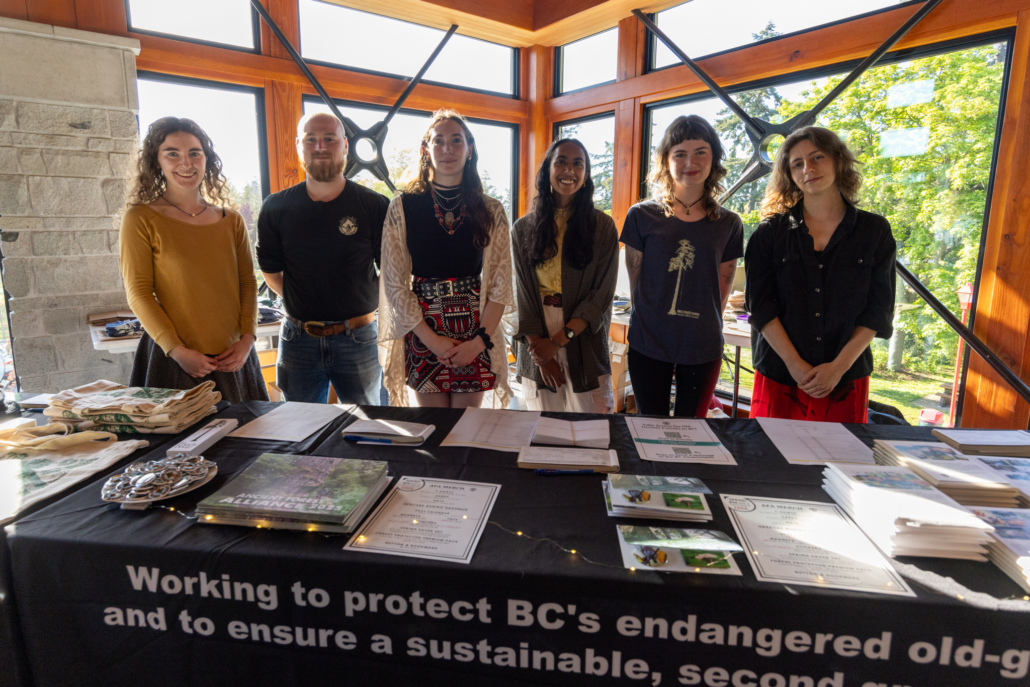
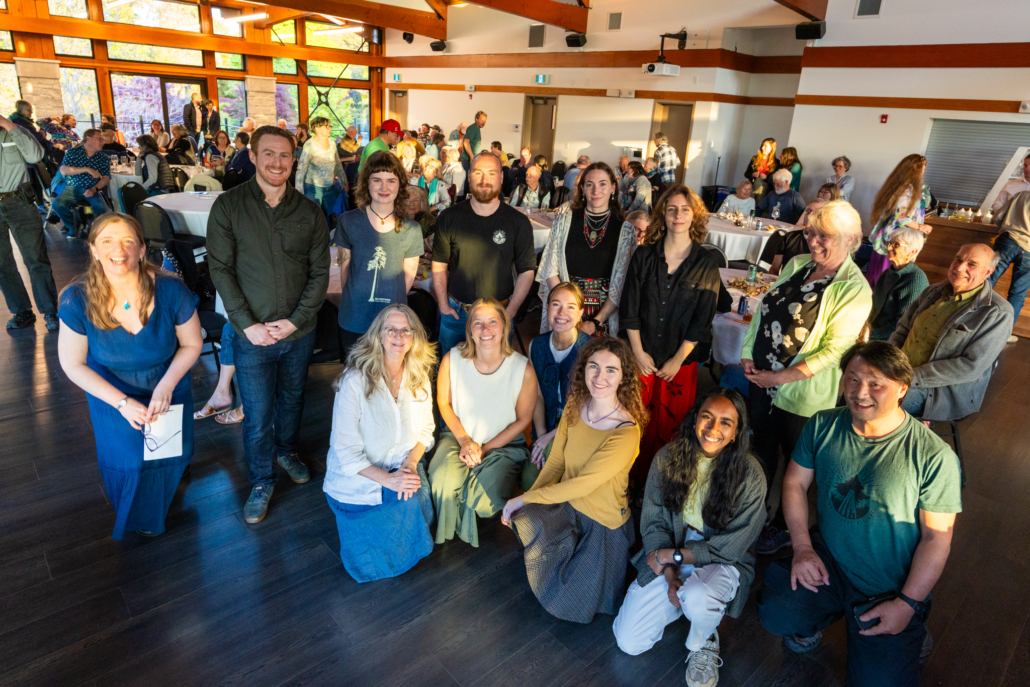
Thank you to everyone who attended and/or supported the Ancient Forest Alliance’s (AFA) 15th Anniversary Celebration & Fundraiser on May 1st at the beautiful Gorge Pavilion!

It was truly special to connect in person with our amazing community while reflecting on everything we’ve accomplished together over the past 15 years and looking ahead to what’s next.

From AFA’s humble beginnings, with co-founders TJ and Ken running things on a shoestring budget, to early wins like the protection of Avatar Grove, to the powerful movement we’ve built today—with over a billion dollars in provincial-federal funding now on the table for nature conservation in BC—it’s been an incredible journey so far!

Thanks to your generosity, we raised over $13,000 to support our efforts to protect endangered old-growth forests in BC. We’re so grateful.

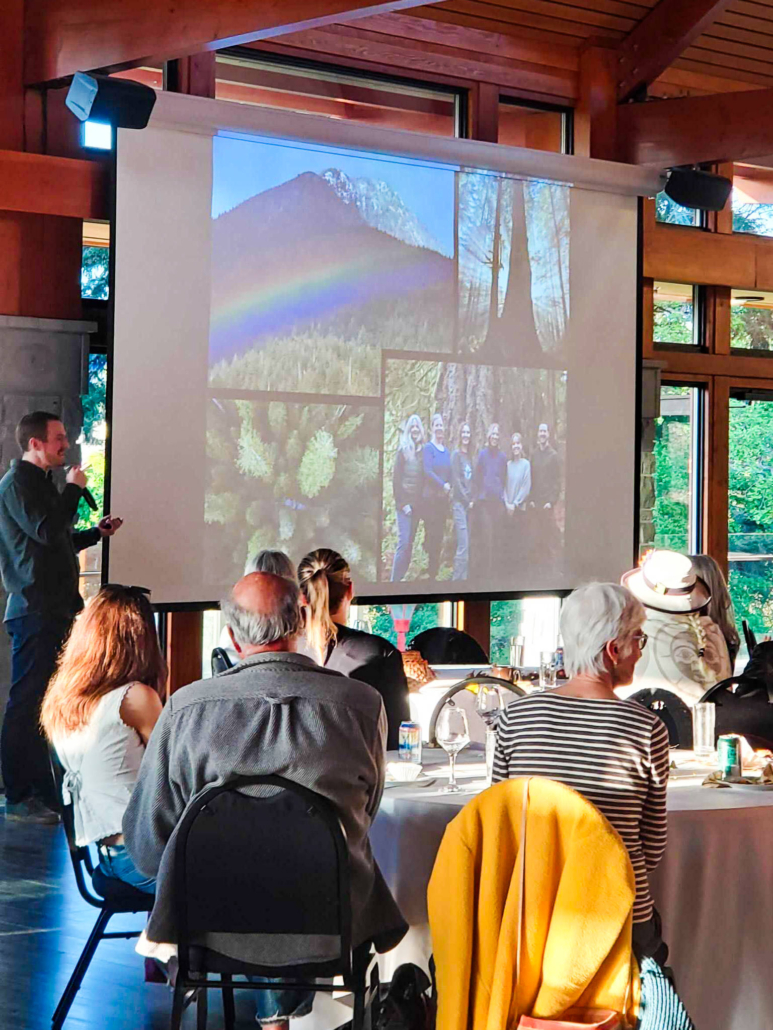
Meeting many of you in person was a beautiful reminder of the dedicated, passionate, and kind community standing with us. As TJ shared during his presentation, AFA’s first year began with just 55 monthly donors, and 44 of you are still with us to this day. Your continued support, along with that of the thousands who’ve joined since, has been essential to AFA’s success over the past decade and a half. Thank you.

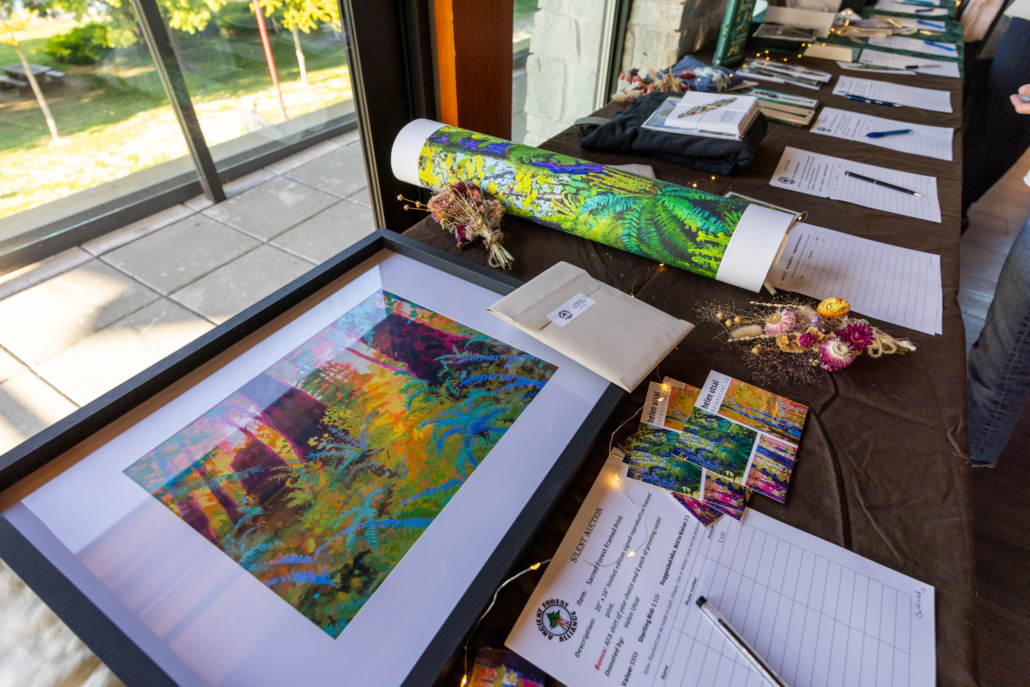
We also want to give a heartfelt shout-out to the local businesses and individuals who generously donated to our silent auction. Thank you to: Edith Looker, Helen Utsal, Cathy Hussey, Diana Beresford-Kroeger, Nathan Hutchinson, Mike Pedde, Living Forest Campground, Tantalus Design, BFit Personal Training, Organic & Sustainable Trading Company, The Basic Books Group & Thor Hanson, Viva Cacao!, Patagonia Victoria, Russell Books, Wildwood Saunas, Havn Saunas, Nicola North Art, WildPlay Element Parks, Seaflora Skincare, Robinson’s Outdoor Store, Silfr Metal Art, Understory Supply Co., and Amanda Key Design.

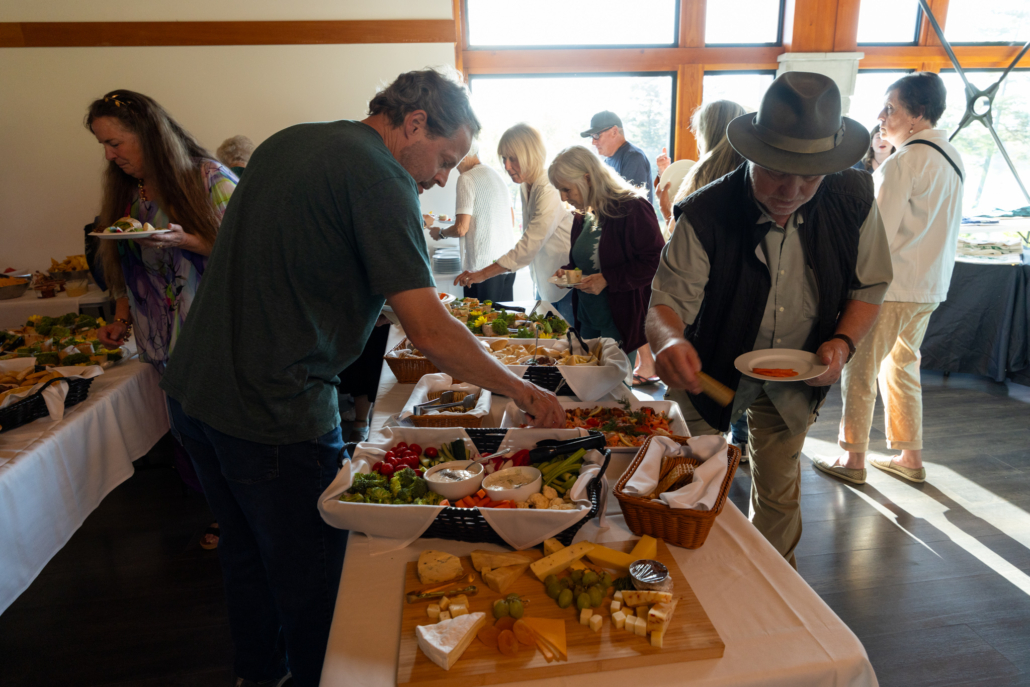
And a big thank you to Food For Thought Catering and Bon Macaron for the delicious eats, Twist of Fate for the refreshing drinks, Zero Waste Emporium for providing cutlery and mugs through their free dish library, and the Gorge Pavilion staff.

We’re proud of how far we’ve come and thankful to have you with us for what’s next.

For the forests,

The AFA Team


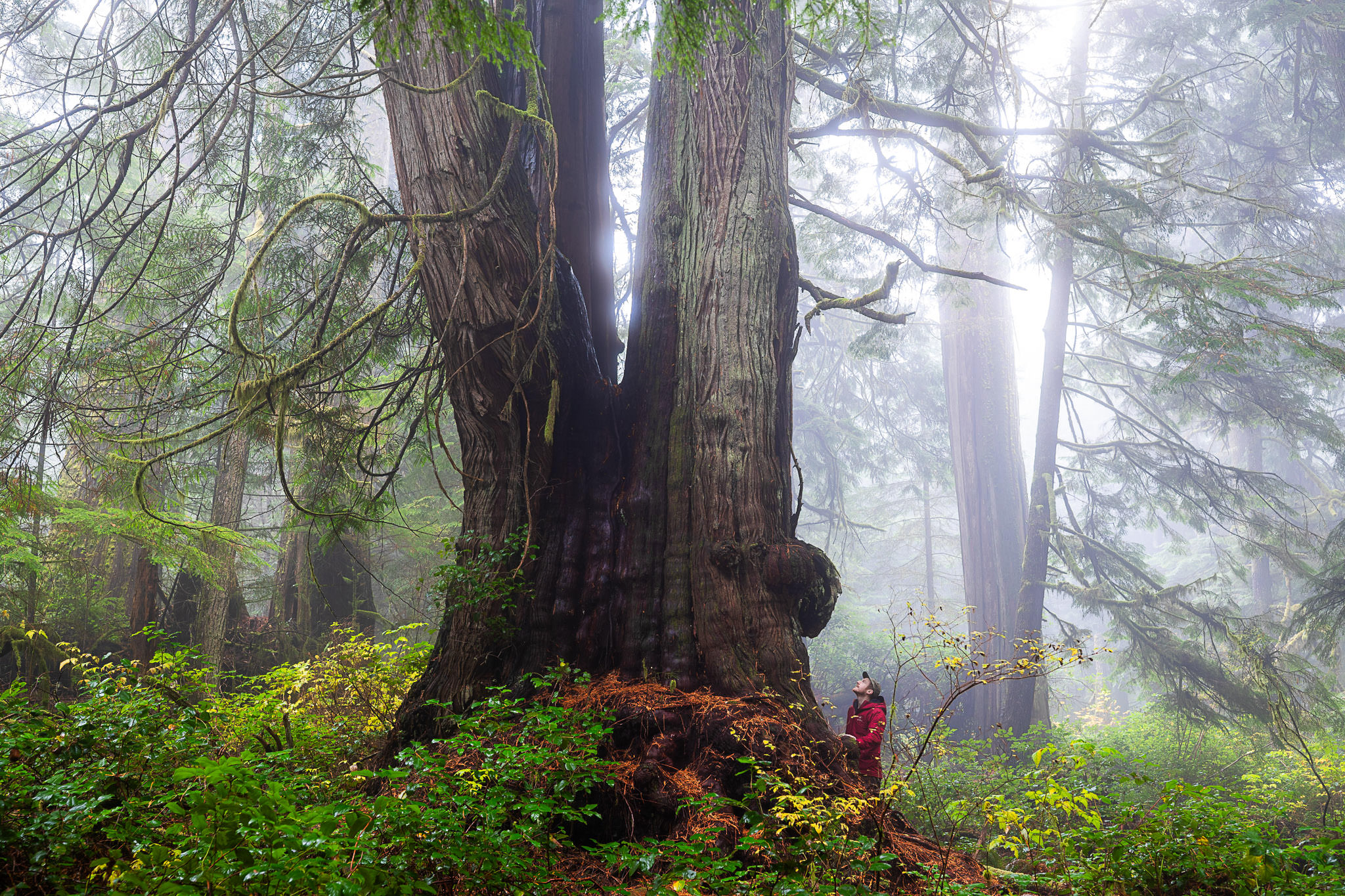
Ancient Forest Alliance Campaign Director TJ Watt stands beside a giant old-growth redcedar tree in the unprotected Jurassic Grove near Port Renfrew in Pacheedaht territory.

Earth Day — Environmental Groups to BC Government: Go Forward, Not Backward on Old-Growth Protection and Modernization of BC Forestry

Victoria, BC – This Earth Day, the Ancient Forest Alliance (AFA) and Endangered Ecosystems Alliance (EEA) are calling on the BC government to refocus on their incomplete measures to protect old-growth forests, implement their draft Biodiversity and Ecosystem Health Framework, and ensure a transition to a sustainable, value-added second-growth forest industry. At the same time, the groups are issuing a strong warning: commercial logging must not be permitted in protected areas under the guise of wildfire risk reduction.

“The BC government can go in two basic directions in response to the current tariff threats from the U.S.: take the easy but foolish route by falling back on the destructive status quo of old-growth logging and raw log exports, or instead take the opportunity to invest in a modernized, sustainable, value-added, second-growth forest industry that is the future of forestry in BC, while protecting the last old-growth forests,” said Ken Wu, Executive Director of EEA. “The verbal musings by the Ministry of Forests to discuss potential logging with BC Parks in parks and protected areas is a red flag for us – and a serious red line if it takes the form of commercial logging, as opposed to non-commercial restoration of fire-dependent ecosystems where decades of fire suppression has occurred. Crossing the red line into commercial logging of protected areas and/or Old-Growth Management Areas would become the biggest regret of the BC NDP government, environmentally speaking, if they choose to go there – we would ensure that this is so.”

This Earth Day, AFA and EEA are calling on the provincial government to:

  • Establish a BC Protected Areas Strategy to proactively pursue the protection of priority ecosystems through shared decision-making with First Nations.
  • Develop Ecosystem-Based Protection Targets to ensure endangered ecosystems and big-tree old-growth forests are fully protected in both legislated protected areas and in conservation reserves (forest reserves). The forthcoming Biodiversity and Ecosystem Health Framework offers the greatest opportunity to implement these targets.
  • Provide “solutions space” funding to First Nations to help secure the remaining 1.3 million hectares of priority old-growth deferrals by offsetting lost forestry revenues.
  • Ensure a transition to sustainable logging of second-growth forests, which now constitute the vast majority of forest lands in southern BC.
  • Close logging loopholes by ending logging in forest reserves such as Old-Growth Management Areas and Wildlife Habitat Areas, and ensuring commercial logging within parks or conservation reserves remains prohibited.
  • Expand a smart forest industry by incentivizing value-added second-growth manufacturing, ending raw log exports, and promoting eco-forestry.
  • Create a BC Conservation Economy Strategy to support eco-tourism, clean tech, and sustainable industries in protected areas.
Ancient Forest Alliance Campaign Director TJ Watt stands beside a giant old-growth redcedar tree in the unprotected Jurassic Grove near Port Renfrew in Pacheedaht territory.

Ancient Forest Alliance Campaign Director TJ Watt stands in the unprotected Jurassic Grove near Port Renfrew in Pacheedaht territory.

“The BC NDP government should be thanked for its commitment to protect 30% by 2030 by securing over $1 billion in provincial-federal conservation financing to make it happen, deferring logging on 1.2 million hectares of the Technical Advisory Panel’s most at-risk old-growth, and starting the value-added, second-growth transition – but it still comes up short on both conservation policies and sustainable job creation,” said TJ Watt, Campaign Director of AFA.

In response to mounting pressures, including the threat of escalating U.S. tariffs, AFA and EEA call on the BC government to build a diversified and resilient economy by transitioning to a sustainable, value-added, second-growth forest industry, protecting old-growth forests in partnership with First Nations, and creating incentives to support a conservation-based economy.

“This Earth Day, we urge the province to move forward, not backward, to build a diversified, resilient economy in BC while undertaking the vital and overdue protection of endangered ecosystems,” said Watt. “The BC government can achieve this by establishing a BC Protected Areas Strategy to proactively seek the protection of candidate protected areas in priority ecosystems through shared decision-making with First Nations. This strategy should be guided by Ecosystem-Based Protection Targets to ensure endangered ecosystems and big-tree old-growth forests are fully protected, and in the interim, we urgently need ‘solutions space’ funding to offset First Nations’ lost forestry revenues to help secure the remaining 1.3 million hectares of priority old-growth deferrals.”
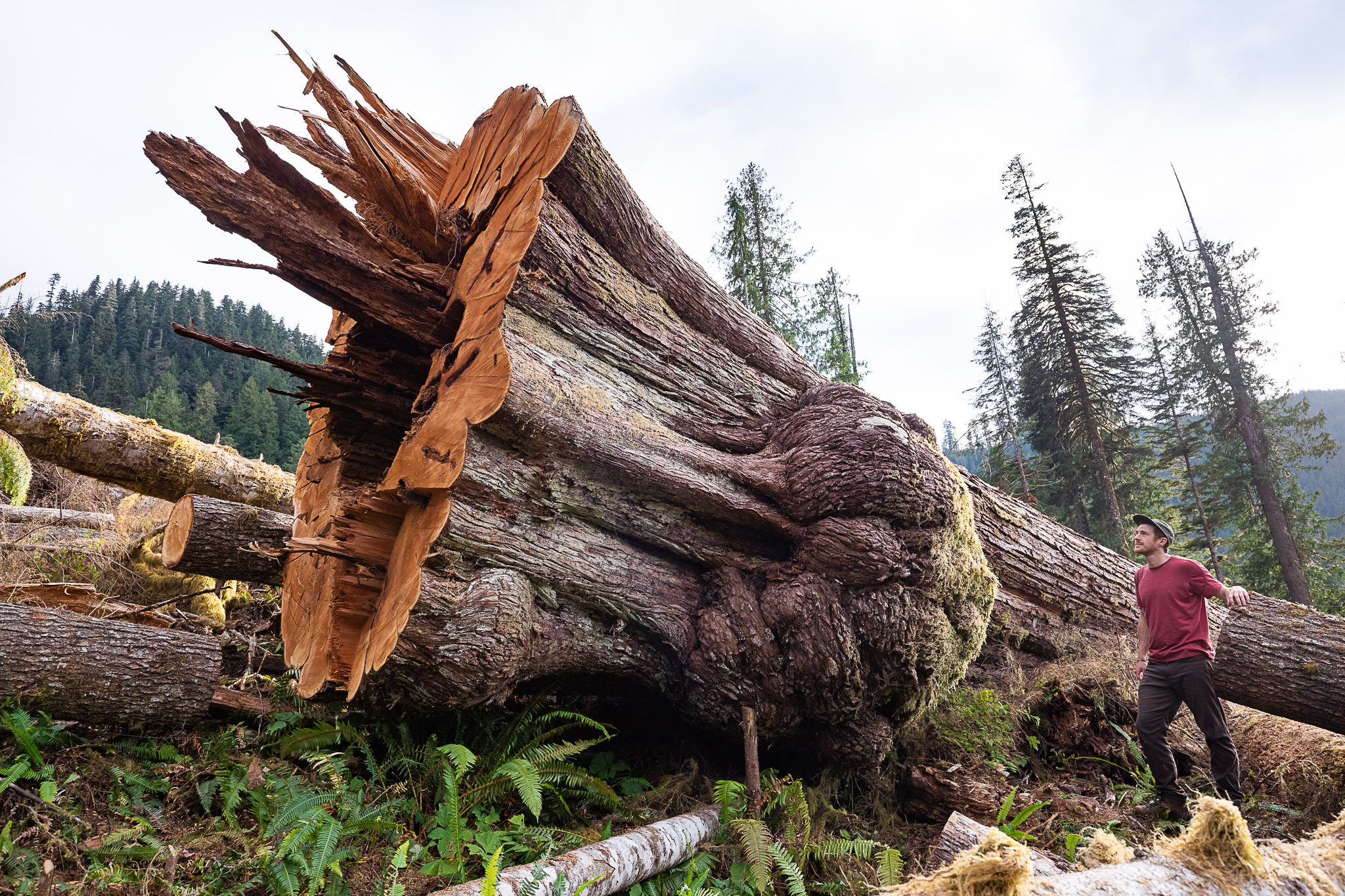
AFA's TJ Watt beside a giant old-growth redcedar tree cut down by logging company Teal-Jones in the Caycuse Valley in Ditidaht territory.

AFA’s TJ Watt beside a giant old-growth redcedar tree cut down by logging company Teal-Jones in the Caycuse Valley.

To secure permanent protection for endangered old-growth forests, the groups also issue a warning to the Ministry of Forests that commercial logging within protected areas under the pretext of wildfire risk reduction will be greatly opposed.

In fire-driven Interior ecosystems of BC dominated by lodgepole pine, Interior Douglas-fir, western larch, and Ponderosa pine, decades of fire suppression by the province, carried out to maximize timber values for logging companies, have disrupted natural fire cycles. In some areas, this has led to unnaturally dense stands with greater fuel loads, including allowing in-grown trees (that would normally burn down when they are smaller from regular, natural ground fires) to grow larger and then act as “fire ladders” that enable flames to climb from the forest floor into the canopies, where they can catch onto the branches of the largest trees. These forest giants are normally fire-resistant at their bases due to their extremely thick, fire-resistant bark on their lower trunks, often allowing them to survive successive natural fire cycles. The increased fuel loads and the dense fire ladder trees, combined with climate change, are thus creating more intensive forest fires.

In these instances, ecosystem restoration in protected areas in the form of non-commercial (i.e., not for sale) thinning, prescribed burns, and where appropriate, an ecological wildfire policy of allowing natural wildfires to burn where it is deemed safe for human communities, can be merited to help restore the ecology of these fire-driven ecosystems (much biodiversity is dependent on the aftermath of these fires, where life proliferates) and to minimize the ultimate fire risk for any nearby communities. BC Parks has already used these methods in the past.

However, commercial logging for profit in parks and protected areas under the guise of fire management would be a completely different activity. It would include targeting of the larger, more commercially valuable trees and would set a precedent and open the door for a much greater scale of logging that is far more impactful than ecosystem-restoration initiatives. As such, conservation groups completely oppose it.

In addition, it should be noted that none of this has any relevance to coastal or Interior rainforests, should any PR efforts be undertaken by government or industry to justify potential logging in old-growth rainforests in protected areas under a fake fire-risk management banner.

“If the Ministry of Forests is in discussions with BC Parks to permit commercial logging in protected areas under the pretext of reducing wildfire risk, this is a red line that must not be crossed under any circumstances,” said Wu. “Non-commercial ecosystem restoration and fire-proofing areas adjacent to human communities are very different than commercial logging. Allowing commercial logging for profit in parks, conservancies, or Old Growth Management Areas (OGMAs) under the guise of fire risk management would ignite the biggest conservation battle in years against the province.”
“Logging old-growth forests for commercial purposes in the name of fire prevention is a Trojan horse for ecological destruction,” said Watt. “The province must focus on tackling climate change, the key driver behind the increasing scale and severity of forest fires, and non-commercial ecological restoration, while securing the protection of endangered ecosystems, especially carbon-rich old-growth forests, which play a vital role in climate stability.”
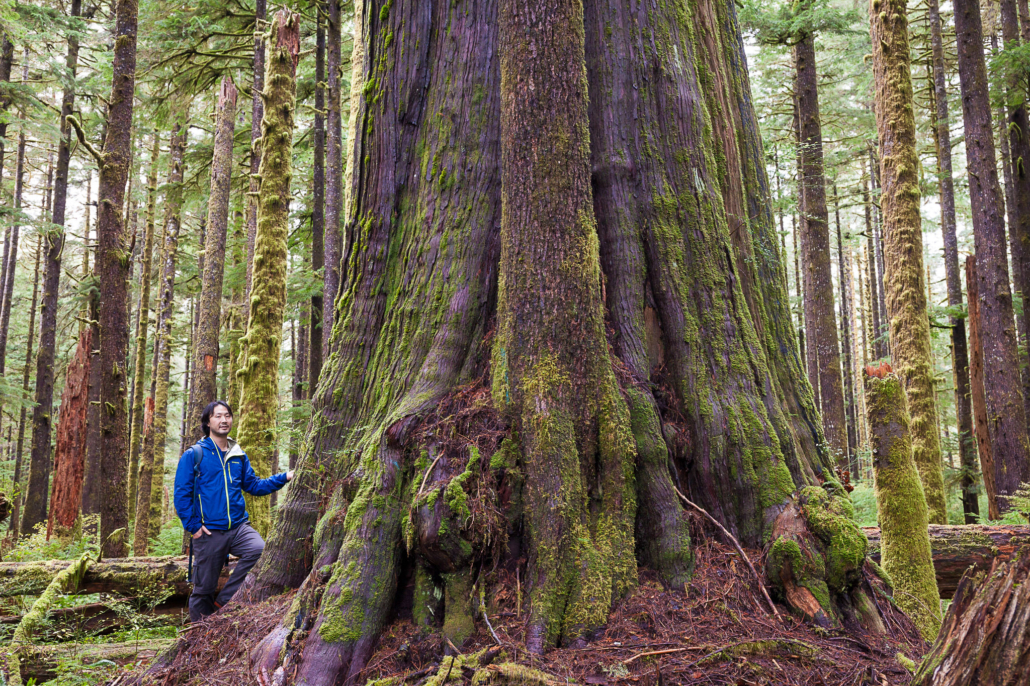
Endangered Ecosystems Alliance Executive Director Ken Wu stands beside a giant old-growth redcedar tree in the unprotected Eden Grove near Port Renfrew in Pacheedaht territory.

Endangered Ecosystems Alliance Executive Director Ken Wu stands beside a giant old-growth redcedar tree in the unprotected Eden Grove near Port Renfrew in Pacheedaht territory.