 https://ancientforestalliance.org/wp-content/uploads/2026/08/Canoe-Creek-Cedar-Tree-262.jpg
800
1200
TJ Watt
https://ancientforestalliance.org/wp-content/uploads/2026/05/Ancient-Forest-Alliance-logo.svg
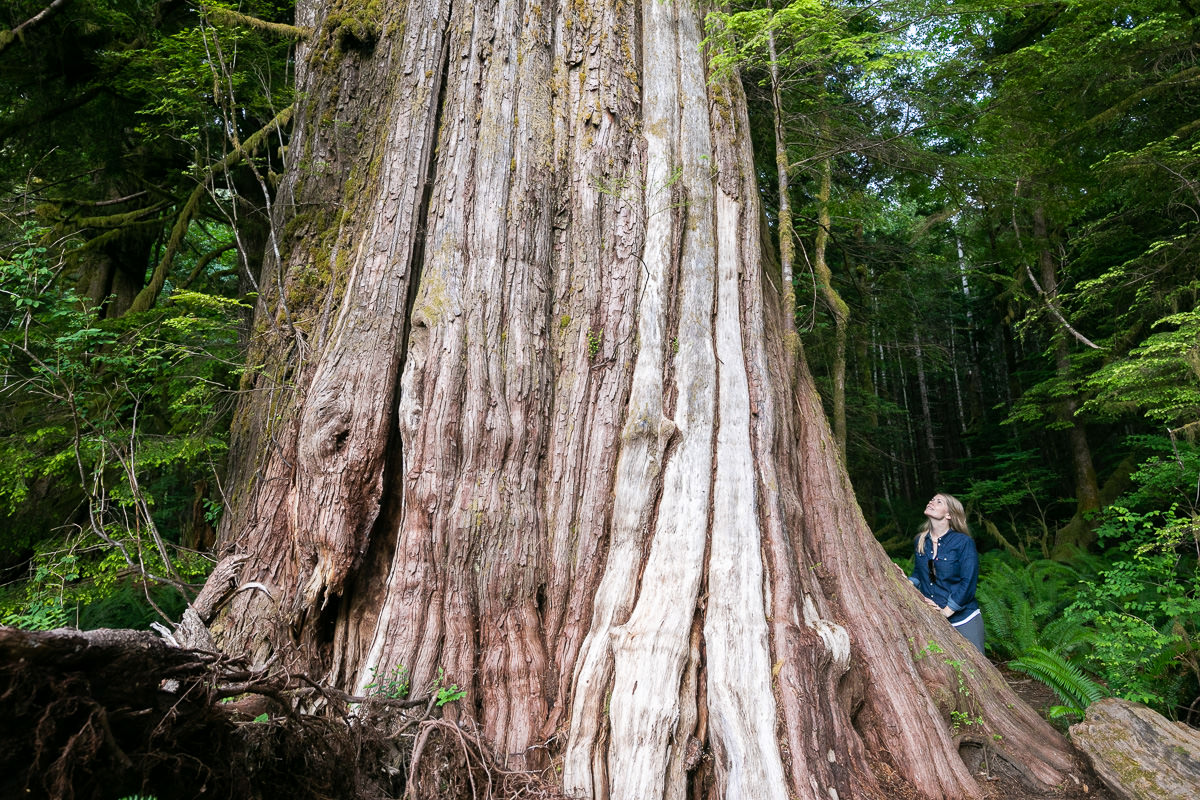
TJ Watt2026-08-04 17:15:512026-08-04 17:15:51Thank you to our monthly business donors!
https://ancientforestalliance.org/wp-content/uploads/2026/08/Canoe-Creek-Cedar-Tree-262.jpg
800
1200
TJ Watt
https://ancientforestalliance.org/wp-content/uploads/2026/05/Ancient-Forest-Alliance-logo.svg
TJ Watt2026-08-04 17:15:512026-08-04 17:15:51Thank you to our monthly business donors!Related Posts
https://ancientforestalliance.org/wp-content/uploads/2026/08/Canoe-Creek-Cedar-Tree-262.jpg
800
1200
TJ Watt
https://ancientforestalliance.org/wp-content/uploads/2026/05/Ancient-Forest-Alliance-logo.svg
TJ Watt2026-08-04 17:15:512026-08-04 17:15:51Thank you to our monthly business donors!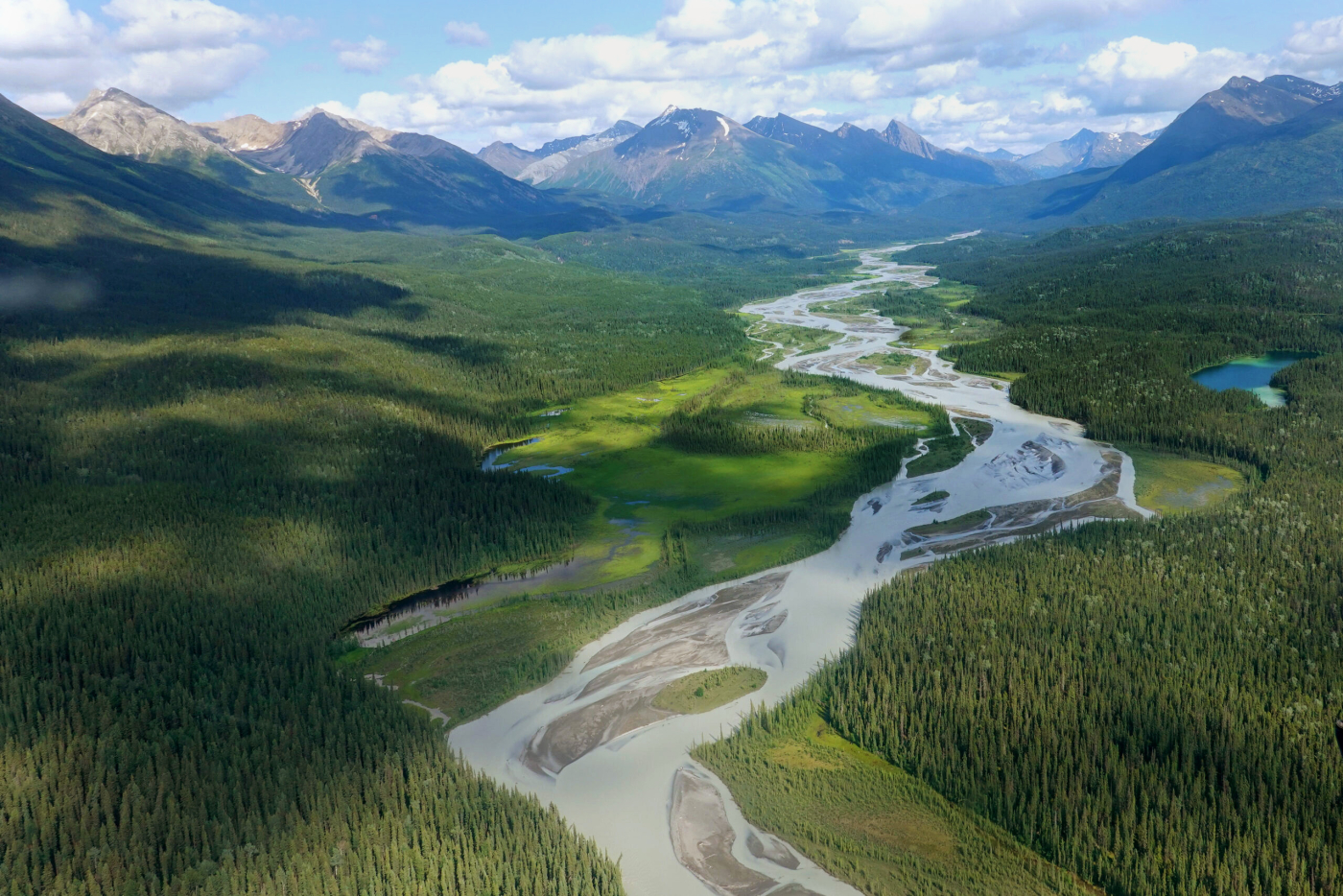 https://ancientforestalliance.org/wp-content/uploads/2026/07/Kaska-Territory.-Credit-Johnny-Mikes-CPAWS-BC-scaled-1.jpg
1707
2560
TJ Watt
https://ancientforestalliance.org/wp-content/uploads/2026/05/Ancient-Forest-Alliance-logo.svg
TJ Watt2026-07-24 15:34:372026-07-28 11:05:22Speak up for Three Major New Protected Areas in Northern BC
https://ancientforestalliance.org/wp-content/uploads/2026/07/Kaska-Territory.-Credit-Johnny-Mikes-CPAWS-BC-scaled-1.jpg
1707
2560
TJ Watt
https://ancientforestalliance.org/wp-content/uploads/2026/05/Ancient-Forest-Alliance-logo.svg
TJ Watt2026-07-24 15:34:372026-07-28 11:05:22Speak up for Three Major New Protected Areas in Northern BC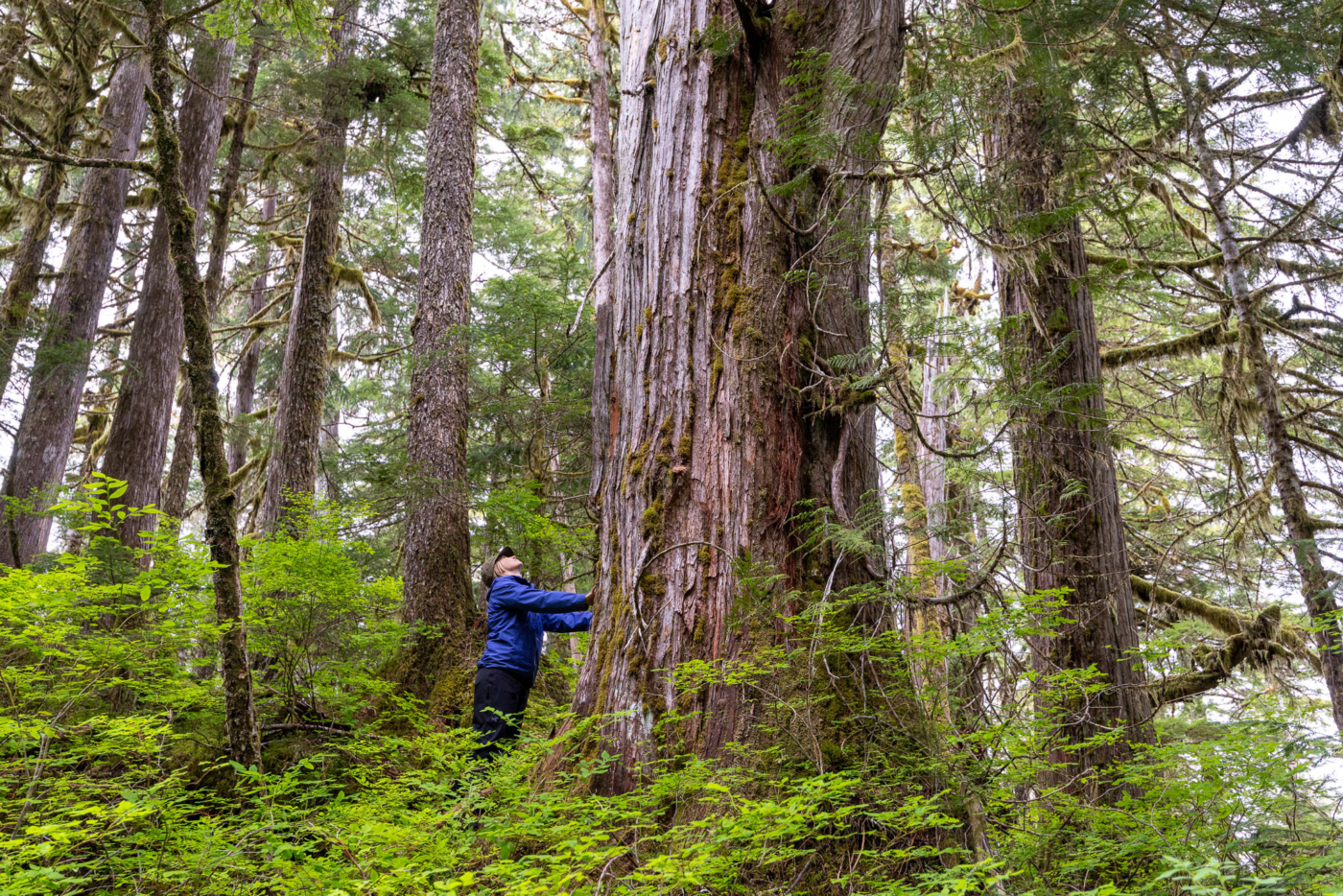 https://ancientforestalliance.org/wp-content/uploads/2026/06/tahsish-river-old-growth-karst-forest-285-1.jpg
1366
2048
TJ Watt
https://ancientforestalliance.org/wp-content/uploads/2026/05/Ancient-Forest-Alliance-logo.svg
TJ Watt2026-07-20 10:46:412026-07-20 12:16:45Victoria Buzz: Old growth advocates call for protection of at-risk Vancouver Island forest
https://ancientforestalliance.org/wp-content/uploads/2026/06/tahsish-river-old-growth-karst-forest-285-1.jpg
1366
2048
TJ Watt
https://ancientforestalliance.org/wp-content/uploads/2026/05/Ancient-Forest-Alliance-logo.svg
TJ Watt2026-07-20 10:46:412026-07-20 12:16:45Victoria Buzz: Old growth advocates call for protection of at-risk Vancouver Island forest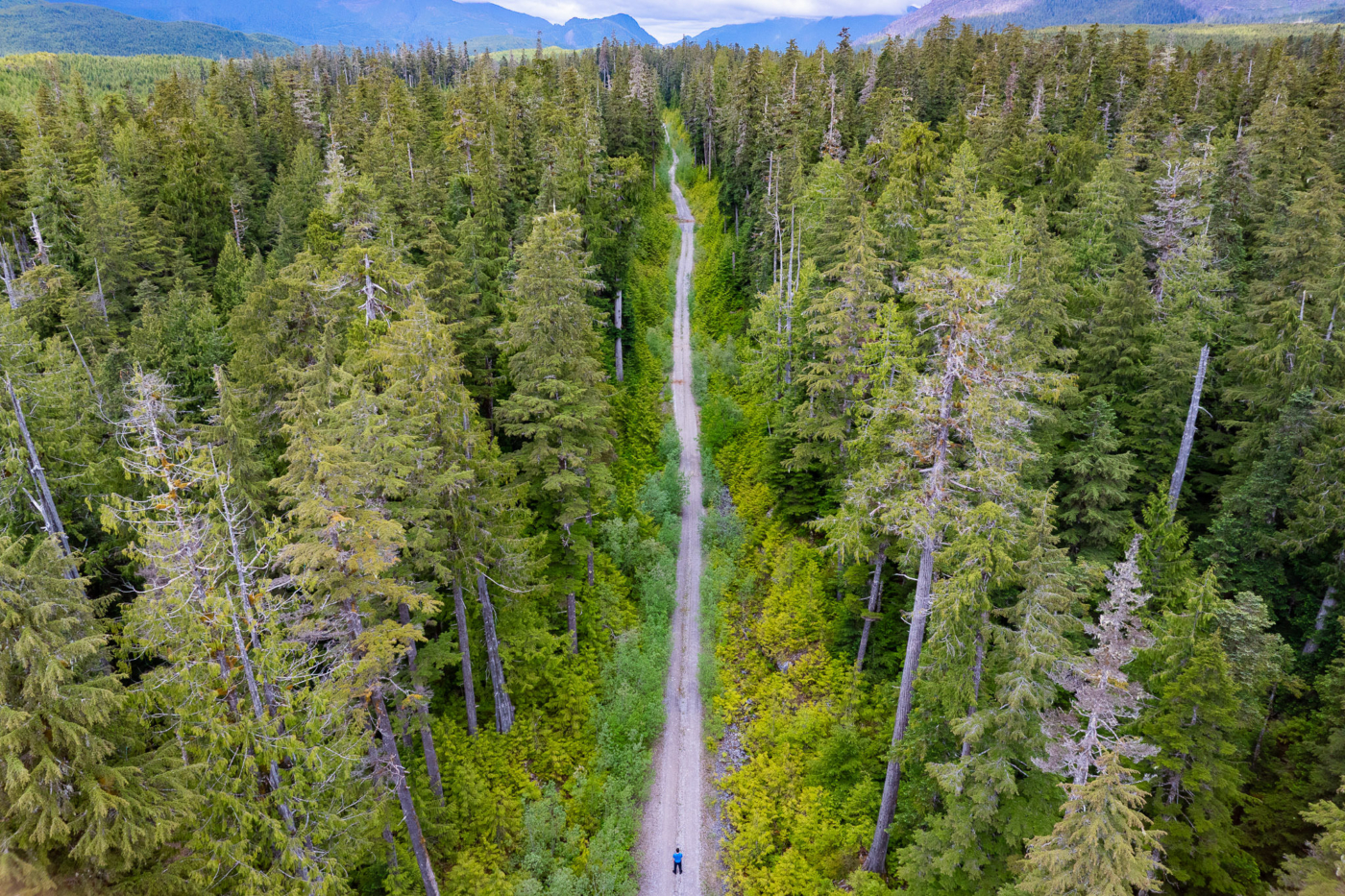 https://ancientforestalliance.org/wp-content/uploads/2026/06/tahsish-river-old-growth-karst-forest-136-1.jpg
1365
2048
TJ Watt
https://ancientforestalliance.org/wp-content/uploads/2026/05/Ancient-Forest-Alliance-logo.svg
TJ Watt2026-07-17 11:54:012026-07-17 11:56:51In Photos: Old-Growth Forest on Karst in the Tahsish Valley
https://ancientforestalliance.org/wp-content/uploads/2026/06/tahsish-river-old-growth-karst-forest-136-1.jpg
1365
2048
TJ Watt
https://ancientforestalliance.org/wp-content/uploads/2026/05/Ancient-Forest-Alliance-logo.svg
TJ Watt2026-07-17 11:54:012026-07-17 11:56:51In Photos: Old-Growth Forest on Karst in the Tahsish ValleyTake Action
 Donate
Support the Ancient Forest Alliance with a one-time or monthly donation. Send a Message
Send an instant message to key provincial decision-makers.
Thank you to all the businesses, organizations, and artists who supported the AFA in 2019
/in Thank YouThe Ancient Forest Alliance would like to extend our deepest gratitude to the many outstanding businesses, organizations, and artists who supported our ancient forest campaign in 2019.
A huge thanks the Ball Foundation for their generous support, which strengthened our capacity to engage “non-traditional allies” like recreation and faith groups to broaden support for old-growth protection, and to Patagonia for supporting our efforts to pursue conservation financing solutions for Vancouver Island First Nations through their Environmental Grants Program. Our deepest thanks also to the Calgary Foundation and Smith Share Foundation for your generous contributions to our campaign.
A big thanks to Patagonia Victoria for organizing a hugely successful benefit night for the AFA at the screening of Treeline and for welcoming our canvassers to set up holiday booths. Thank you MEC Victoria for their in-kind gifts and for lending their retail space for our community outreach work. We also deeply appreciate the many local businesses that share their space with our canvassers before and after their shifts. It means so much to our team!
We would like to thank Bough & Antler Northwest Goods for sharing their creative talents to design AFA’s custom logo t-shirts and for donating a portion of proceeds from their business sales; Sea Flora Skincare and Gran Manitou for their generous donations and in-kind gifts; Banyen Books & Sound and to i.O.N Clothing Featuring Hemp and Company for retailing AFA Merchandise in their storefront, Kerrisdale Cameras Victoria for organizing staff fundraisers; and Tribe Archipelago and Elastic Email for your generous monthly contributions.
Thank you to the following businesses and organizations for your generosity and support: Tantalus Design, Island Return it Sidney, Handsome Dan Enterprises, Grumpy Hat, Skye Dreamer, Cadboro Bay United Church, Brentwood College Environmental Club, and Sierra Club BC.
We were thrilled to receive in-kind support from a variety of businesses and artists at our 2019 Year-End fundraiser, including:
Adrena LINE Zipline Adventure Tours, Artisans Well Gallery & Gifts, Axe & Grind, Baby Dog Canada, Big Fish Lodge, Botanical Bliss, Barnaby Black, Candace Perry Moen, COBS Bread on Millstream, COBS Bread West Shore, Country Grocer, Crag X Climbing Gym, Diane Moran, Fairway Markets, Floyds Diner, Fountain Diner, Il Terrazzo Ristorante, IMAX VICTORIA, Handsome Dan’s Port Renfrew, Kleque Method, Logan Ford, Lorelei Green, Lordco Parts Ltd. , Lynn James Art, Mark Leiren-Young, The Market on Yates, MEC Victoria, Michael Layland, Mile 19 Signs & Graphics, Patagonia Victoria, Richard Krieger, Robinson’s Outdoor Store, Save-On-Foods, Seaflora Skincare, Sheringham Distillery, Shelly Knocton Art, Real Canadian Superstore, Terry McLean, Thrifty Foods, Tiger Dave Tattoos, Quality Foods – Langford, Quest Reality Games Victoria, Turmeric Indian Cuisine, The Village Estevan, Victoria Bug Zoo Inc., Val Gavin, Village Food Markets, Wild Renfrew and Cello Bride for her beautiful cello performance.
Thank you all again for your support, creativity, and for helping to make our work possible.
Sincerely,
Andrea Inness, TJ Watt, Joan Varley, Rachel Ablack, Tiara Dhenin, Amanda Evans, and Jacob Swain.
The Ancient Forest Alliance Team
ACTION ALERT: Have your say on the BC government’s Old Growth Strategy
/in Take ActionRight now, the BC government is seeking public feedback on how it can better manage old-growth forests as part of its Old Growth Strategic Review. An independent, two-person panel is accepting public feedback via written submissions and an online questionnaire until Friday, January 31st 2020 and will report to the premier and cabinet by the end of April 2020.
SUBMIT YOUR FEEDBACK
This is a rare and critical opportunity for us to call for a science-based plan to protect BC’s endangered old-growth forests.
With entire forest ecosystems and the species they support being pushed further to the brink of extinction under BC’s destructive forest policies, it’s time for sweeping changes that put biodiversity, the climate, and the long-term wellbeing of communities first.
Please take a moment to submit your feedback. Below are some suggested points you can include:
BC’s old-growth forests:
Under its proposed Old Growth Strategy, the BC government must:
While the BC government develops its Old Growth Strategy:
ADD YOUR VOICE
AFA Year-End Celebration- THANK YOU!
/in Thank YouThank you to all who attended the AFA’s amazing 2019 Year-End Celebration last night! It was one of our best turnouts to date with more than 150 people joining us at the Victoria Event Centre. We are most grateful to you, our supporters, for your continued generosity and uplifting energy and to everyone who helped make the night a success! Special thanks to the talented Cello Bride for her heartfelt performance, the many business donors and local grocers who contributed to the silent auction and fed our guests (see below), Victoria Event Centre staff, and AFA’s hard working volunteers and team members!
Adrena LINE Zipline Adventure Tours, Artisans Well Gallery & Gifts, Axe & Grind, Baby Dog Canada, Big Fish Lodge, Botanical Bliss, Barnaby Black, Candace Perry Moen, COBS Bread on Millstream, COBS Bread West Shore, Country Grocer, Crag X Climbing Gym, Diane Moran, Fairway Markets, Floyds Diner, Fountain Diner, Il Terrazzo Ristorante, IMAX VICTORIA, Handsome Dan’s Port Renfrew, Kleque Method, Logan Ford, Lorelei Green, Lordco Parts Ltd. , Lynn James Art, Mark Leiren-Young, The Market on Yates, MEC Victoria, Michael Layland, Mile 19 Signs & Graphics, Patagonia Victoria, Richard Krieger, Robinson’s Outdoor Store, Save-On-Foods, Seaflora Skincare, Sheringham Distillery, Shelly Knocton Art, Real Canadian Superstore, Terry McLean, Thrifty Foods, Tiger Dave Tattoos, Quality Foods – Langford, Quest Reality Games Victoria, Turmeric Indian Cuisine, The Village Estevan, Victoria Bug Zoo Inc., Val Gavin, Village Food Markets, and Wild Renfrew