 https://ancientforestalliance.org/wp-content/uploads/2026/09/Old-Growth-Clearcut-Caycuse-Vancouver-Island.jpg
1364
2048
TJ Watt
https://ancientforestalliance.org/wp-content/uploads/2026/05/Ancient-Forest-Alliance-logo.svg
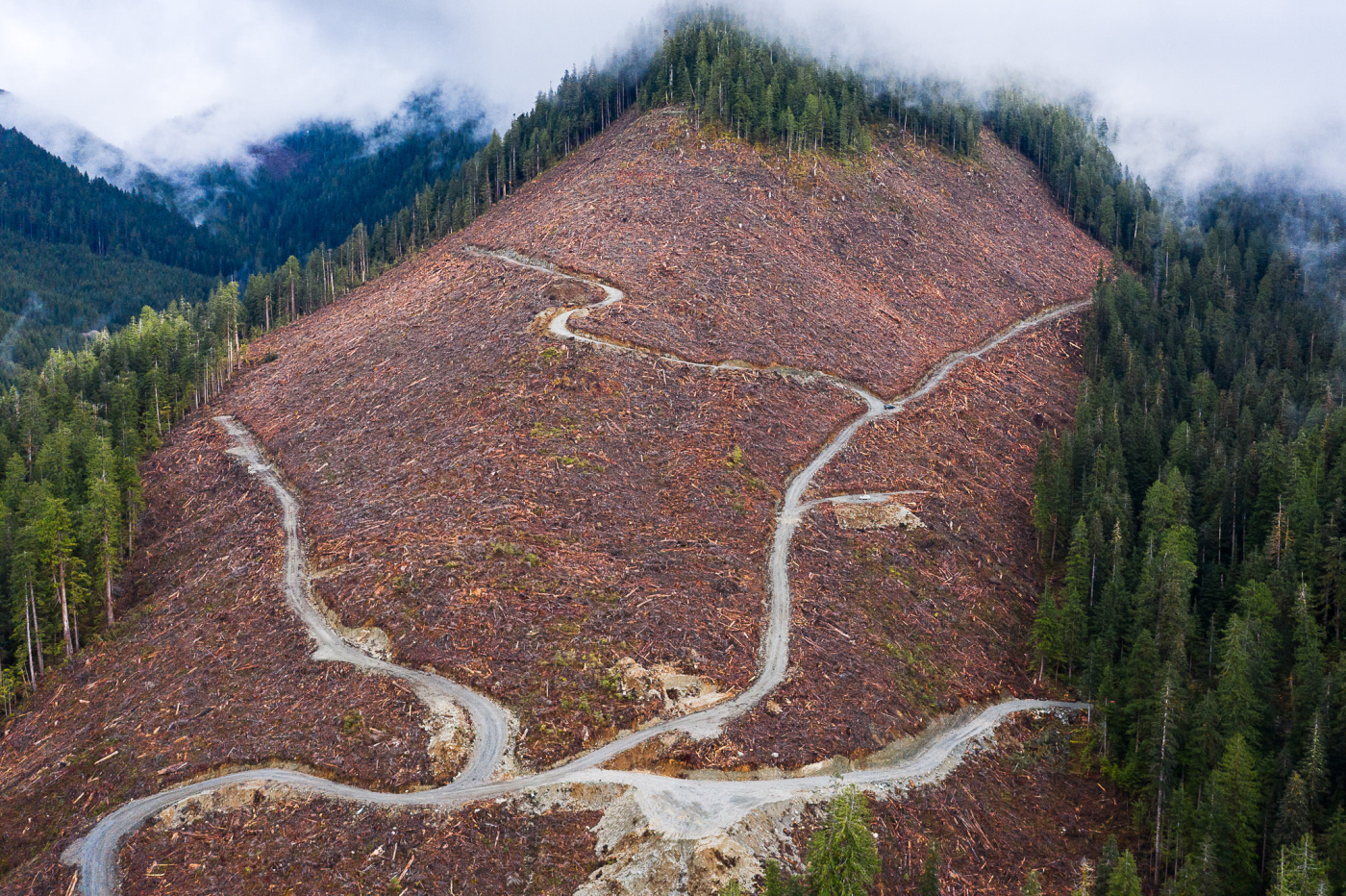
TJ Watt2026-10-26 15:06:162026-10-26 15:06:16Victoria Buzz: Environmental advocates concerned over results of BC election
Related Posts
https://ancientforestalliance.org/wp-content/uploads/2026/09/Old-Growth-Clearcut-Caycuse-Vancouver-Island.jpg
1364
2048
TJ Watt
https://ancientforestalliance.org/wp-content/uploads/2026/05/Ancient-Forest-Alliance-logo.svg
TJ Watt2026-10-26 15:06:162026-10-26 15:06:16Victoria Buzz: Environmental advocates concerned over results of BC election https://ancientforestalliance.org/wp-content/uploads/2026/10/Screenshot-2026-10-22-at-4.54.32-PM.png
952
1684
TJ Watt
https://ancientforestalliance.org/wp-content/uploads/2026/05/Ancient-Forest-Alliance-logo.svg
TJ Watt2026-10-22 16:54:062026-10-22 16:59:41NEW Video: BC Election 2026: Nature & Old-Growth Protection
 https://ancientforestalliance.org/wp-content/uploads/2026/10/Before-After-Caycuse-TJ-Watt-4-scaled.jpg
1915
2560
TJ Watt
https://ancientforestalliance.org/wp-content/uploads/2026/05/Ancient-Forest-Alliance-logo.svg
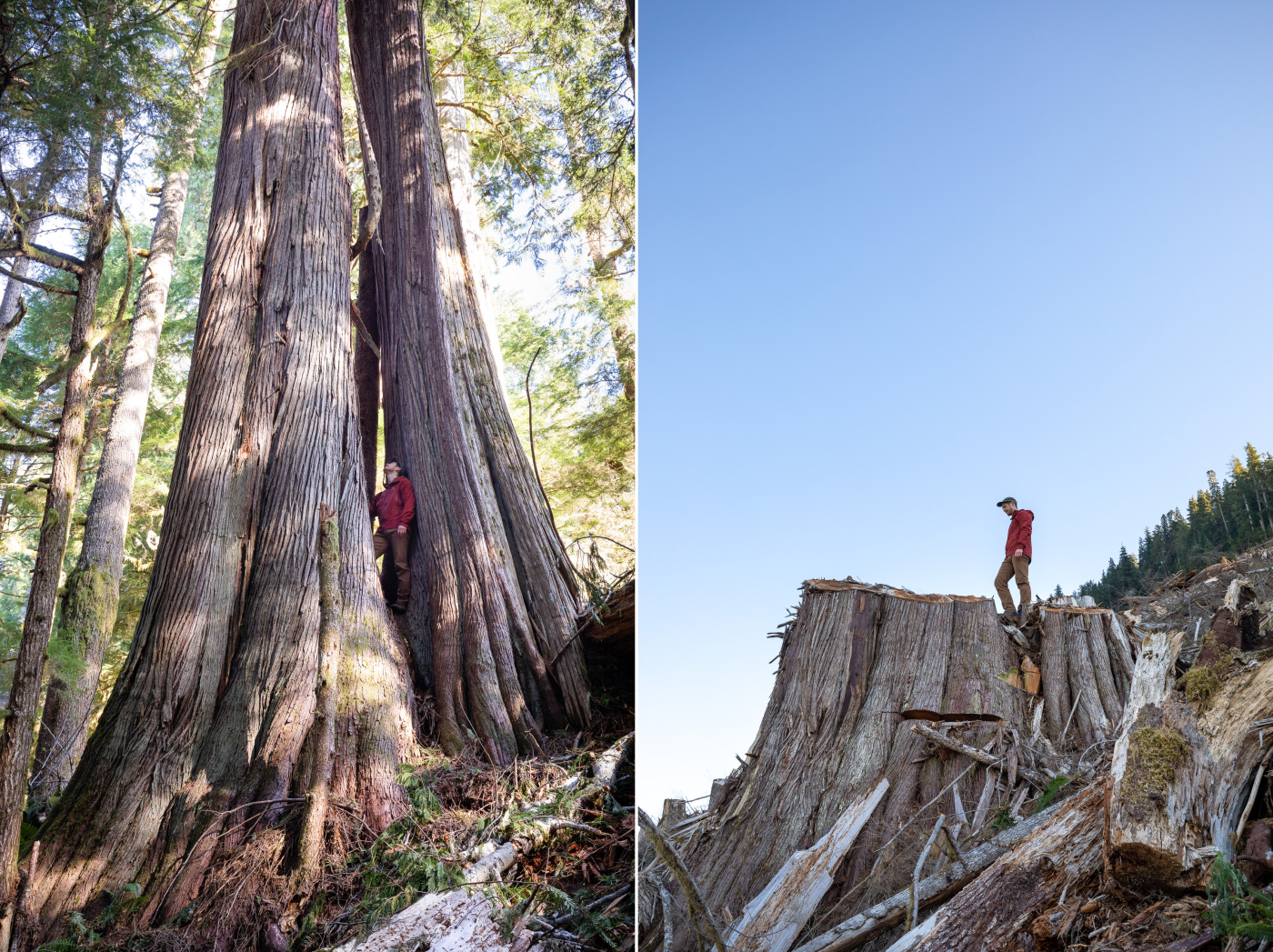
TJ Watt2026-10-16 17:36:002026-10-21 13:40:23BC Election 2026: Where do Parties Stand on Nature & Old-Growth?
 https://ancientforestalliance.org/wp-content/uploads/2026/10/BC-Election-2026-Banner-1-1-scaled.jpg
1439
2560
TJ Watt
https://ancientforestalliance.org/wp-content/uploads/2026/05/Ancient-Forest-Alliance-logo.svg
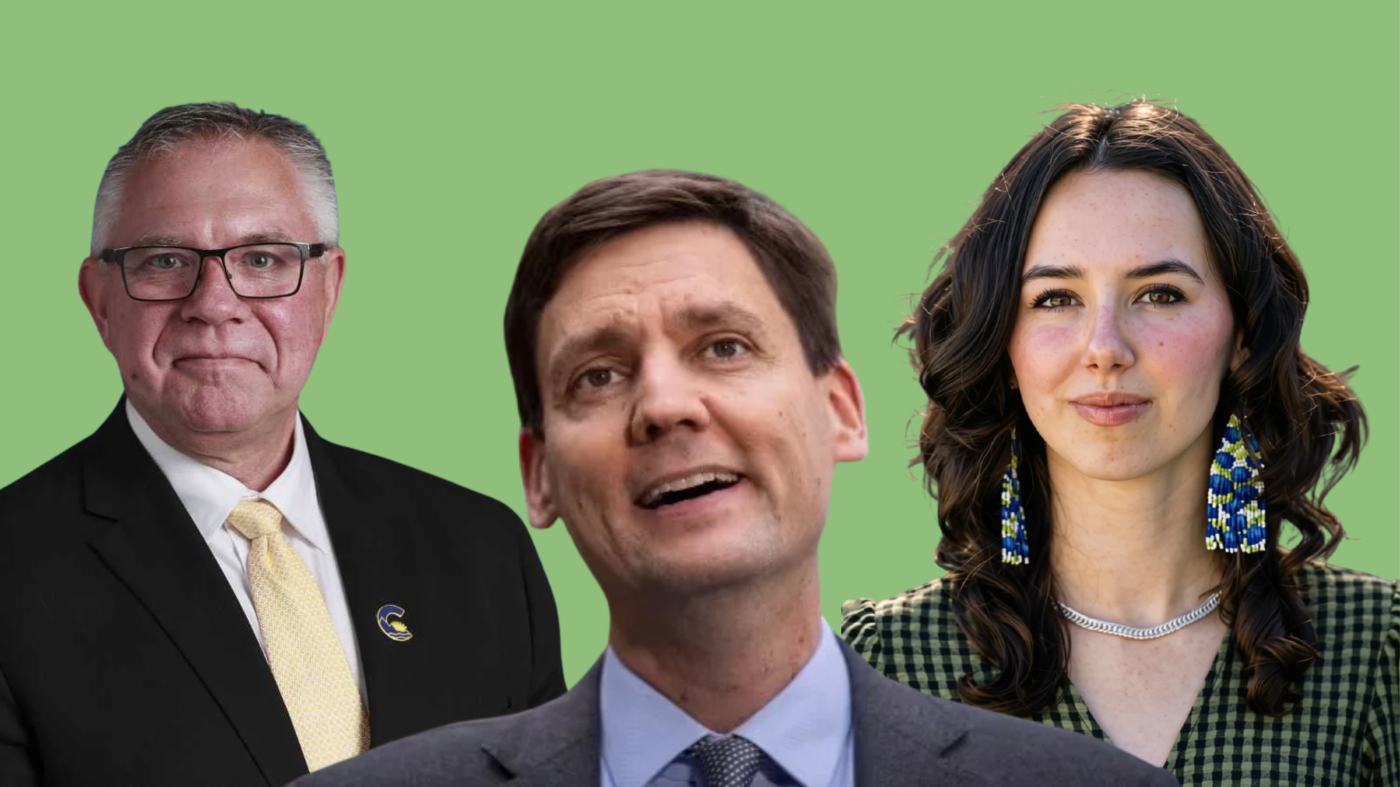
TJ Watt2026-10-09 18:16:372026-10-16 17:44:41Where do BC’s Major Political Parties Stand on Nature Protection?
Take Action
 Donate
Support the Ancient Forest Alliance with a one-time or monthly donation. Send a Message
Send an instant message to key provincial decision-makers.
Conservationists Commemorate 25-Year Anniversary of Clayoquot Sound Mass Protests, Call on BC Government to Finally Do the Right Thing and Protect Old-Growth Forests
/in Media ReleaseTofino, British Columbia – July 5th, 2018, marks 25 years since the launch of the Clayoquot Sound mass blockades against the logging of ancient forest in Clayoquot Sound by Tofino on Vancouver Island in Nuu-chah-nulth First Nations territory. Today, conservationists reflect on the impact of the historic movement and are urging the BC government to finally end the main forestry conflicts in BC by implementing science-based legislation to protect BC’s endangered old-growth forests, new regulations and incentives to foster a value-added, second-growth forest industry, and support for First Nations land use planning and sustainable economic diversification.
See a new video trailer regarding Clayoquot Sound and BC’s old-growth forests at: https://youtu.be/BreQMR_JrEo
In the summer of 1993 thousands of Canadians came to Clayoquot Sound on Vancouver Island, in the territories of the Nuu-chah-nulth peoples, to take part in the largest act of civil disobedience in Canadian history. The historic protests, organized by the Friends of Clayoquot Sound in Tofino, sought to put an end to the logging of endangered old-growth forests by timber giant MacMillan Bloedel. Over 12,000 people took part in the blockade of logging trucks over the summer, with almost 900 people being arrested. The protests garnered international media attention.
Eight years earlier, in an unprecedented show of solidarity, the Tlaoquiaht and Ahousaht First Nations were joined by local environmentalists to blockade logging of the biggest trees in Canada on Meares Island. These we first major protests against old-growth forest logging in Canada. The First Nations, in 1984, established Canada’s first Tribal Park there. Since then, the Tlaoquiaht have declared much of their territory as a Tribal Park, while the Ahousaht have developed a Land Use Vision, declaring over 82% of their territory, including all of the major intact areas, off-limits to logging.
“The movement for Clayoqout Sound – which includes the largest tracts of old-growth temperate rainforest left in southern British Columbia – was revolutionary in its impacts,” stated Valerie Langer, one of the lead organizers of the Clayoquot Sound campaign in the 1980’s and ‘90’s. “It galvanized a powerful environmental movement, strengthened First Nations rights and innovated the market campaign strategy, resulting in dramatic improvements in conservation and management in Clayoquot Sound. Elevating public understanding of old forests and clearcutting led to new environmental and land use policies in the province with a number of protected areas created in the ensuing few years. But the evidence is clear that we have yet to strike the balance between forestry and conservation on Vancouver Island and even some protection in Clayoquot is still outstanding.”
The movement also laid the foundation for science-based land-use planning and ecosystem-based management in the Great Bear Rainforest, and the expansion of First Nations resource management rights and land use planning across BC – all measures the NDP government has committed to employ to sustainably manage old-growth forests in BC going forward. It also gave rise to a generation of environmental activists.
“As a university student heavily involved in organizing the large urban rallies in Vancouver and the student blockade day in 1993, the momentous scale and impacts of the Clayoquot Sound movement imbued in me a lasting inspiration that has never left. My experiences from the Clayoquot movement of the early ‘90’s continues to energize me and sustain a resilience in me to keep fighting for nature and for a better world, decades later,” stated Ancient Forest Alliance executive director Ken Wu.
25 years on, much has changed in BC since the “War in the Woods” of the 1990s. Hundreds of thousands of hectares of prime old-growth forests have been logged; the BC economy has diversified; second-growth forests now constitute most of the productive forest lands in southern BC; the legal recognition of aboriginal rights has greatly expanded; and most people “get” it that old-growth forests can and should be protected due to the second-growth alternative for forestry.
Employment levels in BC’s forestry sector have also declined dramatically, from 99,000 jobs in 2000 to 65,000 in 2015, a loss of one-third of all forestry jobs. According to a 2008 study, the value of protecting old-growth forests now outweighs the economic benefits of logging them in large parts of the province.
In recent years, support for increased old-growth protection has expanded far beyond the environmental movement to include forestry workers and unions, businesses and Chambers of Commerce, and municipalities across BC. For example, the Union of BC Municipalities (UBCM), representing mayors, city and town councils, and regional districts throughout BC, has passed a resolution calling for an end to old-growth logging on Vancouver Island; the BC Chamber of Commerce, representing 36,000 BC businesses, has called for expanded old-growth forest protection in BC in order to benefit the economy; and the Private and Public Workers of Canada (PPWC), representing thousands of BC forestry workers, are calling for an end to old-growth logging on Vancouver Island.
“The stage is totally set for a forward-looking, progressive BC government to protect our old-growth forests, ensure sustainable, value-added, second-growth forestry jobs, and to support First Nations land use planning and sustainable economic development. Doing so will finally put an end to the vast majority of the forestry and related land use conflicts in BC,” stated Wu. “Unfortunately, the large-scale industrial logging of endangered old-growth forests is still a reality in large parts of British Columbia, and the unsustainable high-grade depletion of our finest lowland ancient forests has resulted in the increasing collapse of species and ecosystems, the impoverishment of rural forestry-dependent communities and impacts on First Nations culture.”
Last year, several environmental groups, including the Ancient Forest Alliance, Sierra Club BC, and Wilderness Committee, presented a suite of policy recommendations to Forests Minister Doug Donaldson which would protect endangered ancient forests while ensuring sustainable, second-growth forestry jobs in BC. They included science-based old-growth protection legislation, financing for First Nations conservation-based economic development and land use planning, and incentives and regulations for a sustainable value-added forest industry.
“In their election platform, the BC government promised to manage BC’s old-growth forests based on the Ecosystem-Based Management approach used in the Great Bear Rainforest agreement, which resulted in the protection of most of the forests on BC’s Central and North Coast,” stated Andrea Inness, Ancient Forest Alliance campaigner. “So far, there have been no significant changes to the unsustainable status quo in forest policies in BC. We’re at a historic juncture, wherein we still have the ability to protect some significant tracts of the finest ancient forests on Earth. But time is running out for this government to take meaningful action,” stated Inness.
More Background Information
Clayoquot Sound is 260,000 hectares in size (2600 square kilometres or 1000 square miles). It lies on western Vancouver Island and consists of a major cluster of largely-intact ancient forest valleys and islands on the Pacific Coast. It is home to bears, wolves, cougars, deer, elk, marbled murrelet seabirds, and a vast array of biodiversity. Most of Clayoquot Sound’s forests – about 75% – remain old-growth, while the inverse is true across Vancouver Island, where 75% of the productive old-growth forests have been logged. The BC NDP government’s 1993 Clayoquot Land Use Plan protected only 33% of Clayoquot Sound’s land area, much of it bogs and marginal low-productivity forests with small trees, while releasing the vast majority of the area’s productive old-growth forests with large trees for the logging industry. The Ahousaht and Tlaoquiaht First Nation bands since then have designated most of their territories off limits to logging through their own land use planning processes, but the BC government has yet to officially endorse or financially support the Ahousaht Land Use Vision or the Tlaoquiaht Tribal Parks.
Old-growth forests are vital to sustaining unique endangered species, climate stability, tourism, clean water, wild salmon, and the cultures of many First Nations. Old-growth forests – with trees that can be 2000 years old – are a non-renewable resource under BC’s system of forestry, where second-growth forests are re-logged every 50 to 100 years, never to become old-growth again.
On BC’s southern coast (Vancouver Island and the southwest mainland), 75% of the original, productive old-growth forests have already been logged, including well over 90% of the valley bottoms where the largest trees grow. 3.3 million hectares of productive old-growth forests once stood on the southern coast (with an additional 2.2 million hectares of bog, subalpine forests, and other low productivity old-growth forests of low to no commercial value with stunted trees), and today only 860,000 hectares remain, while only 260,000 hectares are protected in parks and Old-Growth Management Areas. Second-growth forests now dominate 75% of the southern coast’s productive forest lands, including 90% of southern Vancouver Island, and can be sustainably logged to support the forest industry. See “before and after” maps and stats of the southern coast’s old-growth forests at: www.ancientforestalliance.org/old-growth-maps.php
In order to placate public fears about the loss of BC’s endangered old-growth forests, the government’s PR-spin typically over-inflates the amount of remaining old-growth forests by including hundreds of thousands of hectares of marginal, low productivity forests growing in bogs and at high elevations with small, stunted trees, together with the productive old-growth forests where the large trees grow (and where most logging takes place). They also leave out vast areas of largely overcut private managed forest lands – previously managed as if they were Crown lands for decades and still managed by the province under weaker Private Managed Forest Lands regulations – in order to reduce the basal area for calculating how much old-growth forest remains, thereby increasing the fraction of remaining old-growth forests. See a rebuttal to some of the BC government’s PR-spin and stats about old-growth forests towards the BOTTOM of the webpage: https://ancientforestalliance.org/action-alert-speak-up-for-ancient-forests-to-the-union-of-bc-municipalities-ubcm/
223 international scientists call for urgent action to protect British Columbia’s endangered temperate rainforests
/in News CoverageAshland, OR —The Government of British Columbia must take urgent and immediate action to protect the globally unique ecological values of BC’s remaining primary and intact coastal and inland temperate rainforest, say 223 prominent scientists from around the world in a letter released today.
The scientists specifically call for action to protect temperate rainforests along BC’s south coast and Vancouver Island, and inland rainforests on the windward side of the Columbia and Rocky Mountains, all of which remain at risk with insufficient conservation.
The letter was organized by Dr. Dominick DellaSala, chief scientist at the Geos Institute in Ashland, Oregon and author of Temperate and Boreal Rainforests of the World: Ecology and Conservation (Island Press). According to DellaSala, “BC’s temperate rainforests are globally rare, they offer habitat for many imperiled species and globally the vast majority of these unique rainforests has already been logged. Protection of remaining intact tracts of these carbon-rich, climate saving forests is a global responsibility and can help Canada to contribute to the 2020 UN biodiversity targets and the Paris Climate Agreement.” Recently, the ninth largest Douglas-fir in Canada was cut down in the Nahmint Valley near Port Alberni. The tree, which was 66 metres tall and three metres in diameter, was in an old-growth cut block auctioned off by the BC government.
Temperate rainforests are rare, constituting just 2.5 per cent of the earth’s forests. British Columbia is home to one quarter of that total and BC’s inland rainforests are one of only two such areas worldwide.
“It is hard to overstate the cultural significance of these rainforests to the Indigenous peoples who have inhabited this part of the world for millennia,” said Dr. Barbara Zimmerman, Director of the International Conservation Fund Canada. “Their loss would be an enormous blow to all Canadians and all people of the world. Destruction of the last remnants of ancient old-growth forest with their magnificent trees and complex web of life is a rapidly unfolding tragedy and the vast majority of Canadians are unaware that it is even happening.”
According to recent estimates by Sierra Club BC, logging of old-growth temperate rainforest is currently destroying 10,000 hectares per year on Vancouver Island—the equivalent of two soccer fields per hour, 24 hours per day. Productive old-growth rainforests in lower elevations have been reduced to less than 10 per cent of their original extent. Plants and animals that depend on these rainforests are not just losing habitat, but also are suffering climate change impacts such as extended droughts, extreme rainfall and severe storms, threatening to push ecosystems to limits. Similar losses are occurring in the inland rainforest region where logging of old-growth rainforest has been extensive and is contributing to the demise of mountain caribou.
“BC has inspired the world with conservation solutions in Haida Gwaii and the Great Bear Rainforest. The province should take similar action to safeguard what remains of these globally outstanding ancient forests in other parts of the province,” said BC forest ecologist Andy MacKinnon. “The provincial government should follow through on its promise and take action for old-growth conservation using the same model and its multiple benefits for biodiversity, communities and the climate.”
Forests absorb atmospheric carbon through the process of photosynthesis and store it in long-lived plants and soils. In doing so, they help to cool down the planet. Cutting down forests releases most of their stored carbon as a global warming pollutant.
The experts are urging the provincial government to follow through on the promise to use the ecosystem-based management approach implemented in the Great Bear Rainforest to safeguard British Columbia’s endangered old-growth rainforest.
The signatories to the letter live and work in many countries, including Argentina, Australia, Canada, Indonesia, Mexico, Mongolia, Norway, the United States and Scotland.
Read the original media release here. [Original article no longer available]
Veteran B.C. forester weighs in on the continued logging of ancient giants
/in News CoverageThe public discussion about old-growth forests on Vancouver Island is rife with crooked thinking and trickery, and that’s a big problem. If we hope to have a mature discussion about how much of these irreplaceable natural assets should be conserved, then we need to be on the same song sheet.
But it is very, very hard to get to that place when the custodian of much of those lands — the provincial government of British Columbia — fails to disclose the basic facts on which to have an informed debate and then uses bad arithmetic to assert that there is far more old-growth forest left than is actually the case.
It’s hard not to conclude that both our provincial government and the association representing professional foresters in our province are deliberately trying to ensure that the public doesn’t see the forest for the trees.
Anyone who cares about our forests knows that there are essentially two camps that are at odds with one another. On the one hand, we have the industry/government camp (B.C. government, corporations and the Association of B.C. Forest Professionals) advocating the logging of the few remaining unprotected giant, ancient forests. On the other hand, we have the public camp (the general public, conservationists, some unions and non-governmental organizations) advocating the protection of these forests.
The differences between these two camps begin with definition. The logging companies, government and the ABCFP define old-growth forests as being any forest over 250 years old. Engaged members of the public, on the other hand, tend to think of old-growth forests as the original, productive, forests found at lower elevations on gentle slopes and in valley bottoms — the places where large ancient trees and a rich diversity of animal and plant life are found (or at least used to be found) in abundance.
It is these incredibly productive and ecologically diverse forests about which the general public are most concerned — a fact well known by government, the logging industry and the ABCFP.
So, to get on the same song sheet, let’s pose the three essential questions in the public interest:
These three questions are not easily answered because the “publicly available” data the government chooses to provide is deliberately and woefully incomplete, in particular for Vancouver Island.
Specifically, the data for most Tree Farm Licences (or TFLs), which constitute large areas of forestland where single corporations hold sway, are not available. Nor are good data on the extent of old-growth forests on private lands, which constitute a huge proportion of Vancouver Island. This lack of readily available data is a big problem, because only about 40 per cent of Vancouver Island is Crown land outside TFLs. Also, government information on the Crown land within TFLs is either missing or unavailable to the public.
So, on this score, the forests ministry has been woefully negligent in not providing the inventory facts for informed debate and straight thinking. Instead, it has supported the industry/government camp with crooked thinking and incomplete fact sheets.
For example, quoting a government fact sheet, the ABCFP recently stated in a November 2017 op-ed in the Times Colonist that Vancouver Island had massive amounts of old-growth forest remaining:
“Vancouver Island, which is 3.28 million hectares in size, has 2.4 million hectares of Crown land (of which) 860,000 hectares of that Crown land (46 per cent) is old growth forest and of that, about 520,000 hectares (62 per cent) is estimated to be protected,” the ABCFP boldly asserted.
If this is not a great example of crooked thinking, I don’t know what is. By the government and ABCFP’s logic, the more we log the remaining unprotected old growth, the more percentage of protected area we get!
So, using one of the most complete inventories for Vancouver Island, I asked a biologist, who specializes in analysis with geographic information systems, to answer the three questions of interest to the general public. And here are the answers that the forests ministry cannot, or will not, provide:
It is incumbent upon our provincial government to stop the arithmetic trickery and to bring intellectual honesty and scientific thinking to a resolution of the old-growth issue on Vancouver Island.
To do that, the government should refer the question of what remains of our old-growth forests on Vancouver Island to an independent, scientific panel tasked to look at how much original old-growth forest is protected and how much remains for each type of major ecosystem, and where it is. There is plenty of expertise at the University of Victoria to do just that.
I suspect that such a panel would quickly conclude that the original, productive, old-growth forest below 300 metres elevation on slopes under 17 per cent (the most ecologically diverse and productive ecosystem for animals and plants) that is truly protected on Vancouver Island in parks (less than 5%) is scarce and woefully under-represented compared to the areas protected for other types of old-growth forest.
Premier Horgan and Ministers Donaldson and Heyman: let’s see action on your election promise “to modernize land-use planning to effectively and sustainably manage B.C.’s ecosystems … forests and old growth (and to) take an evidence-based scientific approach.”
Anthony Britneff worked for the B.C. Forest Service for 40 years, holding senior professional positions in inventory, silviculture and forest health.