 https://ancientforestalliance.org/wp-content/uploads/2026/09/Old-Growth-Clearcut-Caycuse-Vancouver-Island.jpg
1364
2048
TJ Watt
https://ancientforestalliance.org/wp-content/uploads/2026/05/Ancient-Forest-Alliance-logo.svg
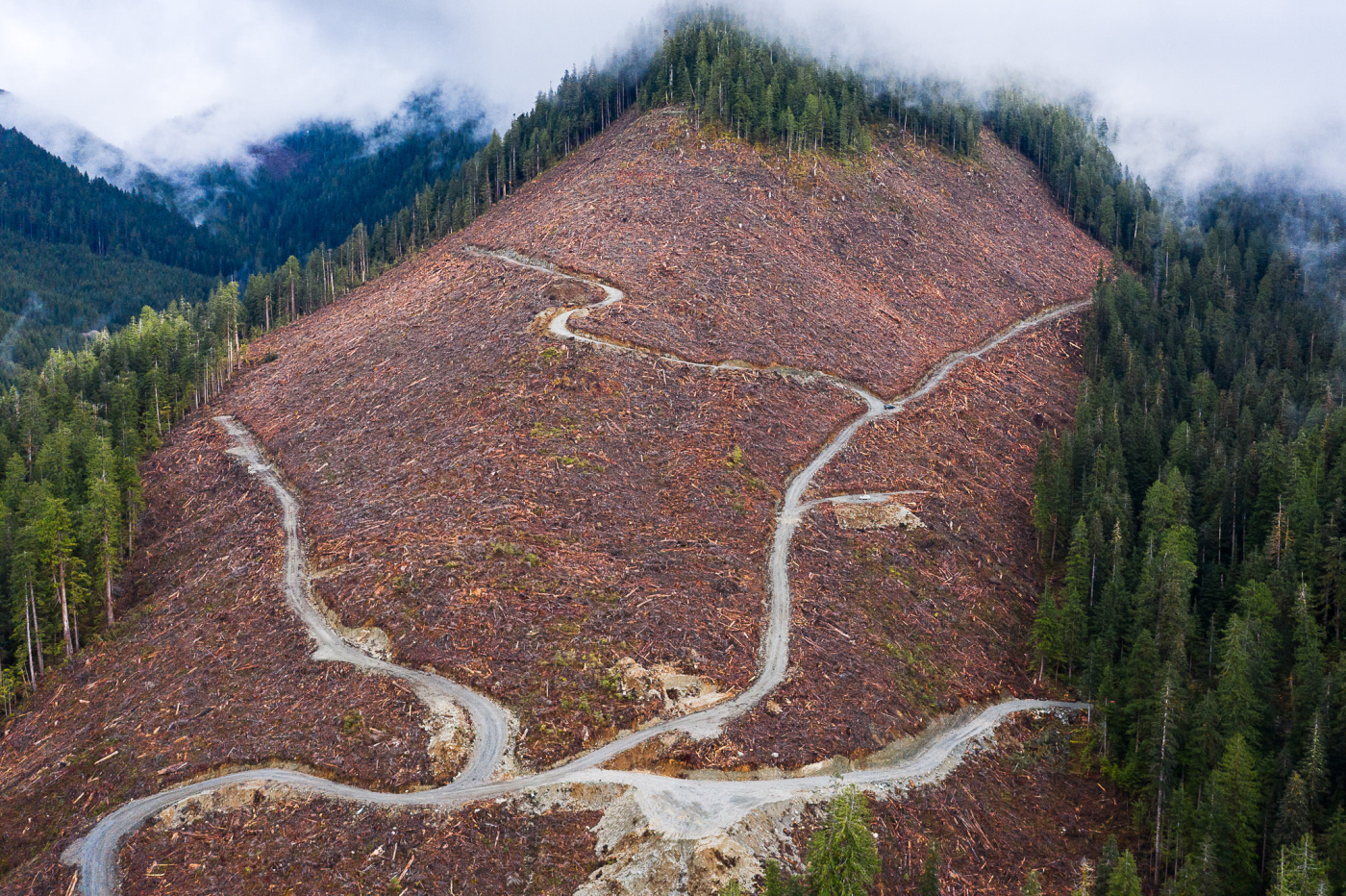
TJ Watt2026-10-26 15:06:162026-10-26 15:06:16Victoria Buzz: Environmental advocates concerned over results of BC election
Related Posts
https://ancientforestalliance.org/wp-content/uploads/2026/09/Old-Growth-Clearcut-Caycuse-Vancouver-Island.jpg
1364
2048
TJ Watt
https://ancientforestalliance.org/wp-content/uploads/2026/05/Ancient-Forest-Alliance-logo.svg
TJ Watt2026-10-26 15:06:162026-10-26 15:06:16Victoria Buzz: Environmental advocates concerned over results of BC election https://ancientforestalliance.org/wp-content/uploads/2026/10/Screenshot-2026-10-22-at-4.54.32-PM.png
952
1684
TJ Watt
https://ancientforestalliance.org/wp-content/uploads/2026/05/Ancient-Forest-Alliance-logo.svg
TJ Watt2026-10-22 16:54:062026-10-22 16:59:41NEW Video: BC Election 2026: Nature & Old-Growth Protection
 https://ancientforestalliance.org/wp-content/uploads/2026/10/Before-After-Caycuse-TJ-Watt-4-scaled.jpg
1915
2560
TJ Watt
https://ancientforestalliance.org/wp-content/uploads/2026/05/Ancient-Forest-Alliance-logo.svg
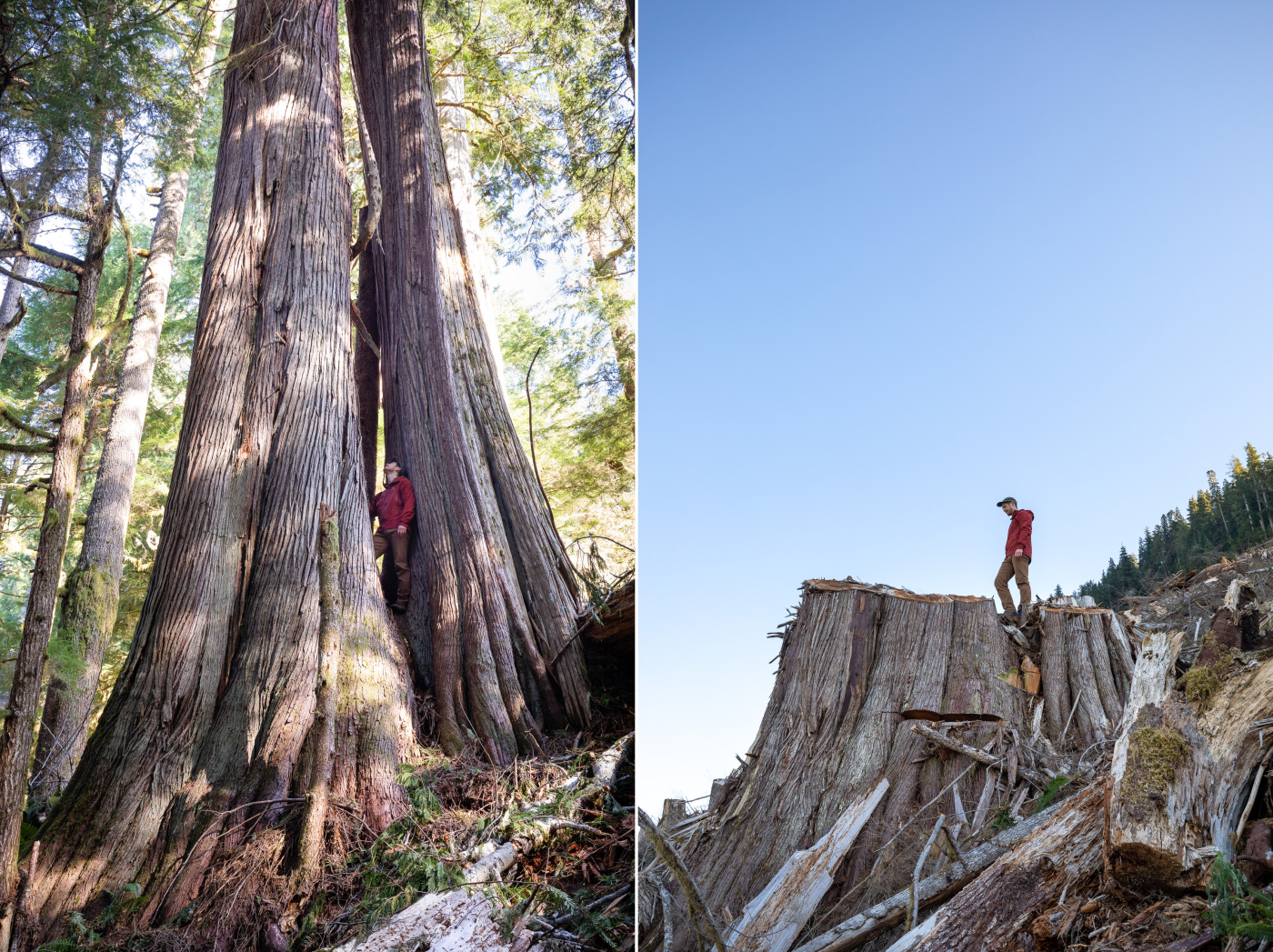
TJ Watt2026-10-16 17:36:002026-10-21 13:40:23BC Election 2026: Where do Parties Stand on Nature & Old-Growth?
 https://ancientforestalliance.org/wp-content/uploads/2026/10/BC-Election-2026-Banner-1-1-scaled.jpg
1439
2560
TJ Watt
https://ancientforestalliance.org/wp-content/uploads/2026/05/Ancient-Forest-Alliance-logo.svg
TJ Watt2026-10-09 18:16:372026-10-16 17:44:41Where do BC’s Major Political Parties Stand on Nature Protection?
Take Action
 Donate
Support the Ancient Forest Alliance with a one-time or monthly donation. Send a Message
Send an instant message to key provincial decision-makers.
Ancient Forest Alliance supports BC government’s proposal to expand Coastal Douglas-Fir ecosystem protection
/in Media ReleaseFor immediate release
December 22, 2017
Ancient Forest Alliance supports BC government’s proposal to expand Coastal Douglas-Fir ecosystem protection
The group applauds the province’s move to protect threatened Coastal Douglas-fir (CDF) ecosystems on Crown land.
Victoria, BC – The Ancient Forest Alliance (AFA) commends the BC government and Ministry of Forests on their proposal to increase the amount of Coastal Douglas-fir ecosystem protected on public (Crown) lands on Vancouver Island’s southeast coast and the southern Gulf Islands.
The BC government is proposing to protect 21 parcels of public land in Bowser, Qualicum Beach, Nanoose Bay, Gabriola Island, Ladysmith, Galiano Island, and Saltspring Island.
“The AFA is pleased to see the NDP government recognize the need to expand protections in this unique and extremely endangered ecosystem,” said Ken Wu, executive director of the Ancient Forest Alliance. “The Coastal Douglas-Fir ecosystem is home to the highest number of species at risk in BC and, with less than four percent of the region’s ecosystems protected by the province, the proposed protection measures are greatly needed.”
The Coastal Douglas-fir ecosystem, the smallest of BC’s 16 distinctive biogeoclimatic zones (classified according to their climatic and ecological features), is among the top four most endangered ecosystems in Canada, along with the Tallgrass Prairie in Manitoba, the Carolinian Forest in southern Ontario, and the “Pocket Desert“ near Osoyoos in southern BC.
Species at risk within the Coastal Douglas-fir (CDF) zone include Garry oak trees, sharp-tailed snakes, alligator lizards, and Vancouver Island screech owl and pygmy owl subspecies.
The CDF zone encompasses about 260,000 hectares on southeast Vancouver Island, the Gulf Islands south of Cortes Island, and a small area of the Sunshine Coast. About 50 percent of the entire ecosystem has been converted to human uses such as agriculture and urbanization. About one percent of the region’s original old-growth forest remains.
Most of the Coastal Douglas-fir zone was privatized through the E&N Land Grant over a hundred years ago. Only twenty percent of the area is Crown land and almost all of it is unceded First Nations territory.
“We welcome the NDP’s plan to protect more public land in this endangered ecosystem. This is a major step forward for the Coastal Douglas-Fir region. We believe the BC government must also commit funding to the purchase and protection of private lands, which constitute the vast majority of the CDF zone and encompass at-risk ecosystems that, otherwise, remain vulnerable to development or degradation” said Andrea Inness, Ancient Forest Alliance campaigner.
The Ancient Forest Alliance is calling on the BC government to establish an annual $40 million provincial land acquisition fund to purchase and protect private lands in BC, including in the Coastal Douglas-fir zone, which has the highest percentage of private land in the province of any biogeoclimatic zone in BC.
The proposed fund would rise to an annual $100 million by 2024 through $10 million increases each year and would enable the timely purchase of significant tracts of endangered private lands of high conservation, scenic, and recreation value to add to BC’s parks and protected areas system.
“In an area where only nine percent of the land base is provincial Crown land, the purchase and protection of private land is critical if we want to avoid biodiversity loss in the long-term,” said Inness. “The protected area target set out for nations under the UN Convention of Biological Diversity is 17 percent. A land acquisition fund is a vital way to ensure enough large areas are protected to reach that 17 percent target in the Coastal Douglas-fir zone.”
The AFA is also encouraging the BC government to consider a third phase of land use order protections on additional Crown lands in the CDF zone to ensure this unique ecosystem is adequately conserved and can be enjoyed by BC residents and visitors for generations.
The BC government is inviting the public to submit their comments on the proposal to increase the amount of Coastal Douglas-Fir ecosystem protections from now until Jan. 15, 2018.
Written comments may be sent to CDFOrderAmendment2017@gov.bc.ca.
Background Information
The Coastal Douglas-fir ecosystem has the mildest climate in Canada, resulting in an almost Mediterranean environment with hot dry summers, mild winters, and moderate precipitation, creating natural meadow environments. Today the area features largely second-growth forests with some pockets of old-growth veteran trees, and includes sensitive ecosystems with rocky outcroppings, arbutus trees, and Garry oak meadows.
Many regional districts in BC, such as the Capital, Nanaimo, Cowichan Valley, Strathcona, and Powell River Regional Districts, have land – or “park” – acquisition funds, some of which are augmented by the fundraising efforts of private citizens and land trusts. The Land Acquisition Fund of the Capital Regional District of Greater Victoria (CRD) has been foundational in helping to protect endangered ecosystems and lands of high recreational and scenic value.
The CRD’s fund generates about $3.7 million each year and has spent over $35 million to purchase over 4,500 hectares of land around Victoria with its partners since its establishment in the year 2000, and has helped to protect such iconic natural areas as the Sooke Hills and Potholes, Mount Maxwell on Saltspring Island, and lands between Thetis Lake and Mount Work. Like the Capital Regional District’s land acquisition fund, the proposed $40 million provincial fund could be used as leverage to raise additional funds from private land trusts, environmental groups and private donors.
One of several funding mechanisms available to the BC government for a land acquisition fund is a “Pop for Parks” initiative, where unredeemed bottle deposit funds are redirected to the protection of lands with high conservation values. While the annual $10 to $15 million Pop for Parks program would make up only part of the recommended annual $40 million fund, a report by environmental lawyer Erin Grey, produced earlier this year for the AFA, showed there are no legal or financial barriers to implementing the program in BC – only a lack of political will.
Forest advocacy group discovers grove of giant Sitka spruce trees on Vancouver Island
/in News CoverageA B.C.-based forest advocacy group has recently found an ancient grove, home to one of the biggest Sitka spruce trees in the country, on Vancouver Island.
A member of the Ancient Forest Alliance discovered the unprotected grove of giant Sitka spruce trees in the territory of the Pacheedaht First Nation that is near Port Renfrew, a town with the reputation of being the “tall tree capital of Canada.”
Ken Wu, the group's executive director, said he has had his eyes on the forest for many years, but it wasn't until Dec. 4 on a hike that he found the 11-foot-diameter Sitka spruce tree, which is wider than the 10 widest spruce listed on the B.C. big tree registry.
“[The grove] is one of the rarest types of old growth [and the] most beautiful forest,” Mr. Wu said on Sunday.
He said that finding a forest of unprotected giant Sitka spruce is highly significant because the vast majority of them on Vancouver Island have been logged.
The forest has been nicknamed FernGully Grove because of its dense and extensive understorey of ferns and is located on lands owned by TimberWest Forest Corp., but the advocacy group is encouraging the company to sell the land to the province for better protection.
According to a statement sent to The Globe and Mail, TimberWest said it has protected the Sitka spruce tree and the surrounding stand for many years, and it isn't planning to change its operation.
“We are committed to the responsible stewardship of our working forest, and actively solicit the input of interested stakeholders to strike the appropriate balance between ecological, social and economic interests. There are no plans to deviate from the conservation status of this grove in our inventory management,” TimberWest's spokeswoman Monica Bailey said in an e-mail.
The Ancient Forest Alliance is calling on the new BC NDP government to reimplement the provincial land acquisition fund, which was cancelled by the then-Liberal government in 2008, in order to purchase and protect private lands that have high conservation or recreation value.
“The B.C. government needs to implement a comprehensive, science-based plan to protect the remaining old-growth forests, while also supporting First Nations land-use plans and financing sustainable economic development and diversification in those communities in lieu of old-growth logging,” said Andrea Inness, a campaigner from the Ancient Forest Alliance.
Story continues below advertisement
She added that the FernGully Grove area is another key reason why the new provincial government needs to take action soon.
Mr. Wu said the forest has some of the most amazing wildlife population on Vancouver Island such as elk, deer, bear and cougar, and he hopes it can be kept as an ecological reserve rather than a provincial park.
“We don't want lots of people to hike here because there is so much wildlife; they will be driven away if it becomes a tourist area.”
Towering near-record Sitka spruce located near Port Renfrew
/in News CoveragePort Renfrew is billed as Canada’s Tall Tree Capital, and the latest find is helping to enforce the nickname.
The Ancient Forest Alliance (AFA) says they located an 11-foot diameter Sitka spruce tree that is the tenth widest Sitka spruce in Canada, according to the BC Big Tree Registry.
AFA says they found the massive tree in one of the last unprotected stands of old-growth Sitka spruce groves on Vancouver Island, nicknamed FernGully Grove, near Port Renfrew.
Read the original article.