 https://ancientforestalliance.org/wp-content/uploads/2026/10/Screenshot-2026-10-22-at-4.54.32-PM.png
952
1684
TJ Watt
https://ancientforestalliance.org/wp-content/uploads/2026/05/Ancient-Forest-Alliance-logo.svg
TJ Watt2026-10-22 16:54:062026-10-22 16:59:41NEW Video: BC Election 2026: Nature & Old-Growth Protection
https://ancientforestalliance.org/wp-content/uploads/2026/10/Screenshot-2026-10-22-at-4.54.32-PM.png
952
1684
TJ Watt
https://ancientforestalliance.org/wp-content/uploads/2026/05/Ancient-Forest-Alliance-logo.svg
TJ Watt2026-10-22 16:54:062026-10-22 16:59:41NEW Video: BC Election 2026: Nature & Old-Growth ProtectionRelated Posts
https://ancientforestalliance.org/wp-content/uploads/2026/10/Screenshot-2026-10-22-at-4.54.32-PM.png
952
1684
TJ Watt
https://ancientforestalliance.org/wp-content/uploads/2026/05/Ancient-Forest-Alliance-logo.svg
TJ Watt2026-10-22 16:54:062026-10-22 16:59:41NEW Video: BC Election 2026: Nature & Old-Growth Protection https://ancientforestalliance.org/wp-content/uploads/2026/10/Before-After-Caycuse-TJ-Watt-4-scaled.jpg
1915
2560
TJ Watt
https://ancientforestalliance.org/wp-content/uploads/2026/05/Ancient-Forest-Alliance-logo.svg
TJ Watt2026-10-16 17:36:002026-10-21 13:40:23BC Election 2026: Where do Parties Stand on Nature & Old-Growth?
https://ancientforestalliance.org/wp-content/uploads/2026/10/Before-After-Caycuse-TJ-Watt-4-scaled.jpg
1915
2560
TJ Watt
https://ancientforestalliance.org/wp-content/uploads/2026/05/Ancient-Forest-Alliance-logo.svg
TJ Watt2026-10-16 17:36:002026-10-21 13:40:23BC Election 2026: Where do Parties Stand on Nature & Old-Growth? https://ancientforestalliance.org/wp-content/uploads/2026/10/BC-Election-2026-Banner-1-1-scaled.jpg
1439
2560
TJ Watt
https://ancientforestalliance.org/wp-content/uploads/2026/05/Ancient-Forest-Alliance-logo.svg
TJ Watt2026-10-09 18:16:372026-10-16 17:44:41Where do BC’s Major Political Parties Stand on Nature Protection?
https://ancientforestalliance.org/wp-content/uploads/2026/10/BC-Election-2026-Banner-1-1-scaled.jpg
1439
2560
TJ Watt
https://ancientforestalliance.org/wp-content/uploads/2026/05/Ancient-Forest-Alliance-logo.svg
TJ Watt2026-10-09 18:16:372026-10-16 17:44:41Where do BC’s Major Political Parties Stand on Nature Protection?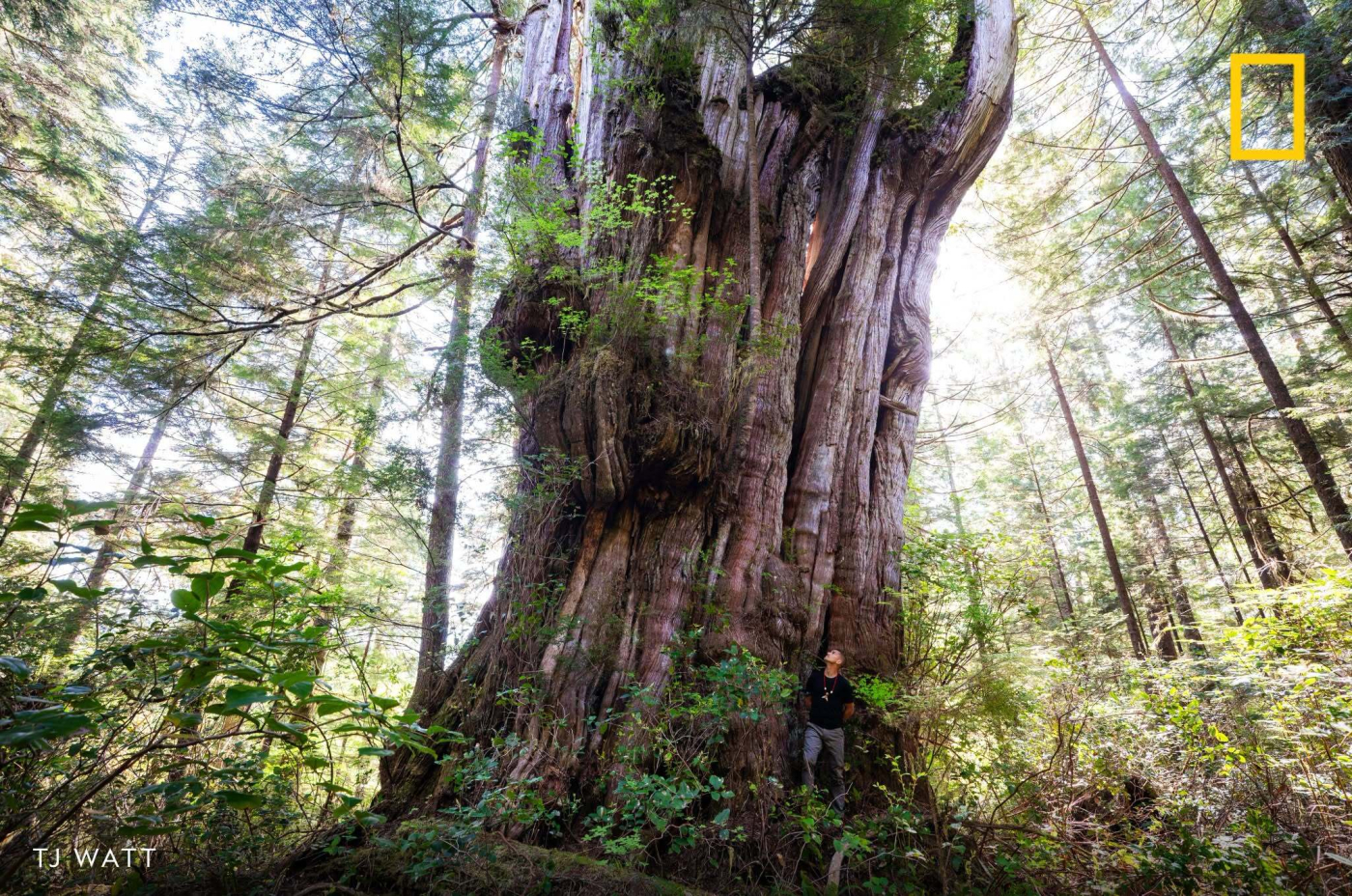 https://ancientforestalliance.org/wp-content/uploads/2026/10/Nat-Geo-Travel-Flores-Cedar.jpg
1357
2048
TJ Watt
https://ancientforestalliance.org/wp-content/uploads/2026/05/Ancient-Forest-Alliance-logo.svg
TJ Watt2026-10-02 13:38:152026-10-02 13:38:15Nat Geo Travel Features TJ Watt’s Photo of Flores Cedar
https://ancientforestalliance.org/wp-content/uploads/2026/10/Nat-Geo-Travel-Flores-Cedar.jpg
1357
2048
TJ Watt
https://ancientforestalliance.org/wp-content/uploads/2026/05/Ancient-Forest-Alliance-logo.svg
TJ Watt2026-10-02 13:38:152026-10-02 13:38:15Nat Geo Travel Features TJ Watt’s Photo of Flores CedarTake Action
 Donate
Support the Ancient Forest Alliance with a one-time or monthly donation. Send a Message
Send an instant message to key provincial decision-makers.
Nat Geo Travel Features TJ Watt’s Photo of Flores Cedar
/in AnnouncementsWow!! National Geographic Travel has featured AFA photographer TJ Watt’s image of a record-sized cedar tree on Flores Island alongside Ahousaht Hereditary Representative Tyson Atleo!
Destination Canada selected the image for its ‘Canada. A Year in Pictures’ gallery with National Geographic. The gallery celebrates the landscapes, people, and places that make Canada extraordinary, with this photo highlighting perhaps the most impressive tree in the country and the longstanding relationship between the Ahousaht people and old-growth forests.
Located on Flores Island in Ahousaht territory in Clayoquot Sound, the tree, nicknamed “The Wall,” is more than 17 feet (5 metres) wide near its base and around 150 feet (46 metres) tall.
Thankfully, it now stands protected as part of the biggest old-growth protected-areas victory in decades: 76,000 hectares of new conservancies in Clayoquot Sound, established through the leadership of the Ahousaht and Tla-o-qui-aht Nations in partnership with the BC government.
It’s not always the case that the forests featured in AFA’s photographs have a happy ending. We’re thrilled this one does, and that this historic achievement continues to be recognized and celebrated.
Ahousaht Hereditary Chief stands beside the record-breaking Flores Cedar on Flores Island in Ahousaht Territory.
Introducing the Red Creek Fir Tee!
/in AnnouncementsWe’re excited to share the winning design of our 2026 T-shirt Design Contest… introducing the Red Creek Fir Tee by Kootenay-based artist, Sarah Jane Somerville! 👕
Grab yours today!
The design features the iconic Red Creek Fir in a bold, one-colour design, in which Sarah aimed to capture the feeling of awe and wonder when looking up the trunk of a massive old-growth specimen, culminating in the very moment our eyes meet where the needles touch the sky.
With “Ancient Forest Alliance” in bold lettering to the right of the tree, and “Red Creek Fir” as a signifier below the trunk, this concept stood out to our team as a striking depiction of the grandeur of old-growth forests in BC.
The Red Creek Fir Tee is printed in two colours — Sage Grey and Seafoam Green — on a 100% organic cotton tee by Canadian company Kindred Coast. We hope you love this design as much as we do!
AFA is immensely grateful to all who submitted designs to our contest; we were blown away by the creativity, care, and thoughtfulness that went into each design and are so appreciative of everyone who helped celebrate the glorious ancient forests in BC through their art.
About the Artist
Sarah Somerville is an artist, designer, knitter, animal-lover, friend, and family member currently living in the West Kootenays. She draws inspiration from nature, music, conversations with friends, and most often comes up with design concepts when hiking with her dog, Almond. She recently started her own design company, Necessary Evil Design Co., where she offers custom work as well as shares her own designs that reflect the everyday experiences that make us human, and the ways we relate to the world around us.
Capital News: Okanagan Nation Alliance worried about proposed working forest plan
/in News CoverageThursday, September 17, 2026
By: Ty Lim
Capital News
Read the original article here.
The Syilx Okanagan Nation said it is concerned the province’s planned Working Forest Landscape Model may undermine environmental protection and Indigenous title and rights.
In a press release from the Okanagan Nation Alliance (ONA) issued Sept. 16, the coalition of Syilx First Nations said the working forest model “raises fundamental questions about how the health of the land is valued and who determines its future.
“Forests are more than a timber supply – they are interconnected living systems that sustain water, wildlife, foods, medicines, biodiversity, cultural practices and Syilx responsibilities to the land,” the ONA release reads.
“Prioritizing commercial timber production through long-term land-use designations could have significant implications for Syilx Aboriginal title and rights, governance, stewardship responsibilities, cultural use, conservation priorities and future land use decisions.”
B.C. Forests Minister Ravi Parmar announced the plans for the working forest model back in August 2026. According to Parmar, the model will reduce permit complexity and wait times for lumber companies by creating a zone-based system.
There would be three zones within the system including: a conservation or protection zone that emphasizes habitat protection, a multiple-use zone focused on long-term ecosystem function but allowing different types of uses, and a working forest zone prioritizing harvesting.
“The working forest landscape model allows us to be able to build a working forest for working people that ensures that we can address the challenges the sector is facing,” Parmar said during a press conference in August announcing the new forestry plans.
The ONA said one of its primary concerns is that the creation of working forest zones will have timber harvesting as the “dominant objective” and could limit opportunities to protect and restore the environment.
It also said there are “significant unanswered questions” on how the model would establish boundaries and how the zones would be respected legally or through policy.
The ONA also said these land management decisions should be made with the involvement of Indigenous title holders “whose territories are being affected.”
“Certainty for the forest industry cannot come at the expense of the land, water, wildlife or future generations. A modern approach to forestry must recognize Indigenous title and jurisdiction and ensure ecosystem health is not secondary to timber supply. The Syilx Forestry Principles & Standards set our expectations for forestry within Syilx Okanagan Territory. Provincial zoning will not replace our laws, responsibilities, standards or role in making decisions about our lands and resources,” said Chief Clarence Louie, Tribal Chairman of the ONA.
According to the B.C. government, the decisions on where to apply the zones are being held in conjunction with First Nations, local governments and the forestry industry. The province said it will announce the zones for a pilot of the working forest model in the fall.
– With files from Mark Page.