 https://ancientforestalliance.org/wp-content/uploads/2026/09/Old-Growth-Clearcut-Caycuse-Vancouver-Island.jpg
1364
2048
TJ Watt
https://ancientforestalliance.org/wp-content/uploads/2026/05/Ancient-Forest-Alliance-logo.svg
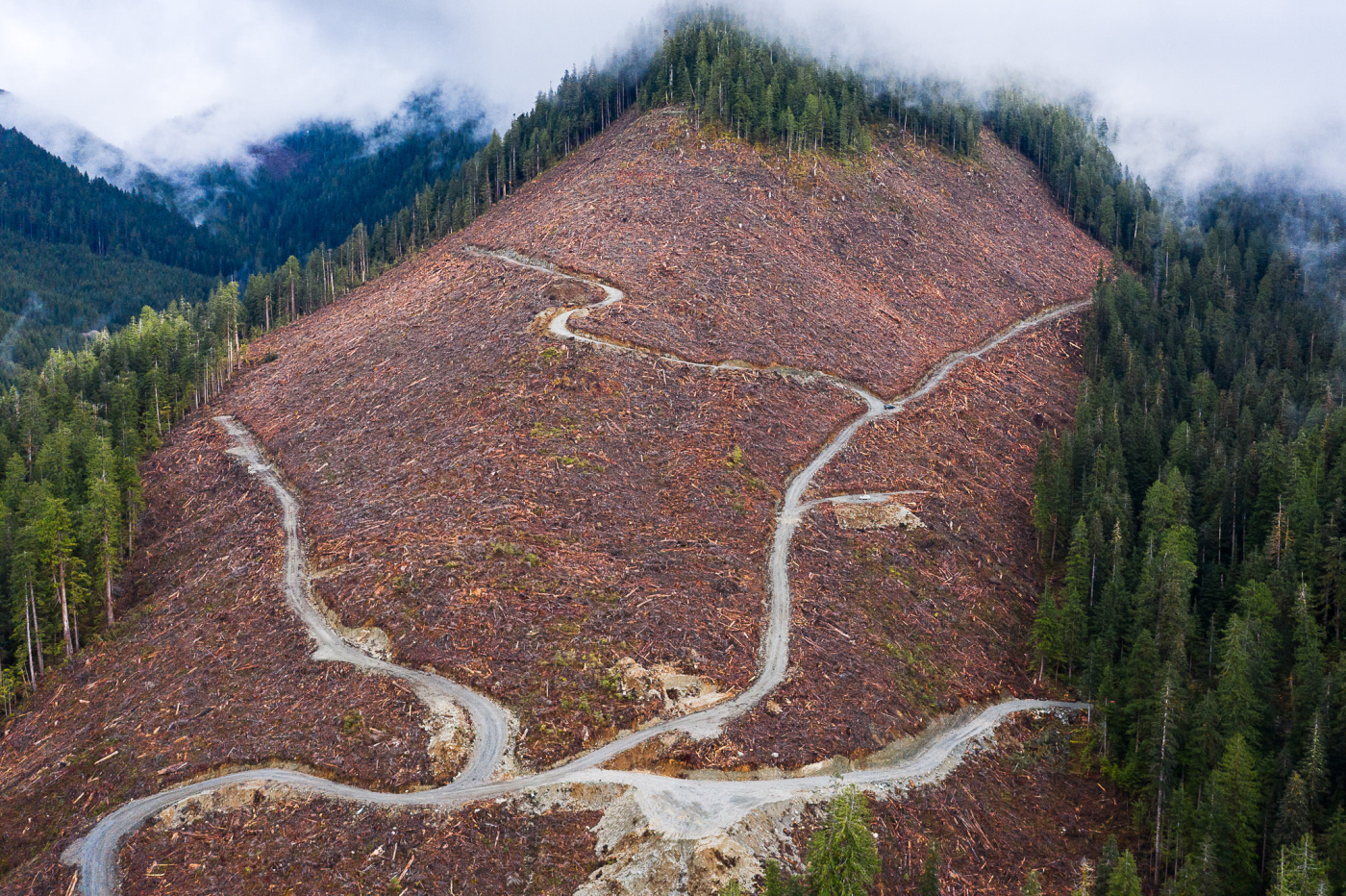
TJ Watt2026-10-26 15:06:162026-10-26 15:06:16Victoria Buzz: Environmental advocates concerned over results of BC election
Related Posts
https://ancientforestalliance.org/wp-content/uploads/2026/09/Old-Growth-Clearcut-Caycuse-Vancouver-Island.jpg
1364
2048
TJ Watt
https://ancientforestalliance.org/wp-content/uploads/2026/05/Ancient-Forest-Alliance-logo.svg
TJ Watt2026-10-26 15:06:162026-10-26 15:06:16Victoria Buzz: Environmental advocates concerned over results of BC election https://ancientforestalliance.org/wp-content/uploads/2026/10/Screenshot-2026-10-22-at-4.54.32-PM.png
952
1684
TJ Watt
https://ancientforestalliance.org/wp-content/uploads/2026/05/Ancient-Forest-Alliance-logo.svg
TJ Watt2026-10-22 16:54:062026-10-22 16:59:41NEW Video: BC Election 2026: Nature & Old-Growth Protection
 https://ancientforestalliance.org/wp-content/uploads/2026/10/Before-After-Caycuse-TJ-Watt-4-scaled.jpg
1915
2560
TJ Watt
https://ancientforestalliance.org/wp-content/uploads/2026/05/Ancient-Forest-Alliance-logo.svg
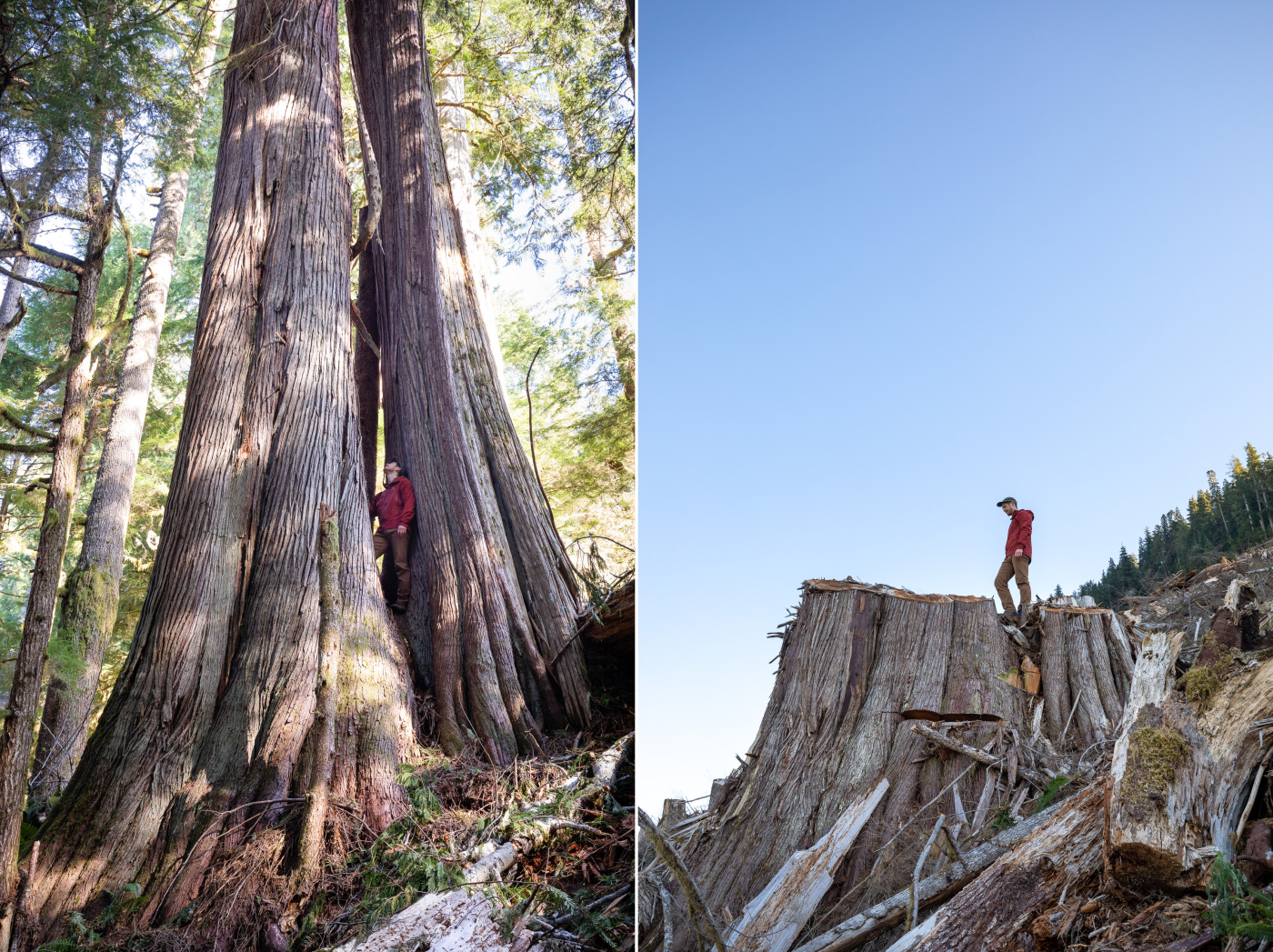
TJ Watt2026-10-16 17:36:002026-10-21 13:40:23BC Election 2026: Where do Parties Stand on Nature & Old-Growth?
 https://ancientforestalliance.org/wp-content/uploads/2026/10/BC-Election-2026-Banner-1-1-scaled.jpg
1439
2560
TJ Watt
https://ancientforestalliance.org/wp-content/uploads/2026/05/Ancient-Forest-Alliance-logo.svg
TJ Watt2026-10-09 18:16:372026-10-16 17:44:41Where do BC’s Major Political Parties Stand on Nature Protection?
Take Action
 Donate
Support the Ancient Forest Alliance with a one-time or monthly donation. Send a Message
Send an instant message to key provincial decision-makers.
We have to protect all of the world’s rainforests, not just tropical rainforests
/in News CoverageMost of us have heard about how rainforests are in trouble and the rapid rate at which we are losing these spectacular ecosystems, along with the incredible diversity of species that depend on them. Globally, most of these reports focus on tropical rainforests and there has been too little awareness about the fate of temperate rainforests. Close to home, very few know that the remaining old-growth forest on Vancouver Island is disappearing faster than natural tropical rainforests.
Few of us have the opportunity to visit tropical forests in person, which can make us feel disconnected from the problems of deforestation and degradation of tropical countries. I am extremely lucky to have had the opportunity to work in tropical rainforests over the past seven years as part of my graduate work in wildlife ecology. Most of this has been in Sabah, Malaysian Borneo, where I investigated how selective logging disrupts interactions between trees and mammals.
The loss of intact tropical forests continues to be a serious threat. The Food and Agriculture Organization of the United Nations (FAO) recently estimated that, globally, 10 percent of the remaining primary forests in tropical rainforest countries were lost between 1990 and 2015. These forests are home to many species that exist nowhere else on the planet and protecting their habitats is critical to their survival. Further, the livelihood of millions of people depends on intact forests and they play an important role in mitigating the effects of climate change by storing massive amounts of carbon.
While all of this may be well known to many, few of us in Canada realize just how fast old-growth rainforest is being logged on Vancouver Island. I was very shocked to learn from recent Sierra Club B.C. data that over that same period (1990 to 2015), 30 percent of the remaining old-growth forest on Vancouver Island was logged. In other words, the rate of loss of so-called primary forests (forests that were largely undisturbed by human activity) on Vancouver Island is actually three times greater than in the tropics. In the past few years, the rate of old-growth logging on the Island has actually increased by 12 percent to 9,000 hectares per year (25 hectares a day).
So what’s behind this forest loss? Similar to the tropics, logging plays a central role. One difference is that in many tropical countries logging often results in deforestation, while in other countries, such as Canada, logging generally leads to the replacement of rich ancient forests with even-aged young forest. Much of the old-growth forest on Vancouver Island has already been lost to clearcut logging and the remaining patches of old-growth (called variable retention by foresters) are too small to maintain enough habitat for species that depend on old-growth forest.
In response to the Sierra Club data, the B.C. government stated that it is misleading to compare the problem in tropical countries to Vancouver Island because in British Columbia, logging companies are required by law to reforest logged areas. Although this is true, old-growth ecosystems with trees that are many hundreds of years of age are not growing back at a meaningful timescale and climate change means we will never see the same type of forest grow back in the first place.
Species that rely on old-growth forest such, as the marbled murrelet, are negatively affected by the loss of old forest stands. In addition, the resulting large areas of young trees are not offering the type of habitat that most of the typical plants and animals on Vancouver Island depend on.
Similar to tropical forests, coastal temperate forests play an important role storing carbon dioxide. In fact a single hectare of temperate rainforest can store up to 1,000 tonnes of carbon, a much greater amount than most tropical rainforests. Even if replanting is carried out, along the coast it can take centuries for reforested areas to reach a similar capacity in carbon-storage potential as that of intact old-growth forest stands.
Tropical-forest loss rightfully deserves the attention it gets, and we are lucky here in B.C. to have equally amazing rainforest habitat. Given that we are living in a relatively rich part of the world compared to many tropical countries, it is remarkable that we are failing to do a better job of protecting the remaining rare and endangered ancient forests on Vancouver Island and inspire other parts of the world.
(There is growing international pressure on the B.C. government to protect Vancouver Island’s endangered old-growth rainforest; see this release.)
Coastal temperate rainforests exist only in very small areas on the planet and very little intact areas are left. Solutions exist, for example, in the Great Bear Rainforest north of Vancouver Island. Increasing the area of forest protected and halting destructive logging practices are both vital to ensuring the continued survival of these ecosystems and for a diverse economy. They should be a primary concern to us all.
Alys Granados is a PhD student in zoology at UBC. She is working as an Intern for Sierra Club B.C. under UBC’s Biodiversity Research: Integrative Training and Education (BRITE) program.
See original article: https://www.straight.com/news/912886/alys-granados-we-have-protect-all-worlds-rainforests-not-just-tropical-rainforests
Ancient Forest Alliance Featured in Vancouver Island’s Chinese-Language Newspaper
/in News CoverageVancouver Island's Chinese-language newspaper has run a story about the Ancient Forest Alliance, the Jurassic Grove, and our campaigns to protect old-growth forests, including using our big tree and stump photos. Take note that our Mandarin old-growth ecology walks are just getting underway in the Lower Mainland for the half a million Chinese-language speakers there, but sometime in the future, we hope to get it going on Vancouver Island too.
See the article: https://issuu.com/viweekly/docs/vi_weekly_170524_-_015_-_online_ver
Stunning grove of unprotected old-growth trees located near Port Renfrew
/in News CoverageThe Ancient Forest Alliance has discovered an unknown old-growth forsts near Jordan River.
The forest contains a stunning and impressive grove of unprotected, monumental old-growth trees along a three-kilometre stretch between Jordan River and Port Renfrew. It lies mainly on Crown lands adjacent to Juan de Fuca Marine Trail Provincial Park and its popular coastal hiking trail not far from Highway 14 in the traditional territory of the Pacheedaht band.
“Lowland old-growth groves on southern Vancouver Island with the classic giants like this are about as rare as finding a Sasquatch these days – over 95 per cent of the forests like this have been logged on the South Island,” said Ken Wu, Ancient Forest Alliance executive director.
“For now we’ve nicknamed this tract of old-growth forest as the ‘Jurassic Grove,’ which could become ‘Jurassic Park’ one day if it is protected. Of course, there may be more traditional names for the area, which we’ll be happy to use”.
The Ancient Forest Alliance’s TJ Watt had explored and identified the area as an old-growth forest of high conservation significance in recent years but came across a particularly accessible grove of giant trees while bushwhacking a few weeks ago.
“This area is like another Avatar Grove – it’s easy to get to, it includes some parts with gentle terrain, and is filled with amazing trees. When we can disclose the exact location when it’s appropriate for wider public access, the Jurassic Grove will undoubtedly become a major source of inspiration and environmental awareness for thousands of people,” Watt said.
While most of Jurassic Grove’s 130 hectares of old-growth is protected within a marbled murrelet wildlife habitat area is off-limits to logging, about 40 hectares is on unprotected Crown lands without any regulatory or legislated protection.
There are no approved or proposed logging plans on these lands, according to the B.C. Forest Ministry. The Ancient Forest Alliance plans to meet with Ministry of Forests officials, B.C. Parks, and Pacheedaht council to discuss conservation and access issues regarding the area.
Jurassic Grove’s easy to access location makes it a potential first rate ancient forest attraction that can help to raise the awareness of all endangered old-growth forests and bolster the regional eco-tourism industry, said Wu.
Wu pointed out while thew Ancient Forest Alliance found Jurrasic Grove others groups have used the area for years, and for the Pacheedaht, thousands of years.
“We were the ones who located and identified this area for its conservation significance regarding old growth,” Wu said.
See the original article at: https://www.sookenewsmirror.com/news/stunning-grove-of-unprotected-old-growth-trees-located-near-port-renfrew/
See our media release about the Jurassic Grove: https://ancientforestalliance.org/conservationists-thank-the-pacheedaht-first-nation-for-extending-protection-over-18-hectares-of-aeoejurassic-groveae%C2%9D-near-port-renfrew-on-vancouver-island-ae-stunning-old-growth-forest/