 https://ancientforestalliance.org/wp-content/uploads/2026/09/Old-Growth-Clearcut-Caycuse-Vancouver-Island.jpg
1364
2048
TJ Watt
https://ancientforestalliance.org/wp-content/uploads/2026/05/Ancient-Forest-Alliance-logo.svg
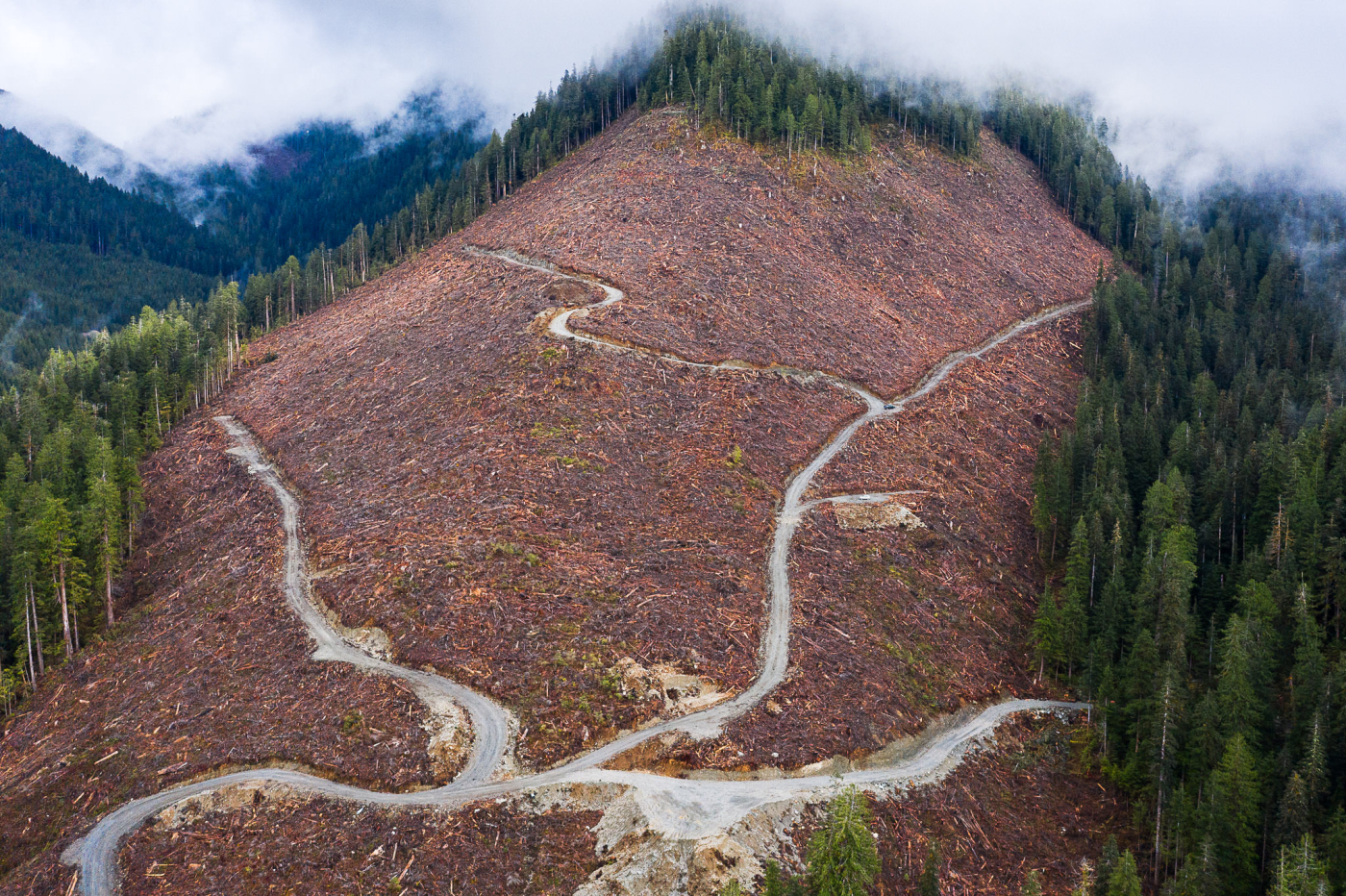
TJ Watt2026-10-26 15:06:162026-10-26 15:06:16Victoria Buzz: Environmental advocates concerned over results of BC election
https://ancientforestalliance.org/wp-content/uploads/2026/09/Old-Growth-Clearcut-Caycuse-Vancouver-Island.jpg
1364
2048
TJ Watt
https://ancientforestalliance.org/wp-content/uploads/2026/05/Ancient-Forest-Alliance-logo.svg
TJ Watt2026-10-26 15:06:162026-10-26 15:06:16Victoria Buzz: Environmental advocates concerned over results of BC electionRelated Posts
https://ancientforestalliance.org/wp-content/uploads/2026/09/Old-Growth-Clearcut-Caycuse-Vancouver-Island.jpg
1364
2048
TJ Watt
https://ancientforestalliance.org/wp-content/uploads/2026/05/Ancient-Forest-Alliance-logo.svg
TJ Watt2026-10-26 15:06:162026-10-26 15:06:16Victoria Buzz: Environmental advocates concerned over results of BC election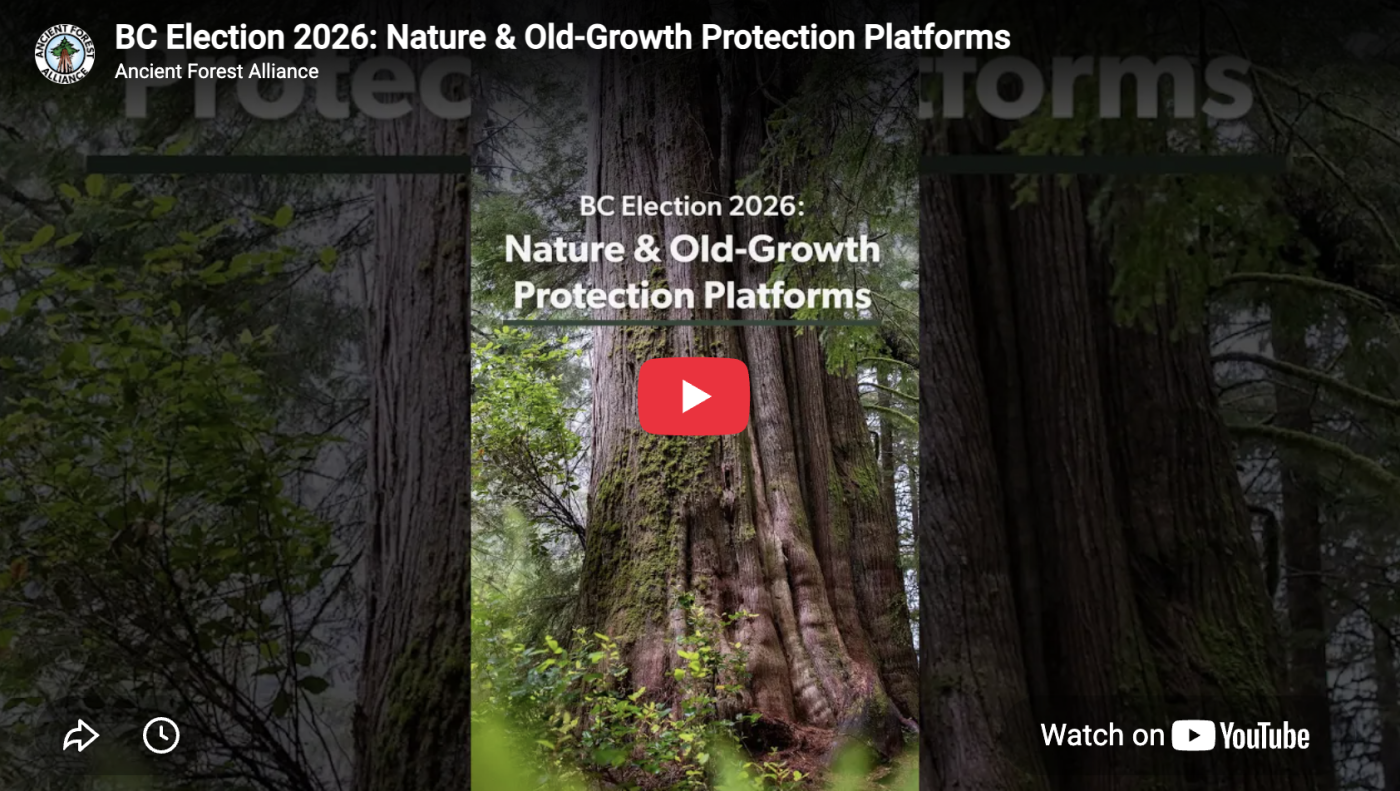 https://ancientforestalliance.org/wp-content/uploads/2026/10/Screenshot-2026-10-22-at-4.54.32-PM.png
952
1684
TJ Watt
https://ancientforestalliance.org/wp-content/uploads/2026/05/Ancient-Forest-Alliance-logo.svg
TJ Watt2026-10-22 16:54:062026-10-22 16:59:41NEW Video: BC Election 2026: Nature & Old-Growth Protection
https://ancientforestalliance.org/wp-content/uploads/2026/10/Screenshot-2026-10-22-at-4.54.32-PM.png
952
1684
TJ Watt
https://ancientforestalliance.org/wp-content/uploads/2026/05/Ancient-Forest-Alliance-logo.svg
TJ Watt2026-10-22 16:54:062026-10-22 16:59:41NEW Video: BC Election 2026: Nature & Old-Growth Protection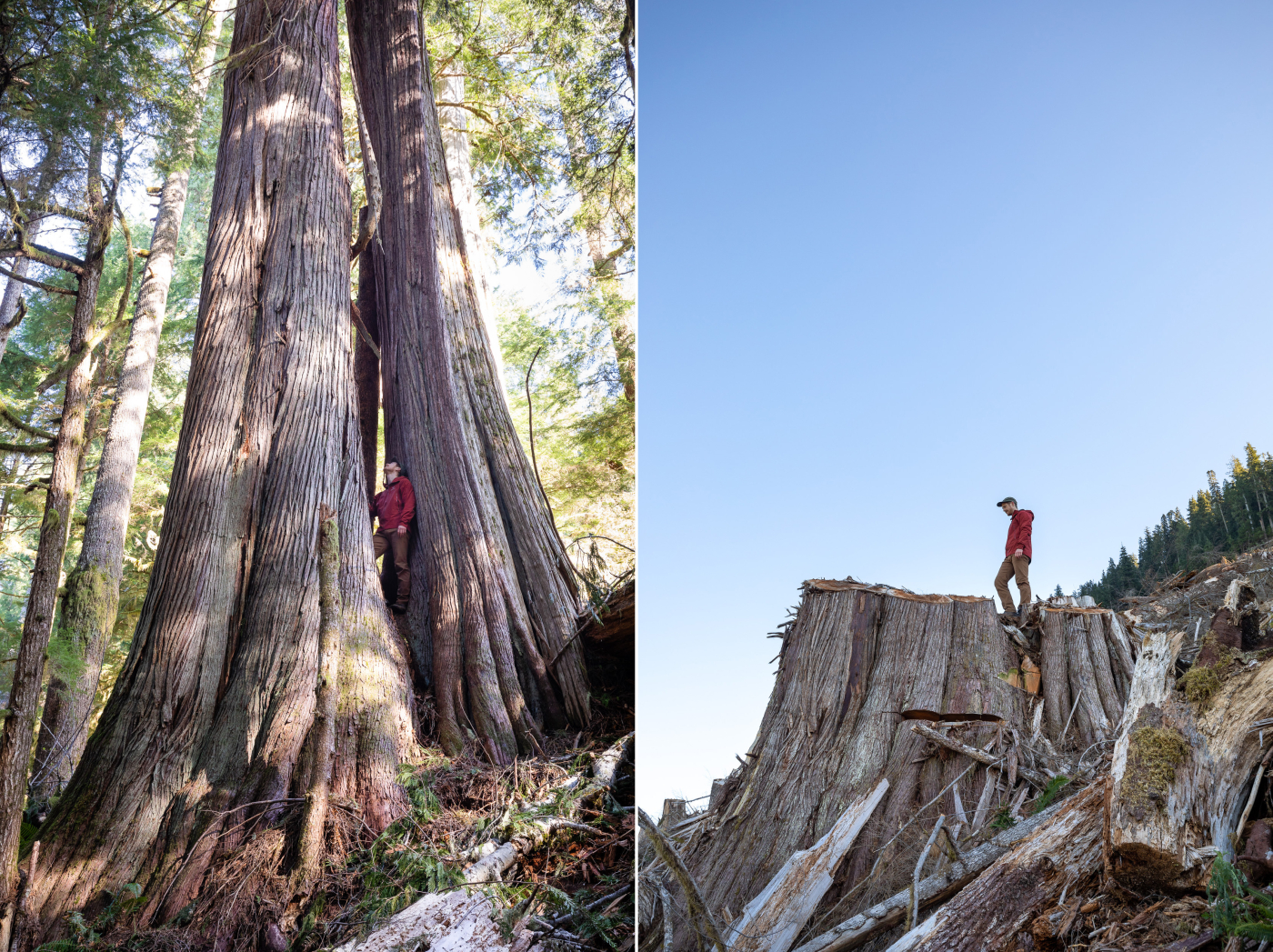 https://ancientforestalliance.org/wp-content/uploads/2026/10/Before-After-Caycuse-TJ-Watt-4-scaled.jpg
1915
2560
TJ Watt
https://ancientforestalliance.org/wp-content/uploads/2026/05/Ancient-Forest-Alliance-logo.svg
TJ Watt2026-10-16 17:36:002026-10-21 13:40:23BC Election 2026: Where do Parties Stand on Nature & Old-Growth?
https://ancientforestalliance.org/wp-content/uploads/2026/10/Before-After-Caycuse-TJ-Watt-4-scaled.jpg
1915
2560
TJ Watt
https://ancientforestalliance.org/wp-content/uploads/2026/05/Ancient-Forest-Alliance-logo.svg
TJ Watt2026-10-16 17:36:002026-10-21 13:40:23BC Election 2026: Where do Parties Stand on Nature & Old-Growth? https://ancientforestalliance.org/wp-content/uploads/2026/10/BC-Election-2026-Banner-1-1-scaled.jpg
1439
2560
TJ Watt
https://ancientforestalliance.org/wp-content/uploads/2026/05/Ancient-Forest-Alliance-logo.svg
TJ Watt2026-10-09 18:16:372026-10-16 17:44:41Where do BC’s Major Political Parties Stand on Nature Protection?
https://ancientforestalliance.org/wp-content/uploads/2026/10/BC-Election-2026-Banner-1-1-scaled.jpg
1439
2560
TJ Watt
https://ancientforestalliance.org/wp-content/uploads/2026/05/Ancient-Forest-Alliance-logo.svg
TJ Watt2026-10-09 18:16:372026-10-16 17:44:41Where do BC’s Major Political Parties Stand on Nature Protection?Take Action
 Donate
Support the Ancient Forest Alliance with a one-time or monthly donation. Send a Message
Send an instant message to key provincial decision-makers.
Native Tree and Shrub Planting in Portage Park (View Royal) on Sept.14
/in AnnouncementsJoin the Greater Victoria Green Team, Ecological Pathfinder volunteers of Portage Park, and Ancient Forest Alliance for a fun day of planting trees and shrubs in the beautiful Portage Park (View Royal). An ecological restoration project has been taking place in Portage Park, with the removal of 1000s of pounds of invasive plants over the last year! Now we need to re-plant native trees and shrubs as the next step to improve the ecological integrity and health of this habitat.
Join a group of volunteers and learn about the ecology of Vancouver Island’s amazing forests, native plants, and help restore the native ecosystem. Thanks to the support of the Evergreen Foundation and Canon.
Date: Sunday, September 14
Time: 9:45am to 2pm (Stay for as long as you want, and if you need to leave early that is okay!)
Tools, refreshments, and training will be provided!
Join the event and RSVP here: https://www.meetup.com/Greater-Victoria-Green-Team/events/201693132/
For more info contact Amanda at: amanda@greenteamscanada.ca
SRD buys valuable piece of real estate
/in News CoverageThe Strathcona Regional District has agreed to purchase a hotly debated piece of property for nearly $1 million.
After five years of negotiations with Island Timberlands, the owner of the 70-acre greenspace on Cortes Island, the property is expected to soon belong to the regional district.
Island Timberlands accepted an offer of $839,000 for the property, known as Whaletown Commons, which is appraised at $826,000 ($475,000 for the timber and $351,000 for the land).
The Whaletown Commons Society, a non-profit which has been trying to secure the land for more than 20 years, is partnering with the regional district and has agreed to chip in roughly $73,000 towards the purchase with its share raised through local donations.
Cortes Director Noba Anderson told her constituents in a newsletter in June that the regional district has more than $571,000 in community parks reserve funds that it’s prepared to contribute towards the purchase.
Anderson said she’s pleased the regional district was able to secure the land for Cortes residents to enjoy for years to come.
“I am beyond delighted that this long-standing community park priority has finally become a reality,” Anderson said in a news release. “The purchase of Whaletown Commons is a rare opportunity to secure 70 acres of green-space in the centre of a neighbourhood, and I am honoured to be part of making this happen.”
The Whaletown Commons Society, which was formed with the sole purpose of keeping the greenspace as parkland, wants to use the property to create a community park in Whaletown and to provide a spot for potential re-location of some of the community’s public assembly buildings.
The greenspace is a valuable piece of land because of its high forest and riparian values, salmon-bearing Burnside Creek, and it provides a natural habitat for wolves and other animals.
It also connects three Whaletown sub-neighbourhoods and is set to become the first formal and permanent park in the Whaletown/Gorge area.
Anderson assured Cortes Islanders last month that the regional district has no interest in developing the property.
“It is important to underline that this park would be purchased as a green space – and a green space only,” Anderson wrote on Cortes’ online site, Tideline, in June. “What becomes of it in the future will be up to the community and the limitations of the covenant (on the land).”
Mossy maple grove
/in News CoverageWhen most of us think of British Columbia’s old-growth forest we imagine towering ancient cedars, spruces, and firs. But along a salmon-bearing creek southwest of Vancouver Island’s Lake Cowichan there’s an enchanting rainforest of an entirely different sort—featuring centuries-old deciduous bigleaf maples. Ken Wu, executive director of the Ancient Forest Alliance, came across the rare grove, which extends in a corridor at least four kilometres long, on a scouting mission two years ago and is advocating for its protection. This is Canada’s mossiest rainforest, he says. The trees are enveloped by hanging gardens of mosses, ferns, and lichens that thrive on the calcium-rich bark of the trees. The maples are an estimated 300 years old and are “exceptionally large,” with diameters up to two metres. “This is the most photogenic ecosystem in the entire country,” says Wu. “I’ve been through so many types of forest and landscapes and this one takes the cake. Hollywood couldn’t have created a more rainforesty rainforest.” Bigleaf maples are native to southwestern B.C. but old-growth stands are scarce—the aged wood of the species has high commercial value and is sometimes targeted by wood poachers. Wu suspects that these particular trees—a few dozen giants mixed with some second growth and other species—have been spared because they have hollowed out with age. The Mossy Maple Grove (also nicknamed Fangorn Forest after J.R.R Tolkien’s forest of animated tree-like beings) is primarily on Crown land. AFA runs occasional public hikes there but discourages independent visitation to avoid damaging the delicate understory and spooking the elk that rely on this riparian area. (The grove is also frequented by deer, cougars, black bears, and sometimes wolves.)
Info: Visit the Ancient Forest Alliance website for scheduled hikes (ancientforestalliance.org). Watch a video on the Mossy Maple Grove (youtube.com/watch?v=FzOefJnAENI).
Read more: https://bcmag.ca/explore-more/mossy-maple-grove