 https://ancientforestalliance.org/wp-content/uploads/2026/09/Old-Growth-Clearcut-Caycuse-Vancouver-Island.jpg
1364
2048
TJ Watt
https://ancientforestalliance.org/wp-content/uploads/2026/05/Ancient-Forest-Alliance-logo.svg
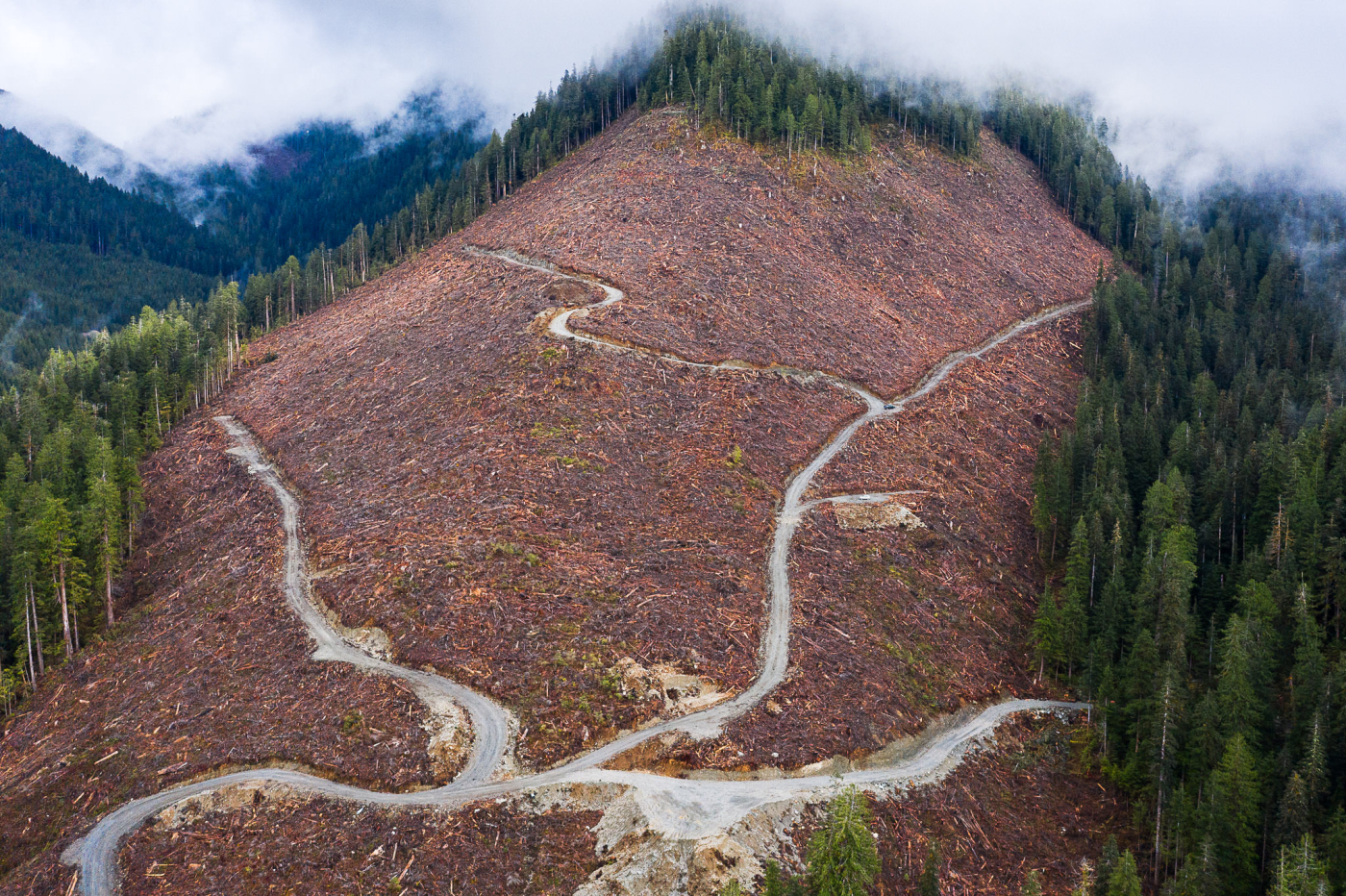
TJ Watt2026-10-26 15:06:162026-10-26 15:06:16Victoria Buzz: Environmental advocates concerned over results of BC election
https://ancientforestalliance.org/wp-content/uploads/2026/09/Old-Growth-Clearcut-Caycuse-Vancouver-Island.jpg
1364
2048
TJ Watt
https://ancientforestalliance.org/wp-content/uploads/2026/05/Ancient-Forest-Alliance-logo.svg
TJ Watt2026-10-26 15:06:162026-10-26 15:06:16Victoria Buzz: Environmental advocates concerned over results of BC electionRelated Posts
https://ancientforestalliance.org/wp-content/uploads/2026/09/Old-Growth-Clearcut-Caycuse-Vancouver-Island.jpg
1364
2048
TJ Watt
https://ancientforestalliance.org/wp-content/uploads/2026/05/Ancient-Forest-Alliance-logo.svg
TJ Watt2026-10-26 15:06:162026-10-26 15:06:16Victoria Buzz: Environmental advocates concerned over results of BC election https://ancientforestalliance.org/wp-content/uploads/2026/10/Screenshot-2026-10-22-at-4.54.32-PM.png
952
1684
TJ Watt
https://ancientforestalliance.org/wp-content/uploads/2026/05/Ancient-Forest-Alliance-logo.svg
TJ Watt2026-10-22 16:54:062026-10-22 16:59:41NEW Video: BC Election 2026: Nature & Old-Growth Protection
https://ancientforestalliance.org/wp-content/uploads/2026/10/Screenshot-2026-10-22-at-4.54.32-PM.png
952
1684
TJ Watt
https://ancientforestalliance.org/wp-content/uploads/2026/05/Ancient-Forest-Alliance-logo.svg
TJ Watt2026-10-22 16:54:062026-10-22 16:59:41NEW Video: BC Election 2026: Nature & Old-Growth Protection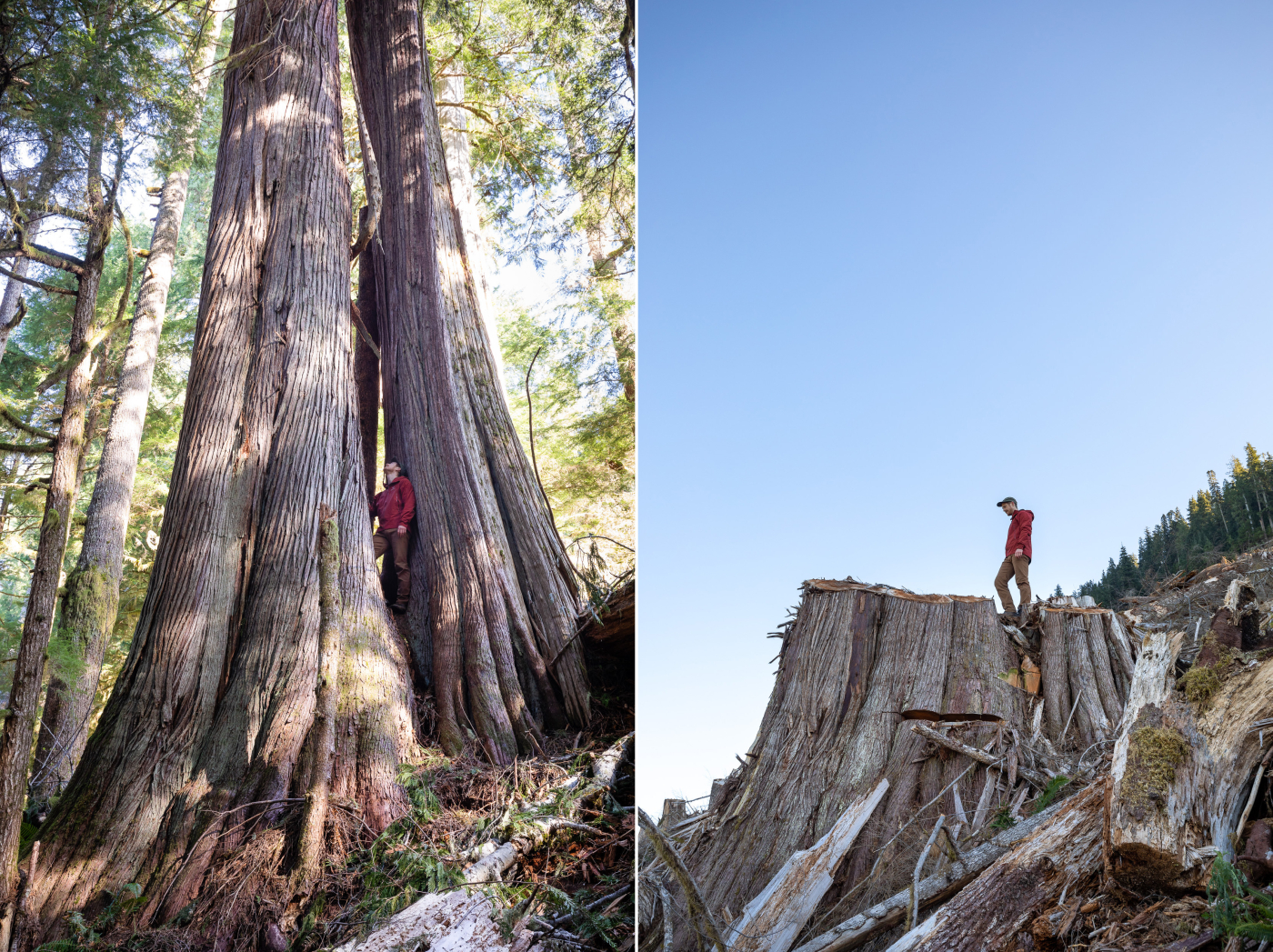 https://ancientforestalliance.org/wp-content/uploads/2026/10/Before-After-Caycuse-TJ-Watt-4-scaled.jpg
1915
2560
TJ Watt
https://ancientforestalliance.org/wp-content/uploads/2026/05/Ancient-Forest-Alliance-logo.svg
TJ Watt2026-10-16 17:36:002026-10-21 13:40:23BC Election 2026: Where do Parties Stand on Nature & Old-Growth?
https://ancientforestalliance.org/wp-content/uploads/2026/10/Before-After-Caycuse-TJ-Watt-4-scaled.jpg
1915
2560
TJ Watt
https://ancientforestalliance.org/wp-content/uploads/2026/05/Ancient-Forest-Alliance-logo.svg
TJ Watt2026-10-16 17:36:002026-10-21 13:40:23BC Election 2026: Where do Parties Stand on Nature & Old-Growth? https://ancientforestalliance.org/wp-content/uploads/2026/10/BC-Election-2026-Banner-1-1-scaled.jpg
1439
2560
TJ Watt
https://ancientforestalliance.org/wp-content/uploads/2026/05/Ancient-Forest-Alliance-logo.svg
TJ Watt2026-10-09 18:16:372026-10-16 17:44:41Where do BC’s Major Political Parties Stand on Nature Protection?
https://ancientforestalliance.org/wp-content/uploads/2026/10/BC-Election-2026-Banner-1-1-scaled.jpg
1439
2560
TJ Watt
https://ancientforestalliance.org/wp-content/uploads/2026/05/Ancient-Forest-Alliance-logo.svg
TJ Watt2026-10-09 18:16:372026-10-16 17:44:41Where do BC’s Major Political Parties Stand on Nature Protection?Take Action
 Donate
Support the Ancient Forest Alliance with a one-time or monthly donation. Send a Message
Send an instant message to key provincial decision-makers.
Conservation and industry reach agreement on protecting old growth in the Great Bear
/in News CoverageThe B.C. government announced last week that environmental groups and forestry companies have jointly submitted recommendations to ‘increase conservation while maintaining economic activity in the Great Bear Rainforest.’
The agreement — which will preserve another 500,000 hectares of old growth — increases forest protection to nearly 70 per cent in the mid-coast region from the 50 per cent level already protected by 2009. The addition pushes the amount of old-growth forest preserved to more than three million hectares, an area larger than Metro Vancouver.
An 82 page submission from the ‘Joint Solutions Project,’ a working group of environmental groups and forest companies that includes Western Forest Products, Interfor, Howe Sound Pulp and Paper, BC Timber Sales and Catalyst, and three environmental groups ForestEthics, Greenpeace and Sierra Club of BC, contains numerous recommendations.
The submission proposes that additional areas be set aside for conservation, that harvest levels be adjusted to maintain viable forestry operations, and advocates a new approach to landscape planning that better accounts for old growth, cultural values, biodiversity and riparian zones.
The process of protecting the central coast began in 2001 with then-premier Gordon Campbell. At that time environmentalists around the world were putting the pressure on B.C. to act by a campaign against provincial forest products, and by 2009 large areas of the Great Bear were under protection.
The recommendations will now be evaluated by the Province, Nanwakolas Council and Coastal First Nations. The government has reconciliation agreements with both these groups of First Nations. In addition, 12 other First Nations will need to be consulted since they also have traditional territory in the Great Bear Rainforest. Ministry staff will review the recommendations for legislative and fiscal implications and implications to other resource users, and First Nations will review for implications to their interests.
Coastal First Nations executive director Art Sterritt said they don’t expect to call for massive changes. Sterritt also noted that several First Nations hold tenures in the mid-coast area and will also want to protect the eco-system while participating in logging. But, he also pointed out that expects some conflict between the First Nations and industry on which areas to protect and which to log.
“We are pleased that the Joint Solutions Project has completed its work,” said Sterritt. “Coastal First Nations will now take this report to our communities for review and discussion prior to finalizing legal objectives with the Province for the Great Bear Rainforest.”
ForestEthics senior campaigner Valerie Langer said this is the final step in protecting the Great Bear Rainforest. “There’s never been any conservation of this scale achieved. To do this in a collaborative way with unlikely allies over an area the size of some countries, and to both protect the forest and maintain viability of an industry, is a great achievement,” she said.
Industry officials are also in support of the recommendations, reflecting on past conflicts that made it seem that an agreement of this type would be impossible to reach.
“This has been a long time coming. It was not just done in the last week, or last month,” said Interfor vice-president and chief forester Ric Slaco. “This looks to be the final chapter. That’s a big deal.”
Government is also pleased with the outcome. “I congratulate the forest companies and environmental groups for their continued cooperation and efforts in finding solutions that manage both the environment and local economies in this unique region of the world,” said Steve Thomson, Minister of Forests, Lands and Natural Resource Operations.
Read more: https://www.coastmountainnews.com/news/conservation-and-industry-reach-agreement-on-protecting-old-growth-in-the-great-bear/
Arbutus RV Island Adventures Ep.1 – Avatar Grove
/in News CoverageShaw TV's Sucheta Singh takes us just north of Port Renfrew to Avatar Grove. A magical place full of old growth forest the size of skyscrapers.
Direct link to video: https://www.youtube.com/watch?v=7pMcveWnjK0
Kwakiutl First Nation protests BC government’s attempts to shirk responsibilities
/in News CoverageEight months after the Supreme Court of British Columbia declared that both the provincial and the federal governments have failed to honour the 1851 Douglas Treaty between the Crown and the Kwakiutl First Nation of Port Hardy, BC government has launched an appeal.
Last June, the nation went to court to seek a judicial review of decisions made by the Provincial Crown in granting land tenures to logging company Western Forest Products. Under the provisions of an 1851 treaty between the Crown and the Kwakiutl First Nation, the Kwakiutl argued the province should have consulted meaningfully with them before allowing Western Forest Products to remove more than 14,000 hectares of private land from the area covered by Tree Farm Licence 6. The licence also covers roughly half of traditional Kwakiutl territory.
The province filed its appeal several weeks ago, and members of the Kwakiutl have been protesting on their traditional territory ever since, and they have no plans to stop any time soon.
“It’s conducted peacefully, and it will go on indefinitely until we reach resolution on the implementation issue with the Crown,” said Norman Champagne, band manager and spokesperson for the Kwakiutl. He said the treaty grants the nation the right to maintain its livelihood “as formerly” and “for generations to follow.”
The treaty in question is one of a group of 14 pre-confederation treaties known as the Douglas Treaties that cover much of Vancouver Island. The treaties are a series of agreements between the colonial governor James Douglas and the nations of the island in which Douglas purchased the lands for settlement expansion and the nations retained use of existing villages and fields as well as hunting and gathering rights on all of the land.
But now, 163 years after the treaty was signed, the occupation of the land by settlers and developers has made it even more difficult to enforce the right to use traditional territory in traditional ways.
“Towns have built up around the First Nations, economies have developed, businesses have grown. The impact is on the land itself and it further diminishes even the Crown’s ability to set aside land for the Kwakiutl.”
According to counsel for the nation Louise Mandell, the provincial has been acting illegally since the signing of the 1851 treaty
“During all of this time, the position of the government has been that title has been extinguished through the treaties and now the court says that’s just wrong.”
Justice Weatherill made a declaration stating that the province of BC had an ongoing duty to consult with the nation “in good faith and endeavour to seek accommodations regarding their claim of unextinguished Aboriginal rights, titles and interests in respect of the KFN Traditional Territory.”
While the federal government has so far remained silent on the issue, the provincial government is appealing the declaration.
In an email statement, the BC Ministry of Aboriginal Relations and Reconciliation said the government consults with all Douglas Treaty nations on “any decision that may affect their treaty rights in their traditional territory.” Spokesperson Vivian Thomas said the province is appealing to clarify the scope of consultation the Supreme Court has deemed necessary, but refused to comment any further.
A spokesperson for Aboriginal Affairs said the federal arm is also declining to comment while the case is before the court.
There have been a handful of cases since the 1960s affirming the continued validity of Aboriginal rights and title alongside the Douglas treaties
While the Justice Weatherill urged the federal government to deal fairly and with the Kwakiutl to address land claim issues, Mandell believes the court should have gone further, by declaring that the provincial government doesn’t have the power to roll back rights granted through agreements with the Crown and demand that the federal government step in. The Kwakiutl plan to file a cross-appeal to ask that courts fully articulate the responsibilities of both levels of government and call them to the table with Indigenous governments to resolve the issue.
“The table has not been set properly for the implementation of this treaty,” she said.
“All of the pre-confederation treaties have not been properly implemented.”