 https://ancientforestalliance.org/wp-content/uploads/2026/09/Old-Growth-Clearcut-Caycuse-Vancouver-Island.jpg
1364
2048
TJ Watt
https://ancientforestalliance.org/wp-content/uploads/2026/05/Ancient-Forest-Alliance-logo.svg
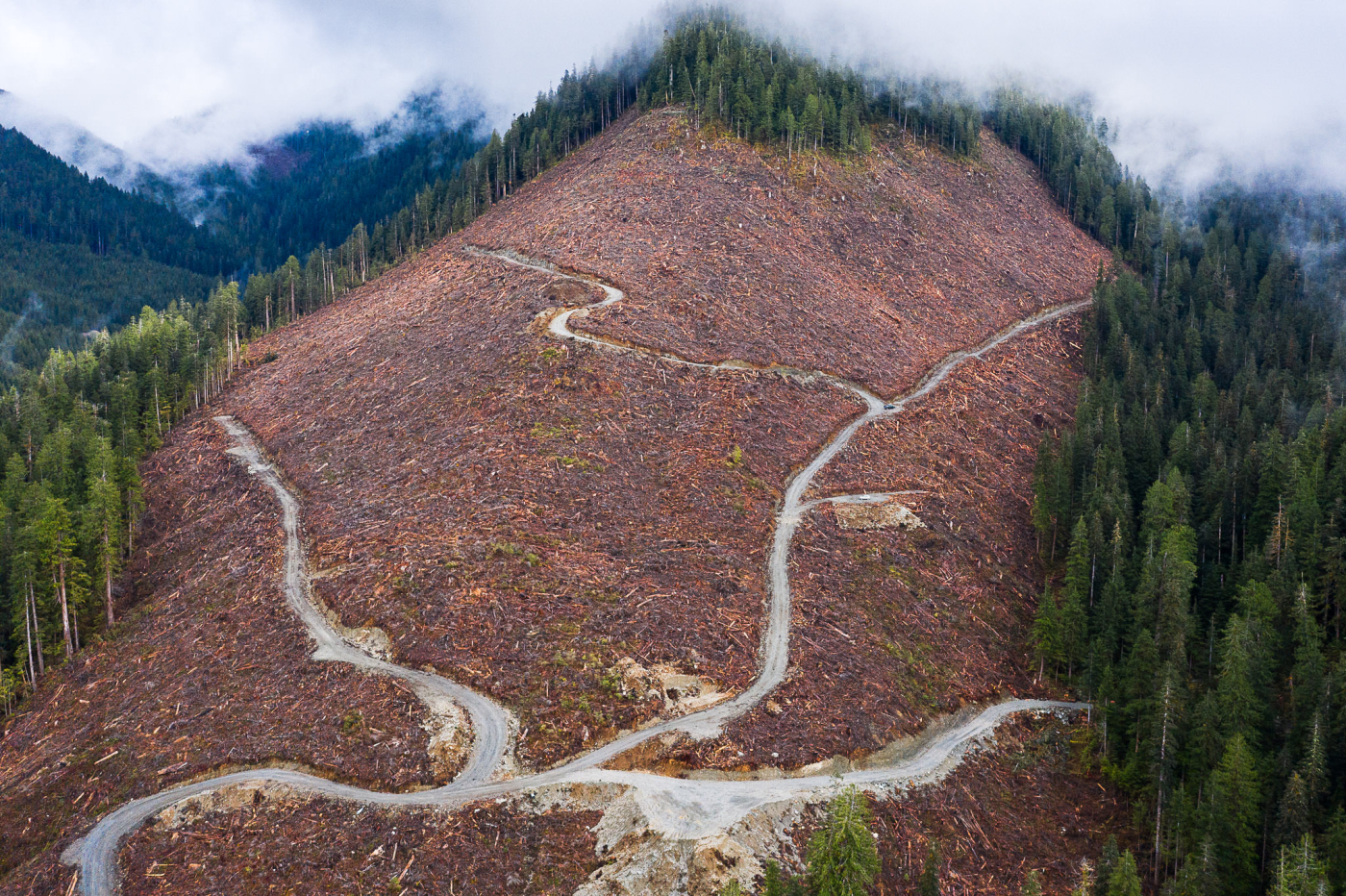
TJ Watt2026-10-26 15:06:162026-10-26 15:06:16Victoria Buzz: Environmental advocates concerned over results of BC election
https://ancientforestalliance.org/wp-content/uploads/2026/09/Old-Growth-Clearcut-Caycuse-Vancouver-Island.jpg
1364
2048
TJ Watt
https://ancientforestalliance.org/wp-content/uploads/2026/05/Ancient-Forest-Alliance-logo.svg
TJ Watt2026-10-26 15:06:162026-10-26 15:06:16Victoria Buzz: Environmental advocates concerned over results of BC electionRelated Posts
https://ancientforestalliance.org/wp-content/uploads/2026/09/Old-Growth-Clearcut-Caycuse-Vancouver-Island.jpg
1364
2048
TJ Watt
https://ancientforestalliance.org/wp-content/uploads/2026/05/Ancient-Forest-Alliance-logo.svg
TJ Watt2026-10-26 15:06:162026-10-26 15:06:16Victoria Buzz: Environmental advocates concerned over results of BC election https://ancientforestalliance.org/wp-content/uploads/2026/10/Screenshot-2026-10-22-at-4.54.32-PM.png
952
1684
TJ Watt
https://ancientforestalliance.org/wp-content/uploads/2026/05/Ancient-Forest-Alliance-logo.svg
TJ Watt2026-10-22 16:54:062026-10-22 16:59:41NEW Video: BC Election 2026: Nature & Old-Growth Protection
https://ancientforestalliance.org/wp-content/uploads/2026/10/Screenshot-2026-10-22-at-4.54.32-PM.png
952
1684
TJ Watt
https://ancientforestalliance.org/wp-content/uploads/2026/05/Ancient-Forest-Alliance-logo.svg
TJ Watt2026-10-22 16:54:062026-10-22 16:59:41NEW Video: BC Election 2026: Nature & Old-Growth Protection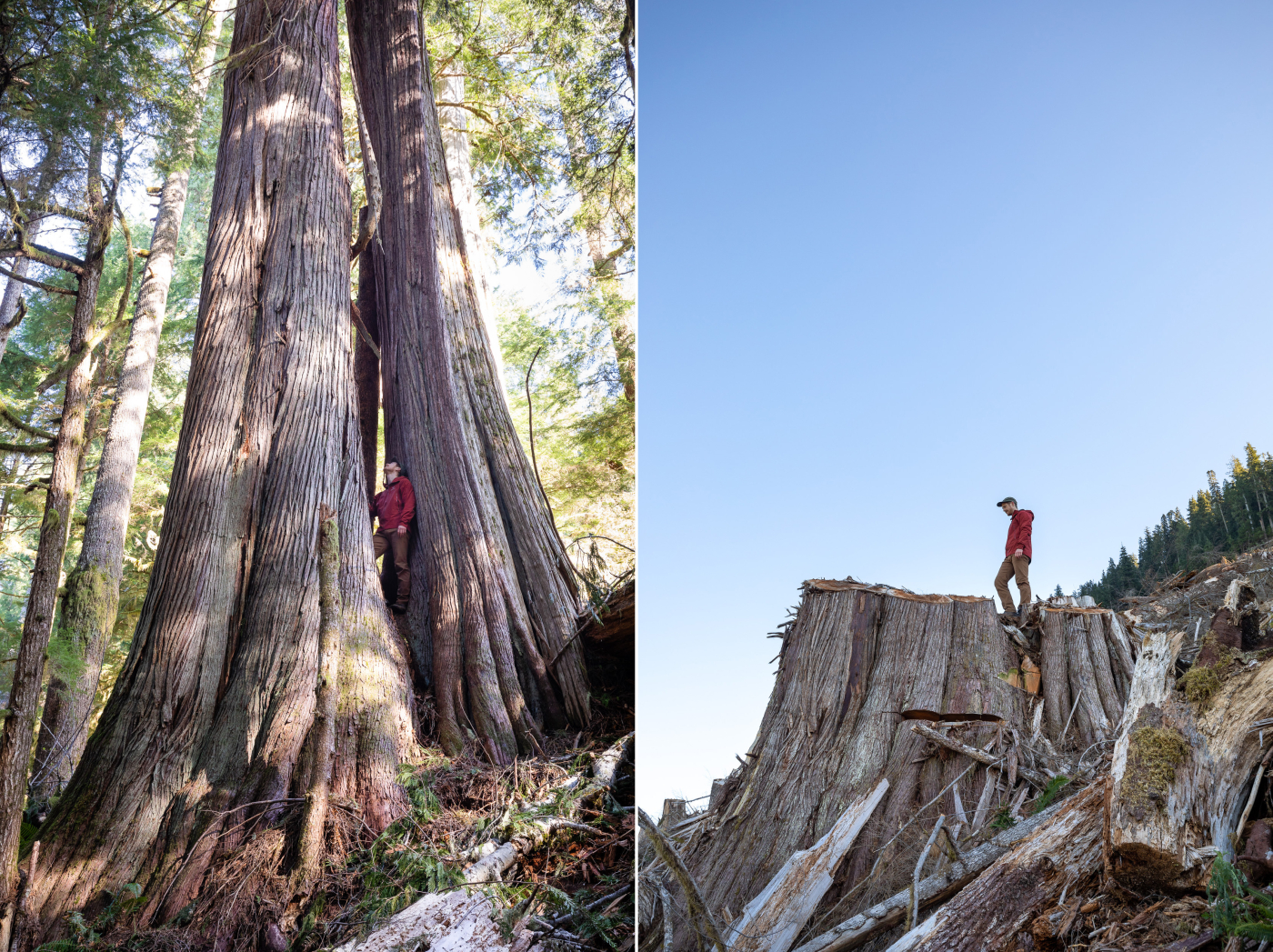 https://ancientforestalliance.org/wp-content/uploads/2026/10/Before-After-Caycuse-TJ-Watt-4-scaled.jpg
1915
2560
TJ Watt
https://ancientforestalliance.org/wp-content/uploads/2026/05/Ancient-Forest-Alliance-logo.svg
TJ Watt2026-10-16 17:36:002026-10-21 13:40:23BC Election 2026: Where do Parties Stand on Nature & Old-Growth?
https://ancientforestalliance.org/wp-content/uploads/2026/10/Before-After-Caycuse-TJ-Watt-4-scaled.jpg
1915
2560
TJ Watt
https://ancientforestalliance.org/wp-content/uploads/2026/05/Ancient-Forest-Alliance-logo.svg
TJ Watt2026-10-16 17:36:002026-10-21 13:40:23BC Election 2026: Where do Parties Stand on Nature & Old-Growth? https://ancientforestalliance.org/wp-content/uploads/2026/10/BC-Election-2026-Banner-1-1-scaled.jpg
1439
2560
TJ Watt
https://ancientforestalliance.org/wp-content/uploads/2026/05/Ancient-Forest-Alliance-logo.svg
TJ Watt2026-10-09 18:16:372026-10-16 17:44:41Where do BC’s Major Political Parties Stand on Nature Protection?
https://ancientforestalliance.org/wp-content/uploads/2026/10/BC-Election-2026-Banner-1-1-scaled.jpg
1439
2560
TJ Watt
https://ancientforestalliance.org/wp-content/uploads/2026/05/Ancient-Forest-Alliance-logo.svg
TJ Watt2026-10-09 18:16:372026-10-16 17:44:41Where do BC’s Major Political Parties Stand on Nature Protection?Take Action
 Donate
Support the Ancient Forest Alliance with a one-time or monthly donation. Send a Message
Send an instant message to key provincial decision-makers.
‘Clayoquot Conversations: The Legacy and Future of Clayoquot Sound’
/in AnnouncementsTues., Nov. 12, 7:30pm, Alix Goolden Hall, 907 Pandora Ave, Victoria BC
Admission by donation.
Join the Clayoquot Sound Conservation Alliance for an engaging panel discussion with Elizabeth May, Valerie Langer, and other prominent people involved in the campaign.
Clayoquot Sound by Tofino on Vancouver Island contains the largest tracts of remaining lowland ancient forest in southern British Columbia. See several great speakers, including Valerie Langer, veteran campaign and protest organizer in Clayoquot (now ForestEthics forest campaigner), and Elizabeth May, former head of the Sierra Club of Canada (now Green MP), this Tuesday night.
Sponsored by the Clayoquot Sound Conservation Alliance:
https://www.facebook.com/events/661210270580070/
BCTS drops headwaters block from future plans
/in News CoverageBC Timber Sales (BCTS) has decided to drop the cutblock known as the Roberts Creek headwaters ancient forest from its future harvesting plans, BCTS planning forester Norm Kempe has confirmed.
The 15-hectare cutblock, designated as DK045, had been removed from the current timber sale for Mount Elphinstone after a team of scientists identified “unique ecological/cultural attributes.”
“We did that in late August, and as a result of that and concerns we heard from the public, we decided to let this one go,” Kempe said Wednesday in an interview.
After Elphinstone Logging Focus (ELF) “managed to elevate the issue in the public’s eye,” Kempe said his office was contacted by “a number of individuals” requesting the cutblock be permanently set aside.
“And we said OK. It’s part of the consultation process,” he said, noting the status of the cutblock had been “a running issue” for more than two years.
ELF hailed the decision in an Oct. 30 press release.
“For three years we held back logging plans, and so it’s very rewarding now to know that this magnificent stand will remain for its own sake and for future generations to appreciate,” Ross Muirhead said.
Containing culturally modified trees, more than 340 rare Pacific yews, and yellow cedar and hemlock that are up to 1,800 years old, DK045 is “a very special forest,” Muirhead added.
“We’d like to thank all those who supported the campaign, including BCTS staff who considered new information we brought forward about this block,” he said.
While DK045 was removed from the current sale, about 53 hectares of old growth forest in Dakota Bowl is still included in the BCTS harvesting plan for Mount Elphinstone.
This Monday, Nov. 4, Kempe said he would be accompanying a carnivore specialist from the Ministry of Environment into Dakota Bowl to evaluate the area for bear dens. ELF has called for BCTS to designate two of the remaining four cutblocks as a wildlife habitat area, due to the high number of black bear dens.
“That’s something we manage anyway,” Kempe said. “If we encounter a den that’s active, then we’re stopping. We’re not cutting right through.”
Kempe said BCTS’s logging plans for Dakota Bowl address concerns about slope stability and impacts on the Dakota Creek community watershed.
“We think at this stage we have a pretty good plan,” he said.
He also noted that BCTS, in its 10 years of existence, has not logged any old growth on Mount Elphinstone, although about 150 hectares had been identified for logging.
Of the 150 hectares, he said, about half has been dropped from future harvesting plans, largely due to concerns from the public and the Sunshine Coast Regional District.
“We are not just managing for timber values on Mount Elphinstone. We get it, that there are other issues,” he said.
Read more: https://www.coastreporter.net/article/20131102/SECHELT0101/311029999/-1/sechelt/bcts-drops-headwaters-block-from-future-plans
Roberts Creek Headwaters Ancient Forest Receives Protection
/in AnnouncementsElphinstone Logging Focus (ELF) is pleased to announce that they’ve been informed by BC Timber Sales (BCTS) that Cutblock DK045, which ELF has been lobbying to protect, has been canceled from future BCTS logging plans. DK045 was part of a larger TFL A79517 (Dakota Bowl, lower Sunshine Coast) consisting of Yellow-cedar and hemlock where the trees range in age from 800-1,800 years old. This key headwaters forest (17.6Ha/43.4acres) is located on the north slope of Mt. Elphinstone, and acts as corridor with 2 Wildlife Habitat Areas.
ELF flagged a trail through the forest to allow for easier access and gave it the name ‘Roberts Creek Headwaters Ancient Forest’.
In an October 22nd email from Norm Kempe, Senior Forest Planner for BCTS’ Georgia Straight Division, he states that ELF brought forward enough“compelling reasons for preserving this stand of timber that we considered and concluded had reasonable merit.”
“In 2010, when we snowshoed into this surveyed block, I thought to myself there’s no way this forest should be destroyed.” said Ross Muirhead of ELF. “For 3 years, we held back logging plans and so it’s very rewarding now to know that this magnificent stand will remain for its own sake, and for future generations to appreciate. When we completed a count of 340+ Pacific Yews growing on the upper half of the block, it reinforced that we had found very special forest. We’d like to thank all those that supported this campaign, including BCTS staff who considered new information we brought forward about this block.” Muirhead continued.
“The Roberts Creek Headwaters Ancient Forest was important to protect for several natural and cultural reasons. It contains 7 archaeological sites protecting culturally modified trees (CMTs) – a first for the Sunshine Coast, and protects 2 tributaries that make up the main Roberts Creek channel.” states Hans Penner of ELF. “We’ve not heard back from BC Timber Sales on the exact legal protective status this forest will receive. ELF believes that this forest should be granted Ecological Reserve status, with community members serving as Reserve Wardens.” says Penner.
In August ‘13, Friends of Ecological Reserves (Victoria) conducted an exhaustive flora inventory of the area and then made a recommendation to have this forest become a new Ecological Reserve to highlight its bio-diversity. In Sept, Ancient Forest Alliance (Victoria) conducted a photographic expedition documenting the ancient cedars and the proliferation of Pacific Yews.
Read more: Elphinstone Loggin Focus (ELF) https://www.loggingfocus.org/