 https://ancientforestalliance.org/wp-content/uploads/2026/10/Screenshot-2026-10-22-at-4.54.32-PM.png
952
1684
TJ Watt
https://ancientforestalliance.org/wp-content/uploads/2026/05/Ancient-Forest-Alliance-logo.svg
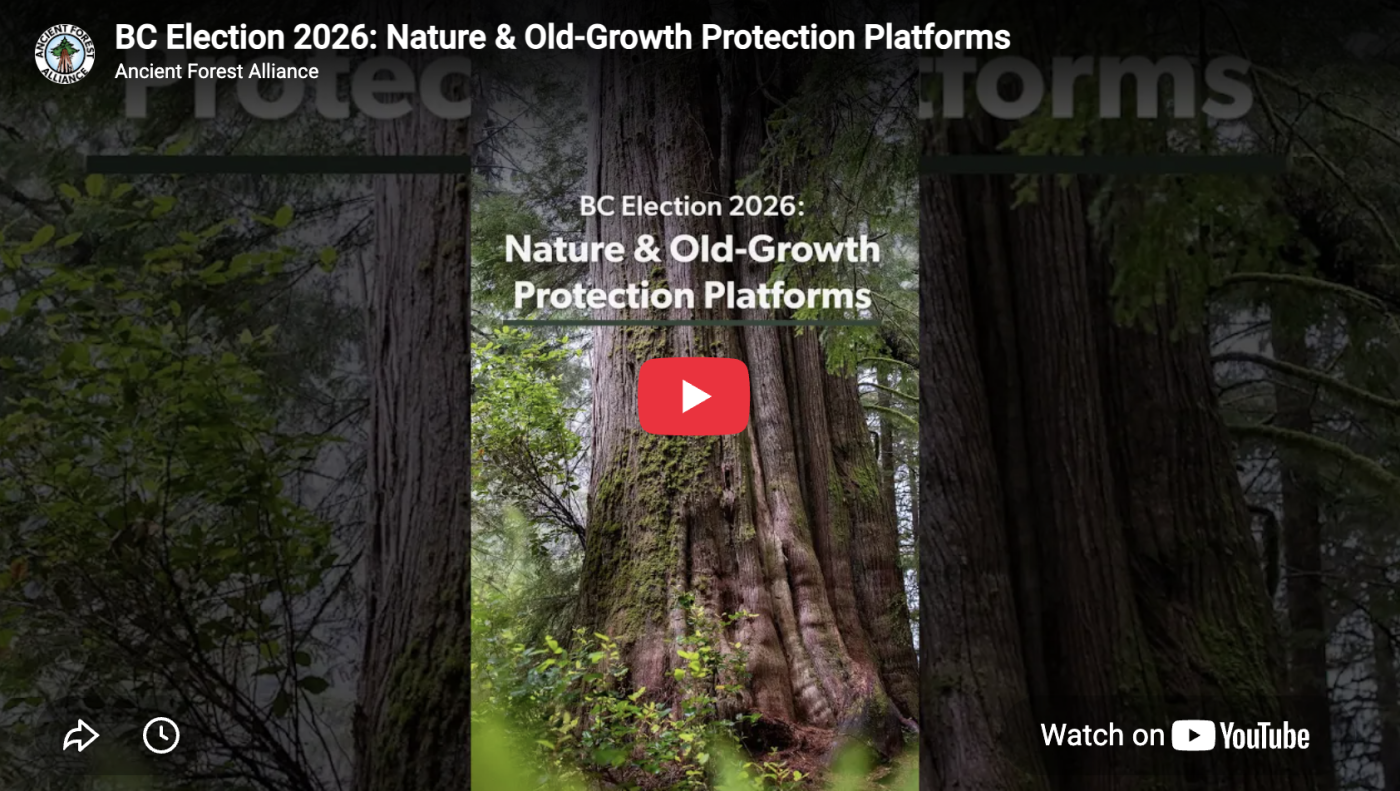
TJ Watt2026-10-22 16:54:062026-10-22 16:59:41NEW Video: BC Election 2026: Nature & Old-Growth Protection
https://ancientforestalliance.org/wp-content/uploads/2026/10/Screenshot-2026-10-22-at-4.54.32-PM.png
952
1684
TJ Watt
https://ancientforestalliance.org/wp-content/uploads/2026/05/Ancient-Forest-Alliance-logo.svg
TJ Watt2026-10-22 16:54:062026-10-22 16:59:41NEW Video: BC Election 2026: Nature & Old-Growth ProtectionRelated Posts
https://ancientforestalliance.org/wp-content/uploads/2026/10/Screenshot-2026-10-22-at-4.54.32-PM.png
952
1684
TJ Watt
https://ancientforestalliance.org/wp-content/uploads/2026/05/Ancient-Forest-Alliance-logo.svg
TJ Watt2026-10-22 16:54:062026-10-22 16:59:41NEW Video: BC Election 2026: Nature & Old-Growth Protection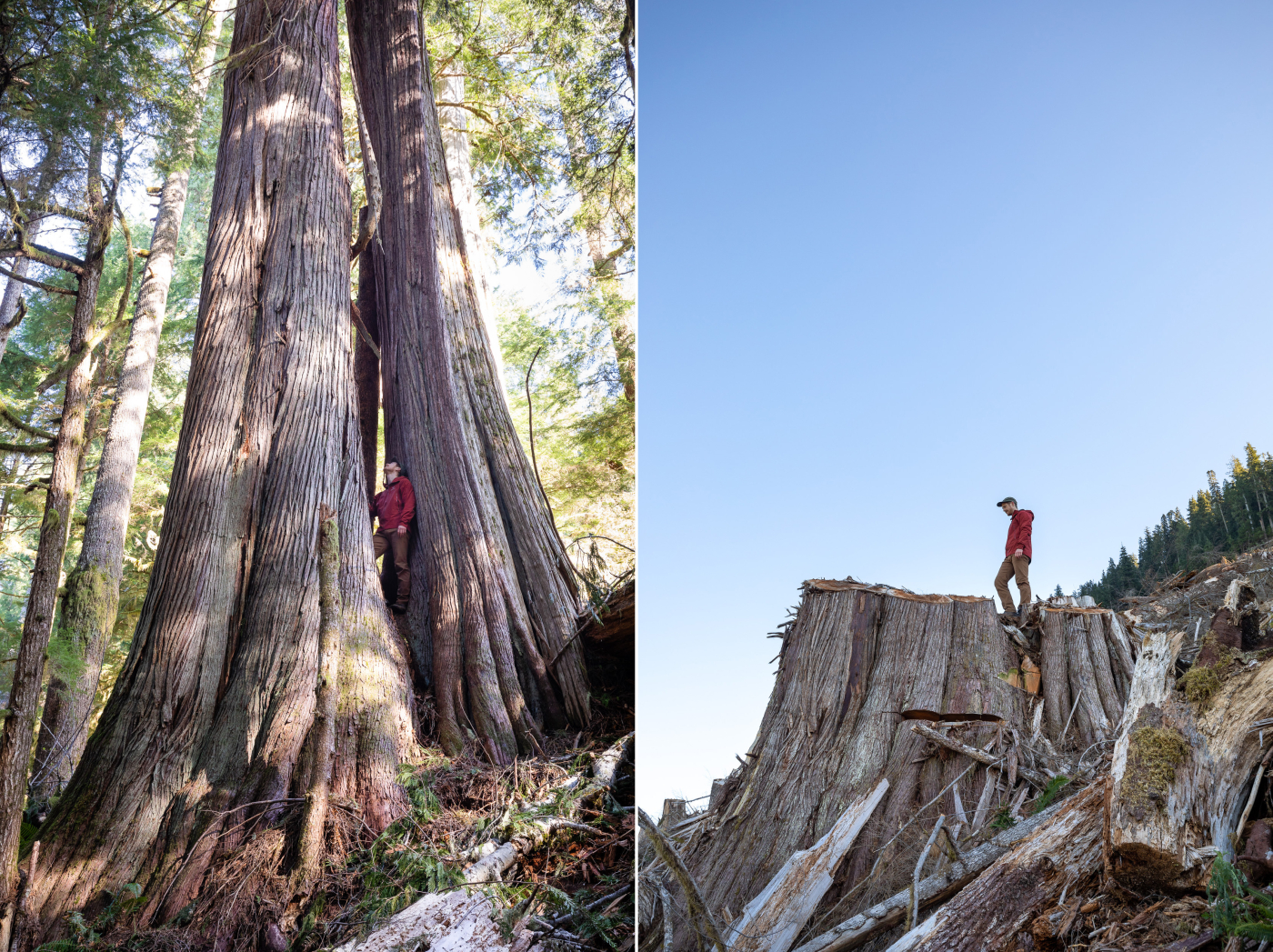 https://ancientforestalliance.org/wp-content/uploads/2026/10/Before-After-Caycuse-TJ-Watt-4-scaled.jpg
1915
2560
TJ Watt
https://ancientforestalliance.org/wp-content/uploads/2026/05/Ancient-Forest-Alliance-logo.svg
TJ Watt2026-10-16 17:36:002026-10-21 13:40:23BC Election 2026: Where do Parties Stand on Nature & Old-Growth?
https://ancientforestalliance.org/wp-content/uploads/2026/10/Before-After-Caycuse-TJ-Watt-4-scaled.jpg
1915
2560
TJ Watt
https://ancientforestalliance.org/wp-content/uploads/2026/05/Ancient-Forest-Alliance-logo.svg
TJ Watt2026-10-16 17:36:002026-10-21 13:40:23BC Election 2026: Where do Parties Stand on Nature & Old-Growth? https://ancientforestalliance.org/wp-content/uploads/2026/10/BC-Election-2026-Banner-1-1-scaled.jpg
1439
2560
TJ Watt
https://ancientforestalliance.org/wp-content/uploads/2026/05/Ancient-Forest-Alliance-logo.svg
TJ Watt2026-10-09 18:16:372026-10-16 17:44:41Where do BC’s Major Political Parties Stand on Nature Protection?
https://ancientforestalliance.org/wp-content/uploads/2026/10/BC-Election-2026-Banner-1-1-scaled.jpg
1439
2560
TJ Watt
https://ancientforestalliance.org/wp-content/uploads/2026/05/Ancient-Forest-Alliance-logo.svg
TJ Watt2026-10-09 18:16:372026-10-16 17:44:41Where do BC’s Major Political Parties Stand on Nature Protection?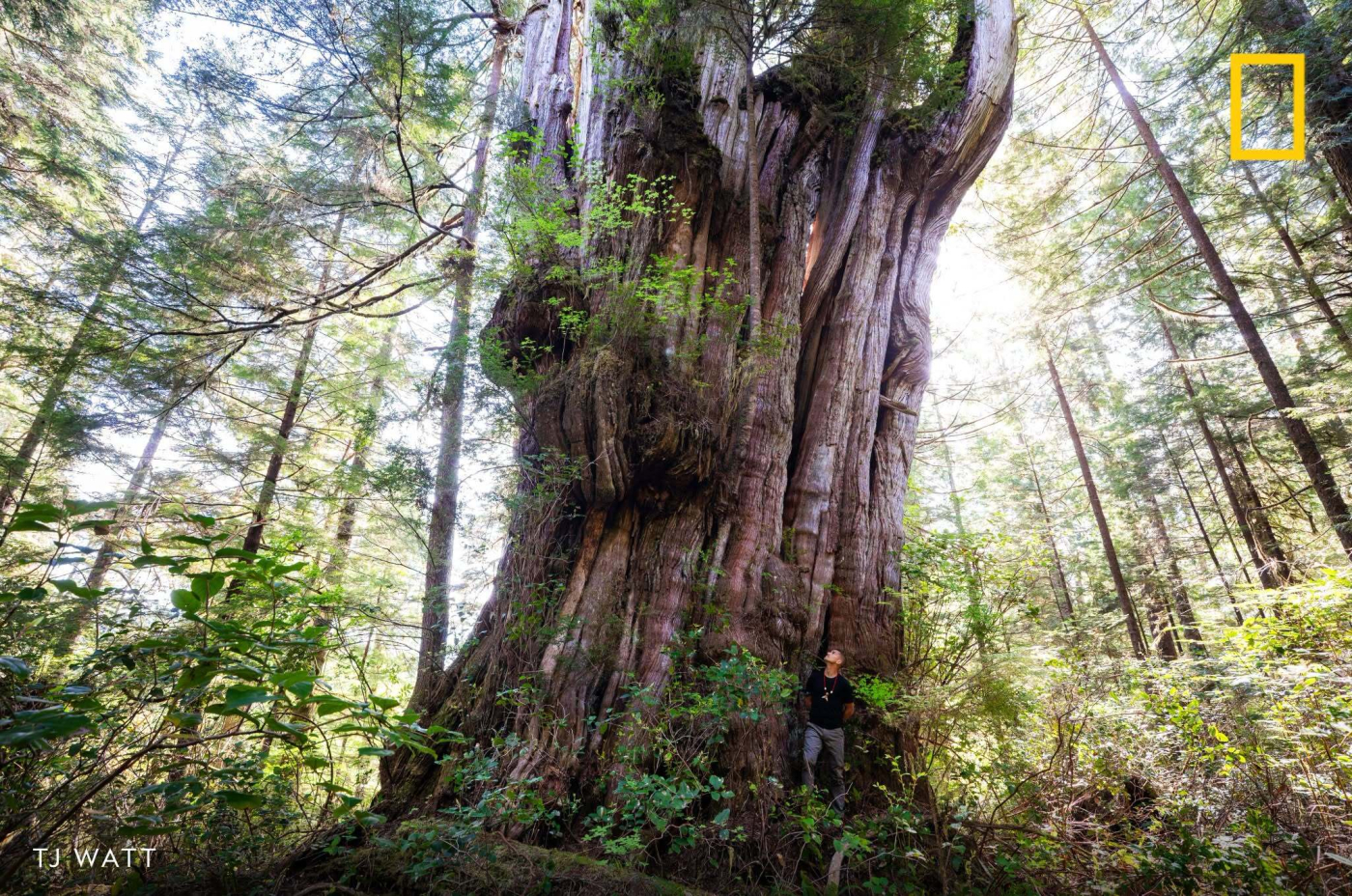 https://ancientforestalliance.org/wp-content/uploads/2026/10/Nat-Geo-Travel-Flores-Cedar.jpg
1357
2048
TJ Watt
https://ancientforestalliance.org/wp-content/uploads/2026/05/Ancient-Forest-Alliance-logo.svg
TJ Watt2026-10-02 13:38:152026-10-02 13:38:15Nat Geo Travel Features TJ Watt’s Photo of Flores Cedar
https://ancientforestalliance.org/wp-content/uploads/2026/10/Nat-Geo-Travel-Flores-Cedar.jpg
1357
2048
TJ Watt
https://ancientforestalliance.org/wp-content/uploads/2026/05/Ancient-Forest-Alliance-logo.svg
TJ Watt2026-10-02 13:38:152026-10-02 13:38:15Nat Geo Travel Features TJ Watt’s Photo of Flores CedarTake Action
 Donate
Support the Ancient Forest Alliance with a one-time or monthly donation. Send a Message
Send an instant message to key provincial decision-makers.
NDP’s forestry-policy plank sparks partisan ire, disappoints ecologists
/in News CoveragePRINCE GEORGE – New Democrat Leader Adrian Dix has released a multimillion dollar election plan that he believes will help grow and improve B.C.'s forest industry, but critics say the proposal makes promises that will be hard to keep.
In Prince George Monday, Dix announced the five-point forestry plan that would see $310 million invested in the industry over five years if his party wins the election in May.
The NDP leader announced his government would invest in skills training, to improve forest health, to expand global markets for B.C. lumber and to cut raw log exports, while it reinstates a jobs protection commissioner.
“Skills training is really the principle focus of our economic plan, to ensure young people have the skills they need for the jobs of the future,'' Dix said.
The B.C. Liberal Party immediately criticized the plan, saying it lacks policy details.
“After months of delay, I think British Columbians were expecting more,'' said Forest Minister Steve Thomson in a news release.
George Hoberg, a forest policy expert at the University of British Columbia, said Dix's promise to reduce raw log exports will be hard to keep.
“Raw logs are always something that politicians talk about, but it's actually very hard to deliver in terms of either policy or real change in the industry,'' Hoberg said.
“Our comparative advantage is in raw resource material or in commodities, not in more labour-intensive value-added production,''
he said.
The NDP's commitment to improve forest health includes an emphasis on increasing the province's research capacity, updating forest inventories and doubling the number of seedlings planted annually.
Hoberg said he is impressed with the plan's focus on forest health.
“The biggest challenge that we face in forestry is renewing the forest that has been disseminated by the mountain pine beetle and the Liberals have not been particularly effective at investing resources on that,'' Hoberg said.
“The one big change that we will likely see, if the NDP is elected, is a greater commitment to government funding of inventory and silviculture,'' he said.
Hoberg was surprised at the lack of discussion of environmental issues in the NDP plan – something he said the Liberal forestry plan also lacks.
Ken Wu at the Ancient Forest Alliance called the plan “a big disappointment ecologically.''
“It essentially continues the unsustainable status quo of old growth liquidation and over cutting which has led to the collapse of ecosystems and communities,'' Wu said.
Dix campaigned for party leadership with a promise to address old growth deforestation, but he now appears to be reneging on his commitment, Wu said.
“We are hoping that the party will move forward with additional policy commitments in the lead up to the election so that Dix fulfills his promise to develop a provincial old growth plan which was his 2011 leadership bid promise,'' Wu said.
Dix said the plan was developed in consultation with forest industry businesses, union leaders and with communities.
Some of the suggestions are in line with a 2011 report created by the B.C. Government and Service Employees Union, which suggests tightening raw log exports and increasing staff levels within the B.C. forest service.
A spokesperson from the Council of Forest Industries, which represents over a dozen forest companies in the province, wasn't available for comment.
Globe and Mail online article: www.theglobeandmail.com/news/british-columbia/ndps-forestry-policy-plank-sparks-partisan-ire-disappoints-ecologists/article11253131/
NDP forest plan ‘minor deviation from unsustainable status quo’: critic
/in News CoverageThe New Democratic Party's forestry platform released this morning is a major disappointment, said Ken Wu, the executive director of the Ancient Forest Alliance environmental group.
“I'm just looking at this with rage here,” he said in an interview. “This is a minor deviation from the unsustainable status quo.”
This morning NDP leader Adrian Dix released a five point plan for forestry. It included a commitment to skills training for the industry, more emphasis on forest health, improved inventory and building markets for B.C. wood. It also talked about reducing the export of raw logs and re-instating a jobs protection commissioner.
The plan calls for $30 million in added spending on forestry in 2013-2014, building to $100 million five years from now.
“There are some aspects that are progressive, but there's not a lot of detail,” said Wu. Restricting raw log exports is positive, for example, but today's announcement didn't say how the NDP would do that, he said.
During the NDP leadership contest, Dix promised an NDP government would develop “a long-term strategy for old-growth forests,” which Wu made note of at the time.
“He has not kept his promise,” said Wu, adding the NDP could still make that commitment. “They need to do it soon. At this point I'd say the NDP just don't get it on forest conservation. They still have a chance, but this forestry platform is a flop ecologically.”
Wu said individual MLAs such as Scott Fraser in Alberni-Pacific Rim have championed the protection of old growth forests. “We need the entire NDP party to make it part of their platform to protect endangered old growth and ensure sustainable second growth forestry.”
The NDP platform says the party would take five years to double the number of seedlings planted by the government on Crown land to 50 million annually.
In a February interview, NDP forestry critic Norm Macdonald criticized the BC Liberal government for failing to meet an earlier commitment to be planting 50 million seedlings a year by 2012.
Noting at least one million hectares were already known to be not sufficiently restocked, Macdonald said, “Any competent government, and it comes down to competence, any competent government looks after its most valuable asset.”
Link to article on The Tyee website: https://thetyee.ca/Blogs/TheHook/2013/04/15/ForestStatus/
NDP Forestry Platform Fails Ecologically and Continues the Unsustainable Status Quo of Old-Growth Depletion and Overcutting
/in Media ReleaseAncient Forest, Alliance, Victoria Main PO, PO Box 8459, Victoria, BC, V8W 3S1 Canada