 https://ancientforestalliance.org/wp-content/uploads/2026/10/Screenshot-2026-10-22-at-4.54.32-PM.png
952
1684
TJ Watt
https://ancientforestalliance.org/wp-content/uploads/2026/05/Ancient-Forest-Alliance-logo.svg
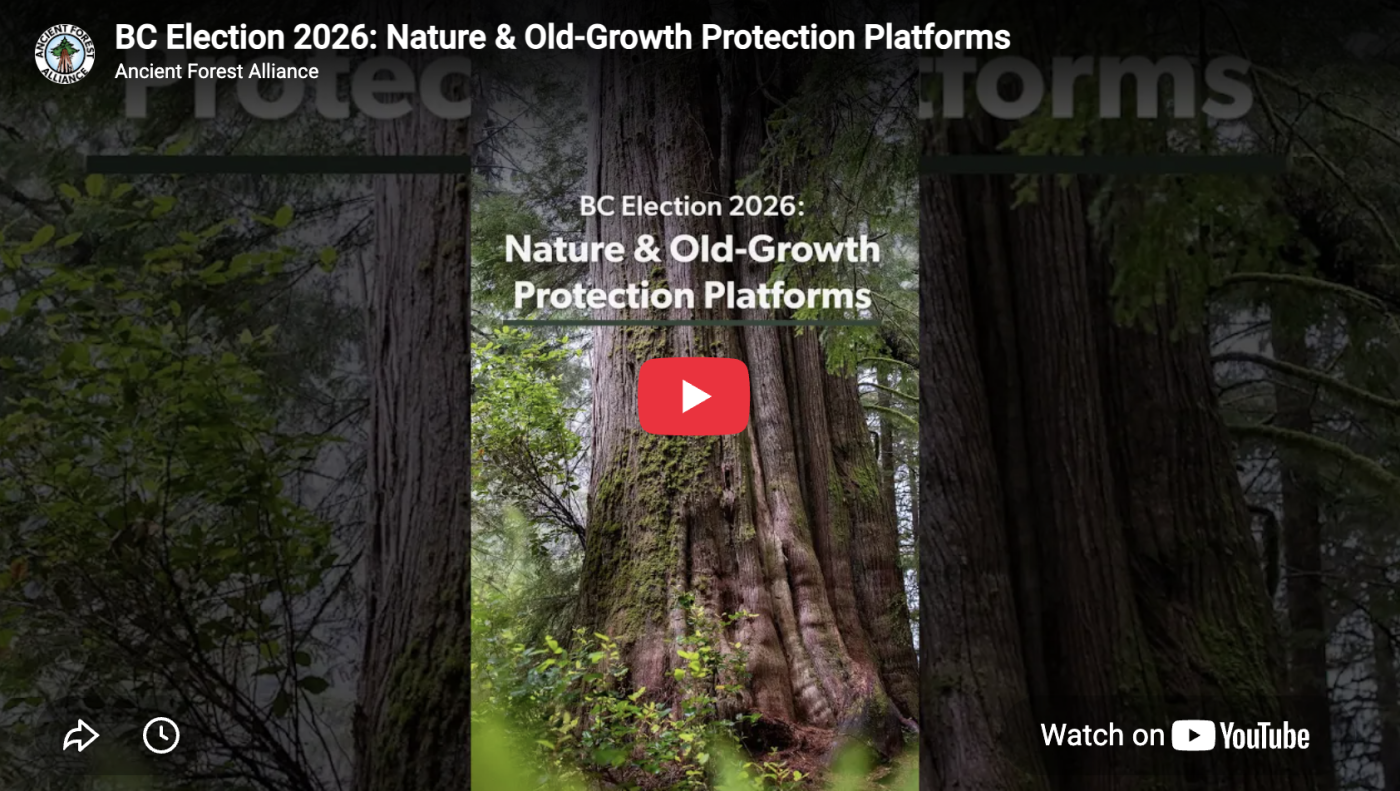
TJ Watt2026-10-22 16:54:062026-10-22 16:59:41NEW Video: BC Election 2026: Nature & Old-Growth Protection
https://ancientforestalliance.org/wp-content/uploads/2026/10/Screenshot-2026-10-22-at-4.54.32-PM.png
952
1684
TJ Watt
https://ancientforestalliance.org/wp-content/uploads/2026/05/Ancient-Forest-Alliance-logo.svg
TJ Watt2026-10-22 16:54:062026-10-22 16:59:41NEW Video: BC Election 2026: Nature & Old-Growth ProtectionRelated Posts
https://ancientforestalliance.org/wp-content/uploads/2026/10/Screenshot-2026-10-22-at-4.54.32-PM.png
952
1684
TJ Watt
https://ancientforestalliance.org/wp-content/uploads/2026/05/Ancient-Forest-Alliance-logo.svg
TJ Watt2026-10-22 16:54:062026-10-22 16:59:41NEW Video: BC Election 2026: Nature & Old-Growth Protection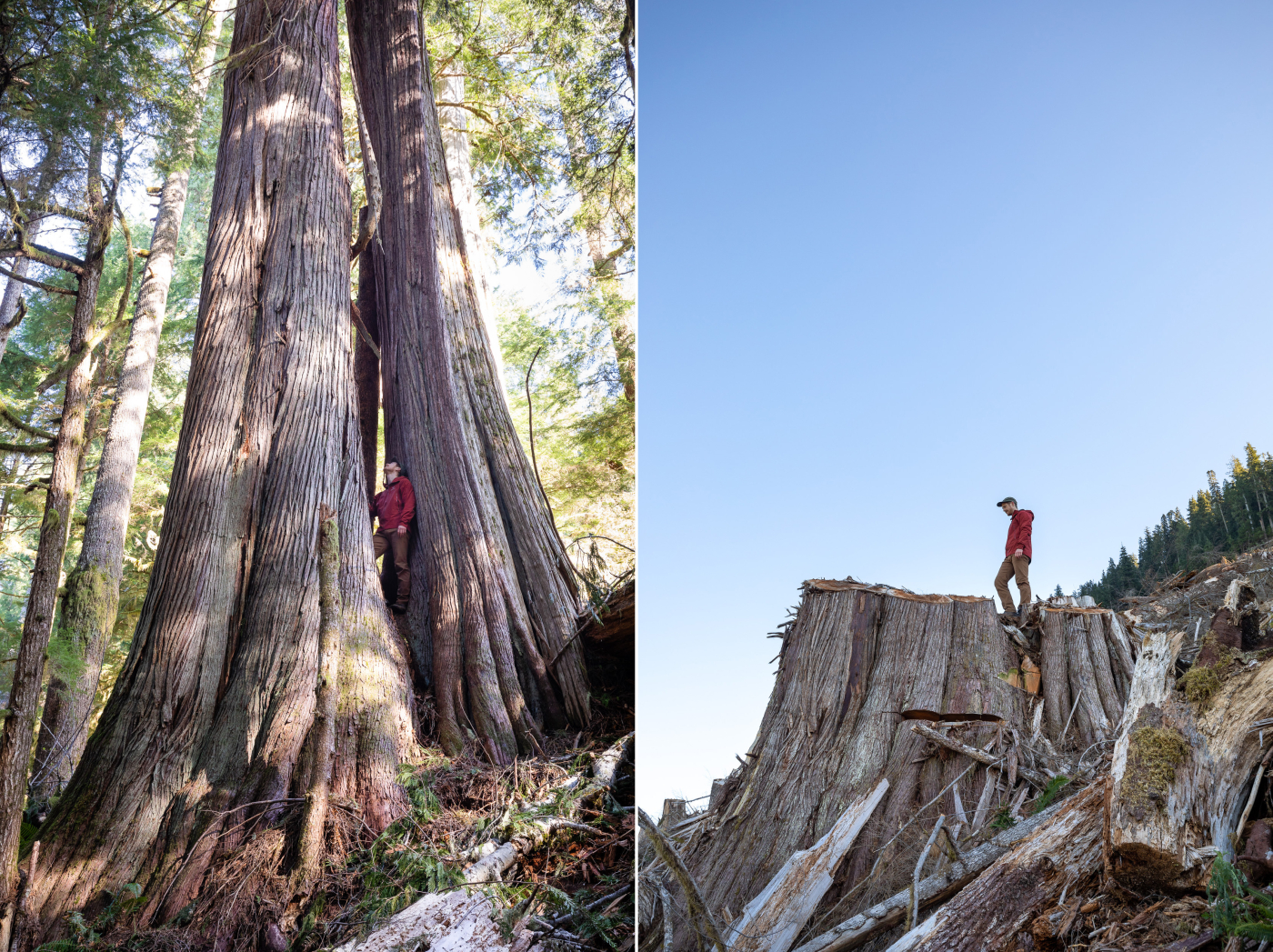 https://ancientforestalliance.org/wp-content/uploads/2026/10/Before-After-Caycuse-TJ-Watt-4-scaled.jpg
1915
2560
TJ Watt
https://ancientforestalliance.org/wp-content/uploads/2026/05/Ancient-Forest-Alliance-logo.svg
TJ Watt2026-10-16 17:36:002026-10-21 13:40:23BC Election 2026: Where do Parties Stand on Nature & Old-Growth?
https://ancientforestalliance.org/wp-content/uploads/2026/10/Before-After-Caycuse-TJ-Watt-4-scaled.jpg
1915
2560
TJ Watt
https://ancientforestalliance.org/wp-content/uploads/2026/05/Ancient-Forest-Alliance-logo.svg
TJ Watt2026-10-16 17:36:002026-10-21 13:40:23BC Election 2026: Where do Parties Stand on Nature & Old-Growth? https://ancientforestalliance.org/wp-content/uploads/2026/10/BC-Election-2026-Banner-1-1-scaled.jpg
1439
2560
TJ Watt
https://ancientforestalliance.org/wp-content/uploads/2026/05/Ancient-Forest-Alliance-logo.svg
TJ Watt2026-10-09 18:16:372026-10-16 17:44:41Where do BC’s Major Political Parties Stand on Nature Protection?
https://ancientforestalliance.org/wp-content/uploads/2026/10/BC-Election-2026-Banner-1-1-scaled.jpg
1439
2560
TJ Watt
https://ancientforestalliance.org/wp-content/uploads/2026/05/Ancient-Forest-Alliance-logo.svg
TJ Watt2026-10-09 18:16:372026-10-16 17:44:41Where do BC’s Major Political Parties Stand on Nature Protection?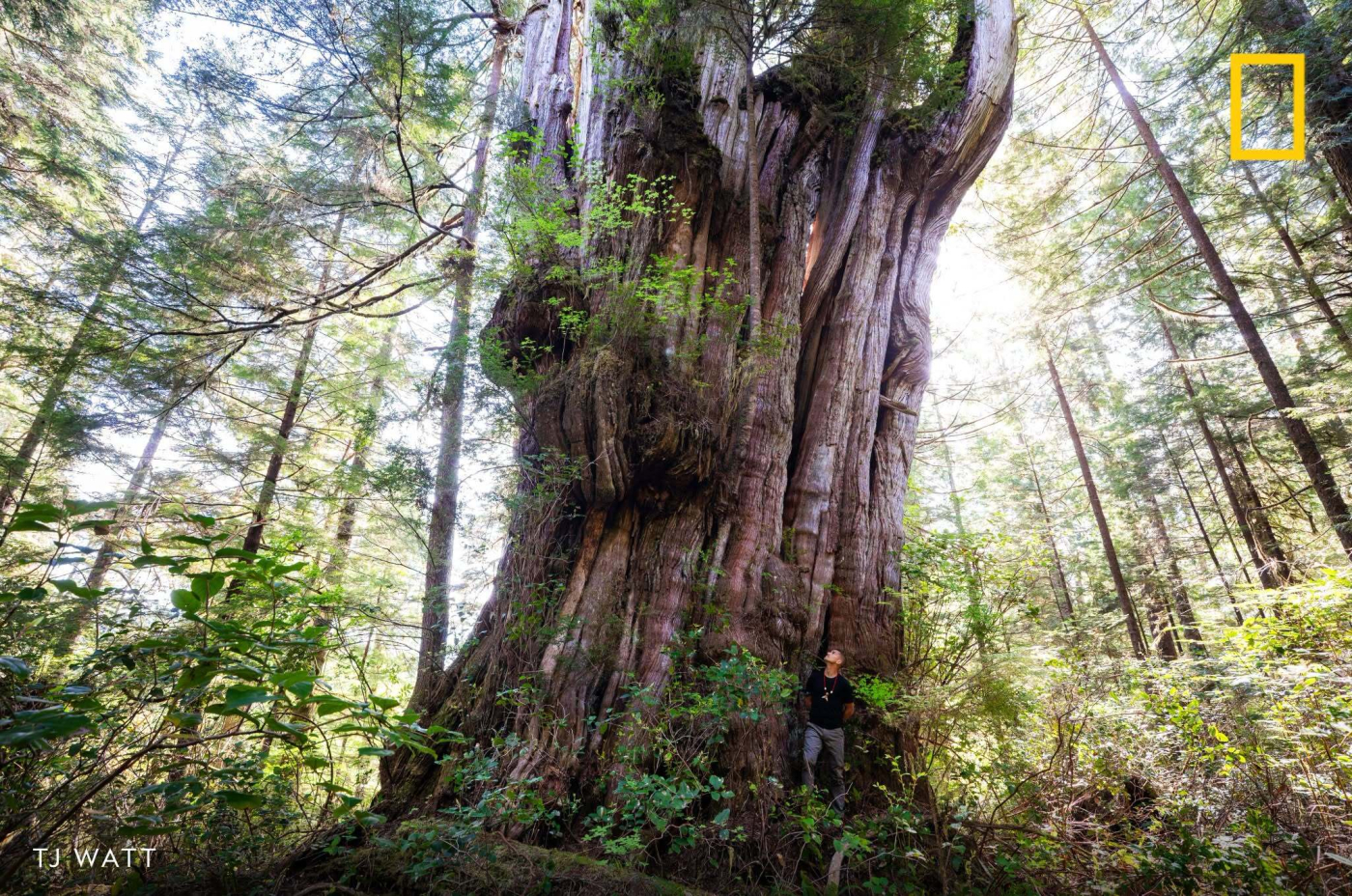 https://ancientforestalliance.org/wp-content/uploads/2026/10/Nat-Geo-Travel-Flores-Cedar.jpg
1357
2048
TJ Watt
https://ancientforestalliance.org/wp-content/uploads/2026/05/Ancient-Forest-Alliance-logo.svg
TJ Watt2026-10-02 13:38:152026-10-02 13:38:15Nat Geo Travel Features TJ Watt’s Photo of Flores Cedar
https://ancientforestalliance.org/wp-content/uploads/2026/10/Nat-Geo-Travel-Flores-Cedar.jpg
1357
2048
TJ Watt
https://ancientforestalliance.org/wp-content/uploads/2026/05/Ancient-Forest-Alliance-logo.svg
TJ Watt2026-10-02 13:38:152026-10-02 13:38:15Nat Geo Travel Features TJ Watt’s Photo of Flores CedarTake Action
 Donate
Support the Ancient Forest Alliance with a one-time or monthly donation. Send a Message
Send an instant message to key provincial decision-makers.
Activist Tackles Raw Log Exports
/in News CoverageA BC environmental activist is talking about raw log exports at a community forum tonight, Wednesday, March 6.
Ken Wu, of the Ancient Forest Alliance, is speaking at 7 pm in Trinity Hall, United Church, on the corner of Michigan Avenue and Duncan Street.
Last year, more than 5.7 million cubic metres of raw logs were exported from BC. In January, Forest Minister Steve Thomson announced changes to export rules that would include the cost of transporting logs to the Vancouver log market as a factor in determining whether logs are available for export.
“The government has essentially made it easier for companies to export raw logs, especially from Vancouver Island,” said Wu.
In terms of solutions, Wu said, the government needs to restructure the industry to provide the support for a value-added second growth forest industry. “Right now, a lot of the second growth logs are being exported to foreign mills,” he said.
As well, Wu said, he will be talking about the proposed expansion to tree farm licences in the province. The government has proposed amendments to the Forest Act that will allow for the conversion of volume-based forest licences to area-based tree farm licences at the minister’s discretion.
The government is increasing corporate control over Crown lands in BC by introducing the new bill in the legislature, just before the writ is dropped for the election, Wu said. “It enables the minister of forests to readily create new tree farm licences which confer exclusive logging rights over vast areas of land for these companies,” he said.
Another topic Wu will speak about is the need to protect old-growth forests, he said. “There’s controversial logging all around the province, including on the Sunshine Coast, in old-growth forests,” he said.
The community forum is sponsored by PR Voices, Communications, Energy and Paperworkers’ Union of Canada and Malaspina Sierra Club. Discussion and refreshments will follow Wu’s presentation and admission is by a suggested donation of $5.
Read More: https://www.prpeak.com/articles/2013/03/06/community/doc51369a7eaa879890427028.txt
Oceans and Forests on Naturalists’ Agenda
/in AnnouncementsThe Cowichan Valley Naturalists have a busy schedule of free public events coming up in the next few weeks.
On Friday, Feb. 22 at 7 p.m., Caitlin Birdsall from the Vancouver Aquarium will be at the Cowichan Estuary Nature Centre in Cowichan Bay to speak about the cetaceans of British Columbia.
Cetaceans are marine mammals, including whales. Admission is by donation.
Then, on Monday, March 11 at 9: 30 a.m. at the Freshwater Ecocentre in Duncan Ken Wu of Ancient Forest Alliance will give a talk entitled “The State of our Forests: The status, ecology, and pre-election politics of B.C.’s old growth forests.”
Admission is free but coffee and snacks are by donation and you should bring your own cup.
For more information about the Cowichan Valley Naturalists and their programs go to www. naturecowichan.net or call Eric at 250-748-3682.
TONIGHT! Wed. March 6th, Ken Wu of the AFA will be speaking at a forum on raw log exports and sustainable forestry in Powell River
/in AnnouncementsIf any of you are in Powell River, this Wednesday, March 6th Ken Wu of the AFA will be speaking there at a forum on raw log exports and sustainable forestry from 7-9pm, at the United Church, 6932 Crofton St. Organized by Powell River Voices, Sierra Club and CEP union.
Facebook Event Page: www.facebook.com/events/339892902788922/