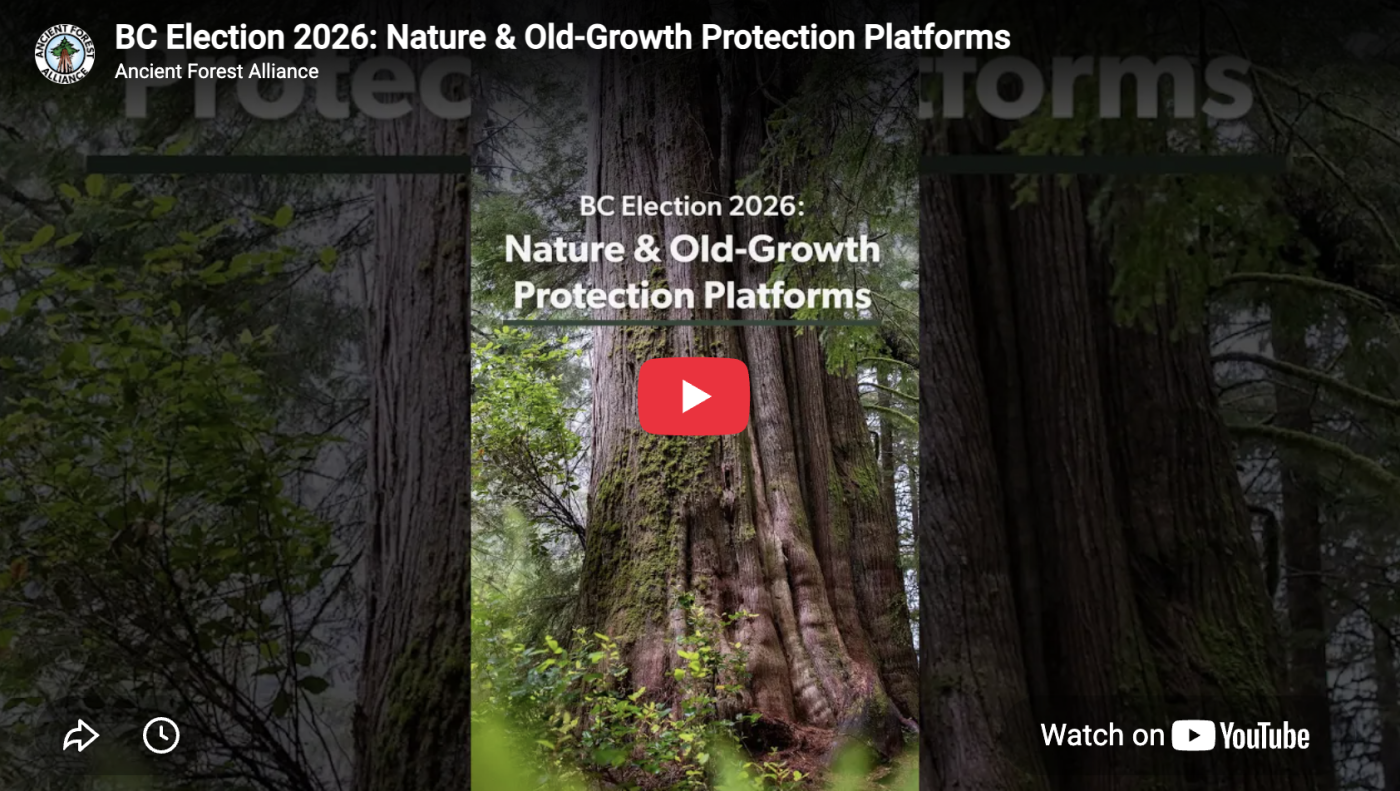
 https://ancientforestalliance.org/wp-content/uploads/2026/10/Screenshot-2026-10-22-at-4.54.32-PM.png
952
1684
TJ Watt
https://ancientforestalliance.org/wp-content/uploads/2026/05/Ancient-Forest-Alliance-logo.svg
TJ Watt2026-10-22 16:54:062026-10-22 16:59:41NEW Video: BC Election 2026: Nature & Old-Growth Protection
https://ancientforestalliance.org/wp-content/uploads/2026/10/Screenshot-2026-10-22-at-4.54.32-PM.png
952
1684
TJ Watt
https://ancientforestalliance.org/wp-content/uploads/2026/05/Ancient-Forest-Alliance-logo.svg
TJ Watt2026-10-22 16:54:062026-10-22 16:59:41NEW Video: BC Election 2026: Nature & Old-Growth ProtectionRelated Posts
https://ancientforestalliance.org/wp-content/uploads/2026/10/Screenshot-2026-10-22-at-4.54.32-PM.png
952
1684
TJ Watt
https://ancientforestalliance.org/wp-content/uploads/2026/05/Ancient-Forest-Alliance-logo.svg
TJ Watt2026-10-22 16:54:062026-10-22 16:59:41NEW Video: BC Election 2026: Nature & Old-Growth Protection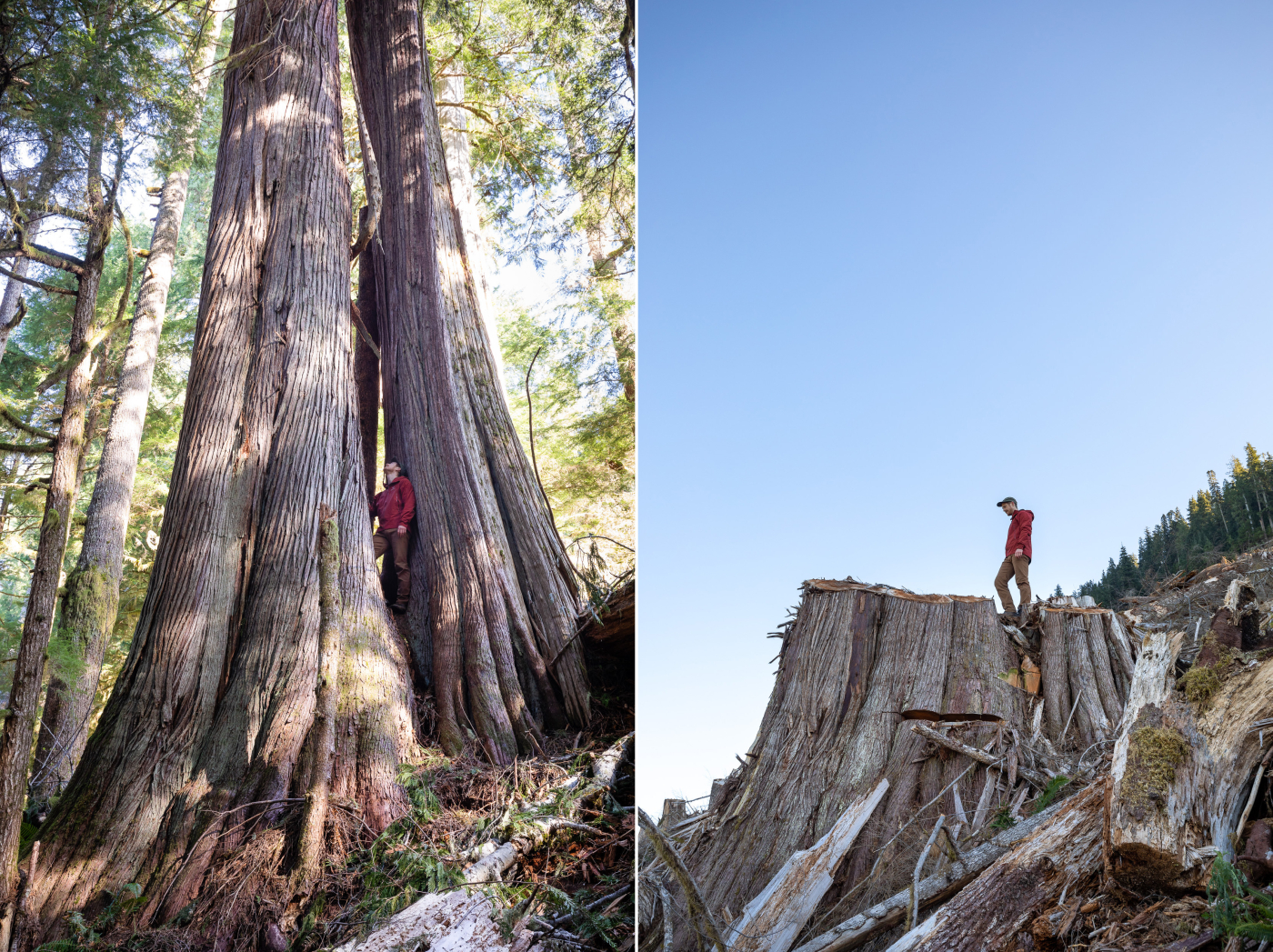 https://ancientforestalliance.org/wp-content/uploads/2026/10/Before-After-Caycuse-TJ-Watt-4-scaled.jpg
1915
2560
TJ Watt
https://ancientforestalliance.org/wp-content/uploads/2026/05/Ancient-Forest-Alliance-logo.svg
TJ Watt2026-10-16 17:36:002026-10-21 13:40:23BC Election 2026: Where do Parties Stand on Nature & Old-Growth?
https://ancientforestalliance.org/wp-content/uploads/2026/10/Before-After-Caycuse-TJ-Watt-4-scaled.jpg
1915
2560
TJ Watt
https://ancientforestalliance.org/wp-content/uploads/2026/05/Ancient-Forest-Alliance-logo.svg
TJ Watt2026-10-16 17:36:002026-10-21 13:40:23BC Election 2026: Where do Parties Stand on Nature & Old-Growth? https://ancientforestalliance.org/wp-content/uploads/2026/10/BC-Election-2026-Banner-1-1-scaled.jpg
1439
2560
TJ Watt
https://ancientforestalliance.org/wp-content/uploads/2026/05/Ancient-Forest-Alliance-logo.svg
TJ Watt2026-10-09 18:16:372026-10-16 17:44:41Where do BC’s Major Political Parties Stand on Nature Protection?
https://ancientforestalliance.org/wp-content/uploads/2026/10/BC-Election-2026-Banner-1-1-scaled.jpg
1439
2560
TJ Watt
https://ancientforestalliance.org/wp-content/uploads/2026/05/Ancient-Forest-Alliance-logo.svg
TJ Watt2026-10-09 18:16:372026-10-16 17:44:41Where do BC’s Major Political Parties Stand on Nature Protection?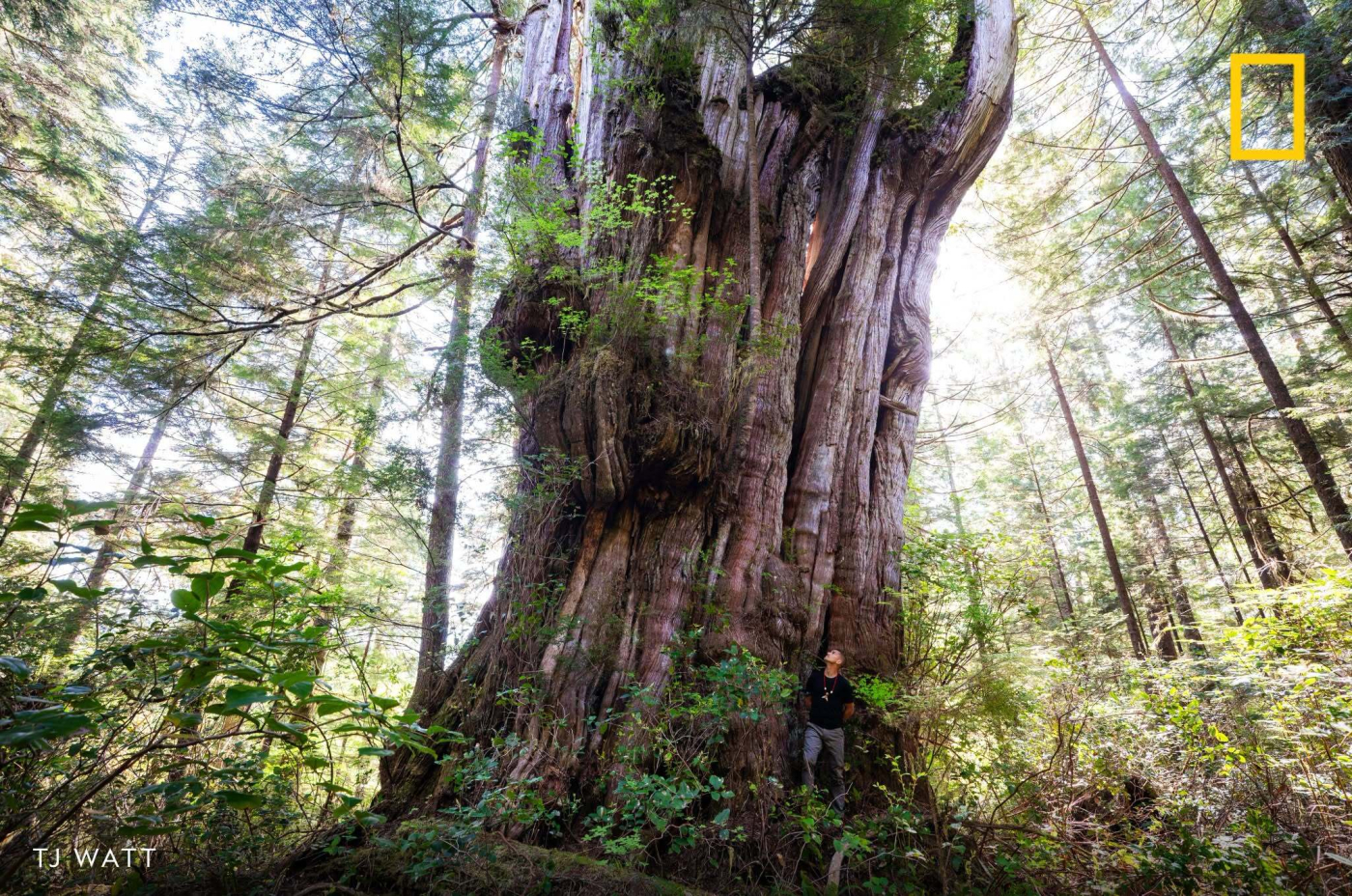 https://ancientforestalliance.org/wp-content/uploads/2026/10/Nat-Geo-Travel-Flores-Cedar.jpg
1357
2048
TJ Watt
https://ancientforestalliance.org/wp-content/uploads/2026/05/Ancient-Forest-Alliance-logo.svg
TJ Watt2026-10-02 13:38:152026-10-02 13:38:15Nat Geo Travel Features TJ Watt’s Photo of Flores Cedar
https://ancientforestalliance.org/wp-content/uploads/2026/10/Nat-Geo-Travel-Flores-Cedar.jpg
1357
2048
TJ Watt
https://ancientforestalliance.org/wp-content/uploads/2026/05/Ancient-Forest-Alliance-logo.svg
TJ Watt2026-10-02 13:38:152026-10-02 13:38:15Nat Geo Travel Features TJ Watt’s Photo of Flores CedarTake Action
 Donate
Support the Ancient Forest Alliance with a one-time or monthly donation. Send a Message
Send an instant message to key provincial decision-makers.
Land swaps could protect watersheds, official says
/in News CoverageRead the Times Colonist article here
Logging on hillsides such as McLaughlin Ridge inevitably affects the water supply of surrounding communities and the province should do more to help protect watersheds, says the chairman of the AlberniClayoquot Regional District.
Glenn Wong is planning to ask Forests Minister Steve Thomson about the possibility of swapping Crown land for private managed forest lands at the Union of B.C. Municipalities meeting in Victoria next week. If the proposal were accepted, forestry companies could cut in Crown land areas instead of in the watershed.
“I know that what you do in the hills has an impact on water quality,” he said. “We have two water improvement districts and the [Port Alberni] water supply, and we don’t have much of a say in what is happening in our watersheds.”
Smaller communities such as Port Alberni, which is surrounded by private managed forest land, cannot afford to buy their watersheds, so must look for other ways to increase protections, Wong said.
Port Alberni Mayor John Douglas said the emphasis is on talking to forestry companies.
“We have a pretty good dialogue going,” he said.
But Alberni-Pacific Rim MLA Scott Fraser, who obtained documents showing strong disagreements between the province and Island Timberlands over protection on McLaughlin Ridge, said logging done so far in the area shows little concern for environmental or watershed values.
Logging this year took place around the periphery of the ridge. The core has not yet been harvested.
“It’s not just a matter of the deer or the water,” Fraser said. “It’s a unique biosystem.”
Jane Morden, spokeswoman for the WatershedForest Alliance in Port Alberni, said the ridge has “scary steep slopes” and harvesting is likely to affect both the water supply and wildlife habitat – even if selective logging techniques are used.
“It was supposedly protected to begin with,” she said. “If anything is going to be left, at least leave this.”
China Creek, the main source of Port Alberni’s water, already has sediment problems, but recent turbidity has cleared very quickly – a sign that the creek is rushing because of erosion higher up, Morden said.
McLaughlin Ridge is made up of old-growth coastal Douglas fir, with a good canopy, hanging lichens and small meadows, making it excellent wildlife habitat, Morden said.
Forests Ministry spokeswoman Vivian Thomas said ministry staff have met with Port Alberni officials about the water.
“There are pre-existing seasonal water turbidity issues in China Creek; however, to this point, no evidence suggests that logging activity in the area is the cause,” she said. “This turbidity has existed for many years and is one reason why Port Alberni also draws water from Bainbridge Lake, particularly when turbidity levels are high in China Creek.”
Minutes of meetings in the documents obtained by Fraser document concerns about public perception.
“Selling this to the public is a real concern for [Island Timberlands],” say the minutes.
Bill Waugh, Island Timberlands’ forestry manager, warned ministry staff that the only way to protect the area in perpetuity would be for the province to buy it.
However, Thomas said the ministry has no interest in buying the ridge.
Battle revealed over use of sensitive Island forest near Port Alberni
/in News CoverageAn old-growth forest near Port Alberni that had been protected as critical habitat for wintering deer and endangered goshawks is being logged by Island Timberlands – even though newly released documents show Environment Ministry staff strongly disagreed with the company’s harvesting plans.
The documents, obtained by Alberni-Pacific Rim NDP MLA Scott Fraser through a freedom-of-information request, reveal a pitched battle between government biologists and Island Timberlands over protections needed for McLaughlin Ridge, the headwaters for the main source of Port Alberni’s drinking water.
McLaughlin Ridge is privately managed forest land and was removed from a tree farm licence in 2004 by then-owners Weyerhaeuser. The province insisted that critical winter habitat should be protected for two years and a committee should then decide levels of protection.
But the province and Island Timberlands could not agree and meetings were “terminated” by the company in 2009, with government biologists saying harvesting plans were not science-based. Bed bath and beyond coupons
“It is now apparent that it will not be possible to achieve consensus within the committee on how much protected wildlife area is required,” says a letter from the company.
But a letter setting out provincial objections was never sent to Island Timberlands, which has since said its plans are based on ministry input.
That has Fraser questioning whether information was suppressed by the government.
“With all the concerns about the Harper government stifling scientists, it appears it has been happening in BC for years.”
The list of objections was relegated to a memo or “note to file” that says Island Timberlands wanted to log in deer winter ranges and wildlife habitat areas “and [the Environment Ministry] could not scientifically rationalize how the quality of these areas could be maintained.”
“This letter was never released, but does summarize many important opinions of MoE staff,” it says.
Ancient Forest Alliance founder Ken Wu said that indicates political interference.
“These are huge revelations that may be a game changer on how Island Timberlands and the BC Liberals have to deal with the public” regarding how old-growth forests are managed, he said.
Forests Minister Steve Thomson was not available, but ministry spokesman Vivian Thomas said staff were not overruled.
“The Minister of Environment of the time did not prevent the letter from being sent, nor did he direct staff not to send it,” Thomas said in an emailed response.
“The draft letter summa rizes differing points of view between ministry staff and Island Timberlands. However, sending it would not have served any purpose, since an agreement with Island Timberlands on managing critical wildlife habitat/ungulate winter range … could not be reached,” she said.
The company is bound by the Private Managed Forest Land Act, federal Species at Risk Act and Drinking Water Protection Act, Thomas said.
Island Timberlands spokeswoman Morgan Kennah said the company had not previously seen the memo, but it would not have affected logging plans.
“We know there were differing opinions on how the property should be managed. Ministry staff at the time thought the preservation model was the one to have and Island Timberland’s perspective was to look at opportunities for … harvest as well as habitat,” she said.
Logging in McLaughlin Ridge has been completed for this year, Kennah said.
“Next year and subsequent years we may be harvesting, but we haven’t finalized our long-term final strategy for habitat management in that area.”
[Times Colonist article no longer available]
EIGHT MONTH COUNTDOWN until the BC Election!
/in AnnouncementsPlease DONATE to help the Ancient Forest Alliance build a much-needed “War Chest” of funding during this crucial pre-election period to shape major provincial policy decisions.
DONATE at: https://ancientforestalliance.org/donations.php
The Greatest Opportunity is NOW for New Forest Policy Commitments
The next eight months will be a crucial time period for the fate of BC’s old-growth forests – in fact, the most important in BC’s history for ancient forests. In May, 2013, there will be a provincial election. During this pre-election period, politicians both in government and in the opposition are highly sensitive to public pressure as they seek power in the upcoming election. This is the time they must listen to the Ancient Forest Alliance and thousands of our supporters calling for new forest policy commitments including a Provincial Old-Growth Strategy that will protect BC’s endangered old-growth forests and that will ensure a sustainable, value-added second-growth forest industry.
Times Have Changed
Over the past three decades, the level of public awareness and sympathy for the protection of BC’s old-growth forests has steadily grown…so much so that today, the social expectations that the last of these magnificent ancient forests be protected and a sustainable second-growth forest industry be established is far in the majority of public opinion. However, the fate of ancient forests is not necessarily at the forefront of most people’s minds, and may not be a voting issue for many yet. We need to get it there through a massive campaign now.
All indications are there will be a major shift in the politics of this province in the upcoming election. But there are no guarantees that whoever rules BC next, they will fundamentally change the status quo of old-growth forest liquidation in BC – unless there is massive public pressure coming from BC’s electorate. NOW is the time that we must make the decisive, large-scale, concerted public push for a new provincial plan to protect our endangered forests and jobs.
What’s at Stake?
The fate of BC’s forests is not just “one among many environmental issues”, but is the overriding, most significant environmental land-use issue in the province for the simple reason that forests are by far the dominant part of BC’s landbase and industrial logging exerts the largest ecological footprint of any land-use activity in BC – 200,000 hectares of forests are logged every year, an area about twenty times the size of the city of Vancouver. This logging includes tens of thousands of hectares of old-growth forests each year. Logging of BC’s forests heavily impacts the climate, endangered species, water quality, wild fisheries, First Nations cultures, tourism, scenery, recreation, and our quality of lives.
What will we DO?
The Ancient Forest Alliance leads the way among BC conservation groups campaigning for a province-wide forestry overhaul to save ancient forests and forestry jobs. History demonstrates that only large-scale awareness and mobilization of a broad diversity of citizens can ensure major societal shifts, including how the tens of millions of hectares of BC’s forests are going to be managed. Over the next eight months we will:
…and much more!
We Need Funding to Take Advantage of this Most Opportune Time
Unfortunately the AFA is highly underfunded and we are currently in a very tough financial spot. To top it off, we really need to greatly expand our funding base for the heightened period of intense campaigning over the next 8 months before a BC election!
We can’t let the BEST OPPORTUNITY to ensure the protection of BC’s ancient forests SLIP BY by due to a lack of funding. IF THERE WAS EVER A TIME TO SUPPORT US, IT IS NOW.
Again, you can donate by going to: https://ancientforestalliance.org/donations.php
With your help, we’re confident now that we’ll change the history of BC’s forests over the coming intense eight months, for the benefit of future generations of human and non-human communities throughout BC.
For the Wild,
Ken Wu, Joan Varley, TJ Watt, Hannah Carpendale