 https://ancientforestalliance.org/wp-content/uploads/2026/10/Screenshot-2026-10-22-at-4.54.32-PM.png
952
1684
TJ Watt
https://ancientforestalliance.org/wp-content/uploads/2026/05/Ancient-Forest-Alliance-logo.svg
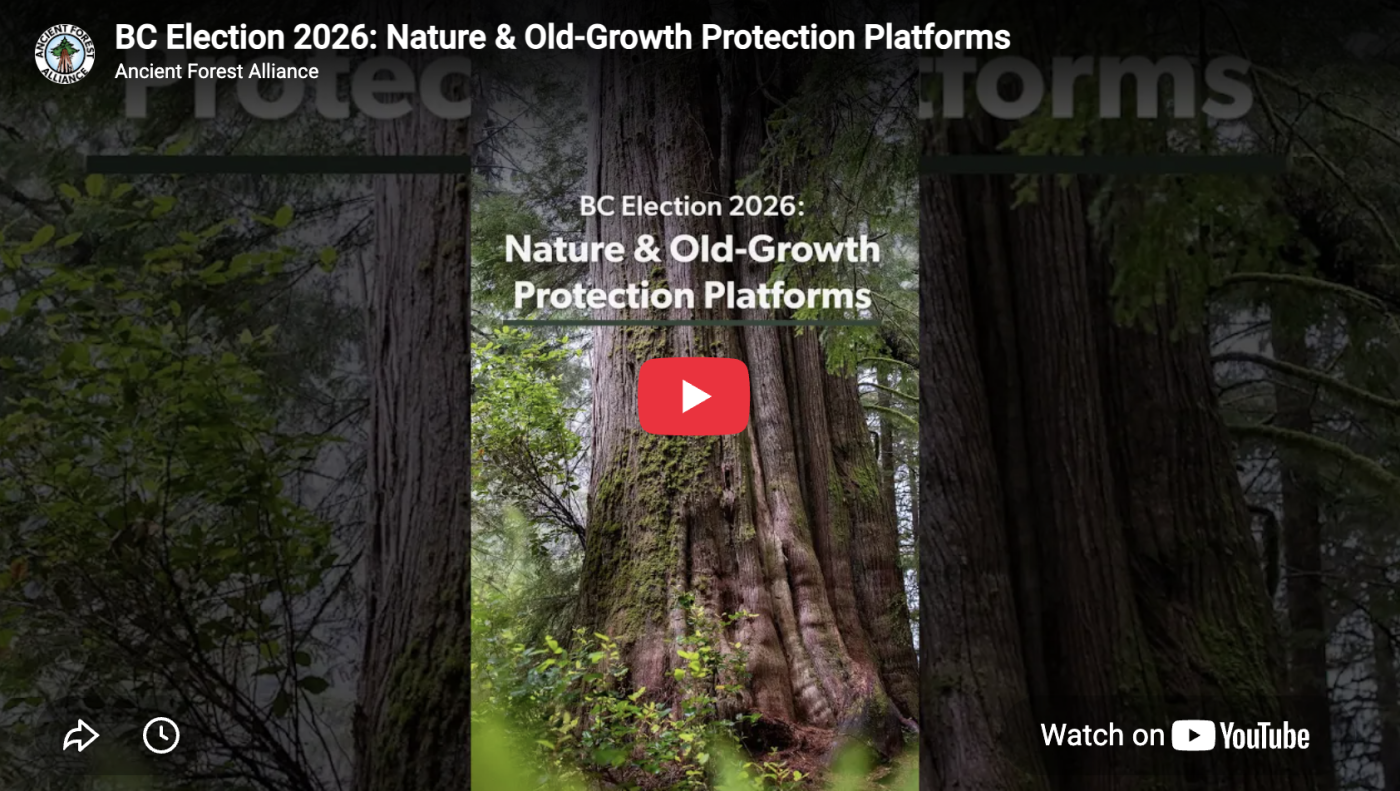
TJ Watt2026-10-22 16:54:062026-10-22 16:59:41NEW Video: BC Election 2026: Nature & Old-Growth Protection
https://ancientforestalliance.org/wp-content/uploads/2026/10/Screenshot-2026-10-22-at-4.54.32-PM.png
952
1684
TJ Watt
https://ancientforestalliance.org/wp-content/uploads/2026/05/Ancient-Forest-Alliance-logo.svg
TJ Watt2026-10-22 16:54:062026-10-22 16:59:41NEW Video: BC Election 2026: Nature & Old-Growth ProtectionRelated Posts
https://ancientforestalliance.org/wp-content/uploads/2026/10/Screenshot-2026-10-22-at-4.54.32-PM.png
952
1684
TJ Watt
https://ancientforestalliance.org/wp-content/uploads/2026/05/Ancient-Forest-Alliance-logo.svg
TJ Watt2026-10-22 16:54:062026-10-22 16:59:41NEW Video: BC Election 2026: Nature & Old-Growth Protection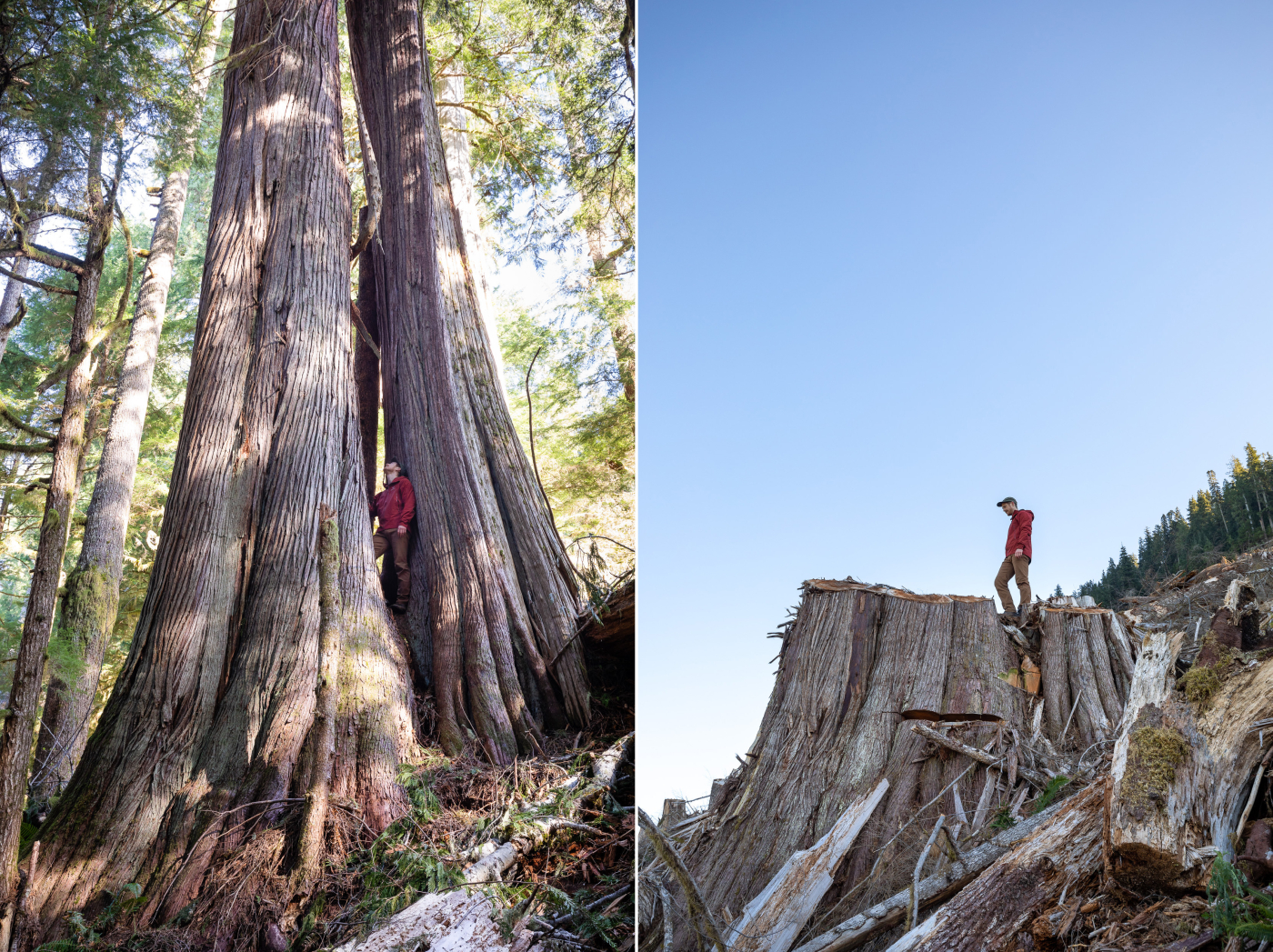 https://ancientforestalliance.org/wp-content/uploads/2026/10/Before-After-Caycuse-TJ-Watt-4-scaled.jpg
1915
2560
TJ Watt
https://ancientforestalliance.org/wp-content/uploads/2026/05/Ancient-Forest-Alliance-logo.svg
TJ Watt2026-10-16 17:36:002026-10-21 13:40:23BC Election 2026: Where do Parties Stand on Nature & Old-Growth?
https://ancientforestalliance.org/wp-content/uploads/2026/10/Before-After-Caycuse-TJ-Watt-4-scaled.jpg
1915
2560
TJ Watt
https://ancientforestalliance.org/wp-content/uploads/2026/05/Ancient-Forest-Alliance-logo.svg
TJ Watt2026-10-16 17:36:002026-10-21 13:40:23BC Election 2026: Where do Parties Stand on Nature & Old-Growth? https://ancientforestalliance.org/wp-content/uploads/2026/10/BC-Election-2026-Banner-1-1-scaled.jpg
1439
2560
TJ Watt
https://ancientforestalliance.org/wp-content/uploads/2026/05/Ancient-Forest-Alliance-logo.svg
TJ Watt2026-10-09 18:16:372026-10-16 17:44:41Where do BC’s Major Political Parties Stand on Nature Protection?
https://ancientforestalliance.org/wp-content/uploads/2026/10/BC-Election-2026-Banner-1-1-scaled.jpg
1439
2560
TJ Watt
https://ancientforestalliance.org/wp-content/uploads/2026/05/Ancient-Forest-Alliance-logo.svg
TJ Watt2026-10-09 18:16:372026-10-16 17:44:41Where do BC’s Major Political Parties Stand on Nature Protection?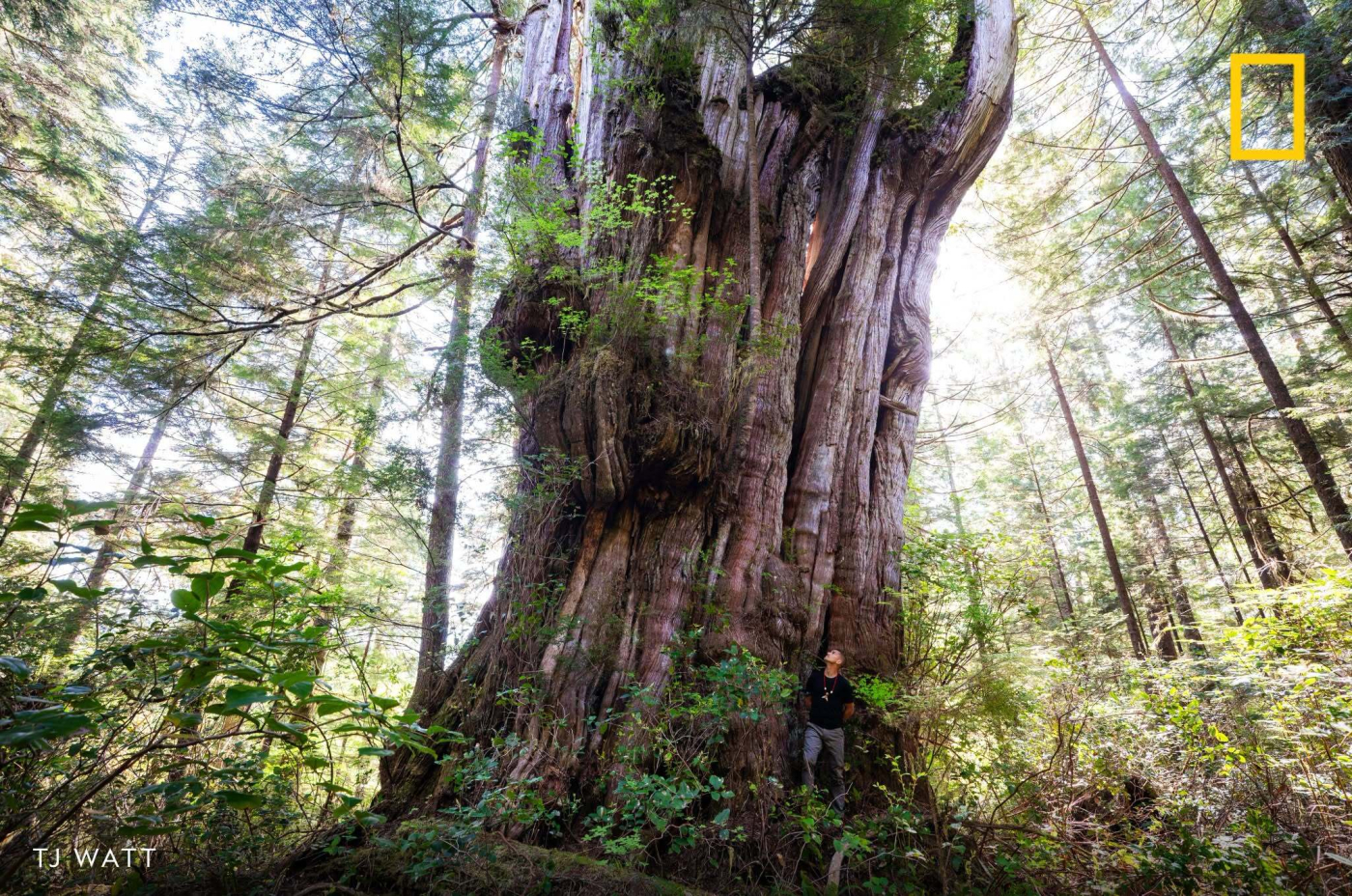 https://ancientforestalliance.org/wp-content/uploads/2026/10/Nat-Geo-Travel-Flores-Cedar.jpg
1357
2048
TJ Watt
https://ancientforestalliance.org/wp-content/uploads/2026/05/Ancient-Forest-Alliance-logo.svg
TJ Watt2026-10-02 13:38:152026-10-02 13:38:15Nat Geo Travel Features TJ Watt’s Photo of Flores Cedar
https://ancientforestalliance.org/wp-content/uploads/2026/10/Nat-Geo-Travel-Flores-Cedar.jpg
1357
2048
TJ Watt
https://ancientforestalliance.org/wp-content/uploads/2026/05/Ancient-Forest-Alliance-logo.svg
TJ Watt2026-10-02 13:38:152026-10-02 13:38:15Nat Geo Travel Features TJ Watt’s Photo of Flores CedarTake Action
 Donate
Support the Ancient Forest Alliance with a one-time or monthly donation. Send a Message
Send an instant message to key provincial decision-makers.
TOMORROW LUSH "Charity Pot" Celebration Day with the Ancient Forest Alliance
/in AnnouncementsTOMORROW LUSH “Charity Pot” Celebration Day with the Ancient Forest Alliance!
A Mossy Maple Hug and “thank you” to LUSH Fresh Handmade Cosmetics for choosing the Ancient Forest Alliance to participate in their Charity Pot initiative. This fundraising initiative offers grants to environmental groups through the sale of their “Charity Pot” Hand and Body Lotion, and will benefit and boost the Ancient Forest Alliance’s campaign for the protection of BC’s endangered old-growth forests.
To celebrate the Charity Pot and the Ancient Forest Alliance, LUSH is hosting a party at the downtown location at 1003 Government St. in Victoria TOMORROW, Saturday, September 15th from Noon until 6pm where you can pick up an Ancient Forest Alliance “Charity Pot”, hear more about the AFA’s campaigns, enter a draw for a spectacular print by forest campaigner and photographer TJ Watt, or pick up a selection of our greeting cards ($3.00) or a Big Tree Poster ($10 each or 3 for $25).
LUSH Cosmetics
1003 Government St., Downtown Victoria
250-384-5874
Facebook: https://www.facebook.com/LUSHGovtSt
LUSH website: https://www.lush.ca/
On the big tree trail on Vancouver Island
/in News CoverageFifteen minutes down a winding gravel logging road outside of Port Renfrew, we spot the telltale flagging tape marking a tree branch and pull over into a small pullout. Across the road, a laminated sign nailed to a tree says “Upper Avatar Grove,” with an arrow pointing up into the forest.
This is it – the reason we’ve driven two hours west of Victoria along Vancouver Island’s rugged west coast to the outskirts of this small former logging town. Stepping into the forest, we take hold of a rope to help us up a steep embankment and onto the makeshift trail, outlined by pink flagging tape.
As we make our way through the rainforest’s undergrowth, ancient red cedars appear almost immediately. The largest trees are 13 metres around and would have been upward of 250 years old when Captain James Cook first set foot on Vancouver Island in 1778. They are the remnants of an ancient forest that once covered much of southern Vancouver Island; it’s estimated only 10 per cent of this ancient forest still remains.
Continuing into the woods, we cross a creek and head up a hillside, passing five or six large cedars as we go. And then, about 20 minutes in, there it is: the piece de resistance, “Canada’s Gnarliest Tree” – a massive red cedar with a bulbous, three-metre burl and serpent-like roots. This is the tree most responsible for sparking a tourism rush in a town once better known for cutting down trees than marvelling at them.
When Ancient Forest Alliance photographer T.J. Watt discovered this stand of ancient cedars in 2009, many of the largest ones were tagged for logging. In a clever marketing move, the alliance dubbed the trees “Avatar Grove,” after the blockbuster James Cameron movie, drawing massive public attention to the trees and ultimately leading to their protection.
These days, visitors to Port Renfrew can pick up a map to the area’s largest trees and set out to explore what’s been coined the Big Tree Capital of Canada. While some of Canada’s largest trees are out of reach of a typical rental car, there are still plenty of accessible giants – aided by the recent paving of the Pacific Marine Circle Route, which allows travellers to drive across the interior of the island and pop out on the east coast near Duncan, rather than doubling back along the same route to Victoria.
After visiting both upper and lower Avatar Grove, which has become such a popular destination that work on a boardwalk is set to begin any day now, we continued on the circle route. About 15 kilometres outside of Port Renfrew, we turn right down a logging road for a few kilometres before reaching the San Juan Spruce, Canada’s largest Sitka spruce tree, standing taller than the Leaning Tower of Pisa at 62.5 metres, with a circumference of 11.6 metres. This tree is so big that if it fell prey to a chainsaw, it could provide enough wood for 333 telephone poles. Thankfully, these days, it’s seeing more camera lenses than chainsaws.
A little further along the circle route, the Harris Creek spruce is the most easily accessible big tree in the area and towers above the forest. As we drive, it’s impossible not to notice the clear cuts that border right on the highway. It is, after all, an old logging road, so the band of trees normally left to hide clear cuts from view wasn’t originally deemed necessary. While not the prettiest sight, it serves to bring the juxtaposition of the area’s past and future into clear view.
“TimberWest owned all the houses in Port Renfrew at one time. It was a logging town,” says Jon Cash, original creator of the “Tall Tree Tour” map and owner of S Creek Lodge.
Indeed, most of the forest around Port Renfrew has been logged two or three times – which is precisely why ancient trees that have avoided disease, fire and logging companies for up to 1,000 years have attracted so much attention.
“Last year there was a dramatic increase in tourism. It was my best year ever,” says Cash, who was a chef in Toronto before moving to Port Renfrew 11 years ago. “I don’t think anyone ever expected this amount of people to go through Avatar Grove.”
The discovery of Avatar Grove, combined with the paving of the Pacific Marine Circle Route, has also boosted business at Coastal Kitchen Café, a hip Port Renfrew eatery.
“It’s bringing a different type of clientele. We always attracted a fishing community. But now we’re attracting more Europeans and families,” says cafe owner Jessica Hicks.
It’s the type of crowd that jumps at the opportunity to stay in one of Soule Creek Lodge’s luxury yurts perched high on the San Juan Ridge overlooking the area’s ocean and mountains. The lodge is a homey place where guests take their shoes off at the door and checkout happens at the kitchen counter.
The night before our big tree adventure, we checked into a yurt before heading out to check out the tide pools at Botanical Beach just a few kilometres outside of Port Renfrew. Botanical used to be the town’s main tourist attraction and it’s easy to see why with the sandstone outcroppings, rocky cliffs and colourful tide pool inhabitants, including starfish, sea anemones and urchins.
After hiking the three-kilometre loop trail and exploring the tide pools, we’d worked up an appetite and, luckily, had a three-course gourmet dinner in store back at the lodge – featuring local salmon and crab bought right off the town’s dock. Not only is it one of the best meals we’ve had in years, but it’s also a chance to meet other guests – half of whom Cash estimates come to Port Renfrew specifically to see big trees. “This will have dividends for years to come,” Cash says, while inching his way back to the kitchen.
Down at Coastal Kitchen Café, Hicks also sees the preservation of the area’s big trees as a long-term boon. “In the first two years there were at least 10 people a day asking for Avatar Grove whereas before there was nobody,” she says. “I can see that it’s the future of the community.”
In a town of 200 people, 10 new visitors a day is a big deal. And if you’re one of those 10, you get the thrill of visiting somewhere long before the crowds discover it – but half a millennium after some of Canada’s largest trees laid down roots here.
How to get there
Instead of heading back to Victoria after cutting across Vancouver Island on the Pacific Marine Circle Route, you might want to continue on to Tofino. Here are two more great places to check out big trees:
– On Highway 4, between Parksville and Port Alberni, you’ll find Cathedral Grove, which became a provincial park in 1947 after being donated by well-known forester H.R. MacMillan. Home to ancient red cedar and Douglas-fir trees, some more than 800 years old, Cathedral Grove is one of the most accessible stands of old-growth forest on Vancouver Island, attracting more than one million visitors per year.
– From Tofino, you can take a 15-minute water taxi across to Meares Island and walk the Big Tree Trail, which features spectacular red cedars along a boardwalk, including one known as the “Hanging Garden” tree. In the late ’80s, Meares Islands was the site of Canada’s first logging blockade in what would become known as the “War of the Woods.” In the summer of 1993, 12,000 protesters blocked logging in Clayoquot Sound – the largest act of civil disobedience in Canadian history.
If you go:
– WestJet and Air Canada both fly direct to Victoria several times a day. From Victoria airport, leave yourself at least 2.5 hours to drive to Port Renfrew.
– Plan to go between May and October because many Port Renfrew establishments close between November and April.
– Port Renfrew receives twice as much rainfall as Vancouver, so even in the dry season be prepared for muddy conditions.
– Big trees love the rain, but so do mosquitoes. Pack bug spray!
– Pick up the “Tall Tree Tour” map at Soule Creek Lodge or Coastal Kitchen Café.
– Rates at Soule Creek Lodge include breakfast and range from $110 a night for a room in the lodge in the low season to $215 a night for a 450 square foot yurt in the high season.
– Check out ancientforestguide.com for more information on Avatar Grove and the San Juan Spruce.
– Get off the tall tree trail with a trip to Botanical Beach, just five minutes from Port Renfrew. Go at low tide for the best view of Botanical’s spectacular tide pools.
Read more: https://www.calgaryherald.com/travel/story.html?id=7211566
Action Alert! Canada’s Finest Grove of Old-Growth Cedars under Threat – Speak Up!
/in Take ActionCanada’s Finest Grove of Old-Growth Cedars under Threat – Speak Up!
Citizens are still waiting for a promised new “Legal Tool” to protect BC’s largest trees and monumental groves – let’s start with the Castle Grove!
Recently, survey tape for logging was discovered in the Upper Castle Grove in the Walbran Valley on Vancouver Island – that is, in Canada’s finest stand of monumental old-growth red cedar trees. The Castle Grove is an extensive stand of densely-packed enormous cedars which includes the “Castle Giant”, a 16 foot (5 meter) diameter cedar in the Lower Castle Grove that is one of the largest trees in Canada. The flagging tape for the potential logging comes to within 50 meters of the Castle Giant.
The Grove is jam-packed with wildlife and species at risk and is “ground zero” for the ancient forest movement on southern Vancouver Island.
It must not be logged! Please speak up to defend the best of the best ancient forests in Canada!
See the recent Times Colonist and Vancouver Sun articles at: https://www.canada.com/news/Markers+stir+fears+Walbran+logging/7158575/story.html and https://www.vancouversun.com/news/metro/Survey+tape+sparks+logging+concerns+Vancouver+Island+oldgrowth/7158428/story.html
See new, incredible PHOTOS of the Castle Grove and the “falling boundary” survey tape at: https://ancientforestalliance.org/photos-media/castle-grove/ and a beautiful photogallery of the Walbran Valley at: https://ancientforestalliance.org/our-work/old-growth-campaigns/central-walbran-valley/
So far the logging licensee, Teal-Jones, has not applied for a cutting permit for the surveyed cutblock, but if they do it will be a relatively quick “rubber stamp” from the Forest Service before they can log the Upper Castle Grove.
The Ancient Forest Alliance is calling on the BC Liberal government to protect the area using a long-promised (but as yet unrealized) “legal tool” to protect BC’s largest trees and monumental groves.
See the BC government’s announcement in February, 2011, about creating a new legal tool to protect BC’s largest trees and groves:
Vancouver Sun and Times Colonist: “B.C. looking for new ways to protect ancient trees” (Feb.16, 2011)
SPEAK UP for CANADA’s FINEST ANCIENT FOREST!! WRITE to the BC Liberal Government and to the NDP Opposition!
Cc your email to:
Please tell the above politicians that you want them to commit to:
– Use their promised new “legal tool” to protect the Castle Grove in the Walbran Valley on Vancouver Island, including the Upper Castle Grove that is currently flagged for logging and other exceptionally grand old-growth groves in BC.
– Implement a Provincial Old-Growth Strategy that will protect the remaining old-growth forests in regions of the province where old-growth forests are now scarce, such as on Vancouver Island, in the Lower Mainland, the southern Interior, etc.
– Protect BC forestry jobs by ensuring the sustainable logging of second-growth forests and by ending raw log exports to foreign mills.
***Be sure to include your full name and your home mailing address so they know you’re a real person! Thank you!
MORE BACKGROUND INFO
The Castle Grove (Lower and Upper) is the most impressive stand of unprotected monumental ancient red cedars in Canada. The Grove is in the Walbran Valley and is ‘Ground Zero’ for the ancient forest movement on southern Vancouver Island – both historically and today. Because it’s Canada’s finest stand of endangered old-growth red cedars, it has been the focal area for ancient forest campaigns for decades. The Walbran Valley was the focus of early protests against old-growth logging in 1991 and 1992, playing an important role in the build-up towards the massive Clayoquot Sound protests near Tofino on Vancouver Island in 1993.
In February 2011, former Minister of Forests Pat Bell promised that the BC Liberal government would implement a new legal tool to protect the largest trees and associated groves. So far BC citizens have waited for over a year and a half for the BC Liberal government to implement this legal tool. Of all places, the Castle Grove is THE place where such a legal designation would make most sense. Otherwise the BC Liberals’ rhetoric has been as empty as a clearcut.
To date, the BC Liberal government under the new Minister of Forests Steve Thomson has not publicly followed through with this promise, although sources within the ministry have indicated that the BC government is now looking at using existing legal tools, namely provincial Recreation Sites and Old-Growth Management Areas, to fulfill this function.
It doesn’t matter if the BC Liberal government uses new or old tools to protect our endangered ancient groves like the Castle Grove. The main thing is they need to actually start identifying and designating such areas for protection, otherwise it was simply an empty promise for PR purposes at the time, and hollow promises like that won’t go unnoticed by the conservation movement during this pre-election period. More importantly, the BC Liberal government needs to implement a much more comprehensive Provincial Old-Growth Strategy to protect old-growth ecosystems on a much larger scale across BC.
Ecological surveys done in the Castle Grove have revealed the presence of threatened marbled murrelets, screech owls, Queen Charlotte goshawks, red-legged frogs, cougars, black bears, and black-tailed deer in the Upper Castle Grove, while steelhead and coho salmon spawn in the Walbran River below the Castle Grove.
On southern Vancouver Island south of Barkley Sound and Port Alberni, satellite photos show that over 87% of the original, productive old-growth forests have already been logged (the rest mainly being second-growth forests now and some urban/agricultural areas). See maps and stats here.
The Ancient Forest Alliance is calling on the BC Liberal government and the NDP Opposition to commit to implementing a BC Old-Growth Strategy that will inventory and protect old-growth forests wherever they are scarce (such as on Vancouver Island, in the Lower Mainland, in the BC Interior, etc.). The AFA is also calling on the BC Liberal government to ensure the sustainable logging of second-growth forests, which constitute most of the forests in southern BC, and to ensure a guaranteed log supply for BC mills and value-added wood manufacturers by ending the export of raw logs to foreign mills.
Old-growth forests are vital to sustain endangered species, the climate, tourism, clean water, wild salmon, and the cultures of many First Nations.