 https://ancientforestalliance.org/wp-content/uploads/2026/10/Screenshot-2026-10-22-at-4.54.32-PM.png
952
1684
TJ Watt
https://ancientforestalliance.org/wp-content/uploads/2026/05/Ancient-Forest-Alliance-logo.svg
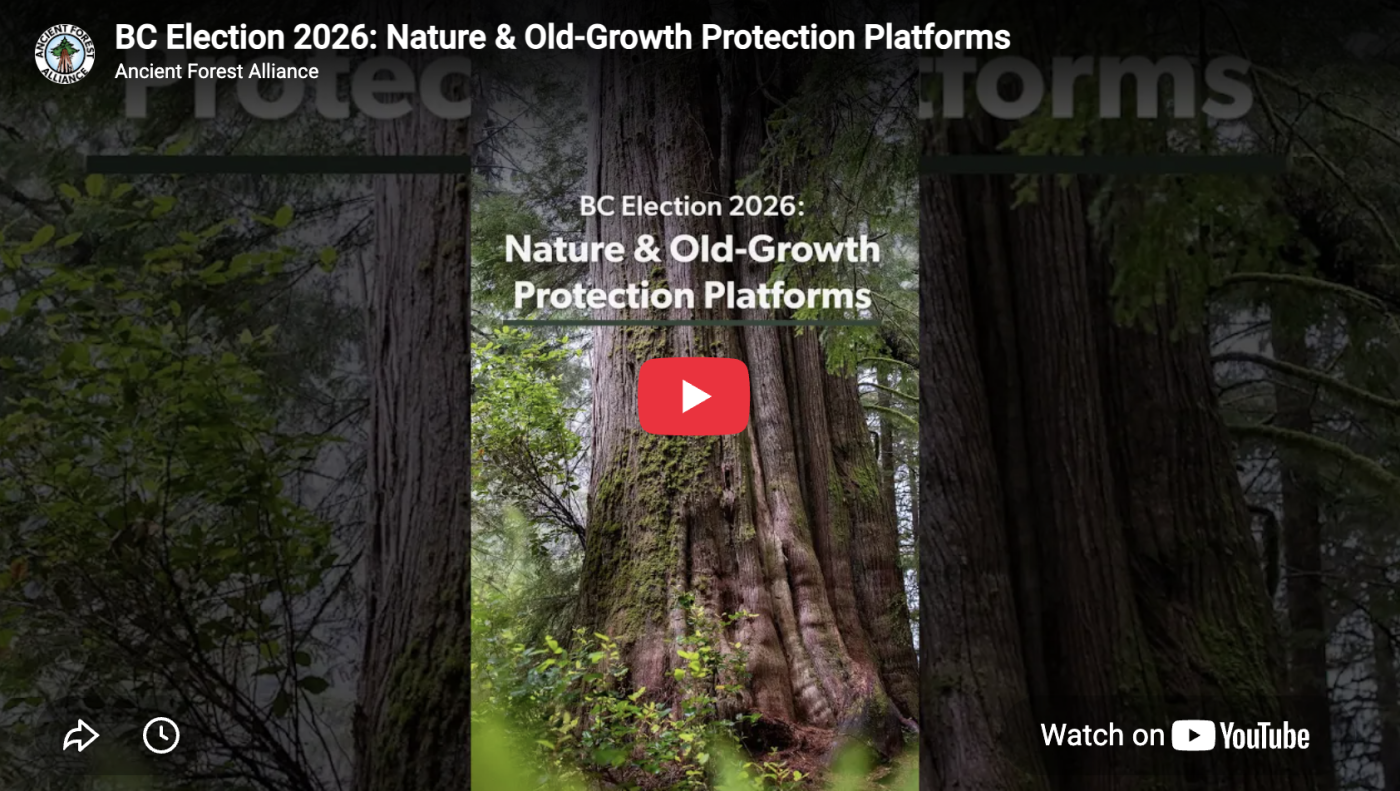
TJ Watt2026-10-22 16:54:062026-10-22 16:59:41NEW Video: BC Election 2026: Nature & Old-Growth Protection
https://ancientforestalliance.org/wp-content/uploads/2026/10/Screenshot-2026-10-22-at-4.54.32-PM.png
952
1684
TJ Watt
https://ancientforestalliance.org/wp-content/uploads/2026/05/Ancient-Forest-Alliance-logo.svg
TJ Watt2026-10-22 16:54:062026-10-22 16:59:41NEW Video: BC Election 2026: Nature & Old-Growth ProtectionRelated Posts
https://ancientforestalliance.org/wp-content/uploads/2026/10/Screenshot-2026-10-22-at-4.54.32-PM.png
952
1684
TJ Watt
https://ancientforestalliance.org/wp-content/uploads/2026/05/Ancient-Forest-Alliance-logo.svg
TJ Watt2026-10-22 16:54:062026-10-22 16:59:41NEW Video: BC Election 2026: Nature & Old-Growth Protection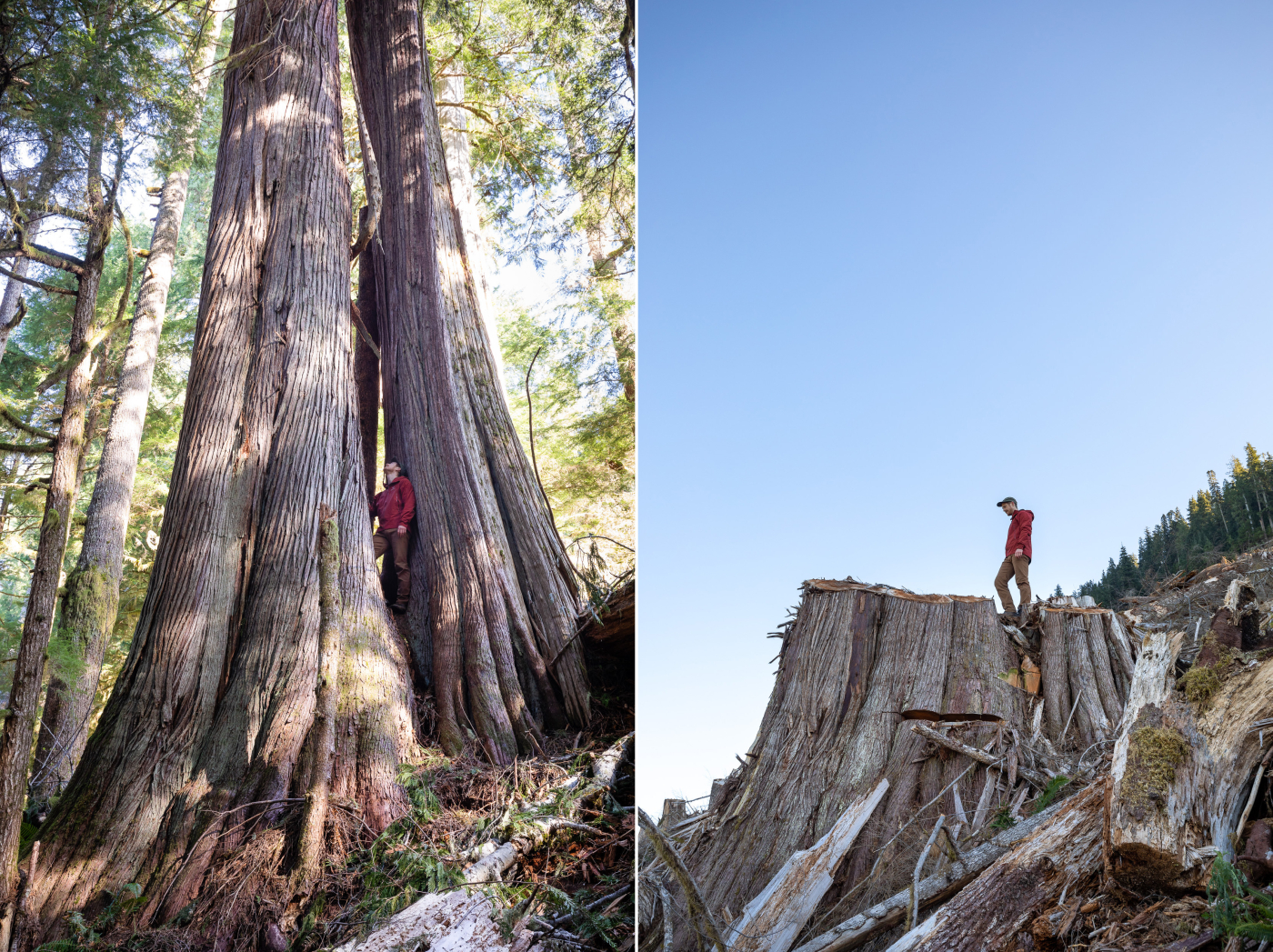 https://ancientforestalliance.org/wp-content/uploads/2026/10/Before-After-Caycuse-TJ-Watt-4-scaled.jpg
1915
2560
TJ Watt
https://ancientforestalliance.org/wp-content/uploads/2026/05/Ancient-Forest-Alliance-logo.svg
TJ Watt2026-10-16 17:36:002026-10-21 13:40:23BC Election 2026: Where do Parties Stand on Nature & Old-Growth?
https://ancientforestalliance.org/wp-content/uploads/2026/10/Before-After-Caycuse-TJ-Watt-4-scaled.jpg
1915
2560
TJ Watt
https://ancientforestalliance.org/wp-content/uploads/2026/05/Ancient-Forest-Alliance-logo.svg
TJ Watt2026-10-16 17:36:002026-10-21 13:40:23BC Election 2026: Where do Parties Stand on Nature & Old-Growth? https://ancientforestalliance.org/wp-content/uploads/2026/10/BC-Election-2026-Banner-1-1-scaled.jpg
1439
2560
TJ Watt
https://ancientforestalliance.org/wp-content/uploads/2026/05/Ancient-Forest-Alliance-logo.svg
TJ Watt2026-10-09 18:16:372026-10-16 17:44:41Where do BC’s Major Political Parties Stand on Nature Protection?
https://ancientforestalliance.org/wp-content/uploads/2026/10/BC-Election-2026-Banner-1-1-scaled.jpg
1439
2560
TJ Watt
https://ancientforestalliance.org/wp-content/uploads/2026/05/Ancient-Forest-Alliance-logo.svg
TJ Watt2026-10-09 18:16:372026-10-16 17:44:41Where do BC’s Major Political Parties Stand on Nature Protection?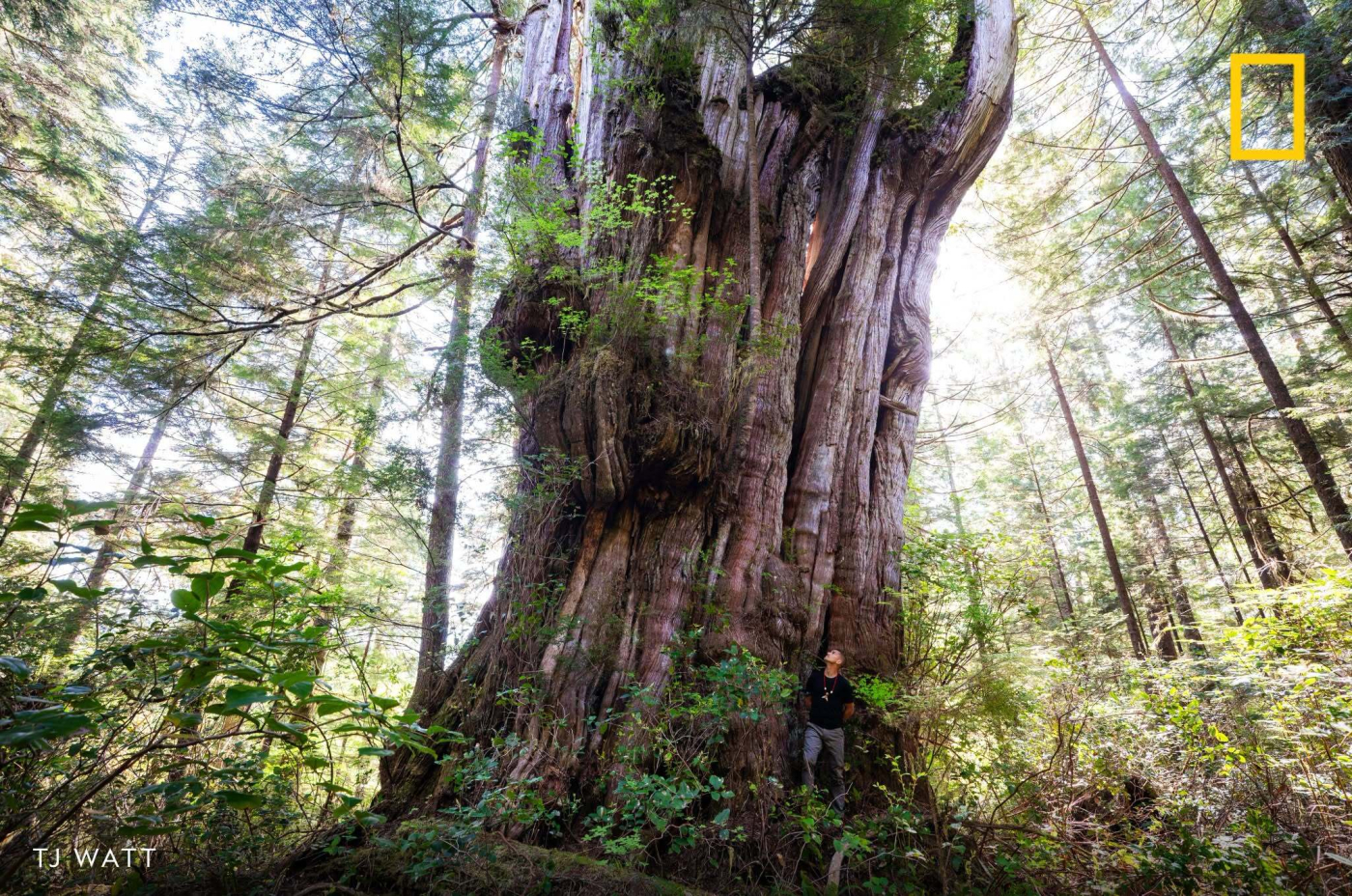 https://ancientforestalliance.org/wp-content/uploads/2026/10/Nat-Geo-Travel-Flores-Cedar.jpg
1357
2048
TJ Watt
https://ancientforestalliance.org/wp-content/uploads/2026/05/Ancient-Forest-Alliance-logo.svg
TJ Watt2026-10-02 13:38:152026-10-02 13:38:15Nat Geo Travel Features TJ Watt’s Photo of Flores Cedar
https://ancientforestalliance.org/wp-content/uploads/2026/10/Nat-Geo-Travel-Flores-Cedar.jpg
1357
2048
TJ Watt
https://ancientforestalliance.org/wp-content/uploads/2026/05/Ancient-Forest-Alliance-logo.svg
TJ Watt2026-10-02 13:38:152026-10-02 13:38:15Nat Geo Travel Features TJ Watt’s Photo of Flores CedarTake Action
 Donate
Support the Ancient Forest Alliance with a one-time or monthly donation. Send a Message
Send an instant message to key provincial decision-makers.
Survey tape sparks logging concerns in Vancouver Island old-growth forest
/in News CoverageThe Vancouver Island old-growth forest that, over the decades, has sparked bitter confrontations over logging is again in the spotlight after survey tape was found near a grove of massive western red cedars.
Members of the Ancient Forest Alliance found the tape in the Upper Walbran Valley, near Castle Grove, which contains the Castle Giant: a western red cedar measuring five metres in diameter. The tree is listed in the provincial big tree registry as one of the widest in Canada.
“Castle Grove is ground zero for the ancient forest movement on southern Vancouver Island, both historically and today,” said Ken Wu, AFA executive director.
“To try and log it is insanity — it will only escalate the war in the woods to a whole new level,” he said.
The logging tape, marked “falling boundary,” is less than 50 metres from the Castle Giant, said AFA campaigner TJ Watt, who discovered the tape.
In an email response to questions, however, the Forests Ministry said no activity is planned in Castle Grove, although some logging is planned in the area farther south.
Teal Jones Group of Surrey holds the licence for the area, but spokesman John Pichugin said he could not say whether the company has applied for a cutting licence in the area until he has seen a map.
Wu said it’s time the province came up with its promised “legal tool” to protect B.C.’s largest trees and monumental groves.
“Of all places, Castle Grove is the place where such a legal designation would make most sense. Otherwise, the B.C. Liberals’ rhetoric has been as empty as a clearcut,” Wu said.
The ministry statement said there are legal mechanisms to provide protection to unique or special trees and all British Columbians who find special trees are encouraged to register them on the Big Trees Registry.
“The ministry continues to look at other ways that may provide stronger proactive protection,” it said.
Read more: https://www.vancouversun.com/news/metro/Survey+tape+sparks+logging+concerns+Vancouver+Island+oldgrowth/7158428/story.html
Markers stir fears of Walbran logging
/in News CoverageThe Vancouver Island old-growth forest that, over the decades, has sparked bitter confrontations over logging is again in the spotlight after survey tape was found near a grove of massive western red cedars.
Members of the Ancient Forest Alliance found the tape in the Upper Walbran Valley, near Castle Grove, which contains the Castle Giant, a western red cedar with a five-metre diameter. The tree is listed in the provincial big tree registry as one of the widest in Canada.
“Castle Grove is ground zero for the ancient forest movement on southern Vancouver Island, both historically and today,” said Ken Wu, Ancient Forest Alliance executive director. “To try and log it is insanity — it will only escalate the war in the woods to a whole new level,” he said.
The logging tape, marked “falling boundary,” is less than 50 metres from the Castle Giant, said Alliance campaigner TJ Watt who discovered the tape.
However, the Forests Ministry said in an emailed response to questions that no activity is planned in Castle Grove, although some logging is planned in the area further south.
“The area in question could be partly protected by the park, an old-growth management area and ungulate winter range,” the email said. “Ministry staff were not able to confirm without better mapping information from AFA.”
Teal Jones Group of Surrey holds the licence for the area, but spokesman John Pichugin said that he could not say whether the company has applied for a cutting licence in the area until he has seen a map.
Wu, who took part in the 1991 protests that resulted in the lower half of the Walbran Valley and the Upper Carmanah Valley being added to Carmanah Walbran Provincial Park in 1995, said it is time the province came up with its promised “legal tool” to protect B.C.’s largest trees and monumental groves.
“Of all places, Castle Grove is the place where such a legal designation would make most sense. Otherwise the B.C. Liberals’ rhetoric has been as empty as a clearcut,” Wu said.
The e-mailed response from the ministry said there are legal mechanisms to provide protection to unique or special trees and all British Columbians finding special trees are encouraged to register them on the Big Trees Registry.
“The ministry continues to look at other ways that may provide stronger pro-active protection,” it said.
After the lower half of the Walbran, consisting of about 5,500 hectares, was included in the park, environmentalist continued to push for protection of the valley’s remaining 7,500 hectares.
In 2003 more protests erupted over logging in the area that resulted in the arrest of elderly environmental activist Betty Krawczyk.
Read more: https://www.canada.com/news/Markers+stir+fears+Walbran+logging/7158575/story.html
Media Release: Canada’s Finest Cedar Grove Marked for Logging
/in Media ReleaseThe Ancient Forest Alliance (AFA) is bracing for a potential, major escalation in BC’s “War in the Woods” as survey tape marking the “falling boundary” for logging has been recently discovered in the finest, unprotected stand of monumental old-growth western redcedar trees in Canada:the “Castle Grove” in the unprotected Upper Walbran Valley west of Lake Cowichan on southern Vancouver Island. The Castle Grove is an extensive stand of densely-packed enormous redcedars, including the “Castle Giant”, a 16 foot (5 meter) diameter cedar that is one of the largest trees in Canada.
See new, spectacular PHOTOS of the Castle Grove and the“falling boundary” survey tape at: https://ancientforestalliance.org/photos.php?gID=21#1
See a beautiful photogallery of the Walbran Valley at: https://ancientforestalliance.org/photos.php?gID=7
The Ministry of Forests has so far failed to confirm whether the logging licensee, Teal-Jones, has applied for an application for a cutting permit in the Upper Castle Grove, although the survey tape clearly denotes the company’s interest in potentially logging the grove. The Upper Castle Grove sits on unprotected Crown (public) lands within Tree Farm License 46.Unfortunately it is not protected within the nearby Carmanah-Walbran Provincial Park nor in any forest reserve designations such as Old-Growth Management Areas, Ungulate Winter Ranges or Wildlife Habitat Areas.
The Victoria-based conservation organization, the Ancient Forest Alliance, is calling on the BC Liberal government to protect the area using a long-promised (but as yet unrealized) “legal tool” to protect BC’s largest trees and monumental groves. A letter has been sent to all BC Liberal MLA’s on Vancouver Island and to various cabinet ministers requesting the protection of the Castle Grove through the promised legal designation.
See the BC government’s announcement in February, 2011, about creating a new legal tool to protect BC’s largest trees and groves: Vancouver Sun and Times Colonist: “B.C. looking for new ways to protect ancient trees” (Feb.16, 2011) https://ancientforestalliance.org/b-c-looking-for-new-ways-to-protect-ancient-trees/
The Castle Grove (Lower and Upper) is the most impressive stand of unprotected monumental ancient redcedars in Canada. The Grove has been featured in numerous media reports on BC’s old-growth forests for over two decades, including the front pages of the Victoria “Times Colonist” and in the “Vancouver Sun”. The Walbran Valley in which the Castle Grove is found was the focus of early protests against old-growth logging in 1991 and 1992, playing an important role in the build-up towards the massive Clayoquot Sound protests near Tofino on Vancouver Island in 1993.
“The Castle Grove in the Walbran Valley is ‘Ground Zero’for the ancient forest movement on southern Vancouver Island – both historically and today. Because it’s Canada’s finest stand of endangered old-growth redcedars, it has been the focal area for ancient forest campaigns for decades. To try log it will only escalate the ‘War in the Woods’ to a whole new level,”stated Ken Wu, the executive director of the Ancient Forest Alliance. “We’ve waited for over a year and a half for the BC Liberal government to implement their promised ‘legal tool’ to protect BC’s largest trees and monumental groves and so far we’ve still seen nothing. Of all places, the Castle Grove is THE place where such a legal designation would make most sense. Otherwise the BC Liberals’ rhetoric has been as empty as a clearcut.”
In February, 2011, former Minister of Forests Pat Bell promised that the BC Liberal government would implement a new legal tool to protect the largest trees and associated groves after a Forest Practices Board report that investigated the logging of an exceptionally grand stand of ancient redcedars near Port Renfrew showed a deficiency in protection levels for productive stands over 400 years in age. To date, the BC Liberal government under the new Minister of Forests Steve Thomson has not publicly followed through with this promise, although sources within the ministry have indicated that the BC government is now looking at using existing legal tools, namely provincial Recreation Sites and Old-Growth Management Areas, to fulfill this function.
“We don’t care if the BC Liberal government uses new or old tools to protect our endangered ancient groves like the Castle Grove. The main thing is they need to actually start identifying and designating such areas for protection, otherwise it was simply an empty promise for PR purposes at the time, and hollow promises like that won’t go unnoticed by the conservation movement during this pre-election period,” stated Wu. “More importantly, the BC Liberal government needs to implement a much more comprehensive Provincial Old-Growth Strategy to protect old-growth ecosystems on a much larger scale across BC.”
Ancient Forest Alliance campaigner TJ Watt found flagging tape marked “Falling Boundary” in the Upper Castle Grove earlier this month, less than 50 meters from the “Castle Giant”, one of the largest western redcedars in the world at over 16 feet (5 meters) in diameter. The Castle Giant has graced the front page of many BC newspapers and grows on the adjacent flats in the Lower Castle Grove.
“We’ve been waiting for several weeks now to get an answer from the Ministry of Forests on whether the company has applied for a cutting permit yet in the Upper Castle Grove,” stated TJ Watt, Ancient Forest Alliance campaigner and photographer. “Perhaps they haven’t yet, in which case the Castle Grove is simply an ‘area of interest’ for the company which they’re contemplating to log, as indicated by their flagging tape. But if they’ve already applied for the cutting permit, then it looks like we may be headed for a major conflict.”
Ecological surveys done in the Castle Grove have revealed the presence of threatened marbled murrelets, screech owls, Queen Charlotte goshawks, red- legged frogs, cougars, black bears, and black-tailed deer in the Upper Castle Grove, while steelhead and coho salmon spawn in the Walbran River below the Castle Grove.
On southern Vancouver Island south of Barkley Sound and Port Alberni, satellite photos show that over 87% of the original, productive old-growth forests have already been logged (the rest mainly being second-growth forests now and some urban/agricultural areas). See maps and stats at: htt p://15.222.255.145//old-growth-maps.php
The Ancient Forest Alliance is calling on the BC Liberal government and the NDP Opposition to commit to implementing a BC Old-Growth Strategy that will inventory and protect old-growth forests wherever they are scarce (such as on Vancouver Island, in the Lower Mainland, in the BC Interior, etc.). The AFA is also calling on the BC Liberal government to ensure the sustainable logging of second-growth forests, which constitute most of the forests in southern BC, and to ensure a guaranteed log supply for BC mills and value-added wood manufacturers by ending the export of raw logs to foreign mills.
Old-growth forests are vital to sustain endangered species, the climate, tourism, clean water, wild salmon, and the cultures of many First Nations.