 https://ancientforestalliance.org/wp-content/uploads/2026/09/NorthernSpottedOwls.jpg
900
1200
TJ Watt
https://ancientforestalliance.org/wp-content/uploads/2026/05/Ancient-Forest-Alliance-logo.svg
TJ Watt2026-09-03 09:47:312026-09-03 09:47:31BC Has an Extinction Problem. Scientists Say There’s a Fix
https://ancientforestalliance.org/wp-content/uploads/2026/09/NorthernSpottedOwls.jpg
900
1200
TJ Watt
https://ancientforestalliance.org/wp-content/uploads/2026/05/Ancient-Forest-Alliance-logo.svg
TJ Watt2026-09-03 09:47:312026-09-03 09:47:31BC Has an Extinction Problem. Scientists Say There’s a FixRelated Posts
https://ancientforestalliance.org/wp-content/uploads/2026/09/NorthernSpottedOwls.jpg
900
1200
TJ Watt
https://ancientforestalliance.org/wp-content/uploads/2026/05/Ancient-Forest-Alliance-logo.svg
TJ Watt2026-09-03 09:47:312026-09-03 09:47:31BC Has an Extinction Problem. Scientists Say There’s a Fix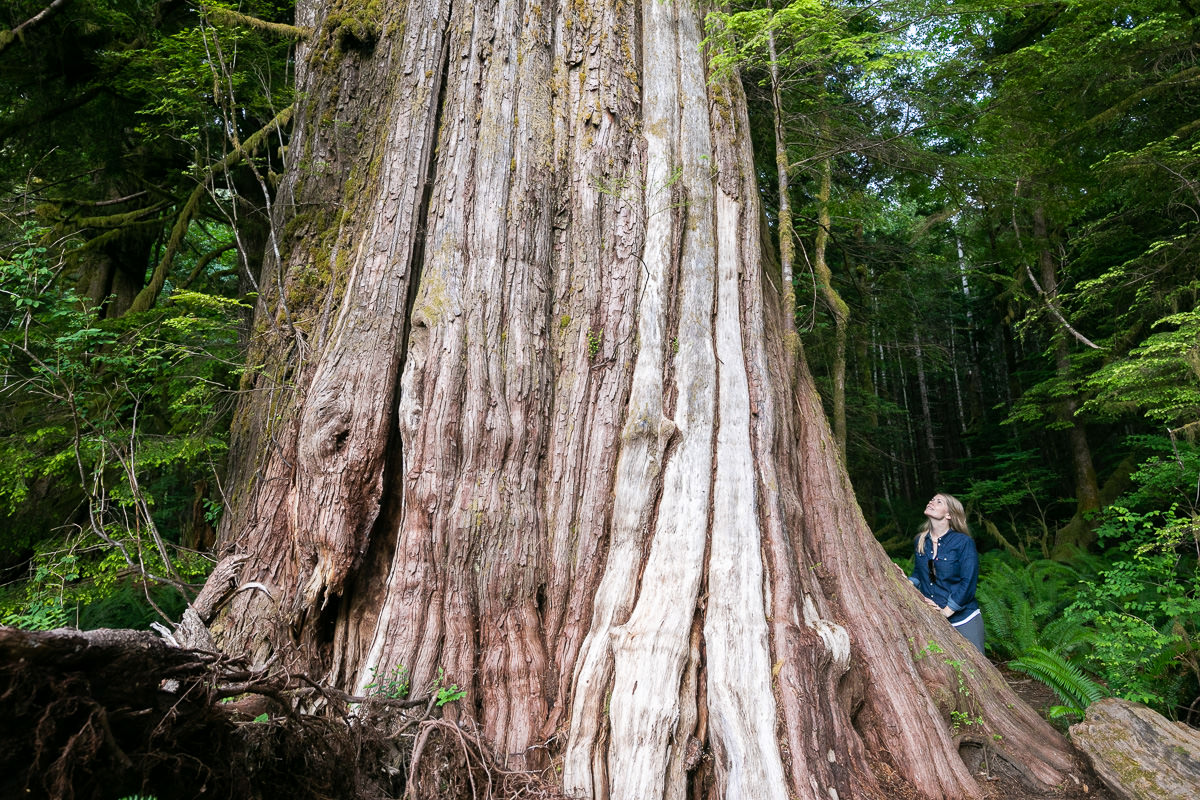 https://ancientforestalliance.org/wp-content/uploads/2026/08/Canoe-Creek-Cedar-Tree-262.jpg
800
1200
TJ Watt
https://ancientforestalliance.org/wp-content/uploads/2026/05/Ancient-Forest-Alliance-logo.svg
TJ Watt2026-08-04 17:15:512026-08-04 17:15:51Thank you to our monthly business donors!
https://ancientforestalliance.org/wp-content/uploads/2026/08/Canoe-Creek-Cedar-Tree-262.jpg
800
1200
TJ Watt
https://ancientforestalliance.org/wp-content/uploads/2026/05/Ancient-Forest-Alliance-logo.svg
TJ Watt2026-08-04 17:15:512026-08-04 17:15:51Thank you to our monthly business donors! https://ancientforestalliance.org/wp-content/uploads/2026/07/Kaska-Territory.-Credit-Johnny-Mikes-CPAWS-BC-scaled-1.jpg
1707
2560
TJ Watt
https://ancientforestalliance.org/wp-content/uploads/2026/05/Ancient-Forest-Alliance-logo.svg
TJ Watt2026-07-24 15:34:372026-07-28 11:05:22Speak up for Three Major New Protected Areas in Northern BC
https://ancientforestalliance.org/wp-content/uploads/2026/07/Kaska-Territory.-Credit-Johnny-Mikes-CPAWS-BC-scaled-1.jpg
1707
2560
TJ Watt
https://ancientforestalliance.org/wp-content/uploads/2026/05/Ancient-Forest-Alliance-logo.svg
TJ Watt2026-07-24 15:34:372026-07-28 11:05:22Speak up for Three Major New Protected Areas in Northern BC https://ancientforestalliance.org/wp-content/uploads/2026/06/tahsish-river-old-growth-karst-forest-285-1.jpg
1366
2048
TJ Watt
https://ancientforestalliance.org/wp-content/uploads/2026/05/Ancient-Forest-Alliance-logo.svg
TJ Watt2026-07-20 10:46:412026-07-20 12:16:45Victoria Buzz: Old growth advocates call for protection of at-risk Vancouver Island forest
https://ancientforestalliance.org/wp-content/uploads/2026/06/tahsish-river-old-growth-karst-forest-285-1.jpg
1366
2048
TJ Watt
https://ancientforestalliance.org/wp-content/uploads/2026/05/Ancient-Forest-Alliance-logo.svg
TJ Watt2026-07-20 10:46:412026-07-20 12:16:45Victoria Buzz: Old growth advocates call for protection of at-risk Vancouver Island forestTake Action
 Donate
Support the Ancient Forest Alliance with a one-time or monthly donation. Send a Message
Send an instant message to key provincial decision-makers.
Photo of Giant Old-Growth Cedar Wins Prestigious International Award
/in Media ReleaseFor Immediate Release
June 21, 2024
Ancient Forest Alliance Photographer TJ Watt awarded Royal Geographical Society Earth Photo 2024 prize for Image of the Enormous Tree in Clayoquot Sound, Canada, featured on CNN and in The Guardian.
The award coincides with the largest old-growth protected areas victory in decades announced earlier this week in Clayoquot Sound, including for the forest pictured.
Ancient Forest Alliance Photographer and Campaigner TJ Watt has received an award in Earth Photo 2024, an international photography competition currently on display at the Royal Geographical Society in London, UK. His award-winning image, titled Flores Island Cedar, features a gargantuan redcedar tree – perhaps the most impressive tree in Canada – with Tyson Atleo, an Indigenous Hereditary Representative of the local Ahousaht people, standing next to the tree’s base providing a sense of scale. Watt located the enormous tree in 2022 on Flores Island in Clayoquot Sound in the unceded territory of the Ahousaht on western Vancouver Island in British Columbia, Canada. The contest, which saw over 1900 entries from around the world and 11 award winners, celebrates photography and moving images that tell compelling stories about our planet, its inhabitants, its beauty, resilience and fragility.
“I’m thrilled and honoured to have received an award in the Earth Photo 2024 contest. I always hope my images of old-growth forests reach as wide an audience as possible, inspiring people and raising global awareness of the need to protect them. The tree in the winning image is the largest one I’ve ever found in nearly 20 years of searching for big trees in BC. It’s more than 17 feet (5 meters) wide near its base, 151 feet tall (46 meters), and likely well over a thousand years old, given its size. Unlike most other trees, it grows wider as it gets taller, making it perhaps the most impressive tree in the country when you’re standing before it. In the photo, Ahousaht Hereditary Representative Tyson Atleo stands alongside the mammoth-sized trunk, adding a sense of scale during our visit to the tree in 2023”, stated TJ Watt, Photographer & Campaigner with the Ancient Forest Alliance.
Watt’s award-winning image, Flores Island Cedar, features an enormous redcedar tree – perhaps the most impressive tree in Canada – with Tyson Atleo, an Indigenous Hereditary Representative of the local Ahousaht people, standing at the tree’s base providing a sense of scale.
Coincidently, the photo award announcement happened to closely coincide with the biggest old-growth protected areas victory in decades when, earlier this week, the leadership of the Ahousaht, Tla-o-qui-aht First Nation, and BC NDP government declared the protection of 76,000 hectares of land in new conservancies in Clayoquot Sound near Tofino, BC. Most of the lands committed for protection are comprised of some of the grandest and most intact coastal old-growth temperate rainforests on Earth, including the forest where Watt’s winning photo was captured.
“It’s not always the case that the forests featured in my photographs have a happy ending. But in this case, I’m so grateful that they do. The announcement of the new conservancies in Clayoquot is incredible news, and I extend my deepest gratitude to the leadership and vision of the Ahousaht and Tla-o-qui-aht people, who’ve now secured protection for some of the grandest old-growth rainforests on Earth in their territories. Their proper care and stewardship go back thousands of years, and as a result, one can still find themselves standing in magnificent ancient forests home to trees that have lived for more than a millennium. A special thanks to Tyson Atleo and the Ahousaht Guardians for their time spent with me in the woods as well”, stated Watt.
Watt’s image was specifically awarded the National Trust Attingham Award for images that show the work or impact of volunteers protecting habitats under the threat of climate change. A second image of Watt’s titled Fallen Giants, featuring him laying atop a freshly fallen old-growth redcedar tree cut down in Quatsino territory on northern Vancouver Island, was also shortlisted in the competition. Both images were part of a body of work Watt created with support from the Trebek Initiative, which also named him a National Geographic and Royal Canadian Geographical Society Explorer.
The winning images of Earth Photo 2024 have also attracted international attention, with high-profile features in The Guardian and CNN. BC-based photographer Taylor Roades was also awarded for her series Alaska Rust Rivers.
To view the collection of winning images online, visit the Royal Geographical Society website or the Parker Harris website.
“Congratulations to all the shortlisted and winning photographers for their stunning and thought-provoking images. Photography is a powerful tool for raising public awareness about the many issues our fragile Earth faces. Thanks to the Royal Geographical Society, Parker Harris, Forestry England, and all those who made Earth Photo possible, helping to get these images and messages out in front of the world”, stated Watt.
Earth Photo was jointly created in 2018 by Forestry England, The Royal Geographical Society and Parker Harris, one of the leading visual arts consultancies in the UK. For those looking to view the images in person, they will be on display at the Royal Geographical Society in London, UK, from June 18 – August 21, 2024, with additional exhibit times listed here.
Clayoquot – Biggest Old-Growth Protected Areas Victory in Decades
/in Media ReleaseFor Immediate Release
June 19, 2024
Biggest Old-Growth Protected Areas Victory in Years: Ahousaht and Tla-o-qui-aht First Nation and BC NDP Government Declare Protection of 76,000 hectares in Conservancies in Clayoquot Sound.
Conservationists are applauding the leadership of the Ahousaht, Tla-o-qui-aht First Nation and BC NDP government for yesterday declaring the protection of 76,000 hectares of land – an area about the size of Manning Provincial Park – in new conservancies in Clayoquot Sound near Tofino. Most of the lands committed for protection are comprised of some of the grandest and most intact coastal old-growth temperate rainforests on Earth, and the new protected areas will represent the largest old-growth forest protected areas victory in BC since the Great Bear Rainforest conservancies were announced in 2006. The historic milestone also includes major support from provincial, federal and conservation sources to facilitate sustainable economic development opportunities for the communities to facilitate their economic and social well-being.
Ahousaht Hereditary Representative Tyson Atleo looks toward an ancient redcedar deemed the “most impressive tree in Canada” on Flores Island in Clayoquot Sound.
“This is truly a historic and great day – it warms my heart and makes me feel a deep contentment inside to see this vision finally come to fruition. This is a huge old-growth victory for the people and ecosystems in Clayoquot Sound, and for the people of BC and for the world. We greatly applaud the Ahousaht and Tla-o-qui-aht leadership for moving forward with their visions to protect the old-growth ecosystems in their territories, while working to build sustainable economies, and we give great thanks to the BC NDP government, the federal Liberal government and organizations like Nature United for supporting their initiatives. I expect the Clayoquot conservancies will further inspire many other communities across BC and Canada to undertake increased protection of the ecosystems in their territories to support their cultures and their people’s well-being, while working to build sustainable economies”, stated Ken Wu, Endangered Ecosystems Alliance executive director.
“I extend my deepest gratitude to the leadership and people of the Ahousaht and Tla-o-qui-aht First Nation for bringing their incredible conservation visions to life in Clayoquot Sound. The embattled coastal rainforests of Clayoquot are famed for having some of the most impressive old-growth forests and trees on the planet, and it fills me with the greatest joy to know that the majority are now finally safe. The BC NDP government and the federal Liberal government also deserve credit for supporting this amazing initiative and bringing significant conservation dollars to the table. As we face the global climate and biodiversity crisis, conservation victories like these, which protect some of the grandest ecosystems on Earth while supporting the creation of more sustainable, conservation-based economies for local Indigenous people, are an inspiring model for other communities who may still be considering alternative paths forward and help buoy the heart. Today is a fantastic day”, stated TJ Watt, Ancient Forest Alliance photographer and campaigner.
More work remains to be done regarding potential mines in the remaining unprotected portions of Clayoquot Sound, while funding is needed for the long-term management of the protected areas.
An aerial view over the ancient forests of Meares Island in Tla’o’qui’aht territory, the site of the first blockades against old-growth logging in 1984 in Clayoquot Sound.
Financial Review: Why we should embrace tall-tree tourism
/in News CoverageJune 4, 2024
By Ute Junker
Australian Financial Review
Original article here.
Only 34 per cent of the world’s surviving forests are old-growth ones, and many are under threat. If California’s Redwood National Park is anything to go by, there is hope, however.
This is a tree that demands attention. Thrusting 70 metres into the sky – about the height of a 20-storey building – the towering Douglas fir has a diameter of almost four metres. That sort of girth doesn’t develop overnight: this specimen has been sinking its roots into the rich earth of Canada’s Vancouver Island for around 1000 years.
There is another reason this tree stands out. It stands alone.
Once sheltered by the old-growth forest that enveloped it on all sides, its sheer verticality is cast into stark relief by the stump-studded scrublands that surround it. Fourteen years ago loggers razed the entire forest save for this one survivor, dubbed Big Lonely Doug. Doug owes his survival to a logging company surveyor who – for reasons unknown – wrapped a ribbon around its massive trunk on which were written the words “Leave tree”.
“Big Lonely Doug represents both incredible beauty and incredible destruction,” says conservation photographer TJ Watt. Describing himself as a “big-tree hunter”, Watt spends much of his time exploring remote parts of Vancouver Island in search of the region’s last arboreal giants.
Photographer and co-founder of the Ancient Forest Alliance, TJ Watt. © TJ Watt
As co-founder of the Ancient Forest Alliance, he has worked for years to protect the region’s oldest trees from logging. Stands of tall trees such as Avatar Grove – identified by activists in 2009 and placed under government protection three years later after a protracted campaign – have become tourist attractions in their own right. Nearby Port Renfrew, formerly a quiet fishing village, now markets itself as the Tall Trees Capital of Canada.
The battle between tourism and logging is not a new one, but the Canadian province of British Columbia is a critical frontline. The temperate rainforests that blanket the province’s Pacific Coast are places of incredible beauty, where soft light filters through the high tree canopy, loamy scents of rich soil rise with every footfall, and the mosses and lichens that blanket most surfaces soften every sound.
They are a vital environment for grizzly and black bears.
These forests, which comprise more than 60 per cent of the province, also play a vital role in combating climate change. Studies have shown the tall trees in old-growth forests are especially effective at sequestering large amounts of carbon. Rainforests are oxygen-rich environments: they cover less than 10 per cent of the world’s land surface yet produce nearly a third of our oxygen.
Only around 30 per cent of the world’s surviving forests are old-growth ones, however, and many are under threat. Across the world, communities are turning to tourism as a way to protect these precious landscapes. The success of these projects is not only vital for local communities – in British Columbia’s case, predominantly First Nations people – but also for the health of our planet.
British Columbia’s government recognises that its forests draw tourists. Tall trees feature prominently on the province’s tourism website, along with the slogan “Super, Natural British Columbia”. But Watt says a bigger commitment is needed.
“If the B.C. government got on board and improved the signage and roads, and did some more promotion, you would see such an incredible boom. We could be like the redwoods of Canada – that’s a dream of mine.”
A hiker admires an ancient red cedar tree in the unprotected Eden Grove near Port Renfrew, BC. © TJ Watt
South of the border with British Columbia, the redwood forests of northern California are home to sequoias and Douglas firs that stand up to 100 metres tall. They are proven money-spinners. The US National Parks Service reports that in 2022, 458,400 visitors to Redwood National Park spent around $US31 million and sustained more than 400 jobs.
Different countries take different approaches to marketing their old-growth forests. In Waipoua on New Zealand’s North Island, the emphasis is on particularly mighty specimens such as Tāne Mahuta, the king of the forest. The largest kauri tree in the country, Tāne Mahuta stands over 51 metres tall, with a girth of almost 14 metres.
On the Kii Peninsula on Japan’s Honshu island, where pilgrims have followed the Kumano Kodo trail through shady forests for more than a thousand years, the experience is as much about communing with culture as it is about marvelling at nature.
A hiker looks up to the lofty tree tops in the Milkshake Hills Forest Reserve in Tasmania’s Tarkine Rainforest. Alice Hansen
An increasing attraction for some visitors are the wellness benefits associated with spending time among tall trees. Study after study has indicated that immersion in nature can improve everything from heart health to emotional wellbeing, and help stave off cognitive decline.
“There are so many physical and mental health benefits from going to these ancient natural places, embedding a little natural code in people who are usually living in busy urban environments,” says Mark Olsen, chief executive of Tourism Tropical North Queensland.
Olsen is intimately involved with Australia’s most successful tall-tree tourist destination, the Daintree Rainforest. One of the oldest rainforests in the world, listed as a World Heritage site since 1988, the Daintree’s flora is as remarkable as the region’s cassowaries and tree kangaroos.
Twelve of the planet’s 19 families of primitive flowering plants are found here, including 50 species rarely seen anywhere else. The Daintree is also home to the world’s tallest conifer, the bull kauri, which can grow up to 50 metres in height.
Since 2019, the park has been jointly managed by the Jabalbina Yalanji Aboriginal Corporation and the Queensland Parks and Wildlife Service, and the cultural knowledge of the Eastern Juku Yulanji people is now a key part of the tourist offering.
Being introduced to the landscape by an Indigenous guide changes your perspective, says Olsen. “You no longer see a wall of green. You see a cultural landscape.”
Just as in British Columbia, Australian Indigenous communities are benefiting from tourism. “They get to look after Country, to stay on Country, to teach the language connected to that landscape. It’s about the inseparability of story and place,” Olsen says.
The Daintree Rainforest is a precious resource. Jason South
The Daintree may be a success story but elsewhere in Australia, “irreplaceable” tall-tree forests remain at risk, says Amelia Young, the Wilderness Society’s director of national campaigns. “Because of our evolutionary history, these forests are unlike those found anywhere else on Earth. There are so few left, [yet] they are incredibly significant for biological and cultural reasons.”
These forests include the jarrah trees in Western Australia’s southwest, which are “still subject to deforestation, principally for bauxite mining”; the mountain ash forests of Victoria’s Central Highlands region; and, of course, Tasmania’s old-growth forests.
Alcoa bauxite mining operations in an area that was once jarrah forest in Western Australia. Getty/Nine News
Last year The Wilderness Society released its Big Tree State report showcasing eight potential sites for tall-tree tourism in the Huon, Styx and Tyenna valleys. It estimated that an initial investment of $745,000 would generate 139,000 visitor days and $20.2 million in revenue for regional communities.
Tasmania’s government has since promised to introduce new protections for tall trees, but Young says this is only part of the solution. “We also need to protect younger forests so they can become old forests.”
Of course, forest tourism brings its own challenges. In California’s Redwood National Park two years ago, the National Parks Service was forced to close off an area around Hyperion, spruiked as the tallest tree in the world. Trespassers face a $US5000 fine ($7500) and six months in prison.
Even though the National Park Service had kept quiet about the exact location of the soaring redwood – at 115 metres, it is taller than the Statue of Liberty – so many people had found their way there that the ground around its base had eroded, potentially endangering its roots.
Wilderness areas require particular protections, says Dr Susanne Etti, the global environmental impact manager for Intrepid Travel. The company hosts multi-day treks in Tasmania’s Tarkine Rainforest, and has implemented protective measures there ranging from waste-removal processes to managing contaminants.
“Our leaders are very clear about the dangers of contamination from pathogens,” she says. “Cleaning your boots at the start of a trip must be second nature.”
Clayoquot Wilderness Lodge is literally embraced by the forest.
Luxury tourism operators are also finding ways to ‘immerse’ their guests in landscapes that remain relatively untouched. At Clayoquot Wilderness Resort, an exclusive wilderness camp on Vancouver Island’s wild west coast, room rates start at $CA2900 ($3190) a night.
General manager Sarah Cruise says she sees a physical change in travellers during their stay: “You watch your guests come in drained, and see them filling up on green.” The effect of being surrounded by these towering trees fulfils our deepest needs as a species, she adds.
Gesturing to the forest outside her office, Cruise says: “This is our home, this is where we belong – we just don’t know it.”