 https://ancientforestalliance.org/wp-content/uploads/2026/10/Screenshot-2026-10-22-at-4.54.32-PM.png
952
1684
TJ Watt
https://ancientforestalliance.org/wp-content/uploads/2026/05/Ancient-Forest-Alliance-logo.svg
TJ Watt2026-10-22 16:54:062026-10-22 16:59:41NEW Video: BC Election 2026: Nature & Old-Growth Protection
https://ancientforestalliance.org/wp-content/uploads/2026/10/Screenshot-2026-10-22-at-4.54.32-PM.png
952
1684
TJ Watt
https://ancientforestalliance.org/wp-content/uploads/2026/05/Ancient-Forest-Alliance-logo.svg
TJ Watt2026-10-22 16:54:062026-10-22 16:59:41NEW Video: BC Election 2026: Nature & Old-Growth ProtectionRelated Posts
https://ancientforestalliance.org/wp-content/uploads/2026/10/Screenshot-2026-10-22-at-4.54.32-PM.png
952
1684
TJ Watt
https://ancientforestalliance.org/wp-content/uploads/2026/05/Ancient-Forest-Alliance-logo.svg
TJ Watt2026-10-22 16:54:062026-10-22 16:59:41NEW Video: BC Election 2026: Nature & Old-Growth Protection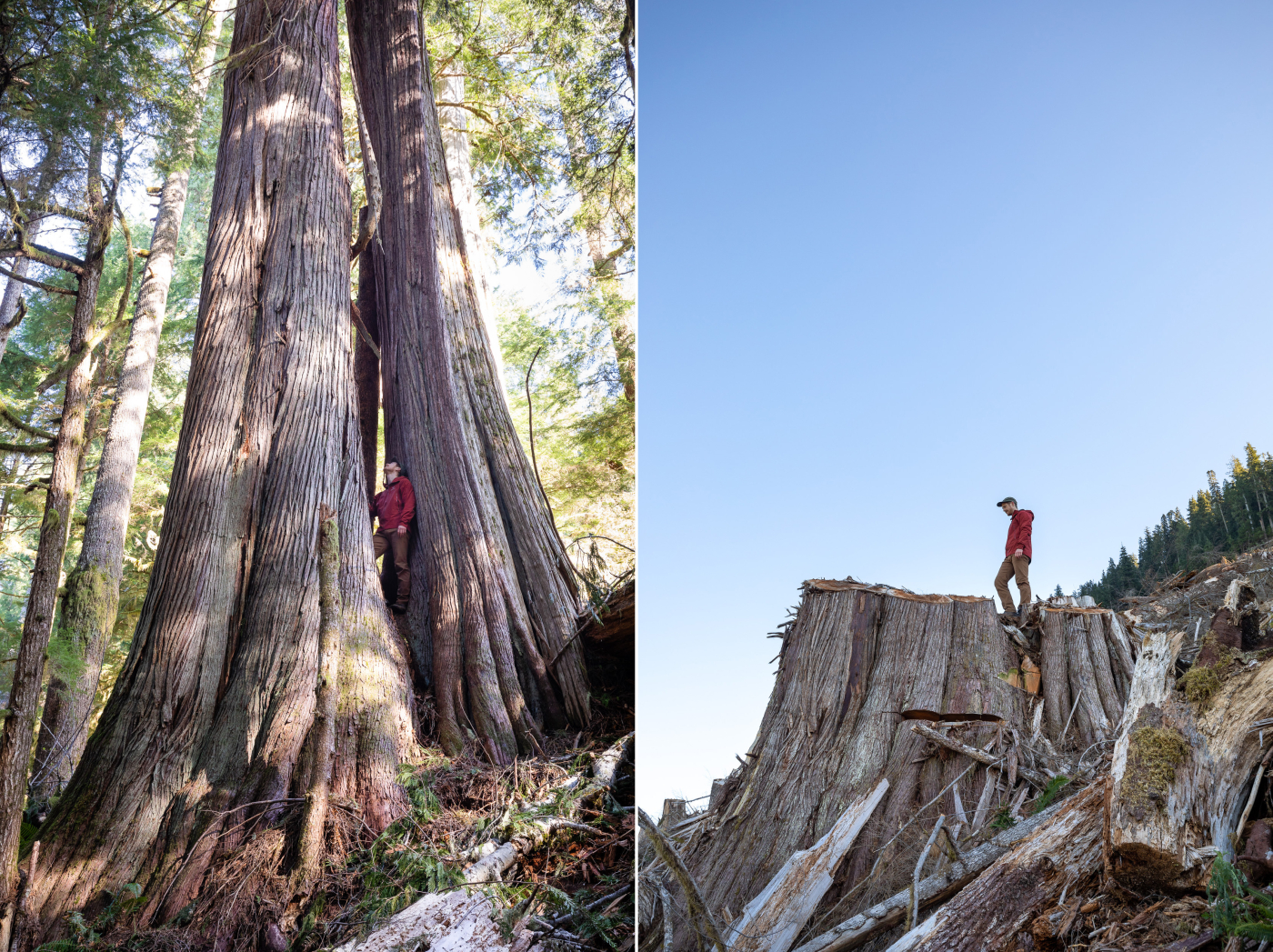 https://ancientforestalliance.org/wp-content/uploads/2026/10/Before-After-Caycuse-TJ-Watt-4-scaled.jpg
1915
2560
TJ Watt
https://ancientforestalliance.org/wp-content/uploads/2026/05/Ancient-Forest-Alliance-logo.svg
TJ Watt2026-10-16 17:36:002026-10-21 13:40:23BC Election 2026: Where do Parties Stand on Nature & Old-Growth?
https://ancientforestalliance.org/wp-content/uploads/2026/10/Before-After-Caycuse-TJ-Watt-4-scaled.jpg
1915
2560
TJ Watt
https://ancientforestalliance.org/wp-content/uploads/2026/05/Ancient-Forest-Alliance-logo.svg
TJ Watt2026-10-16 17:36:002026-10-21 13:40:23BC Election 2026: Where do Parties Stand on Nature & Old-Growth? https://ancientforestalliance.org/wp-content/uploads/2026/10/BC-Election-2026-Banner-1-1-scaled.jpg
1439
2560
TJ Watt
https://ancientforestalliance.org/wp-content/uploads/2026/05/Ancient-Forest-Alliance-logo.svg
TJ Watt2026-10-09 18:16:372026-10-16 17:44:41Where do BC’s Major Political Parties Stand on Nature Protection?
https://ancientforestalliance.org/wp-content/uploads/2026/10/BC-Election-2026-Banner-1-1-scaled.jpg
1439
2560
TJ Watt
https://ancientforestalliance.org/wp-content/uploads/2026/05/Ancient-Forest-Alliance-logo.svg
TJ Watt2026-10-09 18:16:372026-10-16 17:44:41Where do BC’s Major Political Parties Stand on Nature Protection?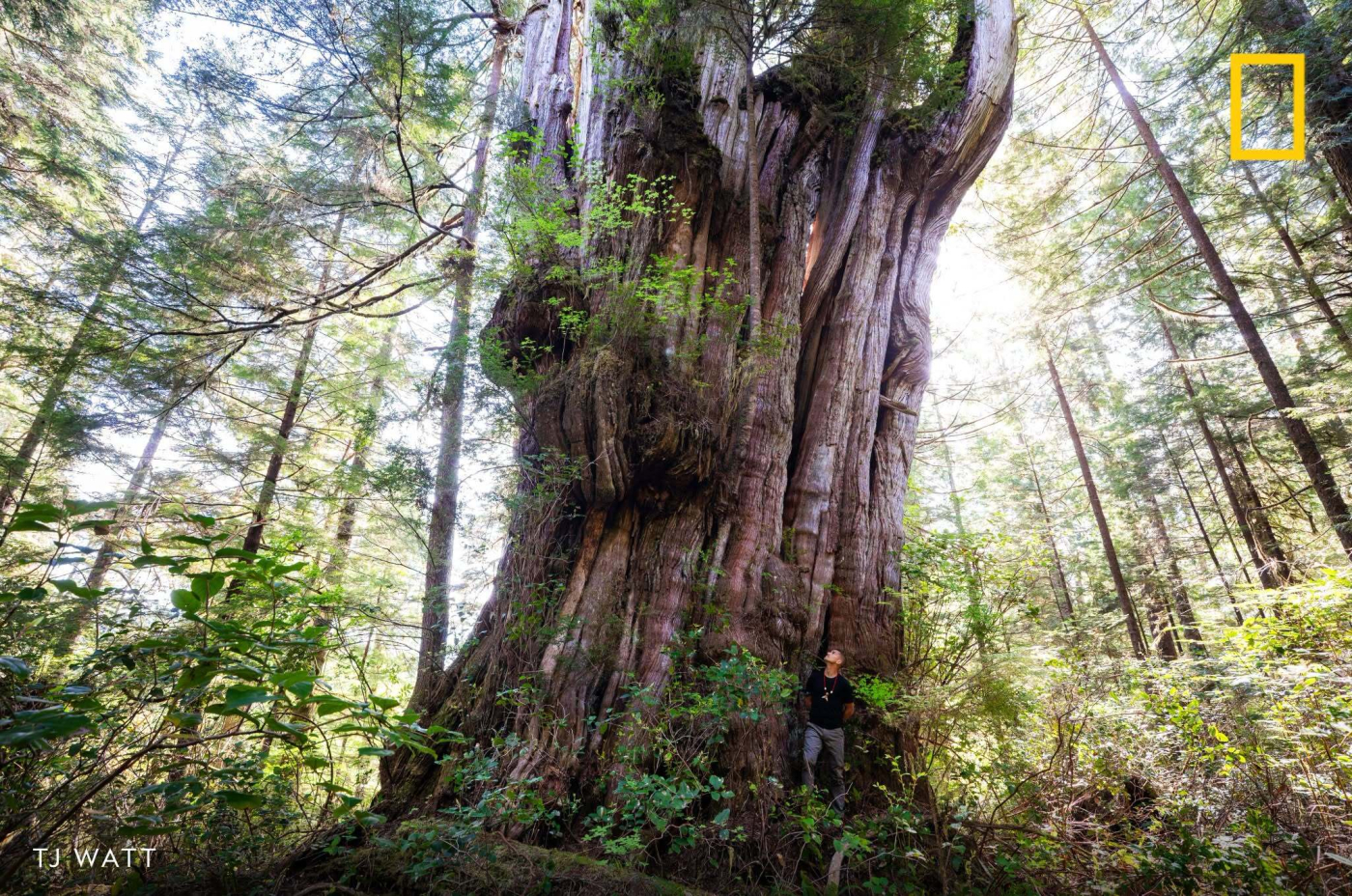 https://ancientforestalliance.org/wp-content/uploads/2026/10/Nat-Geo-Travel-Flores-Cedar.jpg
1357
2048
TJ Watt
https://ancientforestalliance.org/wp-content/uploads/2026/05/Ancient-Forest-Alliance-logo.svg
TJ Watt2026-10-02 13:38:152026-10-02 13:38:15Nat Geo Travel Features TJ Watt’s Photo of Flores Cedar
https://ancientforestalliance.org/wp-content/uploads/2026/10/Nat-Geo-Travel-Flores-Cedar.jpg
1357
2048
TJ Watt
https://ancientforestalliance.org/wp-content/uploads/2026/05/Ancient-Forest-Alliance-logo.svg
TJ Watt2026-10-02 13:38:152026-10-02 13:38:15Nat Geo Travel Features TJ Watt’s Photo of Flores CedarTake Action
 Donate
Support the Ancient Forest Alliance with a one-time or monthly donation. Send a Message
Send an instant message to key provincial decision-makers.
2012 Predictions – Environment – Ken Wu
/in News CoverageWhile the strength of environmental campaigns vary each year, 2012 should be major. Here are five predictions:
The Climate Change Movement will Heat Up
The massive momentum in 2006 from Al Gore’s An Inconvenient Truth took a beating by a global recession, Copenhagen’s let-down and a huge climate denial industry that still wins over the uninformed and myopic. However, the latest UN climate summit in Durban created a new climate treaty framework that under massive pressure can be turned into something useful and vitally important. The movement is now supercharged with fury over Canada’s withdrawl from Kyoto, and will only grow. This time businesses, unions, and faith groups must be enlisted. The positive attributes of a sustainable, low carbon society should be emphasized, including expanded green businesses and jobs, more liveable cities, a healthier and happier quality of life, greater stability and world peace, and sustaining Earth’s tremendous diversity of life. We must also get a lot more political, working to toss out climate-sabotaging Conservative MP’s.
Slick Oil Industry PR will Spread to Pipelines
While the Keystone Pipeline to the U.S. and the Enbridge Pipeline to Kitimat from Alberta’s tar sands had setbacks in 2011, next year will be different. The dirty energy barons are sure to sink millions more into sophisticated, large-scale PR campaigns. Attacks on environmentalists as being foreigner-controlled, fear-mongering about job losses, and efforts to buy rural and working-class support to pit against “urban cappuccino-sucking tree huggers” are the common tactics of corporate anti-environmentalists.
The new spin also includes the “Ethical Oil” argument conjured up by a former tobacco industry lobbyist, which states that Alberta’s dirtiest tar sands oil is somehow more ethical and environmental than conventional oil from Saudi Arabia because of their human rights abuses. It’s like promoting child labour in Canada, due to lower standards in other nations. Meanwhile, opposition will grow against Kinder Morgan’s Trans Mountain Pipeline from Alberta to Burrard Inlet, which aims to expand oil tanker traffic along Canada’s most populated coastline, including by Victoria.
Ancient Forest Campaign will Target both B.C. Lib’s and NDP
The Ancient Forest Alliance’s growing strength, several large environmental groups moving to ramp-up their campaigns, and a provincial election in 2013 will drive a push for the B.C. Liberals and the NDP to commit to stronger old-growth policies. The B.C. Liberals still defend the destructive status quo, while the NDP who are likely to form the next government have made positive but vague promises with much wiggle room. Dix’s environmental platform during his NDP leadership bid committed to, “Develop a long term strategy for old growth forests in the province, including protection of specific areas that are facing immediate logging plans, such as Avatar Grove,” but fell short of calling for an end to old-growth logging in any major region.
The Fight against Fish Farms will go Viral
Viral in the sense that a salmon-killing virus, Infectious Salmon Anemia, has now been found by researchers in B.C.’s wild sockeye. It was first found in Norwegian fish farms and has wiped out salmon stocks in Europe and Chile. Investigations continue on the virus’ role in massive declines of Fraser sockeye runs. Combined with concerns about sea lice, waste, overharvesting smaller fish to feed farmed salmon, and the large-scale killing of sea lions by fish farmers, this new threat will make protests against open net-cage fish farms go viral.
Raw Logs on a Slow Boat to China will be Protested
The B.C. government has spent millions of taxpayer dollars to open up Chinese markets for B.C. wood. “Lumber, not logs” to China was the assurance of former Forests Minister Pat Bell in 2008 when questioned about the potential loss of B.C. milling jobs. However, in 2009 Bell allowed the first B.C. raw logs to be exported to China. With the flood-gates opened, raw log exports to China increased over 10-fold in 2010, to over a million cubic meters. In a nation where large-scale manufacturing capacity springs up seemingly overnight, it’s only a matter of time now before China shifts its imports of B.C. lumber to mainly raw logs to feed their own mills. Ten years from now, we’ll be able to thank the B.C. Liberals for the migration of the province’s wood manufacturing capacity to China. Protests will ramp-up in 2012.
Ken Wu is the executive director of the Ancient Forest Alliance and MASS (Majority for A Sustainable Society).
Link to Monday Magazine article: https://www.mondaymag.com/news/136700133.html
Shaw TV: The campaign for Fangorn Forest or the Mossy Maple Rainforest
/in News CoverageDirect link to video: https://www.youtube.com/watch?v=D1p96kF0qJg
Mr. Arboretum lives on
/in News CoverageIt’s only fitting Henry Kock will be remembered with a new species of lichen.
Not only was the Sarnia native a renowned horticulturalist, his beard — a bushy mass of grey — looked oddly like the new species, known as the horsehair lichen, that he will be named after.
“At the time, I hadn’t paid much attention to what the lichen actually looked like, so I bought it sight unseen,” his widow Anne Hansen laughed Wednesday. “Then people said to me, ‘Oh my God, that lichen looks like Henry’s beard.'”
Hansen recently won the naming rights to one of two newly discovered lichen species in an online fundraising auction. Trevor Goward, curator of lichens at the Beaty Biodiversity Museum at the University of British Columbia, donated the naming rights to support the Ancient Forest Alliance.
Goward was inspired to make the donation in part by a viewing of Google Maps.
“I was looking at this part of British Columbia and I saw it looked like a battlefield,” he said Friday. “We’ve gone so far with the logging here that the area is out of proportion. There’s very little old growth left and this (lichen) is a species that does best in an old growth forest.”
When Hansen, who has since moved to British Columbia, heard of the auction, she wasn’t initially motivated to buy the naming rights. Her attitude, however, changed when she heard a CBC interview with Goward.
She remembers the curator suggesting the auction may not be as popular as expected because society is not collectively interested in nature.
“When he said that, it really struck a deep chord in me,” Hansen said. “I just thought Henry’s whole life was dedicated to getting people interested in nature. He was always kind of battling the collective apathy towards nature, so it took me a few seconds to decide that I’m going to name that lichen after Henry.”
Kock, dubbed with the nickname Mr. Arboretum, worked at the University of Guelph for 20 years. He crisscrossed across southwestern Ontario, speaking about habitat restoration, plant propagation and shelterbelt agriculture.
The Sarnia native had an early love for nature. Growing up, his family ran Huronview Nurseries outside of Bright’s Grove.
While Goward had never met Kock, who died from complications of a brain tumor in 2005, he is pleased that a champion of the environment will be remembered in the new species name.
“I thought more likely we’d get some very wealthy person who has made a living accumulating money, but it didn’t work out that way,” Goward said. “It’s just ordinary people who have a very, very strong sense of how things should be and who have lost a loved one and want to see it recognized.”
The species of lichen will be called Bryoria kockiana.
“I just want to make everyone aware that I couldn’t be happier that this British Columbia lichen ended up named after a son of Sarnia,” Goward added.
Direct link to The Sarnia Obsever article: https://www.theobserver.ca/ArticleDisplay.aspx?e=3415802