 https://ancientforestalliance.org/wp-content/uploads/2026/10/Screenshot-2026-10-22-at-4.54.32-PM.png
952
1684
TJ Watt
https://ancientforestalliance.org/wp-content/uploads/2026/05/Ancient-Forest-Alliance-logo.svg
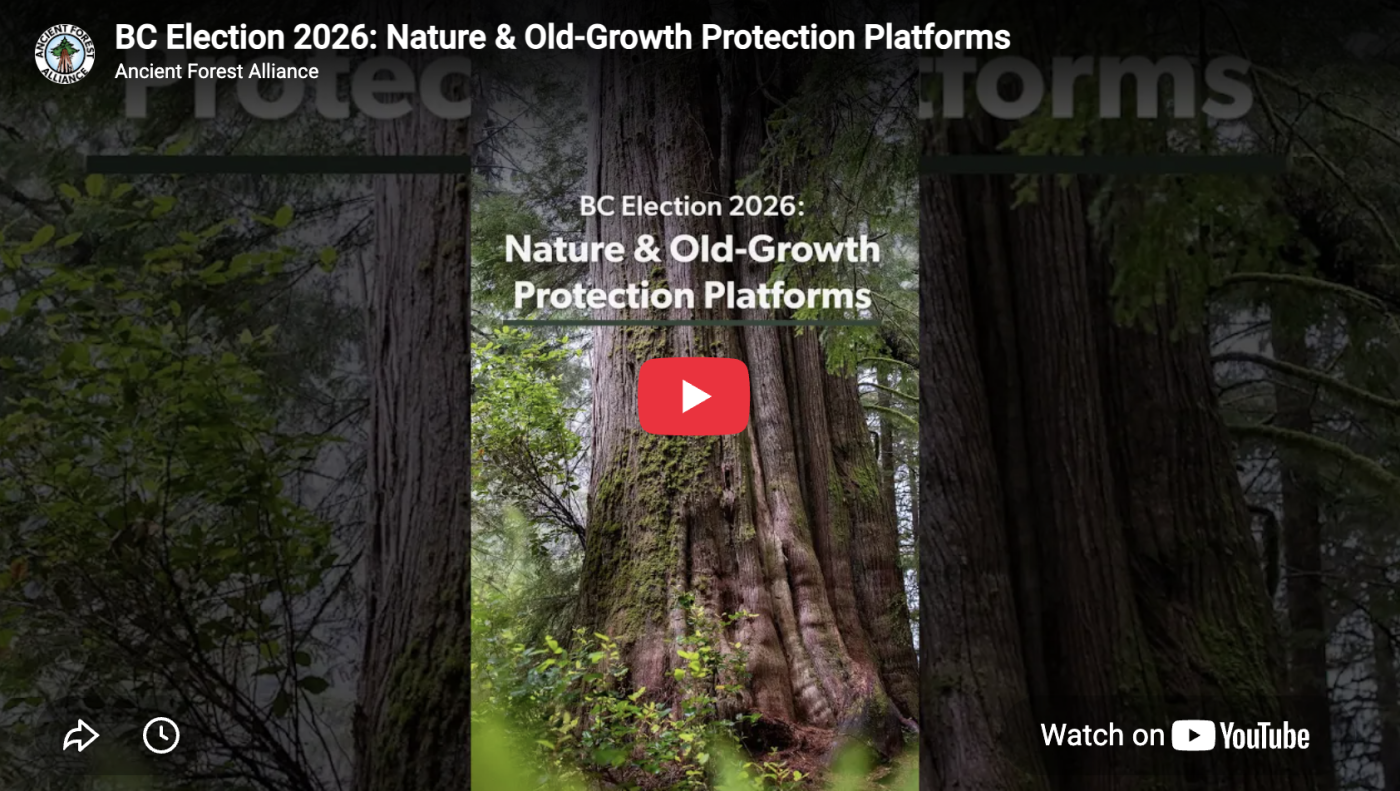
TJ Watt2026-10-22 16:54:062026-10-22 16:59:41NEW Video: BC Election 2026: Nature & Old-Growth Protection
https://ancientforestalliance.org/wp-content/uploads/2026/10/Screenshot-2026-10-22-at-4.54.32-PM.png
952
1684
TJ Watt
https://ancientforestalliance.org/wp-content/uploads/2026/05/Ancient-Forest-Alliance-logo.svg
TJ Watt2026-10-22 16:54:062026-10-22 16:59:41NEW Video: BC Election 2026: Nature & Old-Growth ProtectionRelated Posts
https://ancientforestalliance.org/wp-content/uploads/2026/10/Screenshot-2026-10-22-at-4.54.32-PM.png
952
1684
TJ Watt
https://ancientforestalliance.org/wp-content/uploads/2026/05/Ancient-Forest-Alliance-logo.svg
TJ Watt2026-10-22 16:54:062026-10-22 16:59:41NEW Video: BC Election 2026: Nature & Old-Growth Protection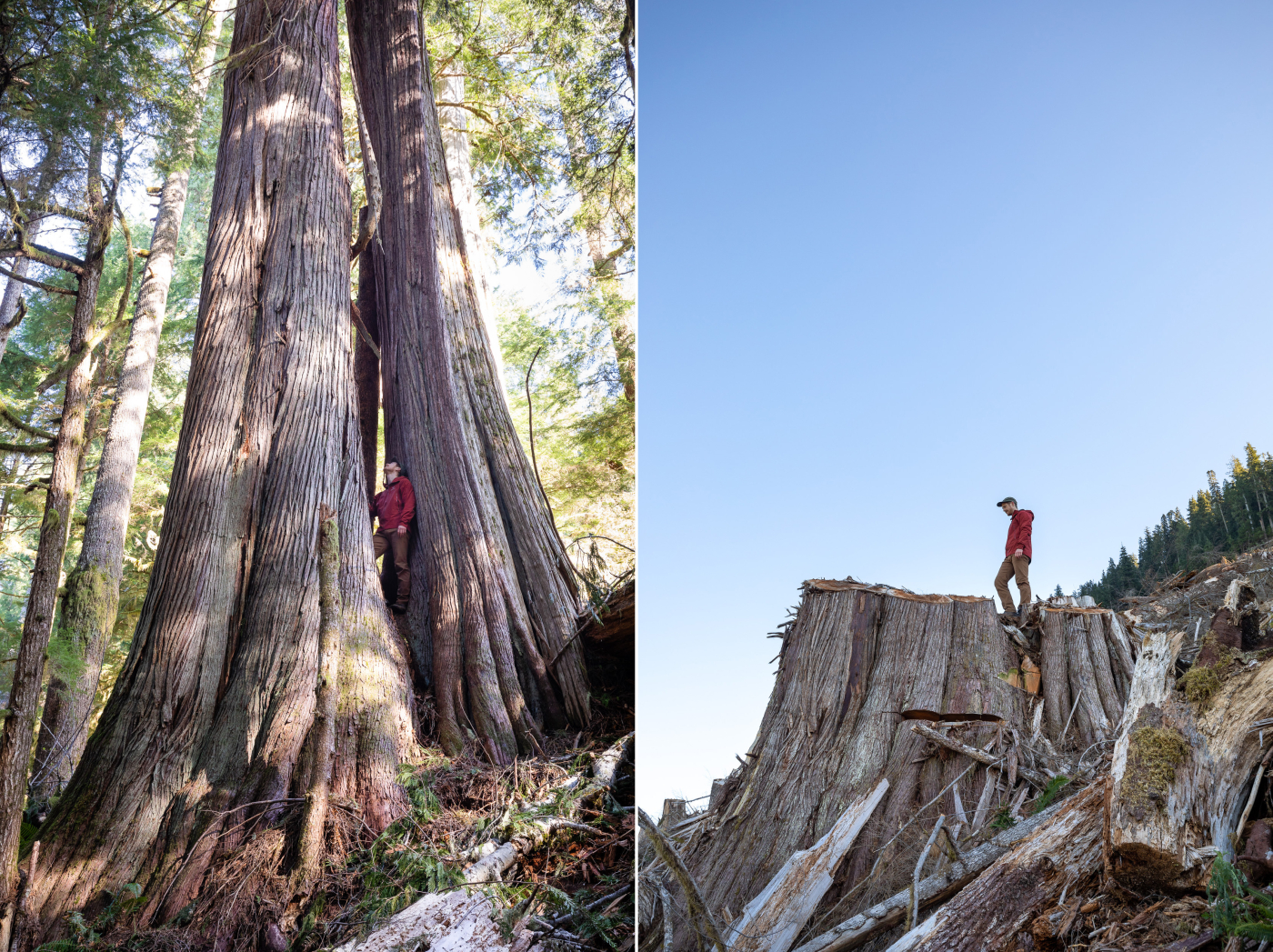 https://ancientforestalliance.org/wp-content/uploads/2026/10/Before-After-Caycuse-TJ-Watt-4-scaled.jpg
1915
2560
TJ Watt
https://ancientforestalliance.org/wp-content/uploads/2026/05/Ancient-Forest-Alliance-logo.svg
TJ Watt2026-10-16 17:36:002026-10-21 13:40:23BC Election 2026: Where do Parties Stand on Nature & Old-Growth?
https://ancientforestalliance.org/wp-content/uploads/2026/10/Before-After-Caycuse-TJ-Watt-4-scaled.jpg
1915
2560
TJ Watt
https://ancientforestalliance.org/wp-content/uploads/2026/05/Ancient-Forest-Alliance-logo.svg
TJ Watt2026-10-16 17:36:002026-10-21 13:40:23BC Election 2026: Where do Parties Stand on Nature & Old-Growth? https://ancientforestalliance.org/wp-content/uploads/2026/10/BC-Election-2026-Banner-1-1-scaled.jpg
1439
2560
TJ Watt
https://ancientforestalliance.org/wp-content/uploads/2026/05/Ancient-Forest-Alliance-logo.svg
TJ Watt2026-10-09 18:16:372026-10-16 17:44:41Where do BC’s Major Political Parties Stand on Nature Protection?
https://ancientforestalliance.org/wp-content/uploads/2026/10/BC-Election-2026-Banner-1-1-scaled.jpg
1439
2560
TJ Watt
https://ancientforestalliance.org/wp-content/uploads/2026/05/Ancient-Forest-Alliance-logo.svg
TJ Watt2026-10-09 18:16:372026-10-16 17:44:41Where do BC’s Major Political Parties Stand on Nature Protection?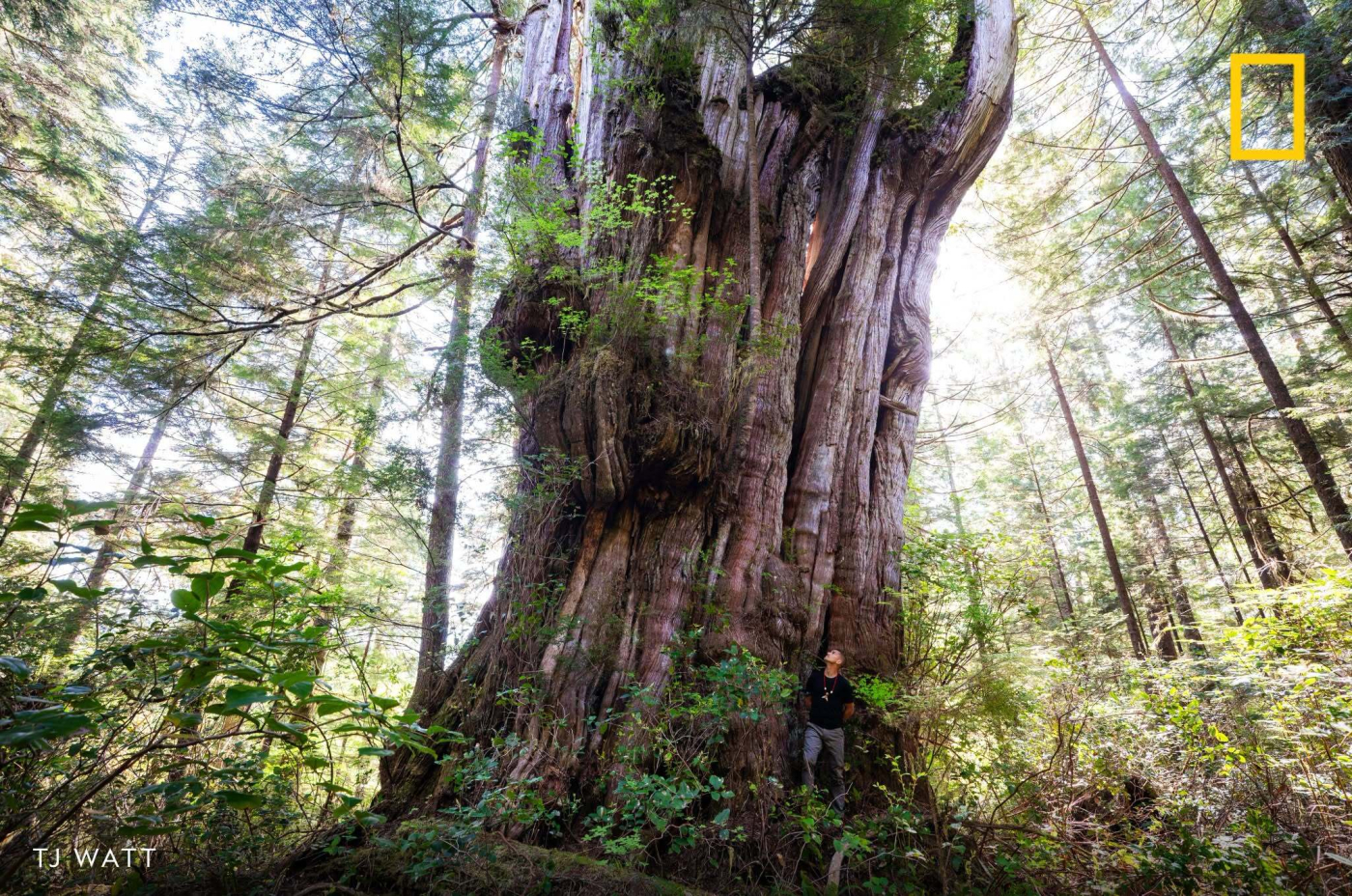 https://ancientforestalliance.org/wp-content/uploads/2026/10/Nat-Geo-Travel-Flores-Cedar.jpg
1357
2048
TJ Watt
https://ancientforestalliance.org/wp-content/uploads/2026/05/Ancient-Forest-Alliance-logo.svg
TJ Watt2026-10-02 13:38:152026-10-02 13:38:15Nat Geo Travel Features TJ Watt’s Photo of Flores Cedar
https://ancientforestalliance.org/wp-content/uploads/2026/10/Nat-Geo-Travel-Flores-Cedar.jpg
1357
2048
TJ Watt
https://ancientforestalliance.org/wp-content/uploads/2026/05/Ancient-Forest-Alliance-logo.svg
TJ Watt2026-10-02 13:38:152026-10-02 13:38:15Nat Geo Travel Features TJ Watt’s Photo of Flores CedarTake Action
 Donate
Support the Ancient Forest Alliance with a one-time or monthly donation. Send a Message
Send an instant message to key provincial decision-makers.
Ancient Forest Alliance thanks the Mountain Equipment Co-op
/in Thank YouLichen legacy
/in News CoverageThe first time they met, Anne Hansen and Henry Kock both showed up for a canoe trip wearing mismatched canvas sneakers.
“We like to be different, in a fun, whimsical kind of way,” said Hansen, an artist based in James Bay, who wears two long braids and colourful knits. Their shared love of the outdoors also helped bring the couple together, more than two decades ago.
The pair lived in Ontario, where Kock earned a reputation as a horticulturalist at the University of Guelph. In 2005, he died of brain cancer.
Last week, Hansen found a fitting way to memorialize her late husband. For $4,000, she bought the scientific naming rights to a newly-discovered lichen.
The horsehair lichen – which Hansen says resembles Kock’s beard – will be known as Bryoria kockiana.
“He would be thrilled,” said Hansen, of how Kock would feel about his lichen legacy.
After more than a decade of exposure to pesticides during his young working life, Kock dedicated himself to organic gardening. Hansen believes his cancer was a result of these pesticides, many of which are now banned.
Lichenologist Trevor Goward recently discovered the species of lichen in the southern Interior. In fact, he discovered two new species and he donated one to the Ancient Forest Alliance and one to The Land Conservancy to be put toward a Name-that-Lichen auction, which closed Dec. 15.
The naming auctions are the first example of “taxonomic tithing,” meaning they raise money for their own conservation, according to Goward.
“I believe that future auctions of this kind will garner even more support as Canadians awaken to the honour of being linked, if only in name, to other living species that share this planet with us,” he said, in a release.
The Sulyma family purchased naming rights from The Land Conservancy for $17,900. Parmelia sulymae has been named in honour of Randy Sulyma, a biologist at the University of British Columbia who died tragically in January. The money will got toward a $350,000 campaign to purchase a land corridor between two pieces of Wells Grey Park in the southern Interior of B.C.
The Ancient Forest Alliance will use the money from Hansen’s winning bid to map and report on old-growth forest on Vancouver Island.
Link to Victoria News article: https://www.bclocalnews.com/community/135945688.html
New lichen species named for U of G tree guru Henry Kock
/in News CoverageGUELPH – A newly-discovered species of lichen will be named in honour of renowned University of Guelph horticulturist Henry Kock, who passed away on Christmas Day 2005.
Kock’s wife, Anne Hansen, purchased the scientific naming rights in an online auction earlier this month.
The lichen will be scientifically known as Bryoria Kockiana.
“I think the real icing on the cake will be the common name,” said Kock’s friend and neighbour, Brian Holstein. “Many are already suggesting it should be called Henry’s Beard.”
Hansen said when she decided to buy the rights she hadn’t seen the lichen and had no idea it so resembled Kock’s trademark flowing beard.
“That was a nice coincidence,” she said in a telephone interview from British Columbia, where she moved in 2007.
The lichen – a combination of fungi and algae which provides critical winter food for animals such as caribou and deer – was discovered by BC lichenologist Trevor Goward. He donated the naming rights to support the Ancient Forest Alliance, a new non-profit organization working to protect BC’s old-growth forests.
“I heard about the auction about a month ago but it just sort of went over my head,” said Hansen, a renowned nature artist. “I didn’t really think it applied to me.”
But a couple of weeks ago Hansen heard a CBC Radio interview with Goward about the lack of interest in the naming rights, which Goward suggested was indicative of a general disinterest in the natural world.
“That struck a chord with me,” Hansen said. “Henry really fought to have people take more of an interest in the natural world. It took me about five minutes to decide this was something I should do for Henry.”
She paid $4,000 for the naming rights.
“I think it’s an incredible thing and what a fitting tribute to him,” said Holstein. “Too bad it’s not an elm tree.”
After Kock’s passing, his home was purchased by neighbours who have maintained his spectacular garden.
“But it’s still just referred to as Henry’s place,” Holstein said. “That’s how everyone knows the property. He had such a tremendous impact on the whole city and on this neighbourhood.”
Hansen said her husband was a “tireless champion” of biodiversity and inconspicuous species.
“Whenever he spoke he would never forget to mention the unglamorous species like the sedges and toads and lichens,” Hansen said. “He appreciated that every species has a role to play and without these little things the bigger ones couldn’t survive.”
Hansen said while she is unsure what her “forest defender” would have made of having a species named for him, she knows he would have liked the idea of naming it for a loved one.
“I thought about that, and if such an opportunity had been available to him I believe he would have named a species in honour of his sister, Irene, a well-known anti-nuclear activist who was killed in a (2001) car accident,” Hansen said. “I think he’s smiling down.”
Read the article in the Guelph Mercury at: https://www.guelphmercury.com/news/local/article/641081–new-lichen-species-named-for-u-of-g-tree-guru-henry-kock