 https://ancientforestalliance.org/wp-content/uploads/2026/10/Screenshot-2026-10-22-at-4.54.32-PM.png
952
1684
TJ Watt
https://ancientforestalliance.org/wp-content/uploads/2026/05/Ancient-Forest-Alliance-logo.svg
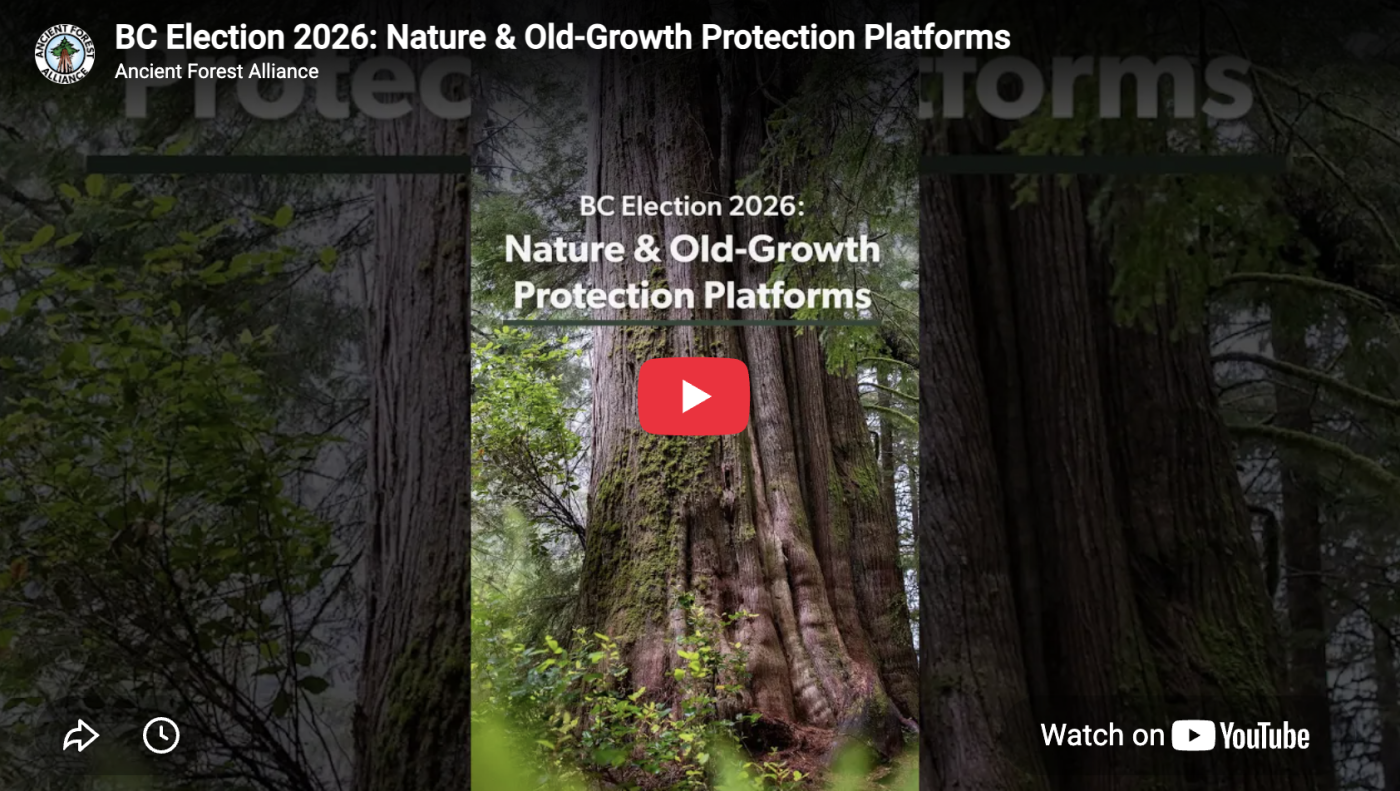
TJ Watt2026-10-22 16:54:062026-10-22 16:59:41NEW Video: BC Election 2026: Nature & Old-Growth Protection
https://ancientforestalliance.org/wp-content/uploads/2026/10/Screenshot-2026-10-22-at-4.54.32-PM.png
952
1684
TJ Watt
https://ancientforestalliance.org/wp-content/uploads/2026/05/Ancient-Forest-Alliance-logo.svg
TJ Watt2026-10-22 16:54:062026-10-22 16:59:41NEW Video: BC Election 2026: Nature & Old-Growth ProtectionRelated Posts
https://ancientforestalliance.org/wp-content/uploads/2026/10/Screenshot-2026-10-22-at-4.54.32-PM.png
952
1684
TJ Watt
https://ancientforestalliance.org/wp-content/uploads/2026/05/Ancient-Forest-Alliance-logo.svg
TJ Watt2026-10-22 16:54:062026-10-22 16:59:41NEW Video: BC Election 2026: Nature & Old-Growth Protection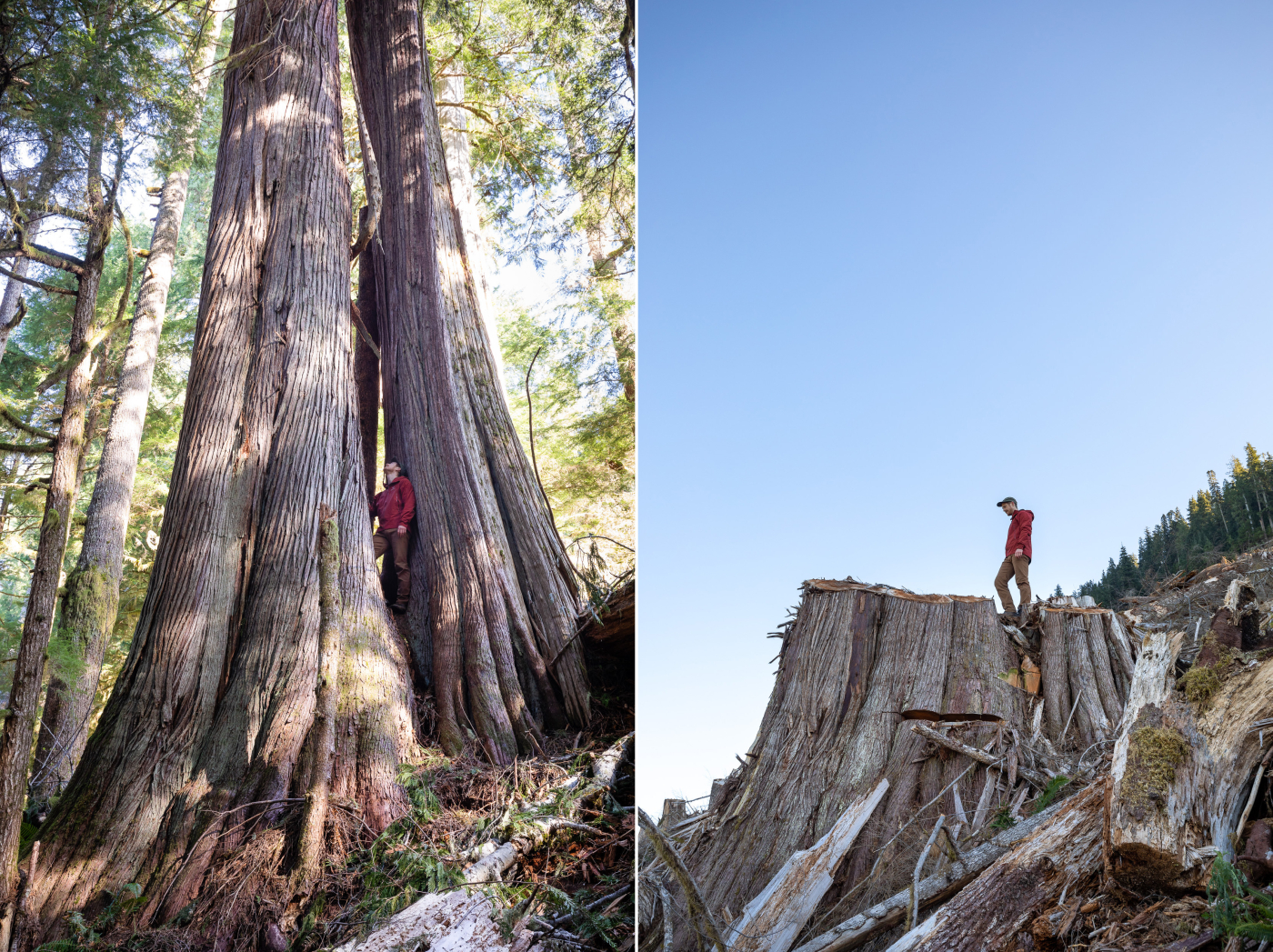 https://ancientforestalliance.org/wp-content/uploads/2026/10/Before-After-Caycuse-TJ-Watt-4-scaled.jpg
1915
2560
TJ Watt
https://ancientforestalliance.org/wp-content/uploads/2026/05/Ancient-Forest-Alliance-logo.svg
TJ Watt2026-10-16 17:36:002026-10-21 13:40:23BC Election 2026: Where do Parties Stand on Nature & Old-Growth?
https://ancientforestalliance.org/wp-content/uploads/2026/10/Before-After-Caycuse-TJ-Watt-4-scaled.jpg
1915
2560
TJ Watt
https://ancientforestalliance.org/wp-content/uploads/2026/05/Ancient-Forest-Alliance-logo.svg
TJ Watt2026-10-16 17:36:002026-10-21 13:40:23BC Election 2026: Where do Parties Stand on Nature & Old-Growth? https://ancientforestalliance.org/wp-content/uploads/2026/10/BC-Election-2026-Banner-1-1-scaled.jpg
1439
2560
TJ Watt
https://ancientforestalliance.org/wp-content/uploads/2026/05/Ancient-Forest-Alliance-logo.svg
TJ Watt2026-10-09 18:16:372026-10-16 17:44:41Where do BC’s Major Political Parties Stand on Nature Protection?
https://ancientforestalliance.org/wp-content/uploads/2026/10/BC-Election-2026-Banner-1-1-scaled.jpg
1439
2560
TJ Watt
https://ancientforestalliance.org/wp-content/uploads/2026/05/Ancient-Forest-Alliance-logo.svg
TJ Watt2026-10-09 18:16:372026-10-16 17:44:41Where do BC’s Major Political Parties Stand on Nature Protection?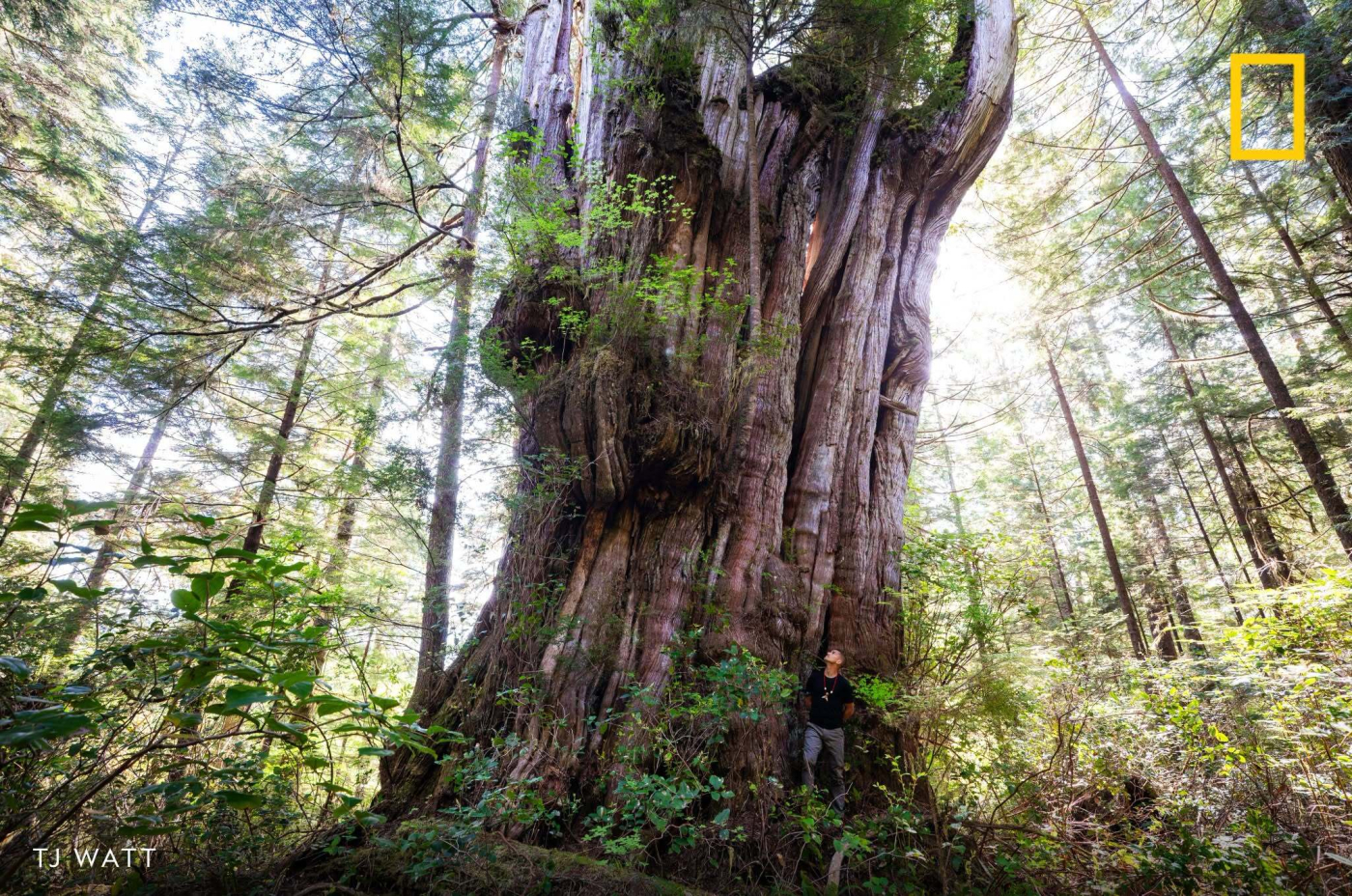 https://ancientforestalliance.org/wp-content/uploads/2026/10/Nat-Geo-Travel-Flores-Cedar.jpg
1357
2048
TJ Watt
https://ancientforestalliance.org/wp-content/uploads/2026/05/Ancient-Forest-Alliance-logo.svg
TJ Watt2026-10-02 13:38:152026-10-02 13:38:15Nat Geo Travel Features TJ Watt’s Photo of Flores Cedar
https://ancientforestalliance.org/wp-content/uploads/2026/10/Nat-Geo-Travel-Flores-Cedar.jpg
1357
2048
TJ Watt
https://ancientforestalliance.org/wp-content/uploads/2026/05/Ancient-Forest-Alliance-logo.svg
TJ Watt2026-10-02 13:38:152026-10-02 13:38:15Nat Geo Travel Features TJ Watt’s Photo of Flores CedarTake Action
 Donate
Support the Ancient Forest Alliance with a one-time or monthly donation. Send a Message
Send an instant message to key provincial decision-makers.
Media Release: Canada’s Mossiest Rainforest
/in Media ReleaseConservationists with the Ancient Forest Alliance (www.ancientforestalliance.org) on Vancouver Island have come across what they are calling “Canada’s Mossiest Rainforest”, a forest of enormous old-growth bigleaf maple trees – some up to 2.5 meters (8 feet) wide – completely draped in gardens of mosses and ferns. Unlike other spotlighted old-growth forests in British Columbia that have all been “coniferous” or needle-leaf trees (fir, cedar, spruce, etc.), this is an old-growth “deciduous” or broad-leaf forest. The “Mossy Maple Rainforest” is found near Cowichan Lake on southern Vancouver Island in Hul’qumi’num First Nations territory.
See an incredible photogallery of the “Mossy Maple Rainforest” at:
https://ancientforestalliance.org/photos-sub.php?sID=2
Within the “Mossy Maple Rainforest” are two different old-growth stands several hundred meters apart, surrounded by second-growth maples, red alders and conifers:
– The “Mossy Maple Grove” is the densest and mossiest old-growth stand with specimens up to 2.5 meters (8 feet) in trunk diameter. It is also nicknamed “Fangorn Forest” in reference to the ancient deciduous forest in the second “Lord of the Rings” series. It is located on private forest lands that until recently were owned by TimberWest until the company sold its private lands last summer to two public sector pension funds, the BC Investment Management Corporation (BCIMC) and the federal Public Sector Pension Investment Board (PSPIB), without consulting the local Hul’qumi’num First Nations. The luxuriant understory is filled with a large diversity of herbaceous plants, and is frequented by elk and bears.
– The “Mossy Maple Gallery” is a more open, park-like stand of scattered giant maples and some enormous cedars and Douglas firs growing on Crown lands north of Mossy Maple Grove. Giant Devils Club with their brutally spiny stems, and legions of elk, deer, wolves, cougars, and black bears make this area home as evidence by their abundant tracks and scat. This area is known to local hunters.
“This type of forest is new to most conservationists and to the general public, few of whom are aware of old-growth deciduous rainforests. It’s sort of like spotting a woolly rhinocerous among a regular herd of endangered rhinos,” stated Ken Wu, Ancient Forest Alliance co-founder. “Bigleaf maples support First Nations cultures, abundant wildlife, salmon streams, BC maple syrup, and important scenery. The last ancient stands must be protected.”
The Mossy Maple Rainforest is in the unceded territory of the Cowichan people who are part of the Hul’qumi’num First Nations group ( https://www.hulquminum.bc.ca/).
“Our culture and our identity as Hul’qumi’num people are tied to our land. The large scale clearcutting on our unceded territories is an assault on our culture and on our human rights,” stated Hul’qumi’num Treaty Group chief negotiator Robert Morales. “The Hul’qumi’num land use plan calls for the protection of the last old-growth remnants in our territories. The BC government failed to consult with us regarding the sale of TimberWest lands to the two pension funds and they still refuse to negotiate compensation for the give-away of over 80% of our territories to private interests through the E&N land grant over a century ago.”
Currently there are no known logging plans – nor protective designations – for either of the two old-growth maple groves. Old-growth bigleaf maples are highly sought after by the logging industry for their extremely strong, dense wood, and most old-growth stands are now long gone.
“Bigleaf maples because of their hard wood was used by our people to make many things, especially paddles, while the large variety of understory plants are still used for many types of medicines and foods. The herds of elk and the remaining salmon have always been vital foods to our culture,” stated Arvid Charlie, an elder with the Cowichan Tribes with an extensive knowledge of the traditional uses of plants and resources.
In recent years farmers and woodlot owners on Vancouver Island have begun tapping bigleaf maples for their syrup, which is milder and different in flavour than syrup from sugar maples in eastern North America. Currently demand for BC maple syrup far surpasses the supply.
The Ancient Forest Alliance is calling on the BC government to protect BC’s endangered old-growth forests through a Provincial Old-Growth Strategy and through implementing First Nations land use plans, and to ensure the sustainable logging of second-growth forests. To protect old-growth bigleaf maples on private lands, the government needs to allocate funds to systematically buy up these stands for conservation purposes.
“These ancient maple rainforests are some the mossiest and awesome – or ‘mossome’ as we like to say – forests on Earth. If done sensitively, they could support a significant eco-tourism and cultural tourism industry that would benefit the local economy, much as the famous bigleaf maple rainforests of the Hoh Valley in Washington’s Olympic National Park do,” stated TJ Watt, AFA co-founder and photographer.
BACKGROUND INFO on BIGLEAF MAPLES
Bigleaf or broadleaf maples (Acer macrophyllum) can grow to 3 meters (10 feet) in trunk diameter and to over 300 years old, making them among the largest deciduous trees in the temperate world. Most old-growth bigleaf maple stands have been logged over the past century, along with the original giant Sitka spruce that they often grow with along rivers and streams.
Bigleaf maples are naturally found along the lower elevation rivers and streams of Vancouver Island and the southern Mainland coast, in many cases on private lands. They naturally grow on old river terraces along streams and rivers and other naturally disturbed sites in wet areas and are sometimes succeeded after several centuries by taller conifers – Sitka spruce, redcedar, western hemlock, Douglas fir.
In recent years, some Vancouver Island farms and woodlots, particularly in the Cowichan and Comox Valleys, have begun tapping bigleaf maple stands to make BC maple syrup, which could become an economic incentive to keep bigleaf maples groves standing. Currently the demand for bigleaf maple syrup far outstrips the supply.
Logging of conifers can assist the spread of second-growth bigleaf maples up slopes and mountainsides in areas where they would normally be at a competitive disadvantage to conifers. Old-growth bigleaf maples tend to be found at lower elevations on flatter land and near streams and rivers where they established themselves long before European colonists arrived.
Bigleaf maple wood is heavily sought after for making furniture and musical instruments, and bigleaf maple commercial logging and even tree poaching is a common problem in BC.
Their bark is ideal for the growth of diverse mosses, licorice ferns, and lobaria (“lettuce”) lichens, harbouring more “epiphytes” (plants growing on trees) than any other trees in North America.
Over time soil accumulates underneath the decomposing mosses and ferns on the tree branches. Researchers in the 1980’s discovered that the maples actually send aerial roots from their branches into these canopy soils to tap the extra nutrients!
Bigleaf maple groves often have rich soils that support a luxuriant and diverse understory layer of herbaceous plants and shrubs, giving some stands a semi-tropical feel in summer time.
The edible young maples, shrubs and diversity of herbaceous plants often attract elk and deer, and hence their predators, cougars and wolves.
Bigleaf maples provide shade, woody debris, leaf litter nutrients, and stream bank stabilization that help to support salmon and trout.
Bigleaf maple wood was used by coastal Salish people to make paddles, spindle whorls, bowls, spoons, hairpins, combs, adze handles, cedar bark shredders, and fish lures (Plant Technology of First Peoples in British Columbia, Dr. Nancy Turner, 1998) while the large variety of understory plants are used for numerous medicines and foods.
New Species Conservation Auction – Name That Lichen!
/in AnnouncementsDirect link you YouTube video: https://www.youtube.com/watch?v=kWqG5atcOzg
Make a bid at https://ancientforestalliance.org/news-item.php?ID=233 for the naming rights to a species of newly discovered bryoria or “horsehair” lichen as part of a conservation fundraising effort to protect BC’s old-growth forests. This is a trial run of “taxonomic tithing” whereby BC botanical researcher Trevor Goward has donated the naming rights for a new species to a conservation organization – if the auction is successful, it could inspire other taxonomists to help conservation fundraising efforts for wildlife and ecosystems around the planet!
WHY Should YOU Make a Bid for this New Species?
1. Your name would be enshrined as a legacy that could endure as long as our civilization lasts!
Having your name – or that of a loved one, your favourite celebrity, role model, hero, sports team – linked to a living species is a legacy that lasts a long time. It has been almost three centuries since the modern system of biological classification was developed by Carolus Linnaeus; and even now the names of people after whom he christened various plants and animals are still with us. With any luck your name will endure as long as our civilization does. Not even Shakespeare could hope for more than that!
2. It will help set a precedent for a potentially successful new way to raise millions of dollars for conservation around the world!
Thousands of new species are described by taxonomists every year. If this fundraiser is successful, it will help to create a model that could convince other taxonomists to support conservation organizations, raising millions of dollars for conservation around the world for the Earth’s diverse ecosystems and biodiversity!
3. You will greatly help British Columbia’s leading – and leanest – environmental organization working at the forefront of the campaign to protect British Columbia’s endangered old-growth forests.
The old-growth forests of British Columbia are among the most magnificent forests on the planet, harbouring trees with trunks as wide as living rooms and that tower as tall as downtown skyscrapers. These forests are home to some of the largest and most charismatic animal species on Earth, including grizzly bears, mountain lions, wolves, and mountain caribou, and some of the most endangered species, like the spotted owl and white-headed woodpecker.
The Ancient Forest Alliance has generated huge media coverage, public awareness, and policy influence in less than 2 years since its founding – with only a tiny fraction of the funding base compared to other major environmental organizations. The organization has built vital new support among tourism businesses, First Nations, politicians, forestry workers, and a large diversity of citizens that will ultimately lead to success if the campaign is adequately funded.
See more fascinating details about lichens and taxonomic tithing from Trevor Goward at: https://waysofenlichenment.net/tithe/introduction
Ancient Forest Photo Exhibit & Sale – Ends this Friday at 5pm!
/in AnnouncementsSeeing the Forest for the Trees is a stunning photographic exhibit that brings art and conservation under one roof. Art aficionados, nature lovers, and early holiday shoppers – this is your chance to pick up the perfect eco-friendly gift for yourself or a loved one in time for the holidays and help protect our ancient forests at the same time!
Watch the VIDEO CLIP from Shaw TV’s “The Daily” for a sneek peak of the show (*Note – it incorrectly states that the show ends on the 24th when in fact it ends on the 25th): https://youtu.be/KCflESkO0FM
Location: Dales Gallery, 537 Fisgard St, in Victoria’s China Town.
Date: Runs until 5pm, Friday, Nov. 25th
Cost: Free admittance
Facebook Event Page:
https://www.facebook.com/event.php?eid=271009579600902
Award-winning AFA photographer TJ Watt has 13 gorgeous images of Canada’s biggest trees coastal rainforest scenes on display, including 3 incredible canvas prints measuring 4ft tall that will blow you away! 100% of proceeds from the sales of Watt’s photos go to the Ancient Forest Alliance.
Victoria photographer Don Denton is also showing a selection of prints with a more abstract approach on capturing the forest’s essence. Check out photos from the show’s jam packed opening night on Don Denton’s blog here: https://dondenton.ca/2011/11/14/don-denton-and-t-j-watt-exhibition-opening-at-dales-gallery/