 https://ancientforestalliance.org/wp-content/uploads/2026/10/Screenshot-2026-10-22-at-4.54.32-PM.png
952
1684
TJ Watt
https://ancientforestalliance.org/wp-content/uploads/2026/05/Ancient-Forest-Alliance-logo.svg
TJ Watt2026-10-22 16:54:062026-10-22 16:59:41NEW Video: BC Election 2026: Nature & Old-Growth Protection
https://ancientforestalliance.org/wp-content/uploads/2026/10/Screenshot-2026-10-22-at-4.54.32-PM.png
952
1684
TJ Watt
https://ancientforestalliance.org/wp-content/uploads/2026/05/Ancient-Forest-Alliance-logo.svg
TJ Watt2026-10-22 16:54:062026-10-22 16:59:41NEW Video: BC Election 2026: Nature & Old-Growth ProtectionRelated Posts
https://ancientforestalliance.org/wp-content/uploads/2026/10/Screenshot-2026-10-22-at-4.54.32-PM.png
952
1684
TJ Watt
https://ancientforestalliance.org/wp-content/uploads/2026/05/Ancient-Forest-Alliance-logo.svg
TJ Watt2026-10-22 16:54:062026-10-22 16:59:41NEW Video: BC Election 2026: Nature & Old-Growth Protection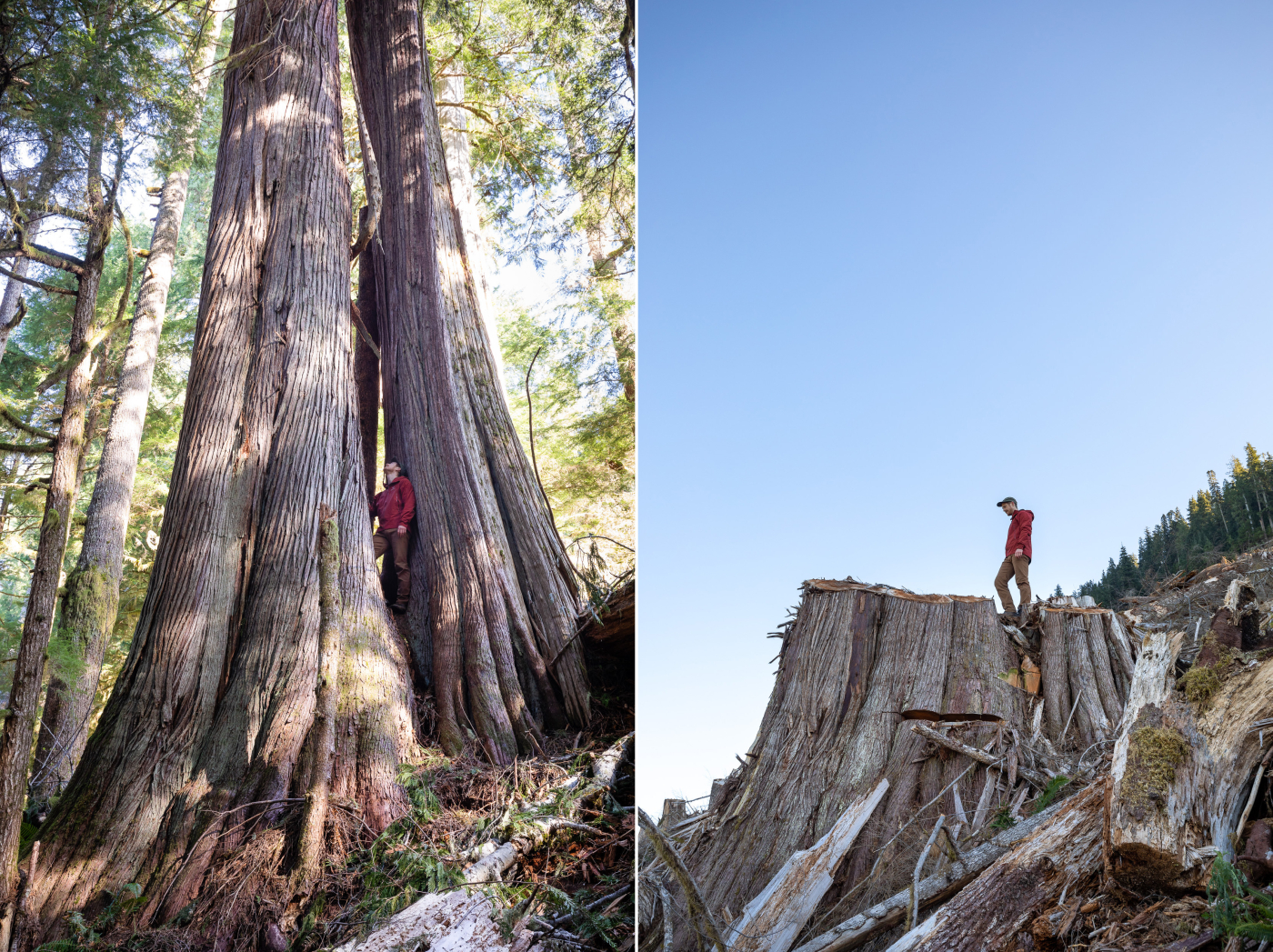 https://ancientforestalliance.org/wp-content/uploads/2026/10/Before-After-Caycuse-TJ-Watt-4-scaled.jpg
1915
2560
TJ Watt
https://ancientforestalliance.org/wp-content/uploads/2026/05/Ancient-Forest-Alliance-logo.svg
TJ Watt2026-10-16 17:36:002026-10-21 13:40:23BC Election 2026: Where do Parties Stand on Nature & Old-Growth?
https://ancientforestalliance.org/wp-content/uploads/2026/10/Before-After-Caycuse-TJ-Watt-4-scaled.jpg
1915
2560
TJ Watt
https://ancientforestalliance.org/wp-content/uploads/2026/05/Ancient-Forest-Alliance-logo.svg
TJ Watt2026-10-16 17:36:002026-10-21 13:40:23BC Election 2026: Where do Parties Stand on Nature & Old-Growth? https://ancientforestalliance.org/wp-content/uploads/2026/10/BC-Election-2026-Banner-1-1-scaled.jpg
1439
2560
TJ Watt
https://ancientforestalliance.org/wp-content/uploads/2026/05/Ancient-Forest-Alliance-logo.svg
TJ Watt2026-10-09 18:16:372026-10-16 17:44:41Where do BC’s Major Political Parties Stand on Nature Protection?
https://ancientforestalliance.org/wp-content/uploads/2026/10/BC-Election-2026-Banner-1-1-scaled.jpg
1439
2560
TJ Watt
https://ancientforestalliance.org/wp-content/uploads/2026/05/Ancient-Forest-Alliance-logo.svg
TJ Watt2026-10-09 18:16:372026-10-16 17:44:41Where do BC’s Major Political Parties Stand on Nature Protection? https://ancientforestalliance.org/wp-content/uploads/2026/10/Nat-Geo-Travel-Flores-Cedar.jpg
1357
2048
TJ Watt
https://ancientforestalliance.org/wp-content/uploads/2026/05/Ancient-Forest-Alliance-logo.svg
TJ Watt2026-10-02 13:38:152026-10-02 13:38:15Nat Geo Travel Features TJ Watt’s Photo of Flores Cedar
https://ancientforestalliance.org/wp-content/uploads/2026/10/Nat-Geo-Travel-Flores-Cedar.jpg
1357
2048
TJ Watt
https://ancientforestalliance.org/wp-content/uploads/2026/05/Ancient-Forest-Alliance-logo.svg
TJ Watt2026-10-02 13:38:152026-10-02 13:38:15Nat Geo Travel Features TJ Watt’s Photo of Flores CedarTake Action
 Donate
Support the Ancient Forest Alliance with a one-time or monthly donation. Send a Message
Send an instant message to key provincial decision-makers.
Old growth trees cut down in the Caycuse Valley
/in News CoverageThe local environment has been dealt a blow in the past few months, thanks to the logging of old growth forest in the Caycuse Valley.
“There’s only a few specks of this old growth left in the interior,” Ancient Forest Alliance executive director Ken Wu said. “We’d like to see the last of the old growth saved.”
West of Cowichan Lake and north of the Walbran Valley, an old growth stand of Douglas fir was clear-cut in June and July of this year, as a result of Teal Jones Group operations.
The Ancient Forest Alliance managed to get there in late June; far too late to prevent the logging from taking place.
The old growth forest that was logged was conveniently located in an unprotected tract of old growth, surrounded by the protected Ungulate Wintering Range and an Old Growth Management Area.
The Ungulate Wintering Range was designated by the Ministry of Forests to sustain black-tailed deer populations, while the Old Growth Management Area prohibits logging.
“Unfortunately, an important chunk of the old-growth Douglas firs were left out of protection and have now been clear-cut,” an Ancient forest Alliance press release reads.
“There’s almost none left,” Wu said, of the Caycuse Valley.
“We’re not saying don’t log, just don’t log the old growth.”
There’s still some unprotected old growth forest land in the Caycuse Valley that has the potential to see logging activity, unless the government steps in.
“If it’s not in a park, Ungulate Wintering Range, or Old Growth Management Area, it’ll become a sea of stumps,” Wu said.
The logging of the old growth Douglas fir will have a negative impact on various animal populations, Wu said, as it serves to provide deer with excellent wintering habitat, which includes the lichens they eat.
“At least 87 per cent of the productive old-growth forests on Vancouver Island south of Port Alberni and Barkely Sound have already been logged,” the press release reads.
A before and after map is available online, at www.ancientforestalliance.org/old-growth-maps.php.
With the old growth vanishing, deer are pushed into smaller and smaller non-sustainable spaces.
With higher concentrations of deer comes easier hunting by predators.
This will have a spiraling negative effect, affecting creatures that eat deer, including wolves, cougars, and bears, as well as First Nations and non-First Nations hunters.
“It’s to the detriment of all the things and people that use this forest,” Wu said.
Vancouver Island has already seen a four-fold drop in deer populations in recent decades, and a 99 per cent logging of old growth Douglas firs, Wu wrote in the press release.
Now, the Ancient Forest Alliance is calling on the provincial government to do a better job of protecting old growth forests. They’ve already had some successes in protecting the Avatar Grove, near Port Renfrew.
For the Ancient forest Alliance, it’s all about developing legal tools to help protect the largest monumental trees and groves in the province, maintaining the sustainable logging of second growth forests, and stopping the export of raw logs.
“More than ever, Christy Clark’s BC Liberal government is morally obliged to enact a comprehensive provincial old-growth strategy that will end the logging of our last endangered ancient forests.”
“It’s bad for deer, it’s bad for hunters, it’s bad for the ecosystem, it’s bad for tourism, and it’s ethically wrong.”
[Original BC Local News article no longer available]
Ancient Forest & Nature Photography Workshop with the AFA’s TJ Watt!
/in AnnouncementsDate: Saturday, August 20th
Time: 10am – 2:30 pm
Cost: Sliding scale $75 – $125
Location: Goldstream Park. Please meet in the undercover picnic area. Info and directions: https://www.env.gov.bc.ca/bcparks/explore/parkpgs/goldstream/
Please email us at info@ancientforestalliance.org to register.
Tired of coming home with blurry photos? Wondering what all those settings on the dial are? Hoping to put that fancy new lens or camera to use in the field?
Then join the Ancient Forest Alliance’s award-winning photographer TJ Watt for a fun, hands-on photography workshop intended for novices and amateurs in the incredible old-growth forests of Goldstream Park! Surrounded by 500+ year old trees, the gorgeous river, and wildlife, there will be no shortage of photo opportunities!
Born and raised in Metchosin, TJ has been shooting for nearly a decade and has a professional photography diploma from the Western Academy of Photography.
His images of BC’s biggest trees and giant stumps, for which he is best known, have been published in provincial and national magazines, books, posters, news media articles, and museums.
This outdoor workshop will cover tips and tools for beginner and intermediate level photographers as well as provide time for questions and answers.
We will learn:
– What’s on that dial? Understanding the different camera modes
– Shutter speed & Aperture
– What is ISO?
– The art of seeing. Creative visualization!
– Conscious framing. Composing the image
– The use of different lenses and filters
– How to not chop off heads
– How to have fun! (even with mosquitoes)
Items to bring:
– Your camera! Pocket digitals, digital SLRs, and film cameras are all fine!
– Memory card / Film
– Notebook
– A tripod if you have one
– A lunch & proper outdoor shoes/clothes
– A willingness to laugh, listen and learn!
To view some of TJ’s stunning photographs, check out his online galleries:
AFA photo gallery – https://ancientforestalliance.org/photos-media/
Personal website –https://www.utopiaphoto.ca
A recent visit to Goldstream – https://utopiaphoto.ca/blog/?p=569
***This event is a fundraiser for the Ancient Forest Alliance which is in need of funding to continue its vital campaigns to protect BC’s ancient forests and forestry jobs.
Please email us at info@ancientforestalliance.org to register.
Clearcutting threatens black-tailed deer, activist says
/in News CoverageA dwindling black-tailed deer population on the Island is further at risk after clearcutting near Caycuse Valley, according to Ken Wu, president of the Ancient Forest Alliance, who has called on the province to protect more old-growth forests.
The newly cut area, near McClure Lake, is a popular winter spot for the deer, who survive on lichen found in the old-growth forest while receiving shelter from the Douglas firs. Their population has already dropped to one-quarter of their numbers in the 1970s, Wu said.
The deer are a food source for wolves and cougars as well as First Nations groups and other hunters, Wu said. By limiting their habitat, the deer are easier for predators to pick off at higher rates, he said.
The cutting was done by Teal-Jones Group about six weeks ago. The company would not comment on the cutting nor its knowledge of deer populations in the area.
Surrounding the 4.8 hectares that was cut is about 103 hectares of forest protected from clearcutting by its designation as oldgrowth management and ungulate winter range areas, according to the Ministry of Forests, Lands and Natural Resource Operations. While deer may not seem at risk in cities or rural countryside, where they can be seen running through neighbourhood streets and feeding on farms, in higher-altitude areas they require forest shelter, Wu said.
Black-tailed deer populations on southern Vancouver Island are surveyed twice a year, and it has been noticed that their numbers are increasing, according to the ministry. Their habitat is protected based on the advice of biologists to ensure they have enough protection and food to survive the winter.
About 45 per cent of oldgrowth forest on Vancouver Island Crown land is protected, according to the ministry, but Wu said too many Douglas fir forests, such as the one near McClure Lake, are being clear cut. “It’s ridiculous and unethical to go to the end of the resource, especially when there is a second-growth alternative,” he said.
Second-growth forests, which can be used for logging, are less adequate habitats for deer, as they don’t have the same amount of lichen.
There are about 485,000 hectares of old-growth forest on Vancouver Island, which is protected, and the province is looking to expand this to include the Avatar Grove area.
Read more: https://www.timescolonist.com