 https://ancientforestalliance.org/wp-content/uploads/2026/10/Screenshot-2026-10-22-at-4.54.32-PM.png
952
1684
TJ Watt
https://ancientforestalliance.org/wp-content/uploads/2026/05/Ancient-Forest-Alliance-logo.svg
TJ Watt2026-10-22 16:54:062026-10-22 16:59:41NEW Video: BC Election 2026: Nature & Old-Growth Protection
https://ancientforestalliance.org/wp-content/uploads/2026/10/Screenshot-2026-10-22-at-4.54.32-PM.png
952
1684
TJ Watt
https://ancientforestalliance.org/wp-content/uploads/2026/05/Ancient-Forest-Alliance-logo.svg
TJ Watt2026-10-22 16:54:062026-10-22 16:59:41NEW Video: BC Election 2026: Nature & Old-Growth ProtectionRelated Posts
https://ancientforestalliance.org/wp-content/uploads/2026/10/Screenshot-2026-10-22-at-4.54.32-PM.png
952
1684
TJ Watt
https://ancientforestalliance.org/wp-content/uploads/2026/05/Ancient-Forest-Alliance-logo.svg
TJ Watt2026-10-22 16:54:062026-10-22 16:59:41NEW Video: BC Election 2026: Nature & Old-Growth Protection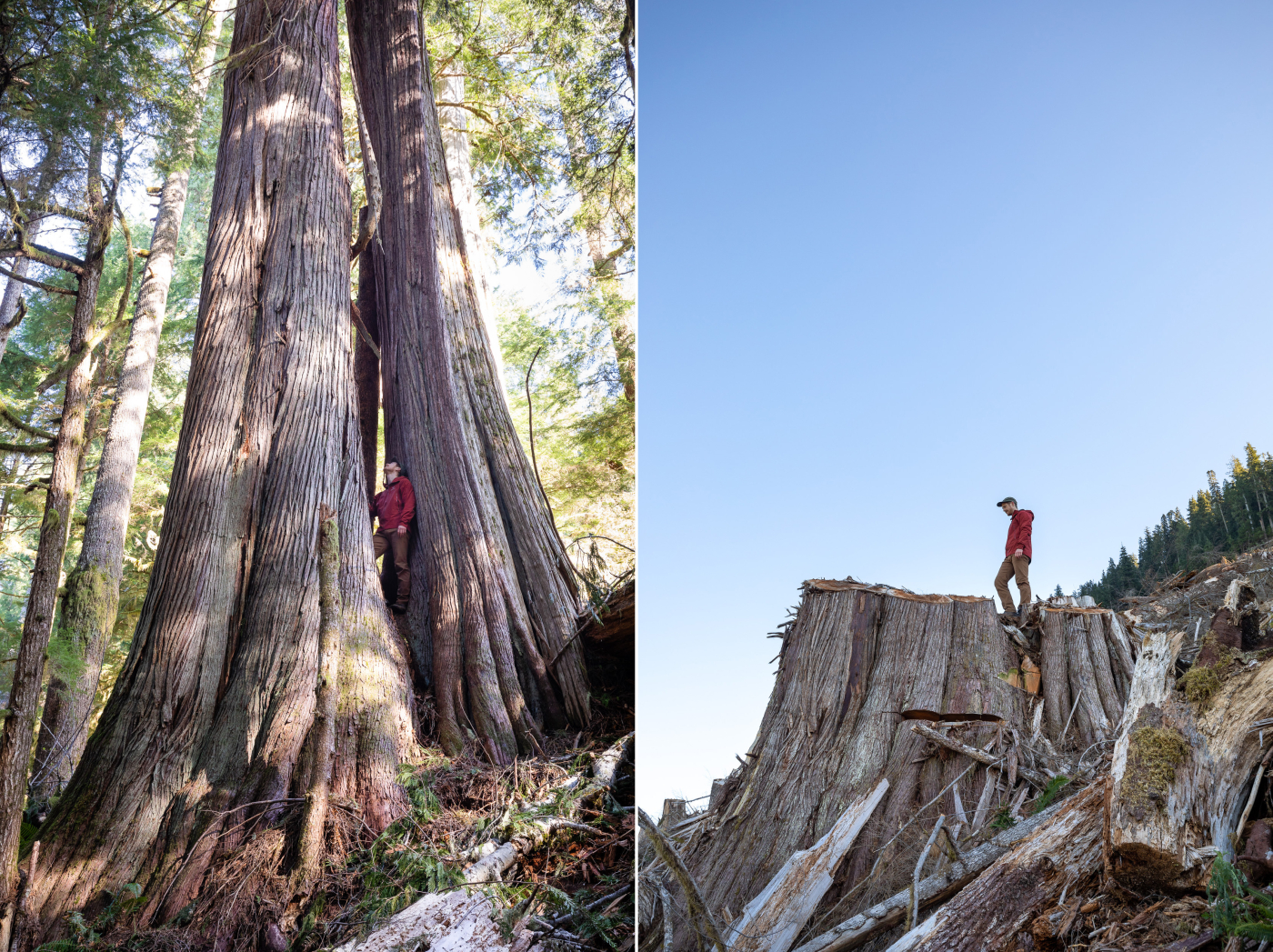 https://ancientforestalliance.org/wp-content/uploads/2026/10/Before-After-Caycuse-TJ-Watt-4-scaled.jpg
1915
2560
TJ Watt
https://ancientforestalliance.org/wp-content/uploads/2026/05/Ancient-Forest-Alliance-logo.svg
TJ Watt2026-10-16 17:36:002026-10-21 13:40:23BC Election 2026: Where do Parties Stand on Nature & Old-Growth?
https://ancientforestalliance.org/wp-content/uploads/2026/10/Before-After-Caycuse-TJ-Watt-4-scaled.jpg
1915
2560
TJ Watt
https://ancientforestalliance.org/wp-content/uploads/2026/05/Ancient-Forest-Alliance-logo.svg
TJ Watt2026-10-16 17:36:002026-10-21 13:40:23BC Election 2026: Where do Parties Stand on Nature & Old-Growth? https://ancientforestalliance.org/wp-content/uploads/2026/10/BC-Election-2026-Banner-1-1-scaled.jpg
1439
2560
TJ Watt
https://ancientforestalliance.org/wp-content/uploads/2026/05/Ancient-Forest-Alliance-logo.svg
TJ Watt2026-10-09 18:16:372026-10-16 17:44:41Where do BC’s Major Political Parties Stand on Nature Protection?
https://ancientforestalliance.org/wp-content/uploads/2026/10/BC-Election-2026-Banner-1-1-scaled.jpg
1439
2560
TJ Watt
https://ancientforestalliance.org/wp-content/uploads/2026/05/Ancient-Forest-Alliance-logo.svg
TJ Watt2026-10-09 18:16:372026-10-16 17:44:41Where do BC’s Major Political Parties Stand on Nature Protection? https://ancientforestalliance.org/wp-content/uploads/2026/10/Nat-Geo-Travel-Flores-Cedar.jpg
1357
2048
TJ Watt
https://ancientforestalliance.org/wp-content/uploads/2026/05/Ancient-Forest-Alliance-logo.svg
TJ Watt2026-10-02 13:38:152026-10-02 13:38:15Nat Geo Travel Features TJ Watt’s Photo of Flores Cedar
https://ancientforestalliance.org/wp-content/uploads/2026/10/Nat-Geo-Travel-Flores-Cedar.jpg
1357
2048
TJ Watt
https://ancientforestalliance.org/wp-content/uploads/2026/05/Ancient-Forest-Alliance-logo.svg
TJ Watt2026-10-02 13:38:152026-10-02 13:38:15Nat Geo Travel Features TJ Watt’s Photo of Flores CedarTake Action
 Donate
Support the Ancient Forest Alliance with a one-time or monthly donation. Send a Message
Send an instant message to key provincial decision-makers.
Photo of Old-Growth Clearcut on Vancouver Island Takes Top Prize
/in News CoverageTweet
A raw and striking image of an old-growth tree stump in a clearcut near Port Renfrew on Vancouver Island, BC, recently claimed 1st place in Outdoor Photography Canada magazine’s “Human Impact” photo contest in its latest fall/winter edition. The photo, taken by Ancient Forest Alliance (AFA) photographer TJ Watt in theGordon River Valley
“As a photographer working for a cause you’re always looking for that elusive shot that truly captures both the emotional and the factual aspects of the issue in one image. It’s difficult to get both together but this picture is quickly proving to have done just that. Of the hundreds of thousands of photos I have taken, as sad as it is, this is the one I am most proud of,” notes Watt.
Photography is a powerful and essential tool for raising environmental awareness and Watt feels its key benefit lies in its ability to bring remote or unseen places to the public’s eye.
“My images focus mainly on the threats to BC’s endangered old-growth forests and often times I am taking photos where less than and a handful of people have stood, if any at all. The rugged rainforests ofVancouver Island go largely unexplored and the clearcuts are very treacherous so it’s really important to be able to share the images from these places that few people see,” says Watt. “If you can’t bring the 4 million people in BC to the woods then you need to bring the woods to them. And now with the power of GPS mapping and Google Earth you can extend that concept to include the entire world.”
Watt and a hiking partner snapped the winning shot after they finished leading a public hike through the nearby endangered Avatar Grove (see Watt’s photo gallery here: https://ancientforestalliance.org/photos-media/) – a stand of easily accessible, monumental old-growth forest flagged and surveyed for logging that has caught the attention of thousands of British Columbians, elected officials, and media over the past year.
See other photos by TJ Watt ofCanada
The Ancient Forest Alliance is calling on the BC Liberal government to protect BC’s endangered old-growth forests, ensure the sustainable logging of second-growth forests, and to ban raw log exports to foreign mills.
You can visit Outdoor Photography Canada magazine’s website here: https://www.outdoorphotographycanada.com/
Photograph of Vancouver Island clearcut wins national competition
/in News CoverageTweet
A beautifully haunting photo of an old-growth clearcut on Vancouver Island has won a national photography competition.
Ancient Forest Alliance photographer T.J. Watt took first place in Outdoor Photography Canada magazine’s “Human Impact” photo contest with an image taken in the Gordon River Valley near Port Renfrew on Vancouver Island.
“As a photographer working for a cause you’re always looking for that elusive shot that truly captures both the emotional and the factual aspects of the issue in one image,” Watt said in a statement.
“It’s difficult to get both together but this picture is quickly proving to have done just that. Of the hundreds of thousands of photos I have taken, as sad as it is, this is the one I am most proud of.”
The Ancient Forest Alliance is calling on the B.C. government to protect the province’s remaining old-growth forests, ensure the sustainable logging of second-growth forests, and to ban raw log exports to foreign mills.
View other photos by T.J. Watt of Canada’s largest trees and stumps at: https://ancientforestalliance.org/photos-media/
Read more: https://www.vancouversun.com/Photograph+Vancouver+Island+clearcut+wins+national+competition/4227150/story.html#ixzz1D2PN2ply
B.C.’s Best Old-Growth Forest Slideshow Visits Salt Spring
/in News CoverageTweet
Ancient Forest Alliance co-founders are bringing spectacular photographs of Canada’s largest trees and their presentation on B.C. ecology and forest politics to the island next week.
Ken Wu and TJ Watt will host an informative and inspiring slideshow at The Fritz cinema on Wednesday, Feb. 9 from 7 to 8:30 p.m.
Adriane Carr, deputy leader of Canada’s Green Party and former Wilderness Committee Clayoqout Sound campaigner, will also give a talk and host a fundraiser pledge auction to raise campaign funds for the AFA, which has just passed its one-year anniversary.
“Time is running out for our endangered old-growth forests and B.C.’s coastal forestry jobs. Salt Spring Island is famous as a hub of environmental consciousness — it may very well have the highest density of tree-huggers in North America. It’s a key place for us to build support and expand our strong campaign to protect our ancient forests, ensure sustainable second-growth forestry and to ban raw log exports to foreign mills,” states campaign director Wu.
According to the AFA, to date about 75 per cent of Vancouver Island’s productive old-growth forest has been logged, including 90 per cent of the valley bottoms, while only six per cent of its original, productive old-growth forests are protected in parks.
Meanwhile, thousands of forestry jobs are being lost as millions of cubic metres of raw logs are exported each year to foreign mills.
The AFA plans to take their campaign to a new level in 2011 by:
• Vastly increasing the support base for its campaigns through the “100,000 Strong for Ancient Forests and B.C. Jobs” petition drive and public awareness campaign.
• Increasing cooperation among key allies by meeting and working with First Nations, politicians, businesses, unions, faith groups and many other organizations.
• Guiding monthly public hikes to the spectacular Avatar Grove near Port Renfrew and other endangered ancient forests.
• Continuing to explore and document endangered old-growth forests in B.C. through professional photography and videos.
“How many jurisdictions on Earth have trees with trunks as wide as living rooms and that grow as tall as downtown skyscrapers?” asks Watt.
“We’re so lucky to have such exceptionally magnificent forests here in coastal B.C. I am always excited to share some of the best photographs from Vancouver Island’s most incredible rainforests and hidden wild places.
original article in bclocalnews.com saltspringislanddriftwood