 https://ancientforestalliance.org/wp-content/uploads/2026/10/Screenshot-2026-10-22-at-4.54.32-PM.png
952
1684
TJ Watt
https://ancientforestalliance.org/wp-content/uploads/2026/05/Ancient-Forest-Alliance-logo.svg
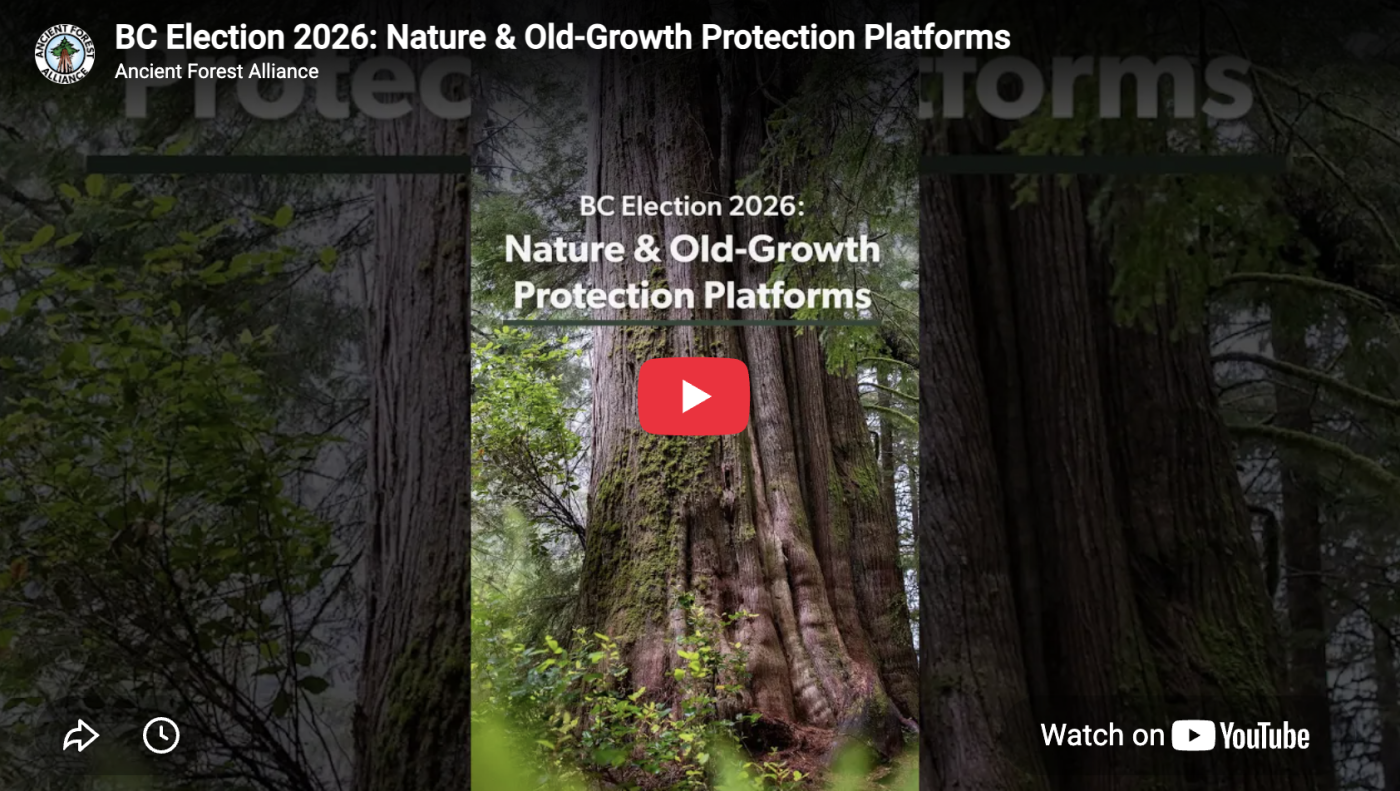
TJ Watt2026-10-22 16:54:062026-10-22 16:59:41NEW Video: BC Election 2026: Nature & Old-Growth Protection
https://ancientforestalliance.org/wp-content/uploads/2026/10/Screenshot-2026-10-22-at-4.54.32-PM.png
952
1684
TJ Watt
https://ancientforestalliance.org/wp-content/uploads/2026/05/Ancient-Forest-Alliance-logo.svg
TJ Watt2026-10-22 16:54:062026-10-22 16:59:41NEW Video: BC Election 2026: Nature & Old-Growth ProtectionRelated Posts
https://ancientforestalliance.org/wp-content/uploads/2026/10/Screenshot-2026-10-22-at-4.54.32-PM.png
952
1684
TJ Watt
https://ancientforestalliance.org/wp-content/uploads/2026/05/Ancient-Forest-Alliance-logo.svg
TJ Watt2026-10-22 16:54:062026-10-22 16:59:41NEW Video: BC Election 2026: Nature & Old-Growth Protection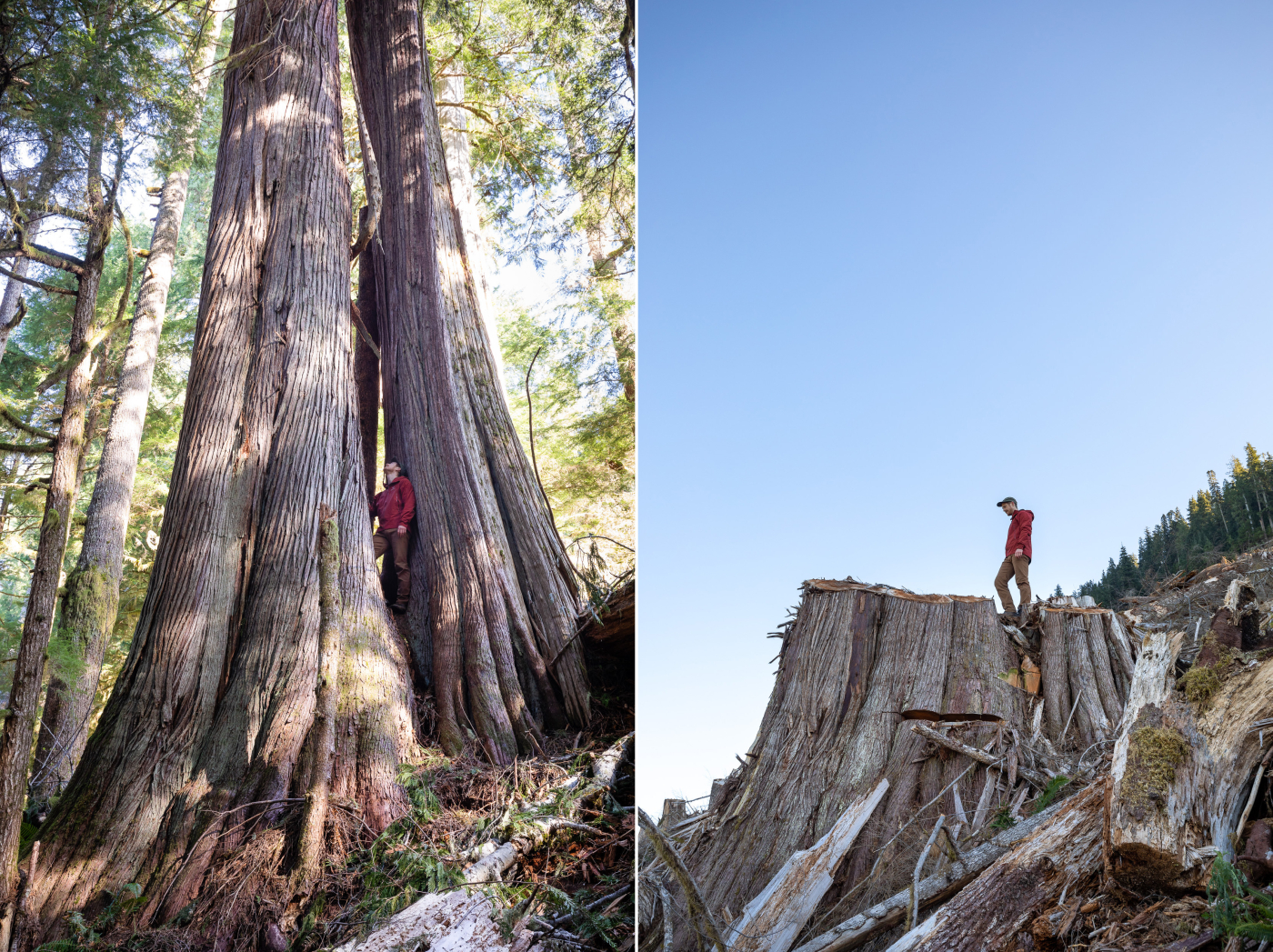 https://ancientforestalliance.org/wp-content/uploads/2026/10/Before-After-Caycuse-TJ-Watt-4-scaled.jpg
1915
2560
TJ Watt
https://ancientforestalliance.org/wp-content/uploads/2026/05/Ancient-Forest-Alliance-logo.svg
TJ Watt2026-10-16 17:36:002026-10-21 13:40:23BC Election 2026: Where do Parties Stand on Nature & Old-Growth?
https://ancientforestalliance.org/wp-content/uploads/2026/10/Before-After-Caycuse-TJ-Watt-4-scaled.jpg
1915
2560
TJ Watt
https://ancientforestalliance.org/wp-content/uploads/2026/05/Ancient-Forest-Alliance-logo.svg
TJ Watt2026-10-16 17:36:002026-10-21 13:40:23BC Election 2026: Where do Parties Stand on Nature & Old-Growth? https://ancientforestalliance.org/wp-content/uploads/2026/10/BC-Election-2026-Banner-1-1-scaled.jpg
1439
2560
TJ Watt
https://ancientforestalliance.org/wp-content/uploads/2026/05/Ancient-Forest-Alliance-logo.svg
TJ Watt2026-10-09 18:16:372026-10-16 17:44:41Where do BC’s Major Political Parties Stand on Nature Protection?
https://ancientforestalliance.org/wp-content/uploads/2026/10/BC-Election-2026-Banner-1-1-scaled.jpg
1439
2560
TJ Watt
https://ancientforestalliance.org/wp-content/uploads/2026/05/Ancient-Forest-Alliance-logo.svg
TJ Watt2026-10-09 18:16:372026-10-16 17:44:41Where do BC’s Major Political Parties Stand on Nature Protection?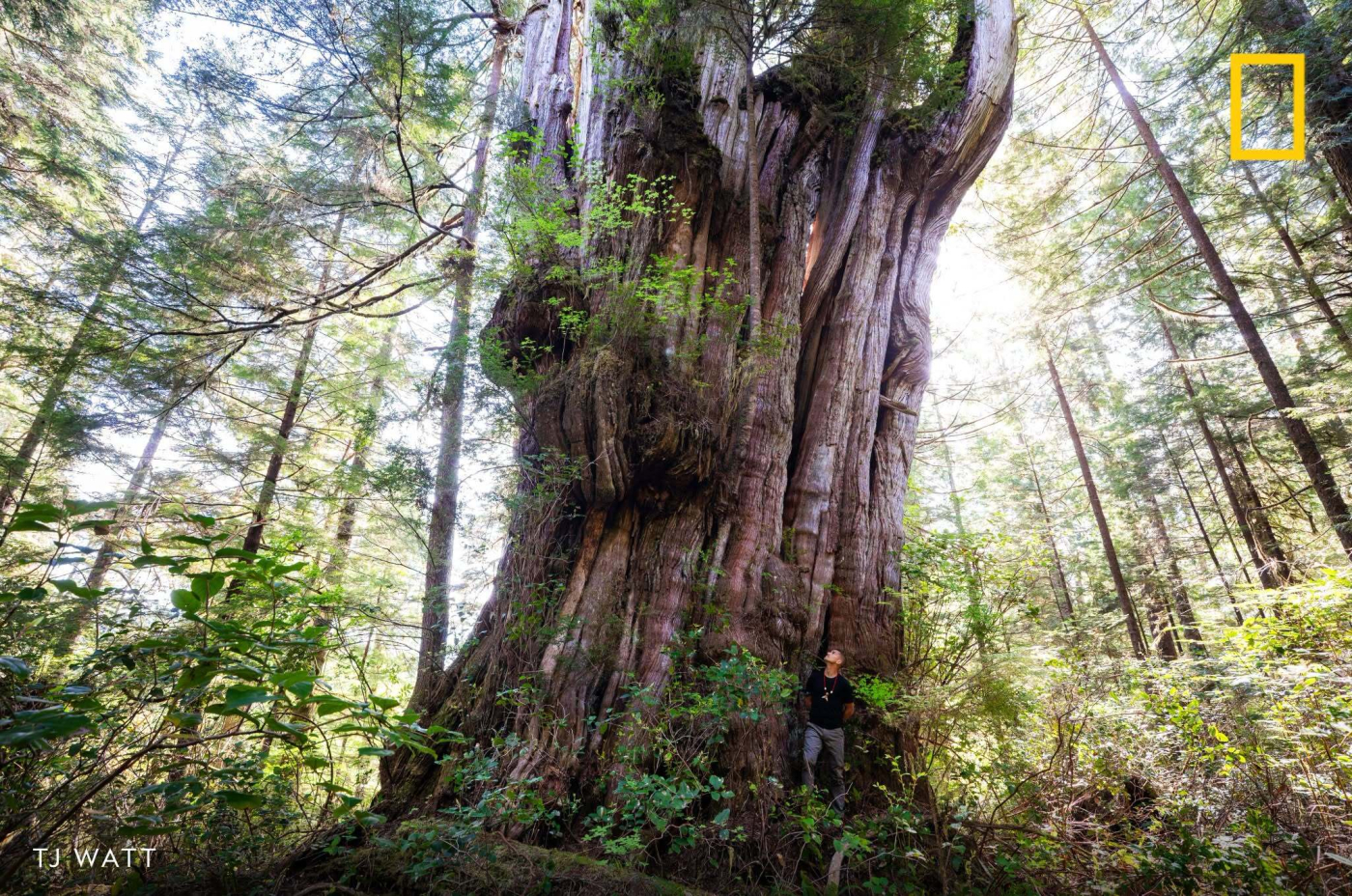 https://ancientforestalliance.org/wp-content/uploads/2026/10/Nat-Geo-Travel-Flores-Cedar.jpg
1357
2048
TJ Watt
https://ancientforestalliance.org/wp-content/uploads/2026/05/Ancient-Forest-Alliance-logo.svg
TJ Watt2026-10-02 13:38:152026-10-02 13:38:15Nat Geo Travel Features TJ Watt’s Photo of Flores Cedar
https://ancientforestalliance.org/wp-content/uploads/2026/10/Nat-Geo-Travel-Flores-Cedar.jpg
1357
2048
TJ Watt
https://ancientforestalliance.org/wp-content/uploads/2026/05/Ancient-Forest-Alliance-logo.svg
TJ Watt2026-10-02 13:38:152026-10-02 13:38:15Nat Geo Travel Features TJ Watt’s Photo of Flores CedarTake Action
 Donate
Support the Ancient Forest Alliance with a one-time or monthly donation. Send a Message
Send an instant message to key provincial decision-makers.
Big Trees Pedal Powered Tour
/in AnnouncementsBIG TREES PEDAL POWERED TOUR
10 cyclists will be riding 260 kilometers to the biggest trees in Canada by Port Renfrew, the Red Creek Fir and the San Juan Spruce and to the spectacular Avatar Grove, from June 3 to 6 to raise funds and awareness for the Ancient Forest Alliance!
PLEASE make a pledge at $1/kilometre to the riders for our cause by emailing them your name, contact info, and pledge amount to organizer Tom Fortington at: bigtreetour@gmail.com
See more info on their website at: https://www.tumblr.com/
PROTEST/ Gift Giving Ceremony for the AVATAR GROVE and BC’s ANCIENT FORESTS at MLA Ida Chong’s Oak Bay Office!
/in Take ActionFriday, May 14 – PROTEST/ Gift Giving Ceremony for the AVATAR GROVE and BC’s ANCIENT FORESTS at MLA Ida Chong’s Oak Bay Office!
12:00 – 12:30 PM
2186 Oak Bay Ave. (between Hampshire Rd. and Wilmot Pl.), Victoria
Come to a brief petition drive, protest and gift giving ceremony at BC Liberal MLA Ida Chong’s office in Oak Bay, Victoria.
The spectacular Avatar Grove of ancient cedars and firs, near Port Renfrew, is threatened with being logged, as are millions of hectares of ancient forest across British Columbia.
MLA and cabinet minister Ida Chong has towed the BC Liberal government’s ridiculous party line that ancient forests are not endangered on Vancouver Island and that raw log exports should continue.
Make your voice heard with the newly-formed Oak Bay and Gordon Head Ancient Forest Committee and the Ancient Forest Alliance! For more information contact: Benna Keoghoe at afc.oakbay@gmail.com
Fundraising Update
/in AnnouncementsFUNDRAISING UPDATE
(DONATE at https://donate.ancientforestalliance.org/):
So far 200 supporters have contributed $8854 since we launched our funding drive on March 22, with a minimum goal of raising $20,000 by June 21. Please donate, whether $10 or $1000. Your support will enable us to continue to snowball this movement by rounding up new allies, organizing events, undertaking expeditions to document endangered ancient forests, training new activists, informing and mobilizing thousands of citizens…and a whole lot more.