 https://ancientforestalliance.org/wp-content/uploads/2026/10/Screenshot-2026-10-22-at-4.54.32-PM.png
952
1684
TJ Watt
https://ancientforestalliance.org/wp-content/uploads/2026/05/Ancient-Forest-Alliance-logo.svg
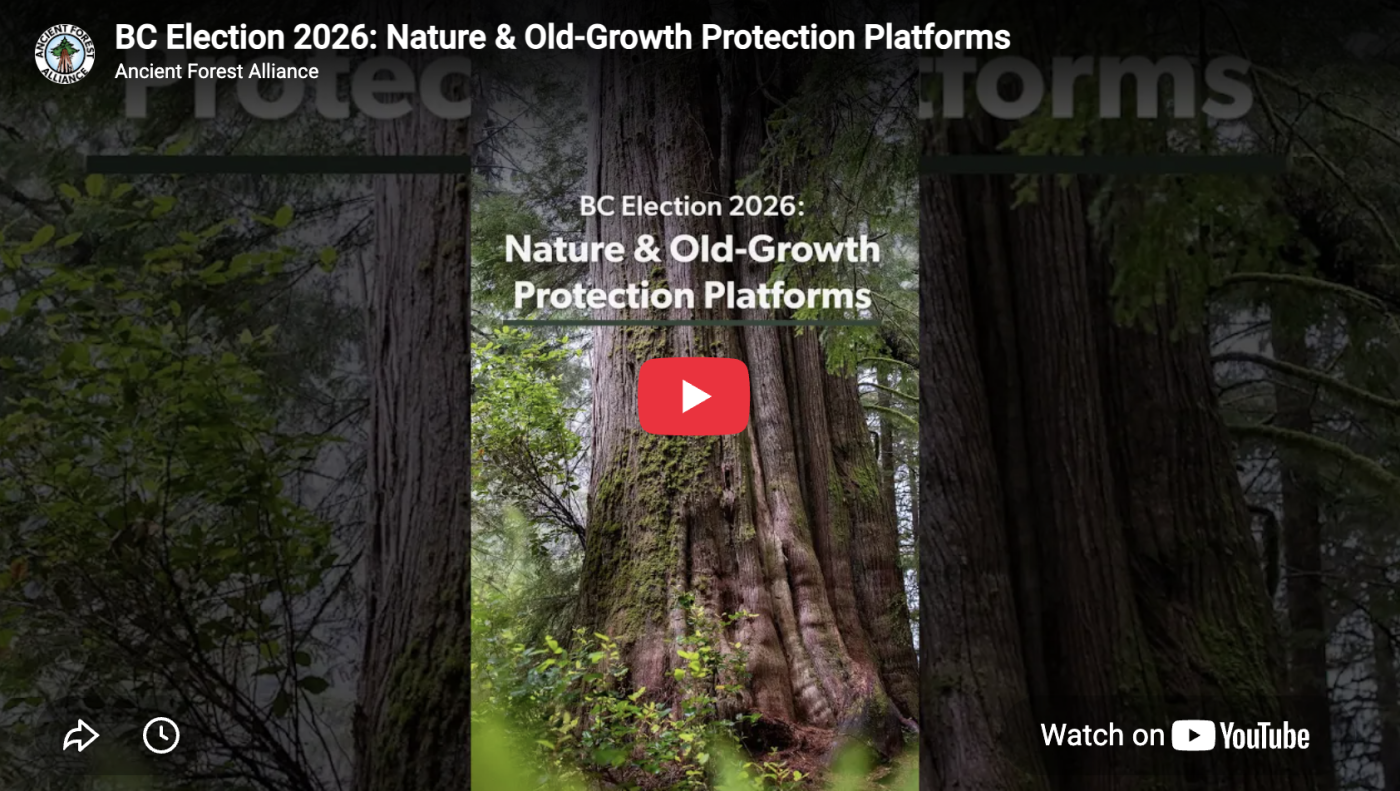
TJ Watt2026-10-22 16:54:062026-10-22 16:59:41NEW Video: BC Election 2026: Nature & Old-Growth Protection
https://ancientforestalliance.org/wp-content/uploads/2026/10/Screenshot-2026-10-22-at-4.54.32-PM.png
952
1684
TJ Watt
https://ancientforestalliance.org/wp-content/uploads/2026/05/Ancient-Forest-Alliance-logo.svg
TJ Watt2026-10-22 16:54:062026-10-22 16:59:41NEW Video: BC Election 2026: Nature & Old-Growth ProtectionRelated Posts
https://ancientforestalliance.org/wp-content/uploads/2026/10/Screenshot-2026-10-22-at-4.54.32-PM.png
952
1684
TJ Watt
https://ancientforestalliance.org/wp-content/uploads/2026/05/Ancient-Forest-Alliance-logo.svg
TJ Watt2026-10-22 16:54:062026-10-22 16:59:41NEW Video: BC Election 2026: Nature & Old-Growth Protection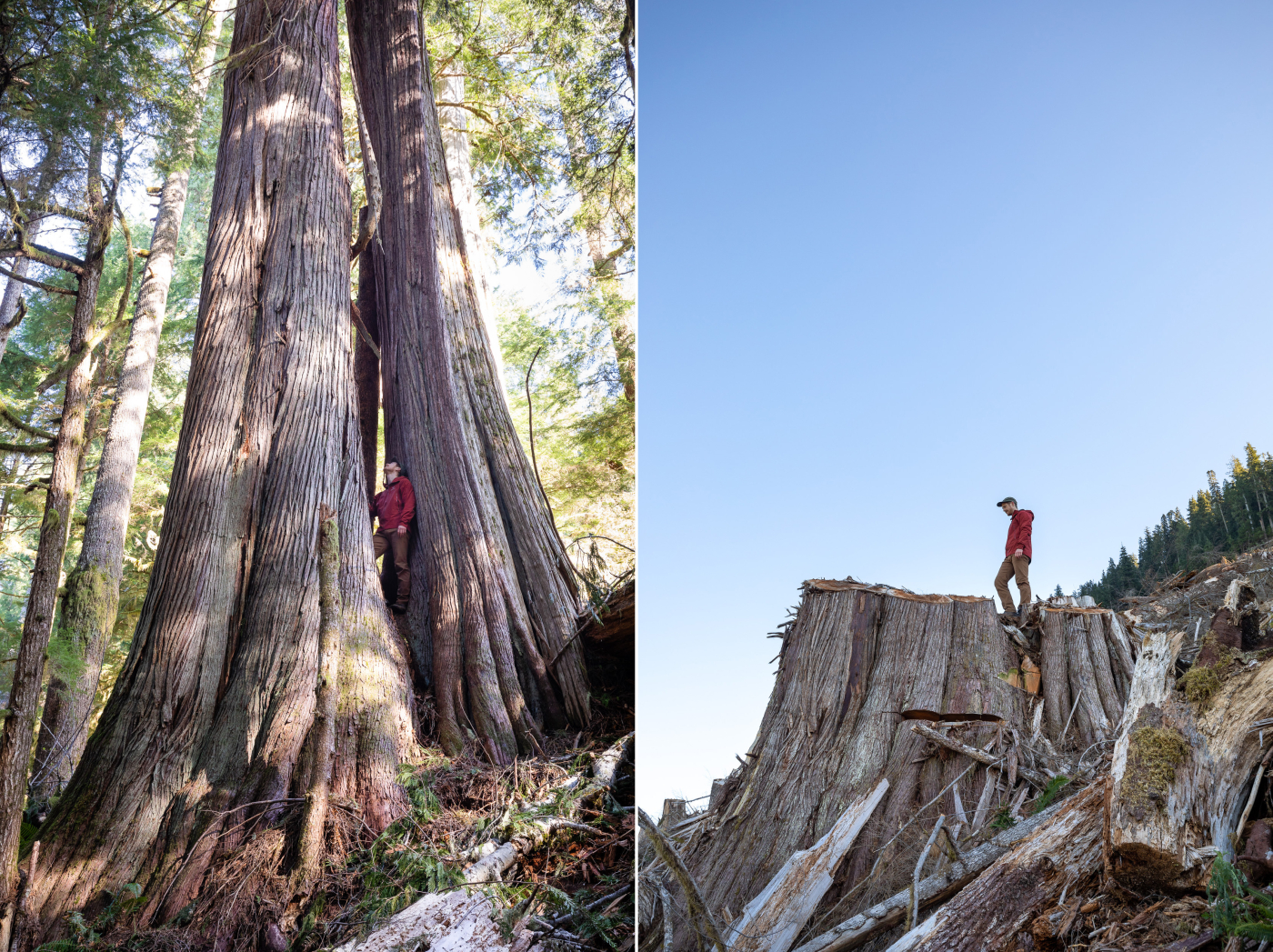 https://ancientforestalliance.org/wp-content/uploads/2026/10/Before-After-Caycuse-TJ-Watt-4-scaled.jpg
1915
2560
TJ Watt
https://ancientforestalliance.org/wp-content/uploads/2026/05/Ancient-Forest-Alliance-logo.svg
TJ Watt2026-10-16 17:36:002026-10-21 13:40:23BC Election 2026: Where do Parties Stand on Nature & Old-Growth?
https://ancientforestalliance.org/wp-content/uploads/2026/10/Before-After-Caycuse-TJ-Watt-4-scaled.jpg
1915
2560
TJ Watt
https://ancientforestalliance.org/wp-content/uploads/2026/05/Ancient-Forest-Alliance-logo.svg
TJ Watt2026-10-16 17:36:002026-10-21 13:40:23BC Election 2026: Where do Parties Stand on Nature & Old-Growth? https://ancientforestalliance.org/wp-content/uploads/2026/10/BC-Election-2026-Banner-1-1-scaled.jpg
1439
2560
TJ Watt
https://ancientforestalliance.org/wp-content/uploads/2026/05/Ancient-Forest-Alliance-logo.svg
TJ Watt2026-10-09 18:16:372026-10-16 17:44:41Where do BC’s Major Political Parties Stand on Nature Protection?
https://ancientforestalliance.org/wp-content/uploads/2026/10/BC-Election-2026-Banner-1-1-scaled.jpg
1439
2560
TJ Watt
https://ancientforestalliance.org/wp-content/uploads/2026/05/Ancient-Forest-Alliance-logo.svg
TJ Watt2026-10-09 18:16:372026-10-16 17:44:41Where do BC’s Major Political Parties Stand on Nature Protection?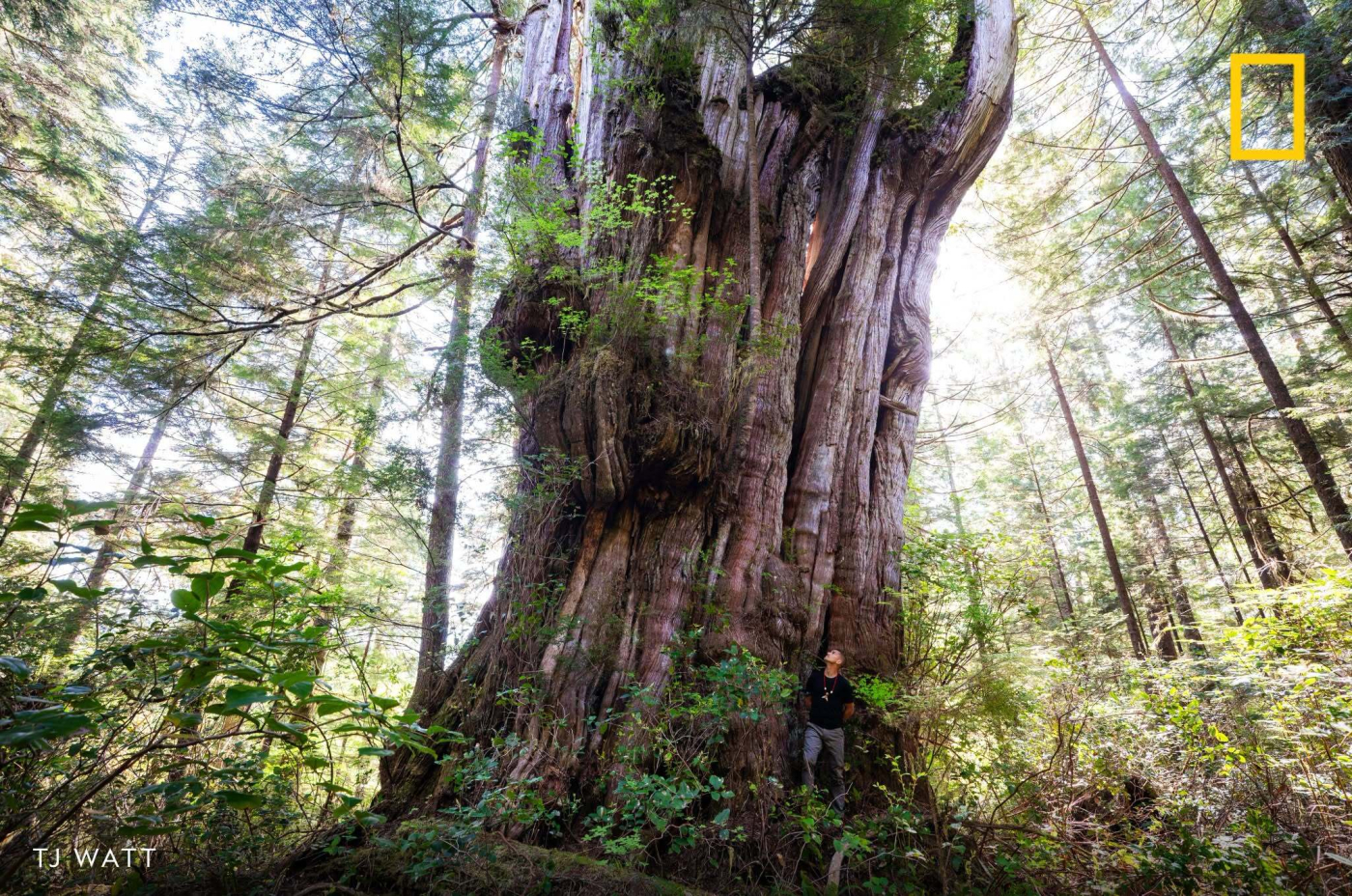 https://ancientforestalliance.org/wp-content/uploads/2026/10/Nat-Geo-Travel-Flores-Cedar.jpg
1357
2048
TJ Watt
https://ancientforestalliance.org/wp-content/uploads/2026/05/Ancient-Forest-Alliance-logo.svg
TJ Watt2026-10-02 13:38:152026-10-02 13:38:15Nat Geo Travel Features TJ Watt’s Photo of Flores Cedar
https://ancientforestalliance.org/wp-content/uploads/2026/10/Nat-Geo-Travel-Flores-Cedar.jpg
1357
2048
TJ Watt
https://ancientforestalliance.org/wp-content/uploads/2026/05/Ancient-Forest-Alliance-logo.svg
TJ Watt2026-10-02 13:38:152026-10-02 13:38:15Nat Geo Travel Features TJ Watt’s Photo of Flores CedarTake Action
 Donate
Support the Ancient Forest Alliance with a one-time or monthly donation. Send a Message
Send an instant message to key provincial decision-makers.
Celebration of Nature, Music and Dance – Ancient Forests and Sound
/in AnnouncementsHonouring our Ancient Forests with incredibly talented musicians, dancers and artists, this event will take place on 3 different levels.
Main Level:
An inner journey into the beauty of vibration, universal rhythm and movement with master didgeridoo player *Shine Edgar*, guitar virtuoso *Michael Waters* and cello maestro *Allannah Dow*. You can listen to some of their music at https://www.ladybirdmusic.com
https://www.ladybirdmusic.com/Dissolve%20Prestigious.mp3
Around the Fire:
Open musical jam with the Sisters of Sound – Colleen Ariel on harp, Sparrow Deviyani and her guitar/singing bowls, Sacha Levin on Drums and Natania Rogers with her belly dancing and amazing hang playing.
Captivating world music DJ’ed by ElementalRhythm (Jordan Tal)
Downstairs:
Dancing to a fusion of blues and world music with amazing dancer-teacher duo David Yates and Diane Garceau of Night and Day Dance.
[Original article no longer available]
With** Special Guests**Joseph Pepe’ Danza an electrifying percussionist and multi-instrumentalist https://www.youtube.com/watch?v=Ffo9K6FvB9I Robin Layne driven by Latin-spiced hand percussion: cajón, congas, and shakers.
Zamir Dhanji an amazing hang player and Imran Dhanji a talented beat-boxer.
Alcvin Ryuzen Ramos – Master shakuhachi performer, Kirk Watson – Bass Guitar
Schedule
7pm – Doors Open
7:30-8:30 – Concert inside / Musical Jam outside
8:30-9:00 – Break – participants and musicians will have a chance to trade places.
9:00-10:00 – Concert inside / Musical Jam outside
10:00-11:00 – Sisters of Sound / The Giving Tree / Sounds of Nature and Forest
11:00-2:00am – Dance into the night with the *11 Hour Orchestra*
https://www.myspace.com/11hourorchestra
https://www.youtube.com/watch?v=0SsraBTukec
What to Bring
On this journey, we are all participants! So, please bring:
-your favorite food and/or drink from around the world to share
-your musical instruments
-your own cushion (to make sure we have enough)
Suggested donation at door:
$10 unwaged and students
$15 waged
$20 well-waged
$40 halla halla
** ALL PROCEEDS GO TO SUPPORT THE ANCIENT FOREST ALLIANCE AND OUR LOCAL MUSICIANS **
About The Cause:
Old-growth forests are our natural heritage, and BC’s south coast holds one of the last such ecosystems on Earth. Our ancient forests support a complex network of which we are all part, yet these forests continue to be logged at a rate that will soon lead to their extinction if we do not make a change. The Ancient Forest Alliance is a grassroots environmental organisation that works to foster knowledge and connection to these forests, as well as to advocate politically for their protection.
https://ancientforestalliance.org/
About Tzvi’s Place
https://www.facebook.com/profile.php?ref=profile&id=535782130#!/group.php?gid=256272593472
Prospect of logging in Douglas fir ecosystem above Nanoose Bay worries neighbouring municipalities
/in News CoverageTo the Nanoose First Nation, District Lot No. 33 is a prime piece of forest in the middle of its traditional territory, rich with towering old-growth Douglas firs over which the band holds legal timber harvesting rights.
To neighbours, environmentalists and municipal officials throughout the region, DL 33 is a pristine example of the endangered coastal Douglas fir ecosystem found only in B.C.’s Georgia Basin and Washington State’s San Juan Islands.
“I was absolutely shocked to find out our provincial government, which says it wants to protect these rare ecosystems, would hand over this area for harvesting,” said Helga Schmitt, whose home borders the 65-hectare parcel of Crown forest land in the hills above Nanoose Bay. “It’s the headwaters of Nanoose Creek and the watershed for the whole area. It’s quite a significant and special piece of land.”
When surveying ribbons began appearing on the property last fall, Ms. Schmitt made some inquiries and learned that the province issued a timber harvesting licence in November.
The timber licence, part of an “interim measures” agreement reached during treaty negotiations in 2008, allows the band to harvest up to 15,000 cubic metres of wood from the site over the next five years.
Staff with the public affairs bureau confirmed this week that the band has applied for a cutting permit but said there are “no immediate plans for logging.”
“The cutting permit must be approved before logging can proceed,” said Ministry of Forests communications officer Cheekwan Ho.
However, the mere prospect of a forest licence has generated plenty of concern among government officials in the region.
In January, the Town of Qualicum Beach passed a resolution calling for DL 33 to be protected from logging. The Regional District of Nanaimo followed suit with a similar declaration in February.
And in early April, the Association of Vancouver Island and Coastal Communities, which includes 51 B.C. municipalities, passed an emergency resolution demanding “proper public consultation” before the start of logging.
“We want due process served, but also given the sensitivity of the land … I think it’s fairly well implied we want it protected,” said association vice-chair Barry Avis, a Qualicum councillor. “I personally feel very strongly about that. There’s so little of this land left.”
Nanoose First Nation staff said Thursday Chief David Bob is not commenting on the band’s logging plans and directed all inquiries to chief administrator Brent Edwards. Mr. Edwards did not respond to several requests for comment left on his voice mail this week.
Ms. Schmitt described DL 33 as a large elevated basin, a spongy, boggy wetland full of swamps and ponds. “You’d pretty much have to destroy the wetland to get in there with logging equipment,” she said.
A Ministry of Forests report from 2006 identifies the “coastal Douglas fir moist maritime subzone” as one of the four most endangered ecosystems in Canada.
The ministry’s integrated land management branch is reviewing a proposal to protect about 1,600 hectares of coastal Douglas fir habitat on Vancouver Island and the Sunshine Coast. However, ministry staff were unable to confirm what, if any, impact those discussions will have on the Nanoose Bay land.
Ken Wu, executive director of the Victoria-based Ancient Forest Alliance, said his group supports the principle that native bands have a right to harvest timber in their traditional territory, “just not in places with endangered eco-systems.”
Ms. Schmitt said the province “put the band in an awkward position” by offering it such an eco-sensitive piece of land to harvest.
“First nations deserve to be compensated for their land,” she said, “but this is sort of like asking them to kill something they’ve always held in high regard.”
Special to The Globe and Mail
Victoria Natural History Society article
/in AnnouncementsVictoria Natural History Society article by the Ancient Forest Alliance – May-June 2010 issue
View how the Clayaquot protests of 1993 changed the face of environmentalism: https://ancientforestalliance.org/clayoquot-protest-20-years-ago-transformed-face-of-environmentalism/