 https://ancientforestalliance.org/wp-content/uploads/2026/08/Canoe-Creek-Cedar-Tree-262.jpg
800
1200
TJ Watt
https://ancientforestalliance.org/wp-content/uploads/2026/05/Ancient-Forest-Alliance-logo.svg
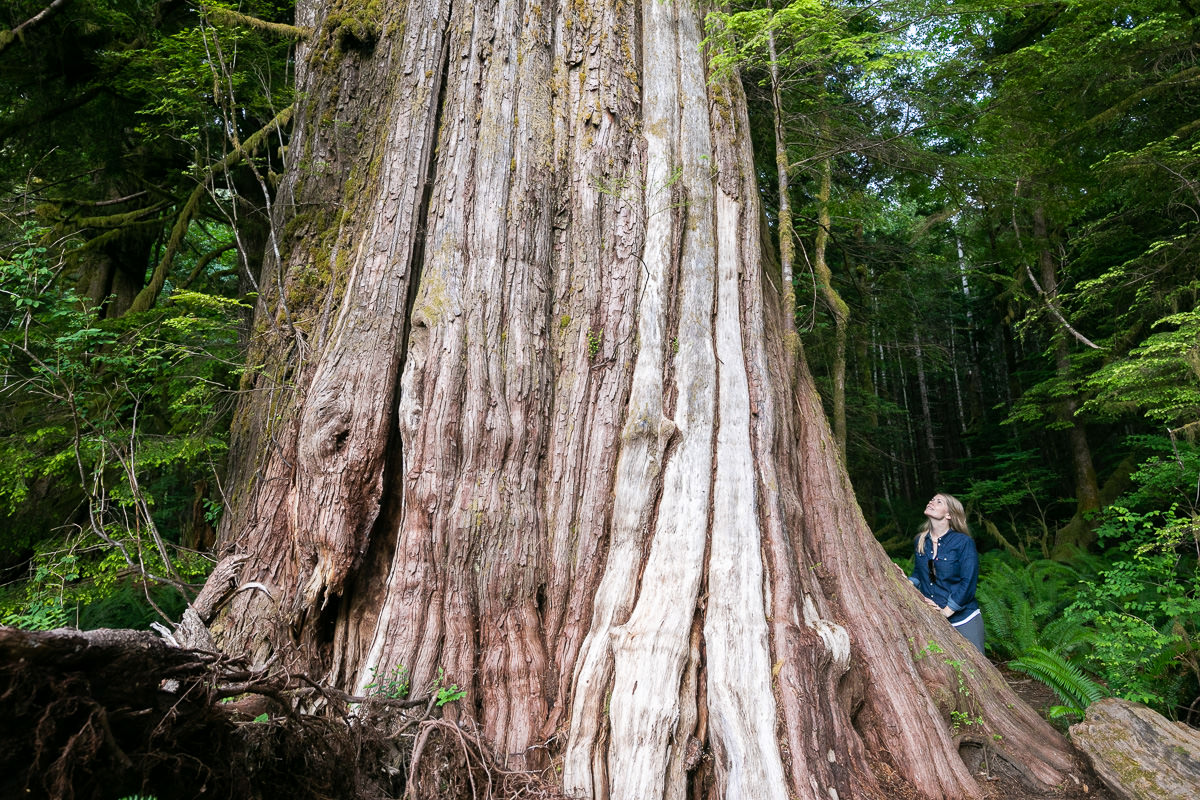
TJ Watt2026-08-04 17:15:512026-08-04 17:15:51Thank you to our monthly business donors!
https://ancientforestalliance.org/wp-content/uploads/2026/08/Canoe-Creek-Cedar-Tree-262.jpg
800
1200
TJ Watt
https://ancientforestalliance.org/wp-content/uploads/2026/05/Ancient-Forest-Alliance-logo.svg
TJ Watt2026-08-04 17:15:512026-08-04 17:15:51Thank you to our monthly business donors!Related Posts
https://ancientforestalliance.org/wp-content/uploads/2026/08/Canoe-Creek-Cedar-Tree-262.jpg
800
1200
TJ Watt
https://ancientforestalliance.org/wp-content/uploads/2026/05/Ancient-Forest-Alliance-logo.svg
TJ Watt2026-08-04 17:15:512026-08-04 17:15:51Thank you to our monthly business donors!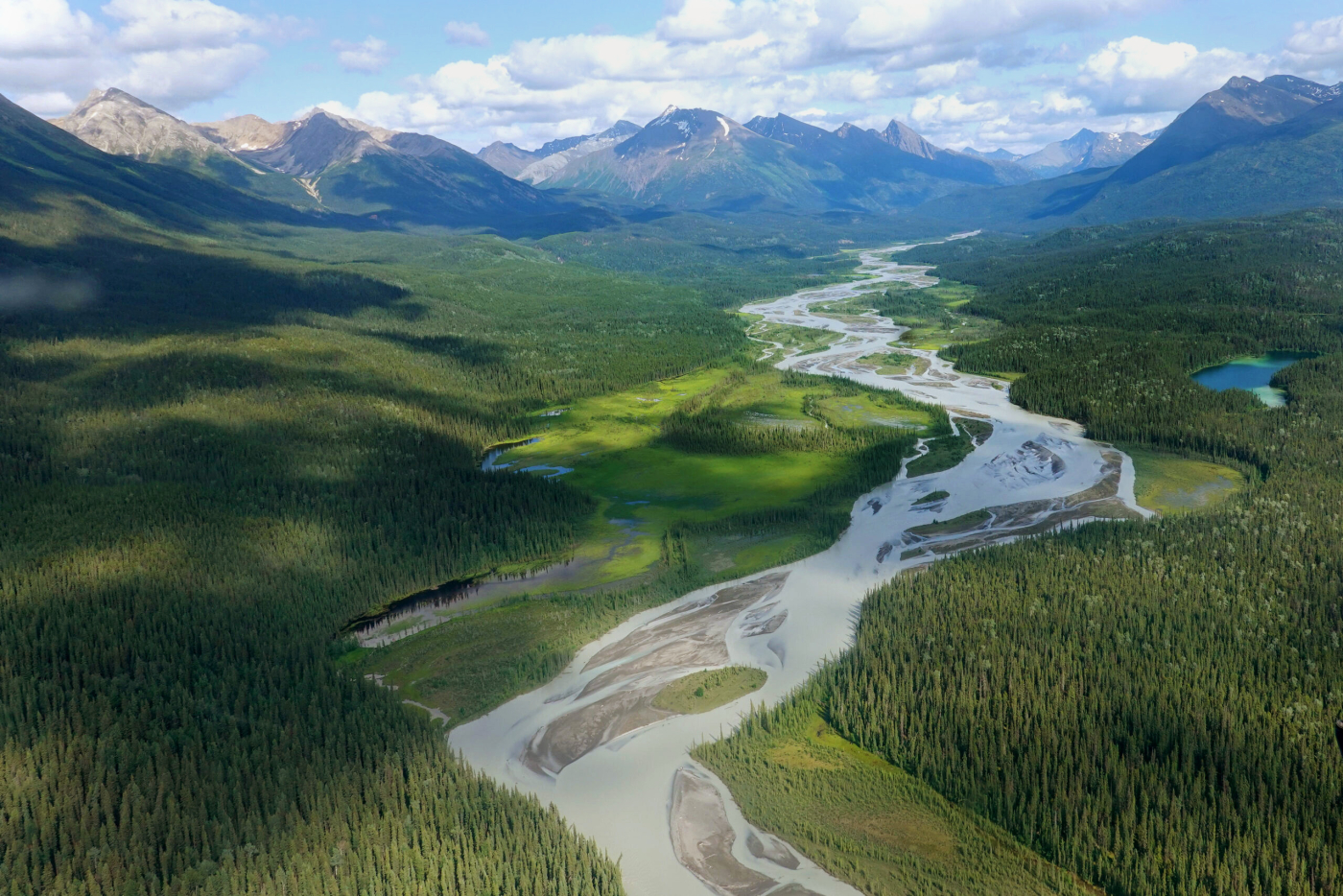 https://ancientforestalliance.org/wp-content/uploads/2026/07/Kaska-Territory.-Credit-Johnny-Mikes-CPAWS-BC-scaled-1.jpg
1707
2560
TJ Watt
https://ancientforestalliance.org/wp-content/uploads/2026/05/Ancient-Forest-Alliance-logo.svg
TJ Watt2026-07-24 15:34:372026-07-28 11:05:22Speak up for Three Major New Protected Areas in Northern BC
https://ancientforestalliance.org/wp-content/uploads/2026/07/Kaska-Territory.-Credit-Johnny-Mikes-CPAWS-BC-scaled-1.jpg
1707
2560
TJ Watt
https://ancientforestalliance.org/wp-content/uploads/2026/05/Ancient-Forest-Alliance-logo.svg
TJ Watt2026-07-24 15:34:372026-07-28 11:05:22Speak up for Three Major New Protected Areas in Northern BC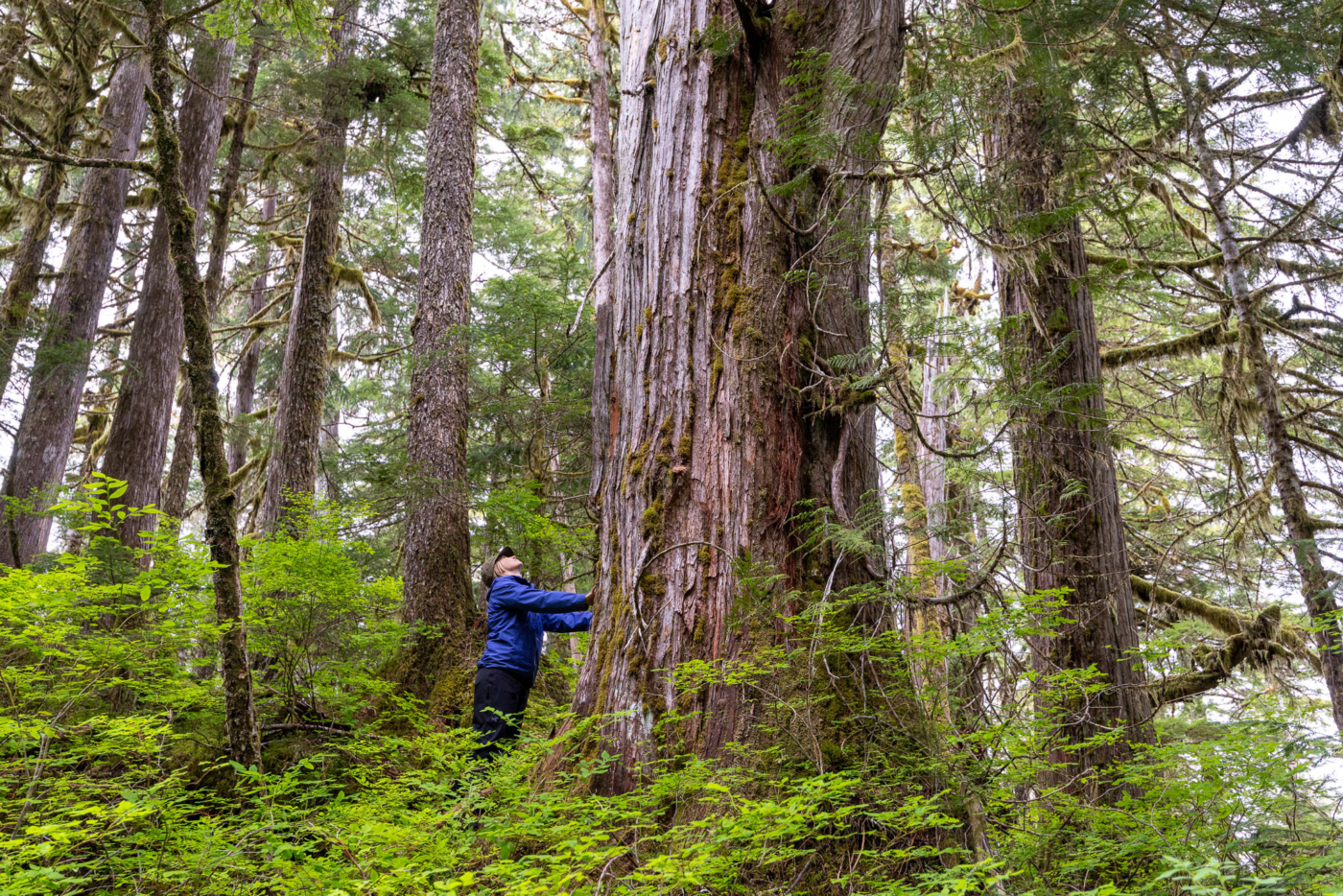 https://ancientforestalliance.org/wp-content/uploads/2026/06/tahsish-river-old-growth-karst-forest-285-1.jpg
1366
2048
TJ Watt
https://ancientforestalliance.org/wp-content/uploads/2026/05/Ancient-Forest-Alliance-logo.svg
TJ Watt2026-07-20 10:46:412026-07-20 12:16:45Victoria Buzz: Old growth advocates call for protection of at-risk Vancouver Island forest
https://ancientforestalliance.org/wp-content/uploads/2026/06/tahsish-river-old-growth-karst-forest-285-1.jpg
1366
2048
TJ Watt
https://ancientforestalliance.org/wp-content/uploads/2026/05/Ancient-Forest-Alliance-logo.svg
TJ Watt2026-07-20 10:46:412026-07-20 12:16:45Victoria Buzz: Old growth advocates call for protection of at-risk Vancouver Island forest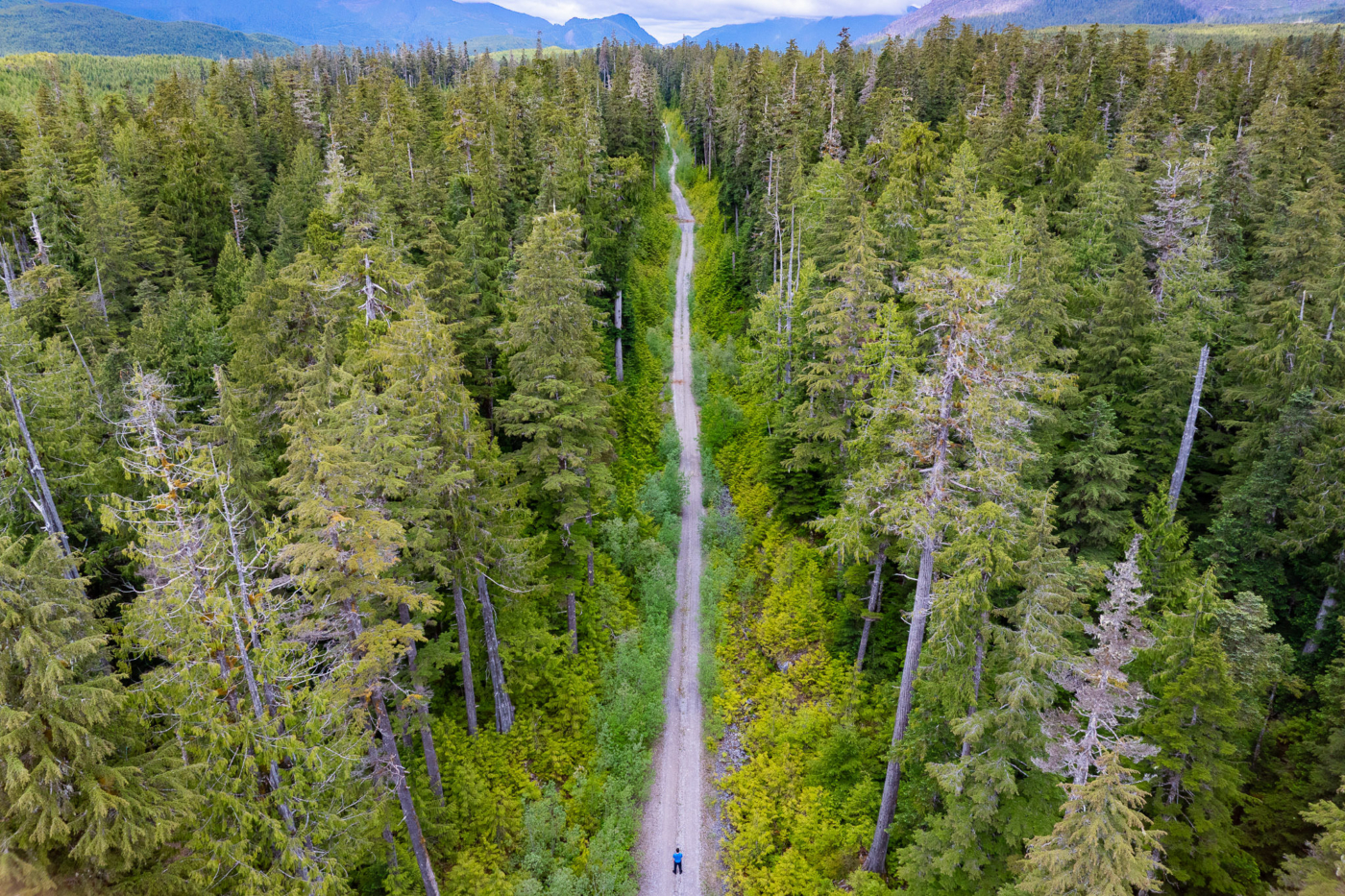 https://ancientforestalliance.org/wp-content/uploads/2026/06/tahsish-river-old-growth-karst-forest-136-1.jpg
1365
2048
TJ Watt
https://ancientforestalliance.org/wp-content/uploads/2026/05/Ancient-Forest-Alliance-logo.svg
TJ Watt2026-07-17 11:54:012026-07-17 11:56:51In Photos: Old-Growth Forest on Karst in the Tahsish Valley
https://ancientforestalliance.org/wp-content/uploads/2026/06/tahsish-river-old-growth-karst-forest-136-1.jpg
1365
2048
TJ Watt
https://ancientforestalliance.org/wp-content/uploads/2026/05/Ancient-Forest-Alliance-logo.svg
TJ Watt2026-07-17 11:54:012026-07-17 11:56:51In Photos: Old-Growth Forest on Karst in the Tahsish ValleyTake Action
 Donate
Support the Ancient Forest Alliance with a one-time or monthly donation. Send a Message
Send an instant message to key provincial decision-makers.
Double your impact when supporting AFA until July 15th!
/in AnnouncementsWe’re grateful to announce that a generous supporter has offered to match donations made to the Ancient Forest Alliance (AFA) dollar-for-dollar up to $20,000. This means for the next month when you donate to the AFA, your gift will have DOUBLE the impact!
Match My Gift
Together, we have the opportunity to raise $40,000+ toward the protection of endangered ancient forests in BC. This support will allow us to continue our most important work at this critical time, including activities such as:
We’re at a pivotal point in the decades-long push to protect old-growth forests in BC. What happens in the next few years — even months — will determine the fate of these irreplaceable forests for generations to come.
That is why now is the most critical time to support our organization since our inception 13 years ago.
As a direct result of our advocacy and your support, the BC government has made a number of recent commitments toward increased old-growth conservation.
These include commitments to double the total protected area in BC from 15% to 30% by 2030 (much of which will happen sooner); creating a conservation financing mechanism that will support the protection of old-growth forests through the creation of new Indigenous Protected and Conserved Areas (IPCAs); and developing a BC Biodiversity and Ecosystem Health Framework that should prioritize biodiversity and ecosystems in forestry and land-use decisions.
So far, however, there are still major provincial conservation funding gaps for both the short- and long-term protection of old-growth forests, and a lack of ecosystem-based targets set by science and informed by Traditional Knowledge Holders that prioritize the most at-risk areas for protection — critical components that AFA continues to push for every day.
Your donations keep the engine of old-growth protection running. Consider monthly giving as an even greater way to make an impact. Consistent, reliable support provides us with stable funding — allowing us to plan ahead and take on new projects that help advance the old-growth campaign.
Any new or increased monthly gifts during this time will be matched. If monthly donations aren’t financially feasible at the moment, we encourage you to give a one-time gift — any amount helps ensure the forests are left standing!
Progress is happening because we continue to fight for it. Please help us keep the momentum going.
Ways to Donate:
Thank you for your support!
Massive Thanks to our Incredible Business Supporters!
/in Thank YouWe would like to extend a huge thank you to the business community for generously supporting the Ancient Forest Alliance (AFA) and the old-growth campaign.
Thank you to:
Wildcoast Perfumery, who donated a portion of its proceeds to our work.
Barbara Brown Art, who is donating 5% of proceeds from the sales of her art.
Zula Jewelry, who are donating $1 from every cedar piece of jewelry to the campaign.
And Elastic Email, Seaflora Skincare, and Corvidae Environmental Consulting, who have all been monthly donors since 2016, 2020, and 2022 respectively!
Your continued support makes our important work possible and we’re extremely grateful!
Recent Updates on Old-Growth Deferrals in BC
/in News CoverageGreat news — thanks to the leadership of the Pacheedaht, Ditidaht, and Huu-ay-aht First Nations, the logging deferral in the Central Walbran valley was extended last year until March 2024 and the deferral at Fairy Creek (excluding the surrounding watersheds) has now been extended as well until February 2025.
Logging deferrals are interim protection measures that safeguard old-growth forests in the short-term, while long-term land-use plans (which may include new protected areas) are developed by First Nations.
When seeking to understand how old-growth forests can ultimately be protected, it’s vital to note that the BC government cannot just “save the old growth” by unilaterally creating new legislated protected areas, as First Nations support is a legal necessity, and First Nations consent for logging deferrals is an important precursor to building the trust for potential future protected areas.
However, the BC government can and should be advocates for old-growth protection after its failed policies have led to today’s ecological emergency. The province must also use its vast resources (much of which came from the exploitation of old-growth forests) to ensure that First Nations have an equitable choice when being asked whether they want to defer or protect old-growth on their unceded territories.
The government must do this by supporting First Nations with funding for sustainable economic alternatives to their logging jobs and revenues, due to many (even most) nations in BC relying heavily on the old-growth logging industry — an economic dependency fostered by successive BC governments.
Across BC, over a million hectares of at-risk old-growth forests are now under temporary deferral, but millions more have no protection at all. What’s needed now from the province — beyond major conservation financing funds — are ecosystem-based targets set by science and informed by Traditional Ecological Knowledge that prioritize the most at-risk ecosystems (such as those with big trees vs. stunted subalpine and bog forests) for protection.
Send a message to the BC government calling for funding.
Read about the newest Fairy Creek deferrals here.