 https://ancientforestalliance.org/wp-content/uploads/2026/10/Screenshot-2026-10-22-at-4.54.32-PM.png
952
1684
TJ Watt
https://ancientforestalliance.org/wp-content/uploads/2026/05/Ancient-Forest-Alliance-logo.svg
TJ Watt2026-10-22 16:54:062026-10-22 16:59:41NEW Video: BC Election 2026: Nature & Old-Growth Protection
https://ancientforestalliance.org/wp-content/uploads/2026/10/Screenshot-2026-10-22-at-4.54.32-PM.png
952
1684
TJ Watt
https://ancientforestalliance.org/wp-content/uploads/2026/05/Ancient-Forest-Alliance-logo.svg
TJ Watt2026-10-22 16:54:062026-10-22 16:59:41NEW Video: BC Election 2026: Nature & Old-Growth ProtectionRelated Posts
https://ancientforestalliance.org/wp-content/uploads/2026/10/Screenshot-2026-10-22-at-4.54.32-PM.png
952
1684
TJ Watt
https://ancientforestalliance.org/wp-content/uploads/2026/05/Ancient-Forest-Alliance-logo.svg
TJ Watt2026-10-22 16:54:062026-10-22 16:59:41NEW Video: BC Election 2026: Nature & Old-Growth Protection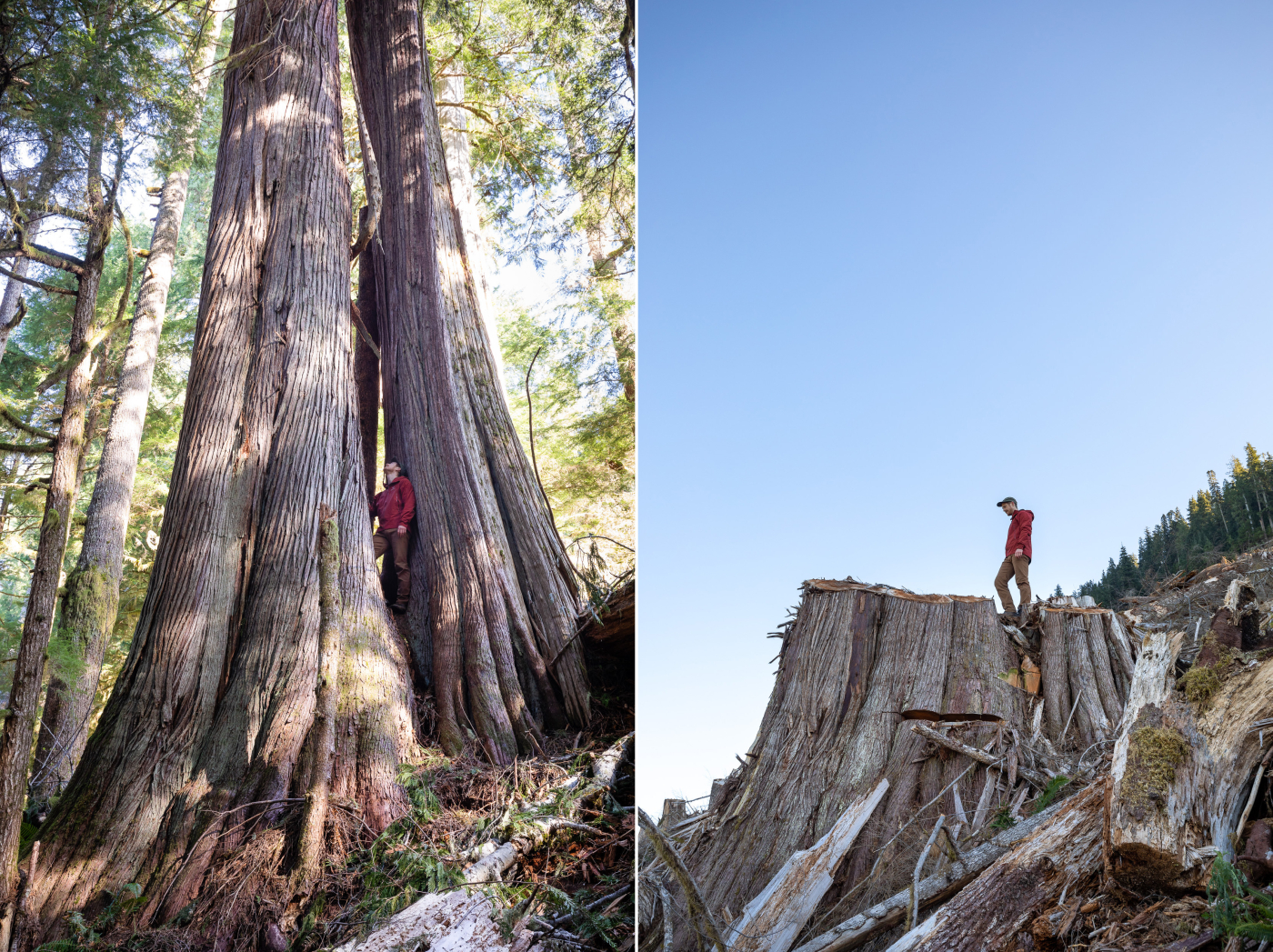 https://ancientforestalliance.org/wp-content/uploads/2026/10/Before-After-Caycuse-TJ-Watt-4-scaled.jpg
1915
2560
TJ Watt
https://ancientforestalliance.org/wp-content/uploads/2026/05/Ancient-Forest-Alliance-logo.svg
TJ Watt2026-10-16 17:36:002026-10-21 13:40:23BC Election 2026: Where do Parties Stand on Nature & Old-Growth?
https://ancientforestalliance.org/wp-content/uploads/2026/10/Before-After-Caycuse-TJ-Watt-4-scaled.jpg
1915
2560
TJ Watt
https://ancientforestalliance.org/wp-content/uploads/2026/05/Ancient-Forest-Alliance-logo.svg
TJ Watt2026-10-16 17:36:002026-10-21 13:40:23BC Election 2026: Where do Parties Stand on Nature & Old-Growth? https://ancientforestalliance.org/wp-content/uploads/2026/10/BC-Election-2026-Banner-1-1-scaled.jpg
1439
2560
TJ Watt
https://ancientforestalliance.org/wp-content/uploads/2026/05/Ancient-Forest-Alliance-logo.svg
TJ Watt2026-10-09 18:16:372026-10-16 17:44:41Where do BC’s Major Political Parties Stand on Nature Protection?
https://ancientforestalliance.org/wp-content/uploads/2026/10/BC-Election-2026-Banner-1-1-scaled.jpg
1439
2560
TJ Watt
https://ancientforestalliance.org/wp-content/uploads/2026/05/Ancient-Forest-Alliance-logo.svg
TJ Watt2026-10-09 18:16:372026-10-16 17:44:41Where do BC’s Major Political Parties Stand on Nature Protection?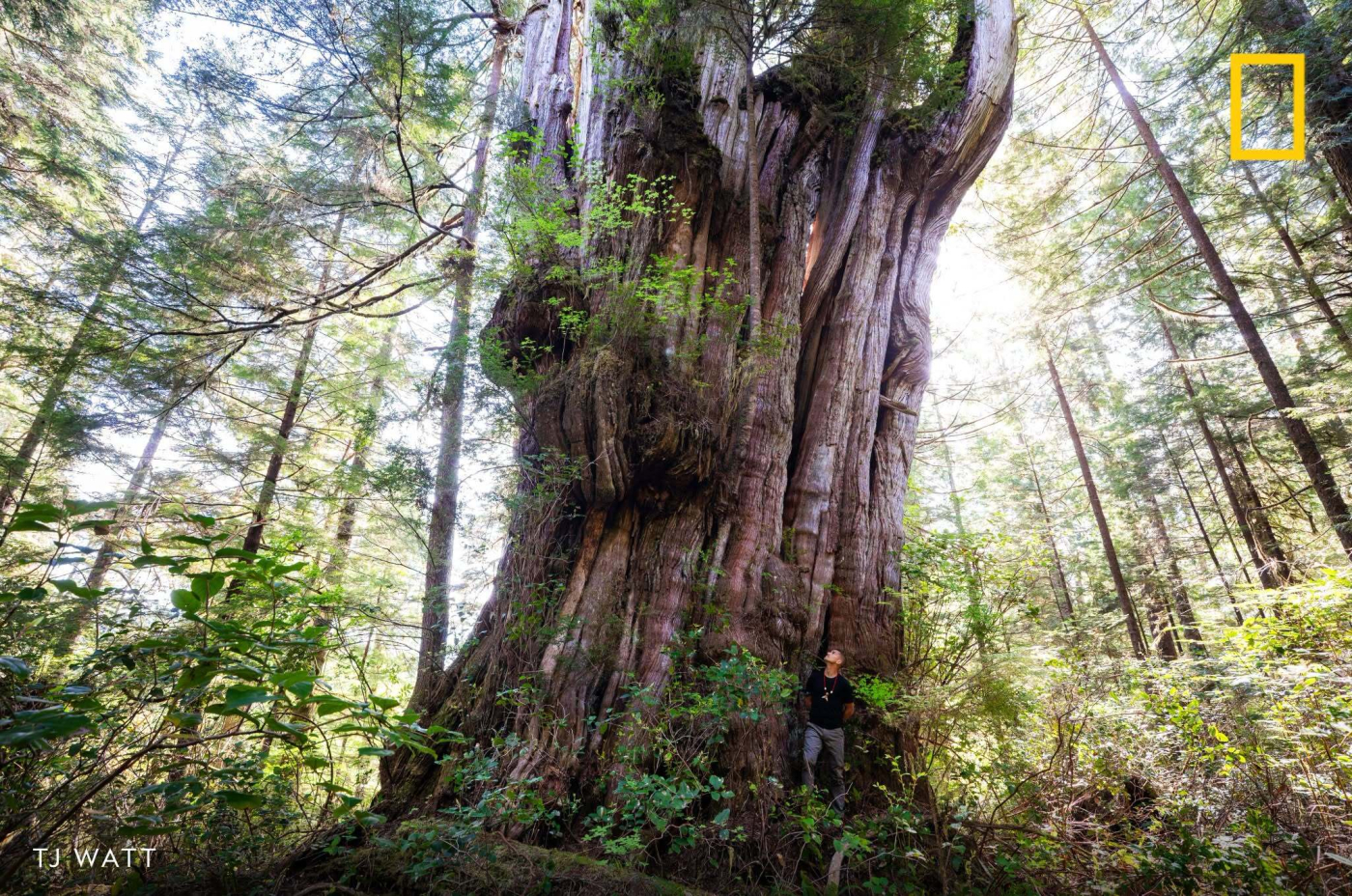 https://ancientforestalliance.org/wp-content/uploads/2026/10/Nat-Geo-Travel-Flores-Cedar.jpg
1357
2048
TJ Watt
https://ancientforestalliance.org/wp-content/uploads/2026/05/Ancient-Forest-Alliance-logo.svg
TJ Watt2026-10-02 13:38:152026-10-02 13:38:15Nat Geo Travel Features TJ Watt’s Photo of Flores Cedar
https://ancientforestalliance.org/wp-content/uploads/2026/10/Nat-Geo-Travel-Flores-Cedar.jpg
1357
2048
TJ Watt
https://ancientforestalliance.org/wp-content/uploads/2026/05/Ancient-Forest-Alliance-logo.svg
TJ Watt2026-10-02 13:38:152026-10-02 13:38:15Nat Geo Travel Features TJ Watt’s Photo of Flores CedarTake Action
 Donate
Support the Ancient Forest Alliance with a one-time or monthly donation. Send a Message
Send an instant message to key provincial decision-makers.
A UBC student campaign wants to help you kick your paper-towel habit
/in News CoverageSam Dabrusin wants to save the environment — one hanky at a time.
He’s giving out free handkerchiefs at UBC, hoping that anyone who takes one will use the hanky, rather than a paper towel, to dry their hands after they use the washroom.
It all started when Dabrusin, now a third-year political science student at UBC, went on a high-school exchange to Japan. “For the first month or so, my hands were always wet; I was wiping them on my pants,” he said. “They don’t have paper towels or hand dryers in over 90 per cent of the bathrooms there.
“It’s the cultural norm to carry around a handkerchief…. Then when I got back to North America, I started using [handkerchiefs] again without thinking.”
While canvassing for Greenpeace after his first year of university, Dabrusin tried to think up a project he could start to help the environment, and his mind went to his hanky habit.
“I made the connection in my head that [paper towels] were dead trees that we just throw in the garbage…. I was just using less.”
Dabrusin approached the sustainability committee at the AMS student society, and he learned how much paper towel waste comes from just the Student Union Building. “I found out the SUB goes through about 40 bags of trash a day, just out of the bathrooms,” he said. “At least 90 per cent of that, or more, is going to be paper towels, right?”
He made a pitch to the AMS about a plan to offer free hankies outside bathrooms, but they weren’t able to offer him grant money for the project.
“We didn’t see the connection between buying a handkerchief and then getting people to consistently use a handkerchief instead of paper towel,” said Tristan Miller, AMS VP Finance.
Undeterred, Dabrusin wound up getting $1,100 for his project from another group, the Student Environment Centre. He used it to buy hundreds of handkerchiefs from Hankettes, a Vancouver Island company.
He’s been handing them out at a booth in the SUB since Tuesday, and suggesting that anybody who takes one also donate to the Ancient Forest Alliance. “The response has been pretty good,” he said. “It’s a behaviour change thing, so it’s a big project. We’re aiming to do this next semester as well.”
Dabrusin hopes that the project won’t just save trees, water and energy; he also wants it to get people thinking about how much they consume.
“This is a really good way to get into a discussion about the disposable culture that we have right now…. On campus, we’ll have a meal and we’ll throw out some plastic, we’ll throw out some styrofoam, all without thinking about it.
“We’ll do that on a daily basis, and that’s just for meals, you know? There’s so much other stuff, too, that’s very disposable. I think this would be a good way to start that conversation.”
Protect Echo Lake Ancient Forest
/in Take ActionDirect link to YouTube clip: https://youtu.be/HPstV14oZ6s
Please SIGN our PETITION at https://ancientforestalliance.org/ways-to-take-action-for-forests/petition/
Echo Lake is a spectacular, unprotected, lowland ancient forest near Agassiz, BC on the east side of the Lower Fraser Valley. It is in the unceded territory of the Sts’ailes First Nations band (formerly the Chehalis Indian Band). The area is home to perhaps the largest concentration of bald eagles on Earth, where thousands of eagles come each fall to eat spawning salmon in the Harrison and Chehalis Rivers and hundreds roost in the old-growth trees at night around Echo Lake. It is also home to bears, cougars, deer, mountain goats, and osprey, and was historically populated by the critically endangered northern spotted owl. The vigilance of local landowners on the east side of Echo Lake, whose private lands restrict access to the old-growth forests on the Crown lands on the west side of the lake, have held-off industrial logging of the lake’s old-growth forests for decades. Local conservationists are interested in increased protections for eagles in the Harrison/Chehalis area and the protection of the Echo Lake Ancient Forest where the eagles roost at night.
Filmed and edited by TJ Watt.
Eagle photo by Christian Sasse.
Music – “Razorback Sucker” by Tom Fahy (https://tomfahy.org/)
The Great Turning Variety Show – Fundraiser for AFA! Friday, Nov. 9th.
/in AnnouncementsThis Friday night folks in Victoria are generously hosting a fundraiser for the AFA at the Cenote Lounge (768 Yates Street) with awesome live music, DJ’s and food! Doors open at 7:30pm & tickets $10 at the door. The show goes until close at 2am. We’d love to see you there!
Facebook event page: https://www.facebook.com/events/524612457566693/