 https://ancientforestalliance.org/wp-content/uploads/2026/10/Screenshot-2026-10-22-at-4.54.32-PM.png
952
1684
TJ Watt
https://ancientforestalliance.org/wp-content/uploads/2026/05/Ancient-Forest-Alliance-logo.svg
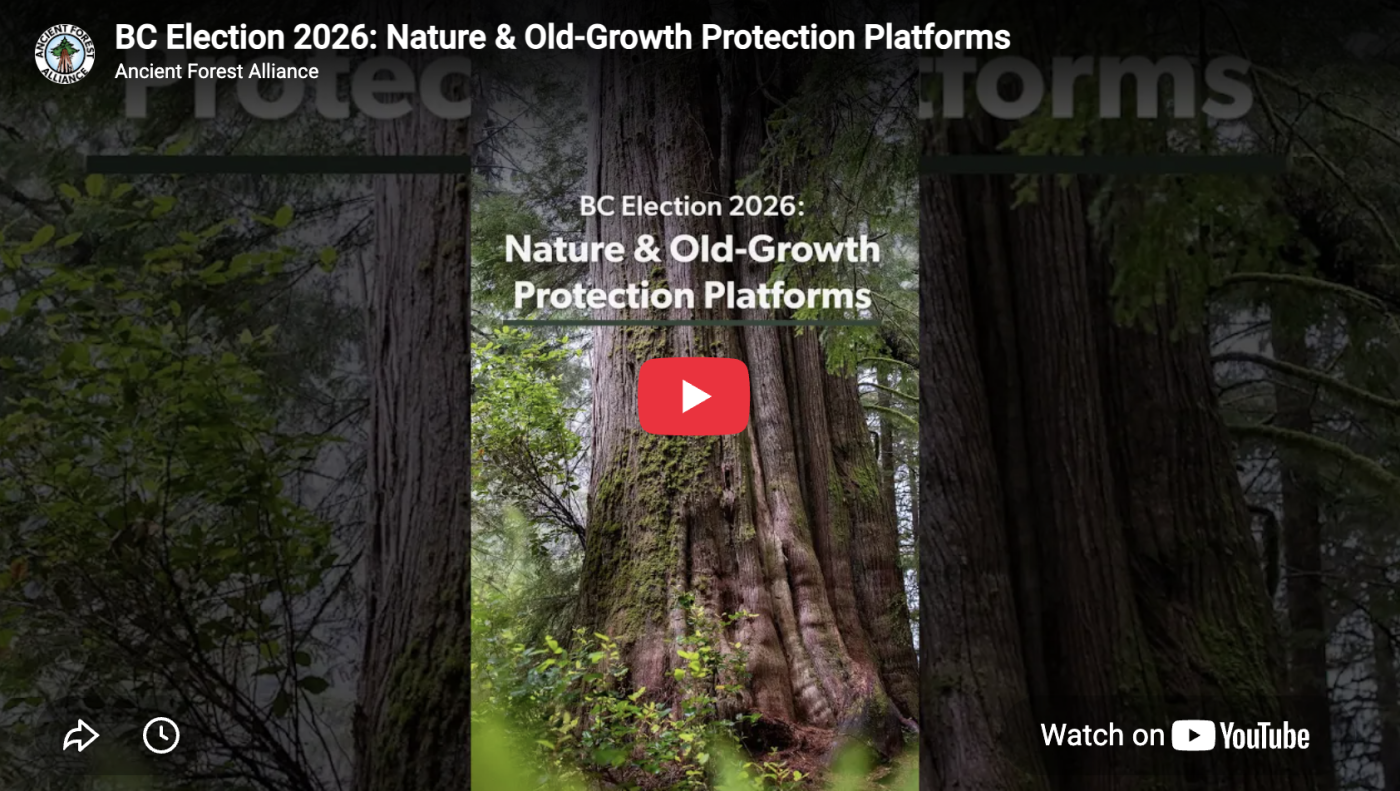
TJ Watt2026-10-22 16:54:062026-10-22 16:59:41NEW Video: BC Election 2026: Nature & Old-Growth Protection
https://ancientforestalliance.org/wp-content/uploads/2026/10/Screenshot-2026-10-22-at-4.54.32-PM.png
952
1684
TJ Watt
https://ancientforestalliance.org/wp-content/uploads/2026/05/Ancient-Forest-Alliance-logo.svg
TJ Watt2026-10-22 16:54:062026-10-22 16:59:41NEW Video: BC Election 2026: Nature & Old-Growth ProtectionRelated Posts
https://ancientforestalliance.org/wp-content/uploads/2026/10/Screenshot-2026-10-22-at-4.54.32-PM.png
952
1684
TJ Watt
https://ancientforestalliance.org/wp-content/uploads/2026/05/Ancient-Forest-Alliance-logo.svg
TJ Watt2026-10-22 16:54:062026-10-22 16:59:41NEW Video: BC Election 2026: Nature & Old-Growth Protection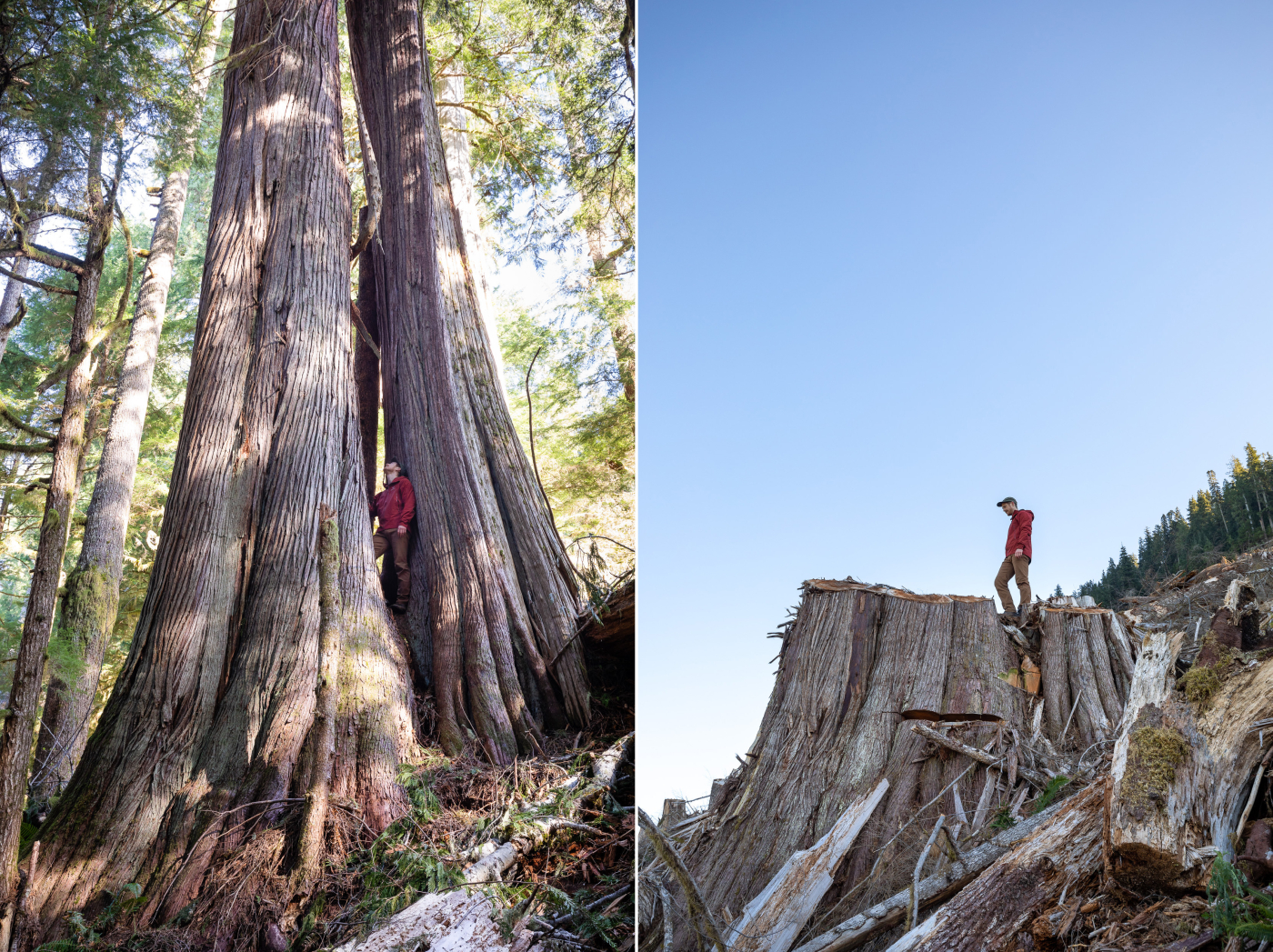 https://ancientforestalliance.org/wp-content/uploads/2026/10/Before-After-Caycuse-TJ-Watt-4-scaled.jpg
1915
2560
TJ Watt
https://ancientforestalliance.org/wp-content/uploads/2026/05/Ancient-Forest-Alliance-logo.svg
TJ Watt2026-10-16 17:36:002026-10-21 13:40:23BC Election 2026: Where do Parties Stand on Nature & Old-Growth?
https://ancientforestalliance.org/wp-content/uploads/2026/10/Before-After-Caycuse-TJ-Watt-4-scaled.jpg
1915
2560
TJ Watt
https://ancientforestalliance.org/wp-content/uploads/2026/05/Ancient-Forest-Alliance-logo.svg
TJ Watt2026-10-16 17:36:002026-10-21 13:40:23BC Election 2026: Where do Parties Stand on Nature & Old-Growth? https://ancientforestalliance.org/wp-content/uploads/2026/10/BC-Election-2026-Banner-1-1-scaled.jpg
1439
2560
TJ Watt
https://ancientforestalliance.org/wp-content/uploads/2026/05/Ancient-Forest-Alliance-logo.svg
TJ Watt2026-10-09 18:16:372026-10-16 17:44:41Where do BC’s Major Political Parties Stand on Nature Protection?
https://ancientforestalliance.org/wp-content/uploads/2026/10/BC-Election-2026-Banner-1-1-scaled.jpg
1439
2560
TJ Watt
https://ancientforestalliance.org/wp-content/uploads/2026/05/Ancient-Forest-Alliance-logo.svg
TJ Watt2026-10-09 18:16:372026-10-16 17:44:41Where do BC’s Major Political Parties Stand on Nature Protection?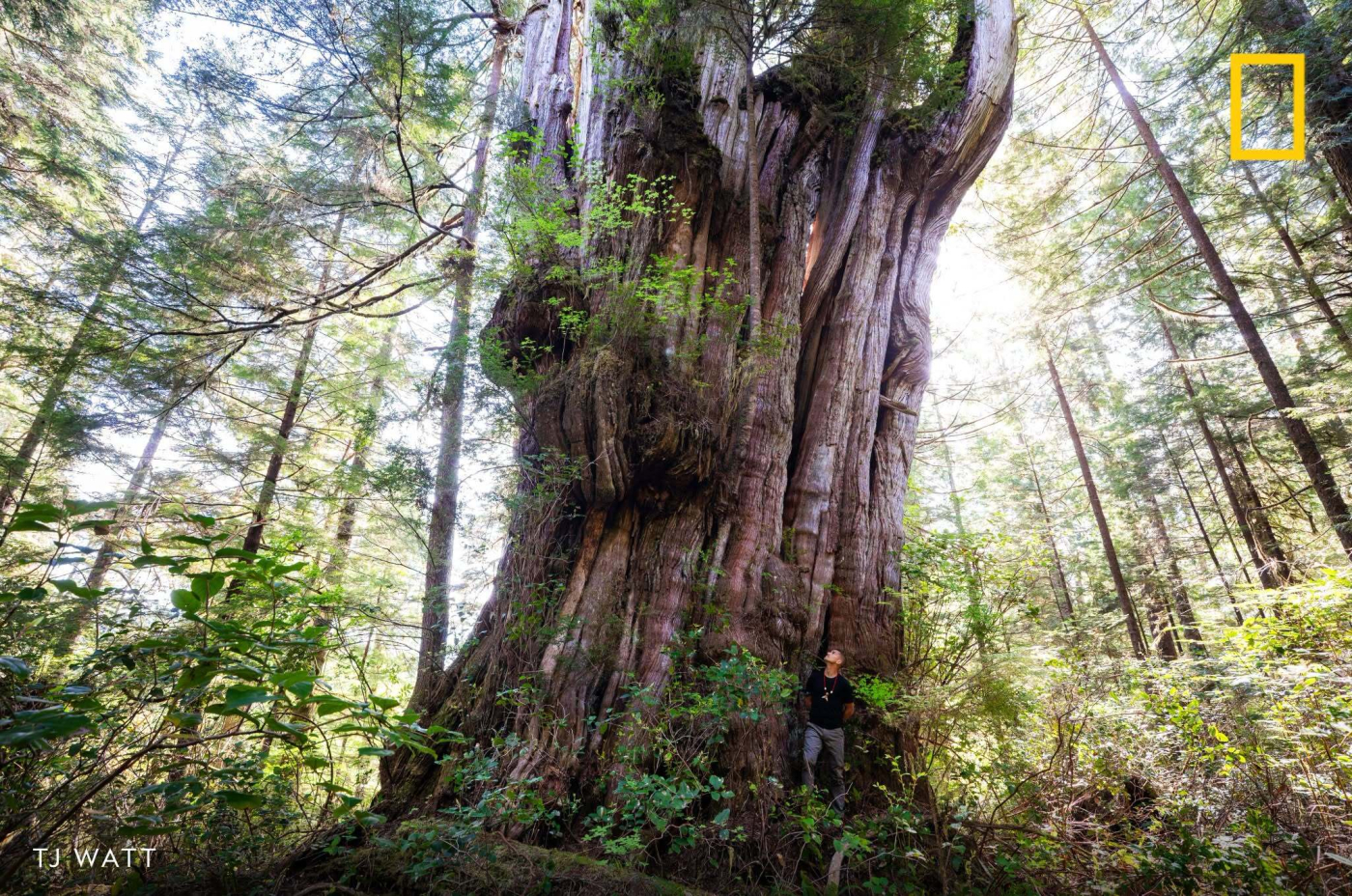 https://ancientforestalliance.org/wp-content/uploads/2026/10/Nat-Geo-Travel-Flores-Cedar.jpg
1357
2048
TJ Watt
https://ancientforestalliance.org/wp-content/uploads/2026/05/Ancient-Forest-Alliance-logo.svg
TJ Watt2026-10-02 13:38:152026-10-02 13:38:15Nat Geo Travel Features TJ Watt’s Photo of Flores Cedar
https://ancientforestalliance.org/wp-content/uploads/2026/10/Nat-Geo-Travel-Flores-Cedar.jpg
1357
2048
TJ Watt
https://ancientforestalliance.org/wp-content/uploads/2026/05/Ancient-Forest-Alliance-logo.svg
TJ Watt2026-10-02 13:38:152026-10-02 13:38:15Nat Geo Travel Features TJ Watt’s Photo of Flores CedarTake Action
 Donate
Support the Ancient Forest Alliance with a one-time or monthly donation. Send a Message
Send an instant message to key provincial decision-makers.
Avatar Grove Boardwalk – DONATIONS NEEDED!
/in AnnouncementsAvatar Boardwalk – Donations Needed!
******
For $100 YOU CAN HELP SPONSOR the construction of 1 METER section of BOARDWALK in Avatar Grove – and help us build a stronger, more powerful ancient forest movement!
ANY amount you can donate will add up, whether $10 or $1000!
Please DONATE securely online at: https://ancientforestalliance.org/avatar-grove-boardwalk-now-completed-and-open/
By PayPal Here
Or phone us at: 250-896-4007
******
As most of you know, the magnificent Avatar Grove near Port Renfrew was protected in February as the result of a two year campaign spearheaded by the Ancient Forest Alliance and the Port Renfrew Chamber of Commerce (see our previous media release here)
Thanks to the support of thousands of people over the past two years like yourself, Avatar Grove’s magnificent trees and its elk, wolves, bears, cougars, owls, and salamanders are now safe from logging!
WHY is a BOARDWALK NEEDED in AVATAR GROVE?
1. To maintain its ECOLOGICAL INTEGRITY. Strategically placed boardwalk sections will prevent the wetter areas from turning into mud pits and protect the roots of the most popular trees.
2. To increase visitor SAFETY. Parts of Avatar Grove are somewhat difficult to navigate, particularly the entry points from the road embankment into the forest. Boardwalk and some wooden stairs will greatly increase access and safety for young and old hikers alike.
3. To support the local ECO-TOURISM economy. A boardwalk will draw more visitors from around the world who will spend their dollars in local businesses. It’s VITAL that rural communities like Port Renfrew see economic benefits from protecting old-growth forests, otherwise such communities that are often lacking in employment and revenues have less incentive to challenge the status quo of large-scale industrial resource extraction and logging that historically built their economies. Avatar Grove has been an experiment in environmental campaigning that has been successful so far. We need to complete this project. It is a model that can be applied in other areas.
An INTENSE Two Year Campaign
Since the AFA’s founding just over 2 years ago, Avatar Grove quickly became BC’s highest profile ancient forest campaign in a decade – and it has supercharged the overall movement to protect BC’s endangered old-growth forests.
Over two years AFA activists organized countless hikes, events and rallies involving thousands of people, while thousands more visited the Grove on their own. Avatar Grove quickly became BC’s “second Cathedral Grove”. We partnered with the Port Renfrew Chamber of Commerce to build support among local businesses. A seemingly endless torrent of news media covered our campaign, including the international TV news network Al-Jazeera, the Toronto Star, West World Magazine, and the Globe and Mail, where we made the front page.
Finally, on February 16, 2012, the BC government announced that Avatar Grove would be protected in an Old-Growth Management Area which prohibits logging and mining. See our media release at: https://ancientforestalliance.org/afa-supports-avatar-groves-protection-calls-for-provincial-old-growth-plan/
But we have much work to do – our main goals are to protect ALL of BC’s endangered old-growth forests through a new Provincial Old-Growth Strategy and to ensure sustainable forestry in second-growth stands. In the Avatar Grove, we’d ultimately like to see a provincial conservancy or park which will show up on a provincial highway map and which are the most secure protective designations.
Previously it was illegal under the Forest and Range Practices Act to build a trail in the Avatar Grove when it was slated for logging. However, with its recent protection, we’re now requesting permission from the Ministry of Forests to do so. We don’t anticipate this will be a problem – however, as a new, small organization, raising the funds will be a challenge.
PLEASE HELP SPONSOR a TRAIL and BOARDWALK in AVATAR GROVE
We are asking for YOUR generous support to help us build a kilometer long trail and boardwalk in Avatar Grove.
For $100 YOU CAN HELP SPONSOR the construction of 1 METER section of BOARDWALK in Avatar Grove – and help us build a stronger, more powerful ancient forest movement. ANY amount you can donate will add up.
Please DONATE online at: https://ancientforestalliance.org/avatar-grove-boardwalk-now-completed-and-open/ or phone us to donate at: 250-896-4007
THANK YOU for continuing to stand up for BC’s magnificent Ancient Forest Heritage!
– Ken Wu, TJ Watt, Joan Varley, Hannah Carpendale, Chris Lambden
Ancient Forest Alliance
Lower Mainland Old-Growth Hike – Sat., May 26th: Lynn Creek Cedar & Kennedy Falls Cedar Grove!
/in AnnouncementsJoin the Ancient Forest Alliance’s TJ Watt and Hannah Carpendale this SATURDAY, MAY 26TH for an old-growth hike to the 12-foot wide Lynn Creek Cedar and a grove of ancient redcedars by the Kennedy Falls!
Enjoy the great hike in the woods while learning about the ecology and politics of old-growth forests, the AFA’s campaign to protect them, and how YOU can help!
When: Meet at 9:45am at the intersection of Mountain Highway and Coleman St. in North Vancouver. (See directions further down).
Hike duration: The hike will be approx. 10-12km in total and about 5 hours of hiking. We expect to arrive back at our starting point between 4 and 5pm.
Hike Difficulty/Safety: This hike will be of moderate difficulty. Most of the trail is flat along the side of a slope but hikers should be comfortable with uneven ground, crossing streams with some slippery rocks and going up and down small steep sections of trail. There is a slight chance of your feet getting wet as well if the creek levels are up so bring an extra pair of socks just in case!
*All participants will be required to sign a waiver form*
Please bring: Warm clothes, rain-gear (it is Vancouver after all!), hiking boots, medical requirements, lunch & snacks, water, and a camera if you’d like! College Grants
Directions:
RSVP: Please contact Hannah (hannah@15.222.255.145) to reply if you’re planning to come or if you have any questions. For any questions on the morning of the hike, please contact 1-604-250-4116.
Hope to see you there!
TJ Watt, Hannah Carpendale,
Ancient Forest Alliance.
Vancouver Island circle route: Drink in the wine, the scenery, the air
/in News CoverageThere is air, there is fresh air, and then there is the brisk, briny, oxygen-thick air that rides in on wild ocean waves.
That’s the air you’ll breathe when you round the tip of southern Vancouver Island and follow the Pacific Marine Circle Route. This 158-mile scenic drive begins in Victoria, hugs the western coastline to Port Renfrew, then travels across the island to Cowichan Bay before returning to B.C.’s capital.
You could drive it in a day, but don’t. Take time to enjoy the natural beauty, outdoor adventures and fine food and wine along the route. Consider these nine locations where Oregonians can, quite literally, come up for air. College scholarships for women
Capital start (Victoria)
Even before you’ve left Victoria’s burbs, the circle route’s attractions begin. Wildplay West Shore Victoria, seven miles from downtown, offers a treetop obstacle course featuring wobbly bridges, suspended rope swings, tightropes, ladders, cargo nets and other fun challenges. Two miles farther, on the grounds of Royal Roads University, is Hatley Park National Historic Site, a beautifully preserved Edwardian estate complete with castle.
Wildplay West Shore Victoria, 1767 Island Highway, wildplay.com. Hatley Park National Historic Site, 2005 Sooke Road, hatleypark.ca.
Ultra outdoors (East Sooke)
One moment you’re hiking the sea-sprayed shoreline, the next climbing bluffs covered with salal, kinnikinnick and Oregon grape, the next descending into ravines thick with Douglas fir and Sitka spruce. The six-mile Coast Trail in East Sooke Regional Park is considered one of Canada’s premier — and rugged — day hikes. Multiple access points make shorter walks possible.
View full size
For a screaming good time, try Adrena Line Zipline Adventure Tours’ eight-line forest canopy course. Toast your bravery post-tour with a shot of “Adrenaline” — cranberry juice, raspberry vodka and Sour Puss raspberry liqueur — at the 17 Mile Pub next door.
If lazing on sun-warmed rock is more your thing, visit Sooke Potholes Regional Park, where ice-age-carved canyons and polished rock pools (the “potholes”) offer clear, cold water for swimming.
East Sooke Regional Park, crd.bc.ca/parks/eastsooke. Adrena Line Zipline Adventure Tours, 5128C Sooke Road, adrenalinezip.com. Sooke Potholes Regional Park, https://www.crd.bc.ca/parks-recreation-culture/parks-trails/find-park-trail/sooke-potholes
Splurging and seaweed (Sooke)
“I want to immerse my guests in British Columbia — the food, the art, the scenery,” says Frederique Philip, owner, along with husband Sinclair, of the much-celebrated Sooke Harbour House. Spoil yourself with an oceanfront room including private fireplace and dinner in the award-winning restaurant, where the focus is on seafood, wine and local, organic ingredients including herbs, edible flowers and vegetables from the inn’s own gardens.
At low tide, take a tour of the ocean’s garden in front of the inn with Diane Bernard, aka “the Seaweed Lady.” On my two-hour tour, Bernard, who supplies chefs with edible seaweed and makes a line of seaweed-based skin care products called Seaflora, has our group taste different seaweed (surprisingly not gross) and rub the gel-like substance found on rockweed (a kind of marine aloe vera) on our skin.
Sooke Harbour House, 1528 Whiffen Spit Road, sookeharbourhouse.com. Seaflora wild seaweed tour, sea-flora.com.
Make a point (West Coast Road)
Bob Liptrot, owner of Tugwell Creek Honey Farm and Meadery, has been keeping bees for 50 years and making mead for his family for 35. Taste the results when you stop by (Wednesday to Sunday, April to October) for free samples.
There’s something intoxicating about a restaurant where binoculars are provided on each table. Point-No-Point Resort is the perfect stop for lunch (think creamy seafood chowder, cold smoked albacore tuna, seafood linguine) or, if a private cabin with no television, Internet or cellphone service appeals, a stay.
Tugwell Creek Farm and Meadery, 8750 West Coast Road, tugwellcreekfarm.com. Point-No-Point Resort, 10829 West Coast Road, pointnopointresort.com
Surf’s up (Jordan River)
Originally a logging camp, Jordan River is ground zero for surfers seeking ride-worthy waves. Looking for lunch? Locals recommend the laid-back Shells Fish and Chips.
Further on, popular China Beach, part of the Juan de Fuca Provincial Park, is a great place to see roaring surf and, if you’re lucky, whales, seals and sea lions. This is also the southern trailhead for the Juan de Fuca Marine Trail, a 29-mile route that rivals the West Coast Trail, with two significant differences: No reservations are required, and there are multiple access/bail-out points. Sombrio Beach, farther north, is another sweet surf spot.
Shells Fish and Chips, 11950 West Coast Road, Jordan River. Juan de Fuca Provincial Park, https://bcparks.ca/explore/parkpgs/juan_de_fuca/
Trails and fish tales (Port Renfrew)
It’s hard to tell who likes Port Renfrew more: the fishers who come to town to enjoy exceptional salmon and halibut fishing or the hikers who end (or begin) their epic treks on the Juan de Fuca or West Coast Trail.
At low tide, hike the 1.7-mile Botanical Loop to Botanical Beach to peer into rich tide pools filled with anemones, urchins, starfish and other colorful sea creatures. Reserve a cabin at the Port Renfrew Resort and join hungry hikers and fishers downing platters of fresh crab and pitchers of beer on the resort’s deck.
Port Renfrew, portrenfrewcommunity.com. Port Renfrew Resorts, 17310 Parkinson Road, portrenfrewresorts.com
Canada’s biggest trees (Avatar Grove)
They are spectacularly tall and wide and old. The western red cedars, Douglas firs and Sitka spruce trees of Avatar Grove, 20 minutes outside Port Renfrew, have become a magnet for big-tree tourists since being discovered in 2009 by TJ Watt, founder of the Ancient Forest Alliance.
Thanks to the alliance, Avatar Grove is now protected and mapped. But with no location signage and primitive trails, you’ll need a map (available on the alliance website) or, better yet, a guide, to find the giants. Watt is happy to lead groups to the most impressive trees, including, in his words, “Canada’s gnarliest.”
Keen for more? Detour off the circle route on poorly maintained gravel roads to see the Red Creek Fir (the world’s largest Douglas fir) and the San Juan Sitka spruce (Canada’s largest).
Ancient Forest Alliance, ancientforestalliance.org
Bountiful (Cowichan Valley)
The Cowichan Valley boasts Canada’s only maritime Mediterranean climate. No wonder the local farms and wineries produce such a mouth-watering bounty, including white asparagus, balsamic vinegar, organic greens, artisan cheeses (including water buffalo mozzarella), spirits and fine wines.
Make a reservation for lunch at Merridale Estate Cidery, where you can learn about cider- and spirit-making, then wash down tasty bistro offerings with a flight of six cider samplers.
Tourism Cowichan, https://www.tourismcowichan.com, Merridale Estate Cidery, 1230 Merridale Rd., https://www.merridale.ca
By the bay (Cowichan Bay)
Brightly painted clapboard buildings sit on stilts at the edge of the water in Cowichan Bay. Stroll the main (only) street and gather provisions for a hyper-local meal: fine artisan cheese from Hilary’s Cheese and Deli; a baguette made from locally grown and milled Red Fife wheat at True Grain Bread; spot prawns from Cowichan Bay Seafoods; and wild berry ice cream from the Udder Guy’s Ice Cream Parlour.
Check in to the Oceanfront Suites at Cowichan Bay, where every room has a kitchen. Slide open your oceanfront windows, lay out your bounty, uncork a bottle of local wine and make a toast — to fresh food, fresh adventures and fresh air.
Shops on Cowichan Bay Road: Hilary’s Cheese and Deli, True Grain Bread, truegrain.ca; Cowichan Bay Seafood, cowichanbayseafood.com; Udder Guy’s Ice Cream Parlour, udderguysicecream.com. Oceanfront Suites at Cowichan Bay, 1681 Cowichan Bay Rd., oceanfrontcowichanbay.com.
Map: https://www.hellobc.com/road-trips/pacific-marine-circle-route/