 https://ancientforestalliance.org/wp-content/uploads/2026/10/Screenshot-2026-10-22-at-4.54.32-PM.png
952
1684
TJ Watt
https://ancientforestalliance.org/wp-content/uploads/2026/05/Ancient-Forest-Alliance-logo.svg
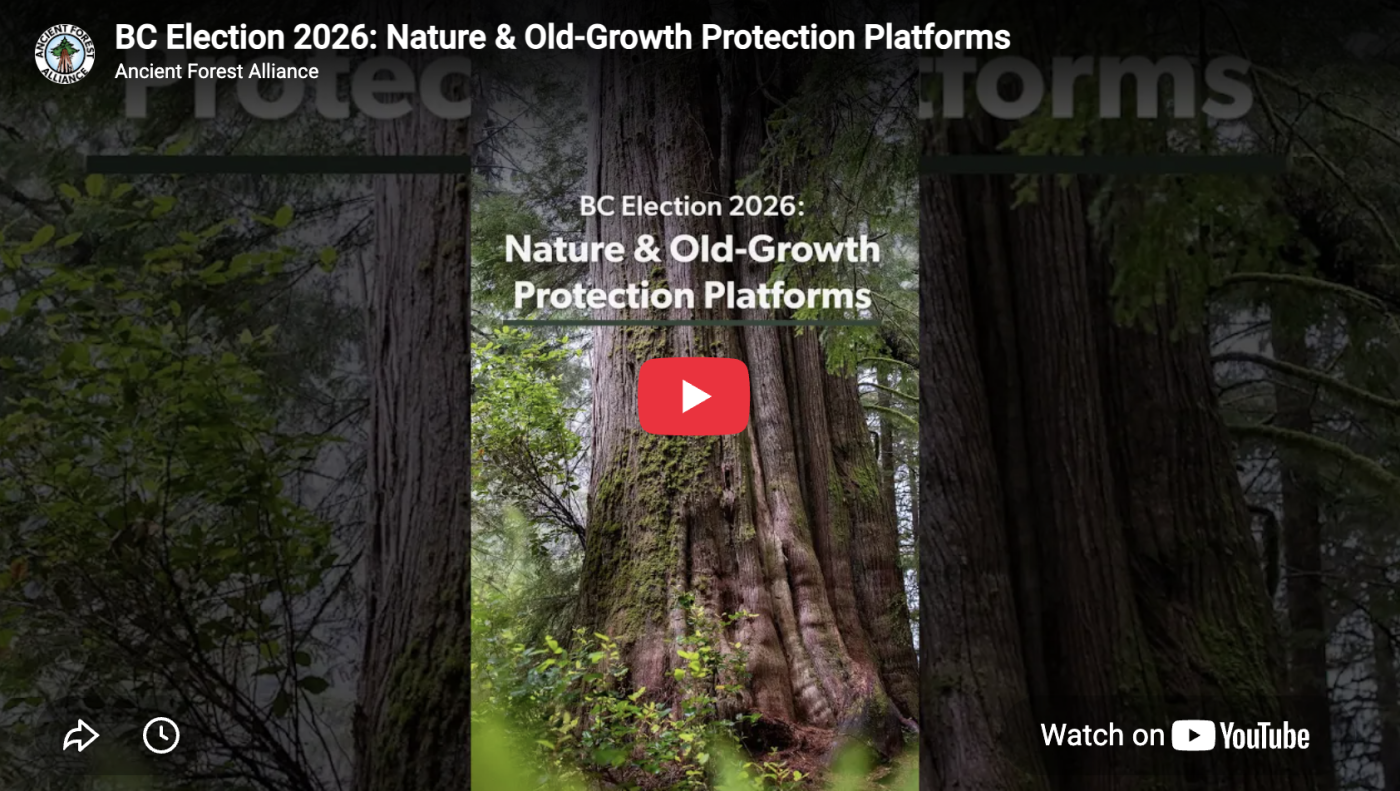
TJ Watt2026-10-22 16:54:062026-10-22 16:59:41NEW Video: BC Election 2026: Nature & Old-Growth Protection
https://ancientforestalliance.org/wp-content/uploads/2026/10/Screenshot-2026-10-22-at-4.54.32-PM.png
952
1684
TJ Watt
https://ancientforestalliance.org/wp-content/uploads/2026/05/Ancient-Forest-Alliance-logo.svg
TJ Watt2026-10-22 16:54:062026-10-22 16:59:41NEW Video: BC Election 2026: Nature & Old-Growth ProtectionRelated Posts
https://ancientforestalliance.org/wp-content/uploads/2026/10/Screenshot-2026-10-22-at-4.54.32-PM.png
952
1684
TJ Watt
https://ancientforestalliance.org/wp-content/uploads/2026/05/Ancient-Forest-Alliance-logo.svg
TJ Watt2026-10-22 16:54:062026-10-22 16:59:41NEW Video: BC Election 2026: Nature & Old-Growth Protection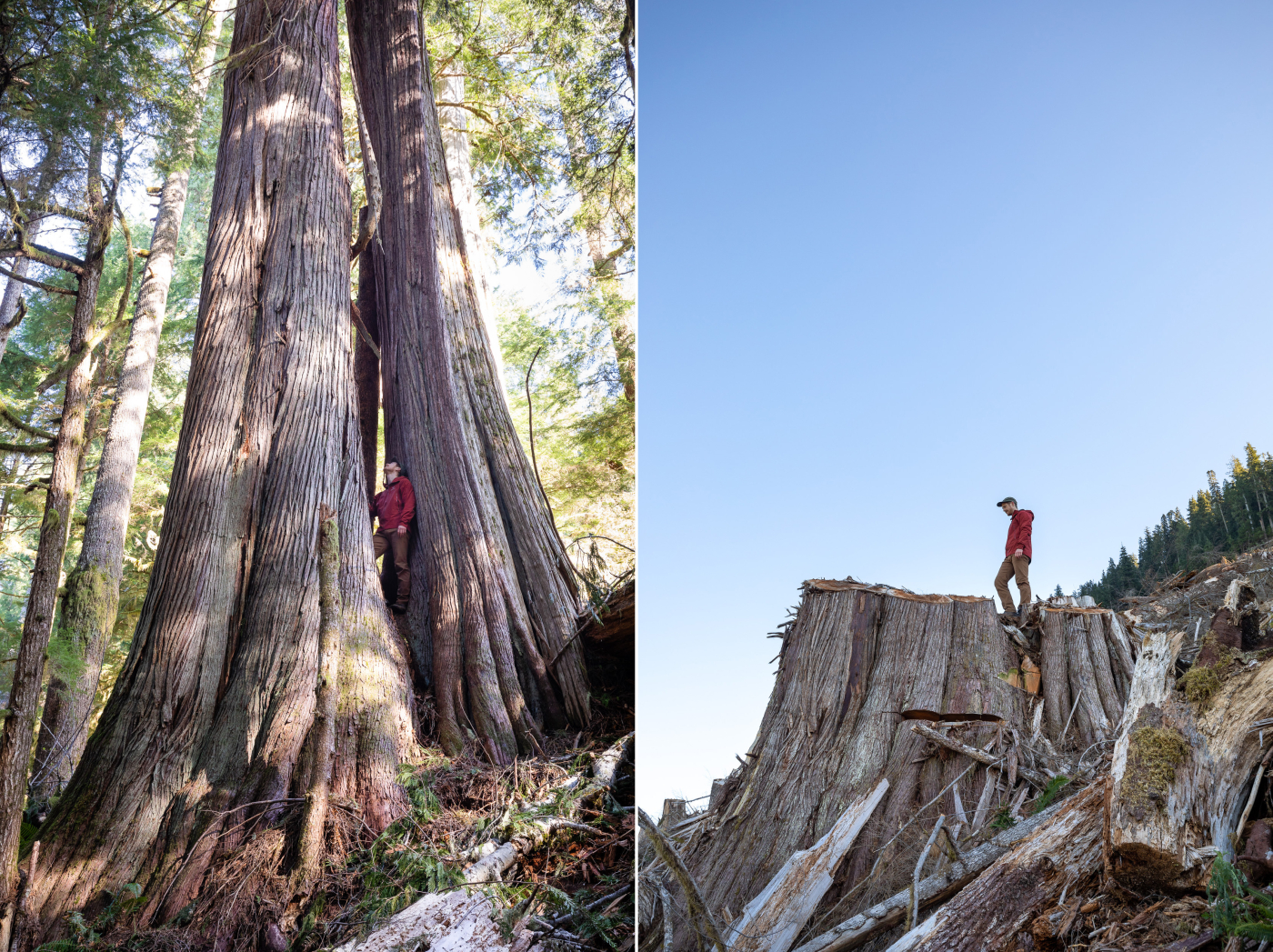 https://ancientforestalliance.org/wp-content/uploads/2026/10/Before-After-Caycuse-TJ-Watt-4-scaled.jpg
1915
2560
TJ Watt
https://ancientforestalliance.org/wp-content/uploads/2026/05/Ancient-Forest-Alliance-logo.svg
TJ Watt2026-10-16 17:36:002026-10-21 13:40:23BC Election 2026: Where do Parties Stand on Nature & Old-Growth?
https://ancientforestalliance.org/wp-content/uploads/2026/10/Before-After-Caycuse-TJ-Watt-4-scaled.jpg
1915
2560
TJ Watt
https://ancientforestalliance.org/wp-content/uploads/2026/05/Ancient-Forest-Alliance-logo.svg
TJ Watt2026-10-16 17:36:002026-10-21 13:40:23BC Election 2026: Where do Parties Stand on Nature & Old-Growth? https://ancientforestalliance.org/wp-content/uploads/2026/10/BC-Election-2026-Banner-1-1-scaled.jpg
1439
2560
TJ Watt
https://ancientforestalliance.org/wp-content/uploads/2026/05/Ancient-Forest-Alliance-logo.svg
TJ Watt2026-10-09 18:16:372026-10-16 17:44:41Where do BC’s Major Political Parties Stand on Nature Protection?
https://ancientforestalliance.org/wp-content/uploads/2026/10/BC-Election-2026-Banner-1-1-scaled.jpg
1439
2560
TJ Watt
https://ancientforestalliance.org/wp-content/uploads/2026/05/Ancient-Forest-Alliance-logo.svg
TJ Watt2026-10-09 18:16:372026-10-16 17:44:41Where do BC’s Major Political Parties Stand on Nature Protection?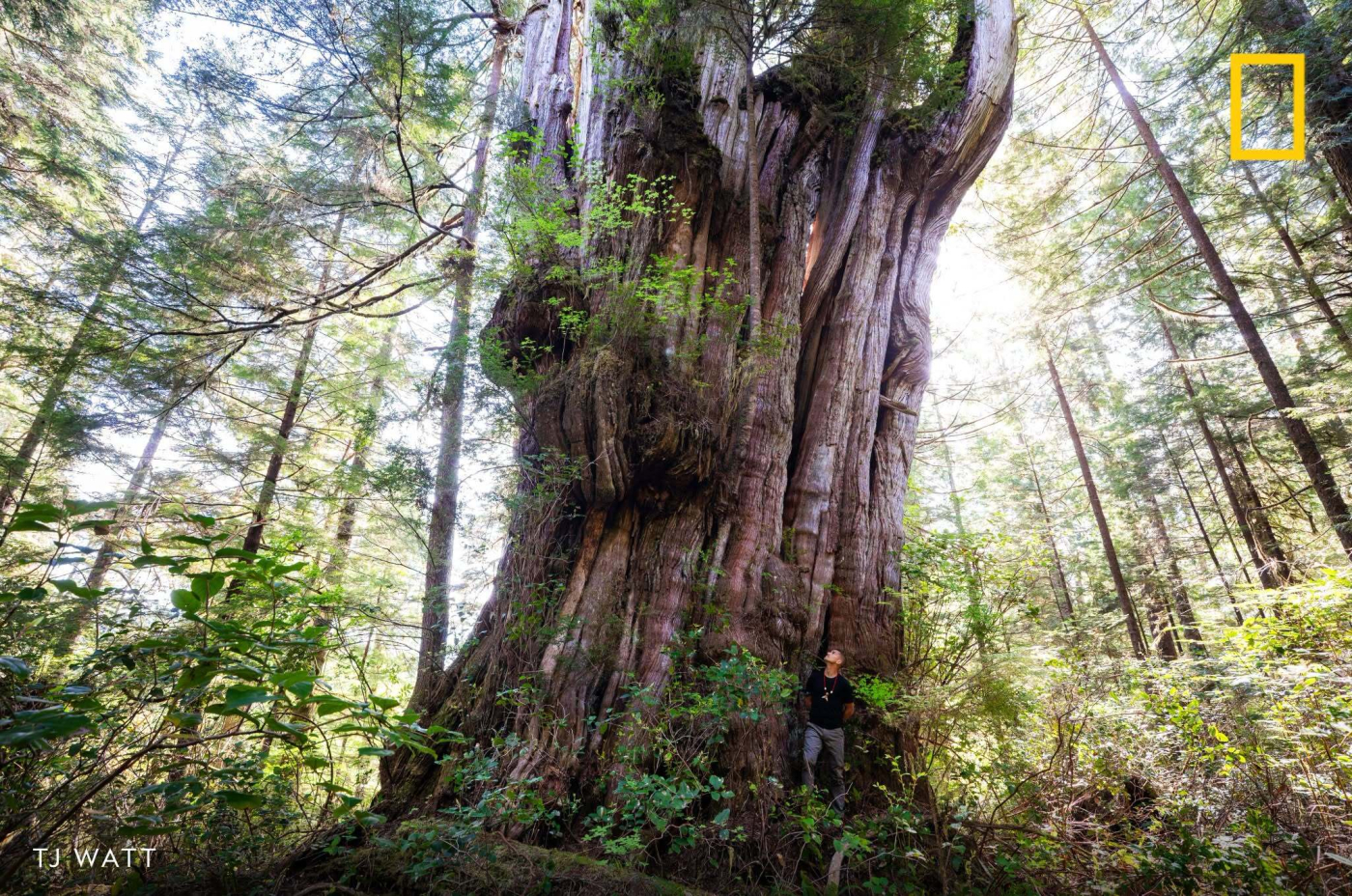 https://ancientforestalliance.org/wp-content/uploads/2026/10/Nat-Geo-Travel-Flores-Cedar.jpg
1357
2048
TJ Watt
https://ancientforestalliance.org/wp-content/uploads/2026/05/Ancient-Forest-Alliance-logo.svg
TJ Watt2026-10-02 13:38:152026-10-02 13:38:15Nat Geo Travel Features TJ Watt’s Photo of Flores Cedar
https://ancientforestalliance.org/wp-content/uploads/2026/10/Nat-Geo-Travel-Flores-Cedar.jpg
1357
2048
TJ Watt
https://ancientforestalliance.org/wp-content/uploads/2026/05/Ancient-Forest-Alliance-logo.svg
TJ Watt2026-10-02 13:38:152026-10-02 13:38:15Nat Geo Travel Features TJ Watt’s Photo of Flores CedarTake Action
 Donate
Support the Ancient Forest Alliance with a one-time or monthly donation. Send a Message
Send an instant message to key provincial decision-makers.
Like lichen? Name of species up for grabs in fundraiser
/in News CoverageTweet
VANCOUVER— A British Columbia botanist is putting the naming rights for two newly discovered species of lichens on the auction block to raise funds for conservation.
The lichens were discovered by botanical researcher Trevor Goward.
Normally, the person who makes the discovery gets the right to name a newly discovered species but Goward decided to auction off that right to raise funds for the Ancient Forest Alliance and The Land Conservancy of British Columbia.
The lichens have already drawn bids of more than $12,000 and bidding will remain open until Oct. 2 on the Forest Alliance and Land Conservancy websites. College Nursing Grants
An online auction to name a new species of monkey in Bolivia in 2005 raised $650,000 for the protection of the monkey’s habitat.
Goward says there are new species discovered every day, and he challenged other scientists like himself to offer up the naming rights to these species to raise funds for conservation.
To bid on the AFA’s lichen please visit this page: https://ancientforestalliance.org/news-item.php?ID=233
Link to CTV article: https://www.ctv.ca/CTVNews/SciTech/20110723/naming-lichen-fundraiser-110723/
Eco-tourism in Port Renfrew
/in News CoverageTweet
Port Renfrew, long a logging town, has realized they can capitalize on the protection of their natural assets to keep the community alive.
The Port Renfrew Chamber of Commerce has partnered with the Ancient Forest Alliance, the advocacy group that leads tours of the majestic ‘Avatar Grove’, to funnel more tourists into the area and feed the local economy.
The two organizations launched an info centre Thursday, July 14 that will hopefully be a hub for visitors looking for information about Avatar Grove and a boom for local businesses.
“What we used to rely on to sustain Port Renfrew was logging, but the tables have turned,” said Rosie Betsworth, chamber president.
She said while the partnership with an environmental group initially raised eyebrows among area residents, the forest alliance isn’t a “radical” group, instead one that aims to educate people gently about the importance of protecting old-growth forests.
“Their application is soft and it works.”
And it is working. The Ancient Forest Alliance holds tours once a month through the grove, and an average of 50 people show up each time, many from across Canada and Europe. TJ Watt, campaigner and photographer for the alliance, said thousands have come through the grove since he first discovered it in late 2009.
“There are five, six, seven cars there on an average day,” he said. The maps available in the info centre provide directions on how to reach the grove, a 20-minute drive from the village centre and then a 15-minute hike. It features the world’s biggest Douglas fir and Canada’s gnarliest tree, covered with a 10-foot wide burl at its base. Watt estimates the oldest tree in the grove is 500 years old.
Betsworth said the flow of visitors coming to see the grove is translating into real growth for the village, and she can understand why.
“The town is small, unique, green and clean,” she said. Everywhere you turn there’s something else to see.”
The community now has its first strip mall- a row of businesses with a restaurant, a market and the info centre, as well as a growing list of accommodations, eateries and eco-tourism opportunities.
She admits that the quality of the West Coast highway needs to be improved, and the switchbacks need to be gentler.
“The pressure is on” to keep the Pacific Rim Circle Route, a logging road which connects Port Renfrew to Lake Cowichan, maintained.
Watt thinks local businesses are on-board with this new tourism strategy.
“I find that most business owners have made the connection between protecting the earth and raising funds,” he said.
However, he’s not yet assured that the tourists will be able to visit Avatar Grove indefinitely.
On Watt’s second visit to the grove in February 2010, he noticed surveyor tape around some of the trees. Since then, it’s been “a long, drawn-out battle for the last year and a half” to get the grove protected. The government is currently consulting with Teal-Jones Group, which has logging rights. Watt thinks that with the frenzy of people coming in to see the trees, it would be in the government’s best interest to
“It’d be way too backwards to cut it down at this point.”
Link to Sooke News Mirror article: https://www.bclocalnews.com/vancouver_island_south/sookenewsmirror/lifestyles/125824828.html
The Week – We’ve Still Got Wood
/in News CoverageTweet
Exciting news for eco lovers and the Ancient Forest Alliance this week: Vancouver Island is still home to Canada’s largest tree — at least for now.
To celebrate Parks Day this past week, the AFA captured a YouTube video of Canada’s largest tree, a western red cedar named the Cheewhat Giant, growing in a remote location near Cheewhat Lake, north of Port Renfrew and west of Lake Cowichan. The tree remains the country’s biggest with a trunk diametre over six metres (20 feet), a height of 56 metres (182 feet) and listing 450 cubic metres in timber volume — or 450 regular telephone poles worth of wood. The tree remains preserved within the Pacific Rim National Park Reserve, which was created in 1971. Not all of B.C.’s flora has as successful a story, however. The video clip features new clear cuts and giant stumps of red cedar trees, some adjacent to the reserve that were logged as recently as this year.
“Future generations will look back at the majority of B.C.’s politicians who still sanction the elimination of our last endangered old-growth forests … and see them as lacking vision, compassion and a spine,” says TJ Watt, AFA co-founder. “We desperately need more politicians with courage and wisdom to step forward.”
See the clip “Canada’s Largest Tree — the Cheewhat Cedar” at https://youtu.be/Xw2Im8nSOdg
[Original Monday Magazinearticle no longer available]