 https://ancientforestalliance.org/wp-content/uploads/2026/10/Screenshot-2026-10-22-at-4.54.32-PM.png
952
1684
TJ Watt
https://ancientforestalliance.org/wp-content/uploads/2026/05/Ancient-Forest-Alliance-logo.svg
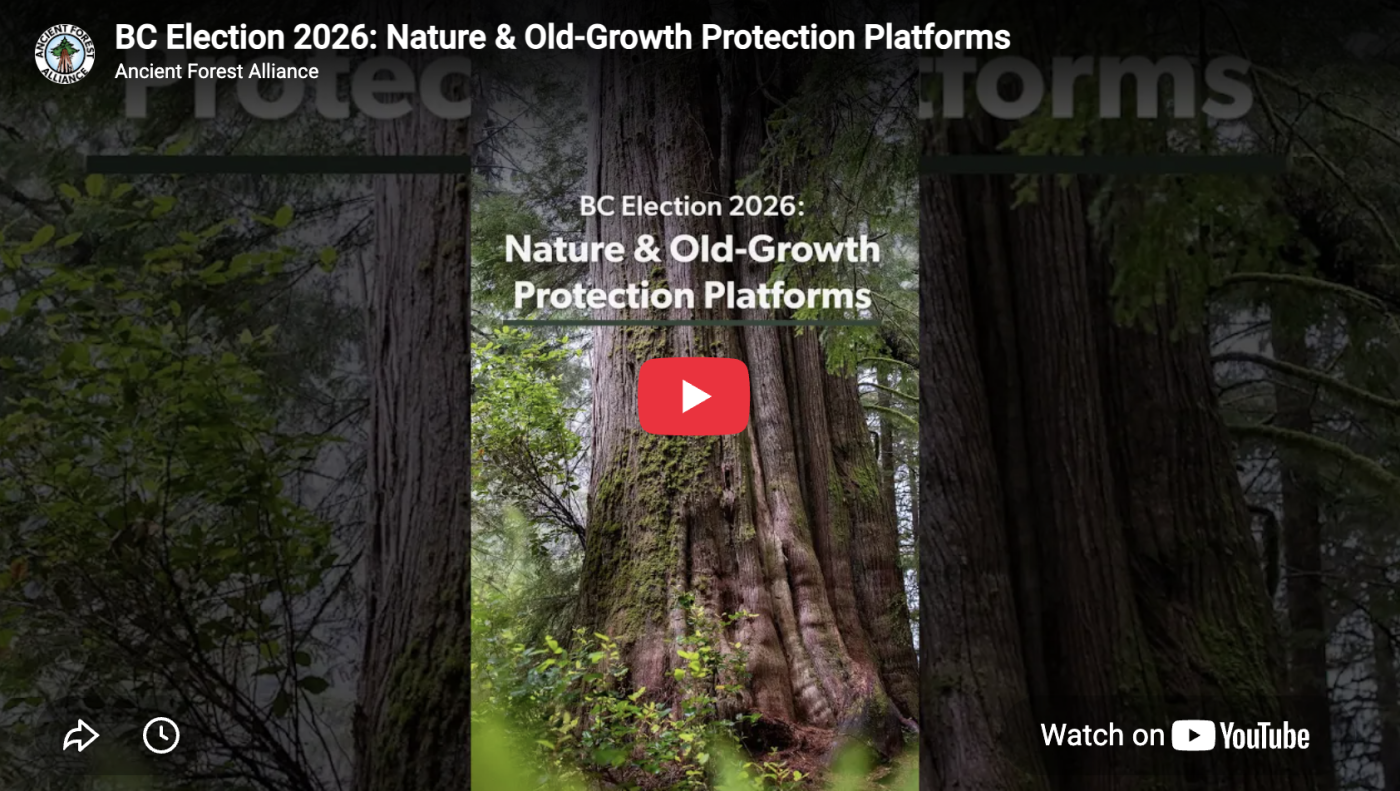
TJ Watt2026-10-22 16:54:062026-10-22 16:59:41NEW Video: BC Election 2026: Nature & Old-Growth Protection
https://ancientforestalliance.org/wp-content/uploads/2026/10/Screenshot-2026-10-22-at-4.54.32-PM.png
952
1684
TJ Watt
https://ancientforestalliance.org/wp-content/uploads/2026/05/Ancient-Forest-Alliance-logo.svg
TJ Watt2026-10-22 16:54:062026-10-22 16:59:41NEW Video: BC Election 2026: Nature & Old-Growth ProtectionRelated Posts
https://ancientforestalliance.org/wp-content/uploads/2026/10/Screenshot-2026-10-22-at-4.54.32-PM.png
952
1684
TJ Watt
https://ancientforestalliance.org/wp-content/uploads/2026/05/Ancient-Forest-Alliance-logo.svg
TJ Watt2026-10-22 16:54:062026-10-22 16:59:41NEW Video: BC Election 2026: Nature & Old-Growth Protection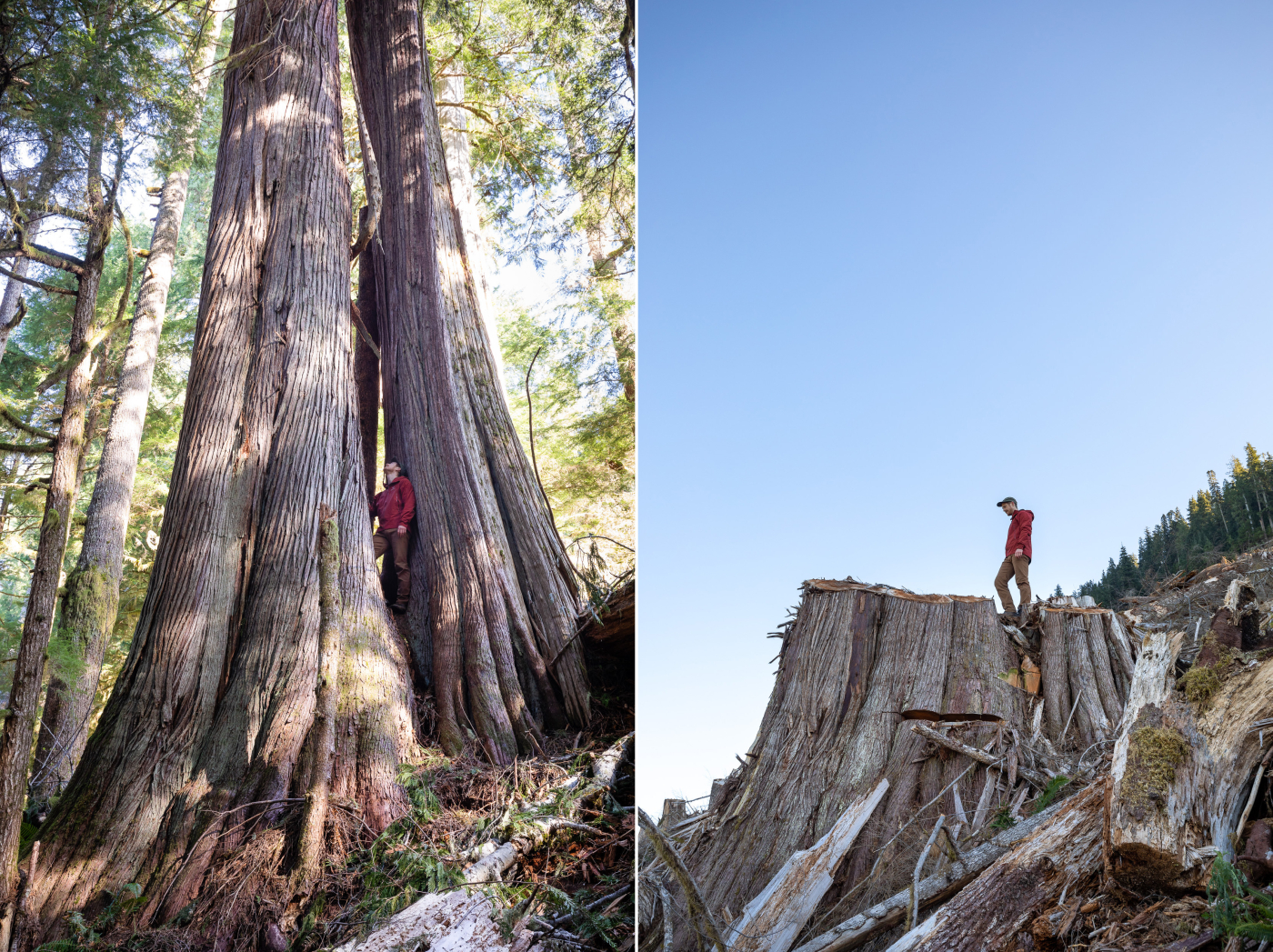 https://ancientforestalliance.org/wp-content/uploads/2026/10/Before-After-Caycuse-TJ-Watt-4-scaled.jpg
1915
2560
TJ Watt
https://ancientforestalliance.org/wp-content/uploads/2026/05/Ancient-Forest-Alliance-logo.svg
TJ Watt2026-10-16 17:36:002026-10-21 13:40:23BC Election 2026: Where do Parties Stand on Nature & Old-Growth?
https://ancientforestalliance.org/wp-content/uploads/2026/10/Before-After-Caycuse-TJ-Watt-4-scaled.jpg
1915
2560
TJ Watt
https://ancientforestalliance.org/wp-content/uploads/2026/05/Ancient-Forest-Alliance-logo.svg
TJ Watt2026-10-16 17:36:002026-10-21 13:40:23BC Election 2026: Where do Parties Stand on Nature & Old-Growth? https://ancientforestalliance.org/wp-content/uploads/2026/10/BC-Election-2026-Banner-1-1-scaled.jpg
1439
2560
TJ Watt
https://ancientforestalliance.org/wp-content/uploads/2026/05/Ancient-Forest-Alliance-logo.svg
TJ Watt2026-10-09 18:16:372026-10-16 17:44:41Where do BC’s Major Political Parties Stand on Nature Protection?
https://ancientforestalliance.org/wp-content/uploads/2026/10/BC-Election-2026-Banner-1-1-scaled.jpg
1439
2560
TJ Watt
https://ancientforestalliance.org/wp-content/uploads/2026/05/Ancient-Forest-Alliance-logo.svg
TJ Watt2026-10-09 18:16:372026-10-16 17:44:41Where do BC’s Major Political Parties Stand on Nature Protection?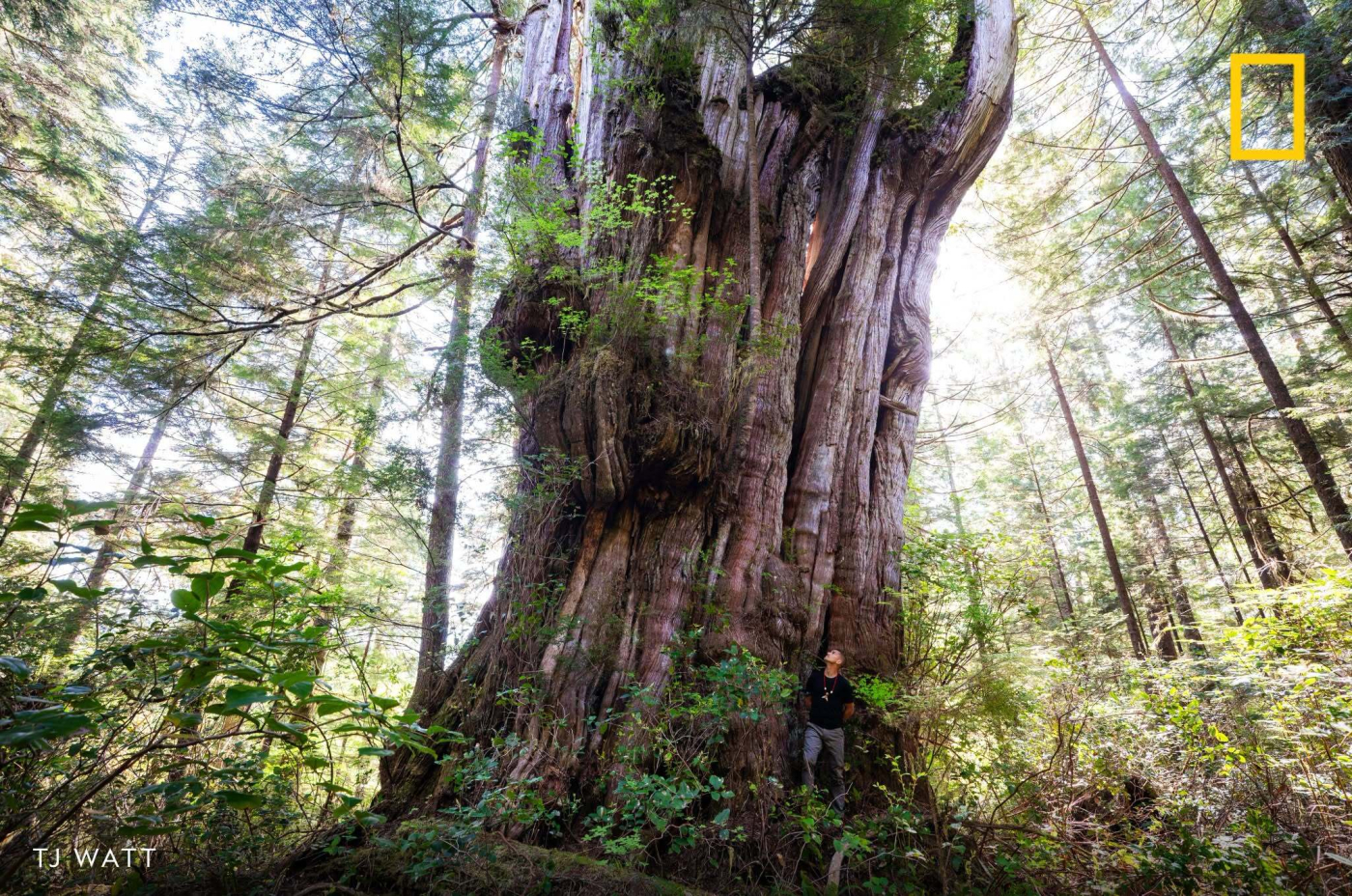 https://ancientforestalliance.org/wp-content/uploads/2026/10/Nat-Geo-Travel-Flores-Cedar.jpg
1357
2048
TJ Watt
https://ancientforestalliance.org/wp-content/uploads/2026/05/Ancient-Forest-Alliance-logo.svg
TJ Watt2026-10-02 13:38:152026-10-02 13:38:15Nat Geo Travel Features TJ Watt’s Photo of Flores Cedar
https://ancientforestalliance.org/wp-content/uploads/2026/10/Nat-Geo-Travel-Flores-Cedar.jpg
1357
2048
TJ Watt
https://ancientforestalliance.org/wp-content/uploads/2026/05/Ancient-Forest-Alliance-logo.svg
TJ Watt2026-10-02 13:38:152026-10-02 13:38:15Nat Geo Travel Features TJ Watt’s Photo of Flores CedarTake Action
 Donate
Support the Ancient Forest Alliance with a one-time or monthly donation. Send a Message
Send an instant message to key provincial decision-makers.
Interview with TJ Watt – Photographer and Environmentalist
/in News CoveragePlease follow this link to read the interview and see the photographs: https://dondenton.ca/2011/01/11/tj-watt-interview/
Tweet
Poor BC Logging Practices "add to gas emissions"
/in News CoverageMassive emissions of greenhouse gases are coming from BC’s coastal forests because of poor logging practices and inadequate management, according to a new report by environmentalists.
The carbon from coastal rainforests, much of which comes from Vancouver Island, is not counted in BC’s official emissions tally as, at the international level, Canada and the provinces decided against including forests.
If they were included, emissions numbers for BC would increase by 24 per cent, said Jens Wieting, coastal forests campaigner for Sierra Club BC and author of the group’s report, “Restoring the Balance for Climate and Species.”
“These emissions are not caused by the mountain pine beetle or large fires, as in other parts of BC. They are mainly produced by inadequate logging practices and insufficient management, and it’s time for that to change,” Wieting said.
Coastal rainforests have the ability to store massive amounts of carbon, which should make them a key asset in the fight against global warming, he said.
“We are throwing away a tremendous opportunity and our best defence against climate change.”
Clearcutting in old-growth forests, that have accumulated carbon for thousands of years, is pushing species to extinction, Wieting said.
Vancouver Island has the most forest ecosystems at a very high risk for species extinction and the lowest level of overall protection — only 13.2 per cent — he said.
Making matters worse, about 45 per cent of the 42,000 hectares of new Vancouver Island Old Growth Management Areas, although a step in the right direction, consists of poor- productivity ecosystems, Wieting said.
“Vancouver Island belongs in the ICU [intensive care unit]. It is in the worst shape with the risk of species extinction and protection of productive ecosystems,” he said.
New areas off-limits to logging are not chosen on the basis of ecosystems with the highest risk for species extinction and only six per cent would meet the high productivity criteria, the report says.
Climatologist Andrew Weaver, University of Victoria Canada Research Chair in Climate Modelling and Analysis, said the report underlines the need to think about the bigger picture when it comes to forest plans.
“The Sierra Club is absolutely spot-on that forests are a huge potential source and potential sink of carbon and it’s a lot better to use them as a sink rather than turning them into a source,” he said.
Weaver said he does not know whether it is feasible for carbon emissions from forests to be included in Canada’s reports to the international community on greenhouse gas emissions, a recommendation of the report. “But what matters is not the UN bookkeeping perspective, it’s the climate care perspective. … The atmosphere doesn’t really care how you account for carbon, it cares about what goes up,” he said.
Other recommendations in the report include shaping forest policy around using forests as carbon sinks. To do that there must be increased conservation, improved forest management and measures to reduce the risks of fire and pests, it says.
2 MOST IMPORTANT LETTERS to WRITE for ANCIENT FORESTS
/in Take ActionTweet
***FIRST LETTER to WRITE***
First Rate Opportunity with leaderless BC Liberal and BC NDP parties –
WRITE your MLA!
Right now, the ruling BC Liberal Party and the opposition BC New
Democratic Party are holding leadership contests after each of their
party leaders resigned a few months ago. This rare and unusual
situation presents a first rate opportunity to push both parties to
commit to new, strong policies to protect BC’s endangered old-growth
forests and forestry jobs.
The BC Liberals currently contend that BC’s old-growth forests are not
endangered and raw log exports should continue, while the NDP is
calling for a provincial old-growth strategy (how much protection this
would entail they have not specified yet) and increased restrictions
on raw log exports. The Green Party is calling for a phase-out of
old-growth logging and to ban raw log exports.
Of all times, your BC Liberal or NDP provincial MLA (Member of the
Legislative Assembly) representative in your political riding needs to
hear from YOU, loud and clear, that you expect them to:
– Commit their party to new forest policies to end logging of
endangered old-growth forests. Old-growth forests are important for
sustaining endangered species, the climate, tourism, recreation, water
quality, and First Nations cultures.
– Ensure sustainable second-growth forestry. Second-growth stands now
constitute most of the forested lands in southern BC.
– End raw log exports to foreign mills in order to sustain BC forestry jobs.
Be sure to include your home mailing address so they know you are a
real person and that you live in their riding.
You can find your MLA’s email address by going to:
Link no longer available
Good News: John Horgan, an NDP leadership candidate who has been an
outspoken advocate for protecting the Avatar Grove (see
https://www.johnhorgan.ca/files/images/John_Horgan_October_2010_E-Newsletter.pdf – article no longer available
), led the charge this week among contending NDP leadership hopefuls
for a stronger environmental direction on forestry (please let him
know if you support this at john.horgan.mla@leg.bc.ca). The Public Eye
Online (Jan.11) stated that at his campaign launch:
“Mr. Horgan took a strong anti-corporate line while articulating his
commitment to preserve old growth forests. ‘Our commitment, as New
Democrats, is to use our second growth forests to create jobs here, in
our communities, not offshore. Old growth forests will be the bedrock
of our tourism industry. Second growth forests will be the bedrock of
a value-added forest industry that creates jobs here in British
Columbia for British Columbians in the public interest – not in the
interest of shareholders in Toronto or Bermuda but people right here.’”
Lets push ALL NDP and Liberal MLA’s and candidates to take a strong
stance to save BC’s endangered ancient forests and forestry jobs!
***SECOND LETTER to WRITE***
Flores Island in Clayoquot Sound threatened by logging!
Flores Island, perhaps the most beautiful place in Canada and the
largest island in Clayoquot Sound by Tofino, is at risk of being
logged.
See our SPECTACULAR PHOTOGALLERY of Flores Island by AFA photographer
TJ Watt at: https://ancientforestalliance.org/photos-media/
Flores Island is one of the largest contiguous tracts of old-growth
rainforest left on BC’s southern coast and is certainly among Earth’s
most stunningly scenic places. The largely unlogged island is home to
large populations of cougars, wolves, bears, and deer in its ancient
forests and gray whales, humpback whales, porpoises, orcas, sea
otters, and sea lions in its marine waters.
Spectacular old-growth redcedar and Sitka spruce stands have been
recently surveyed and flagged for logging on eastern Flores Island,
which has some of the densest stands of giant trees in the world, and
landing pads for heli-logging have been carved into the forest.
Logging could begin as soon as early 2011.
Please take action and write a letter to the BC Liberal government.
For full details, visit the Friends of Clayoquot Sound webpage.