 https://ancientforestalliance.org/wp-content/uploads/2026/10/Screenshot-2026-10-22-at-4.54.32-PM.png
952
1684
TJ Watt
https://ancientforestalliance.org/wp-content/uploads/2026/05/Ancient-Forest-Alliance-logo.svg
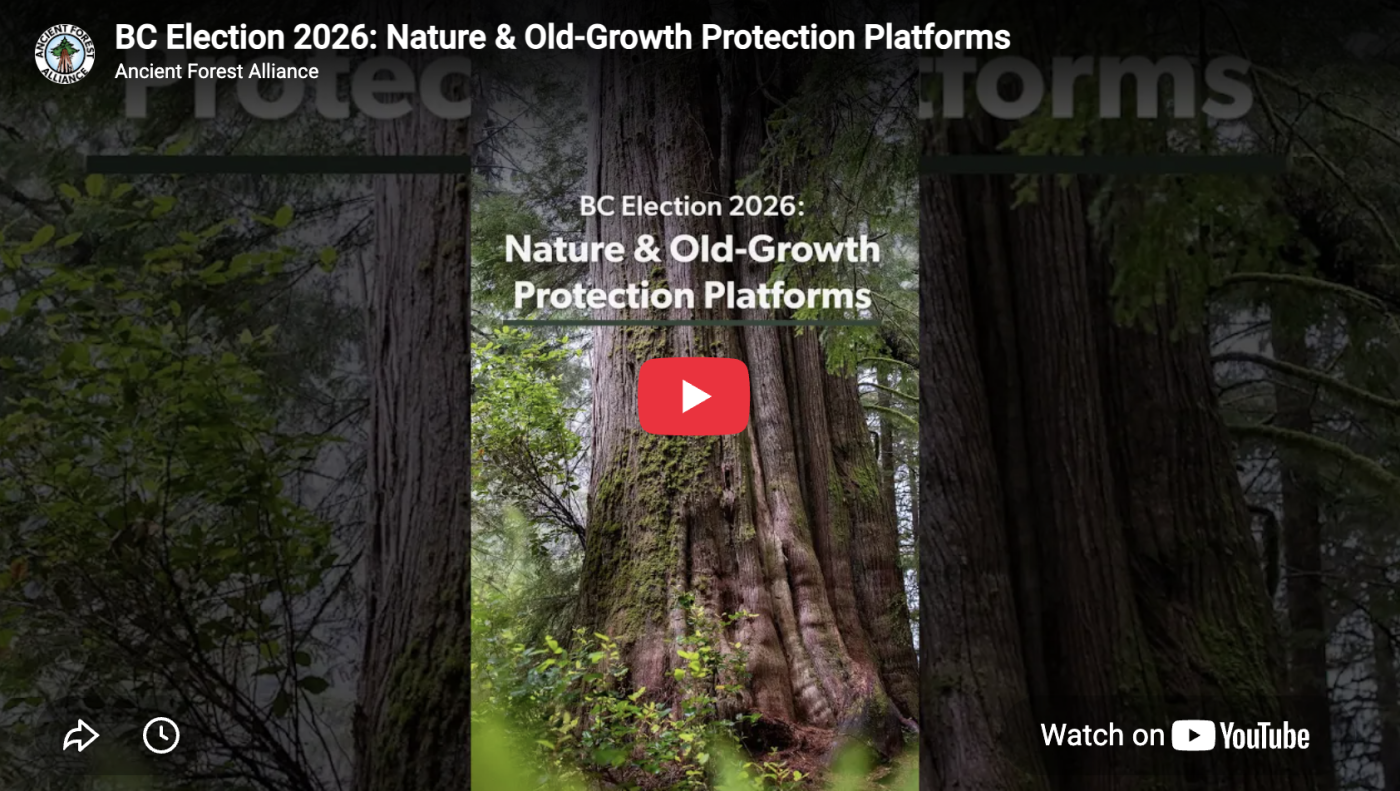
TJ Watt2026-10-22 16:54:062026-10-22 16:59:41NEW Video: BC Election 2026: Nature & Old-Growth Protection
https://ancientforestalliance.org/wp-content/uploads/2026/10/Screenshot-2026-10-22-at-4.54.32-PM.png
952
1684
TJ Watt
https://ancientforestalliance.org/wp-content/uploads/2026/05/Ancient-Forest-Alliance-logo.svg
TJ Watt2026-10-22 16:54:062026-10-22 16:59:41NEW Video: BC Election 2026: Nature & Old-Growth ProtectionRelated Posts
https://ancientforestalliance.org/wp-content/uploads/2026/10/Screenshot-2026-10-22-at-4.54.32-PM.png
952
1684
TJ Watt
https://ancientforestalliance.org/wp-content/uploads/2026/05/Ancient-Forest-Alliance-logo.svg
TJ Watt2026-10-22 16:54:062026-10-22 16:59:41NEW Video: BC Election 2026: Nature & Old-Growth Protection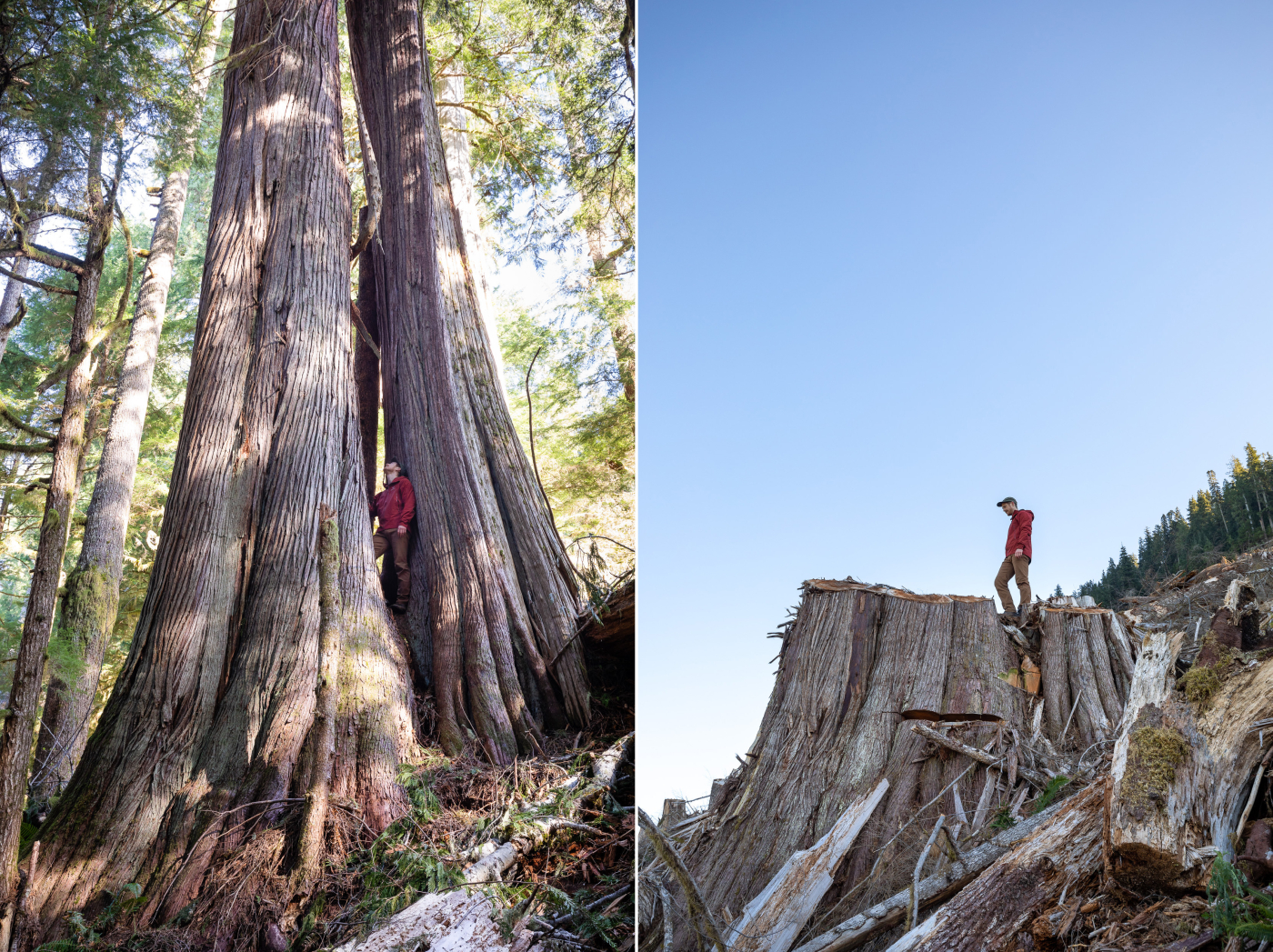 https://ancientforestalliance.org/wp-content/uploads/2026/10/Before-After-Caycuse-TJ-Watt-4-scaled.jpg
1915
2560
TJ Watt
https://ancientforestalliance.org/wp-content/uploads/2026/05/Ancient-Forest-Alliance-logo.svg
TJ Watt2026-10-16 17:36:002026-10-21 13:40:23BC Election 2026: Where do Parties Stand on Nature & Old-Growth?
https://ancientforestalliance.org/wp-content/uploads/2026/10/Before-After-Caycuse-TJ-Watt-4-scaled.jpg
1915
2560
TJ Watt
https://ancientforestalliance.org/wp-content/uploads/2026/05/Ancient-Forest-Alliance-logo.svg
TJ Watt2026-10-16 17:36:002026-10-21 13:40:23BC Election 2026: Where do Parties Stand on Nature & Old-Growth? https://ancientforestalliance.org/wp-content/uploads/2026/10/BC-Election-2026-Banner-1-1-scaled.jpg
1439
2560
TJ Watt
https://ancientforestalliance.org/wp-content/uploads/2026/05/Ancient-Forest-Alliance-logo.svg
TJ Watt2026-10-09 18:16:372026-10-16 17:44:41Where do BC’s Major Political Parties Stand on Nature Protection?
https://ancientforestalliance.org/wp-content/uploads/2026/10/BC-Election-2026-Banner-1-1-scaled.jpg
1439
2560
TJ Watt
https://ancientforestalliance.org/wp-content/uploads/2026/05/Ancient-Forest-Alliance-logo.svg
TJ Watt2026-10-09 18:16:372026-10-16 17:44:41Where do BC’s Major Political Parties Stand on Nature Protection?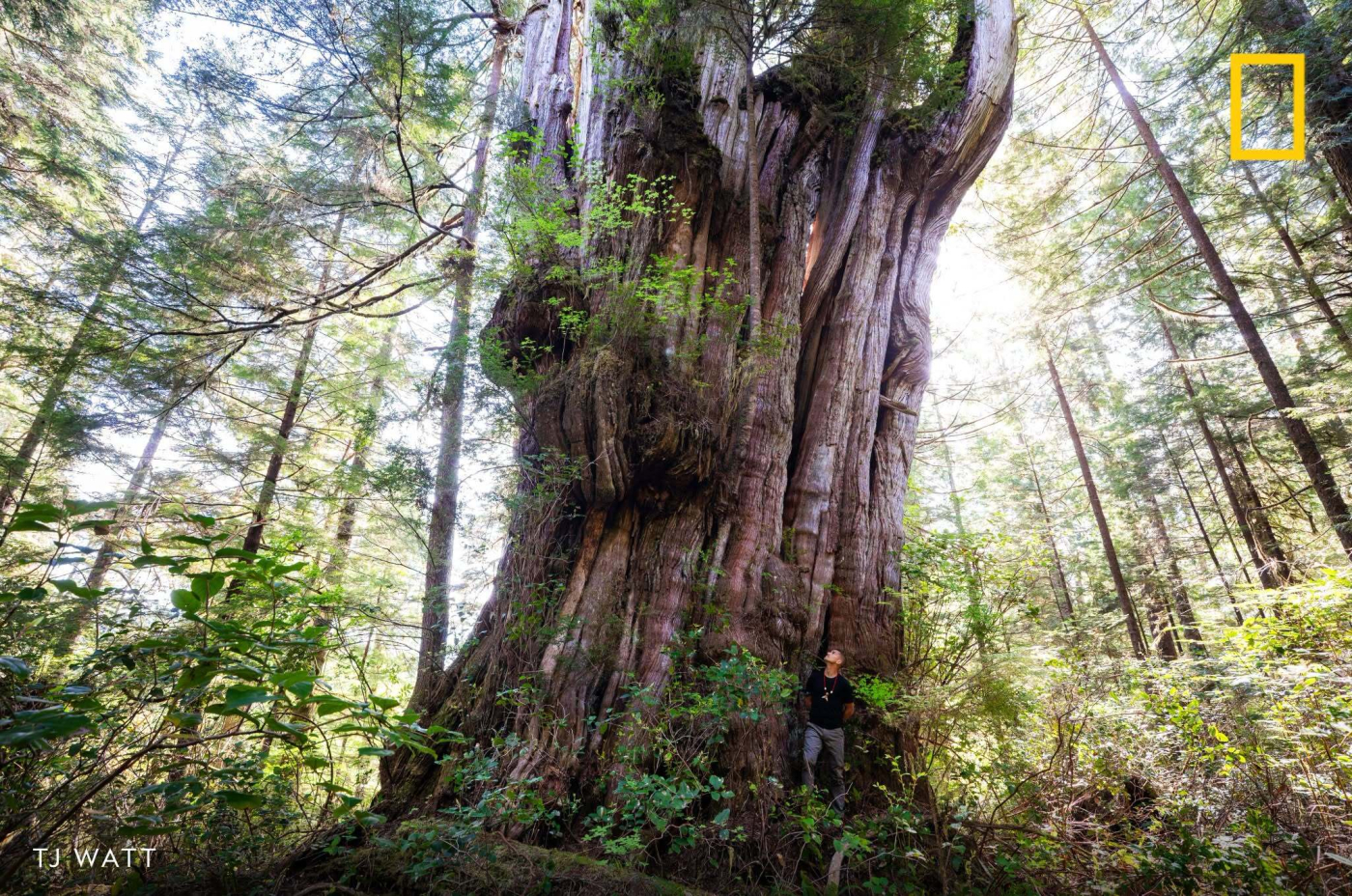 https://ancientforestalliance.org/wp-content/uploads/2026/10/Nat-Geo-Travel-Flores-Cedar.jpg
1357
2048
TJ Watt
https://ancientforestalliance.org/wp-content/uploads/2026/05/Ancient-Forest-Alliance-logo.svg
TJ Watt2026-10-02 13:38:152026-10-02 13:38:15Nat Geo Travel Features TJ Watt’s Photo of Flores Cedar
https://ancientforestalliance.org/wp-content/uploads/2026/10/Nat-Geo-Travel-Flores-Cedar.jpg
1357
2048
TJ Watt
https://ancientforestalliance.org/wp-content/uploads/2026/05/Ancient-Forest-Alliance-logo.svg
TJ Watt2026-10-02 13:38:152026-10-02 13:38:15Nat Geo Travel Features TJ Watt’s Photo of Flores CedarTake Action
 Donate
Support the Ancient Forest Alliance with a one-time or monthly donation. Send a Message
Send an instant message to key provincial decision-makers.
Environmental activist targets Oak Bay-Gordon Head riding to launch tree campaign
/in News CoverageYou don’t have to drive hours out of Victoria to find old-growth trees or, for that matter, politicians who are hanging onto their seats by a thread.
Environmental activist Ken Wu, of the Ancient Forest Alliance, led media representatives into Mount Douglas Park on Friday to see a 400-year-old Douglas fir measuring two metres in diameter.
The tree is located in the riding of Oak Bay-Gordon Head, where Liberal Ida Chong edged out the NDP candidate in last year’s election.
Environmental activist Wu chose this particular Douglas fir in this particular swing riding to launch a new campaign to save old-growth forests in B.C. The Ancient Forest Alliance is not a charity and therefore is permitted to condemn or endorse politicians and political parties.
“Whoever would think that we have an old-growth forest in the heart of urban Victoria and in the swing riding of Oak Bay-Gordon Head?” said Wu.
The group is calling on the Liberal government to protect remaining old-growth forest, ensure the sustainable logging of second-growth forest, ban raw log exports, and assist in retooling of old-growth sawmills for value-added wood manufacturing.
The dozen or so swing ridings in B.C. are the focus of the group’s campaign, he said. “All it would take would be a shift of seven or eight ridings in the province to cause this government to lose power,” Wu said. “What we’re doing today is taking the ancient forest movement to a whole new level.”
Without the neutral approach required by charities, he said, “we can go straight now to their sensitive areas … so they’ll either have to change their policies or lose the election.”
The organization will focus on public education and will not break the law in order to get its point across, Wu said.
New Old-Growth Activist Teams to be Launched in BC Swing Ridings to take the Ancient Forest Campaign to a Whole New Level
/in Media ReleaseWithout the handcuffs of charitable status which forbids organizations from condemning or endorsing politicians and political parties, BC’s new Ancient Forest Alliance (AFA – visit www.ancientforestalliance.org) is now positioned to organize hard-hitting campaigns in key provincial swing ridings. In particular, the AFA will be working to systematically train and guide activists to establish “Ancient Forest Committees” (AFC’s), or forest activist teams, in 8 to 10 provincial swing ridings over the next year. The AFC’s will be technically autonomous from the AFA, but will be trained and guided by the AFA particularly in their formative stages.
“As long as the BC Liberal government continues along its current path of justifying the liquidation of our last old-growth forests in southern BC and the export of raw logs to foreign mills, we’ll move to organize major public awareness campaigns in 8 to 10 swing ridings where we can exert a disproportionate amount of influence on the government and its policies – and cause them to lose the next election if need be,” states Ken Wu, Ancient Forest Alliance co-founder. “Conversely, if they move to undertake a provincial old-growth plan that will protect our endangered old-growth forests and forestry jobs, we will most certainly give credit where credit is due. This is a whole new level of environmental campaigning where the ancient forest movement has not gone before – we will be a lot more effective now.”
The first of the Ancient Forest Committees to be launched on Vancouver Island will be the Oak Bay – Gordon Head Ancient Forest Committee, coordinated by local environmental activist Benna Keoghoe.
“Oak Bay-Gordon Head is one of the most environmentally conscious ridings in BC, and in fact in Canada. BC Liberal MLA Ida Chong won the last election by a 2% margin, by just over 500 votes. We know for a fact that there are thousands of environmentally-minded voters in the riding who will change their allegiances if they know that so far Chong has touted the standard BC Liberal stance that ancient forests are not endangered on Vancouver Island and are adequately protected, which is false,” states Benna Keoghoe, Oak Bay – Gordon Head AFC cofounder. “We’ll be organizing a lot of door canvassing, leaflet drops, petition drives, slideshows, nature walks, and protests in the riding.”
Currently the BC Liberals contend that old-growth forests are not endangered on Vancouver Island and that raw log exports should continue, while the NDP is calling for an Old-Growth Strategy that will inventory and increase protection for old-growth forests and they advocate restrictions on raw log exports. The BC Green Party is calling for the protection of the remaining old-growth forests on Vancouver Island and an end to raw log exports.
Old-growth forests are important for sustaining species at risk, tourism, the climate, clean water, and First Nations traditional cultures.
Based upon an analysis of satellite photographs, about 88% of the original, productive old-growth forests on southern Vancouver Island (south of Barkley Sound and Port Alberni) have already been logged, including 95% of the productive old-growth on low, flat terrain. Across the Island as a whole, about 75% of the original productive old-growth forests have been logged, including 90% of the valley bottoms where the largest trees grow.
With so little of our ancient forests remaining, the Ancient Forest Alliance is calling on the BC Liberal government to:
– Undertake a Provincial Old-Growth Strategy that will inventory the remaining old-growth forests and protect them where they are scarce (ie. Vancouver Island, Lower Mainland, southern Interior, etc.).
– Ensure the sustainable logging of second-growth forests, which now constitute the vast majority of BC’s landscapes.
– End the export of raw logs in order to ensure guaranteed log supplies for local milling and value-added industries.
– Assist in the retooling and development of mills and value-added facilities to handle second-growth logs.
– Undertake new land-use planning initiatives based on First Nations land-use plans, ecosystem-based scientific assessments, and climate mitigation strategies involving forest protection.
Avatar Rally for B.C.’s Ancient Forests, 27 March 2010
/in AnnouncementsThis video was made by Langara journalism students Linnaea and Jackie of the Avatar Rally to Save BC’s Ancient Forests and Forestry Jobs hosted by the Ancient Forest Alliance and Point Grey Ancient Forest Committee on Saturday March 27, 2010.
Please press the link to view the film: https://www.youtube.com/user/LeNezAh#p/a/u/0/OZazOer4oao