 https://ancientforestalliance.org/wp-content/uploads/2026/08/Canoe-Creek-Cedar-Tree-262.jpg
800
1200
TJ Watt
https://ancientforestalliance.org/wp-content/uploads/2026/05/Ancient-Forest-Alliance-logo.svg
TJ Watt2026-08-04 17:15:512026-08-04 17:15:51Thank you to our monthly business donors!
https://ancientforestalliance.org/wp-content/uploads/2026/08/Canoe-Creek-Cedar-Tree-262.jpg
800
1200
TJ Watt
https://ancientforestalliance.org/wp-content/uploads/2026/05/Ancient-Forest-Alliance-logo.svg
TJ Watt2026-08-04 17:15:512026-08-04 17:15:51Thank you to our monthly business donors!Related Posts
https://ancientforestalliance.org/wp-content/uploads/2026/08/Canoe-Creek-Cedar-Tree-262.jpg
800
1200
TJ Watt
https://ancientforestalliance.org/wp-content/uploads/2026/05/Ancient-Forest-Alliance-logo.svg
TJ Watt2026-08-04 17:15:512026-08-04 17:15:51Thank you to our monthly business donors!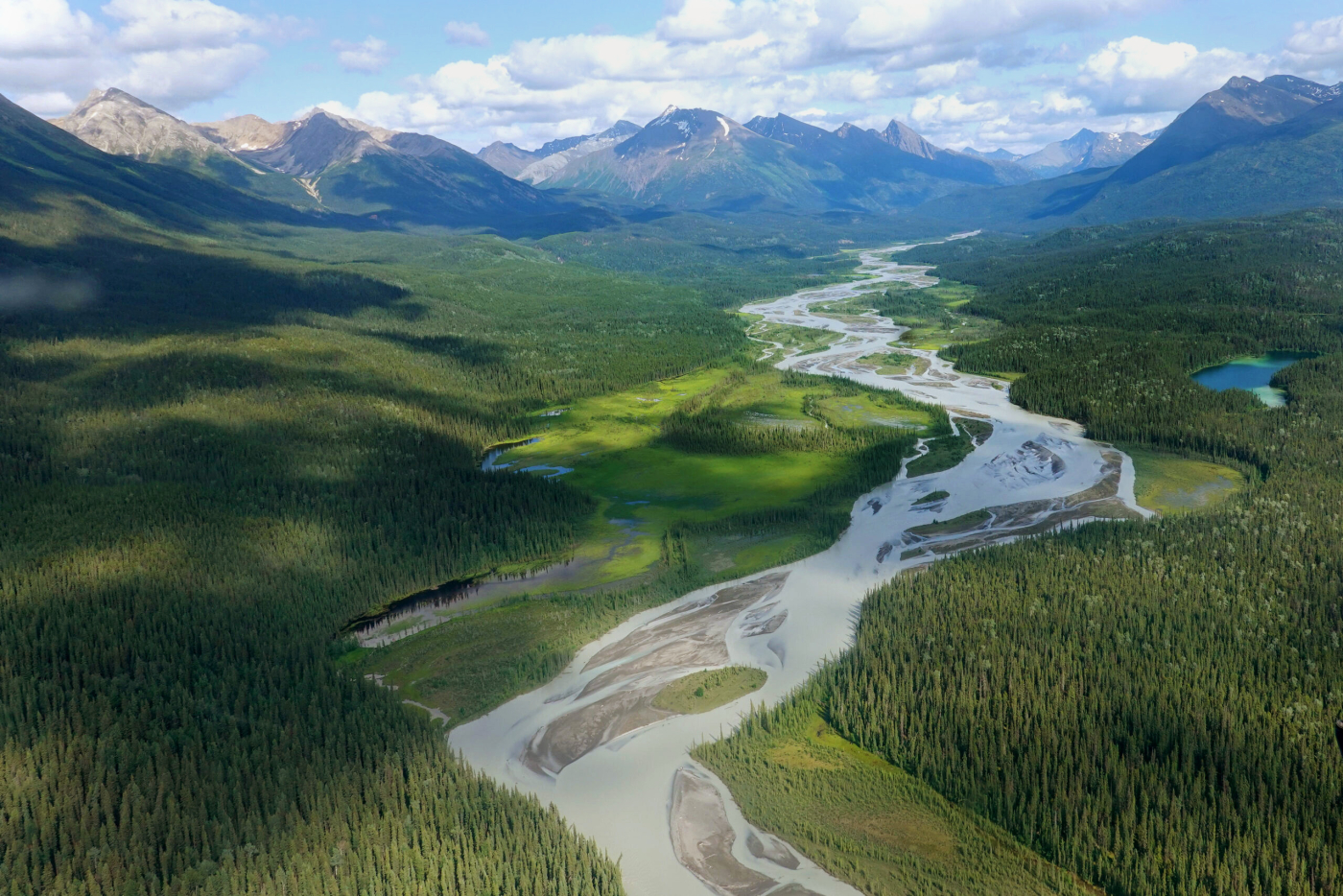 https://ancientforestalliance.org/wp-content/uploads/2026/07/Kaska-Territory.-Credit-Johnny-Mikes-CPAWS-BC-scaled-1.jpg
1707
2560
TJ Watt
https://ancientforestalliance.org/wp-content/uploads/2026/05/Ancient-Forest-Alliance-logo.svg
TJ Watt2026-07-24 15:34:372026-07-28 11:05:22Speak up for Three Major New Protected Areas in Northern BC
https://ancientforestalliance.org/wp-content/uploads/2026/07/Kaska-Territory.-Credit-Johnny-Mikes-CPAWS-BC-scaled-1.jpg
1707
2560
TJ Watt
https://ancientforestalliance.org/wp-content/uploads/2026/05/Ancient-Forest-Alliance-logo.svg
TJ Watt2026-07-24 15:34:372026-07-28 11:05:22Speak up for Three Major New Protected Areas in Northern BC https://ancientforestalliance.org/wp-content/uploads/2026/06/tahsish-river-old-growth-karst-forest-285-1.jpg
1366
2048
TJ Watt
https://ancientforestalliance.org/wp-content/uploads/2026/05/Ancient-Forest-Alliance-logo.svg
TJ Watt2026-07-20 10:46:412026-07-20 12:16:45Victoria Buzz: Old growth advocates call for protection of at-risk Vancouver Island forest
https://ancientforestalliance.org/wp-content/uploads/2026/06/tahsish-river-old-growth-karst-forest-285-1.jpg
1366
2048
TJ Watt
https://ancientforestalliance.org/wp-content/uploads/2026/05/Ancient-Forest-Alliance-logo.svg
TJ Watt2026-07-20 10:46:412026-07-20 12:16:45Victoria Buzz: Old growth advocates call for protection of at-risk Vancouver Island forest https://ancientforestalliance.org/wp-content/uploads/2026/06/tahsish-river-old-growth-karst-forest-136-1.jpg
1365
2048
TJ Watt
https://ancientforestalliance.org/wp-content/uploads/2026/05/Ancient-Forest-Alliance-logo.svg
TJ Watt2026-07-17 11:54:012026-07-17 11:56:51In Photos: Old-Growth Forest on Karst in the Tahsish Valley
https://ancientforestalliance.org/wp-content/uploads/2026/06/tahsish-river-old-growth-karst-forest-136-1.jpg
1365
2048
TJ Watt
https://ancientforestalliance.org/wp-content/uploads/2026/05/Ancient-Forest-Alliance-logo.svg
TJ Watt2026-07-17 11:54:012026-07-17 11:56:51In Photos: Old-Growth Forest on Karst in the Tahsish ValleyTake Action
 Donate
Support the Ancient Forest Alliance with a one-time or monthly donation. Send a Message
Send an instant message to key provincial decision-makers.
BC Government Commits to Doubling the Protection of Lands in BC to 30% by 2030 and Creating a New Conservation Financing Mechanism to Help Establish IPCA’s
/in Media ReleaseFor immediate release
December 9th, 2022
BC Government Commits to Doubling the Protection of Lands in BC to 30% by 2030 and Creating a New Conservation Financing Mechanism to Help Establish IPCA’s.
Framework for increased protection has been laid, major funding now needed to make it succeed.
Victoria / Unceded Lekwungen Territories – The Ancient Forest Alliance commends the BC government for committing to protecting 30% of lands in the province by 2030, including through the creation of new Indigenous Protected and Conserved Areas (IPCAs), which would double what is currently protected in legislated areas in BC. Nathan Cullen, Minister of Water, Land, and Resource Stewardship, has also been directed in his new mandate letter from Premier David Eby to “develop a new conservation financing mechanism to support protection of biodiverse areas.” No announcements around funding commitments have yet been made.
“The commitment to double legislated protected areas in BC has the potential to be a major step towards protecting endangered old-growth forests, ecosystems, and species across British Columbia,” stated Ancient Forest Alliance Campaigner & Photographer, TJ Watt. “The new premier should be commended for this. To ensure these promises can be made a reality, it’s imperative that major conservation funding is secured through the much anticipated BC-Canada Nature Agreement. We have the framework, now we just need the funding to implement it.”
An aerial view over the Klaskish Inlet where the unprotected East Creek and Klaskish Rivers meet the Pacific Ocean in Quatsino territory on Vancouver Island, BC. The Brooks Peninsula Provincial Park is in the background.
This is also the first time the provincial government has publicly acknowledged the need for conservation financing linked to protecting the most biologically diverse areas and the creation of new IPCAs. In British Columbia, under successive court rulings, First Nations ultimately decide which areas within their unceded territories get protected or not. The provincial government can provide enabling conditions for First Nations to protect old-growth forests by providing critical funding for land use planning capacity, stewardship jobs, and sustainable economic development linked to new protected areas. The province choosing the most biodiverse areas for candidate protected areas, should First Nations agree, is a vital step towards securing productive old-growth forests, where the greatest species richness tends to be.
“For years we have been pushing for the province to commit to conservation financing that links protecting endangered old-growth forests through Indigenous Protected Areas with First Nations’ sustainable economic development,” notes Watt. “Creating conservation economies that allow new, sustainable jobs and businesses to flourish while preserving imperiled ecosystems is a win-win for humans and nature. None of this happens for free, though. That is why the BC government now needs to accept and match the hundreds of millions of dollars that’s available from the federal government for expanding protected areas in BC through the much anticipated BC-Canada Nature Agreement.”
First Nations cultural tours, such as those pictured here in Clayoquot Sound, are just one example of sustainable business alternatives to old-growth logging.
The federal government has so far committed $3.3 billion over 5 years to expand terrestrial ($2.3 billion) and marine ($1 billion) protected areas, along with several billion dollars more for “natural climate solutions” that often overlap with nature protection initiatives. BC’s share of those funds is estimated to be between $200 to $400+ million, which also includes a dedicated $55.1 million Old Growth Nature Fund for the protection of the most at-risk old-growth stands, but only if the province matches this funding. When adding in potential funding from private donors, this could result in anywhere from $500M-$1B+ in total funding for conservation in BC.
“These latest commitments from Premier Eby appear to signal that the province is willing to move in the right direction. The Ancient Forest Alliance has long called for conservation financing to help establish new Indigenous-led protected areas that support sustainable enterprises, and for the government to adopt the federal protected areas targets at a bare minimum,” said Watt. “To make sure their actions truly make a difference on the ground, they must focus on the old-growth forests most at-risk, such as those with the grandest trees in the valley bottoms, as well as other endangered ecosystems across the province. Doubling the protected areas in BC by scooping up vast areas not under threat while allowing the logging of thousand year old trees to continue will only fuel the rampant public cynicism that’s resulted from broken political promises in the past. Ancient temperate forests in BC, and the communities and cultures that evolved amongst them for millennia, are counting on Eby to do the right thing.”
For interviews please contact TJ Watt at info@ancientforestalliance.org
Ancient Forest Alliance Photographer & Campaigner, TJ Watt, admires the unprotected old-growth Sitka spruce trees in Mossome Grove near Port Renfrew in Pacheedaht territory on Vancouver Island, BC.
Background:
Conservation financing is an approach that was successfully used on BC’s Central and North Coasts, where $120 million was committed by the provincial and federal governments and conservation groups to support First Nations business development and economic alternatives to old-growth logging. The result was a globally significant conservation achievement, with 80% of what is now known as the Great Bear Rainforest being reserved from logging.
This funding helps to supplant the lost revenues and jobs from forgoing old-growth logging through the creation of alternatives such as eco-tourism, sustainable aquaculture, non-timber forest products, renewable energy, and even sustainable second-growth logging. It can also provide funds needed for First Nations’ guardian and stewardship programs.
Old-growth forests are vital to support endangered species, First Nations cultures, the climate, clean water, wild salmon, and tourism. Under BC’s current system of forestry, second-growth tree plantations are typically relogged every 50-60 years, never to become old-growth again.
BC vows to reverse ‘short-term thinking’ with pledge to protect 30% of province by 2030
/in News CoverageDecember 8th, 2022
The Narwhal
By Sarah Cox
Advocates say Premier David Eby’s conservation mandate is an ‘important step’ in the fight against biodiversity loss in BC, which is home to nearly 700 globally imperilled species
The BC government has committed to protecting 30 per cent of the province’s land by 2030, joining global efforts to protect nature and reverse potentially disastrous biodiversity loss.
The commitment to double BC’s current land protections was made in Premier David Eby’s mandate letter to Nathan Cullen, BC’s new Minister of Water, Land and Resource Stewardship. Eby instructed Cullen to ensure land operations in the province guarantee sustainability for future generations and to work closely with Indigenous communities to achieve that goal.
“We have seen the impacts of short-term thinking on the British Columbia land base — exhausted forests, poisoned water and contaminated sites,” Eby’s letter states. “These impacts don’t just cost the public money to clean up and rehabilitate, they threaten the ability of entire communities to thrive and succeed.”
The letter instructs Cullen to partner with the federal government, industry and communities, and to work with Indigenous communities to reach the 2030 protection goal, including through the creation of Indigenous Protected and Conserved Areas. Indigenous Protected and Conserved Areas (IPCAs) are gaining recognition worldwide for their role in preserving biodiversity and securing a space where communities can actively practice Indigenous ways of life.
“By planning carefully, we can ensure our province enjoys the best of economic development while conserving wild spaces,” Eby writes. “Indigenous partners in this critical work can bring their expertise, knowledge and priorities to the table to ensure this effort lasts for generations.”
BC is poised to announce a long-awaited nature agreement with the federal government that will include a commitment to new protected areas and, according to internal documents obtained by The Narwhal, new protections for “high profile” species such as boreal caribou and spotted owls. The agreement is referenced in Cullen’s mandate letter, but no details are provided other than that it includes the goal to protect 30 per cent of the province by 2030.
About 15 per cent of BC’s land is currently conserved in provincial and federal protected areas.
All members of BC’s new cabinet received mandate letters Dec. 7 following a cabinet shuffle that saw Cullen’s predecessor Josie Osborne moved to the Ministry of Energy, Mines and Low Carbon Innovation.
In Cullen’s letter, Eby also asks the MLA for Stikine to work with other ministries to develop a “new conservation financing mechanism to support protection of biodiverse areas.”
Conservation groups were quick to applaud the commitments — made as delegates from around the world gather in Montreal for COP15, the United Nations biodiversity conference — calling the news “very encouraging,” “fantastic” and “worthy of international and national attention.”
“It’s great to see provinces like BC and Quebec recognizing that the environment and protecting nature is critical, not just for nature, but for the well-being of people and the prosperity of our society,” Dan Kraus, director of national conservation for Wildlife Conservation Society Canada, told The Narwhal, referring to a recent commitment by the Quebec government to protect 30 per cent of its territory by 2030.
Ken Wu, executive director of the Endangered Ecosystems Alliance, said BC should be commended for committing to federal targets for protecting nature and biodiversity.
“It’s more than what most provinces have done,” Wu said in an interview. “With the exception of Quebec, most provinces have been conservation laggards both in terms of target and in terms of providing funding. So this is an important step.”
Gillian Staveley, director of land stewardship and culture with the Dena Kayeh Institute, said she is pleased the BC government is “finally” talking about Indigenous Protected and Conserved Areas. She praised the “cross-government approach” and called the minister’s letter a “strong mandate.”
“We look forward to rolling up our sleeves and meeting with Minister Cullen as soon as possible to get discussion underway in the work with BC to really make our proposed IPCA a reality for the benefit of all British Columbians,” Staveley texted as she boarded a flight to Montreal to attend COP15.
The Kaska Dena aim to protect a wildlife-rich area in their territory, known as the “Serengeti of the North,” through a proposed Indigenous protected area that would conserve a 40,000 square-kilometre region.
The Kaska protected area in northern BC would surround or connect to six existing protected areas, conserving watersheds and critical habitat for caribou and other species at risk of extinction while creating sustainable jobs. Staveley noted that Cullen has always been supportive of Dene K’eh Kusān, which in Kaska Dena means “always will be there.”
“Having 30 by 30 as a policy priority is also a big step towards the action we need,” Staveley said. “It leaves us hopeful that Premier Eby intends to be an activist premier and he understands the urgency to getting these protections in place to address climate change and loss of biodiversity.”
BC called the ‘biodiversity jewel’ of Canada
Wu and Kraus said they will be watching closely to see which areas of BC are protected, noting it’s of paramount importance to conserve areas at the highest risk of biodiversity loss.
Kraus called BC the “biodiversity jewel” of Canada. The province has almost 700 globally imperilled species, more than any other province or territory, and a high number of globally threatened ecosystems — 88 at last count, but Kraus noted that ecosystems are not tracked nearly as well as individual species. BC also ranks number one in Canada for endemic species, which top 100. Endemic species do not occur naturally in any other part of the world.
“What happens in BC is critical for meeting both national and global biodiversity targets,” Kraus said.
Places with high numbers of threatened species and globally imperilled ecosystems include the Lower Mainland and Okanagan area in BC’s interior, as well as the provincial capital area of Victoria where almost nothing remains of the now-rare Garry Oak ecosystem that once carpeted the region.
“We do know where those places are,” Kraus said. “And that focus on biodiversity areas allows us to protect habitat that will [conserve] a whole bunch of species at risk — globally imperiled species [and] nationally imperiled species that aren’t yet listed under the Species At Risk Act … we can be proactive in conserving them by protecting those habitat areas.”
Eby’s letter also instructs Cullen to “protect wildlife and species at risk.” It makes no mention of enacting a stand-alone law to protect BC’s growing number of species and ecosystems at risk of extinction, as promised in the 2017 mandate letter for BC Minister of Environment and Climate Change George Heyman — but then quietly dropped by the BC NDP government.
Instead, Cullen is asked to protect and enhance BC’s biodiversity by implementing the recommendations of an old-growth strategic review panel and a somewhat vague, previously announced strategy called Together for Wildlife.
Wu said Eby’s commitment to create a new conservation financing mechanism “may just be words” but the words signify the province is on the right path to establish economic development funding for First Nations tied to protecting places at the greatest risk of biodiversity loss.
“If they follow through with that, without spin, then that is a monumental leap forward,” he said, cautioning that the province has undertaken “creative accounting” in the past regarding how it counts protected areas. Designations such as old-growth management areas, ungulate winter range and wildlife habitat areas lack permanence or the standards of legally protected areas, Wu pointed out.
“Some of these conservation regulations are sort of like the cryptocurrency of protected areas,” he said.
New initiatives could end BC’s ‘war in the woods’
Other key elements of Cullen’s mandate include working with First Nations to “improve the protection and stewardship of forest resources, habitats, biodiversity and cultural heritage in the Great Bear Rainforest Agreement” and to “work toward modern land use plans and permitting processes rooted in science and Indigenous knowledge that consider new and cumulative impacts to the land base.”
Cullen was also instructed to work with the Ministry of Forests to begin implementation of recommendations made by an old-growth strategic review panel, which called for a paradigm shift in the way BC manages its forests and immediate deferrals from logging for old-growth forests at the highest risk of biodiversity loss.
In a 2019 United Nations report, scientists warned global biodiversity is declining at an unprecedented rate, with about one million species facing extinction. They also said there is still time to turn things around with transformative change.
At the biodiversity conference underway in Montreal, close to 200 countries are working to finalize an agreement to reverse biodiversity loss and avoid devastating outcomes from the sixth mass extinction event in the Earth’s history, caused by human activity.
The global agreement aims to halt and reverse biodiversity loss by 2030 and achieve its full recovery by 2050.
Wu said BC must develop protection targets for all ecosystems and prioritize protection for the most endangered and least represented ecosystems. Economic development funding for First Nations should be tied to the protection of the most at-risk most productive old-growth forests, he said. Old-growth forests with the highest productivity — the biggest trees and the most species at risk of extinction — are found in valley bottoms.
Wu said the province will “get the job done” with a land acquisition fund that can also be used to buy private lands with endangered ecosystems.
“If they protect the valley bottoms, southern parts of the province, lower elevations most at risk, [and] old-growth forests and ecosystems, then they could put an end to the 50-year-old war in the woods.”
Read the original article
Reminder! Deadlines for holiday orders are fast approaching!
/in AnnouncementsFriendly reminder, if you’re planning on ordering gifts that support ancient forests this holiday season, please place your order by the following deadlines to increase your likelihood of receiving your gifts before Christmas Day (for orders in Canada only):
Dec 8th: Photo prints
Dec 12th: All other AFA gear
Dec 13th: Printed & mailed certificates
Dec 20th: Custom digital certificates
*Please note: Due to the busy shipping season, we can’t guarantee your orders will arrive before December 25th but always do our very best. Orders outside Canada will take longer to arrive
To make your order:
Every purchase helps us continue our work to protect endangered old-growth forests and ensure a sustainable second-growth forest industry.
Thank you for your support!