 https://ancientforestalliance.org/wp-content/uploads/2026/09/Old-Growth-Clearcut-Caycuse-Vancouver-Island.jpg
1364
2048
TJ Watt
https://ancientforestalliance.org/wp-content/uploads/2026/05/Ancient-Forest-Alliance-logo.svg
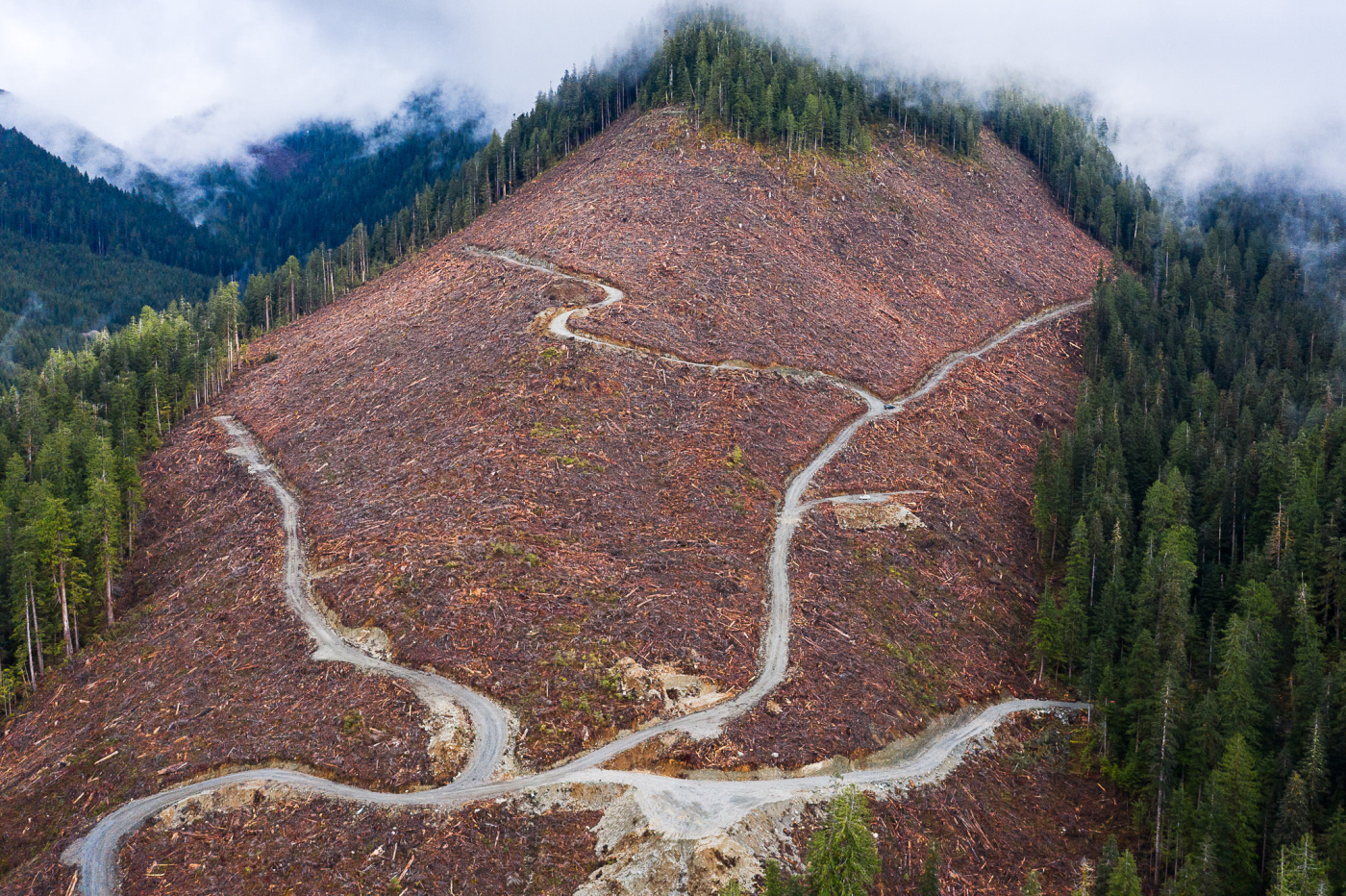
TJ Watt2026-10-26 15:06:162026-10-26 15:06:16Victoria Buzz: Environmental advocates concerned over results of BC election
Related Posts
https://ancientforestalliance.org/wp-content/uploads/2026/09/Old-Growth-Clearcut-Caycuse-Vancouver-Island.jpg
1364
2048
TJ Watt
https://ancientforestalliance.org/wp-content/uploads/2026/05/Ancient-Forest-Alliance-logo.svg
TJ Watt2026-10-26 15:06:162026-10-26 15:06:16Victoria Buzz: Environmental advocates concerned over results of BC election https://ancientforestalliance.org/wp-content/uploads/2026/10/Screenshot-2026-10-22-at-4.54.32-PM.png
952
1684
TJ Watt
https://ancientforestalliance.org/wp-content/uploads/2026/05/Ancient-Forest-Alliance-logo.svg
TJ Watt2026-10-22 16:54:062026-10-22 16:59:41NEW Video: BC Election 2026: Nature & Old-Growth Protection
 https://ancientforestalliance.org/wp-content/uploads/2026/10/Before-After-Caycuse-TJ-Watt-4-scaled.jpg
1915
2560
TJ Watt
https://ancientforestalliance.org/wp-content/uploads/2026/05/Ancient-Forest-Alliance-logo.svg
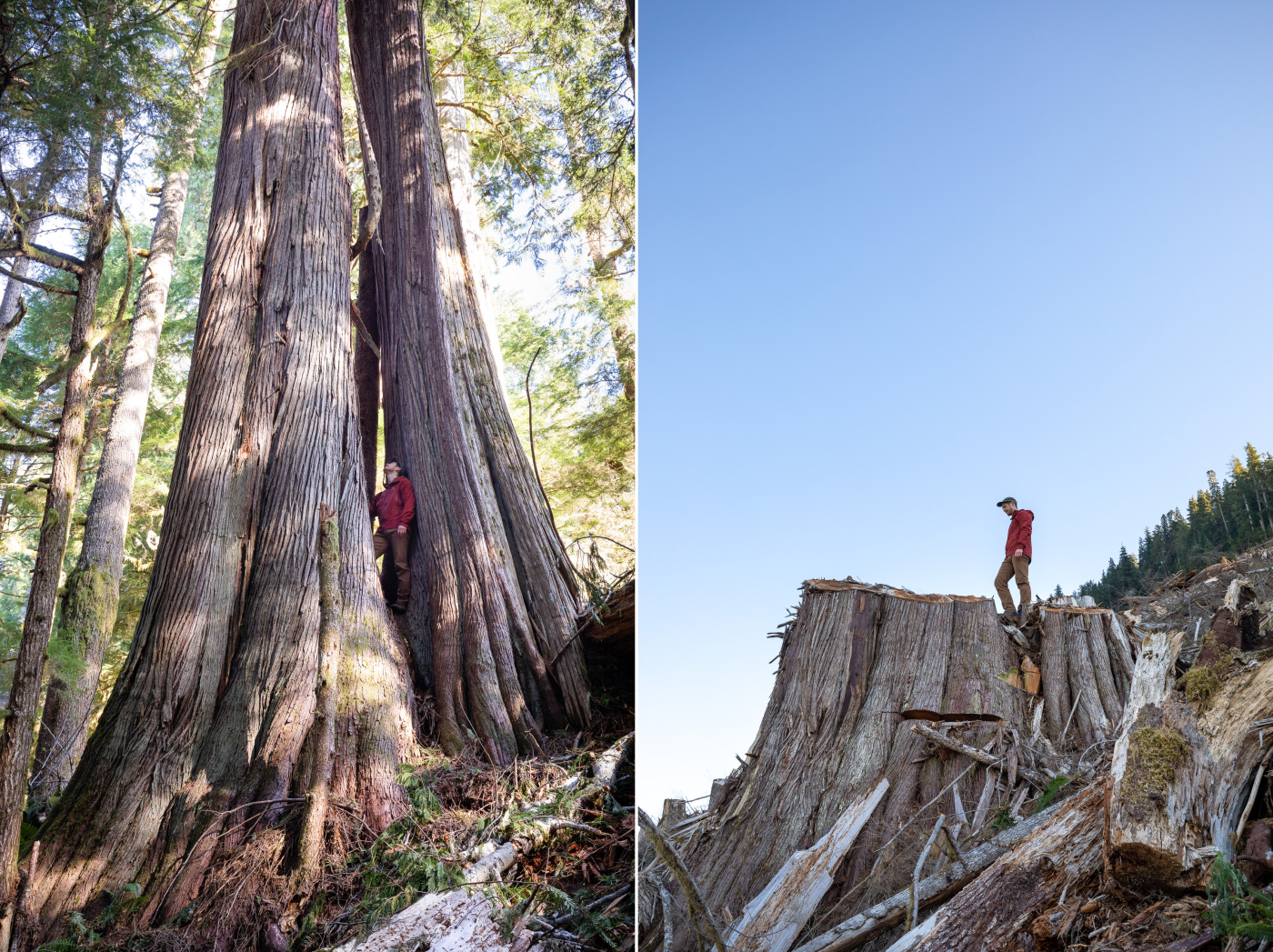
TJ Watt2026-10-16 17:36:002026-10-21 13:40:23BC Election 2026: Where do Parties Stand on Nature & Old-Growth?
 https://ancientforestalliance.org/wp-content/uploads/2026/10/BC-Election-2026-Banner-1-1-scaled.jpg
1439
2560
TJ Watt
https://ancientforestalliance.org/wp-content/uploads/2026/05/Ancient-Forest-Alliance-logo.svg
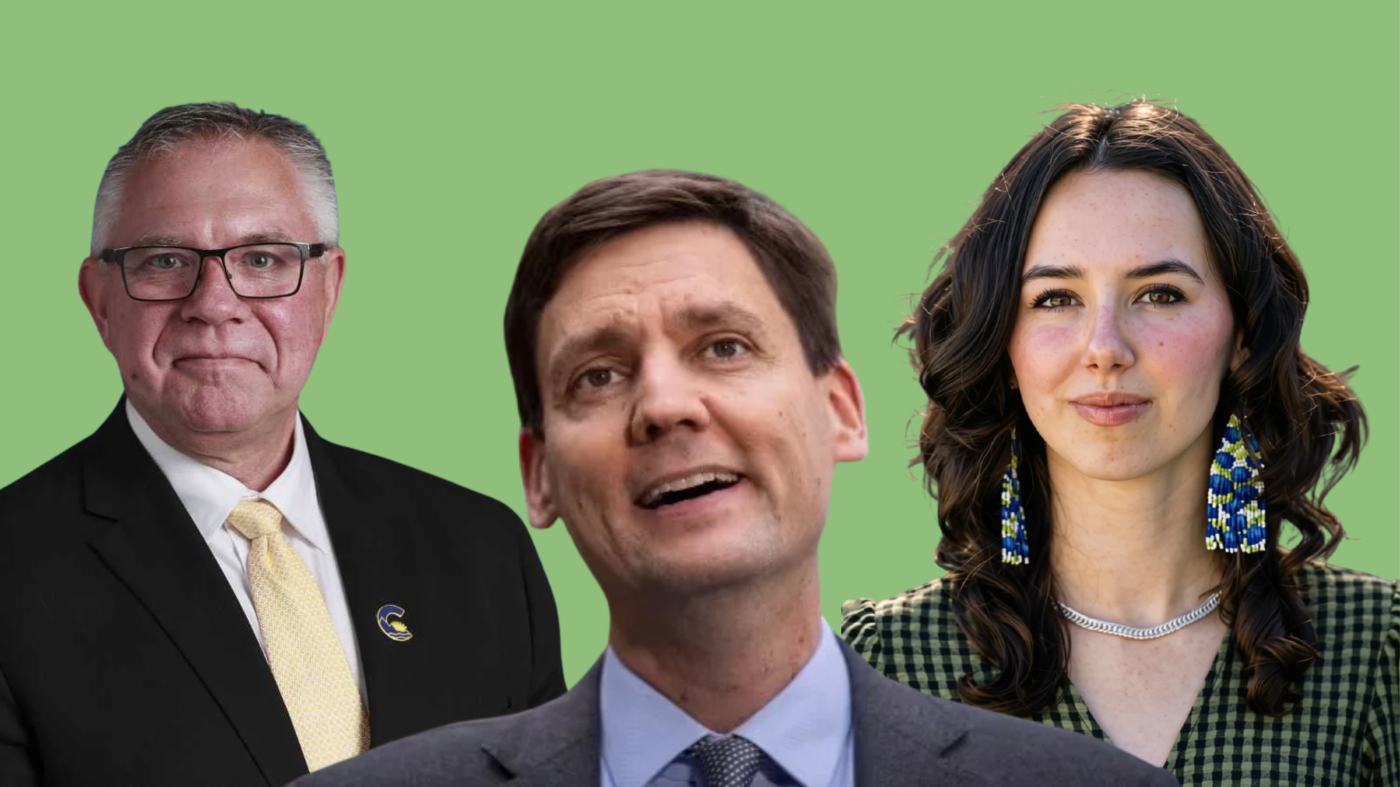
TJ Watt2026-10-09 18:16:372026-10-16 17:44:41Where do BC’s Major Political Parties Stand on Nature Protection?
Take Action
 Donate
Support the Ancient Forest Alliance with a one-time or monthly donation. Send a Message
Send an instant message to key provincial decision-makers.
Massive Cutting of Canada’s Grandest Old-Growth Forests Coordinated by BC Government’s Logging Agency – Near Record-Sized Douglas-firs Found in Nahmint Valley on Vancouver Island
/in Media ReleaseHundreds of hectares of the grandest old-growth forests in Canada are being logged at breakneck speeds right now in the Nahmint Valley near Port Alberni, including thousands of old-growth western redcedars – some 4.3 meters (14 feet) in diameter – and exceptionally large Douglas-firs. BC’s 5th and 9th widest Douglas-fir trees, according to the BC Big Tree Registry, were found on the expedition to the area.
Port Alberni – Conservationists with the Ancient Forest Alliance (AFA) were dismayed last week to discover that the BC government’s logging agency, BC Timber Sales (BCTS), has auctioned off at least 300 hectares of some of the world’s grandest old-growth forests in the Nahmint Valley for logging, with thousands of old-growth trees already having been cut down this spring. AFA campaigners TJ Watt and Andrea Inness, arborist-conservationist Matthew Beatty, and local Port Alberni conservationists Mike Stini and Ariane Telishewsky, came across the new clearcuts and road-building operations with enormous, 12-foot-wide, freshly cut logs of ancient cedars on May 6.
The campaigners also identified an enormous Douglas-fir tree, which they dubbed the “Alberni Giant”, that is wider than the fifth widest Douglas-fir tree listed in the BC Big Tree Registry at almost 11.5 metres (38 feet) in circumference or 3.7 metres (12 feet) in diameter. In addition, they found a Douglas-fir tree 3 metres (9.9 feet) in diameter, making it wider than even the widest Douglas-fir in Cathedral Grove, which is 2.8 metres (9.2 feet) in diameter, as well as a massive 4.3-metre or 14-foot-wide western redcedar.
The cutblocks targeting prime ancient forests were identified by the AFA and are on BCTS-controlled Crown lands and total over 300 hectares in the Nahmint Valley, with some cutlbocks being 30 hectares – or about 30 football fields – in size. The Nahmint Valley is in the territory of the Hupacasath and Tseshaht First Nations bands.
“The BC NDP government is fully in charge of BC Timber Sales’ mandate. For them to let their own logging agency auction off logging rights to some of the largest and oldest endangered trees on Earth is like enabling the slaughter of elephant herds or the harpooning of blue whales. It’s the very opposite of sustainable forest management. The new NDP government needs a serious wake-up call. They need to end the status quo of old-growth liquidation – for starters, BCTS must stop issuing old-growth cutblocks – and instead ensure a sustainable second-growth forest industry,” stated AFA forest campaigner Andrea Inness.
“It’s brutal, what’s happening out there. In advance of our trip I researched where the finest old-growth stands might be located based on Google Earth satellite maps and each one turned out to have a logging cutblock placed on it – cutblocks planned and issued by the BC government’s own logging agency. We visited many spectacular trees on the day we arrived – some trees bigger than even those found in Cathedral Grove – and, by the second day, many of them were already on the ground. It’s a full-on assault. All day long the sounds of chainsaws, drilling machines, and huge trees crashing down boomed throughout the valley,” stated TJ Watt.
The Nahmint Valley is considered a “hotspot” of high-conservation value old-growth forest by conservation groups and is home to Roosevelt elk, black-tailed deer, cougars, wolves, and black bears, as well as old-growth associated species like the marbled murrelet and northern goshawk. The area also supports significant salmon and steelhead spawning runs. The Nahmint is considered by many people to be one of the most scenic areas in BC, with its ancient forests, rugged peaks, gorgeous turquoise canyons and swimming holes, and large and small lakes, and is heavily used by hikers, campers, anglers, and hunters.
“Only about 1% of the original old-growth Douglas-fir stands still remain on BC’s coast, and just about the finest stands are here in the Nahmint Valley. The area is also prime wildlife habitat for so many species. Having explored the forests around Port Alberni for decades, I can say with confidence that the remaining old-growth forests in the Nahmint are a first-rate conservation priority,” said wildlife expert Mike Stini of the Port Alberni Watershed-Forest Alliance.
The NDP’s 2017 election platform states that “In partnership with First Nations and communities, we will modernize land-use planning to effectively and sustainably manage BC’s ecosystems, rivers, lakes, watersheds, forests and old growth, while accounting for cumulative effects. We will take an evidence-based scientific approach and use the ecosystem-based management of the Great Bear Rainforest as a model.” (see page 61 of their platform at: https://action.bcndp.ca/page/-/bcndp/docs/BC-NDP-Platform-2017.pdf). If taken literally and seriously, this would almost certainly result in the protection of the remaining endangered old-growth forest on BC’s southern coast and in the BC Interior, where old-growth forests are far scarcer and more endangered than in the Central and Northern Coast (Great Bear Rainforest) where 85% of the forests (including the vast majority of the old-growth) were set aside in protected areas and under the ecosystem-based management reserve networks.
Several environmental groups, including the Ancient Forest Alliance, Sierra Club BC, and Wilderness Committee, are calling on the BC government to implement a series of policy changes that can be rolled out over both short- and longer-term timelines. This includes a comprehensive, science-based law to protect old-growth forests and financial support for sustainable economic development and diversification of First Nations communities, known as “conservation financing,” while supporting First Nations land use plans. While these longer-term solutions are being developed, an interim halt to logging in old-growth “hotspots” – areas of high conservation value – must be implemented to ensure the largest and best stands of remaining old-growth forests are kept intact while a larger plan is developed.
There are also a number of policies that can be readily implemented more quickly. For example, the NDP government should direct BCTS to discontinue issuance of old-growth cut blocks and support the implementation of conservation solutions in such rare and endangered forests. In addition, there needs to be an effective big tree protection order with buffer zones and forest reserves such as many Old-Growth Management Areas that currently exist only on paper should be made legally binding and the system should be quickly expanded to protect additional endangered old-growth forests. Finally, annual funding needs to be directed to establish a park acquisition fund, which would allow the BC government to purchase and protect private lands of high conservation, cultural or recreational value.
“So far, the new NDP government has, disappointingly, supported the destructive status quo of high-grade old-growth forest liquidation, raw log exports, mill closures, and unsustainable forestry in general. They need to break away from the old unsustainable mindset that has driven the increasing collapse of both ecosystems and rural communities in this province. When it comes to forestry, the NDP have not distinguished themselves from the BC Liberals in terms of any new laws or regulations, and it’s very unwise for them to think they can take the environmental movement for granted and test its patience with excuses, heel-dragging, and PR spin while the destructive status quo rages on. Today there is a viable, potentially sustainable, second-growth forestry alternative that the government can foster, while protecting endangered old-growth forests and supporting the economic diversification of First Nations and rural communities,” stated Ancient Forest Alliance executive director Ken Wu.
More Background Info
Old-growth forests are vital to sustaining unique endangered species, climate stability, tourism, clean water, wild salmon, and the cultures of many First Nations. On BC’s southern coast, satellite photos show that at least 75% of the original, productive old-growth forests have been logged, including well over 90% of the valley bottoms where the largest trees grow. Only about 8% of Vancouver Island’s original, productive old-growth forests are protected in parks and Old-Growth Management Areas. Old-growth forests – with trees that can be 2000 years old – are a non-renewable resource under BC’s system of forestry, where second-growth forests are re-logged every 50 to 100 years, never to become old-growth again.
On BC’s southern coast (Vancouver Island and the southwest mainland), 75% of the original, productive old-growth forests have already been logged, including over 90% of the valley bottoms where the largest trees grow. 3.3 million hectares of productive old-growth forests once stood on the southern coast (with an additional 2.2 million hectares of bog, subalpine forests, and other low productivity old-growth forests of low to no commercial value with stunted trees), and today only 860,000 hectares remain, while only 260,000 hectares are protected in parks and Old-Growth Management Areas. Second-growth forests now dominate 75% of the southern coast’s productive forest lands, including 90% of southern Vancouver Island, and can be sustainably logged to support the forest industry. See “before and after” maps and stats of the southern coast’s old-growth forests at: www.ancientforestalliance.org/old-growth-maps.php
In order to placate public fears about the loss of BC’s endangered old-growth forests, the government’s PR-spin typically over-inflates the amount of remaining old-growth forests by including hundreds of thousands of hectares of marginal, low productivity forests growing in bogs and at high elevations with small, stunted trees, together with the productive old-growth forests where the large trees grow (and where most logging takes place). They also leave out vast areas of largely overcut private managed forest lands – previously managed as if they were Crown lands for decades and still managed by the province under weaker Private Managed Forest Lands regulations – in order to reduce the basal area for calculating how much old-growth forest remains, thereby increasing the fraction of remaining old-growth forests. See a rebuttal to some of the BC government’s PR-spin and stats about old-growth forests towards the BOTTOM of the webpage: https://ancientforestalliance.org/action-alert-speak-up-for-ancient-forests-to-the-union-of-bc-municipalities-ubcm/
In recent times in BC, the voices for old-growth protection have been quickly expanding, including numerous Chambers of Commerce, mayors and city councils, forestry unions, and conservation groups across BC who have been calling on the provincial government to expand protection for BC’s remaining old-growth forests.
BC’s premier business lobby, the BC Chamber of Commerce, representing 36,000 businesses, passed a resolution in May of 2016 calling on the province to expand protection for BC’s old-growth forests to support the economy, after a series of similar resolutions passed by the Port Renfrew, Sooke, and WestShore Chambers of Commerce. See: https://ancientforestalliance.org/media-release-historic-leap-for-old-growth-forests-bc-chamber-of-commerce-passes-resolution-for-expanded-protection/
Both the Union of BC Municipalities (UBCM), representing the mayors, city and town councils, and regional districts across BC, and Association of Vancouver Island and Coastal Communities (AVICC), representing Vancouver Island local governments, passed a resolution in 2016 calling on the province to protect the Vancouver Island’s remaining old-growth forests by amending the 1994 land use plan. See: https://ancientforestalliance.org/media-release-ubcm-passes-old-growth-protection-resolution/
The Public and Private Workers of Canada (PPWC), formerly the Pulp, Paper, and Woodworkers of Canada, representing thousands of sawmill and pulp mill workers across BC, passed a resolution in 2017 calling for an end to old-growth logging on Vancouver Island. See: https://ancientforestalliance.org/conservationists-applaud-old-growth-protection-resolution-by-major-bc-forestry-union/
Each year, a significant portion of the provincial timber harvest is carried out on BC Timber Sales (BCTS) controlled land through its timber sales program. BCTS, a division of the Ministry of Forests, Lands, Natural Resource Operations and Rural Development (FLNRO), is the BC government’s logging agency that plans and directly issues logging permits for about 20 percent of the province’s merchantable timber on Crown lands, which fall outside of forestry tenures. Under this system, logging rights are granted through competitive auction to the highest bidding company for each timber sale, which provides benchmark costs and prices from the harvest of Crown timber in BC in order to set stumpage rates for tenure holders. The remaining 80 per cent of the province’s annual timber harvest occurs under the timber tenure system through tree farm or forest licences within Timber Supply Areas, woodlot licences, First Nations woodland licences, community forest agreements, or other tenures.
As the BC government retains full control over which cut blocks are auctioned each year through BCTS, the new government should use this control to quickly phase out issuing timber sales in old-growth forests and support implementation of conservation steps. The government should also review alternative ways to set benchmarks, considering broader socio-economic and ecological criteria, and consider how BC Timber Sales can be used to enable solutions for conservation and forestry that support communities.
New Zealand Shows the Way for BC to End Old-Growth Logging
/in Media ReleaseNew Zealand Shows the Way for BC to End Old-Growth Logging
The co-leader of the Green Party of Aotearoa New Zealand (1995 to 2009), Jeanette Fitzsimons, who successfully worked for an old-growth logging ban in that country by 2001, says the same can and should be done in British Columbia.
“After decades of protests, arrests, meetings, negotiations, and public mobilizations, New Zealanders by 1999 were sufficiently fed up with the logging of our old-growth forests. This made it possible that, once a new Labour government came to power tied to a governing agreement with the Green Party, we were finally able to implement a legislated ban on logging of our native forests on Crown lands, while directing the vast majority of the logging industry to focus on the tree plantations instead,” said Fitzsimons.
“I would encourage the new BC NDP government and the BC Green Party to put this issue front and centre, and work to swiftly bring an end to the logging of old-growth forests on Vancouver Island and in regions of your province where old-growth forests are endangered,” continued Fitzsimons.
Fitzsimons’ comments come after a recent trip to New Zealand by the Ancient Forest Alliance’s executive director, Ken Wu, who returned to Canada in April after speaking at a series of forestry and green building conferences about the importance of protecting BC's old-growth forests and halting the importation of endangered old-growth wood from BC into New Zealand. While in New Zealand, Wu chatted with Fitzsimons to learn how the New Zealanders’ experience could apply in BC.
“On my trip, I saw that New Zealanders overwhelmingly ‘get it’, that to log their last old-growth forests would be akin to shooting the last herds of elephants for ivory or harpooning the last blue whales. It makes no ethical or economic sense when there is an alternative, namely logging their extensive plantation forests. The alternative here in British Columbia is the fact that second-growth stands constitute most of our productive forests lands, and can be sustainably logged. If protecting ancient forests can be done in New Zealand, it can and should be done in British Columbia,” stated Ken Wu, Ancient Forest Alliance executive director.
Fitzsimons contributed to the development of legislation that finally ended old-growth logging on public (Crown) lands in 2001 and additional restrictions on logging native forests on private lands as co-leader of the New Zealand Green Party, which had a Confidence and Supply Agreement with the New Zealand Labour government between 1999 and 2002.
Similar to New Zealand, there is now a Confidence and Supply Agreement between the Greens and the labour-orientated New Democratic Party (NDP) government. The Ancient Forest Alliance believes the current situation presents the best opportunity in BC’s history to protect its endangered old-growth forests.
The BC Greens promised in their 2017 election platform and still today support an end to the logging of endangered old-growth in BC. The NDP promised in their 2017 platform to manage BC's old-growth based on ecosystem-based management approach of Great Bear Rainforest (BC's north and central coast where 85% of forests were protected based on science), but since then has not acted on this promise and has continued with the status quo of old-growth forest liquidation, as well as mass raw log exports to foreign mills. The Ancient Forest Alliance and other conservation groups are mobilizing the public to put pressure on the NDP government to implement legislative and policy changes to protect endangered old-growth forests while ensuring a sustainable, value-added, second-growth forest industry.
The Ancient Forest Alliance is calling for a science-based Old-Growth Protection Act, financing for First Nations’ sustainable economic development and diversification in lieu of old-growth logging, and incentives and regulations to develop a sustainable, second-growth forest industry. By logging second-growth forests that now dominate most of BC's productive forest lands and increasing the number of jobs within the province to manufacture the wood into value-added products, BC will be able to sustain and even enhance forestry employment levels while protecting its remaining endangered old-growth forests. See the 10-point recommendations for forest policies the AFA has sent to the BC government: https://ancientforestalliance.org/news-item.php?ID=1183
“A full transition into an exclusively second-growth forest industry is inevitable in BC when the last of the unprotected old-growth forests groves are all logged,” said Wu. “What we're saying is let’s make that full transition sooner – much sooner, given the late hour for our ancient forests, before the logging industry has finished them off.”
On Vancouver Island and on BC's southern coast, about 25% of the region’s original, productive old-growth forests currently remain, with the other 75% now being second-growth forests. In terms of low-elevation, valley bottom old-growth forests where the biggest trees grow, well over 90% has been logged. Only 8% is protected in parks and Old-Growth Management Areas. See maps and stats from 2012 at: https://ancientforestalliance.org/ancient-forests/before-after-old-growth-maps/
BC’s old-growth forests are vital to sustain unique endangered species, climate stability, tourism, clean water, wild salmon, and the cultures of many First Nations.
BACKGROUND INFORMATION
From the 1970’s through the 1990's, New Zealanders rallied, petitioned, wrote letters, climbed and sat in trees, negotiated with logging companies, and mobilized thousands of citizens to get their endangered old-growth beech, rimu, tötara and kauri forests protected. Most logging of publicly owned native forest was halted in the late 1980’s; however some logging of old-growth temperate rainforests continued on the South Island’s West Coast. By the late 1990's a major campaign spearheaded by the environmental group, the Native Forest Action Council, resulted in widespread public awareness and sympathy to end old-growth logging, while enclaves of opposition remained among some logging companies and their workers. The election of a Labour government in 1999, supported by the Greens in a Confidence and Supply Agreement, created the opportunity to get a legislated ban on old-growth logging.
By 2001, when the legislation took effect, some 6 million hectares of primary or old-growth forests remained in New Zealand, just over 40% of 14.2 million hectares of primary forests that covered the islands at the time of European colonization.
Today the New Zealand economy logs over 30 million cubic metres of wood each year (about 40% of BC's annual cut of 75 million cubic metres), almost exclusively from plantations established largely on agricultural and pasture lands, including Douglas-fir (a dominant species for BC's coastal logging industry), radiata pine (from California), and eucalyptus trees, largely non-native species. British Columbia’s second-growth forest industry could be substantially more environmentally-friendly than that of New Zealand’s if properly regulated with a sustainable rate of cut and higher forest practices standards, as our second-growth forests are comprised of native species (and should remain that way).
The ancient forest protection movement has also been around in BC since the 1970’s and hundreds of thousands of British Columbians have protested, written letters, been arrested and jailed, and put their time, energy, money, and freedom on the line to get these forests protected.
In recent times in BC, the voices for old-growth protection have been quickly expanding, including numerous Chambers of Commerce, mayors and city councils, forestry unions, and conservation groups across BC who have been calling on the provincial government to expand protection for BC’s remaining old-growth forests.
BC’s premier business lobby, the BC Chamber of Commerce, representing 36,000 businesses, passed a resolution in May of 2016 calling on the province to expand protection for BC’s old-growth forests to support the economy, after a series of similar resolutions passed by the Port Renfrew, Sooke, and WestShore Chambers of Commerce. See: https://ancientforestalliance.org/media-release-historic-leap-for-old-growth-forests-bc-chamber-of-commerce-passes-resolution-for-expanded-protection/
Both the Union of BC Municipalities (UBCM), representing the mayors, city and town councils, and regional districts across BC, and Association of Vancouver Island and Coastal Communities (AVICC), representing Vancouver Island local governments, passed a resolution in 2016 calling on the province to protect the Vancouver Island’s remaining old-growth forests by amending the 1994 land use plan. See: https://ancientforestalliance.org/media-release-ubcm-passes-old-growth-protection-resolution/
The Public and Private Workers of Canada (PPWC), formerly the Pulp, Paper, and Woodworkers of Canada, representing thousands of sawmill and pulp mill workers across BC, passed a resolution in 2017 calling for an end to old-growth logging on Vancouver Island. See: https://ancientforestalliance.org/conservationists-applaud-old-growth-protection-resolution-by-major-bc-forestry-union/
In order to placate public fears about the loss of BC’s endangered old-growth forests, the government’s PR-spin typically over-inflates the amount of remaining old-growth forests by including hundreds of thousands of hectares of marginal, low productivity forests growing in bogs and at high elevations with small, stunted trees, together with the productive old-growth forests where the large trees grow (and where most logging takes place). They also leave out vast areas of largely overcut private managed forest lands – previously managed as if they were Crown lands for decades and still managed by the province under weaker Private Managed Forest Lands regulations – in order to reduce the basal area for calculating how much old-growth forest remains, thereby increasing the fraction of remaining old-growth forests. See a rebuttal to some of the BC government’s PR-spin and stats about old-growth forests towards the BOTTOM of the webpage: https://ancientforestalliance.org/action-alert-speak-up-for-ancient-forests-to-the-union-of-bc-municipalities-ubcm/
Old-growth groves, such as at Cathedral Grove by Port Alberni, Meares Island and the Rainforest Trails in Clayoquot Sound by Tofino, Avatar Grove and the Walbran Valley by Port Renfrew, Prince George’s Ancient Forest Trail, Victoria’s Goldstream Provincial Park, and Vancouver’s Stanley Park, attract millions of tourists from around the world who come to marvel at the giants, which bolsters regional eco-tourism industries in BC. In fact, Port Renfrew, historically a logging town that now promotes eco-tourism, has been rebranded as the “Tall Trees Capital of Canada” in recent years due to its proximity to the Avatar Grove, Central Walbran Valley, Big Lonely Doug (Canada’s 2nd largest Douglas-fir), Eden Grove, Red Creek Fir (the world’s largest Douglas-fir), Harris Creek Spruce (an enormous Sitka spruce), and San Juan Spruce (previously Canada’s largest spruce until the top broke off last year).
Conservationists Disappointed the BC NDP’s Budget Fails to Allocate Land Acquisition Funding for Endangered Ecosystems and Old-Growth Forests
/in Media ReleaseFor immediate release
February 20, 2018
Victoria, BC – The Ancient Forest Alliance is disappointed the NDP government’s provincial budget, released today, fails to include even modest funding for a provincial land acquisition fund vital for protecting endangered old-growth forests and ecosystems on private lands, despite repeated requests from conservation groups and thousands of concerned citizens. A land acquisition fund could be used to protect the endangered old-growth forests on Mount Horne above the world-famous Cathedral Grove, for example, and hundreds of other forests, grasslands, and wetlands across the province in danger of development.
Such a fund currently exists among various regional districts, including a $3.7 million/year annual fund at the Capital Regional District of Greater Victoria, and previously existed under the NDP government of the 1990s and on a diminished scale under the BC Liberal government until 2008, when the province cancelled dedicated, annual provincial funding for the initiative.
Since July of last year, the Ancient Forest Alliance has repeatedly sent briefing documents to Environment Minister George Heyman and Forest Minister Doug Donaldson, outlining the urgent need for a dedicated provincial fund to purchase private lands of high conservation and recreational value to add them to the province’s protected area system. Reports by the University of Victoria Environmental Law Centre and by environmental lawyer, Erin Grey, were also sent, detailing various funding mechanisms readily available to the province for a land acquisition fund.
As a start, the group asked the BC government to commit even modest funds in the February 2018 budget for a land acquisition fund for new protected areas and to begin exploring dedicated funding mechanisms that can be implemented during a subsequent legislative session, such as redirecting the province's unredeemed bottle deposit funds (worth an estimated $5 to $15 million/year) toward private land acquisition.
After repeated requests to meet with Environment Minister George Heyman and Ministry of Environment staff since August, the Ancient Forest Alliance received only one reply in October, saying the Minister would be open to meeting requests after the New Year. Two more meeting requests have since been made and subsequently ignored by the Minister’s office. The groups did secure a meeting with Forest Minister Doug Donaldson last October to discuss Crown lands; however, the land acquisition fund for private lands is primarily within the mandate of Environment Minister Heyman. Green Party MLAs also met with the Ancient Forest Alliance last summer, shortly after the provincial election, and expressed support for the organization’s various proposals.
“The NDP’s failure thus far to commit even a few dollars in their $55 billion budget to a provincial land acquisition fund and the silence we’re being met with by the Environment Minister are not good signs,” said Ken Wu, Ancient Forest Alliance executive director. “Let’s hope this government doesn’t think they can take the conservation movement for granted and can ignore our calls for long overdue, major policy changes to protect old-growth forests and threatened ecosystems.”
“It’s increasingly clear we now need to significantly mobilize public opinion – even under an NDP government. Otherwise, they may attempt to keep us in the margins,” said Andrea Inness, Ancient Forest Alliance campaigner. “Over 3,000 messages have already been sent to the BC government from our supporters, asking them to create a provincial land acquisition fund, enact policies to protect old-growth forests on Crown land, and ensure a sustainable, second-growth forest industry…yet the NDP government seems unmoved at this point. We need to redouble our efforts, meaning more British Columbians will be speaking up for a land acquisition fund and old-growth forest protection by emailing, phoning, and meeting with their MLA and demanding this issue be made a priority.”
As part of their proposal for forestry reforms, the Ancient Forest Alliance and several other major conservation groups are requesting the BC government implement a series of policy and legislative changes to protect endangered old-growth forests and forestry jobs. Besides a land acquisition fund for private lands, these policies also include a science-based plan to protect old-growth forests on Crown lands, financial support for First Nation sustainable economic development and diversification in lieu of old-growth logging, and incentives and regulations to ensure a value-added, sustainable, second-growth forest industry. While these long-term solutions are developed, more immediate steps can be taken, including converting “non-legal” Old-Growth Management Areas – those that exist only on paper – into legally-binding protections, implementing the Big Tree Legal Order currently under development by Ministry of Forests staff for the past six years to potentially protect the biggest trees on the coast with buffer zones, and discontinuing issuance of old-growth cut-blocks by BC Timber Sales, the province’s logging agency.
Background Information
The Ancient Forest Alliance is calling on the BC government to establish an annual $40 million provincial land acquisition fund to purchase and protect private lands in BC. The proposed fund would rise to an annual $100 million by 2024 through $10 million increases each year and would enable the timely purchase of significant tracts of endangered private lands of high conservation, scenic, and recreation value to add to BC’s parks and protected areas system.
Such lands could include contentious old-growth forests located on Cortes Island, Horne Mt near the iconic Cathedral Grove, Cameron Valley Firebreak and McLaughlin Ridge near Port Alberni, and eastern Vancouver Island, as well as endangered grasslands, wetlands, and ecosystems throughout BC on private lands.
Many regional districts in BC have land or “park” acquisition funds, including the Capital Regional District of Greater Victoria (CRD). The CRD’s fund generates about $3.7 million each year and, with its partners, has spent over $35 million to purchase over 4,500 hectares of land since its establishment in the year 2000, ensuring the protection of such iconic natural areas as the Sooke Hills and Potholes, Jordan River surf lands, Mount Maxwell on Saltspring Island, and lands between Thetis Lake and Mount Work. Like the CRD’s land acquisition fund, the proposed $40 million provincial fund could be used as leverage to raise additional funds from private land trusts, environmental groups and private donors.
In 2015, the Ancient Forest Alliance commissioned a report by the University of Victoria’s Environmental Law Centre, entitled Finding the Money to Buy and Protect Natural Lands, which detailed over a dozen mechanisms used in jurisdictions across North America to raise funds for protecting land (found online here).
Of these potential revenue streams, the Pop for Parks program is the most readily available funding source in BC. Under this program, the annual $5 to $15 million in unredeemed container deposits that currently go to beverage companies in BC could be readily redirected to protect green spaces for British Columbians to enjoy. According to a report released last year by environmental lawyer Erin Grey, supported by West Coast Environmental Law's Environmental Dispute Resolution Fund, Pop for Parks: How to Fund B.C.’s Urgent Need for Land Conservation and Encourage the Beverage Industry to Improve its Recycling Rates, there are no legal or financial barriers to implementing the Pop for Parks program in BC – only a lack of political will. (See the report online here).
So far, the Association of Vancouver Island and Coastal Communities (AVICC), numerous municipal councils and the Islands Trust, and 19 environmental and recreation organizations, including the Ancient Forest Alliance, Sierra Club of BC, Wilderness Committee, BC Spaces for Nature, CPAWS BC, and BC Federation of Mountain Clubs, have pledged their support for a provincial land acquisition fund to be funded by the Pop for Parks mechanism.