 https://ancientforestalliance.org/wp-content/uploads/2026/09/NorthernSpottedOwls.jpg
900
1200
TJ Watt
https://ancientforestalliance.org/wp-content/uploads/2026/05/Ancient-Forest-Alliance-logo.svg
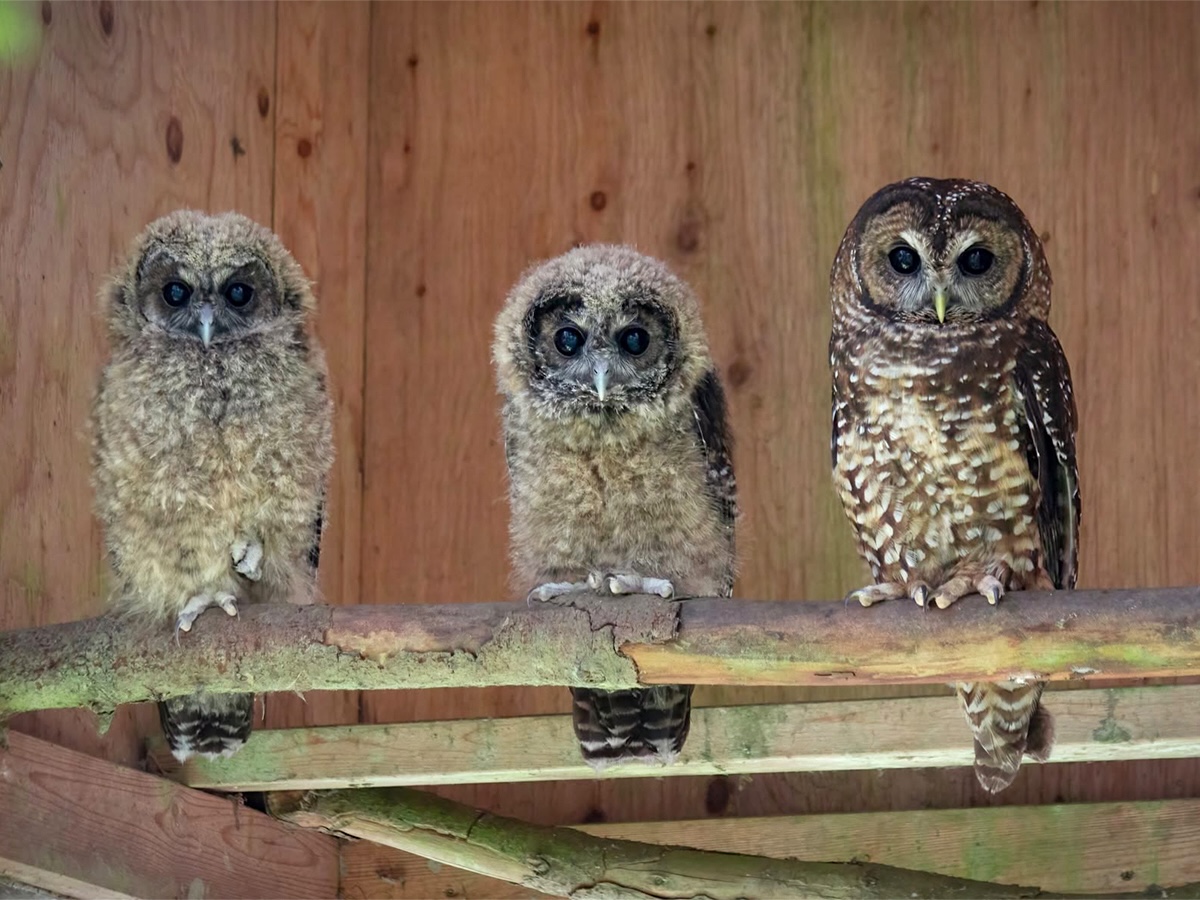
TJ Watt2026-09-03 09:47:312026-09-03 09:47:31BC Has an Extinction Problem. Scientists Say There’s a Fix
https://ancientforestalliance.org/wp-content/uploads/2026/09/NorthernSpottedOwls.jpg
900
1200
TJ Watt
https://ancientforestalliance.org/wp-content/uploads/2026/05/Ancient-Forest-Alliance-logo.svg
TJ Watt2026-09-03 09:47:312026-09-03 09:47:31BC Has an Extinction Problem. Scientists Say There’s a FixRelated Posts
https://ancientforestalliance.org/wp-content/uploads/2026/09/NorthernSpottedOwls.jpg
900
1200
TJ Watt
https://ancientforestalliance.org/wp-content/uploads/2026/05/Ancient-Forest-Alliance-logo.svg
TJ Watt2026-09-03 09:47:312026-09-03 09:47:31BC Has an Extinction Problem. Scientists Say There’s a Fix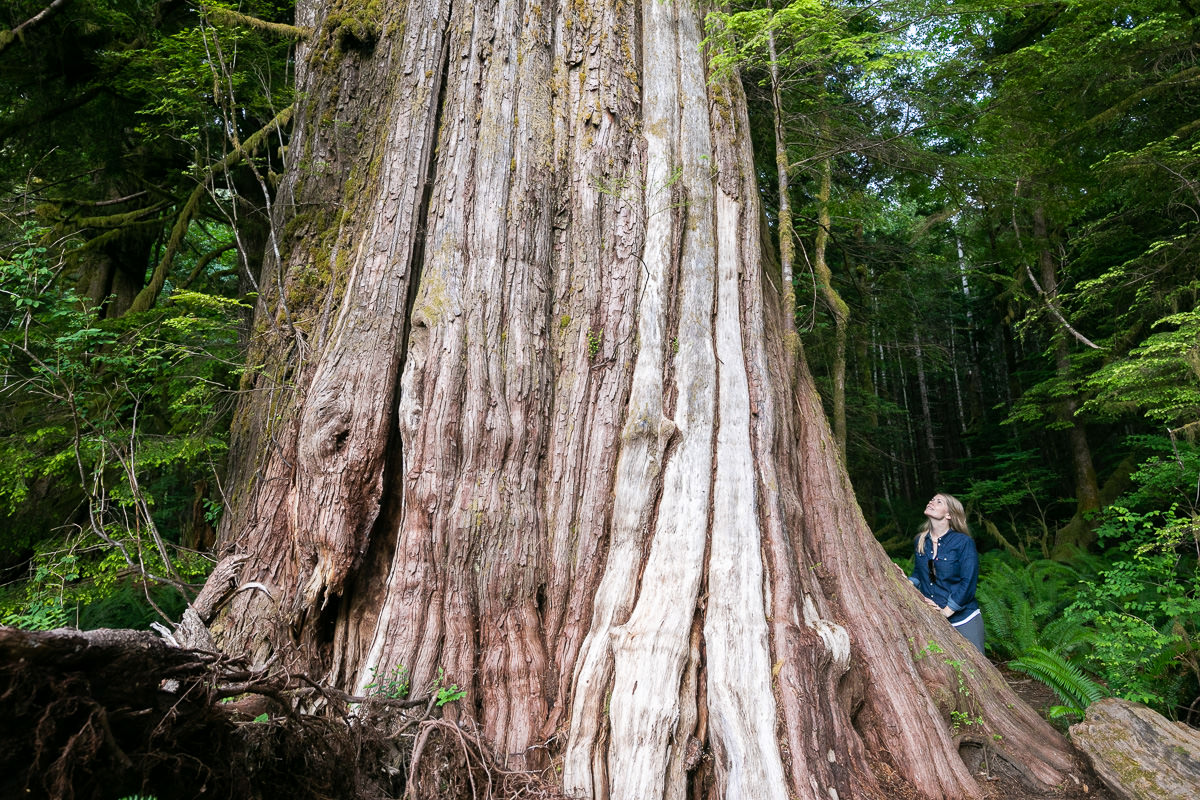 https://ancientforestalliance.org/wp-content/uploads/2026/08/Canoe-Creek-Cedar-Tree-262.jpg
800
1200
TJ Watt
https://ancientforestalliance.org/wp-content/uploads/2026/05/Ancient-Forest-Alliance-logo.svg
TJ Watt2026-08-04 17:15:512026-08-04 17:15:51Thank you to our monthly business donors!
https://ancientforestalliance.org/wp-content/uploads/2026/08/Canoe-Creek-Cedar-Tree-262.jpg
800
1200
TJ Watt
https://ancientforestalliance.org/wp-content/uploads/2026/05/Ancient-Forest-Alliance-logo.svg
TJ Watt2026-08-04 17:15:512026-08-04 17:15:51Thank you to our monthly business donors!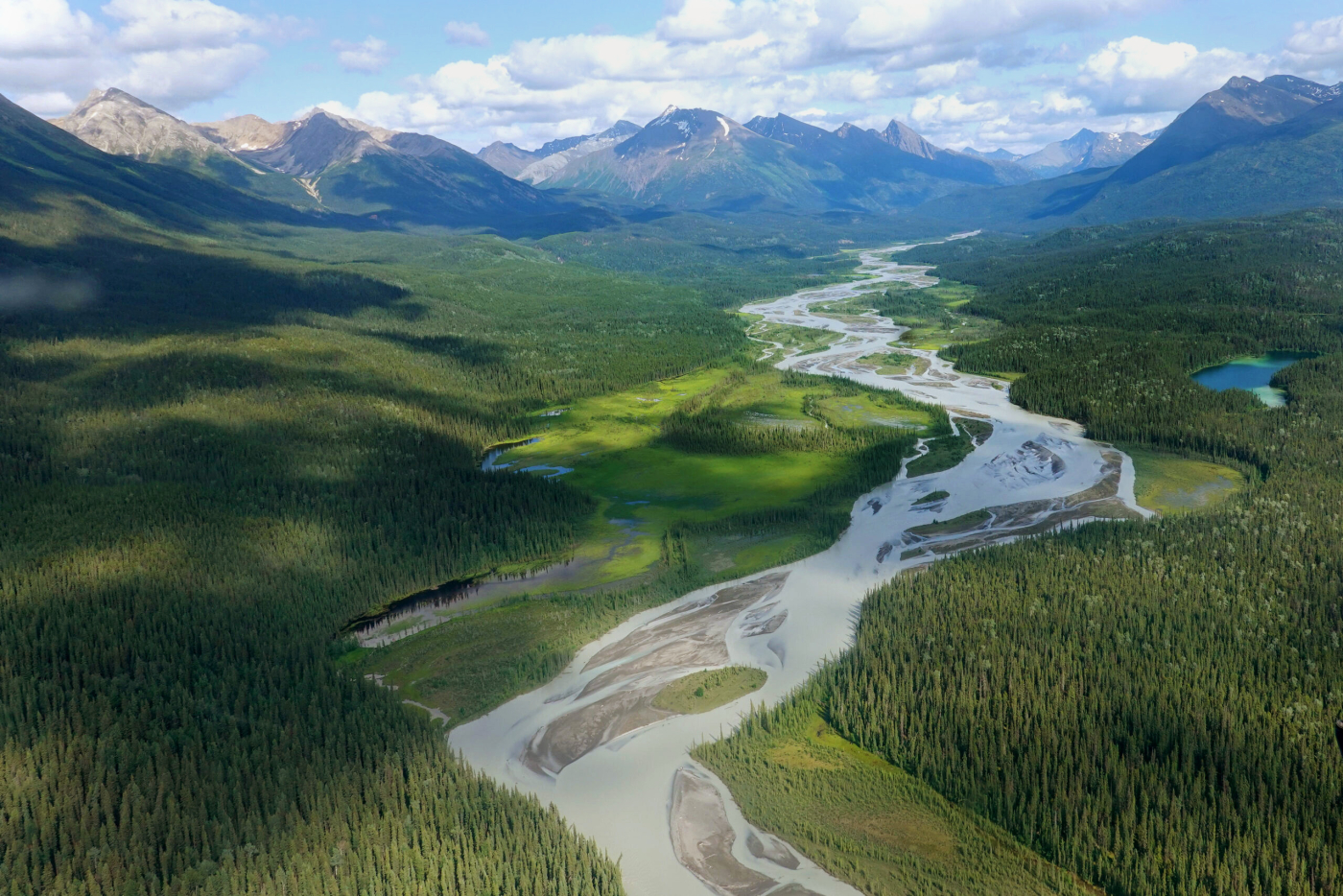 https://ancientforestalliance.org/wp-content/uploads/2026/07/Kaska-Territory.-Credit-Johnny-Mikes-CPAWS-BC-scaled-1.jpg
1707
2560
TJ Watt
https://ancientforestalliance.org/wp-content/uploads/2026/05/Ancient-Forest-Alliance-logo.svg
TJ Watt2026-07-24 15:34:372026-07-28 11:05:22Speak up for Three Major New Protected Areas in Northern BC
https://ancientforestalliance.org/wp-content/uploads/2026/07/Kaska-Territory.-Credit-Johnny-Mikes-CPAWS-BC-scaled-1.jpg
1707
2560
TJ Watt
https://ancientforestalliance.org/wp-content/uploads/2026/05/Ancient-Forest-Alliance-logo.svg
TJ Watt2026-07-24 15:34:372026-07-28 11:05:22Speak up for Three Major New Protected Areas in Northern BC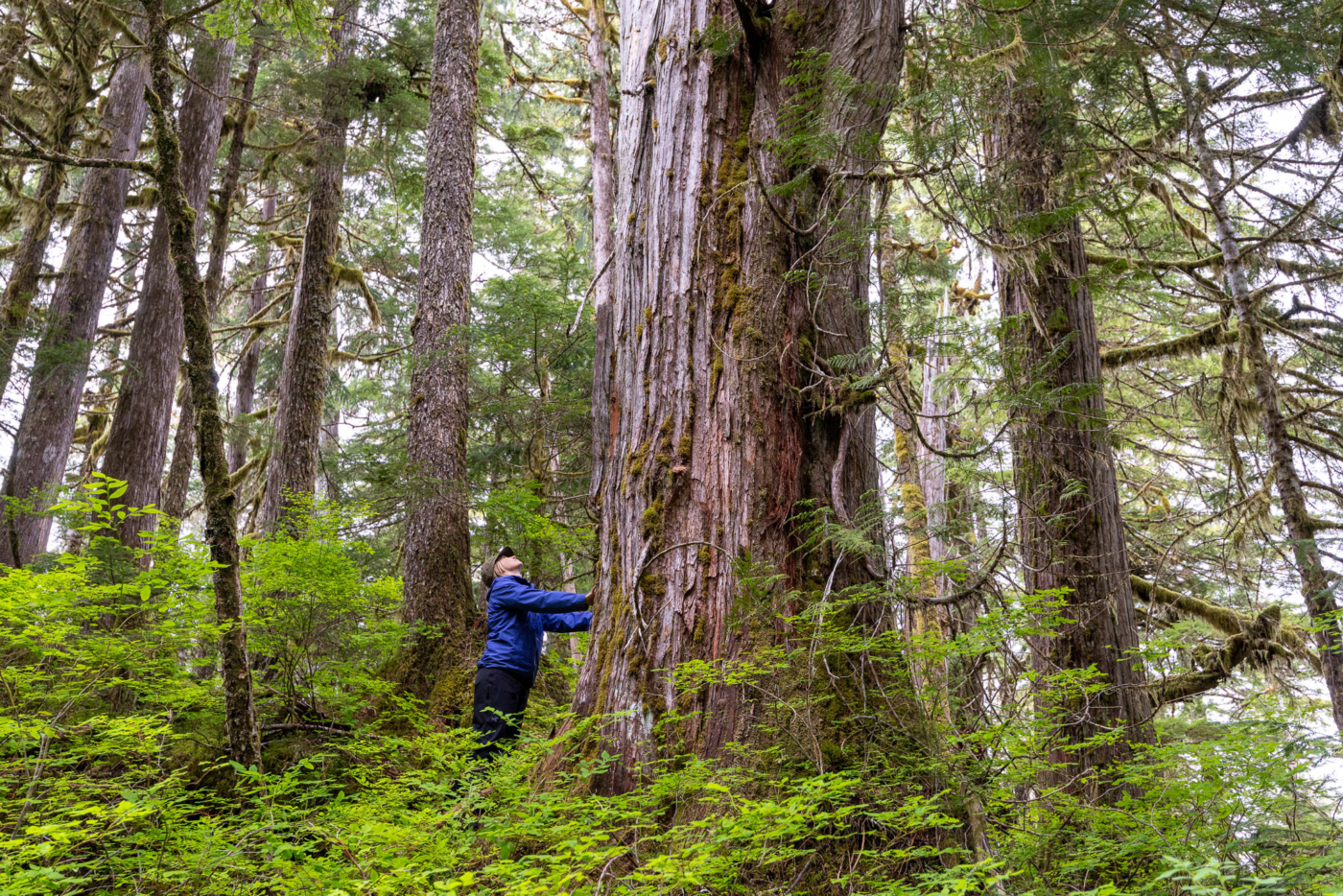 https://ancientforestalliance.org/wp-content/uploads/2026/06/tahsish-river-old-growth-karst-forest-285-1.jpg
1366
2048
TJ Watt
https://ancientforestalliance.org/wp-content/uploads/2026/05/Ancient-Forest-Alliance-logo.svg
TJ Watt2026-07-20 10:46:412026-07-20 12:16:45Victoria Buzz: Old growth advocates call for protection of at-risk Vancouver Island forest
https://ancientforestalliance.org/wp-content/uploads/2026/06/tahsish-river-old-growth-karst-forest-285-1.jpg
1366
2048
TJ Watt
https://ancientforestalliance.org/wp-content/uploads/2026/05/Ancient-Forest-Alliance-logo.svg
TJ Watt2026-07-20 10:46:412026-07-20 12:16:45Victoria Buzz: Old growth advocates call for protection of at-risk Vancouver Island forestTake Action
 Donate
Support the Ancient Forest Alliance with a one-time or monthly donation. Send a Message
Send an instant message to key provincial decision-makers.
Fawn Lily
/in EducationalA graceful straight stem, curving elegantly at the top like a tiny streetlamp with beams of golden light spilling down — the fawn lily is such a picturesque beauty, that once seen, it will never be forgotten. On the BC coast, there are actually two species of fawn lily that match each other in elegance.
The pink fawn lily is a lover of damp forests, especially the rich soils of river floodplains — flourishing in the coastal rainforests of the west coast. First Nations people have traditionally enjoyed eating the bulbs of the pink fawn lily, digging them as the leaves first open in the spring (followed by water to prevent an upset stomach).
By contrast, the white fawn lily is found in drier, well-drained spots on the east side of Vancouver Island, brightening the Garry oak meadows and sunny glades in forests of Douglas-fir.
Fawn lilies are named for their dappled leaves, reminiscent of the spots on a baby deer (the stiff leaves themselves have been likened to the pricked ears of a listening fawn). It is appropriate that two of the most beautiful flowers on the coast are emblematic of two of the most magnificent and endangered ecosystems, the Garry oak meadows and the valley-bottom rainforest floodplains.
Be sure to try and catch a glimpse of their fleeting beauty in early spring. A great place to see white fawn lilies is the St. Mary’s Church & Cemetery in Metchosin, where thousands of these flowers blanket the ground in early April. Pink fawn lilies are commonly seen around the San Juan Spruce near Port Renfrew, among other spruce floodplain zones on the west coast.
Thank you to our incredible business supporters!
/in Thank YouWe’d like to take the opportunity to extend a massive thank you to the following businesses for recently supporting the old-growth campaign.
Thank you to:
Living Forest Campground, who have been long-time supporters of AFA.
Emergent Tree Works and the Foundation of Mactaggart Third Fund for their generous gifts to the old-growth campaign.
Artist Nathan Hutchinson, who is donating 95% of sales from his art book, Evergreen, to support old-growth protection.
And local author Cathy Hussey for including AFA as a supporting resource in her new children’s book Doug, the Story of a Tree.
Your continued support makes our important work possible and we’re extremely grateful!
International Day of Forests: Conservation groups alarmed that BC is backsliding on Old-Growth Forest Policy Progress
/in Media ReleaseIn light of International Day of Forests on March 21, the Ancient Forest Alliance (AFA) and Endangered Ecosystems Alliance (EEA) are expressing serious concerns that the British Columbian government is backsliding on its previous policy progress to ensure an ecological paradigm shift regarding its management of old-growth forests across BC.
“Despite significant conservation policy progress over the past year since Premier Eby came in, including his commitment to essentially double the protected areas system by 2030 and his allocation of major funding to enable this to happen, we’re concerned by what appears to be recent backsliding by the BC government on old-growth conservation,” stated Ken Wu, Endangered Ecosystems Alliance executive director.
“This includes all manner of sophistry by the Ministry of Forests to sustain the destructive status quo of old-growth liquidation, including having ‘deliberate bad aim’ to miss critical protection targets — that is, having an emphasis on saving smaller trees while the big trees continue to get logged; returning to the old dishonest ways of statistical PR-spin to mask their failures; promoting weak protection standards full of logging loopholes; facilitating the increased economic dependency of First Nations communities on old-growth logging; and doing a ‘slow walk’ in working with First Nations to implement old-growth logging deferrals in order to see the status quo further entrenched before any potential paradigm shift can occur.
“The forces of the old guard within government are working strategically to contain change and limit any paradigm shift to minimize the impacts of new conservation policies on the available timber supply — that is, enabling industry to ‘log until extinction.’ Eby is in charge, and he needs to do a selective harvest or controlled burn to cleanse the politics, policies and bureaucracy in BC of these old, unsustainable logging mindsets ASAP. I know he has the backbone for this, should he choose to do so. And we expect this now.”
Old-growth logging in Quatsino territory on northern Vancouver Island.
AFA and EEA acknowledge the genuine historic progress for old-growth protection that has been implemented under this BC government in recent times and are thankful for several significant leaps forward in conservation policy that Premier David Eby and Minister Nathan Cullen have implemented.
Positive steps toward increased old-growth protection:
However, key issues threaten this progress, including:
Other major problems with BC’s old-growth policies thus far include a lack of ecosystem-based protection targets to guide the protected areas expansion (which may yet come via the Biodiversity and Ecosystem Health Framework) as well as the weak protection standards of conservation reserves such as Old-Growth Management Areas, which has boundaries that can be moved around due to the influence of the timber industry lobby, and Wildlife Habitat Areas, which can be logged.
Additional issues include the province facilitating an increase in the economic dependency in many First Nations communities on old-growth logging, a lack of proactive advocacy by the province to foster new protected areas at planning tables and in general (rather, new protected areas are solely based on the will of First Nations, with the province doing nothing to actively identify and champion additional potential protected areas based on their high conservation values, subject to First Nations consent) and a lack of sufficient scale economic transition policies to move the timber industry away from old-growth toward second-growth stands.
“We’re in a global biodiversity and climate crisis, with the planet just experiencing its hottest year on record,” said TJ Watt, Ancient Forest Alliance campaigner and photographer. “Endangered old-growth forests in British Columbia, which store vast amounts of carbon and are havens for diverse species, are the antidote for what ails our world. On International Day of Forests, Premier David Eby and the BC government must renew their commitment to ensuring the old-growth forests identified as most at-risk are protected. At least $100 million in ‘solutions space’ funding that helps offset lost logging revenues for First Nations who are being asked to defer the most valuable and at-risk forests in their territories, along with the implementation of ecosystem-based targets that prioritize the protection of rare, big-tree old-growth forests and other highly endangered ecosystems, are a necessity. 1.3 million hectares (roughly half) of the old-growth forests identified by the old-growth science panel as being most at-risk remain undeferred and open to logging. Will Premier Eby oversee these endangered forests persist into the future or risk their permanent destruction? The BC government has a global responsibility to do the right thing.”
To turn this around, the province must:
Without following these steps, BC will inevitably end up with a protected areas system that will continue to largely skirt around the rich valley bottoms and focus protection on predominantly alpine and subalpine areas with low timber values while the biggest trees continue to fall and BC’s 50-year “War in the Woods” will continue to flare up and rage on.
“The vast resources now available from the federal and provincial government for conservation must be laser-focused toward protecting the most biodiverse and threatened ecosystems, providing whatever resources First Nations need to offset lost revenues and allowing them to choose protection without taking significant financial losses,” stated Ian Thomas of the Ancient Forest Alliance.
“The forests that TAP recommended for deferral are endangered because they are also the most lucrative forests to log, and therefore, successive governments have largely avoided protecting them. That must change. Whenever the government uses misleading statistics to obscure the stubborn fact that 50% of the most threatened forests remain open for logging, they signal a wavering commitment to protecting the irreplaceable. The province, which has driven the liquidation of the oldest and most magnificent forests in BC for over a century, cannot just shrug its shoulders and walk away while the last of these threatened forests are destroyed. There are consequences for all with this approach — including for the government.”
“In short, the BC government is at a crossroads,” said Watt. “It can choose to bolster the significant strides it has taken toward protecting old-growth forests by closing the funding and policy gaps, helping to save endangered ecosystems while supporting conservation-based economies. Or, it can slink back to its old ways of fudging statistics to imply old-growth forests are not at risk while facilitating the destruction of the best of what little remains, leaving behind impoverished landscapes and communities.”
Wu said, “We have hope that Premier Eby will ensure that his old-growth policy progress doesn’t ultimately end up as a sinking ship due to the old-growth timber lobby and its friends. The forthcoming Biodiversity and Ecosystem Health Framework, still under development, holds the greatest promise of all. The single largest game-changer in BC’s conservation policies will be if the BEHF mandates legally-binding, ecosystem-based targets that include forest productivity distinctions to ensure that the most at-risk, least represented ecosystems are protected based on science and Traditional Ecological Knowledge. Premier Eby must see this done.”
View these infographics that explain the central importance of “ecosystem-based targets” and a strong Biodiversity and Ecosystem Health Framework here.
And see an explanation of why “forest productivity distinctions” must be included in ecosystem-based targets here.